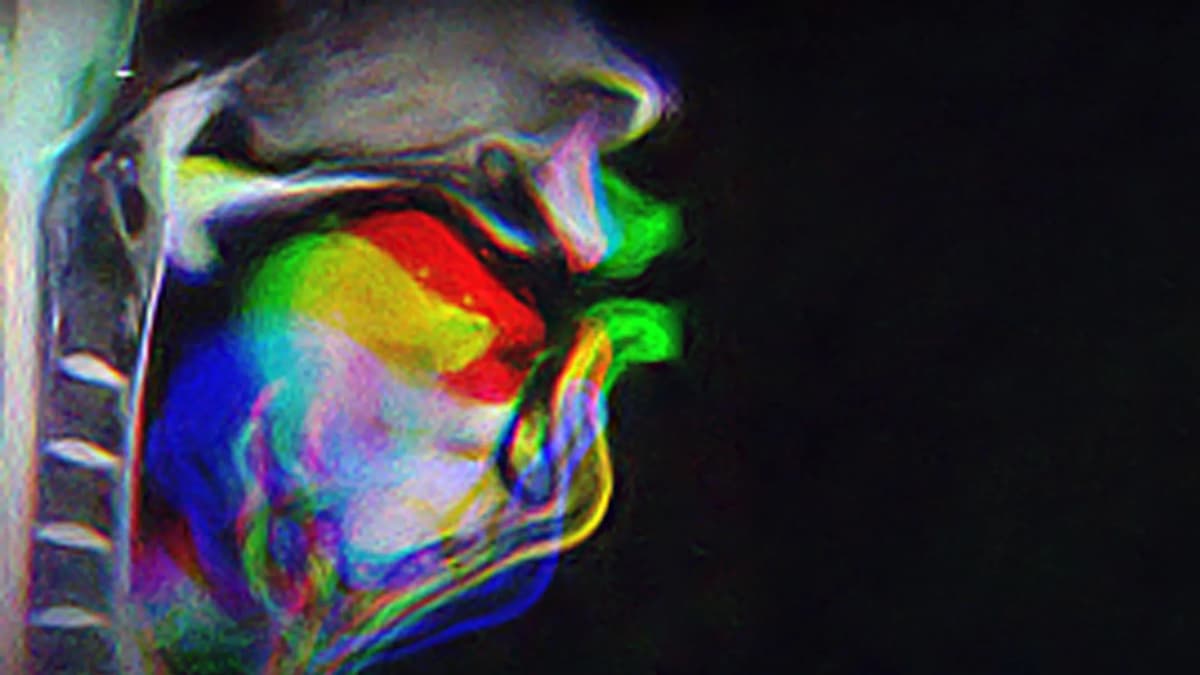
New Brain Study Reveals Speech Learning Works Differently than We Thought
A joint study by McGill University and Yale School of Medicine shows that speech learning relies far more on auditory and somatosensory brain regions than on motor areas. Using real‑time speech alteration and transcranial magnetic stimulation, researchers found that disrupting the auditory or somatosensory cortex impaired retention of new speech patterns, while motor cortex disruption had little effect. The findings challenge long‑standing motor‑centric models of speech acquisition and suggest new pathways for rehabilitation and brain‑speech technology. The work was published in PNAS and funded by the U.S. National Institute on Deafness and Other Communication Disorders.
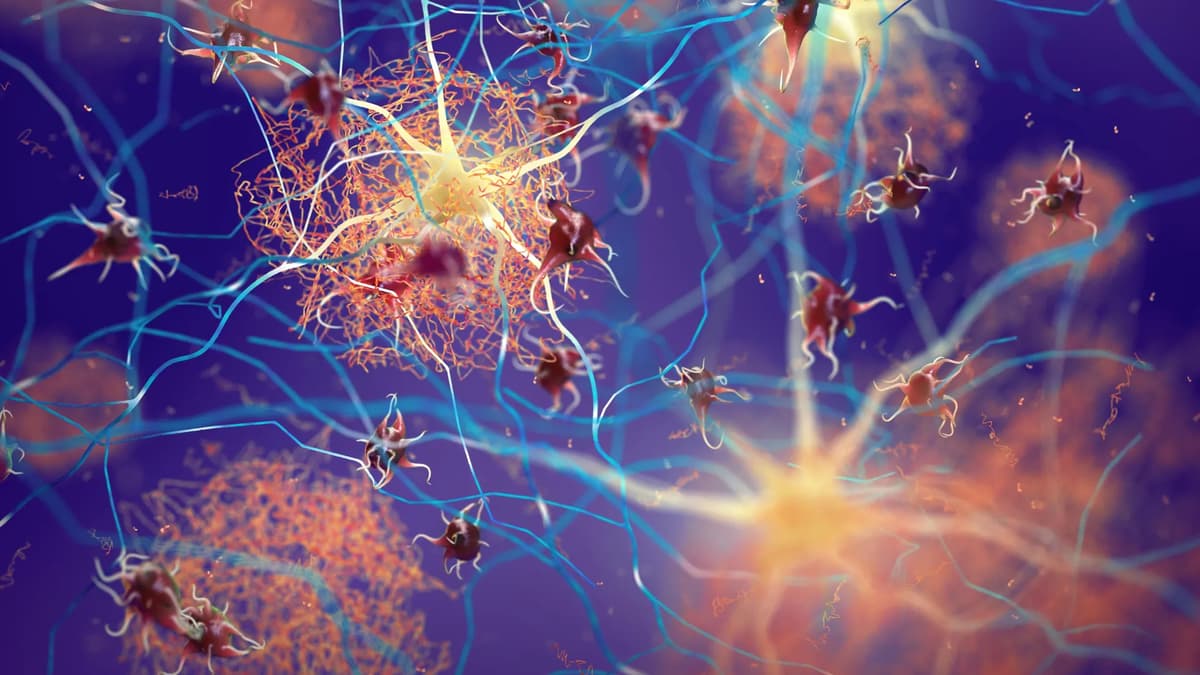
Tubulin Prevents Toxic Brain Protein Clumps Linked to Alzheimer’s and Parkinson’s
Scientists at Baylor College of Medicine discovered that tubulin can redirect the disease‑linked proteins Tau and α‑synuclein away from forming toxic aggregates and toward normal microtubule assembly. The study, published in Nature Communications, shows that low tubulin levels—common in Alzheimer’s...
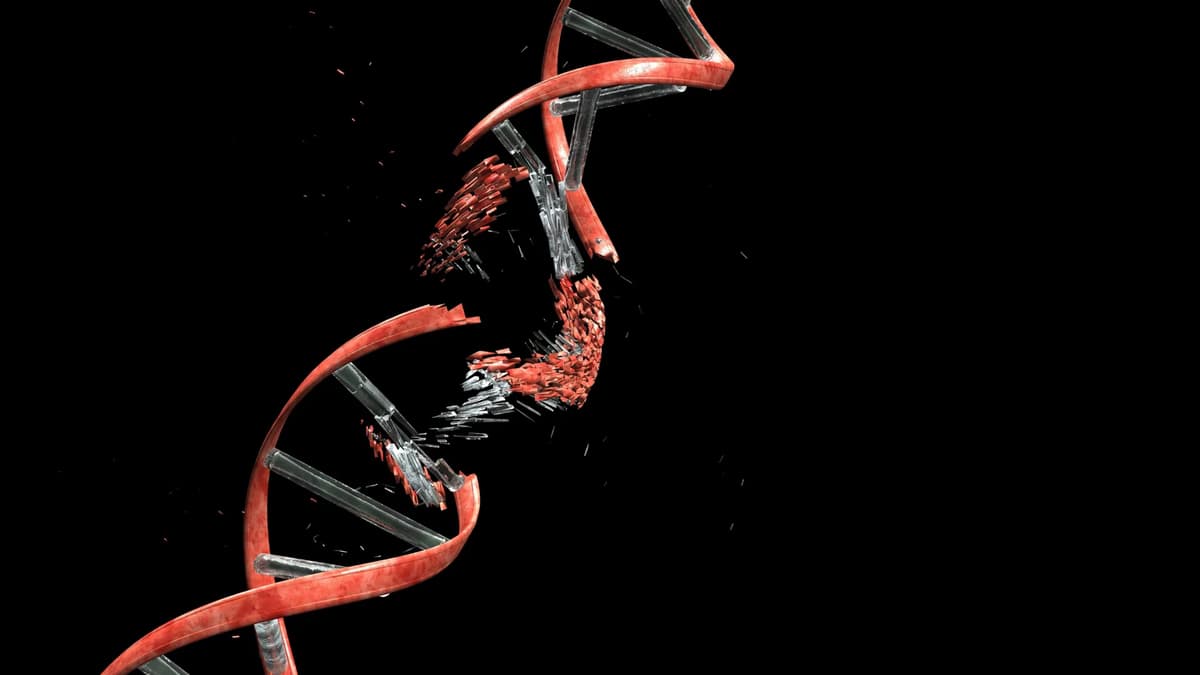
Scientists Discover Neurons Must Break Their DNA to Build the Brain
Researchers at Kyoto University found that migrating newborn neurons incur double‑strand DNA breaks as they squeeze through tight tissue spaces, but these breaks are rapidly repaired, allowing normal brain development. The breaks are caused by topoisomerase IIβ activity under mechanical stress...
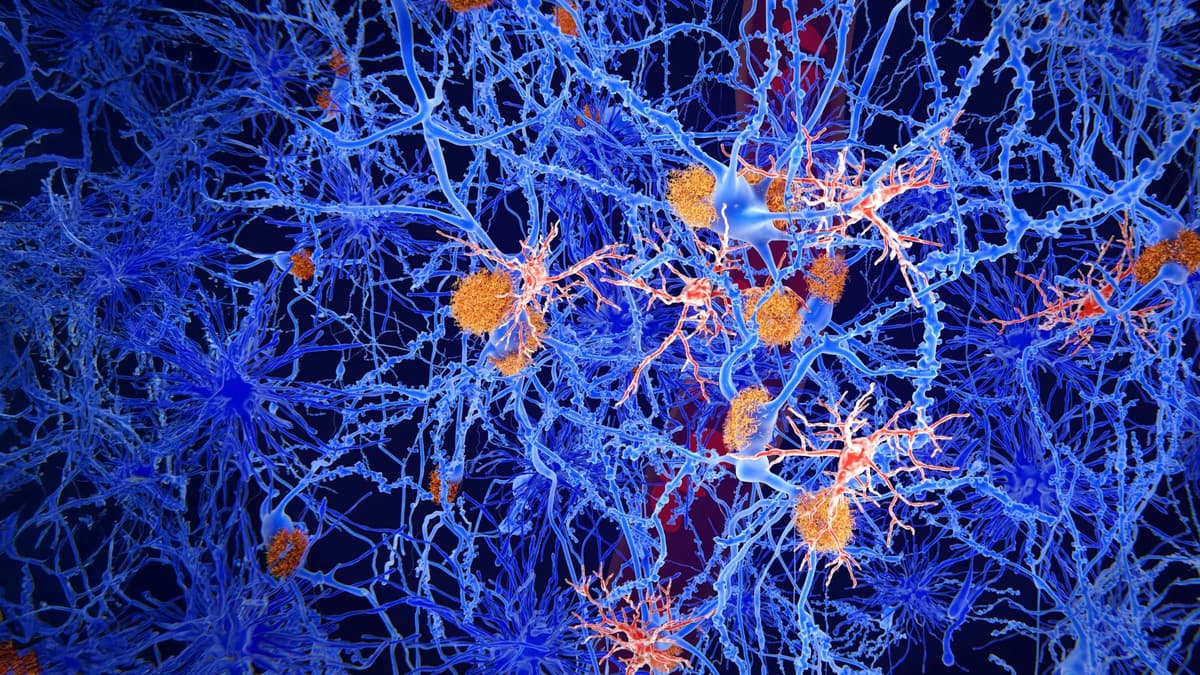
Scientists Reprogram Brain Immune Cells to Fight Alzheimer’s
Researchers in Spain and Switzerland identified an experimental molecule, OLE, that reprograms microglia to restore their protective functions against Alzheimer's disease. In mouse models, OLE treatment reduced beta‑amyloid plaque size, improved memory performance, and enhanced microglial containment of plaques. Parallel...
Scientists May Have Found What Really Triggers Alzheimer’s Disease
University of California, Riverside researchers propose that Alzheimer’s may start when amyloid‑beta protein competes with tau for microtubule binding inside neurons. Their experiments show amyloid‑beta can displace tau, disrupting intracellular transport and prompting tau aggregation. The study links age‑related autophagy...

Your Brain Can Keep Improving Into Your 90s, Study Finds
A three‑year study by the University of Texas at Dallas Center for BrainHealth tracked 3,966 adults aged 19 to 94 who completed 5‑15 minutes of daily brain‑training activities. Using the proprietary BrainHealth Index, researchers observed measurable improvements in clarity, emotional...

A Hidden Gene Finally Explains This Rare Neurological Disorder
German researchers have identified harmful variants in the CD99L2 gene as the cause of X‑linked spastic ataxia, a rare movement disorder. The discovery emerged from a genome‑wide analysis of 2,811 patients with ataxia, hereditary spastic paraplegia and dystonia, and was...
Scientists Discover a Surprising Cancer Link to Alzheimer’s Disease
A Boston Children’s Hospital team identified cancer‑driver mutations in microglia from Alzheimer’s disease brains and the same mutations in patients’ blood cells. The study, published in *Cell*, analyzed 149 oncogenic genes across 190 Alzheimer samples and 121 controls, finding a...
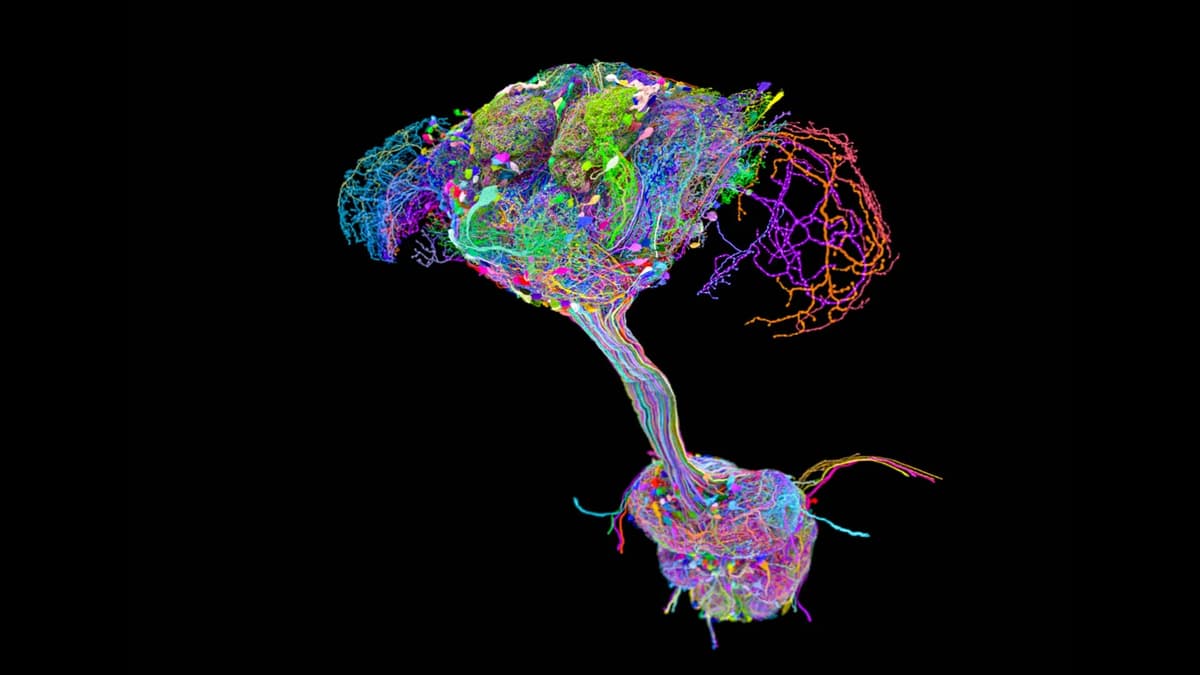
Scientists Mapped Every Neural Connection in a Fruit Fly and Found a Surprise
A multinational team led by Harvard and Princeton has published the first complete connectome of an adult fruit fly, linking its brain to the nerve cord that controls the body. The map, built from millions of electron‑microscopy images stitched together...

Cancer Patients Found a Simple Way to Stay Mentally Sharp During Chemotherapy
A Phase II trial involving 86 chemotherapy patients found that a home‑based exercise program (EXCAP) significantly improved attention and reduced observable cognitive lapses, outperforming placebo. Low‑dose ibuprofen also yielded modest attention gains, though it showed mixed effects on short‑term verbal memory....
Scientists Found a New Alzheimer’s Trigger and a Drug that Stops It
Researchers at ETH Zurich have pinpointed the inactive form of the regulatory protein GRK2 as a new trigger of Alzheimer’s disease. In mouse studies, GRK2 aggregates block mitochondrial pores, reducing cellular energy and boosting amyloid‑beta production. The team’s experimental Compound 10...

Scientists Found the Hidden Switch Fueling Alzheimer’s Brain Inflammation
Researchers at Scripps identified S‑nitrosylation of the STING protein at cysteine 148 as a molecular switch that drives chronic brain inflammation in Alzheimer’s disease. Elevated SNO‑STING was found in post‑mortem Alzheimer’s brains, cultured human microglia, and mouse models. Engineering mice with...

Caffeine Reversed Memory Problems Caused by Sleep Deprivation
Researchers at the National University of Singapore discovered that caffeine can reverse social memory deficits caused by sleep deprivation by restoring synaptic plasticity in the hippocampal CA2 region. In the animal study, five hours of sleep loss impaired social recognition,...

Protein Traffic Jams May Explain Aging, Memory Loss, and Alzheimer’s
Stanford researchers identified that aging brains experience protein‑synthesis traffic jams, where ribosomes stall during translation elongation, leading to proteostasis failure and toxic protein aggregates. Using the short‑lived turquoise killifish, they showed ribosome collisions rise sharply with age, explaining the long‑observed...

Vitamin B12 and Folate Deficiencies Linked to Chronic Fatigue
Researchers at Osaka Metropolitan University examined 600 healthy Japanese adults and found that low levels of vitamin B12 and folate were associated with elevated blood homocysteine. Higher homocysteine correlated with greater physical fatigue in men and reduced motivation in women. The...