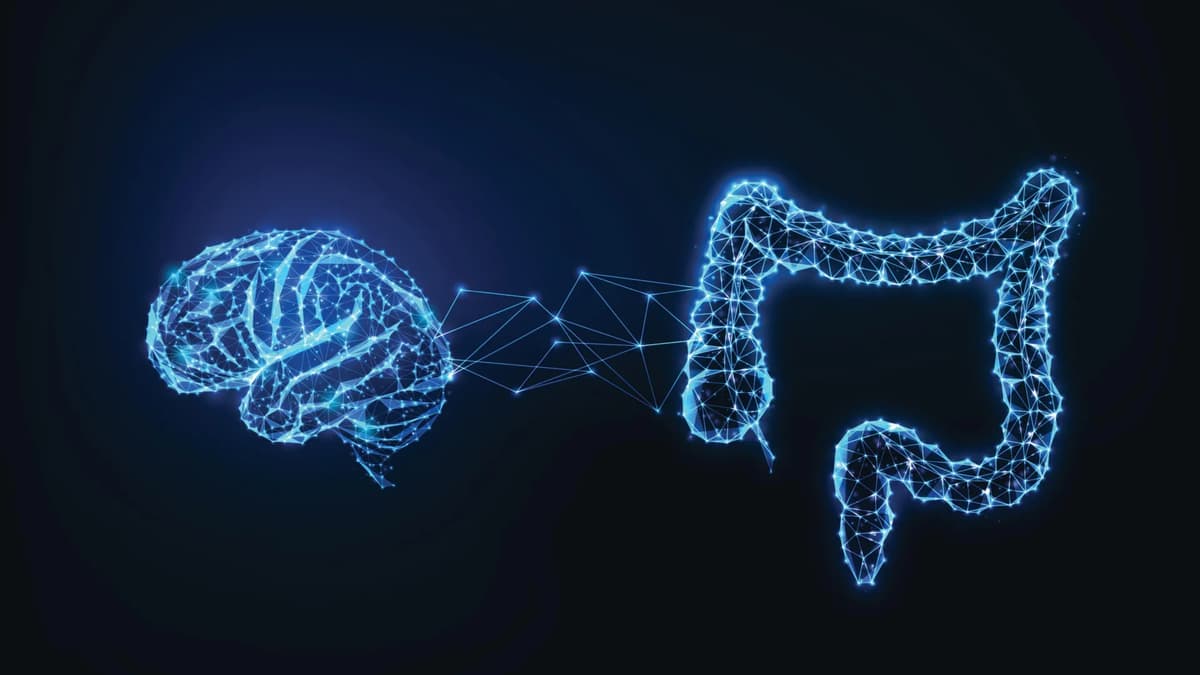
Scientists Discover Hidden Gut Trigger Behind ALS and Dementia
Why It Matters
By exposing a modifiable gut‑derived trigger for ALS and FTD, the research opens pathways for early diagnostics and microbiome‑based therapies, potentially altering disease trajectories for high‑risk patients.
Key Takeaways
- •Gut bacterial glycogen linked to brain cell death in ALS/FTD
- •70% of patients showed elevated harmful sugars versus 33% controls
- •Targeting gut sugars offers new biomarker and therapeutic pathway
- •C9orf72 carriers' disease risk may depend on microbiome composition
Pulse Analysis
The discovery of a gut‑brain axis in ALS and frontotemporal dementia adds a critical piece to a puzzle that has long frustrated neurologists. While genetics such as the C9orf72 repeat expansion explain a portion of disease risk, the new evidence that bacterial glycogen can provoke immune‑mediated neurodegeneration highlights the microbiome as an environmental modifier. This aligns with a growing body of research showing that gut microbes influence neuroinflammation, but it is the first to pinpoint a specific sugar molecule that directly harms motor neurons and frontal‑temporal cortical cells.
Clinically, the study offers two immediate opportunities. First, the elevated glycogen levels serve as a measurable biomarker, enabling physicians to stratify patients who might benefit from gut‑targeted interventions. Second, therapeutic strategies that degrade or block the production of this sugar—whether through antibiotics, engineered probiotics, or small‑molecule inhibitors—could slow disease progression. For C9orf72 carriers, who face uncertain penetrance, microbiome modulation may become a preventive tool, shifting the focus from symptomatic care to disease interception. Ongoing plans for larger patient cohorts and early‑phase trials could bring these concepts to bedside within a few years.
Beyond ALS and FTD, the findings could ripple across the biotech sector, spurring investment in microbiome‑based drug platforms and diagnostic kits. Investors are likely to watch how pharmaceutical firms translate the glycogen pathway into commercial pipelines, especially given the unmet market need for disease‑modifying ALS therapies, a market projected to exceed $5 billion globally. As regulatory agencies become more receptive to microbiome therapeutics, the convergence of neuroscience, immunology, and gut biology may redefine how neurodegenerative disorders are treated and prevented.
Scientists discover hidden gut trigger behind ALS and dementia
Comments
Want to join the conversation?
Loading comments...