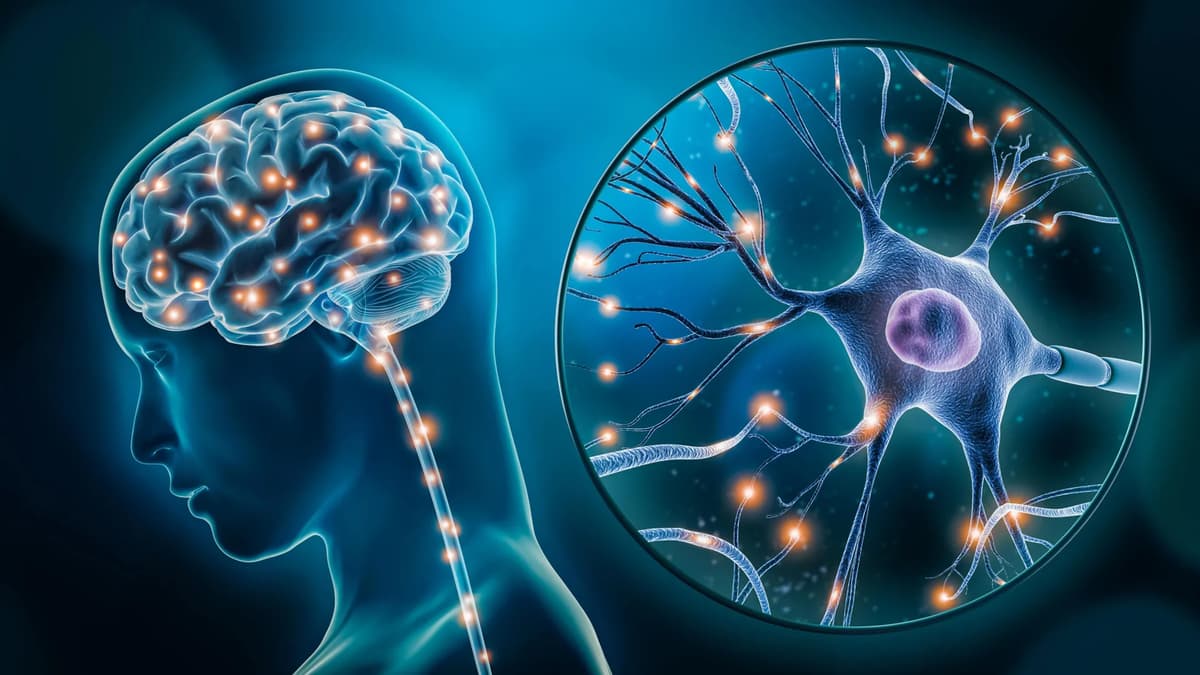
For the First Time, Scientists Pinpoint the Brain Cells Behind Depression
Why It Matters
Pinpointing the exact brain cells involved reframes depression as a measurable neurological condition, opening avenues for targeted drug development and personalized interventions.
Key Takeaways
- •Excitatory neurons and microglia subtypes show altered gene activity in depression
- •Study used single‑cell genomics on 59 depressed and 41 control brains
- •Findings support depression as a biologically rooted brain disorder
- •Targeting these cells could enable next‑generation antidepressant therapies
Pulse Analysis
Depression remains a leading cause of disability worldwide, affecting over 264 million people. While traditional treatments focus on neurotransmitter balance, the new McGill study shifts the focus to the cellular architecture of the brain. By demonstrating that specific excitatory neurons and a microglial subset exhibit distinct gene‑regulatory patterns in depressed individuals, researchers provide concrete evidence that mood disorders have a tangible biological substrate. This cellular insight aligns with a growing body of neuroscience that links mental health to immune signaling and synaptic plasticity, challenging the notion that depression is purely psychological.
The breakthrough hinged on single‑nucleus chromatin accessibility profiling, a cutting‑edge technique that maps open DNA regions across thousands of individual cells. Leveraging the rare Douglas‑Bell Canada Brain Bank, the team examined post‑mortem tissue with unprecedented resolution, revealing how gene‑expression programs diverge in the identified cell types. The involvement of microglia—a brain‑resident immune cell—highlights neuroinflammation as a potential driver of depressive symptoms, while altered excitatory neuron activity points to disrupted mood‑regulating circuits. These mechanistic clues provide a roadmap for researchers seeking molecular targets that could modulate these pathways more precisely than current antidepressants.
Looking ahead, pharmaceutical efforts can now explore compounds that specifically modulate the activity of the implicated neurons or recalibrate microglial function. Such cell‑type‑focused therapies promise fewer side effects and faster symptom relief by addressing the root cause rather than downstream effects. Moreover, the study’s methodology sets a precedent for dissecting other psychiatric conditions at the single‑cell level, paving the way for a new era of personalized mental‑health care. As the field moves toward biologically grounded diagnostics, clinicians may soon use cellular biomarkers to tailor treatment plans, improving outcomes for millions of patients.
For the first time, scientists pinpoint the brain cells behind depression
Comments
Want to join the conversation?
Loading comments...