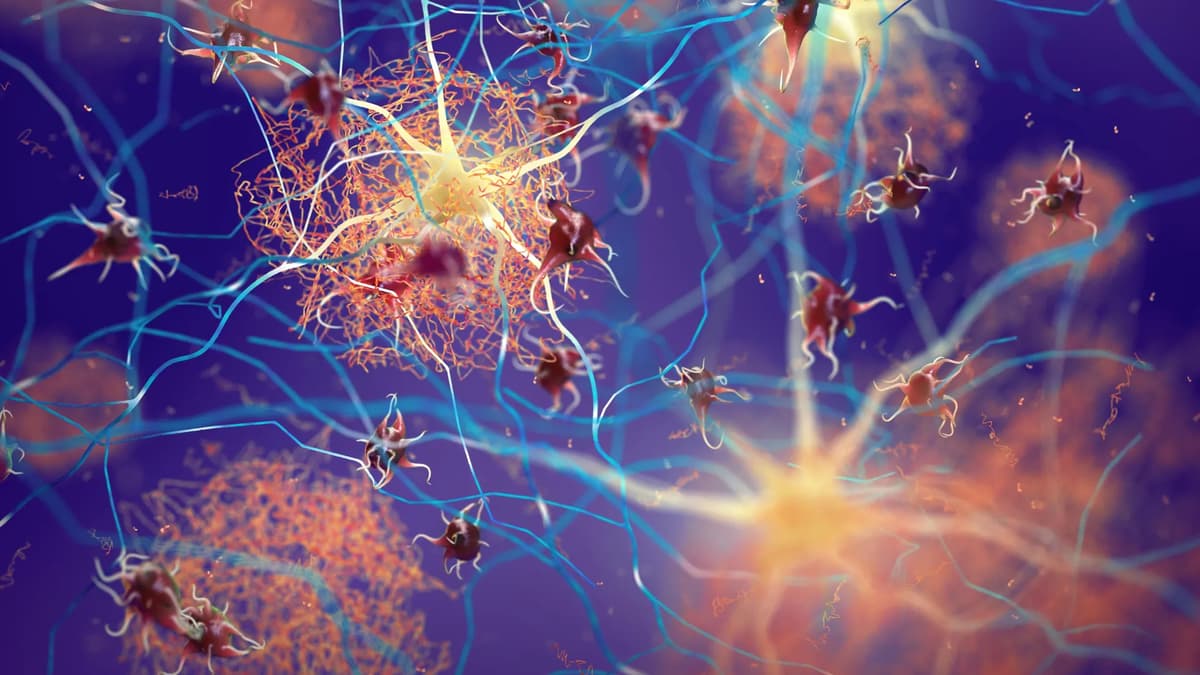
Boosting One Protein Helps the Brain Fight Alzheimer’s
Why It Matters
Targeting astrocyte function could complement or replace neuron‑centric approaches, offering a novel mechanism to slow neurodegeneration. Successful translation may expand treatment options for the growing Alzheimer’s patient population.
Key Takeaways
- •Boosting Sox9 in astrocytes clears amyloid plaques in AD mice.
- •Elevated Sox9 improves astrocyte complexity and preserves memory function.
- •Low Sox9 accelerates plaque buildup and cognitive decline.
- •Study uses mice with established symptoms, mirroring human AD progression.
- •Findings suggest astrocyte-targeted therapies as alternative to neuron-focused drugs.
Pulse Analysis
Alzheimer’s disease remains a leading cause of dementia, with amyloid‑beta plaques and tau tangles driving neuronal loss. Most approved therapies target neurons directly or aim to prevent plaque formation, yet clinical outcomes have been modest. This therapeutic gap has spurred interest in the brain’s support cells—astrocytes—which regulate synaptic health, metabolic balance, and waste clearance. Understanding how to harness astrocytes could unlock a fundamentally different route to mitigate neurodegeneration.
In the Baylor study, scientists focused on Sox9, a transcription factor that governs astrocyte maturation and response to aging. By genetically boosting Sox9 in mice that already exhibited memory deficits and established plaques, they observed a marked increase in astrocytic complexity and a “vacuum‑like” uptake of amyloid deposits. Conversely, suppressing Sox9 led to faster plaque accrual and worsened cognition. Importantly, the use of symptomatic mouse models mirrors the clinical stage at which most patients seek treatment, enhancing the translational relevance of the findings.
If the Sox9‑driven astrocyte activation can be replicated in humans, it could reshape the Alzheimer’s drug pipeline. Pharmaceutical firms may explore small molecules, gene‑therapy vectors, or peptide modulators that up‑regulate Sox9 or its downstream pathways. Challenges include ensuring cell‑type specificity and avoiding off‑target effects in other tissues. Nonetheless, the prospect of a therapy that empowers the brain’s innate cleaning system offers a compelling narrative for investors and clinicians alike, potentially expanding market opportunities in a disease area desperate for disease‑modifying solutions.
Boosting one protein helps the brain fight Alzheimer’s
Comments
Want to join the conversation?
Loading comments...