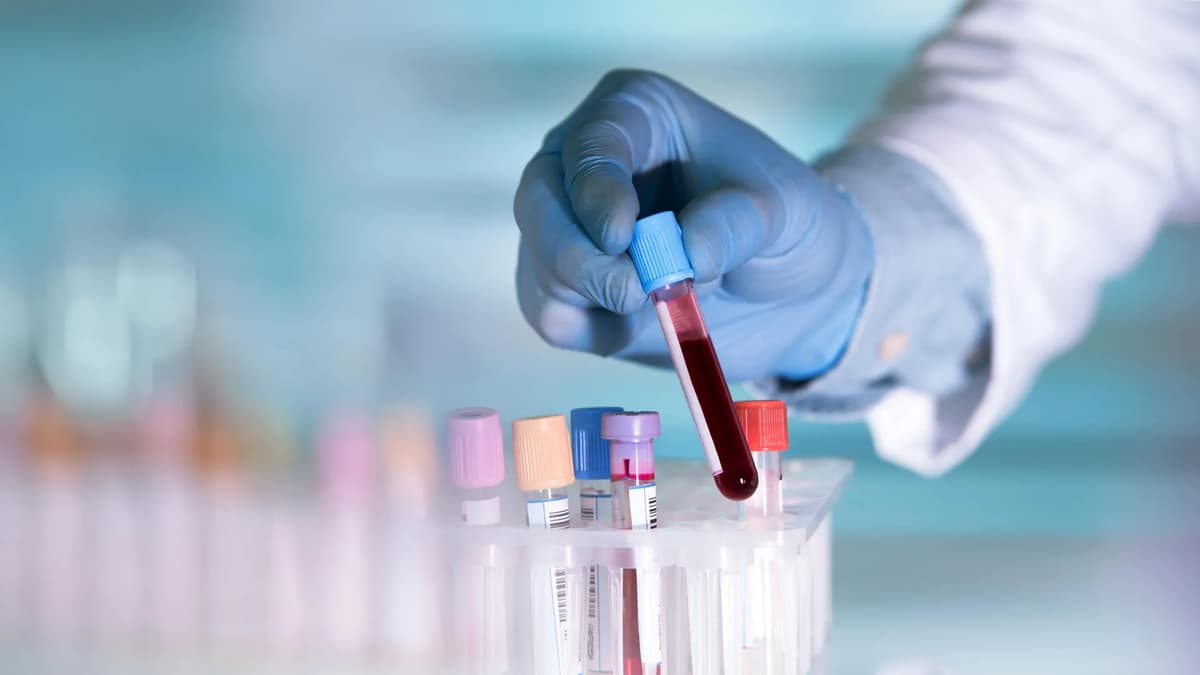
This Simple Blood Test Might Detect Depression Before Symptoms Appear
Why It Matters
An objective biomarker would transform depression screening, allowing clinicians to detect and treat the disorder earlier, particularly in high‑risk groups such as people living with HIV.
Key Takeaways
- •Epigenetic clock of monocytes predicts emotional depression symptoms
- •Study involved 440 women, 261 HIV‑positive, 179 HIV‑negative
- •Traditional multi‑tissue epigenetic clock showed no depression link
- •Findings could enable early, objective depression screening
- •May improve personalized treatment for high‑risk populations
Pulse Analysis
Depression remains a leading cause of disability in the United States, affecting roughly one in five adults. Yet clinicians still rely on patient‑reported questionnaires, which can miss early or atypical presentations. The absence of a biological test hampers timely diagnosis and obscures the disorder’s heterogeneous nature, prompting researchers to explore immune and aging markers that might serve as objective indicators.
The new study leveraged two epigenetic clocks—one broad, one monocyte‑specific—to assess biological age in 440 women, including a sizable cohort of 261 living with HIV. While the multi‑tissue clock failed to correlate with depressive symptoms, the monocyte clock showed a strong association with non‑somatic manifestations such as anhedonia and hopelessness. This suggests that accelerated aging of immune cells, rather than overall cellular aging, may underlie the cognitive‑emotional facet of depression, offering a mechanistic bridge between chronic inflammation and mental health, especially in immunocompromised populations.
If validated in larger, diverse samples, monocyte‑based epigenetic testing could become a routine screening tool, flagging at‑risk individuals before clinical symptoms fully emerge. Such a biomarker would enable precision psychiatry—matching patients to the most effective therapies based on their biological profile and potentially reducing trial‑and‑error prescribing. However, translating these findings into practice will require standardization of assay methods, cost‑effectiveness analyses, and integration with existing mental‑health workflows. The prospect of an objective, blood‑based depression test marks a pivotal step toward more proactive, personalized care in both general and high‑risk populations.
This simple blood test might detect depression before symptoms appear
Comments
Want to join the conversation?
Loading comments...