
The Recent Voting Rights Act Case
The Supreme Court’s ruling in Louisiana v. Callais overturns decades of precedent that allowed the Voting Rights Act’s Section 2 to be enforced on the basis of disparate impact. The majority opinion requires proof of intentional racial discrimination before a districting plan can be struck down, effectively neutering Section 2’s protective power. As a result, Republican‑controlled legislatures can redraw districts to dilute Black voting strength without fearing federal challenge. The decision builds on earlier cases such as City of Mobile, Shaw v. Reno, Shelby County, Rucho, and Alexander, completing a judicial shift that weakens voting‑rights safeguards.
A 2-3-4 Wild Card Court; and Blanche V. Lau Made Easy
Rory Little challenges the common 3‑3‑3 view of the Supreme Court, proposing a 2‑3‑4 “wild card” model that places Gorsuch, Barrett, Roberts and Kavanaugh as pivotal swing votes in closely divided cases. He argues that these four justices often break...

Is the Court Done with Callais?
The Supreme Court promptly finalized *Louisiana v. Callais*, invalidating the state’s 2022 congressional map and ordering a new map for the 2026 elections. Black voters defending the struck map filed a motion to recall the judgment, arguing the Court ignored...
The Supreme Court’s Indefensible Evisceration of the Voting Rights Act
The Supreme Court’s June decision in Louisiana v. Callais overturns the Voting Rights Act’s Section 2 results test, redefining it as an intent inquiry. The majority opinion, written by Justice Alito, requires plaintiffs to prove intentional racial discrimination and to present...
The Nine Lives of Employment Division V. Smith
The Supreme Court announced it will hear St. Mary Catholic Parish v. Roy, a Colorado preschool case that challenges the state’s universal preschool program on religious grounds. The Court deliberately avoided revisiting the 1990 Employment Division v. Smith decision, which...
Supreme Court Turns Down COVID-19 Vaccine Case Brought by John Stockton
The U.S. Supreme Court declined to hear NBA Hall of Famer John Stockton’s challenge to the Washington Medical Commission’s authority to investigate doctors who question COVID‑19 vaccines. Stockton argued the commission’s actions violated the First Amendment, but a lower appeals...
An Abortion Pill Battle and New Redistricting-Related Lawsuits
The Supreme Court heard oral arguments from Danco Laboratories and GenBioPro, seeking a pause on a Fifth Circuit order that forces in‑person dispensing of the abortion pill mifepristone. In the wake of the Court’s Louisiana v. Callais decision, Tennessee and...
State and Federal Courts Jockey for Power in the Roundup Case and Other Mass Public Harms
The Supreme Court is hearing Monsanto Co. v. Durnell, a dispute over whether EPA pesticide labeling rules preempt a Missouri jury award of $1.25 million for a Roundup cancer claim. At the same time, plaintiffs face a June 4 deadline to accept...
After Major Voting Rights Ruling, Parties Dispute Whether the Supreme Court Should Finalize Decision Immediately to Allow Changes to Louisiana’s...
The U.S. Supreme Court was asked by a coalition of non‑African American voters to forgo the standard 32‑day waiting period after its ruling that Louisiana's 2024 congressional map violates the Constitution. Louisiana’s governor responded by postponing the May 16 congressional...
Justices Poised to Protect Generics Manufacturers From Liability for Decisions of Pharmacists About Prescribing Their Products
The Supreme Court heard arguments in Hikma Pharmaceuticals USA v. Amarin Pharma, where Amarin seeks to hold generic maker Hikma liable for pharmacists dispensing its generic product in ways that infringe Amarin’s Vascepa patents. The Court appeared skeptical that Hikma’s...

Court Unanimously Sides with Faith-Based Pregnancy Centers in Litigation Dispute with New Jersey
The U.S. Supreme Court unanimously ruled that faith‑based pregnancy center First Choice Women’s Resource Centers has standing to sue New Jersey over a subpoena demanding donor information. The Court held that the threat of disclosure constitutes an actual injury to...
Church Autonomy Returns to SCOTUS
The Supreme Court has granted certiorari in U.S. Conference of Catholic Bishops v. O’Connell, a case that asks how far the First Amendment’s church autonomy doctrine extends. The dispute focuses on three questions: whether the doctrine provides constitutional immunity from...
Supreme Court Orders
The Supreme Court’s orders list, a publicly posted docket, details how the justices manage roughly 4,000 certiorari petitions each term. It categorizes cases into summary dispositions, pending orders, certiorari grants, denials, and ancillary matters such as attorney discipline. Recent entries...
Twinkies, Tribunals, and Tainted Statements
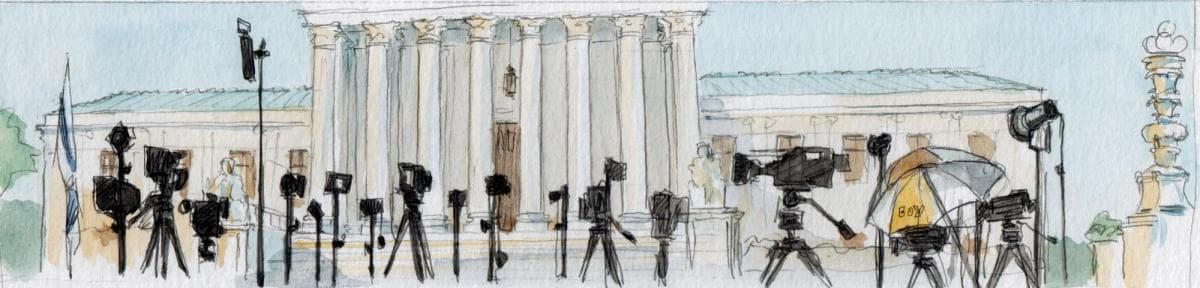
The Supreme Court’s latest certiorari docket shows a marked slowdown, granting review only in Department of Labor v. Sun Valley Orchards, a case probing whether the Labor Department can impose civil penalties through administrative adjudication under the H‑2A visa program....
In Major Voting Rights Act Case, Supreme Court Strikes Down Redistricting Map Challenged as Racially Discriminatory
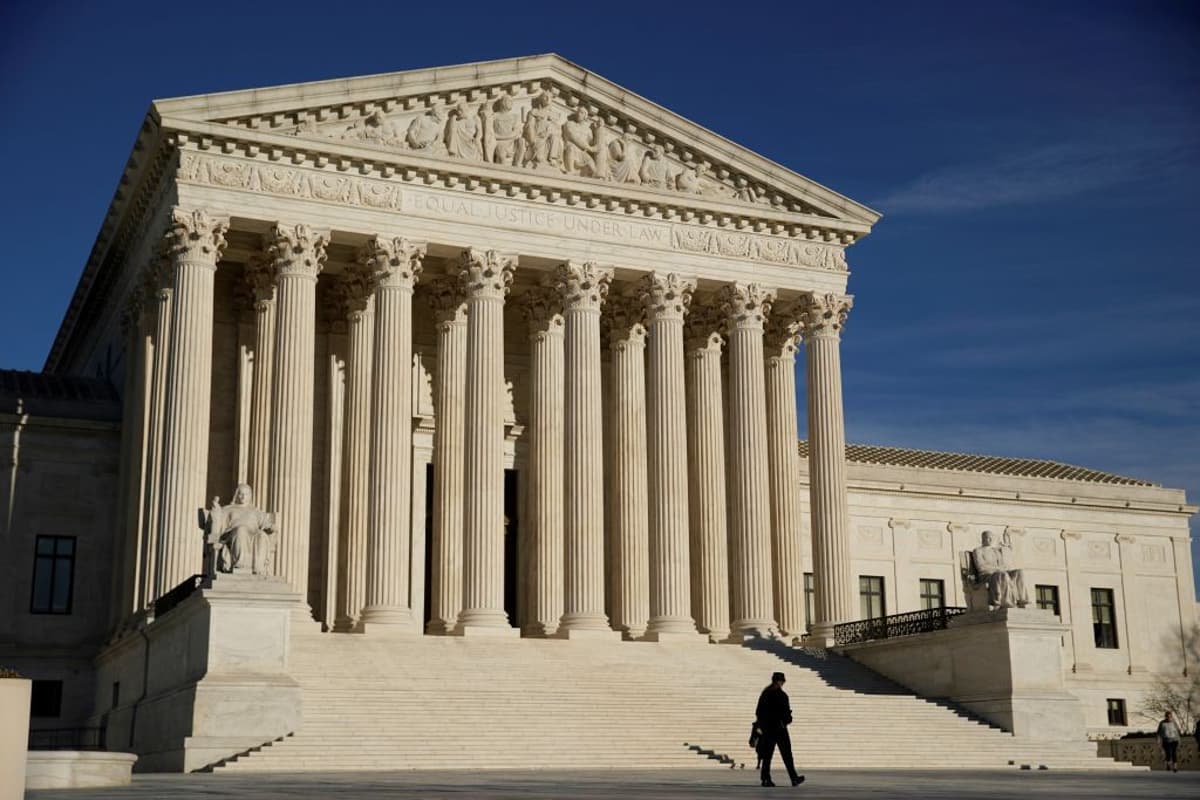
The U.S. Supreme Court, in a 6‑3 decision, affirmed a lower‑court order blocking Louisiana's 2024 congressional map, which created a second majority‑Black district. The Court held that the map violated the Constitution’s equal‑protection clause because the state used race without...
The Final Argument Day
The Supreme Court’s final argument day of the 2025‑26 term will feature oral arguments in several high‑profile cases, including Cisco Systems v. Doe I on corporate liability for alleged torture, Mullin v. Doe on the Trump administration’s effort to terminate...
Court Decides to Hear Additional Case Next Term, Turns Down Petition From Parents Challenging School Gender-Identity Policy
The U.S. Supreme Court granted the Department of Labor’s petition to review a lower‑court ruling that limited the agency’s power to impose penalties on Sun Valley Orchards for H‑2A visa violations. The New Jersey farm was fined more than $500,000...
Supreme Court to Hear Argument on Whether Corporations Can Be Held Liable as Accomplices in Violations of International Law
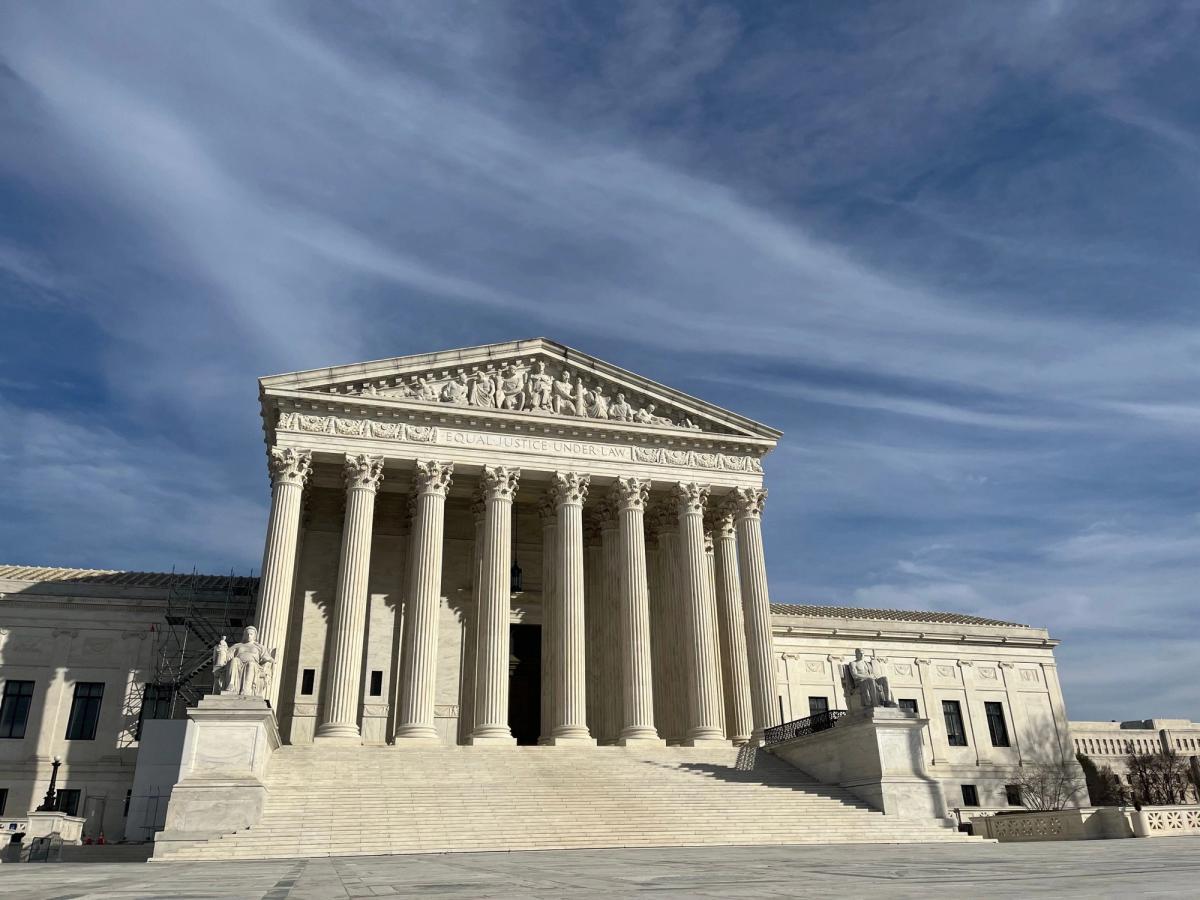
The U.S. Supreme Court will hear Cisco Systems v. Doe, a case that asks whether the 1793 Alien Tort Statute can impose aiding‑and‑abetting liability on corporations for alleged human‑rights abuses in China’s Golden Shield surveillance program. Plaintiffs, including Chinese nationals...
Final Arguments of the Term
The Supreme Court’s 2025‑26 term is entering its final week of oral arguments, with the bench hearing high‑stakes cases such as Mullin v. Doe on Temporary Protected Status, Chatrie v. United States over geofence warrants, and Hikma v. Amarin concerning...
Digital Location Data Heads Back to the Supreme Court
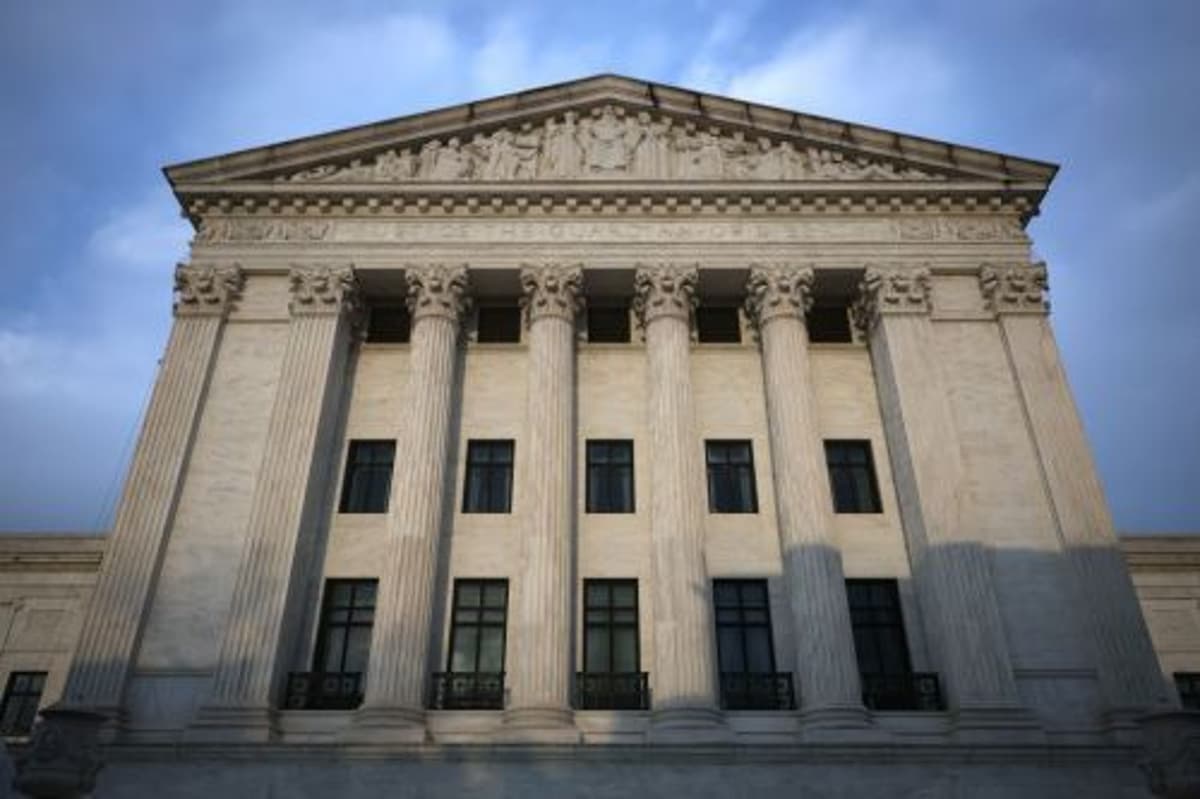
On April 27, the U.S. Supreme Court will hear Chatrie v. United States, a challenge to police access to app‑generated geofence location data. The case asks whether a warrant is required to obtain anonymized lists of devices in a specific...
Court Will Consider Whether Trump Administration Properly Revoked Protected Status for Syrians and Haitians
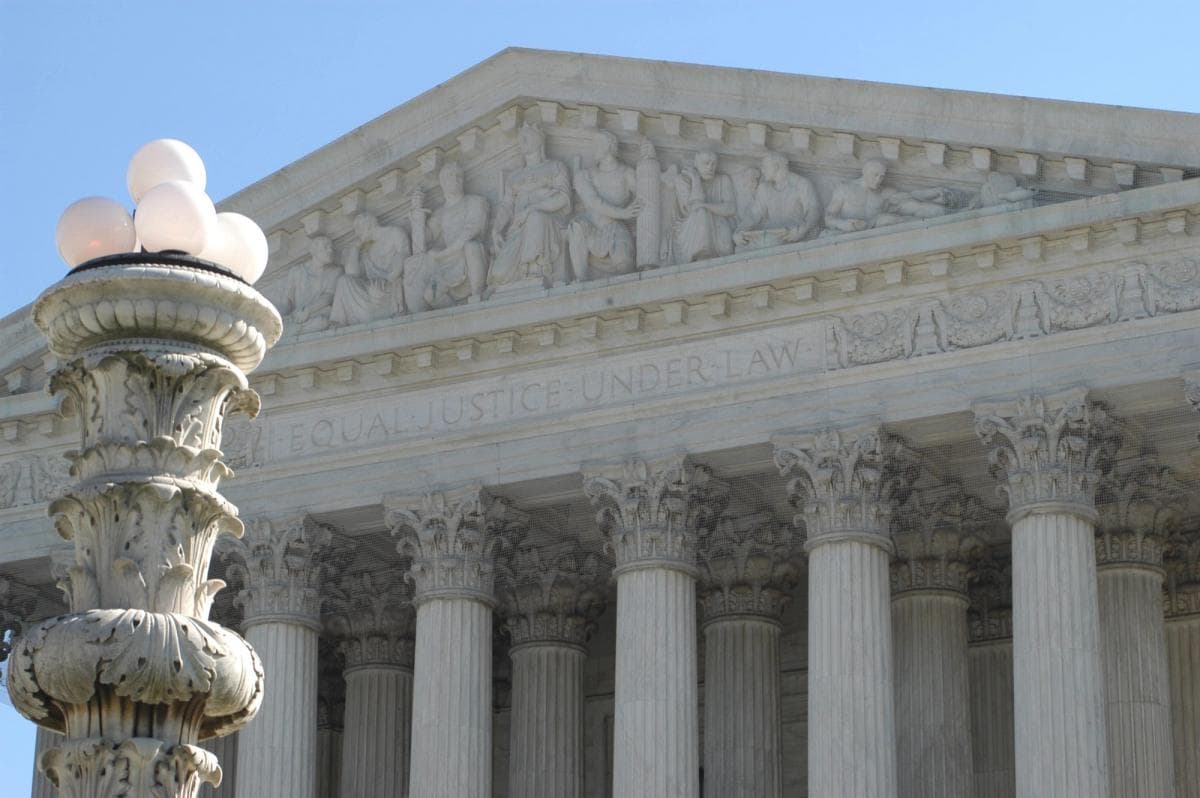
On April 29, the U.S. Supreme Court will hear oral arguments in Mullin v. Doe, challenging the Trump administration’s attempt to terminate Temporary Protected Status (TPS) for Haiti and Syria. Federal district judges in Washington and New York have blocked...
Justices Reject Certain Protections for Contractors in War Zones
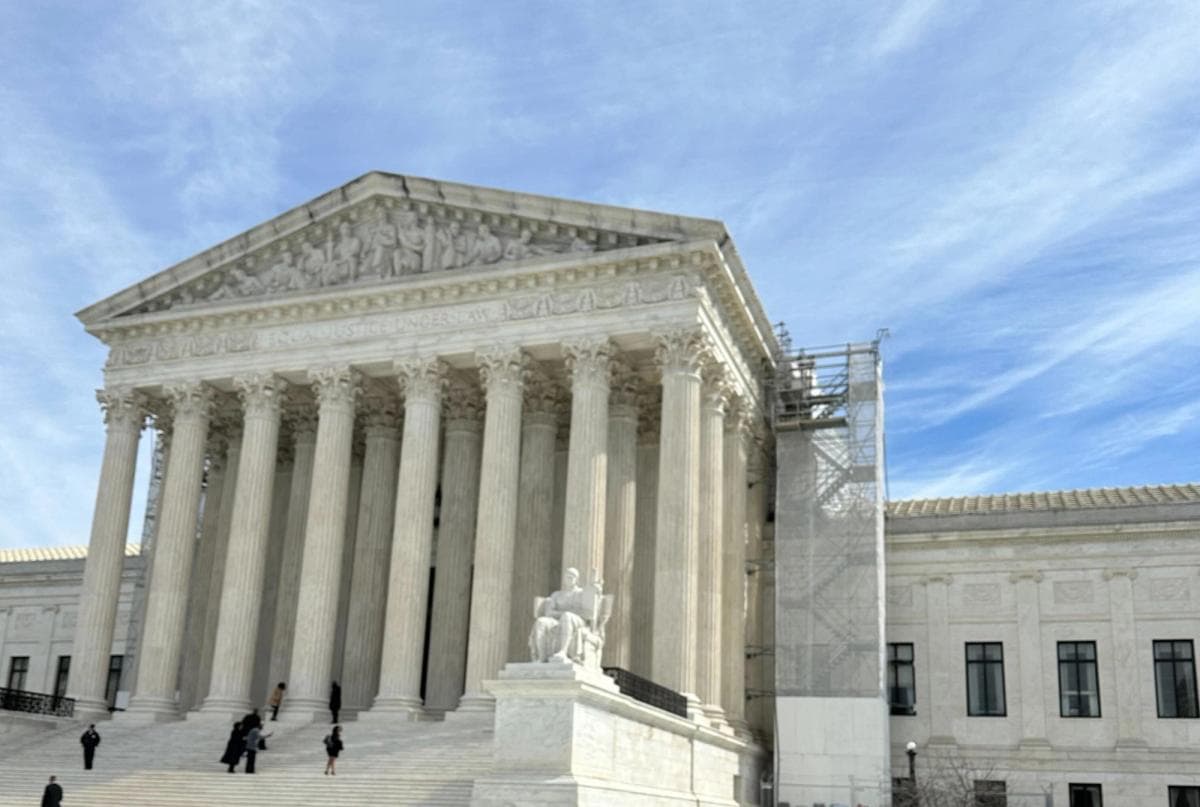
The Supreme Court in Hencely v. Fluor rejected the notion of absolute immunity for military contractors operating in war zones. Justice Thomas wrote that state tort claims are not preempted because Fluor’s actions violated federal instructions, distinguishing the case from...
Court Holds that 30-Day Deadline for Removing Cases to Federal Court Is Mandatory
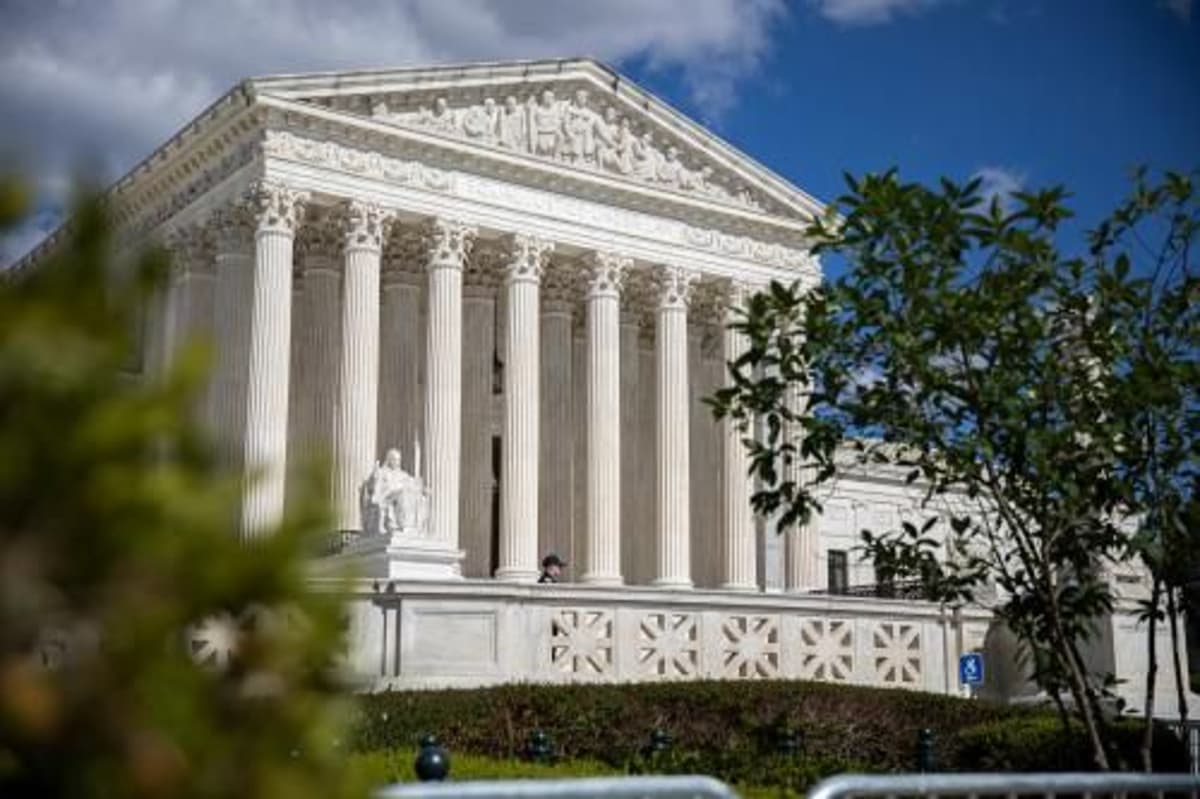
The U.S. Supreme Court held that the 30‑day deadline for filing a notice of removal under 28 U.S.C. §1446(b)(1) is mandatory and cannot be extended by equitable tolling. In *Enbridge Energy v. Nessel*, the Court affirmed the Sixth Circuit’s reversal of a...
Justices to Hear Dispute over Cancer Warnings on Pesticide Labels
The U.S. Supreme Court will hear Monsanto Co. v. Durnell, a case that asks whether the Federal Insecticide, Fungicide, and Rodenticide Act (FIFRA) preempts state requirements for cancer warnings on glyphosate‑based herbicides. The dispute stems from a Missouri jury that...
SCOTUSblog’s New Look
SCOTUSblog, acquired by The Dispatch in April 2024, has launched a comprehensive redesign and a slate of new offerings. The site now covers every Supreme Court case, live‑blogs arguments, and features nearly 20 new columnists. It added a daily newsletter...

Supreme Court Will Hear Religious Liberty Case on Catholic Preschools and LGBTQ Families
On April 22 the U.S. Supreme Court granted certiorari in St. Mary Catholic Parish v. Roy, a lawsuit by a Littleton, Colorado preschool that was excluded from the state’s universal pre‑K program because it would have to admit LGBTQ children and families....
Supreme Court Will Hear Religious Liberty Case on Catholic Preschools and LGBTQ Families
The U.S. Supreme Court granted certiorari to hear St. Mary Catholic Parish v. Roy, a Colorado Catholic preschool’s claim that exclusion from the state’s universal preschool program violates the First Amendment because it forces admission of LGBTQ children and families....
Why the Supreme Court’s Birthright-Citizenship Decision May Depend on the Meaning of “Domicile”
The Supreme Court is hearing Trump v. Barbara, a challenge to President Trump’s 2025 executive order that seeks to limit birthright citizenship by tying it to a parent’s “domicile.” Solicitor General D. John Sauer argues that domicile means lawful permanent residence...
Why the Supreme Court’s Birthright-Citizenship Decision May Depend on the Meaning of “Domicile”
The Supreme Court is set to decide Trump v. Barbara, a case challenging the president’s 2025 executive order that narrows birthright citizenship. The administration argues that the 14th Amendment’s phrase “subject to the jurisdiction thereof” requires a parent’s legal domicile,...
Court to Consider Rights of Lawful Permanent Residents Accused of Committing a Crime
The U.S. Supreme Court will hear *Blanche v. Lau*, examining whether lawful permanent residents (LPRs) accused of a crime must be classified as inadmissible only when immigration officers have clear‑and‑convincing evidence of the offense at the moment of reentry. The...
The (Non-)partisan Puzzle in the Conversion Therapy Case
The Supreme Court in Chiles v. Salazar held that Colorado’s ban on conversion‑therapy counseling for minors triggers strict First Amendment scrutiny, deeming the law viewpoint‑based speech regulation. The 8‑1 decision saw liberal Justices Sotomayor and Kagan join the majority, while...

Why Does the Government Keep Showing up at the Supreme Court Uninvited?
The Trump administration has dramatically increased its use of uninvited amicus briefs, filing five such briefs in the past 13 months, including a high‑profile petition from a Colorado Catholic preschool challenging state nondiscrimination rules. Historically, the federal government filed only...
“Universal” Pre-K Causes Court to Re-Re-Reconsider Major Religious Precedent
The Supreme Court placed St. Mary Catholic Parish v. Roy on its relist roster, reviving a challenge to Colorado’s universal preschool program. The Catholic preschools argue the state’s nondiscrimination condition—requiring acceptance of children regardless of parents’ sexual orientation or gender...
Court to Contemplate SEC’s Use of Disgorgement in Securities Enforcement
The Supreme Court will hear Sripetch v. SEC, examining whether the agency can impose disgorgement without proving direct harm to investors. Ongkaruck Sripetch, convicted of selling unregistered securities, faces a 21‑month sentence and a SEC demand for over $6 million in...
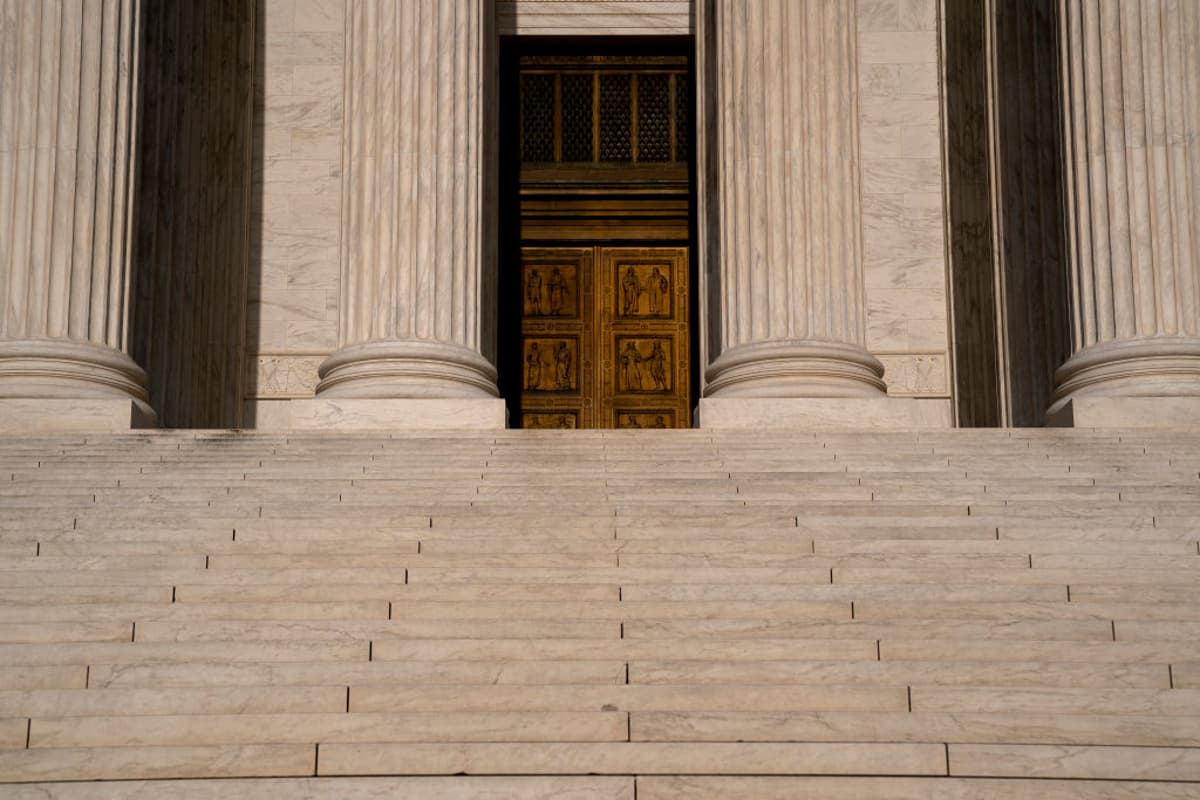
Justices to Consider when Federal Courts May Review State-Court Decisions
The Supreme Court will hear T.M. v. University of Maryland Medical System, a case that asks whether the Rooker‑Feldman doctrine bars federal courts from reviewing state‑court decisions that are not yet final. Lower courts dismissed T.M.’s federal suit, holding the...
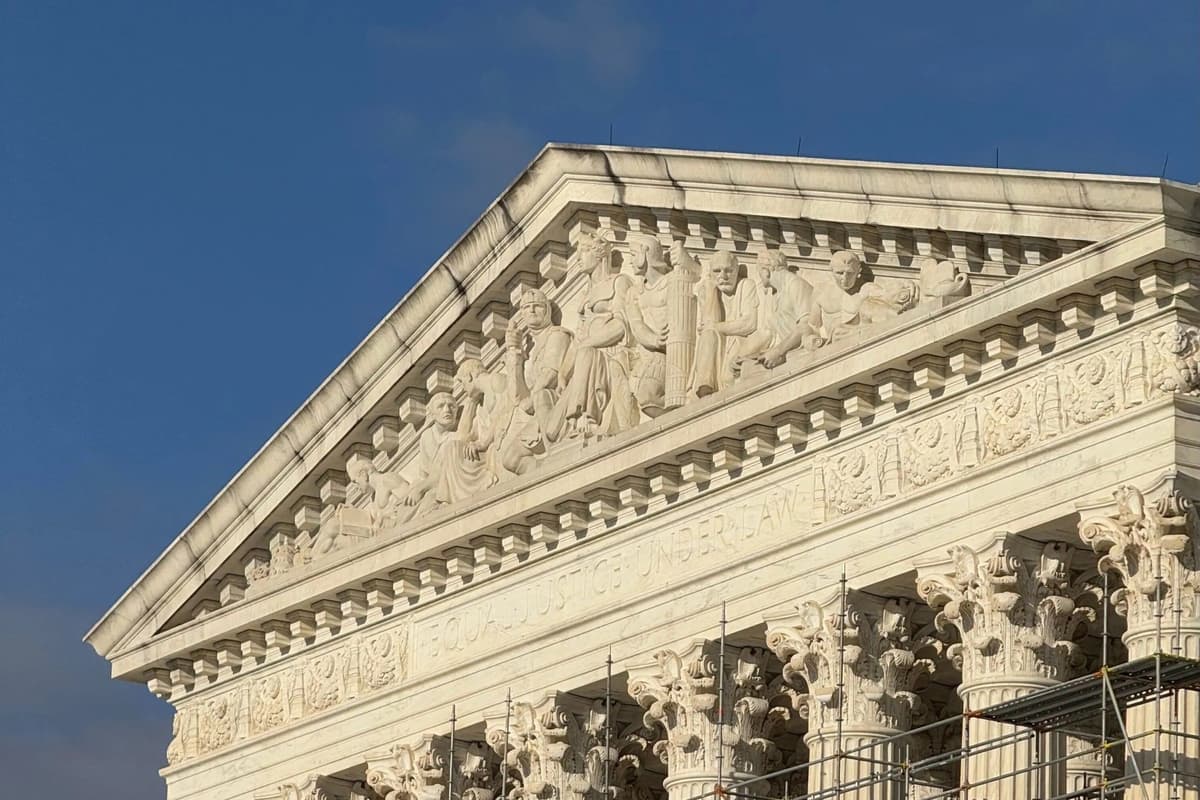
SCOTUStoday for Wednesday, April 15
The Supreme Court signaled it may release new opinions on Friday at 10 a.m. EDT and will hold a private conference that same day to set the agenda for its April argument session. Senate Republicans announced they are prepared to confirm...
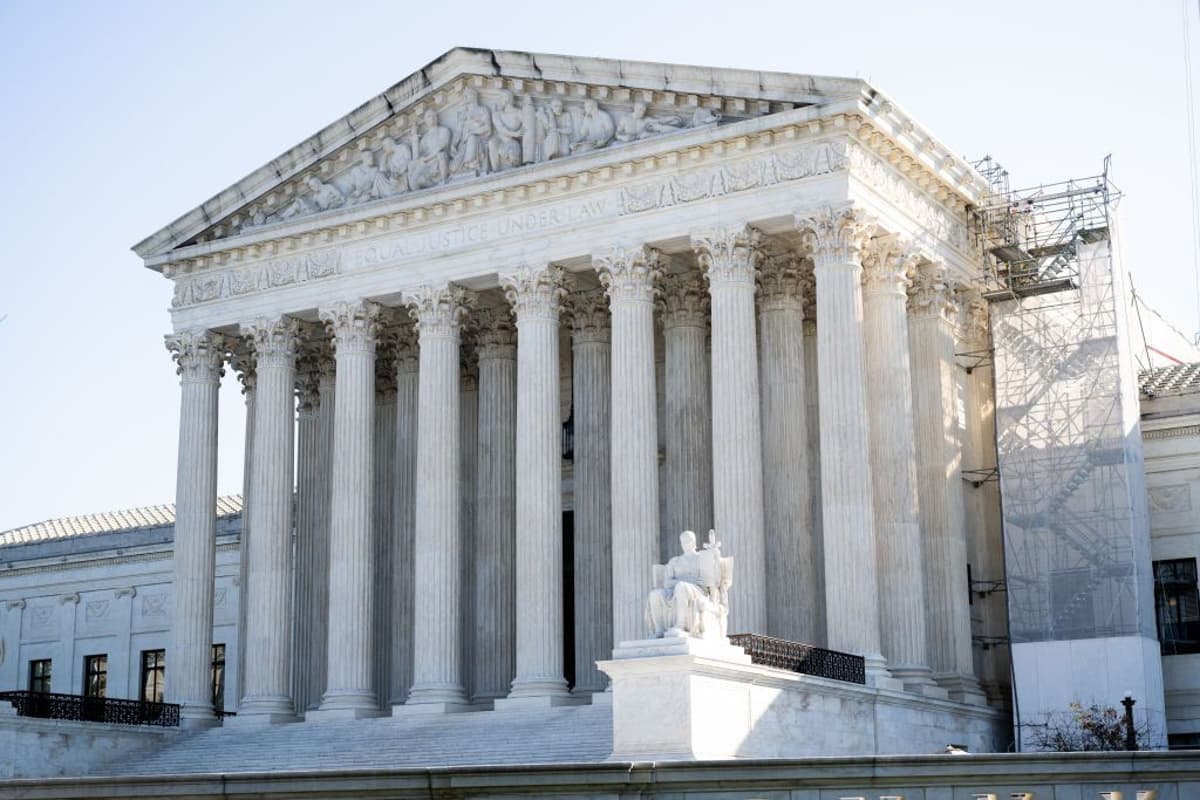
Justices to Hear Argument on Right to Jury Trial in FCC Proceedings
The Supreme Court will hear FCC v. AT&T, examining whether the FCC’s in‑house forfeiture orders that impose fines violate the Seventh Amendment right to a jury trial. The case follows the Court’s 2024 SEC v. Jarkesy decision that struck down...

Law, Memoir, and the Mystery of Justice Anthony Kennedy’s Writing
Justice Anthony Kennedy’s memoir "Life, Law & Liberty" distinguishes itself from recent Supreme Court memoirs by offering literary depth and personal modesty, whereas books by Justices Gorsuch, Barrett and Jackson read more like image‑building exercises. Kennedy weaves references to Willa...

The Sports Stars, Hip-Hop Artists, and Celebrity Magicians Playing a Role in Pending Supreme Court Petitions
The Supreme Court’s upcoming term includes four high‑profile petitions that feature celebrities as parties or amici, ranging from an NFL arbitration dispute involving former coach Brian Flores to former NBA star John Stockton’s free‑speech challenge over vaccine‑mandate investigations. Hip‑hop icons...

Legislative History Lives on – in Secret
The Supreme Court’s self‑identified textualists are quietly re‑introducing legislative history into their reasoning, often by citing older opinions that already embed congressional materials. Judges such as Gregory Katsas have admitted to “laundering” legislative history in high‑profile cases like the Jan. 6...
State Election Dispute on Political Speech Comes to Supreme Court on Interim Docket
Ohio Secretary of State Frank LaRose and county election officials asked the Supreme Court to deny Sam Ronan’s request to be reinstated on the Republican primary ballot for Ohio’s 15th congressional district. Ronan, an Air Force veteran, was removed after...
Supreme Court Summarily Closes the Courthouse Doors Again
The Supreme Court again employed a summary reversal in Zorn v. Linton, granting police officer Jacob Zorn qualified immunity without full briefing or oral argument. The case involved a protester who suffered a wrist injury and PTSD after a rear‑wristlock...

The Who, What, and Where of Gun Control
The Supreme Court’s recent Second Amendment jurisprudence is being parsed through three lenses—who may bear arms, what arms are protected, and where they may be carried. In United States v. Rahimi (2024) the Court affirmed that the government can temporarily...
Court Allows Steve Bannon to Move Forward on Dismissal of Criminal Charges Against Him
The U.S. Supreme Court on April 2 sent Steve Bannon's contempt‑of‑Congress case back to the lower court after the Justice Department filed a motion to dismiss his indictment. The Court also agreed to review a veterans‑benefits jurisdiction case and remanded...
What Really Happens on the Emergency Docket
The article uncovers Justice John Paul Stevens’ archival memos that reveal the hidden deliberations behind Supreme Court emergency‑docket orders, using the 2005 *Wisconsin v. Moeck* stay as a case study. While the public order appeared unanimous, internal paperwork shows a 5‑4 split,...
Veterans Benefits: A Consensus Candidate for Cert
The Supreme Court’s Thursday conference docket includes a relisted petition, Johnson v. United States Congress, challenging the Veterans’ Judicial Review Act’s restriction on district‑court jurisdiction over constitutional claims. The case presents a stark six‑to‑two circuit split, with the 8th and...
Supreme Court Refuses to Hear Case of Louisiana Man Sentenced to Life Imprisonment, “Tiger King” Appeal
The Supreme Court granted review of Younge v. Fulton Judicial Circuit District Attorney’s Office, a pregnancy‑discrimination suit that asks whether an affirmative defense can be raised after the answer. It denied certiorari in two high‑profile criminal cases: James Skinner’s life‑sentence...
The Dissent that Questioned Certain Jury Trials
Supreme Court’s 6‑3 decision in SEC v. Jarkesy held that the Seventh Amendment guarantees a jury trial for civil fraud actions, overturning the SEC’s practice of adjudicating such cases before in‑house administrative law judges. The ruling curtails the agency’s ability,...

Temporary Protected Status Cases to Be Argued on Final Day of April Argument Session
The U.S. Supreme Court set April 29 as the hearing date for two high‑profile Temporary Protected Status (TPS) cases—Mullin v. Doe (Syrian nationals) and Trump v. Miot (Haitian nationals). The cases combine challenges to the Trump administration’s attempt to terminate...
Court Repudiates Extension of Federal Supervised Release While a Defendant Absconds
The Supreme Court ruled 8‑1 in Rico v. United States that a defendant’s flight does not extend the statutory term of federal supervised release. Under 18 U.S.C. § 3583(i), courts may still adjudicate violations that occurred before the release period ends if a...