
AI Local Visibility Is up to 30x Harder than Ranking in Google: Report
SOCi’s 2026 Local Visibility Index reveals that AI assistants such as ChatGPT, Gemini, and Perplexity surface far fewer business locations than Google’s local 3‑pack. Only 1.2% of 350,000 locations appear on ChatGPT, 11% on Gemini, and 7.4% on Perplexity, compared with 35.9% on Google. AI platforms prioritize accurate, high‑rated profiles and treat reviews as a filter, making AI visibility three to thirty times harder to achieve. The gap varies by industry, with retail and restaurants showing the most pronounced disparities.

Google Adds One-Click Ad Previews to PMax
Google has added a one‑click preview feature to Performance Max, allowing advertisers to click directly on images or videos within the Asset Groups table to see how ads will appear across placements. The update eliminates the need to navigate to...

Google Searches per U.S. User Fell Nearly 20% YoY: Report
U.S. desktop Google searches per user dropped nearly 20% year‑over‑year, while Europe saw only a 2‑3% decline. The fall reflects fewer repeat queries as AI‑generated answers satisfy users instantly. Zero‑click searches now represent about 20% of desktop events, but growth...

Bing Webmaster Tools Testing New AI Performance Report
Microsoft is testing a new AI Performance report within Bing Webmaster Tools, offering beta‑level visibility into how often Bing Chat and Copilot cite a site. The report displays daily citation counts, cited pages, grounding queries, and query intent, but it...

EU Puts Google’s AI and Search Data Under DMA Spotlight
The European Commission has launched two formal specification proceedings under the Digital Markets Act to dictate how Google must share Android AI capabilities and anonymized search data with rivals. The moves target Google’s control over hardware features used by its...

ChatGPT Ads Come with Premium Prices — and Limited Data
OpenAI is rolling out ads inside ChatGPT at roughly $60 CPM, about three times the cost of typical Meta placements. Advertisers will receive only high‑level metrics—total impressions and clicks—without insight into downstream actions such as purchases. The first wave targets...

Google Ads Bug Removes Notes Option for some Advertisers
Google Ads users are encountering a bug that removes the “Add note” option from the account‑change popup, making it harder to document campaign adjustments. The issue, flagged by paid‑search consultant Odi Caspi, appears intermittently over the past weeks. Workarounds include clicking...

A Smarter Way to Approach AI Prompting
Generative AI’s rise has exposed costly hallucinations caused by vague prompts. The article proposes rubric‑based prompting as a systematic guardrail that defines decision rules, uncertainty handling, and failure behavior. By embedding concise rubrics alongside prompts, models prioritize accuracy over fluency...

Why Demand Gen Works Best Alongside Performance Max for Ecommerce
Google’s Demand Gen campaign type has matured into a powerful visual advertising solution for ecommerce, offering granular audience and placement control across YouTube, Discover, Gmail, and Shorts. When paired with Performance Max, which excels at automated, conversion‑driven scaling, advertisers can...

Nick LeRoy Turns SEO Consulting Into Fundraiser for Minnesota Immigrant Support
SEO veteran Nick LeRoy converted his consulting platform into a fundraiser for Minnesota immigrant support, offering services in exchange for donations to the GiveMN charity. Within seven hours the campaign raised roughly $1,950, backed by prominent SEO agencies, SaaS firms,...

Same URL in AI Overviews and Blue Links Counts as One Google Search Console Impression
Google Search Console treats a URL that appears in both an AI Overview and the traditional blue‑link list as a single impression. John Mueller confirmed that the platform aggregates multiple appearances of the same URL on a SERP into one...

International SEO in 2026: What Still Works, What No Longer Does, and Why
International SEO’s traditional playbook—country‑specific URLs, localized content, and hreflang—no longer guarantees visibility in 2026’s AI‑driven search landscape. AI models now prioritize semantic equivalence, entity clarity, and local authority before applying ranking signals, causing simple translations and page‑centric tactics to be...

Organic Search Traffic Is Down 2.5% YoY, New Data Shows
A new Graphite analysis of Similarweb data for over 40,000 U.S. sites shows organic search traffic fell only 2.5% year‑over‑year, far less than the 25‑60% declines often cited. The largest publishers actually grew organic traffic by about 1.6%, while mid‑size...

Google Shopping API Cutoff Looms, Putting Ad Delivery at Risk
Google is sunsetting its legacy Shopping APIs and mandating migration to the Merchant API, the new single source of truth for Shopping Ads. Advertisers using the beta version must switch by February 28 2024, while Content API users have until August 18 2024. Failure to...

Does llms.txt Matter? We Tracked 10 Sites to Find Out
A recent study of ten diverse websites tracked AI traffic before and after adding llms.txt files. The data showed that eight sites saw no measurable change, two experienced traffic spikes that were tied to unrelated PR and content initiatives, and...

Yext’s Visibility Brief: Your Guide to Brand Visibility in AI Search by Yext
Yext released a new Visibility Brief that maps how brand visibility operates across traditional search, local listings, knowledge panels, and AI‑driven answer engines. The brief draws on data from thousands of brands to reveal where visibility gains are made and...

Inside SearchGuard: How Google Detects Bots and What the SerpAPI Lawsuit Reveals
Google sued SerpAPI for allegedly circumventing its newly deployed SearchGuard anti‑bot system, which monitors mouse, keyboard, scroll and timing signals to distinguish humans from automated scrapers. The lawsuit, filed under DMCA Section 1201, highlights Google’s effort to protect its search...
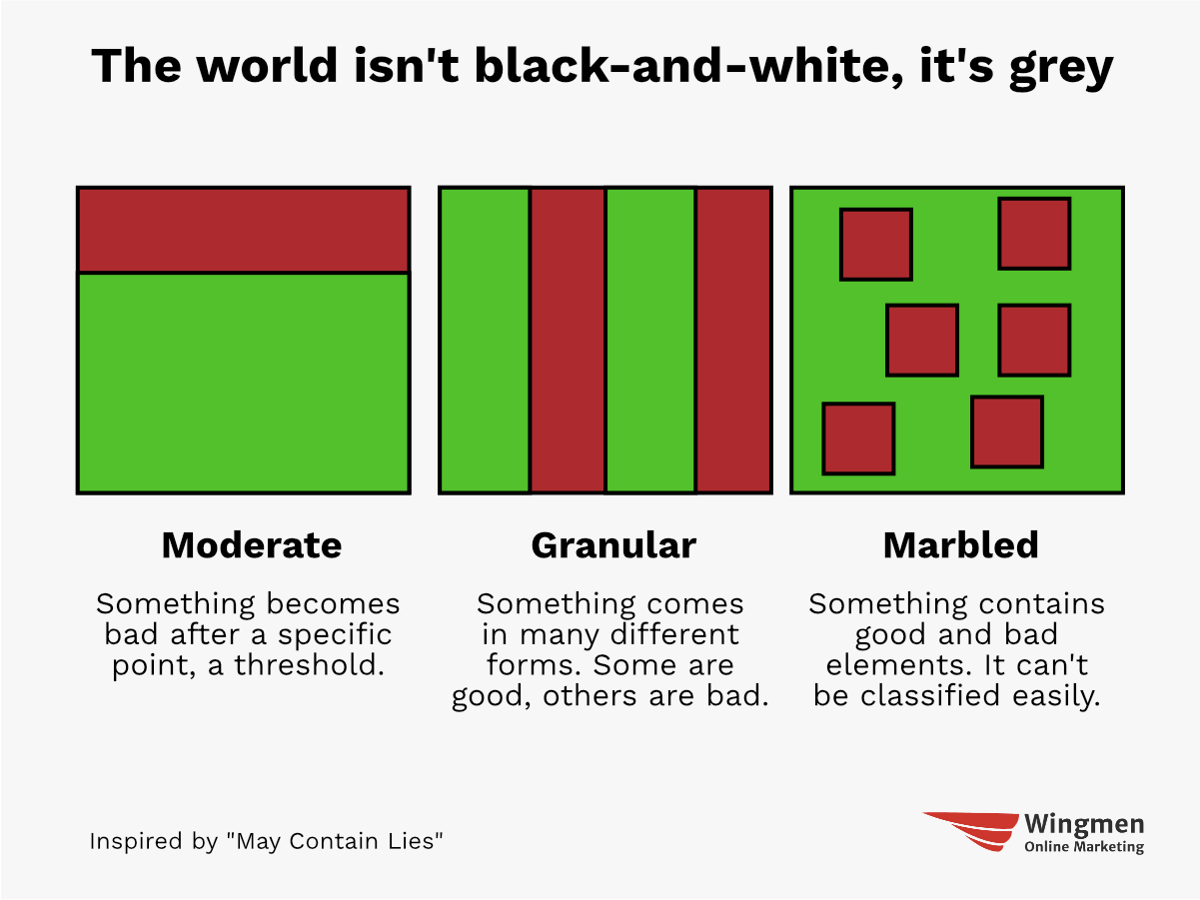
GEO Myths: This Article May Contain Lies
The article debunks three prevalent Generative Engine Optimization (GEO) myths—llms.txt files, schema markup, and fresh content—by applying a "ladder of misinference" framework. It shows that llms.txt lacks empirical support, schema markup offers limited AI visibility benefits, and fresh content has...

10 Salary Negotiation Tips for Search Marketers
Negotiating salaries in marketing is challenging due to inconsistent job titles, lack of industry standards, and recent market shifts. The article outlines ten actionable tips grouped into four themes: assessing personal value, understanding realistic market rates, aligning with company values,...
Amy Hebdon Discusses the PPC Decision that Cost Her a Good Client Relationship
On episode 337 of PPC Live The Podcast, paid‑search veteran Amy Hebdon discusses two early career mistakes—a creative compliance conflict and an inactive low‑touch account—that strained client relationships. She emphasizes that while the tactical decisions were correct, poor communication and...
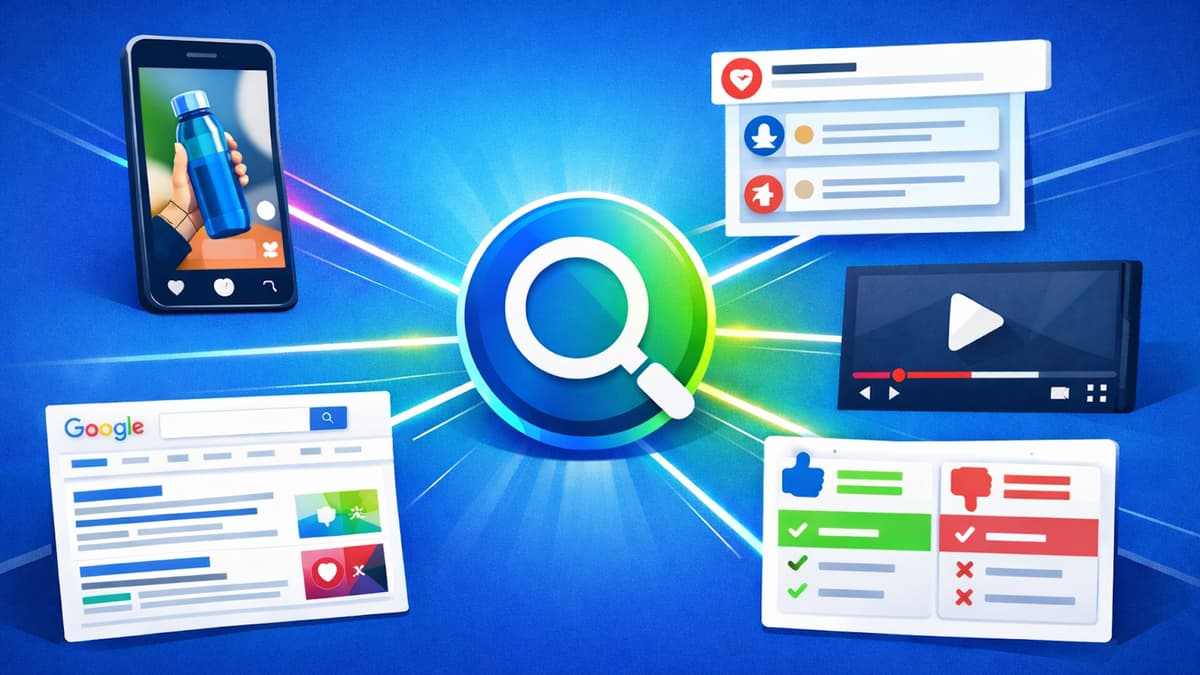
Discoverability in 2026: How Digital PR and Social Search Work Together
Discoverability has shifted from a single Google box to a multi‑platform journey across TikTok, Reddit, YouTube, and AI assistants. Brands must treat search as a layered experience, combining digital PR’s authority with social search’s distribution to influence decisions before a...
Google Introduces Total Campaign Budgets for Search
Google has rolled out total campaign budgets for Search and Shopping ads, extending a feature previously limited to Performance Max. Marketers can set a fixed budget for a campaign’s duration, and Google’s algorithm automatically distributes spend to fully utilize the...