
Google’s New Intelligent Search Box – Its Biggest Change to the Search Box in 25 Years
Google unveiled its biggest search‑box redesign in 25 years, branding it the Intelligent Search box. The new interface, powered by Gemini 3.5 Flash, expands as users type and accepts text, images, files, videos, or Chrome tabs, while offering AI‑driven suggestions that go beyond autocomplete. It also activates seamless AI Mode and AI Overviews globally on desktop and mobile. The change aims to shift users toward conversational, multi‑modal queries and could alter traffic patterns to websites.

Google Search Now Powered by Gemini 3.5 Flash
Google unveiled Gemini 3.5 Flash at I/O, positioning it as the newest Flash‑class model for AI Mode in Search. The model promises frontier‑level intelligence while delivering four‑times faster token output than competing systems. It now powers the Gemini app for all users...

Google Lets You Build Your Own App Within Google Search with Agentic Coding
Google announced at I/O that Search can now generate custom mini‑apps directly within the results page, using generative AI to code interactive layouts, dashboards and tools on demand. Users can ask for visual simulations, task trackers or fitness monitors, and...
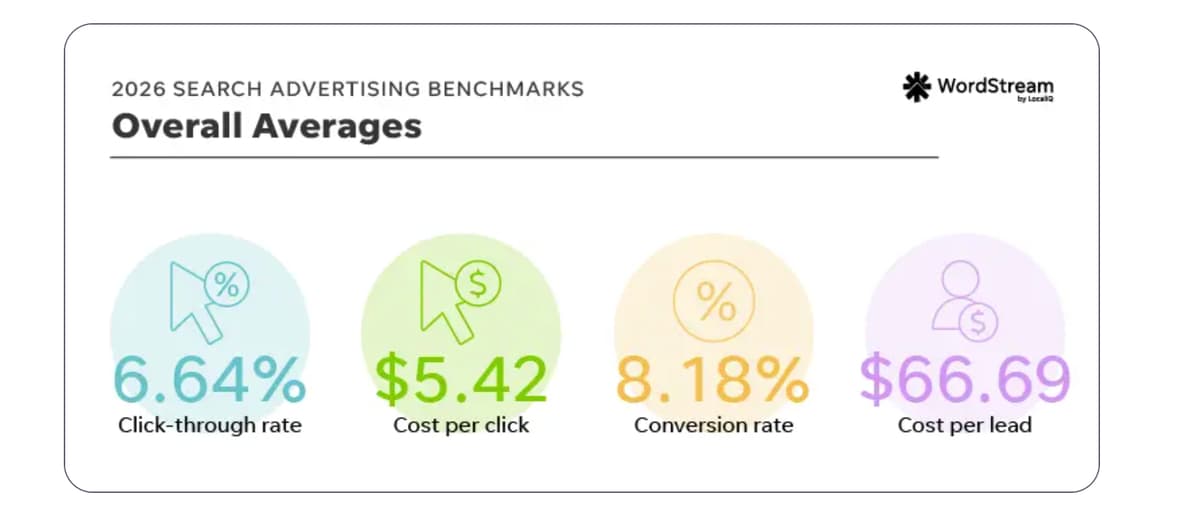
Google Ads Costs Keep Rising, but Conversion Rates Improved in 2025
The 2025 WordStream benchmark, covering over 16,000 Google Ads campaigns, shows the average cost‑per‑click climbing to $5.42, a 16% rise from 2024. At the same time, average conversion rates improved to 8.18%, indicating better efficiency despite pricier traffic. Automation tools...

Marketing Is Entering Its ‘Air Traffic Control’ Era by AtData
AtData argues that modern marketing is evolving into an "air traffic control" function, where thousands of AI‑driven models coordinate decisions rather than follow a linear funnel. Recommendation engines, fraud detectors, identity systems and dynamic creative generators now act simultaneously, often...

Dean Kadi Talks Clients Ignoring Performance Data
Dean Kadi, head of paid growth at One Link Media, recounted how a client forced the pause of high‑performing Meta ads for a premium woodworking brand in favor of heavily branded creatives. The original user‑generated content (UGC) campaign had lifted...

Google Publishes Guide on Optimizing for Generative AI Features
Google has released an official guide that consolidates its advice for optimizing websites for generative AI features such as AI Mode and AI Overviews. The document reaffirms that traditional SEO fundamentals remain essential while emphasizing unique, people‑first content and a...

Google Is Moving Offline Conversion Imports Out of the Google Ads API
Google will discontinue offline conversion imports through the Google Ads API on June 15 for accounts that haven’t used the feature in the past 180 days. Advertisers and martech platforms must shift these imports, including enhanced conversions for leads, to...

Microsoft Clarity Citations Dashboard Rolls Out
Microsoft has launched the Citations dashboard in its Clarity analytics platform, moving the feature to general availability. The new dashboard aggregates how often a site’s pages are cited in AI‑generated answers, showing metrics such as page citations, share of authority,...

Microsoft Advertising Expands LinkedIn Profile Targeting to CTV
Microsoft Advertising announced that LinkedIn profile targeting is now available for connected TV (CTV) campaigns, letting advertisers apply professional data such as industry, job function, and company size to streaming inventory. The feature was unveiled at the SEM Stories event by...

3 Ways to Turn LinkedIn Into a B2B AI Discovery Engine
LinkedIn has evolved from a simple B2B discovery channel into a key source for AI‑driven search citations. Large language models now pull brand signals from LinkedIn profiles, company pages, and employee posts, influencing AEO (AI‑enhanced organic) visibility. The article outlines...

Inside ChatGPT Search: How web.run and Fan-Out Queries Shape AI Visibility
OpenAI’s March 4 model upgrade from GPT‑4o/5.2 to GPT‑5.3 Instant cut the average unique domains cited per ChatGPT response by roughly 20%, from 19 to 15. Subsequent GPT‑5.4 “Thinking” further concentrates citations by using site‑restricted queries and executing more than...

Google Says Search Query Reports May Not Show Actual User Searches
Google Ads has confirmed that its Search Query Reports may no longer display the exact terms users typed, instead showing the closest AI‑derived approximation of intent. The change stems from Google’s increasing reliance on artificial intelligence to interpret user context...

Google Ads Adds Gemini-Powered Dashboards for Real-Time Insights
Google is integrating its Gemini large‑language model into Google Ads Dashboards, letting advertisers generate and modify visual reports with natural‑language prompts. The new feature updates charts, tables and graphs in real time as users ask questions about metrics such as...

Google Discover Performance Reporting Bug in Search Console
Google confirmed a data‑logging bug in the Discover report of Google Search Console that affected metrics for May 7‑8, 2026. The error caused an artificial drop in reported clicks and impressions, though actual Discover rankings remained unchanged. Google clarified the issue was...
How Negative Information Spreads From Wikipedia Into AI Search
Wikipedia has become a primary knowledge source for generative AI search tools like ChatGPT and Google, lending its content an aura of credibility. However, the platform’s reliance on verifiable but not always accurate citations allows negative or outdated information to...
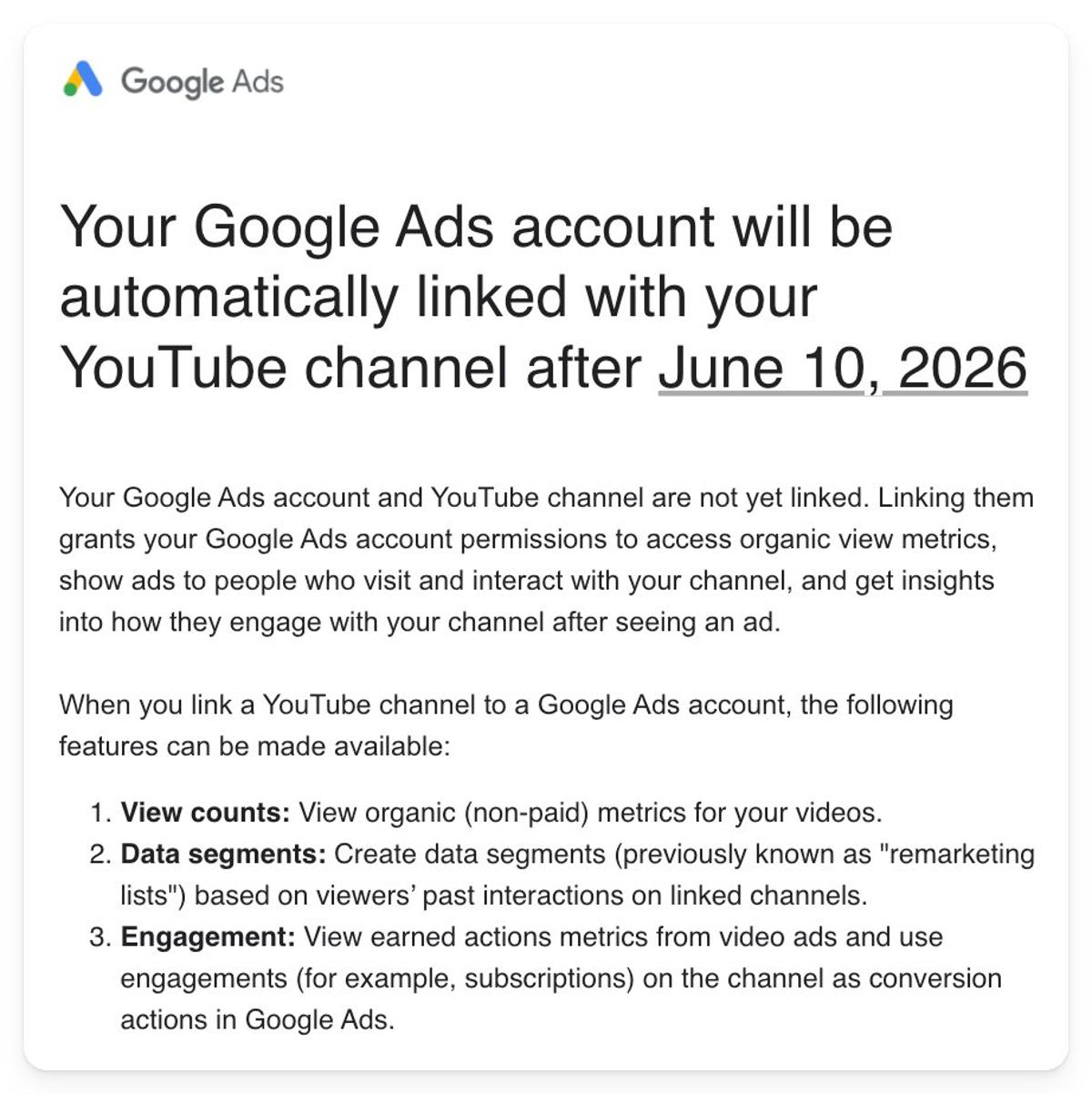
Google Ads to Auto-Link YouTube Channels Starting June 10
Google Ads will automatically link eligible YouTube channels to ad accounts starting June 10, 2026, eliminating the manual linking step. The change gives advertisers native access to organic video metrics, such as view counts and subscriber growth, directly within the...

Winning the Next Era of Local Visibility: How AI Is Changing Local Search by SOCi
SOCi and Google are hosting a June 3 webinar to explain how AI—through tools like Google AI Overviews, Gemini, and Ask Maps—is reshaping local search. The session will cover new ranking signals, optimization tactics for Google Business Profiles, reviews, photos, and...

Veronika Höller Talks on a Perfectly Set-Up but Poor Performing Campaign
Veronika Höller revealed that a seemingly flawless PPC campaign was generating clicks and conversions but no revenue, exposing a deeper positioning flaw. Competitor research showed the brand’s messaging blended in, prompting a complete rebuild with new creative, anti‑ICP targeting, and...

Google Ads Surfaces Tag Manager Controls Inside Its Interface
Google Ads has introduced a new “Manage” option in its Data Manager that opens Google Tag Manager controls directly within the Ads interface. The integration lets advertisers view connected data sources and adjust tag triggers without switching platforms, streamlining measurement...
Google to No Longer Support FAQ Rich Results
Google announced that FAQ rich results will be discontinued on May 7, 2026, ending the display of FAQ snippets in organic search. The change also removes the FAQ appearance from the Rich Results Test and the Search Console report in June 2026, with...
How to Run Prompt-Level SEO Experiments for AI Search
As large language models (LLMs) become primary answer engines, brands must ensure they appear in AI‑generated responses. The article outlines a hypothesis‑driven, prompt‑level SEO framework that structures tests with an if‑then‑because format to isolate variables such as content tweaks or...
SEO’s New Goal in 2026: Recognition, Not Rankings
The search ecosystem has shifted from ranking‑centric tactics to a recognition‑first model as AI overviews, large language models and zero‑click answers now dominate user journeys. Traditional #1 SERP positions no longer guarantee visibility because generative AI draws on brand citations,...
Why Intent Alignment Matters More than Perfect Technical SEO
Once a site reaches technical parity with its rivals, further technical tweaks yield diminishing returns, and Google’s ranking algorithm shifts focus to relevance. Relevance is measured by how well a page’s content aligns with the searcher’s intent, influencing signals such...
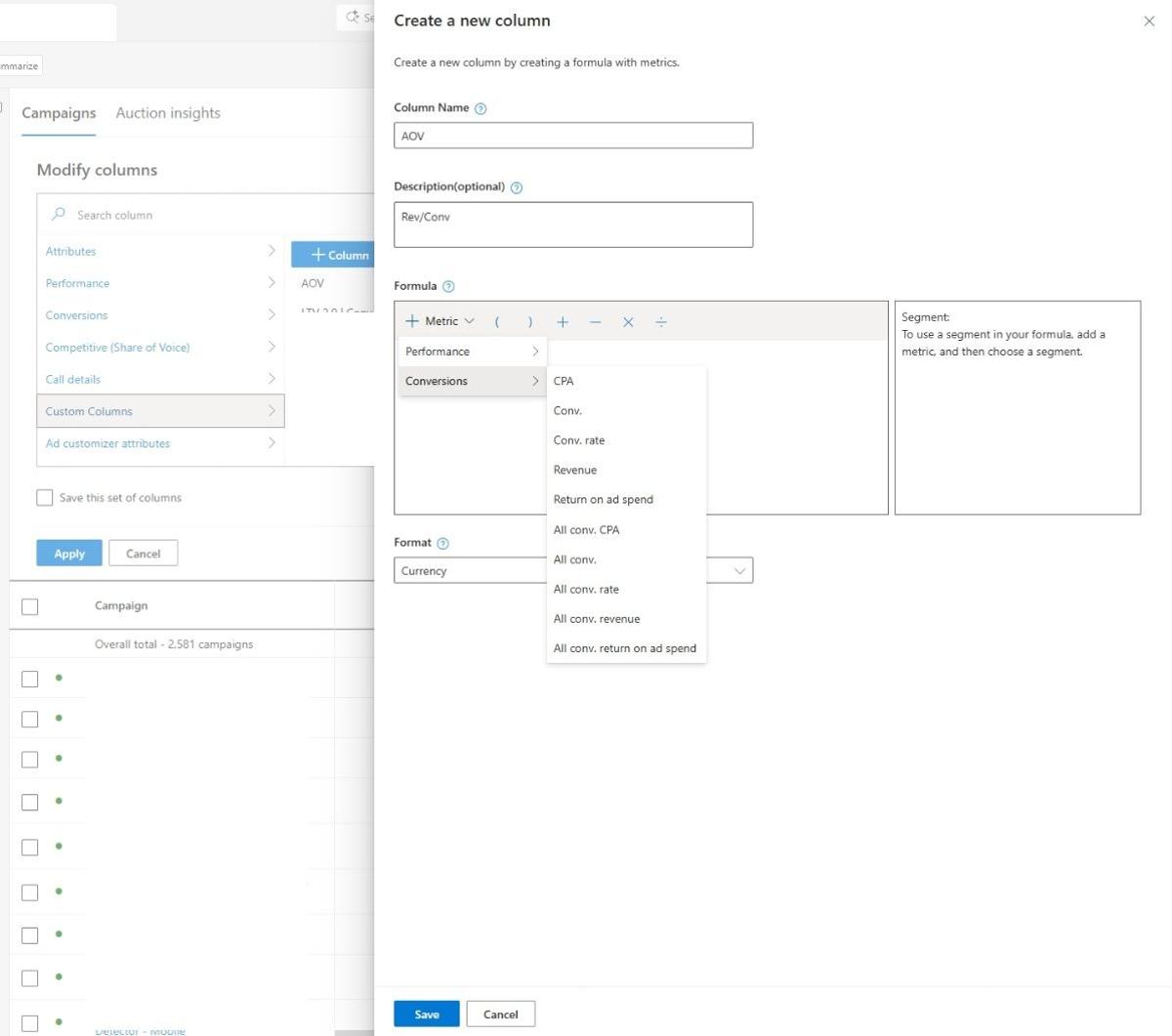
Microsoft Ads Expands Custom Columns to Include All Conversion Metrics
Microsoft Ads has upgraded its custom columns feature to accept every conversion metric available on the platform, including both primary and all‑conversion counts. The change lets advertisers construct bespoke columns that combine ratios, blended CPA, cost per qualified lead, and...

AI Max vs DSA: Advertisers Question Control as Google Responds
Google is transitioning advertisers from legacy Dynamic Search Ads (DSA) to its AI‑driven Max campaigns, sparking concerns over lost URL‑level targeting granularity. Marketers argue that DSA’s ability to align ads with site architecture via categories, URL paths, and page rules...
Google Adds AI-Powered Bidding and Demand-Led Budgeting to Search and Shopping
Google is extending its AI automation suite to Search, Shopping and Performance Max with Journey‑aware Bidding, Smart Bidding Exploration, and demand‑led budget pacing. The new tools let the algorithm ingest full‑funnel signals, target incremental queries and shift spend in real...
8 GEO Metrics to Track in 2026
Generative Engine Optimization (GEO) is emerging as the next evolution of search visibility as AI‑driven answers replace traditional click‑throughs. The article outlines eight core GEO metrics—AI citation frequency, Share of Model Voice, answer inclusion rate, entity recognition, sentiment, prompt coverage,...

AI SEO Punishes Lazy Marketing Strategies by Brick Marketing
Brick Marketing warns that AI‑driven SEO is exposing lazy, siloed marketing tactics. The article explains that AI search pulls brand signals from a wide array of online sources—social media, directories, press releases, and more—making a website just one piece of...

Microsoft: AI Answers Need a Smarter Search Index
Microsoft Bing’s latest technical blog explains that AI‑driven answers require a fundamentally different search index than traditional web ranking. The new “grounding” system must verify facts, track source attribution, ensure freshness, and detect contradictions before synthesizing responses. Unlike classic search,...
Google Analytics Data API Adds Cross-Channel Conversion Reporting (Alpha)
Google has extended its Analytics Data API to include cross‑channel conversion reporting, now available in an alpha release. The new endpoint mirrors the Conversion performance report in the Analytics UI, delivering paid and organic conversion data via programmatic calls. Developers...

Google Expands UCP Checkout to Main Search Shopping Results
Google has extended its Universal Commerce Protocol (UCP) checkout from the AI‑Mode interface to the main Google Search results, adding a “Buy” button directly in product overlays such as Wayfair’s listings. UCP creates a shared language between AI agents and...

Web Bot Auth, Google’s New Experimental Method to Validate Authentic Bots
Google announced an experimental protocol called Web Bot Auth that lets websites cryptographically verify that incoming bot traffic is genuine. The company is currently testing the system with a limited set of AI agents hosted on its own infrastructure, while...
How China’s Fragmented Search Ecosystem Is Reshaping SEO in 2026
China’s search landscape in 2026 is a fragmented, intent‑driven ecosystem where Baidu still commands roughly 70% of mobile searches, but users increasingly turn to super‑apps, e‑commerce platforms, and generative AI assistants for discovery. New LLMs such as Doubao, DeepSeek, and...

Google Fixes Search Console’s Year-Long Data Logging Issue – Well, Kind Of…
Google announced that it has resolved a logging error in Search Console that misreported impressions, click‑through rate (CTR) and average position from May 13, 2025 through April 27, 2026. The fix applies only to data collected after the announcement; historical data for the 50‑week...
7 Tools for Doing AEO Right Now
The article outlines a concise, seven‑tool stack for Answer Engine Optimization (AEO), focusing on four core solutions—AI assistants (ChatGPT, Claude, Perplexity), Profound, Google Trends/Keyword Planner, and Google Search Console + Analytics—and three emerging options: AI Trust Signals, Ahrefs, and Roadway AI. It...
Why AI Visibility Starts Before Search and Ends with Citations
The article argues that AI visibility now starts before a user types a query and ends with being cited by generative models. Influencing audiences across fragmented channels—social, news, niche communities—is essential because AI assistants pull from those signals when answering....

Google Ads API V20 Sunset Set for June 10
Google announced that the Google Ads API version 20 will sunset on June 10, 2026, ending all support for that version. After the deadline, any request to v20 will return an error, forcing developers to migrate to a newer API...
A Blueprint for Semantic Programmatic SEO
Programmatic SEO is shifting from mass‑produced, template‑driven pages to a semantic, AI‑powered model that tailors content to specific search intents. The new blueprint emphasizes starting with data—using Google Search Console authority maps—to identify topics where a domain already has ranking...
Google Analytics Introduces Task Assistant
Google Analytics has launched Task Assistant, a guided workflow that surfaces tailored recommendations for property setup, data collection, and reporting. The feature appears in the left‑hand navigation and groups suggestions into categories such as account linking, reporting enhancements, and data‑issue...
Google Ads Adds “Association” Metric to Brand Lift Studies
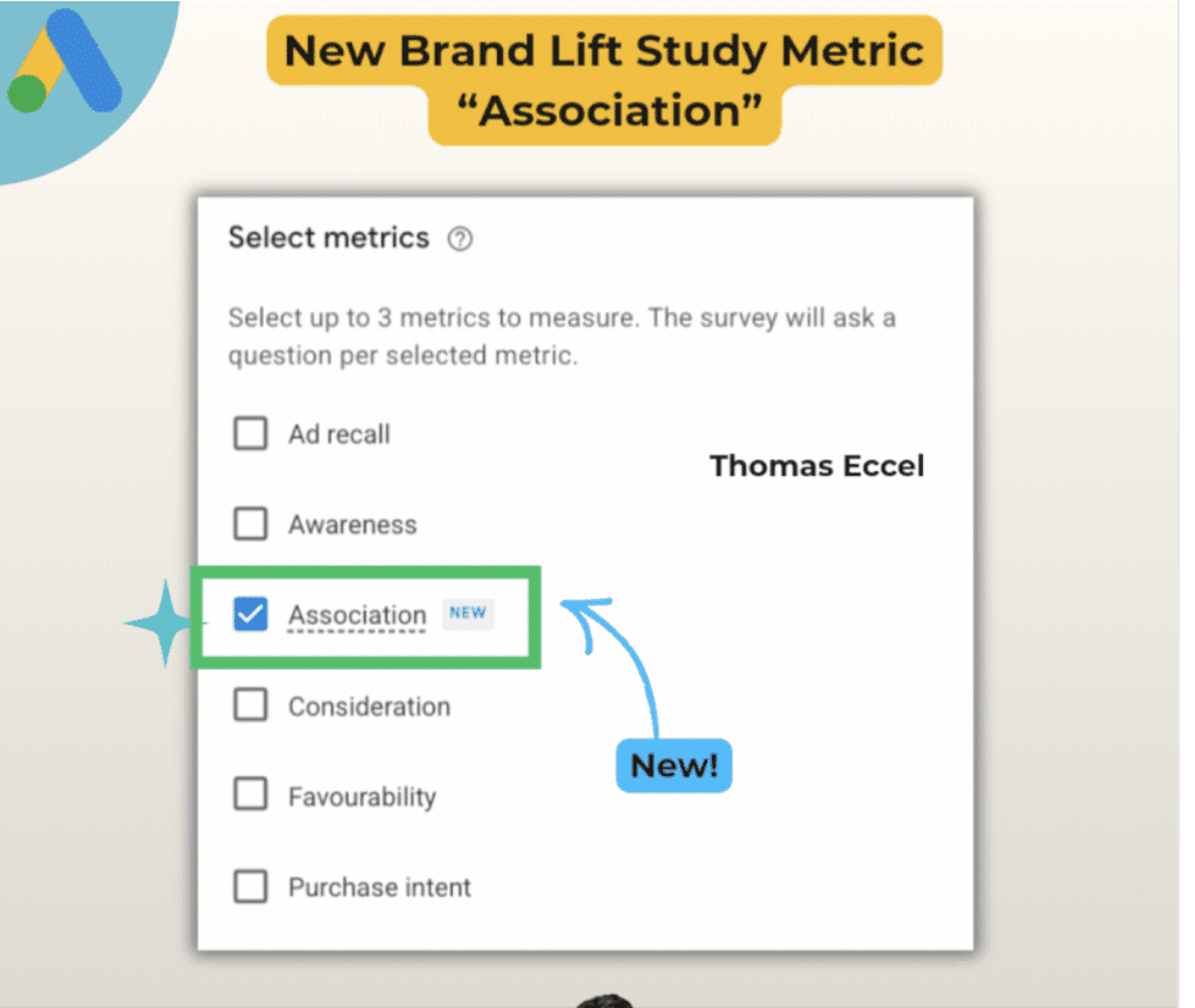
Google Ads has introduced an "Association" metric to its Brand Lift studies, allowing advertisers to gauge whether audiences link their brand to a specific concept, category or attribute. The metric uses survey‑style questions that ask respondents which brands they associate...

From Paid Clicks to Answer Equity: Your New 2026 Search Strategy
The article warns that AI‑driven search results are eroding paid‑click value, with click‑through rates falling 58‑68% when AI Overviews appear. It introduces the concept of "answer equity"—owning the factual content that AI cites rather than renting impressions through PPC. To...

What Blog Posts Should You Write to Be Mentioned in ChatGPT?
ChatGPT often expands user prompts into multiple live web searches, a behavior known as query fan‑out. In a test of 90 prompts across beauty, legaltech, and IT, commercial‑intent prompts triggered fan‑out 78.3% of the time, whereas informational prompts did so...

How AI Models ‘Understand’ Your Brand
The article argues that AI does not truly "understand" a brand; it merely matches patterns derived from its training data and real‑time retrieval. Visibility now hinges on how a brand is encoded, retrieved, and generated by large language models, shifting...
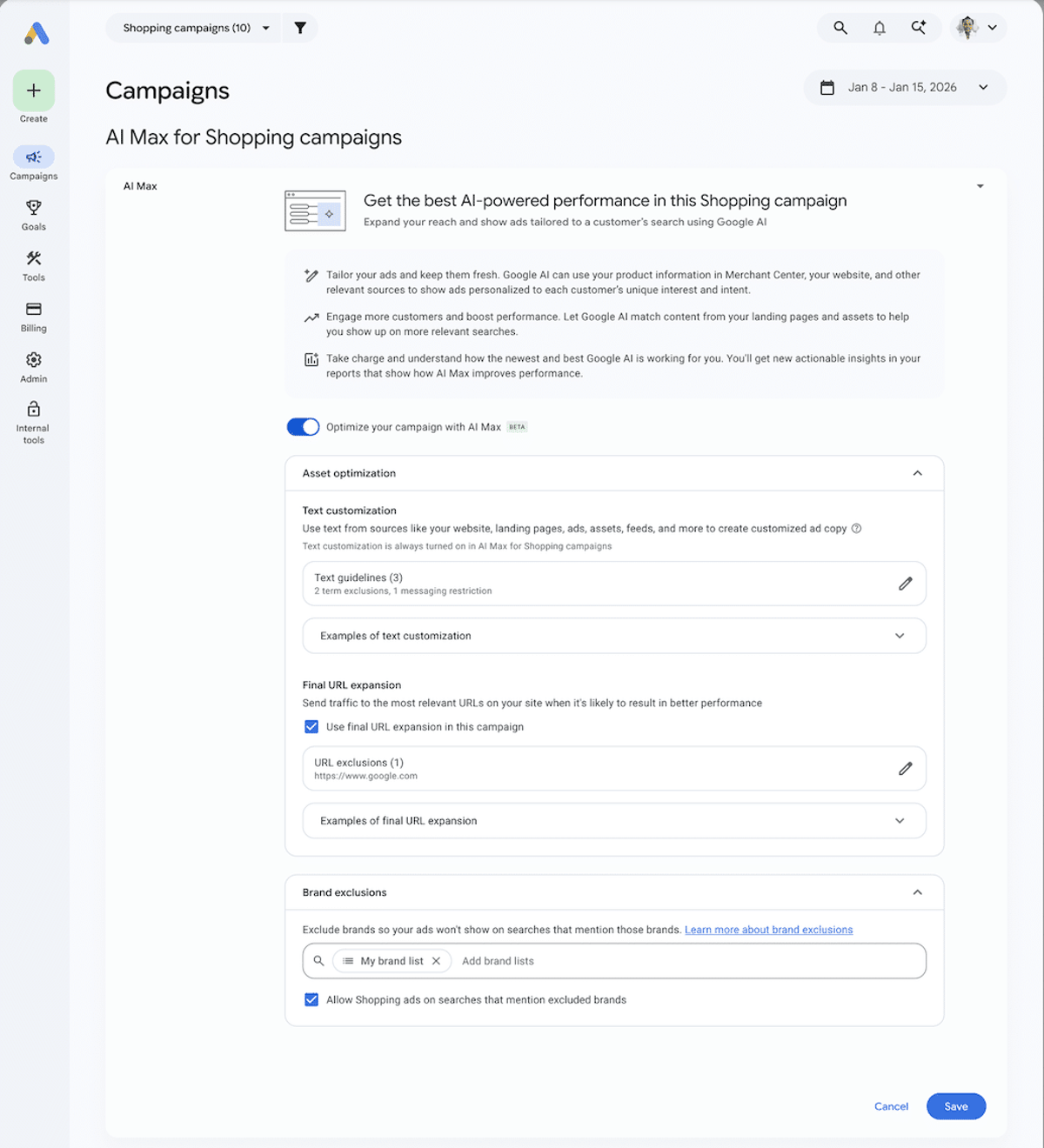
Google AI Max Gets New Controls, Shopping Rollout and Travel Consolidation
Google is extending its AI Max automation suite beyond Search to include Shopping campaigns and a unified Travel format. The rollout adds AI Brief, a Gemini‑powered natural‑language interface, plus text disclaimer and URL‑expansion tools for compliance. These updates let advertisers...

Can a Fake Brand Win in AI Search? New Experiment Says Yes
SE Ranking’s 16‑month experiment introduced a fictitious brand across 20 sites to gauge how large language models surface new content. Within the first month, AI systems generated 15,835 answers, with 96% of visibility tied to branded queries and deep‑guide, review,...
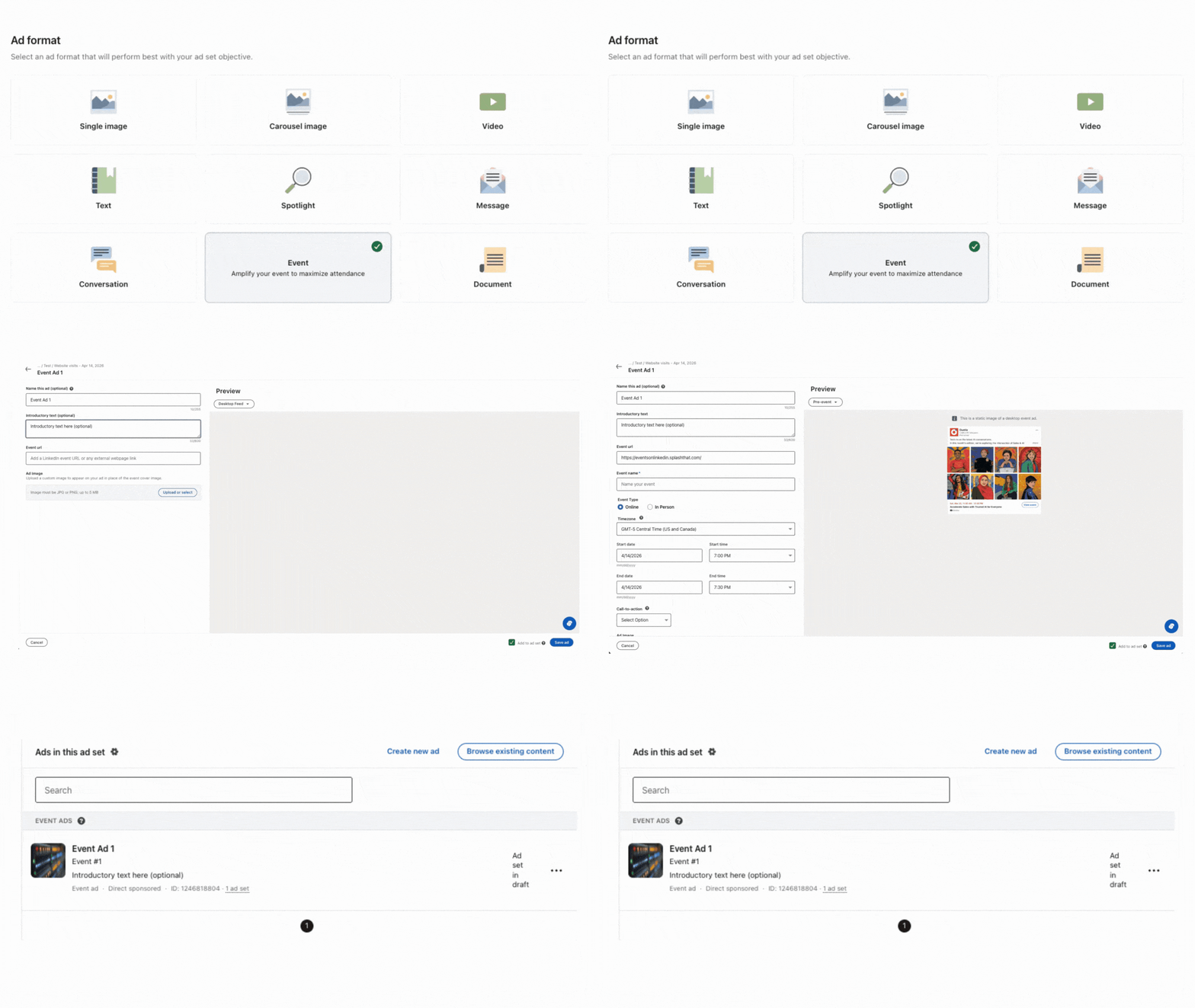
LinkedIn Expands Event Ads Beyond Its Own Platform
LinkedIn has launched Off‑Platform Event Ads, letting marketers promote events with ads that direct users to external webinar, landing page or livestream URLs instead of a native LinkedIn Event page. The format retains LinkedIn’s targeting options while sending clicks to...

SEO Isn’t Just About Being Seen — It’s About Being Believed and Chosen
Wil Reynolds, founder of Seer Interactive, warned that SEO’s traditional focus on visibility is insufficient in an AI‑driven search era. He argued that marketers must move from being seen to being believed and ultimately chosen, emphasizing that high rankings alone...
Why More Content Is No Longer a Reliable Way to Grow SEO
The long‑standing SEO playbook of publishing massive amounts of content is losing its effectiveness as search ecosystems evolve. Saturated keyword spaces, AI‑generated overviews, and crawl‑budget constraints now limit the visibility of new pages, often diluting authority and cannibalizing traffic. The...

YouTube Testing New Search Experience, Ask YouTube
Google is piloting "Ask YouTube," a conversational AI search layer that returns structured itineraries and mixed media results instead of simple video lists. The feature is accessible via youtube.com/new and currently limited to U.S. users aged 18+ who subscribe to...