SpaceDaily
Daily aggregated space news feed spanning space science, exploration updates, and commercial space industry press releases.
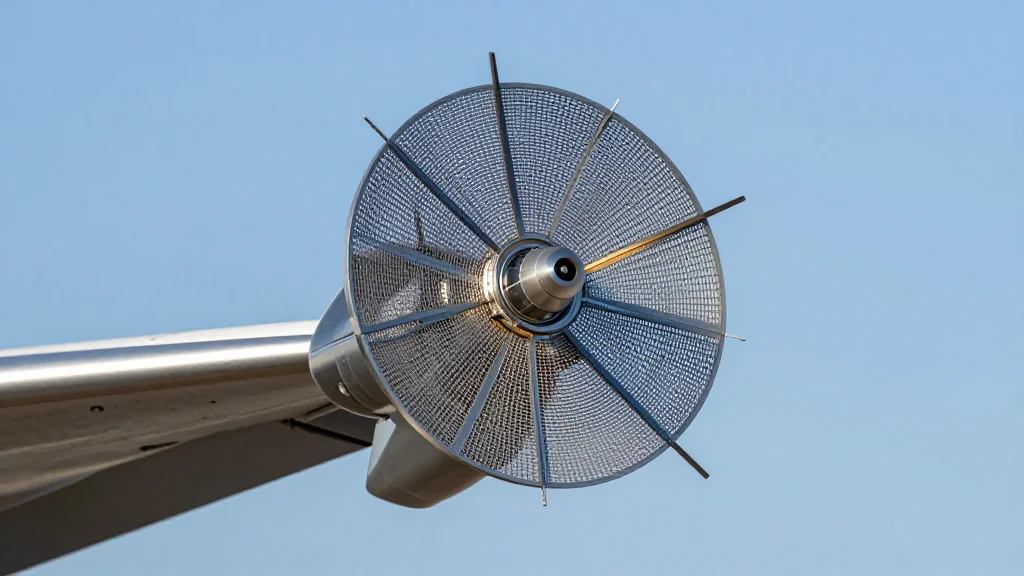
Valen Array Advances Multi-Mission Sensing Tech
Northrop Grumman unveiled Valen, a multifunction active electronically scanned array that merges radar, electronic warfare and communications into a single lightweight aperture. The array is digitally designed and 3‑D printed, reducing size, weight, power and production lead times. Valen’s open‑architecture hardware and software allow rapid upgrades and integration across crewed, uncrewed and space platforms. Flight tests on a CRJ 700 aircraft demonstrate its readiness for broader deployment.
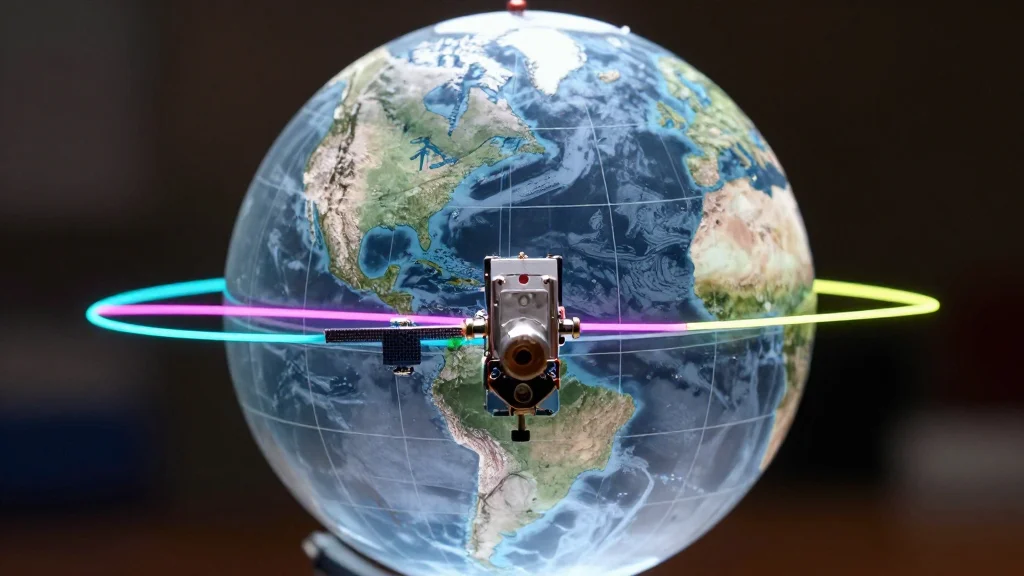
New Axis Grid Links Complex Earth Data in Space and Time
Researchers at Constructor University have introduced an axis‑based grid model that unifies spatial, temporal, and parametric dimensions of earth‑observation data. The framework treats each dimension as an independent but coordinated axis, allowing seamless alignment and interpolation of heterogeneous satellite and...

Microbes Harvest Metals From Meteorites Aboard Space Station
Researchers from Cornell and the University of Edinburgh demonstrated that microbes can biomine platinum‑group metals from a meteorite in microgravity aboard the ISS. The fungal species Penicillium simplicissimum showed especially high palladium extraction, while bacterial Sphingomonas desiccabilis also contributed to...
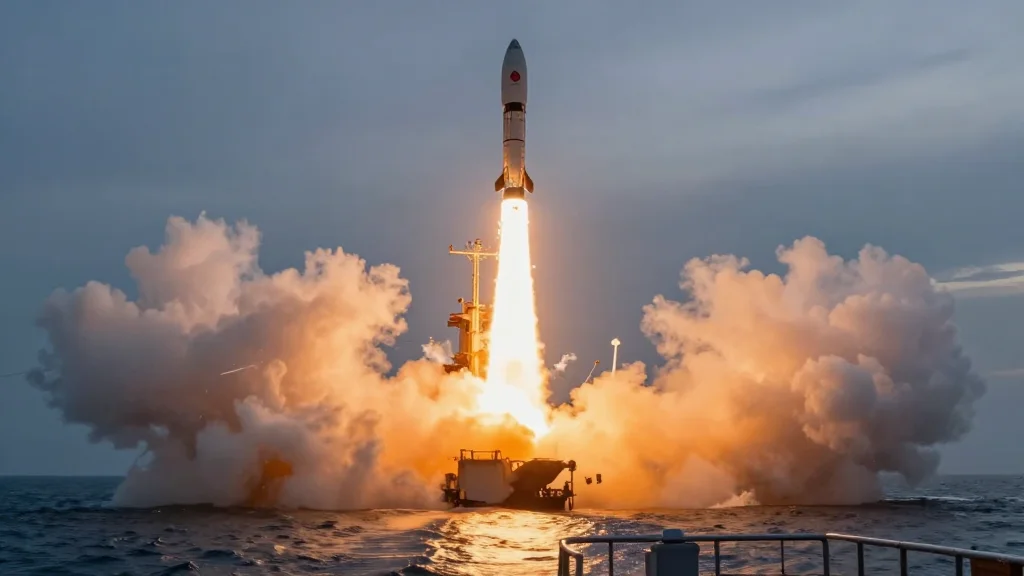
Smart Dragon 3 Rocket Sends Seven Satellites to Orbit From Sea Platform
China’s Smart Dragon 3 solid‑propellant carrier rocket lifted off from a sea‑based launch ship off Guangdong, delivering seven satellites—including a Pakistani remote‑sensing platform—into sun‑synchronous orbit. The 31‑metre vehicle, capable of carrying up to 1.5 tonnes per flight, completed its ninth mission, marking the...
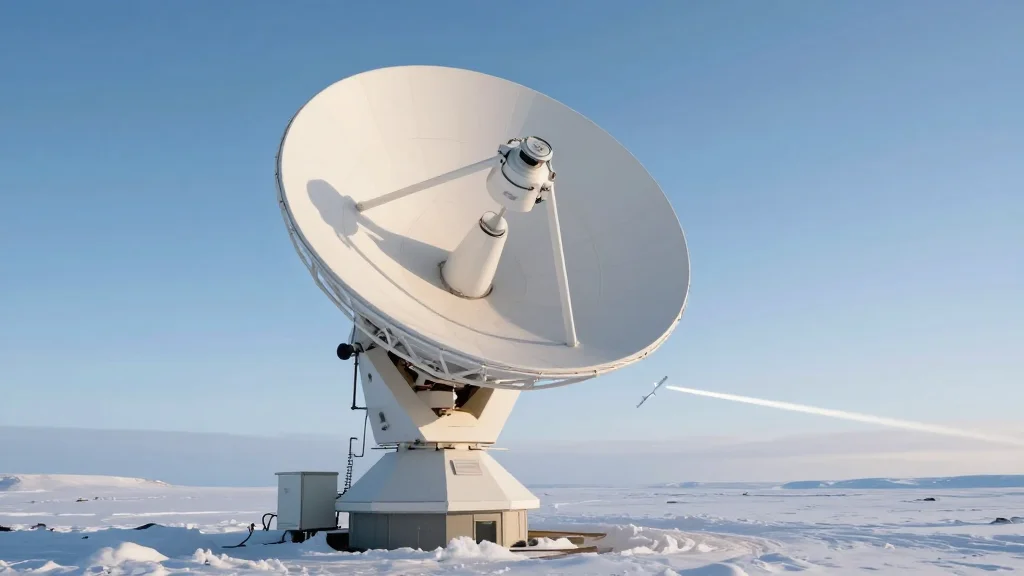
Mohe Ground Station Boosts Polar Satellite Data Coverage
China’s Mohe Satellite Data Receiving Station, the nation’s highest‑latitude ground facility, began operations on Dec 12, 2025. Leveraging its polar location, the station expands China’s remote‑sensing footprint by roughly 4 million km² and supports 25 land‑observation satellites. It processes over 24 satellite tracks...
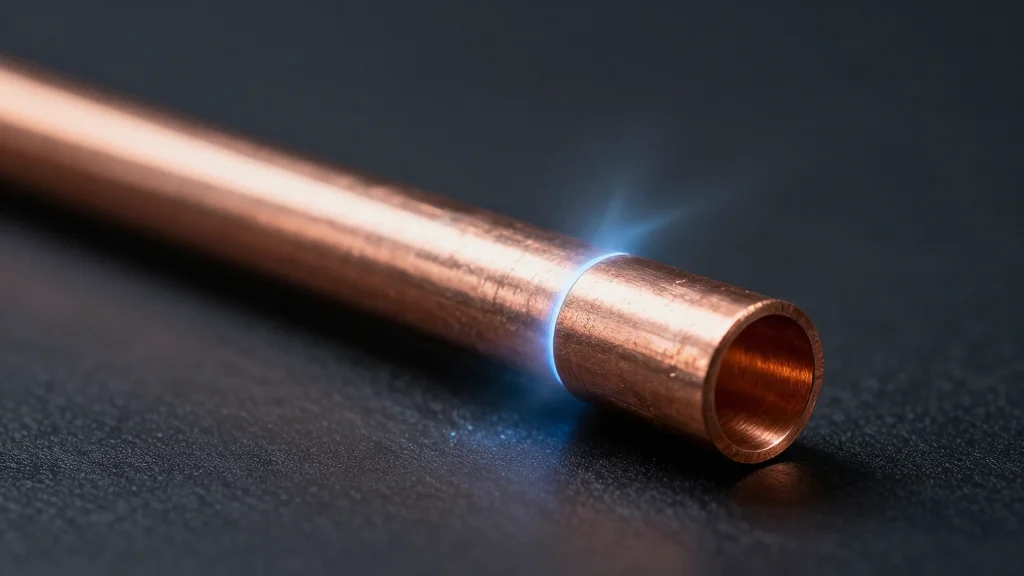
Abundant Element Alloy Enables Rare Earth Free Cryogenic Cooling
Researchers from Japan's National Institute for Materials Science and KOSEN Oshima College have created a copper‑iron‑aluminum oxide regenerator (CuFe0.98Al0.02O2) that cools to 4 K without rare‑earth metals or liquid helium. The material exploits magnetic frustration to deliver specific‑heat performance comparable to...
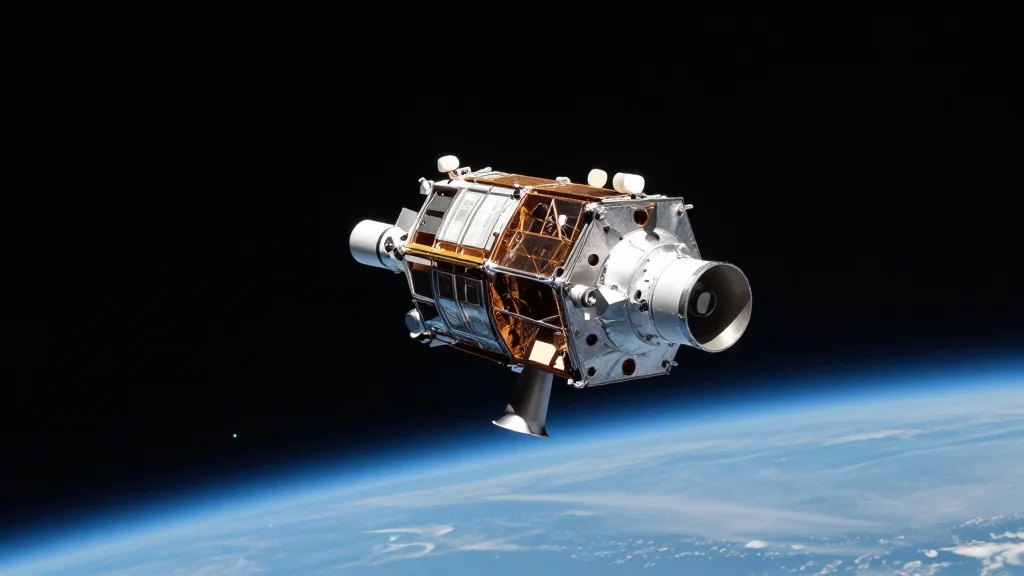
Climate Change Speeds up Destruction of Key Greenhouse Gas
Scientists at UC Irvine have found that climate change is speeding up the atmospheric destruction of nitrous oxide (N₂O), a potent greenhouse gas and ozone‑depleting substance. Satellite data from NASA’s Microwave Limb Sounder show the gas’s mean lifetime has fallen...
EUMETSAT Extends Role in DestinE Digital Twin Infrastructure
The EUMETSAT Council confirmed the agency will stay a core partner in the European Commission’s Destination Earth (DestinE) programme as it moves into Phase Three later this year. EUMETSAT delivered the fully operational DestinE Data Lake at the end of Phase Two,...
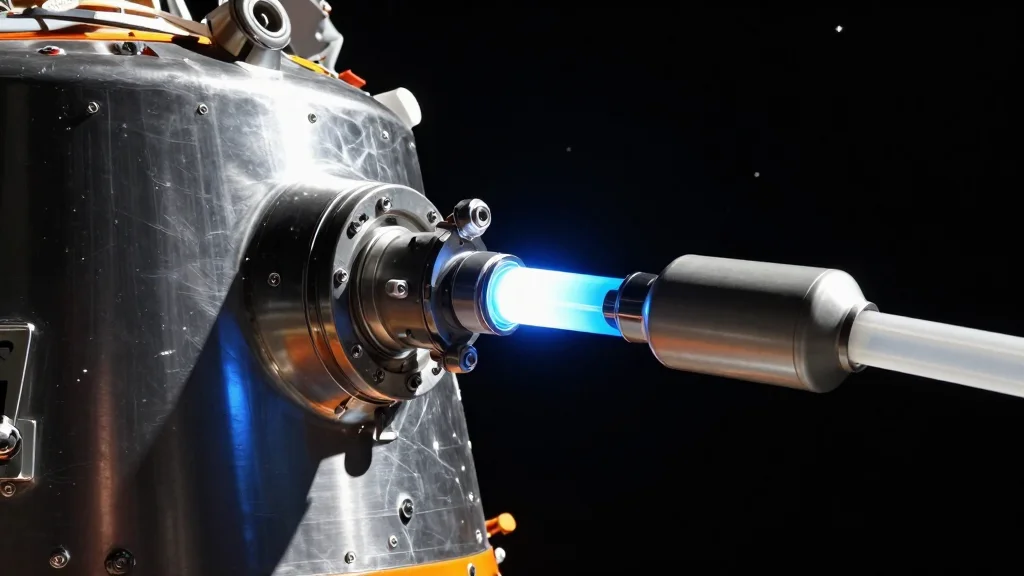
Astroscale Japan to Mature Electric Refueling for Future GEO Servicing
Astroscale Japan, a subsidiary of Astroscale Holdings, secured a contract under JAXA’s Space Strategy Fund to develop electric propellant refueling technology for geostationary orbit (GEO) servicing. The program will integrate orbital transfer vehicles with on‑orbit refueling systems, aiming to standardize...
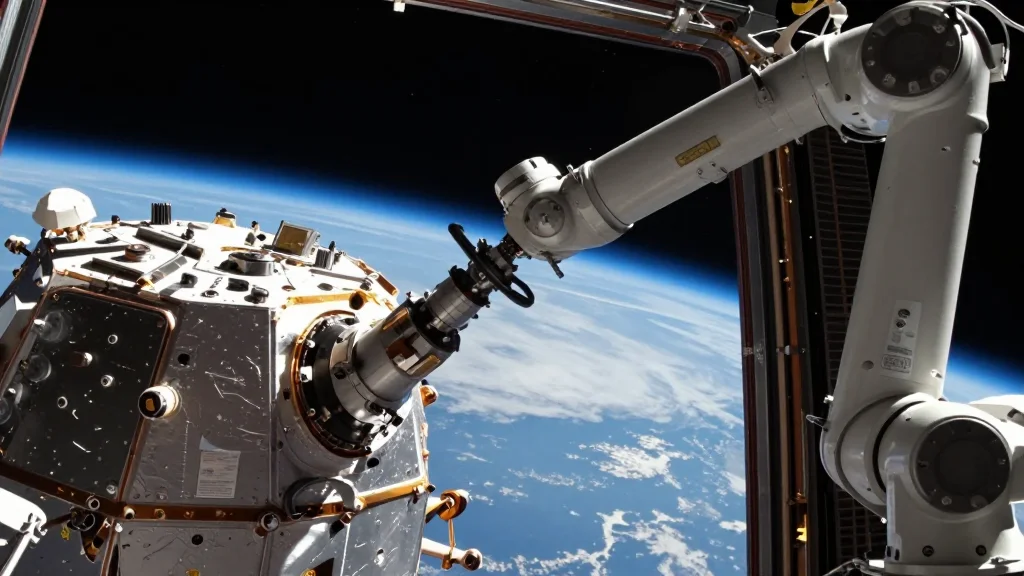
Voyager Wins NASA ISS Mission Management Role Through 2030
Voyager Technologies secured a NASA Johnson Space Center indefinite delivery/indefinite quantity contract worth up to $24.5 million over four years, extending mission‑management services for International Space Station payloads through 2030. The agreement uses a task‑order structure that lets NASA add scope...
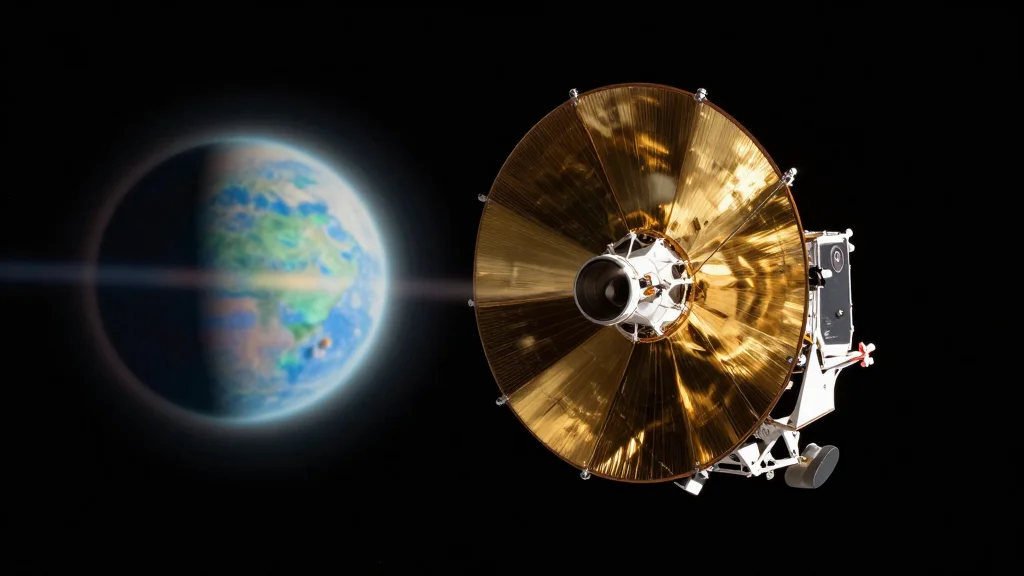
JWST Study Links Sulfur Rich Gas Giants to Core Growth in Distant HR 8799 System
Using JWST’s high‑resolution spectroscopy, researchers examined the atmospheres of three massive planets in the HR 8799 system. They detected sulfur‑bearing molecules, notably hydrogen sulfide, indicating that solid cores formed before gas accretion. The uniform enrichment of sulfur, carbon and oxygen mirrors...

Amino Acids in Bennu Asteroid Hint at Icy Radioactive Origin
A new Penn State study of NASA’s OSIRIS‑REx Bennu samples reveals that the amino acid glycine likely formed in an icy, radioactive environment rather than warm liquid water. Isotopic analysis shows Bennu’s amino acids have signatures distinct from those in...
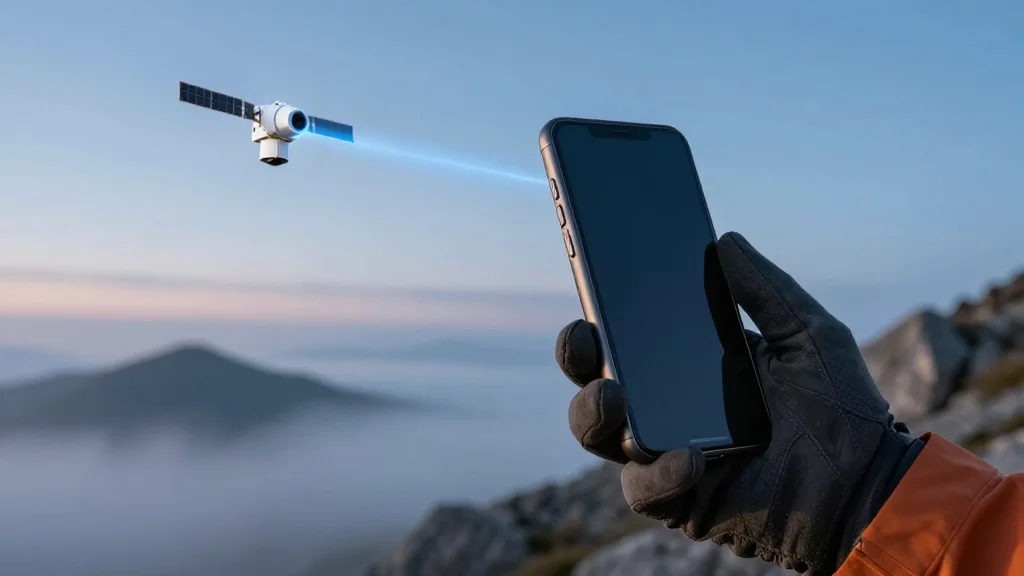
China Rolls Out BeiDou Satellite Messaging for Emergency Use
China has launched a BeiDou satellite short‑messaging service that lets users send and receive SMS without cellular coverage. The offering, developed by China Space‑Time Information and integrated by China Mobile, China Telecom and China Unicom, works on compatible smartphones without...
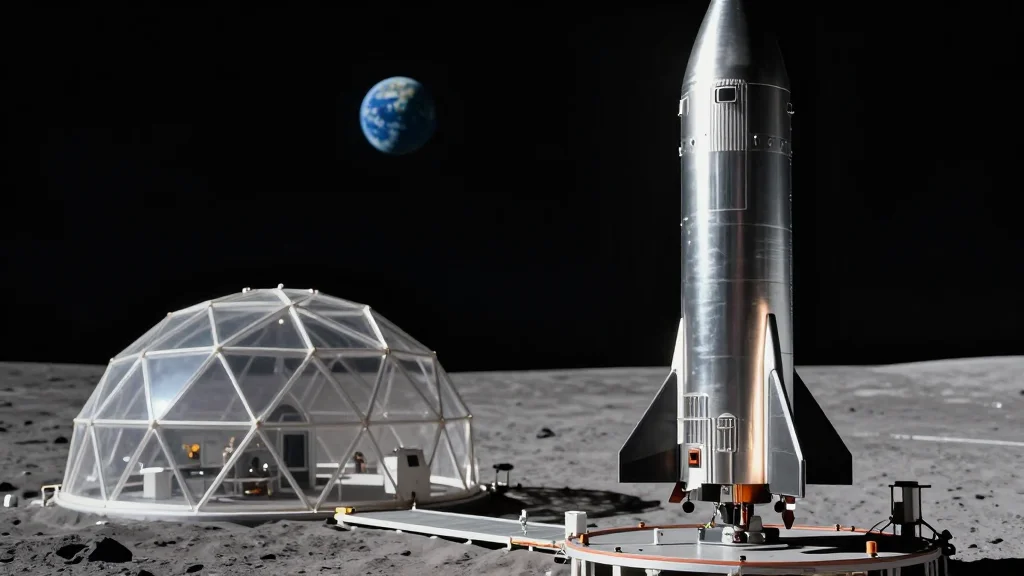
SpaceX Shifts Focus From Mars to Moon, Musk Says
SpaceX announced it is de‑prioritizing its long‑term Mars ambitions to focus on building a self‑sustaining city on the Moon. Elon Musk highlighted that lunar missions can launch every ten days, compared with Mars’ 26‑month alignment windows, allowing a settlement in...
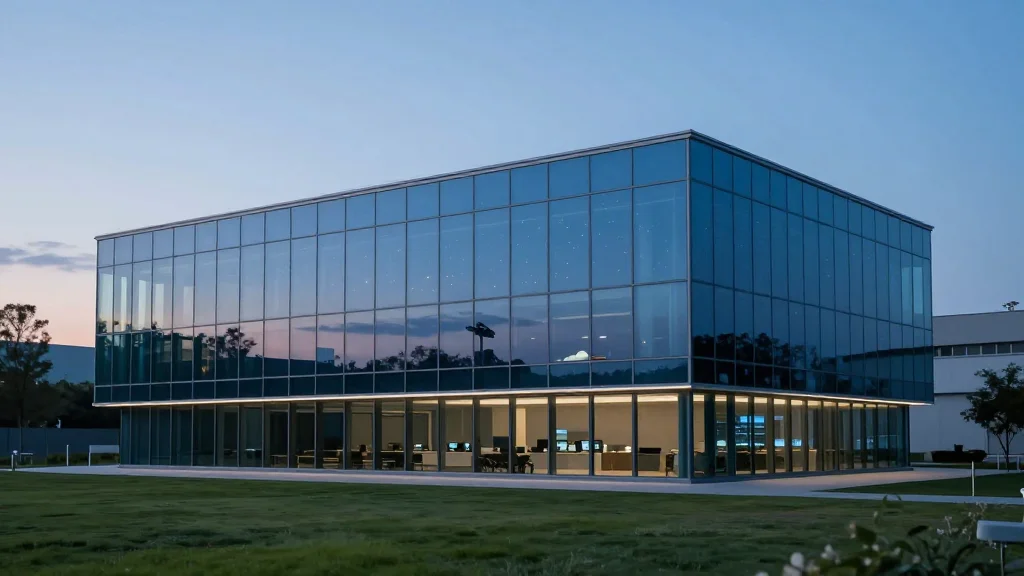
DLR Plans New Control Center for Future Moon and Mars Missions
The German Aerospace Center (DLR) will build a new Human Exploration Control Center (HECC) at Oberpfaffenhofen, expanding the existing German Space Operations Center. Bavaria is contributing €58 million and DLR €20 million, bringing total funding to €78 million. The facility will manage European...
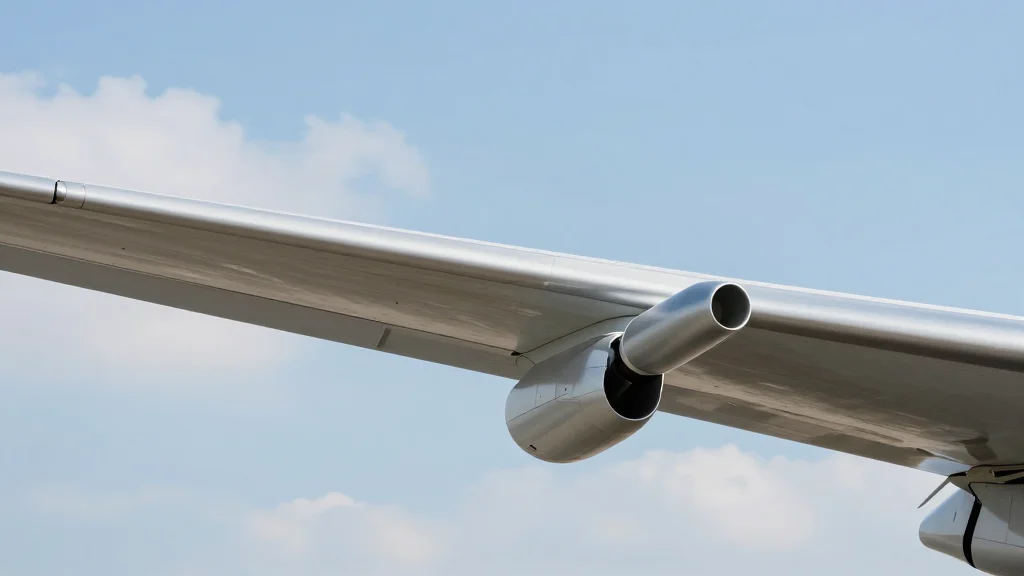
Gilat Books Multimillion Order for Sidewinder Inflight ESA Terminals
Israeli satellite‑communications firm Gilat Satellite Networks has landed a multimillion‑dollar contract with a leading global avionics manufacturer for its Sidewinder electronically steered antenna (ESA) inflight connectivity terminals. Deliveries will begin within six months, covering commercial, business, VIP, government and military...
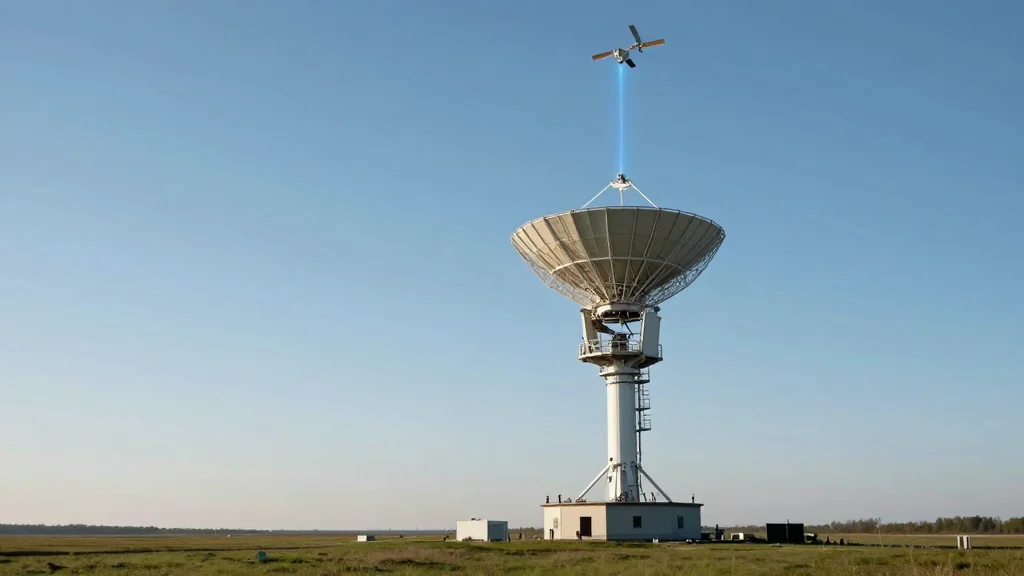
Britain Launches Secure Satellite Timing System to Guard Critical Services
Britain has awarded GMV a contract to develop a Two‑Way Satellite Time and Frequency Transfer (TWSTFT) system under the TOUCAN project, aiming to provide assured position, navigation and timing (PNT) services for critical national infrastructure. The system will create a...
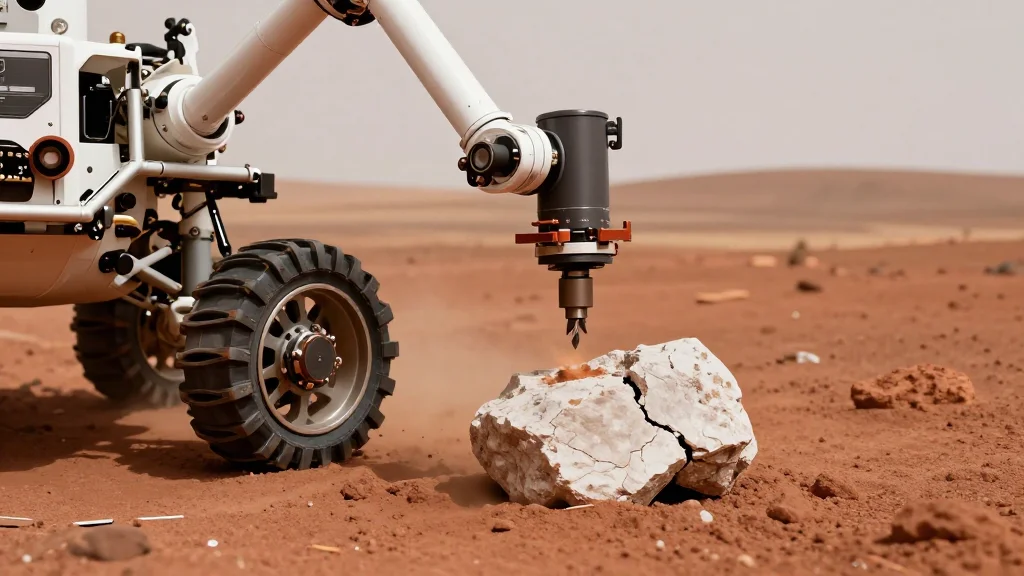
Curiosity Blog, Sols 4788-4797: Welcome Back From Conjunction
Curiosity has reestablished contact after the recent solar conjunction and resumed surface operations on Mars. The rover spent the first planning day conducting instrument checks on a fractured white rock and imaging a nearby sand patch before moving to a...
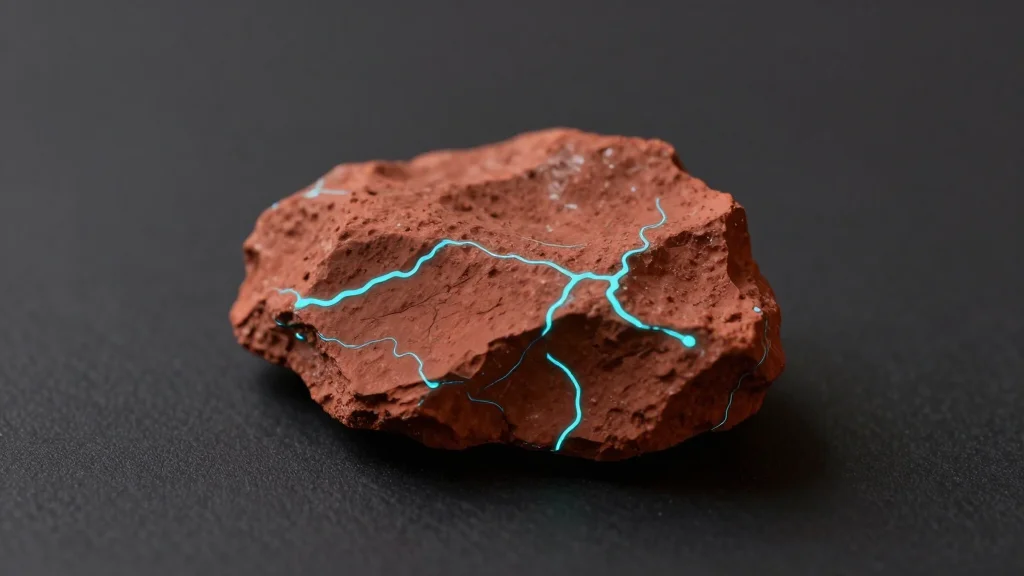
NASA Study: Non-Biologic Processes Don't Fully Explain Mars Organics
NASA researchers report that non‑biological processes cannot fully account for the decane, undecane and dodecane detected by Curiosity in Gale Crater. By combining radiation‑damage experiments, mathematical modeling, and rover data, they estimate pre‑exposure organic inventories far exceeding what meteorite delivery...

Alfven Waves Drive Stable Electric Fields that Power Auroras
A study led by University of Hong Kong and UCLA researchers demonstrates that Alfvén waves act as a persistent energy source for the stable electric fields that accelerate electrons and create auroral arcs. Using coordinated measurements from NASA’s Van Allen...
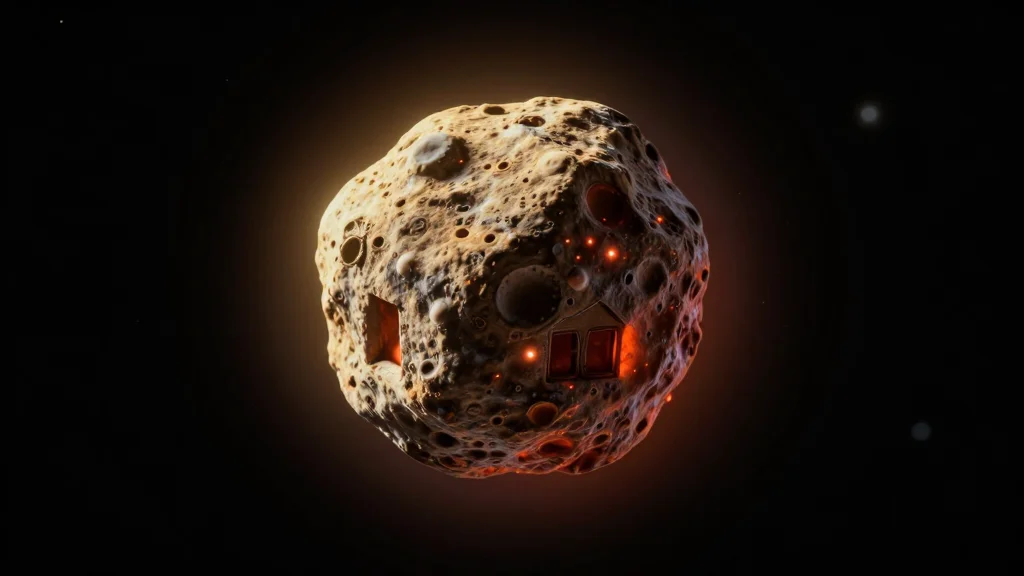
Survey of 80 Near Earth Asteroids Sharpens View of Their Origins and Risks
An international team led by Purple Mountain Observatory completed a year‑long photometric survey of 80 near‑Earth asteroids, delivering the largest set of secure taxonomic classifications for small, faint objects to date. The results show 46% are S‑complex, 26% C‑complex, 15%...
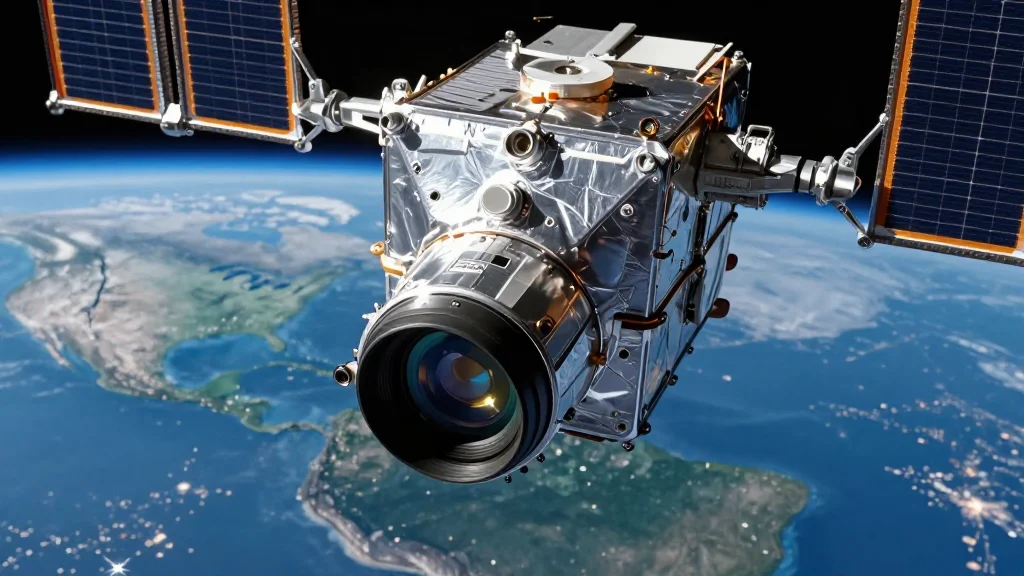
BlackSky Expands Gen 3 Assured Deals with New Defense Customer
BlackSky Technology Inc. announced seven‑figure Gen 3 Assured contracts with a new international defense customer, expanding its high‑resolution, high‑frequency imaging services. The agreements guarantee priority access to the company’s Gen 3 satellite capacity for time‑sensitive ISR missions. Early‑access performance convinced the customer...
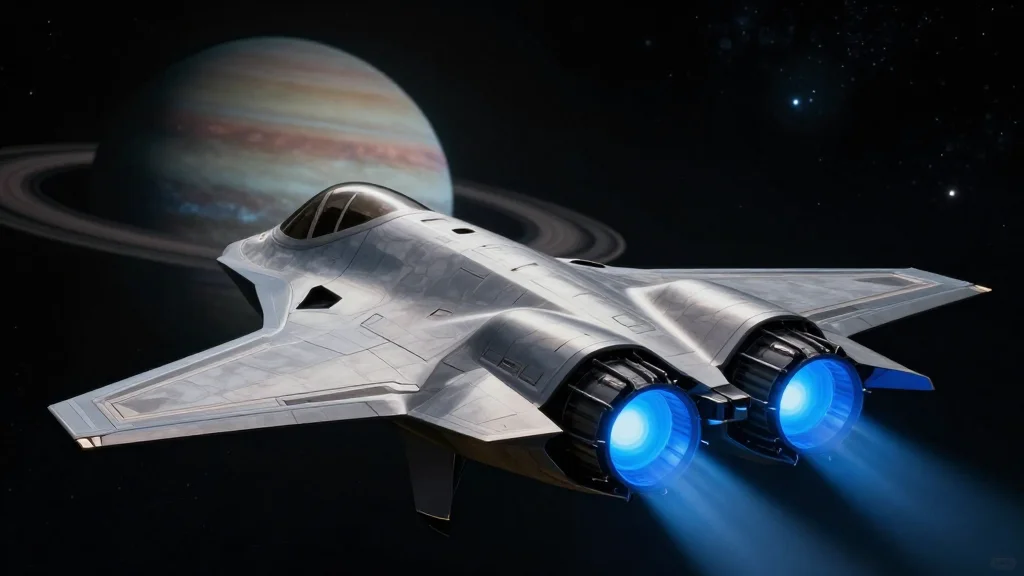
Why Modern Game Engines Struggle with Real Interstellar Combat Physics
Modern game engines such as Unreal 5 and Unity are finally powerful enough to attempt realistic interstellar combat, but they still wrestle with physics tick limits, tunneling, and the massive CPU load of continuous collision detection. Developers must balance Newtonian mechanics—velocity,...
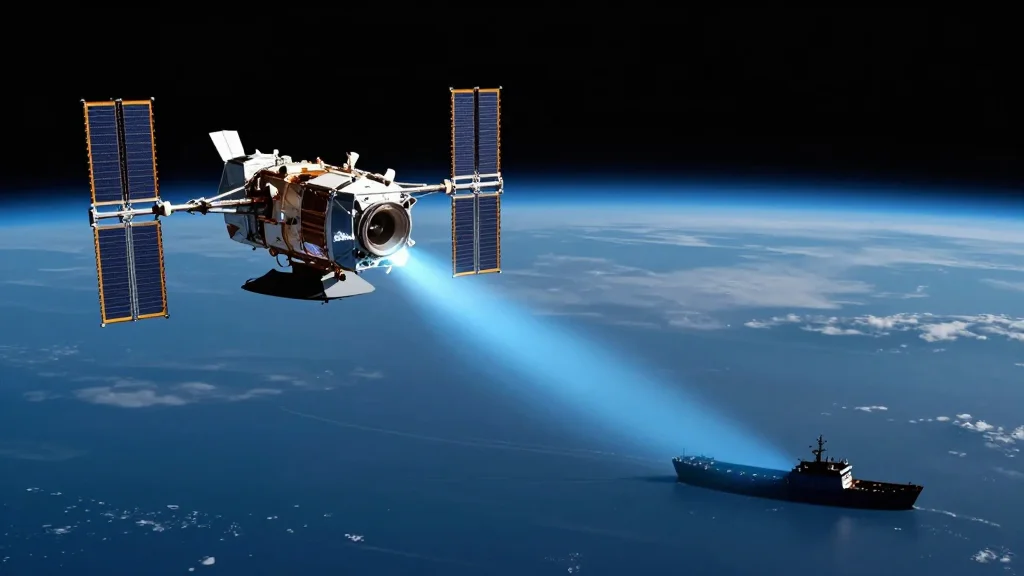
KSAT Rolls Out AI Driven Maritime Monitoring Platform
KSAT has launched the Vake Powered By KSAT platform, an AI‑driven maritime monitoring service that fuses optical, radio‑frequency and radar data from 15 satellite providers. The system detects, identifies and tracks dark vessels from space, delivering insights through a single...
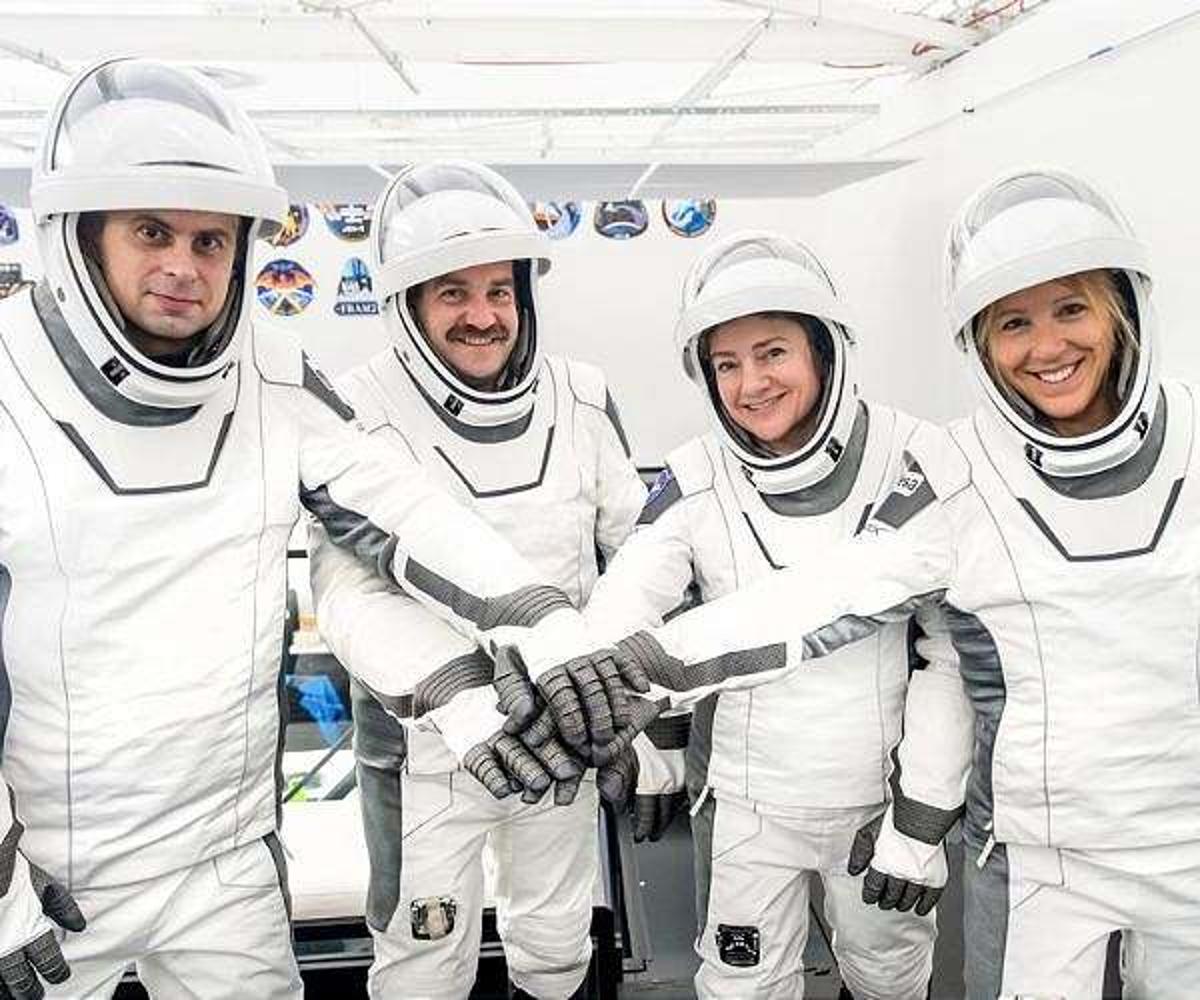
SpaceX Grounds Falcon 9 Missions, Could Impact ISS Launch
SpaceX has grounded all Falcon 9 launches after a second-stage anomaly was observed during Monday’s routine Starlink mission. The pause comes as NASA evaluates potential delays to its next crew rotation to the International Space Station. The company will conduct...
Muon Space Ramps up Multi-Mission Satellite Constellations
Muon Space is transitioning from single‑mission projects to sustained, multi‑mission satellite constellations for both government and commercial clients. In 2025 the firm doubled its workforce, secured a $146 million Series B round, and delivered over 100 percent year‑over‑year growth for the second consecutive...
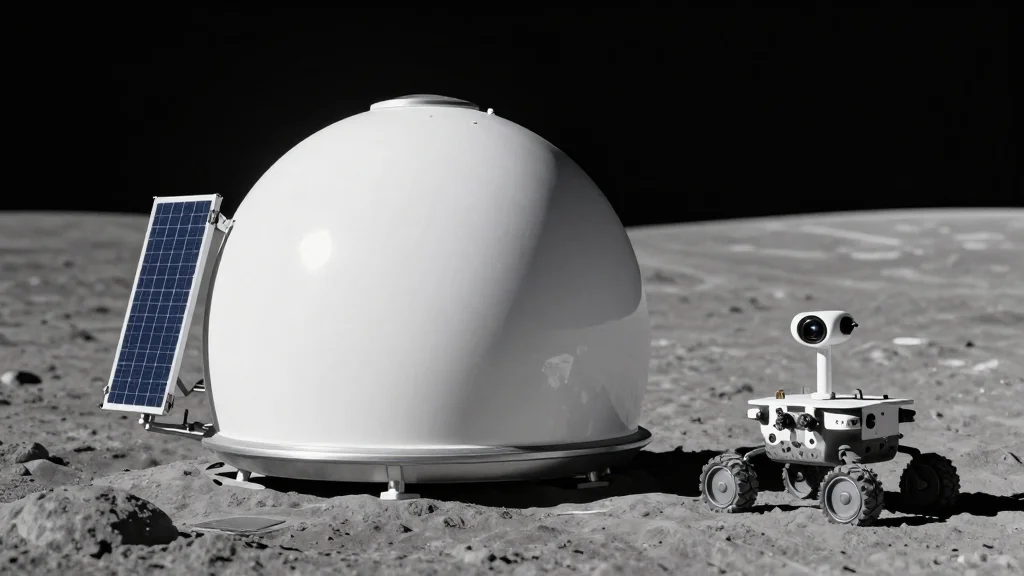
Voyager Outlines Infrastructure-Led Roadmap for Long-Term US Lunar Presence
Voyager Technologies unveiled an infrastructure‑centric lunar roadmap that aligns with the White House’s Securing American Space Superiority order. The strategy emphasizes durable habitats, power, communications and autonomous logistics to support long‑term human and robotic presence on the Moon. Voyager will...
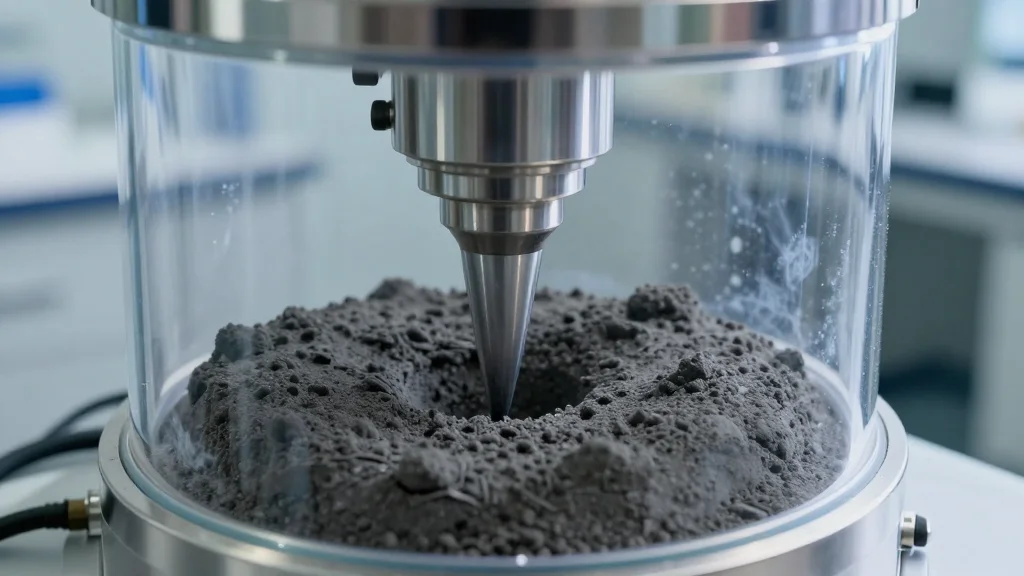
Lunar Soil Test Chamber Paves Way for Future Moon Construction
Engineers need reliable geotechnical data before building on the Moon, and a new ESA‑funded project led by Norway’s NGI has delivered a laboratory chamber that mimics lunar vacuum and temperature for cone‑penetration testing. The Environment Controlled Calibration Chamber uses lunar...
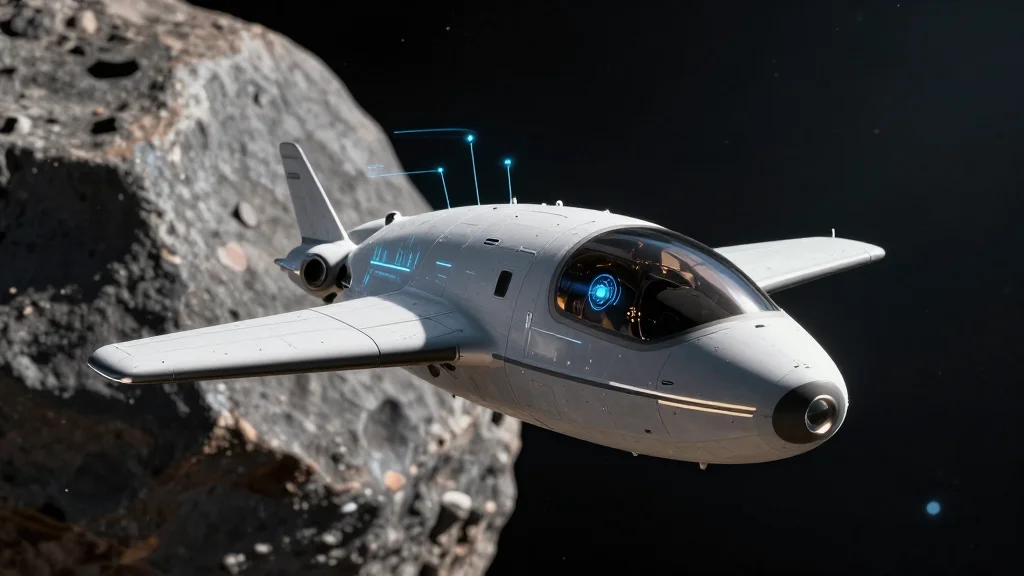
ExLabs Taps SpacePilot Autonomy for Apophis Asteroid Mission
ExLabs has chosen CUS‑GNC’s SpacePilot autonomy software to guide its upcoming commercial mission to asteroid Apophis, slated for launch during the 2029 close‑approach window. The onboard guidance, navigation and control system will operate beyond 100 million kilometres from Earth, where communication...
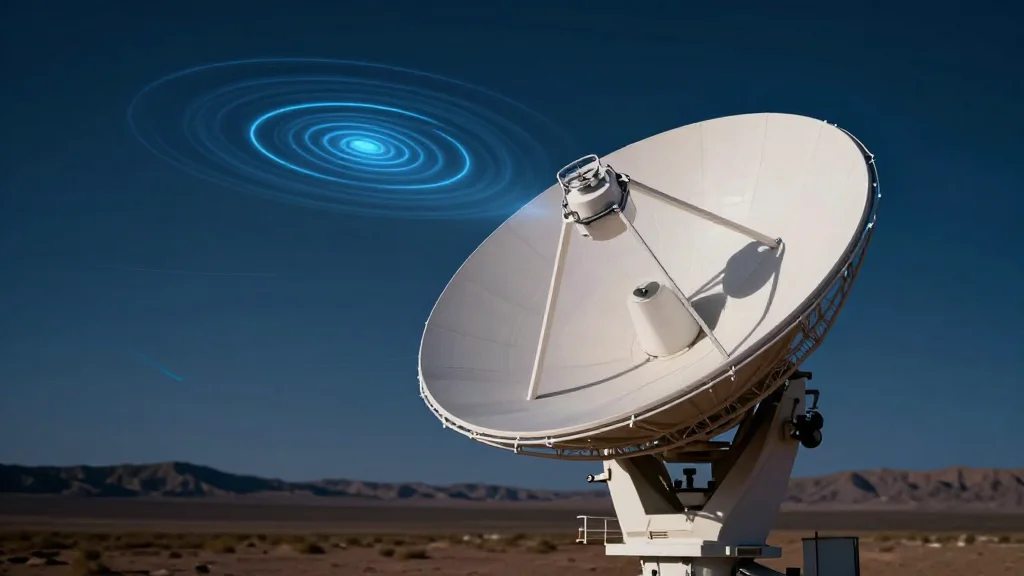
AI Framework Links Gravitational Waves and Radio Afterglows
A consortium led by Argonne National Laboratory has unveiled RADAR, an AI‑driven framework that fuses gravitational‑wave alerts with radio afterglow observations. By running on supercomputing facilities, RADAR analyzes data in situ, respects proprietary restrictions, and automates notice parsing with large...
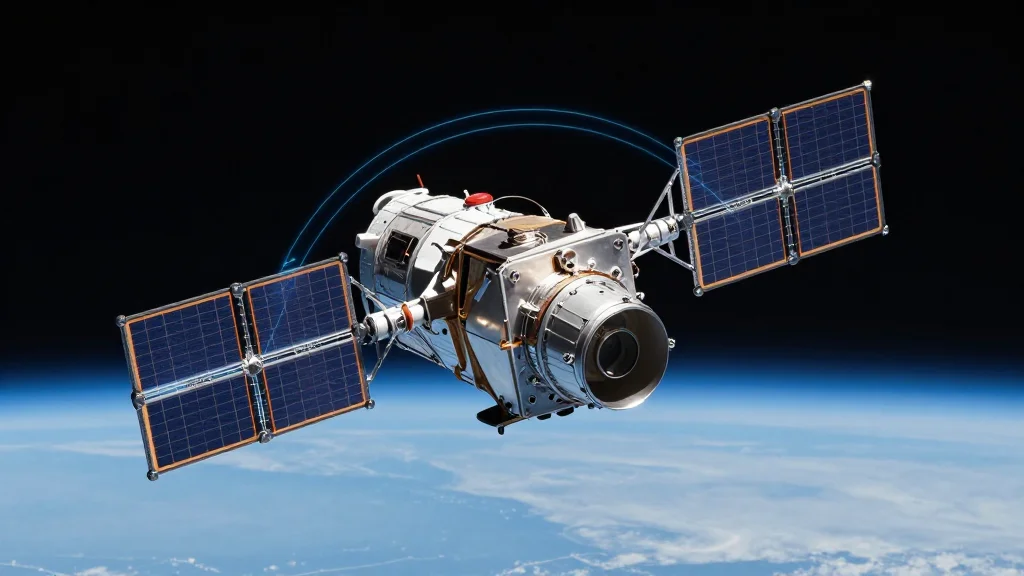
MDA Space and Hanwha Target Korean K-LEO Defense Network
MDA Space and Hanwha Systems have signed a memorandum of understanding to explore the use of MDA's AURORA software‑defined satellite platform for South Korea’s planned K‑LEO defense constellation. The partnership aims to deliver secure, resilient low‑Earth‑orbit communications and data services...

NASA Backs Studies to Boost Hypersonic Flight Testing
NASA has awarded $500,000 to SpaceWorks and $1.2 million to Stratolaunch to study how their X‑60 and Talon A vehicles can be adapted for reusable, high‑cadence hypersonic flight testing. The contracts, part of NASA’s Hypersonic Technology Project, aim to bridge the gap...
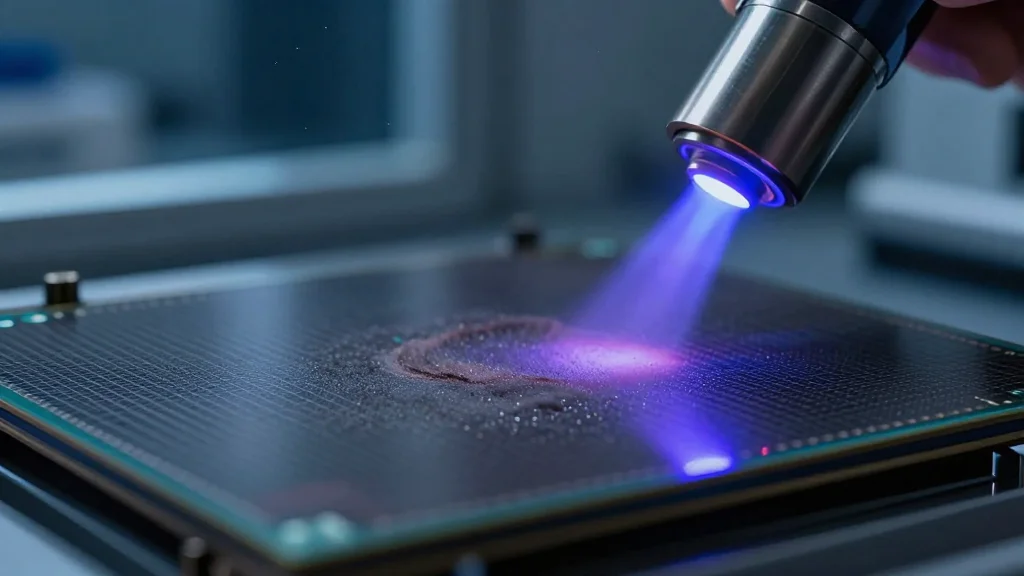
Lab Made Cosmic Dust Experiment Reveals Paths to Life Chemistry
University of Sydney researchers have synthesized carbon‑rich cosmic dust in the lab by subjecting a nitrogen, carbon dioxide and acetylene mixture to a 10 kV glow‑discharge plasma. The resulting CHON‑laden particles form thin films on silicon chips and exhibit infrared fingerprints...
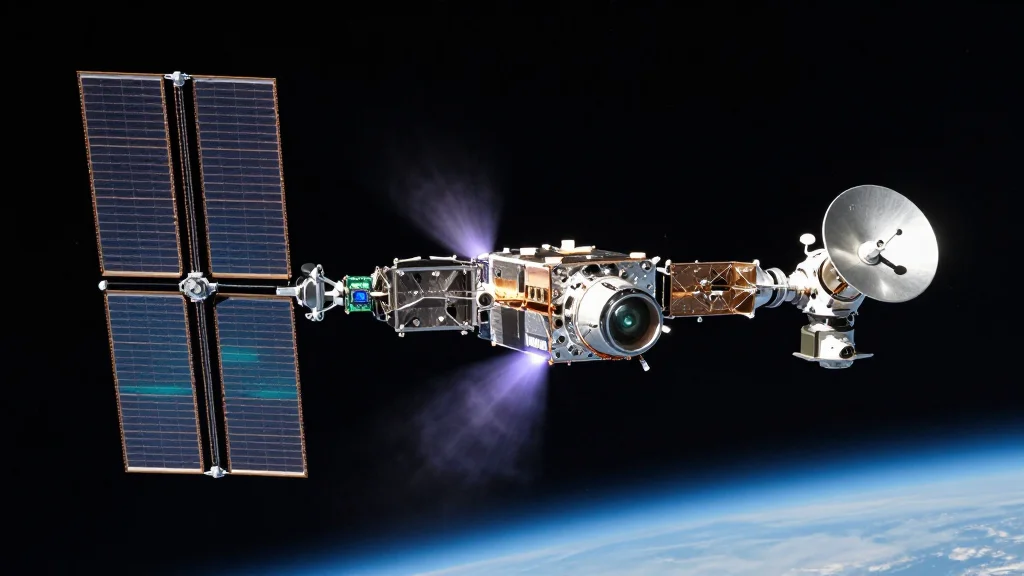
NTU Singapore Boosts Agile Space Access with Trio of New Projects
Nanyang Technological University has launched three Space Access Programme projects under Singapore’s Space Technology Development Programme, targeting annual launches from 2026 to 2028. The first project integrates an edge‑computing AI payload and perovskite solar cells into a 3U nanosatellite built...
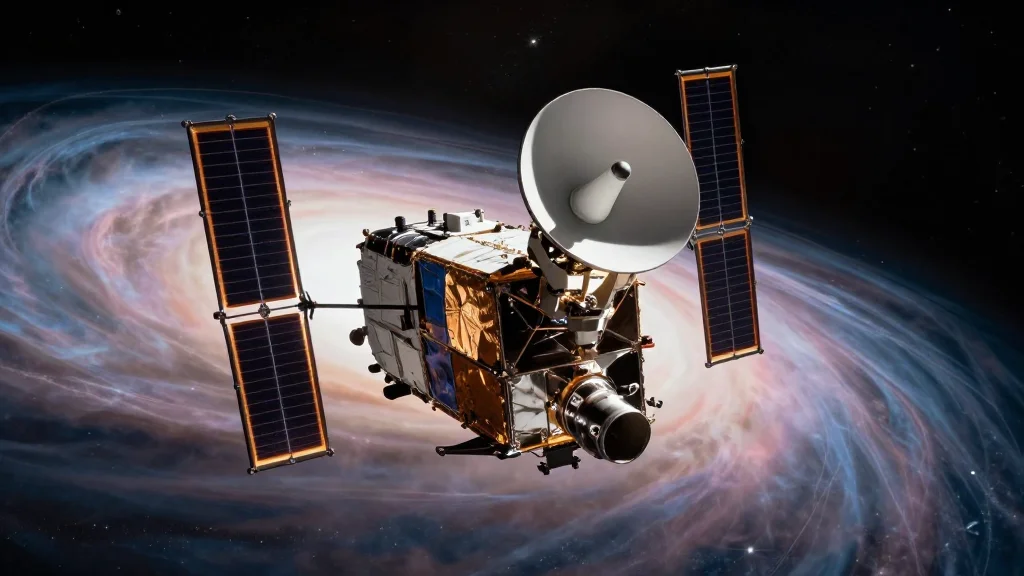
NASAs IMAP Begins Primary Science Mission
NASA’s Interstellar Mapping and Acceleration Probe (IMAP) entered its two‑year primary science mission on Feb 1, 2026, to chart the heliosphere’s outer limits. The spacecraft carries ten instruments that will measure solar‑origin particles, magnetic fields and interstellar dust, delivering the most comprehensive...

NASA Advances Space Based Tracking of Marine Debris
NASA’s Jet Propulsion Laboratory has adapted its land‑based plastic‑detection remote‑sensing system to monitor marine debris from orbit. The new algorithm leverages high‑resolution multispectral satellite imagery to identify floating plastic patches and shoreline accumulation. Early tests over the Pacific have successfully...
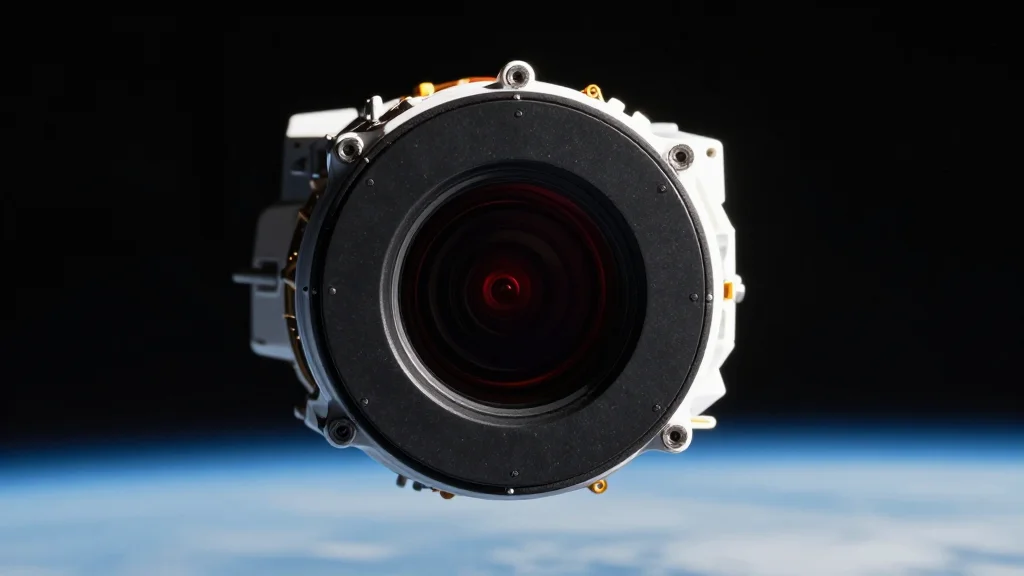
Leonardo DRS Infrared Payloads Selected for SDA Tracking Layer Tranche 3
Leonardo DRS has secured a subcontract to supply advanced infrared mission payloads for the Space Development Agency’s Tracking Layer Tranche 3 (TRKT3). The new payloads will provide persistent, global coverage to detect and track ballistic missiles and hypersonic weapons from launch...
Balerion Backs Northwood to Tackle Ground Bottlenecks in Expanding Space Economy
Balerion Space Ventures has joined Northwood Space’s $100 million Series B round, earmarking capital to address terrestrial ground‑infrastructure bottlenecks that threaten the scaling of the emerging space economy. The investment underscores Balerion’s strategy of backing foundational systems that enable both commercial and...
NASA Delays Moon Mission over Frigid Weather
NASA has delayed the Artemis 2 lunar flyby to February 8, pushing the earliest launch window back two days because forecasted near‑freezing temperatures at Cape Canaveral would breach launch criteria. The postponement narrows February’s viable launch days to just three, tightening the...
SES to Extend EGNOS GEO 1 Payload Service for Precise Navigation over Europe Through 2030
SES and the European Union Agency for the Space Programme have renewed the EGNOS GEO 1 satellite service agreement through 2030, with an option to extend to 2032. The extension keeps the hosted payload on SES 5 operational, delivering high‑precision navigation corrections...
Lockheed Martin Launches Ninth GPS III Satellite to Boost Secure Navigation
Lockheed Martin placed its ninth GPS III satellite, SV09, into orbit on a SpaceX Falcon 9 launch from Cape Canaveral on Jan 30 2026. The spacecraft delivers three‑times the accuracy and up to eight‑times better anti‑jamming capability, reinforcing both military and civilian navigation services....
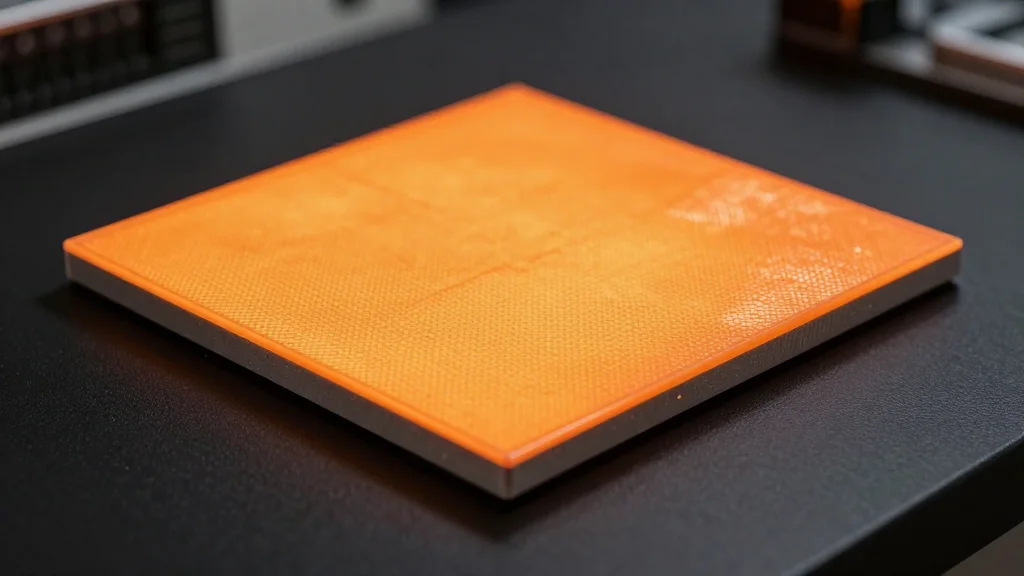
NASA Heat Shield Technology Enables Space Industry Growth
NASA’s C‑PICA heat‑shield material, developed at Ames Research Center, was licensed to Varda Space Industries and manufactured in‑house for the company’s W‑5 capsule. On Jan. 29, 2026 the capsule re‑entered Earth’s atmosphere and landed safely in South Australia, marking the first all‑Varda...
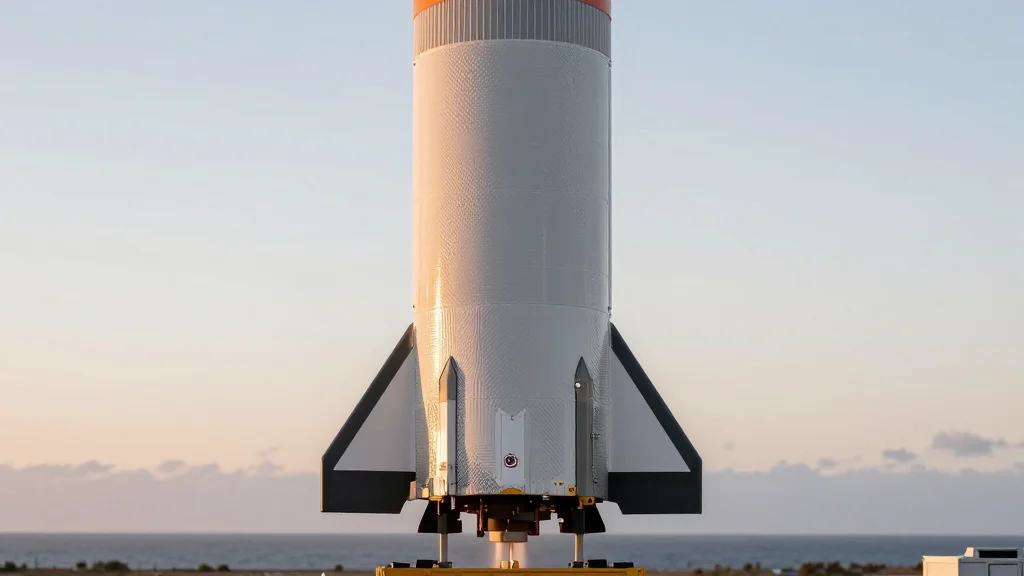
Rocket Lab Conducts Second Electron Mission in Eight Days to Orbit Korean Imaging Satellite
Rocket Lab completed its 81st Electron flight, deploying the NEONSAT‑1A Earth‑observation satellite for South Korea’s KAIST. The "Bridging The Swarm" mission lifted off from New Zealand on Jan 30, placing the payload into a 540 km low‑Earth orbit. This launch marks the company’s...

AI Digital Twins Aim to Protect Astronaut Mobility on Deep Space Missions
West Virginia University researchers are creating AI-powered digital twins that replicate each astronaut's movement and muscle activation patterns to monitor neuromuscular health during long‑duration microgravity missions. By combining motion‑capture, wearable sensors, virtual‑reality tasks and physics‑based simulations, the models can predict...
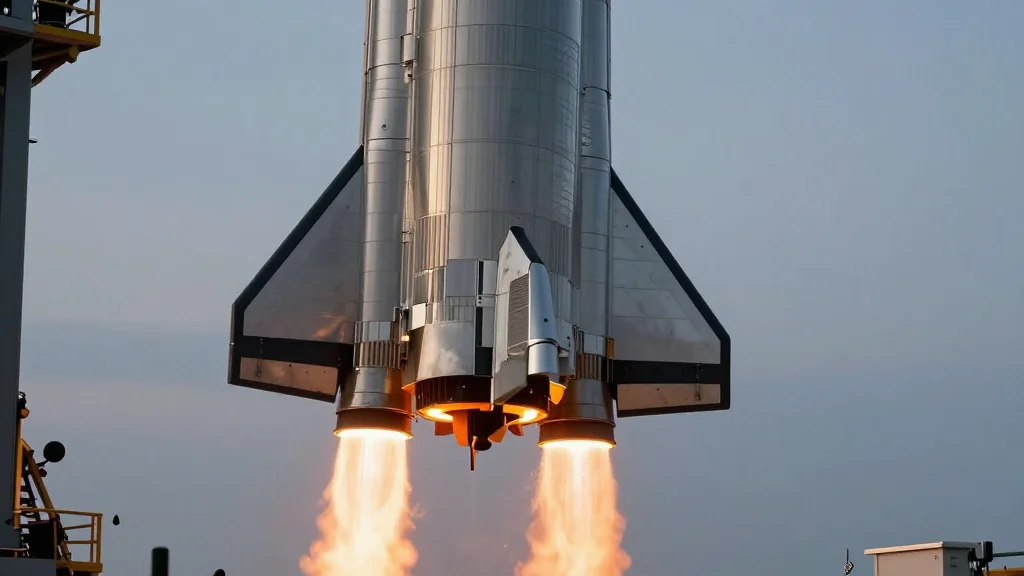
Autophage Rocket Concept Wins EU Prize for Debris Free Launch Technology
Alpha Impulsion, a Franco‑Italian space startup, won a €950,000 EU prize for its autophage rocket concept that consumes its own structure as fuel, eliminating upper‑stage debris. The design promises roughly a 40% reduction in liftoff mass, translating into comparable launch‑cost...
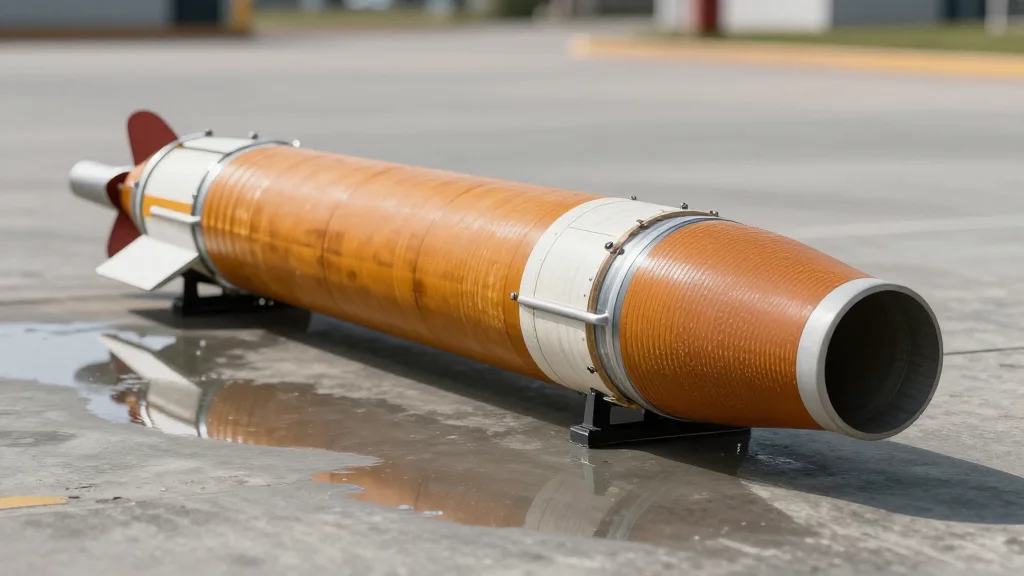
Northrop Grumman Boosters Set For First Crewed Lunar Voyage Of Artemis Era
Northrop Grumman’s upgraded five‑segment solid rocket boosters are slated for NASA’s Artemis II, the first crewed flight of the Space Launch System, targeted for early February 2026. The twin 177‑foot boosters generate 3.6 million pounds of thrust each, contributing 7.2 million pounds—about 75 percent of...
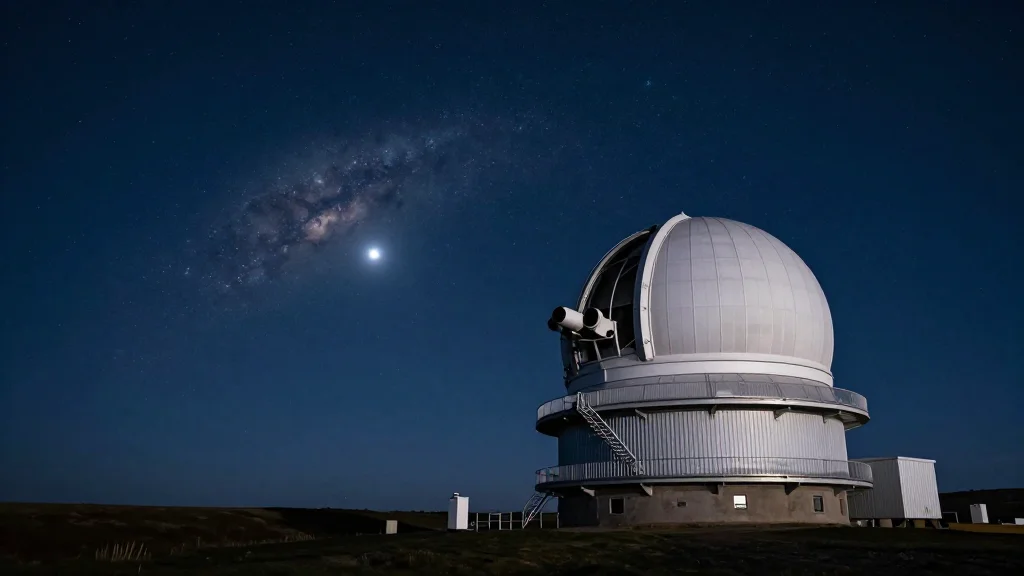
What Is the Universe Made Of? SLAC Experts Weigh in on the Mysterious Force that Shapes Our Cosmic History
The Dark Energy Survey (DES) has released its final results, summarizing a decade of observations that mapped hundreds of millions of galaxies and uncovered sixteen nearby dwarf galaxies. DES measurements of supernovae and galaxy clustering have provided the tightest constraints...
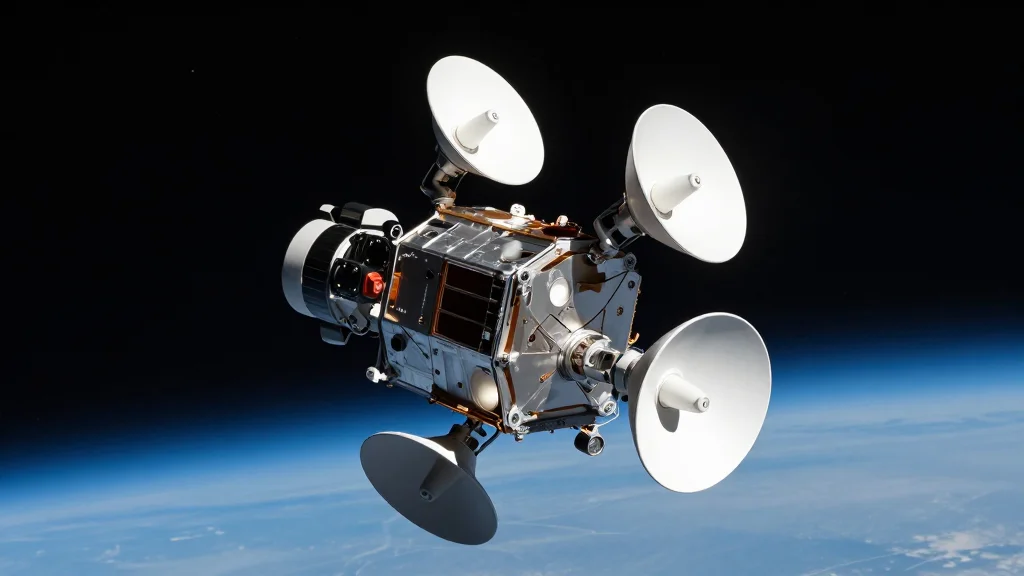
ESA Member States Back SWISSto12 HummingSat with Fresh Funding Round
SWISSto12 has secured €73 million from European Space Agency member states via the ARTES HummingSat partnership, bringing its recent funding total to over €100 million. The capital will accelerate the development and industrialisation of its compact, software‑defined geostationary communications platform, HummingSat, with...
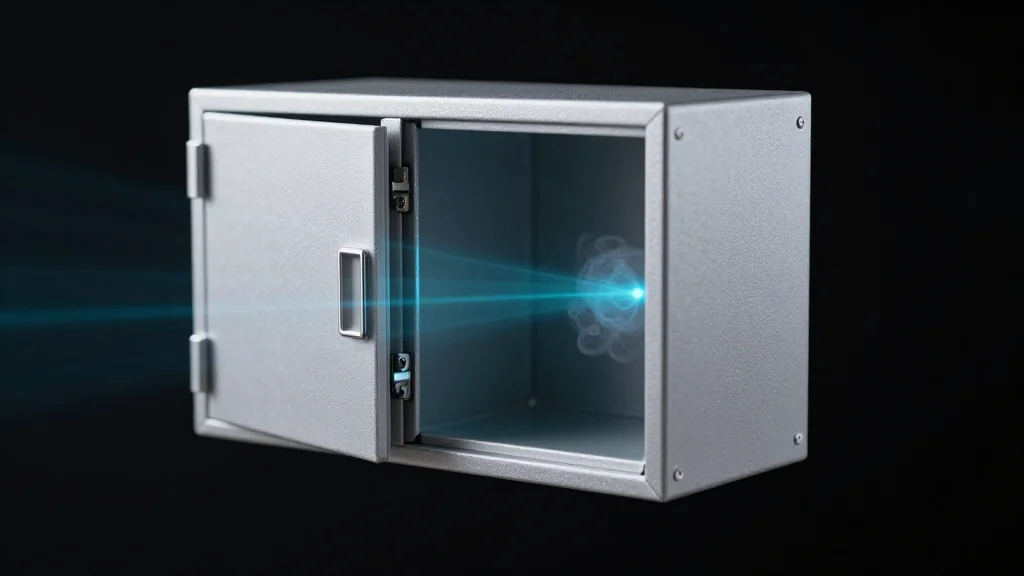
In-Space Manufacturing, Quantum Projects Part of All-Boilermaker Suborbital Spaceflight
Purdue University is expanding its 2027 all‑Boilermaker suborbital mission, Purdue 1, by adding two autonomous research lockers that will fly aboard a Virgin Galactic spacecraft. One locker will test laser‑assisted semiconductor and metal manufacturing in microgravity, while the other will study...
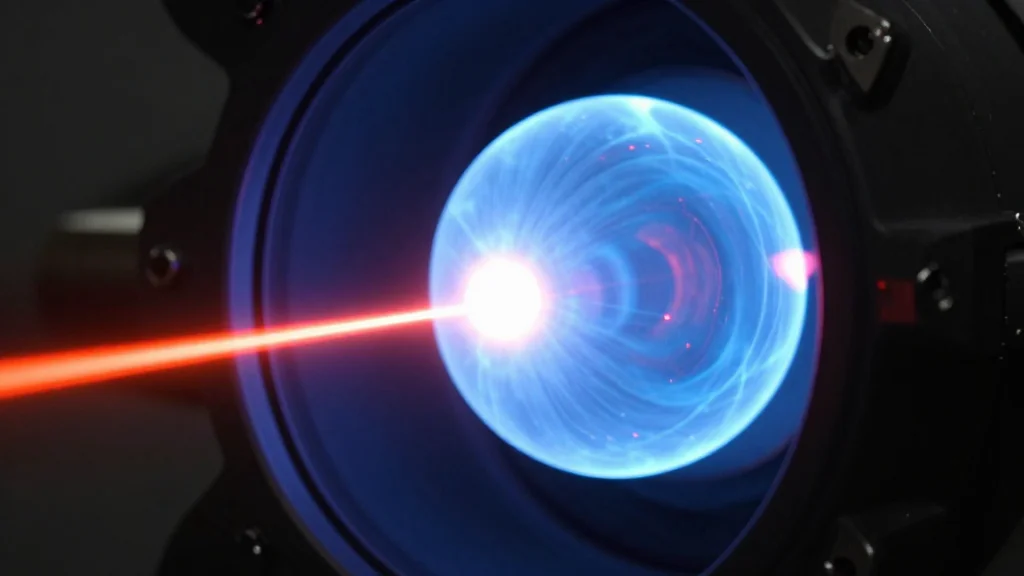
Low Frequency Lasers Modeled to Greatly Boost Nuclear Fusion Rates
A new theoretical study shows that intense low‑frequency laser fields can dramatically increase nuclear fusion rates by reshaping the collision‑energy distribution of reacting nuclei. The model predicts that a 1.55 eV laser at 10²⁰ W cm⁻² boosts deuterium‑tritium fusion probability by three orders...