
Accelerating Digital Transformation Is the Keystone to Deterring Space War
The article argues that the United States must accelerate digital transformation in its national‑security space architecture to maintain deterrence against a rapidly modernizing China. It highlights current shortcomings such as legacy single‑prime contracts, stovepiped systems, and slow acquisition cycles that impede data‑driven decision making. The authors propose embedding cloud‑native services, edge computing, AI/ML autonomy, zero‑trust cybersecurity, and DevSecOps pipelines across all space programs, with specific actions for the Space Force’s acquisition portfolio. Successful implementation is presented as the decisive factor for strategic tempo and space war deterrence.

Starfish Space Wins SDA Contract to Deorbit Satellites
Starfish Space secured a $52.5 million contract from the U.S. Space Development Agency to provide deorbit‑as‑a‑service for a satellite in its Proliferated Warfighter Space Architecture. The award calls for launching the company’s Otter space tug in 2027 to dock with a...

U.S. Vulnerable to Russian Escalation in Space, New Report Warns
The Atlantic Council’s new report warns that the United States remains “unacceptably vulnerable” to Russian escalation in space, including the prospect of a nuclear detonation in low‑Earth orbit. It outlines three high‑risk scenarios—nuclear anti‑satellite blasts, debris‑generating attacks, and systematic interference...

Defense Appropriations Bill for 2026 Funds Space Force at $26 Billion, Presses Pentagon on Golden Dome
Congress approved a FY 2026 defense appropriations bill that allocates $26 billion to the U.S. Space Force, matching the administration’s request, and adds roughly $13.8 billion in mandatory funding, bringing total resources close to $40 billion—almost double the level five years ago. The legislation...

Space Foundation to Host Innovate Space: Finance Forum in Partnership With Texas Space Commission
Space Foundation announced the Innovate Space: Finance Forum, an executive‑level conference slated for Feb. 18‑19, 2026 at the JW Marriott Dallas Arts District. Partnering with the Texas Space Commission, the event will gather senior leaders from finance, government, and the space sector...

Reach Top Space Talent by Posting Jobs Here
Struggling to find the right talent in the space industry? Tap into a highly engaged audience of engineers, analysts, and specialists already working at the forefront of space innovation. Get your jobs in front of the people who matter most....

Commercial Space Federation (CSF) Welcomes 3 New Associate Members
The Commercial Space Federation announced three new associate members—Max Space, Slingshot Aerospace, and Muon Space—broadening its portfolio across space habitats, traffic management, and satellite constellations. Max Space introduces expandable habitats that grow twenty‑fold after launch, fitting on a single Falcon 9....

Washington Harbour Expands Space Investments with Ground Services Acquisition
Washington Harbour Partners has purchased New Hampshire‑based Radome Services and rebranded it as Outpost Mission Services, a ground‑segment engineering platform for space infrastructure. The acquisition adds a 45‑person field‑services team that inspects, repairs, and maintains radomes protecting satellite, radar and...

Free Warnings, Better Catalogs: The Real Fix for Space Safety
A recent Executive Order removed the requirement that U.S. space situational awareness (SSA) and traffic coordination services be provided free of charge, sparking debate over user fees. Andrew D’Uva argues that the real issue is catalog completeness, not pricing, and...
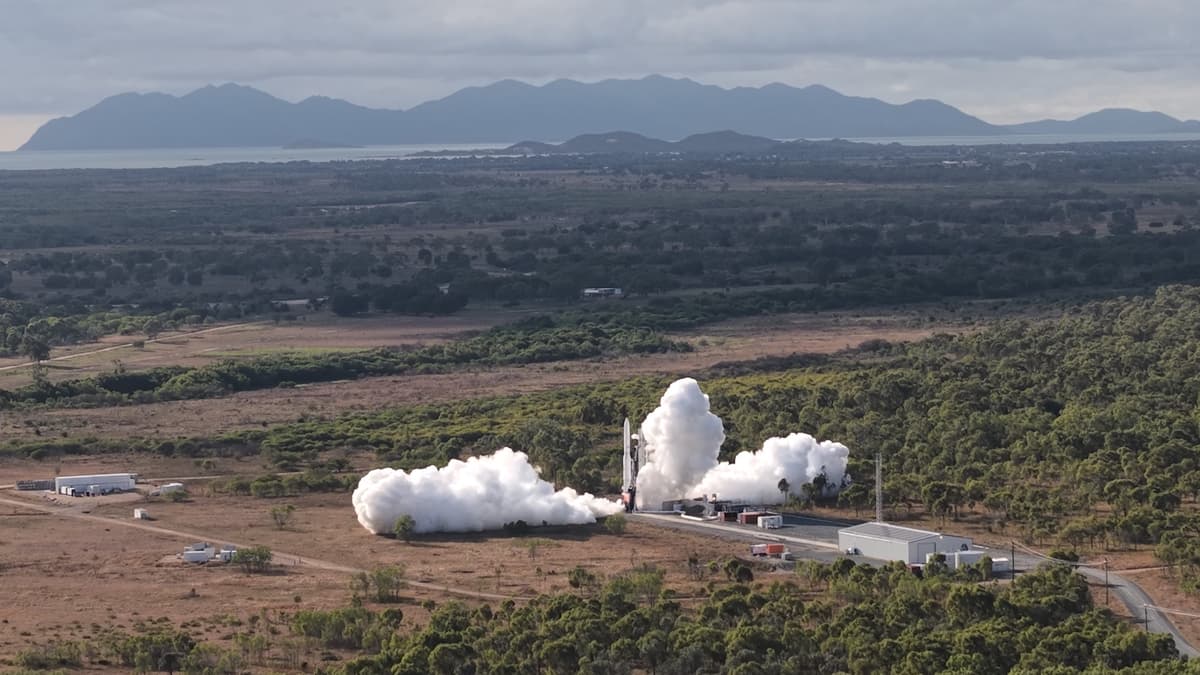
Gilmour Space Raises $146 Million
Australian launch‑vehicle firm Gilmour Space Technologies announced a A$217 million (US$146 million) Series E round, making it Australia’s first space‑technology unicorn. The round was co‑led by the National Reconstruction Fund and retirement‑savings manager Hostplus, with additional investors participating. Gilmour will use the capital...
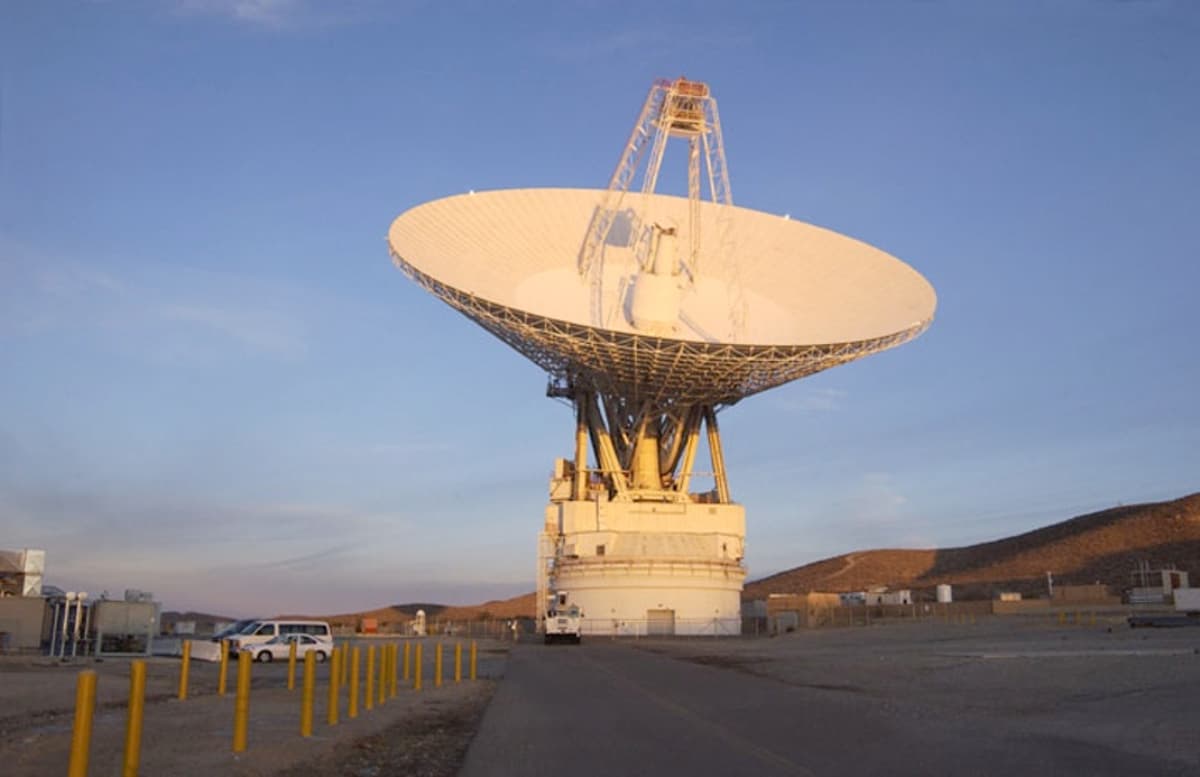
Damaged DSN Antenna Out of Service Until May
NASA’s 70‑meter DSS‑14 Deep Space Network antenna suffered an over‑rotation incident on Sept. 16, leaving it offline until at least May 1. The dish, critical for deep‑space communications and planetary radar, will later enter a multi‑year upgrade starting Aug 2026, extending its 60‑year...

Space Force Ends ‘Resilient GPS’ Satellite Program
The U.S. Space Force has terminated the Resilient GPS (R‑GPS) program, an exploratory effort launched in 2024 to develop smaller, lower‑cost navigation satellites. The initiative funded Astranis, L3Harris Technologies and Sierra Space to produce design concepts, but Phase 1 funding was...
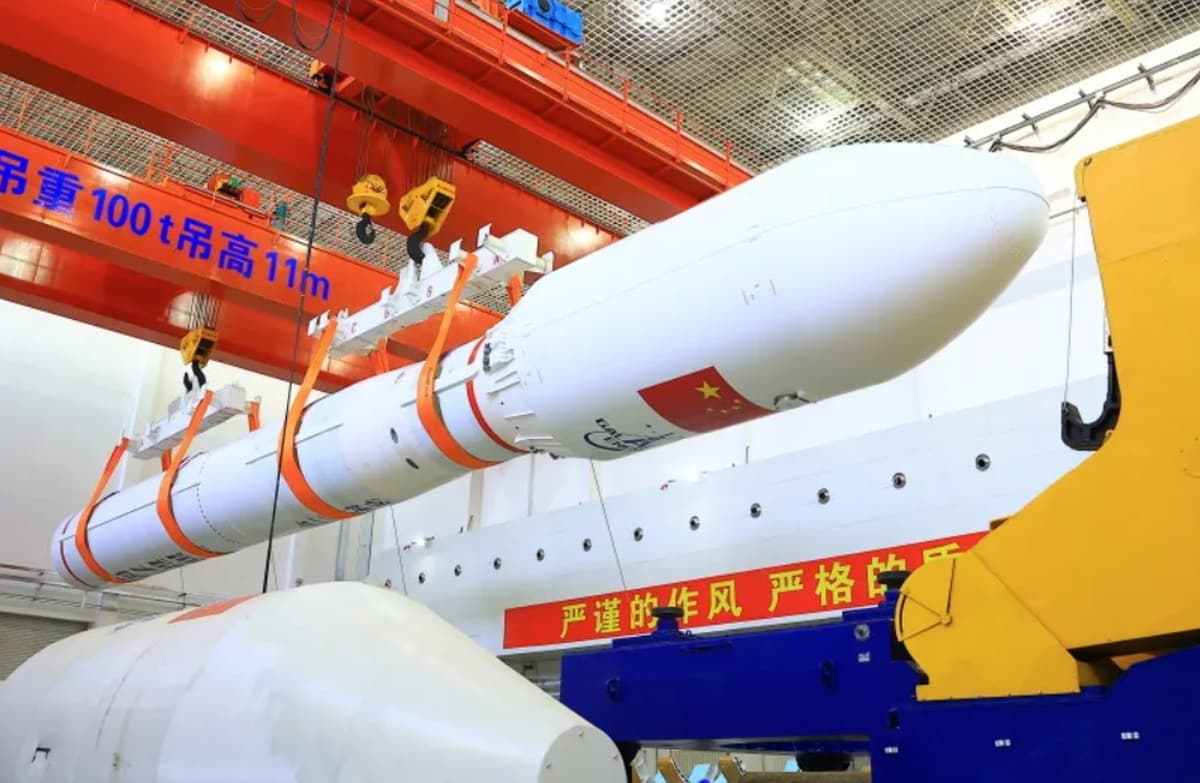
China Suffers Simultaneous Long March 3B and Ceres‑2 Launch Failures
China hit by dual launch failures as Long March 3B and Ceres-2 debut mission fail https://t.co/1lFmIdUV13 https://t.co/evIPtB2NUb
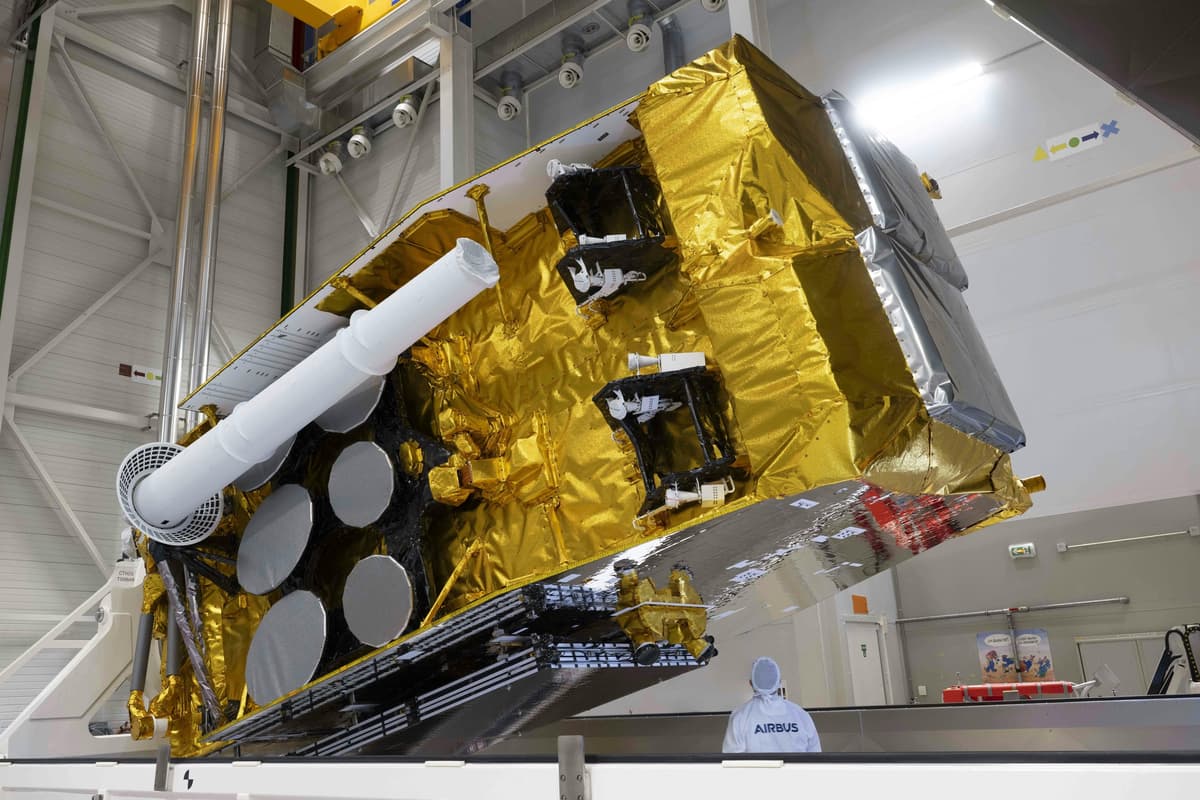
Indra Group Writes Off Damaged SpainSat NG 2
Indra Group, majority owner of Hisdesat, announced that SpainSat NG 2 has been written off after a millimetric space particle struck the satellite while it was moving from a supersynchronous transfer orbit to its final geostationary slot. The impact, likely a...
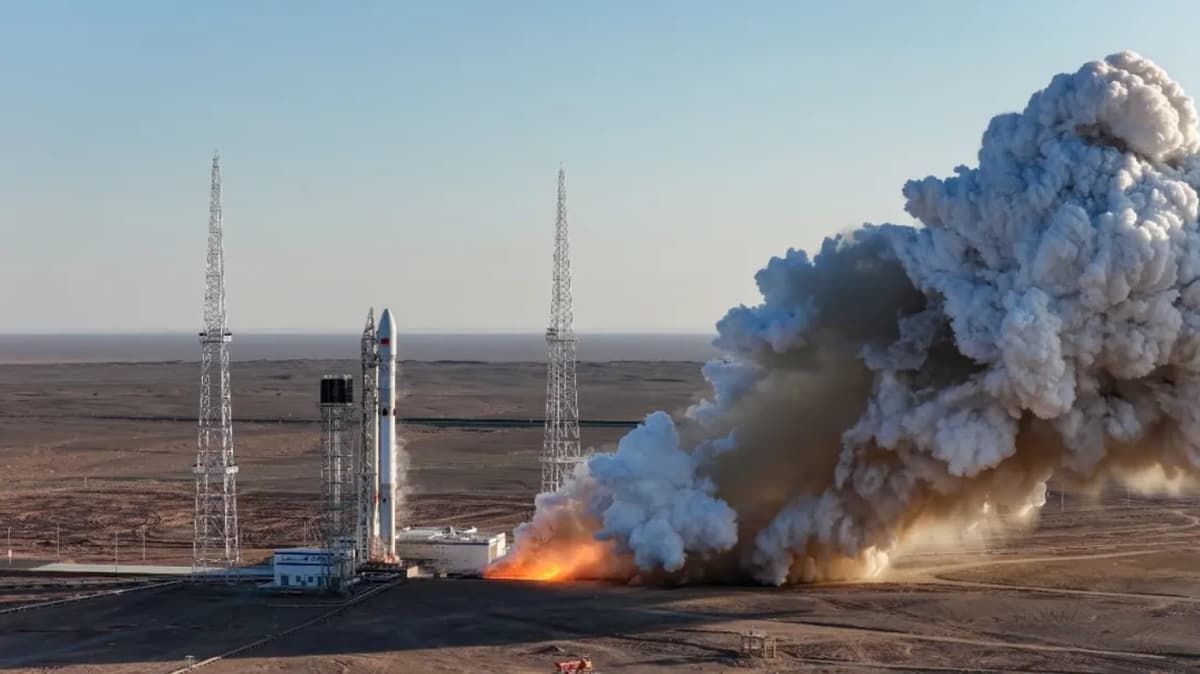
China Conducts Static Fire Test of New Reusable Long March 12B Rocket
China’s main space contractor performed a static‑fire test of the new reusable Long March 12B on Jan 16 at the Dongfeng Commercial Space Innovation Test Zone, simulating the full pre‑launch sequence. The two‑stage vehicle uses a kerosene‑liquid‑oxygen engine and is described as a...

AO-Resistant Material Boosts VLEO Satellite Longevity
Deposition Sciences, a Lockheed Martin subsidiary, announced that its Sunshade® thermal‑control material can survive atomic oxygen (AO) fluences above 1 × 10²² atoms cm⁻², equivalent to eight years in very low‑Earth orbit. The material, available as free‑film or adhesive tape, showed negligible performance loss from...

China Advances Plans for Dual Solar System Boundary Missions
China has detailed coordinated plans for two solar‑system‑boundary missions, targeting the heliosphere’s head and tail with launches in 2033 and 2032 on Long March 5 rockets. Both spacecraft will carry 1 kWe nuclear heat‑pipe reactors, enabling over 30 years of operation and a mass...
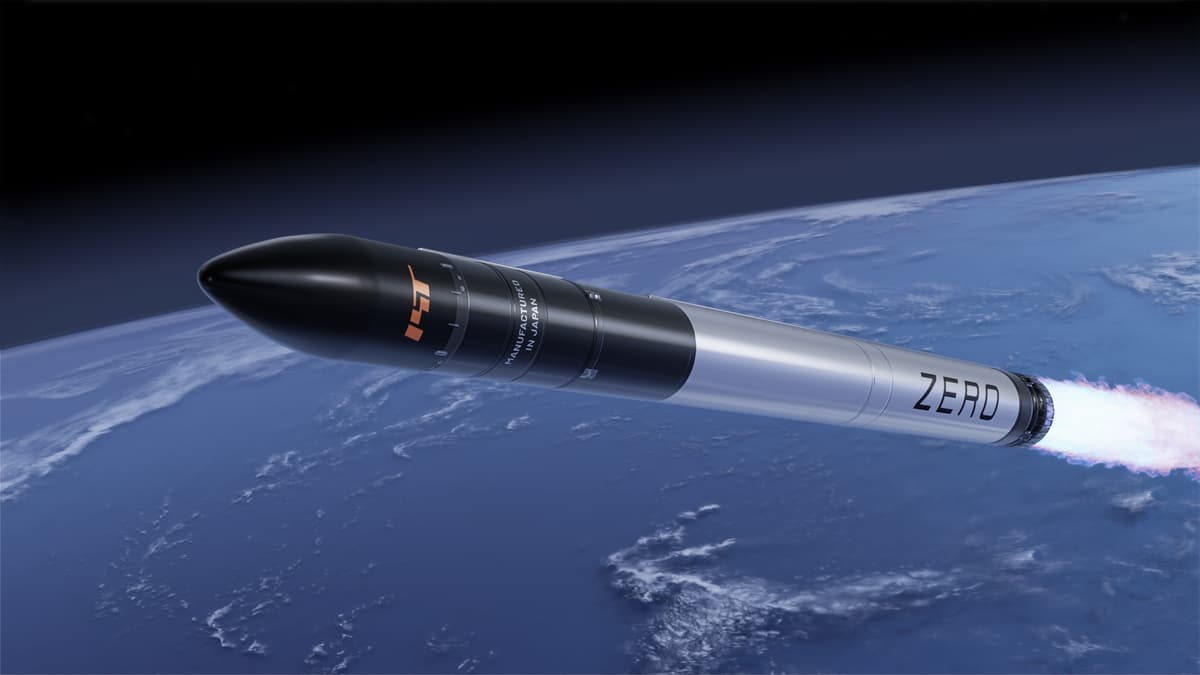
Japanese Launch Company Interstellar Technologies Raises $130 Million
Japanese launch startup Interstellar Technologies announced a Series F financing round that raised 20.1 billion yen (about $130 million), nearly doubling its total capital to 44.6 billion yen. The round combined 14.8 billion yen of equity, led by Woven by Toyota, and 5.3 billion yen of...

Congress Passes Minibus Spending Bill that Rejects Proposed NASA Cuts
Congress approved a FY2026 minibus appropriations bill that restores NASA funding to $24.438 billion, far exceeding the Trump administration’s $18.8 billion request. The legislation revives the agency’s science budget to $7.25 billion and maintains space‑operations funding near prior levels, while only modestly trimming...

Arianespace to Begin Amazon Leo Launches in February
Arianespace will launch the first 32 Amazon Leo satellites on Feb. 12, marking the debut of the Ariane 64, the Ariane 6 variant with four solid‑rocket boosters. The mission initiates a 2022 contract for 18 Amazon launches, positioning Amazon as Arianespace’s largest commercial...

Managing an Orbital Economy as Space Grows More Congested
In a Space Minds interview, Neuraspace CEO Chiara Manfletti explains how AI‑driven space situational awareness is evolving from debris tracking to automated orbital logistics as megaconstellations and high‑capacity launchers crowd low‑Earth orbit. She highlights the shift toward autonomous decision‑making for...
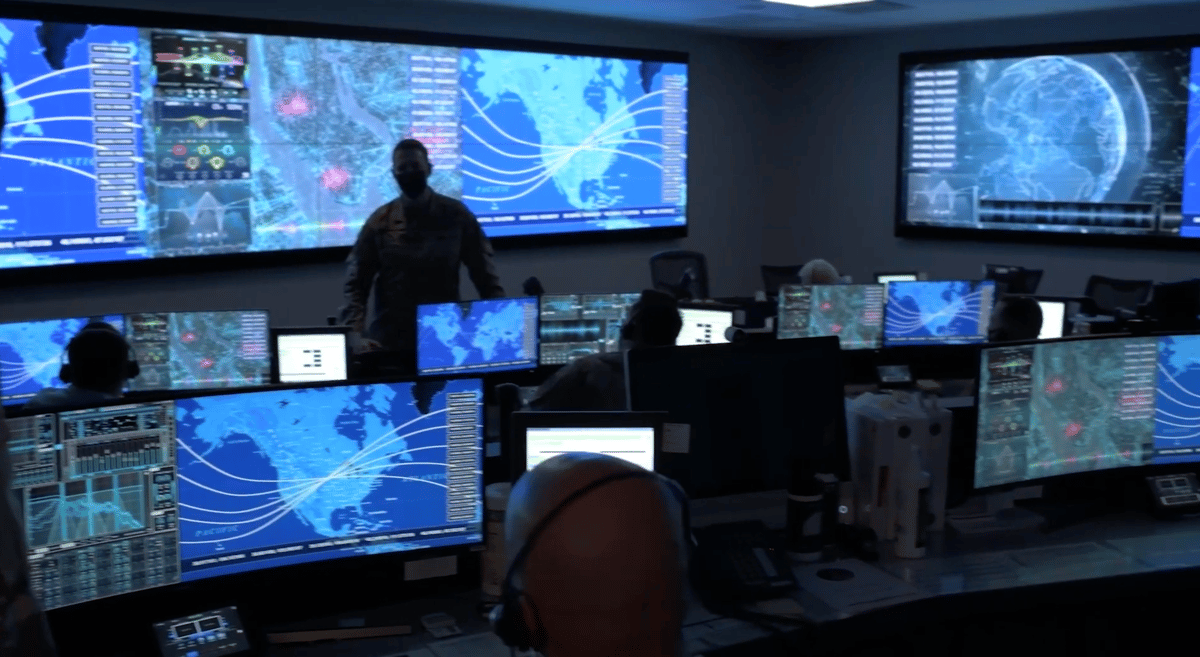
Parsons Buys Altamira for $375 Million to Expand Space and Intelligence Portfolio
Parsons announced a $375 million acquisition of Altamira Technologies, paying $330 million in cash with a $45 million earn‑out tied to 2026 performance. Altamira, a specialist in signals intelligence, missile‑warning and space‑focused data analytics, brings AI‑enabled tools for processing satellite sensor feeds. The...

TrustPoint Demonstrates Non-GPS Navigation for LEO Satellites
TrustPoint, a Virginia startup, demonstrated that its low‑Earth‑orbit ground station, LEONS, can uplink precise time and tracking signals to a satellite, proving a GPS‑independent navigation capability. The compact node, roughly the size of a microwave oven, generated its own timing...

Portal Space Selects ‘Space Armor’ Debris Shield for 2026 Mission
Portal Space Systems has chosen Atomic‑6’s Space Armor composite tiles as the primary micrometeoroid and orbital debris (MMOD) shield for its Starburst‑1 satellite, slated for a Transporter‑18 rideshare launch in October 2026. The hexagonal tiles are about 30% lighter and 15%...

Slingshot Wins $27 Million Space Force Contract for AI Training System
Slingshot Aerospace secured a $27 million, 18‑month contract from the U.S. Space Force to advance its AI‑based training system, TALOS, under the Operational Test and Training Infrastructure (OTTI) program. TALOS acts as an autonomous virtual opponent, generating adaptive satellite maneuvers and...

Hydrosat Raises $60 Million in Series B Funding
Hydrosat announced a $60 million Series B round led by Hartree Partners, Subutai Capital and Space 4 Earth, bolstering its capital to expand its thermal‑infrared satellite constellation. The funding will fund new satellites, boost engineering capacity in the U.S. and Luxembourg, and accelerate global...
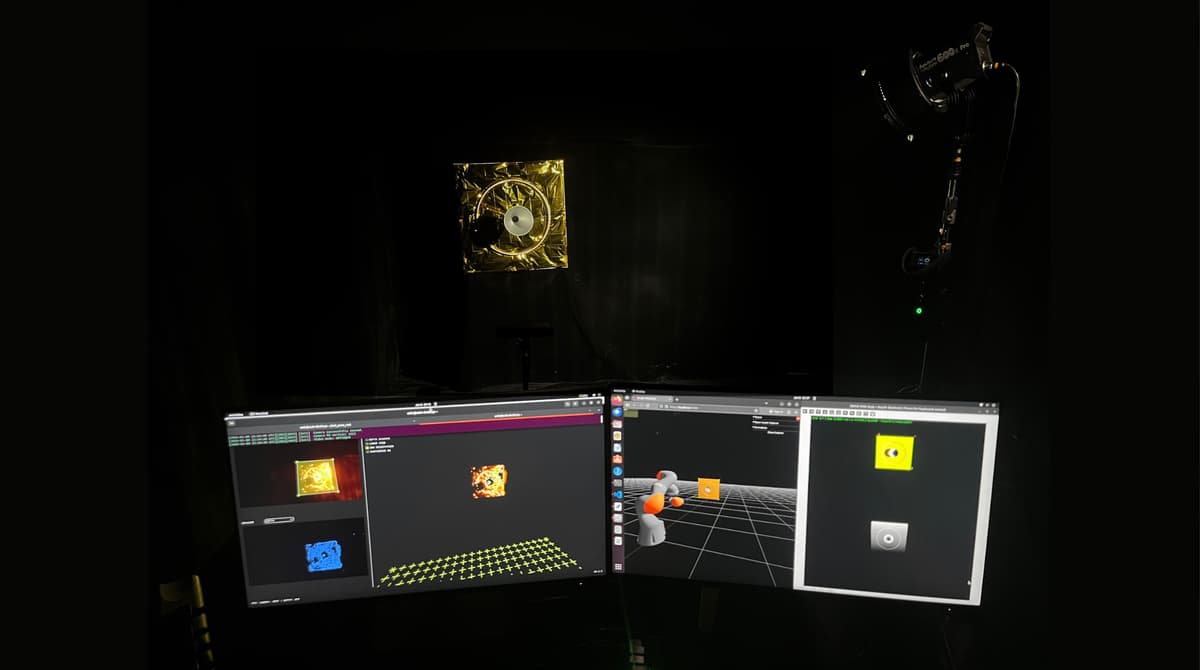
Indian Startup Aule Space Enters Satellite Servicing Market
Indian startup Aule Space announced a $2 million seed round to develop low‑cost satellite‑servicing “jetpack” spacecraft that attach to GEO satellites for orbit‑raising and life extension. The company’s approach relies on computer‑vision and AI instead of costly radars, aiming to reduce...
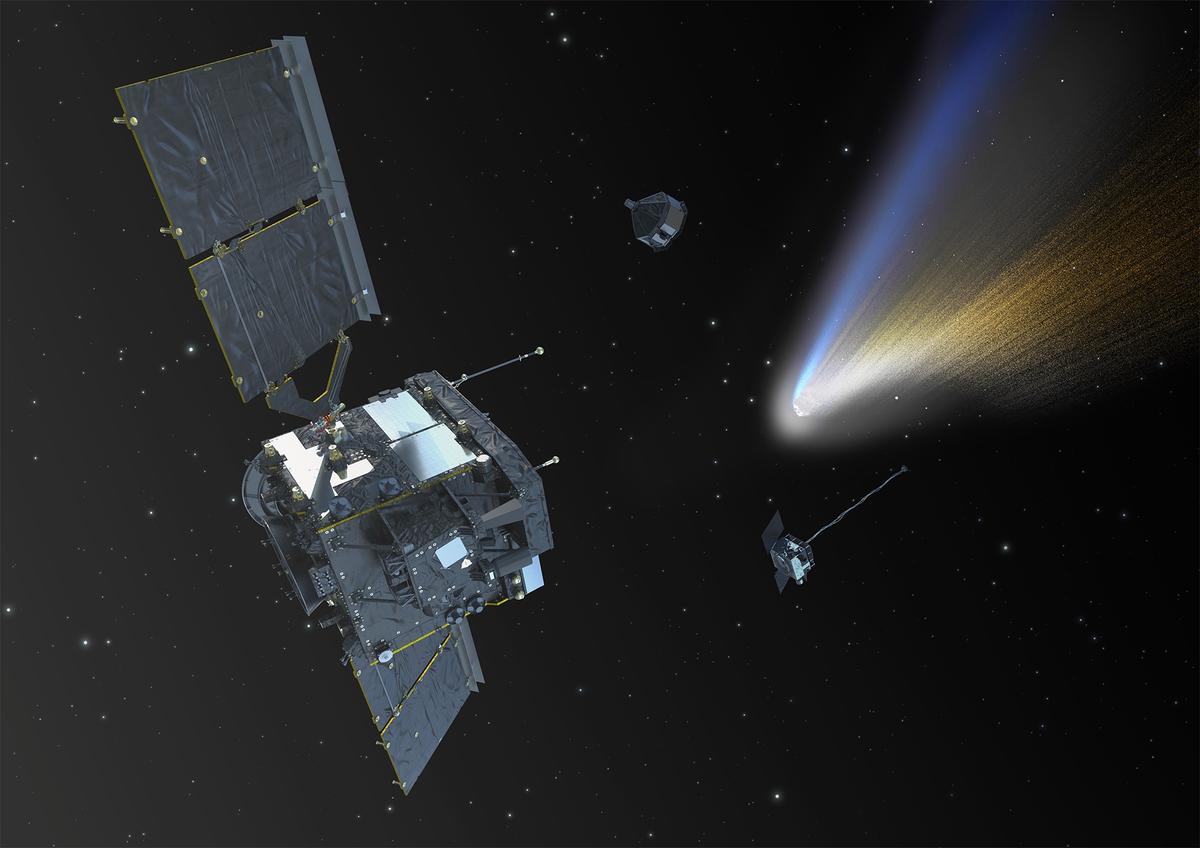
ESA’s Comet Interceptor Mission Moves up Launch
ESA’s Comet Interceptor, originally slated to share an Ariane 6 launch with the Ariel exoplanet mission in 2029, will now launch earlier as a co‑passenger with a commercial communications satellite on an Ariane 64 between August 2028 and July 2029. The schedule change avoids...

Taiwan’s Moonshot: Why ‘T-Dome’ Needs Systems Engineering, Not Just a Shopping List
Taiwan plans to allocate up to 5 % of GDP to defense by 2030, launching the T‑Dome integrated air‑and‑missile shield to counter a sophisticated Chinese barrage. Unlike Israel’s Iron Dome, the threat includes ballistic, hypersonic, cruise missiles, unmanned swarms, cyber and...

ThinkOrbital Raises Seed Funding to Advance X-Ray Space Inspection
ThinkOrbital, a Boulder‑based space‑infrastructure startup, closed an undisclosed seed round led by TFX Capital to accelerate its in‑space X‑ray inspection and autonomous construction technologies. The company will conduct two demonstration missions in 2026—one launching an X‑ray detector on an Argo...
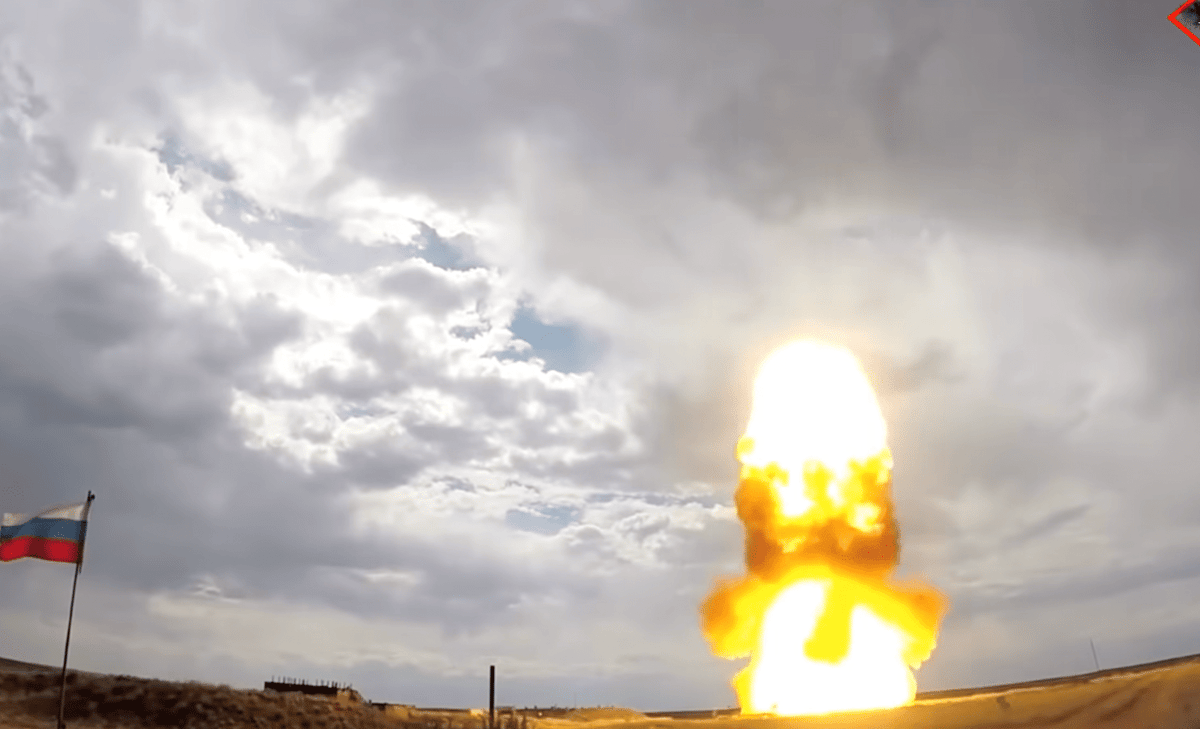
When Allies Can’t Count on U.S. ISR, Commercial Space Becomes Strategic
Allies are confronting a growing gap as U.S. intelligence, surveillance and reconnaissance (ISR) satellites become increasingly prioritized for high‑end threats. The 2025 National Security Strategy signals a shift toward greater partner burden‑sharing, leaving European and other allies to consider alternatives....

NASA Pessimistic About Odds of Recovering MAVEN
NASA announced on Jan. 13 that recovering the MAVEN orbiter is "very unlikely" after the spacecraft lost contact on Dec. 6 and telemetry indicated it is tumbling out of its planned orbit. Attempts to locate MAVEN using Curiosity’s camera and to re‑establish...

Space Operations Will Become More Dynamic This Year
2026 will see a surge of dynamic space operations driven by on‑orbit refueling and servicing capabilities. The U.S. Space Force and DARPA are fielding missions such as Tetra‑5, Victus Haze, Surgo, and Salo to prove autonomous docking, rapid‑response launches, and...
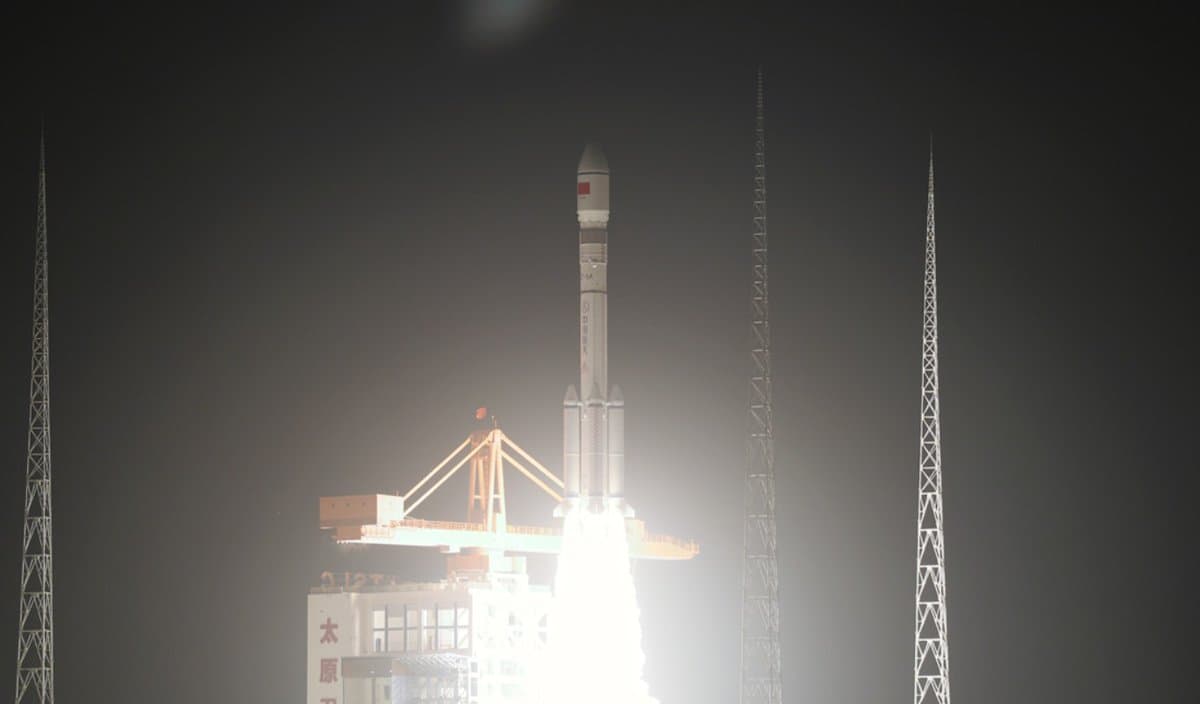
China’s 2026 Launches Place Yaogan Into Unusual Orbit, Deploy Guowang
China’s first launches of 2026 send Yaogan spacecraft into unusual orbit, loft Guowang satellites https://t.co/tqUqmewOs3 https://t.co/OZTi6ecDQY
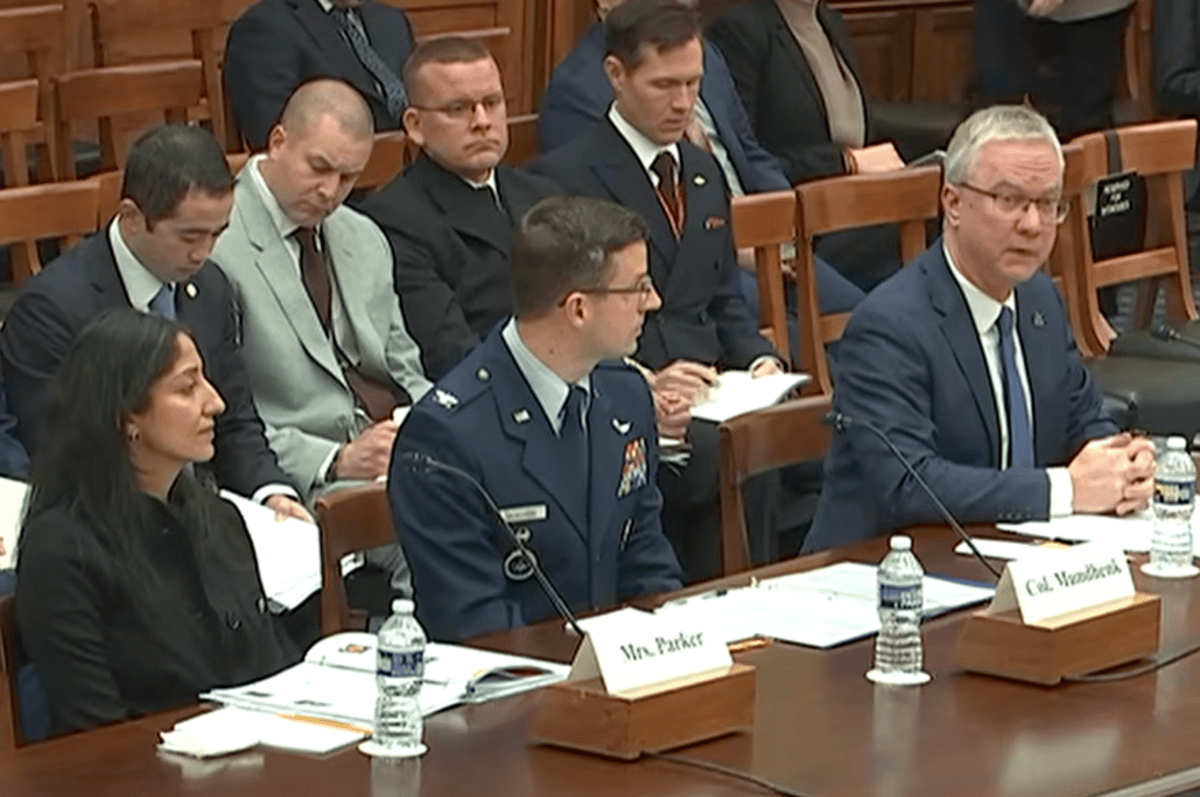
Congressional Hearing Highlights Military’s Reliance on NOAA Weather Data
A House Science subcommittee hearing on Jan. 13 highlighted the U.S. Navy and Air Force’s heavy reliance on NOAA’s weather and ocean data for strategic, operational, and tactical missions. The Trump administration’s proposed budget would cut NOAA’s funding from $6.1 billion to...

ESA and ClearSpace Announce PRELUDE In-Orbit Servicing and Debris Removal Mission
European Space Agency and Luxembourg‑based ClearSpace have announced PRELUDE, an in‑orbit servicing and active debris removal demonstration slated for a 2027 launch. The mission will deploy two small spacecraft to autonomously rendezvous, track, and maneuver around a target using vision‑based...
Pentagon Commits $1 Billion to L3Harris Missile Unit as ‘Anchor Investor’
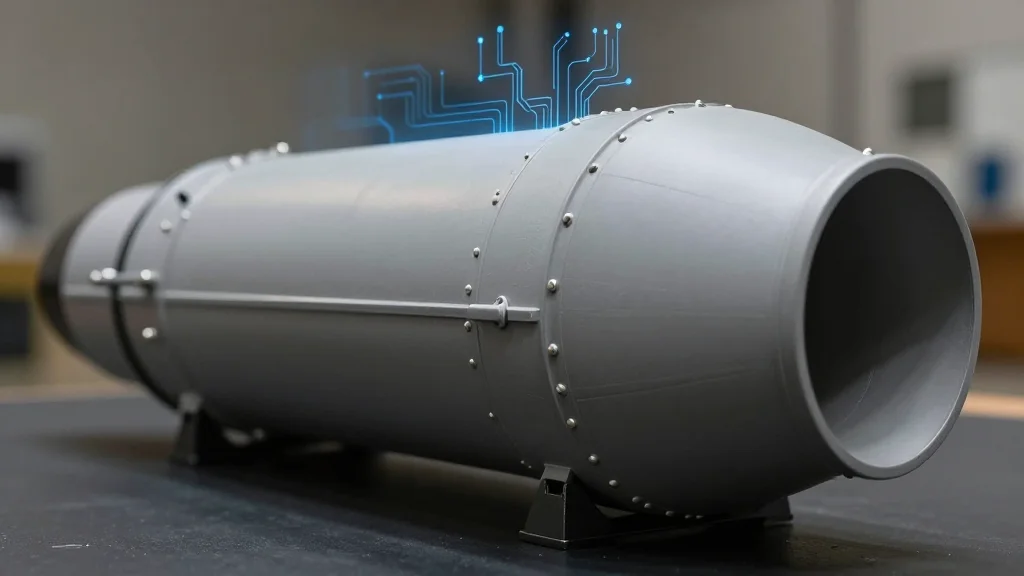
The Pentagon announced on Jan. 13 that it will become an anchor investor in L3Harris Technologies’ Missile Solutions unit, committing $1 billion to expand solid‑rocket‑motor production. The funding will be provided via a convertible preferred security that converts to equity only if...

Space Force Wants Competition. Satellite Makers Want Stability.
The Space Development Agency is pushing a commercial‑style, competitive procurement model for low‑Earth‑orbit constellations, aiming for faster delivery and lower costs. By issuing two‑year contract cycles, the SDA has brought newcomers like York Space and Rocket Lab into the same...

Turion Space Corp. Acquires Tychee Research Group to Accelerate Autonomous Space Operations and Mission Engineering
Turion Space Corp. announced the acquisition of Los Angeles‑based Tychee Research Group, bringing its high‑performance Tychee Mission Planning Library (TMPL) into Turion’s Starfire software ecosystem. TMPL spans the full mission lifecycle, from concept design to embedded flight‑software execution, enabling real‑time maneuver...
2026: Space Nuclear Power Powers Lunar Night
2026 will be the year of space nuclear power and surviving the lunar night https://t.co/cwslBLGFDM https://t.co/IY6BtdbNdI

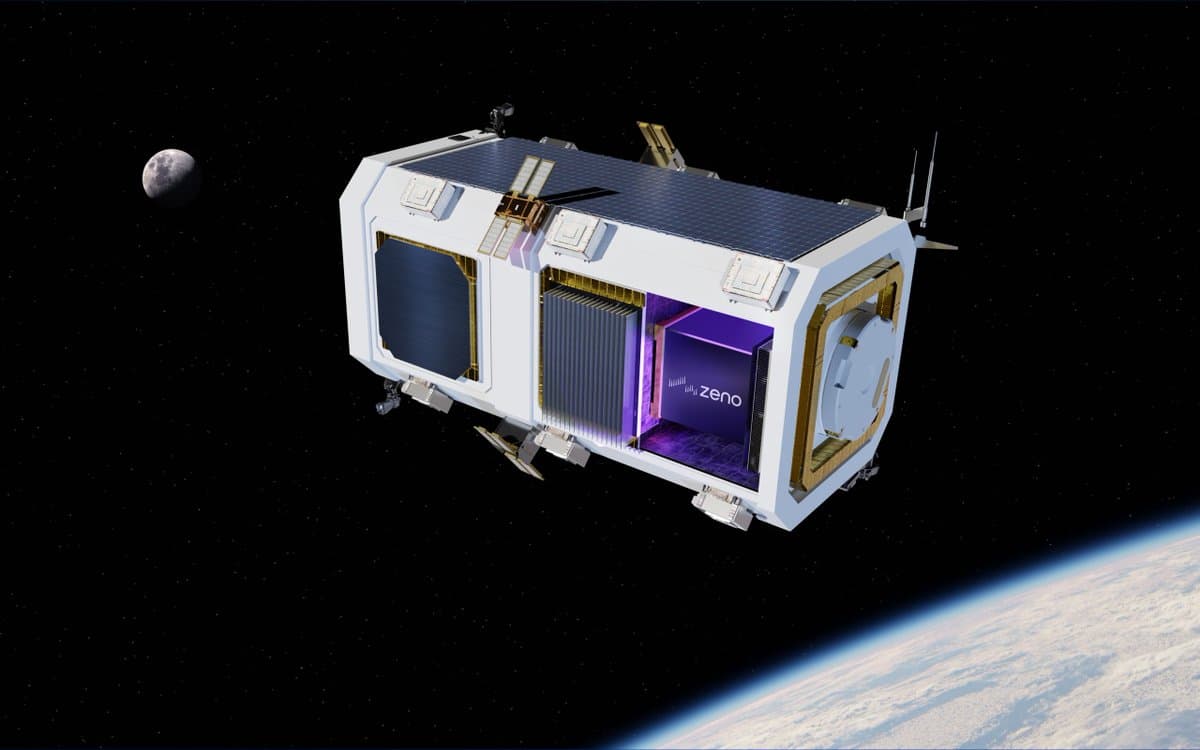
2026 Will Be the Year of Space Nuclear Power and Surviving the Lunar Night
In 2026 the lunar surface agenda pivots from short‑term landings to surviving the two‑week, –250 °C night, making reliable power essential. Zeno Power’s CEO Tyler Bernstein says radioisotope power systems (RPS) are now the preferred solution for both lunar and future...

Orbion Delivers 33 Electric Thrusters to York Space for U.S. Military Constellation
Orbion delivered 33 Aurora Hall‑effect electric thrusters to York Space Systems, marking York's first public acknowledgment of the propulsion supplier. The units will likely power a U.S. Space Development Agency satellite constellation supporting data transport, tracking, and missile‑defense missions. Orbion...
Aerospacelab to Build Eight Satellites for Xona’s Navigation Constellation
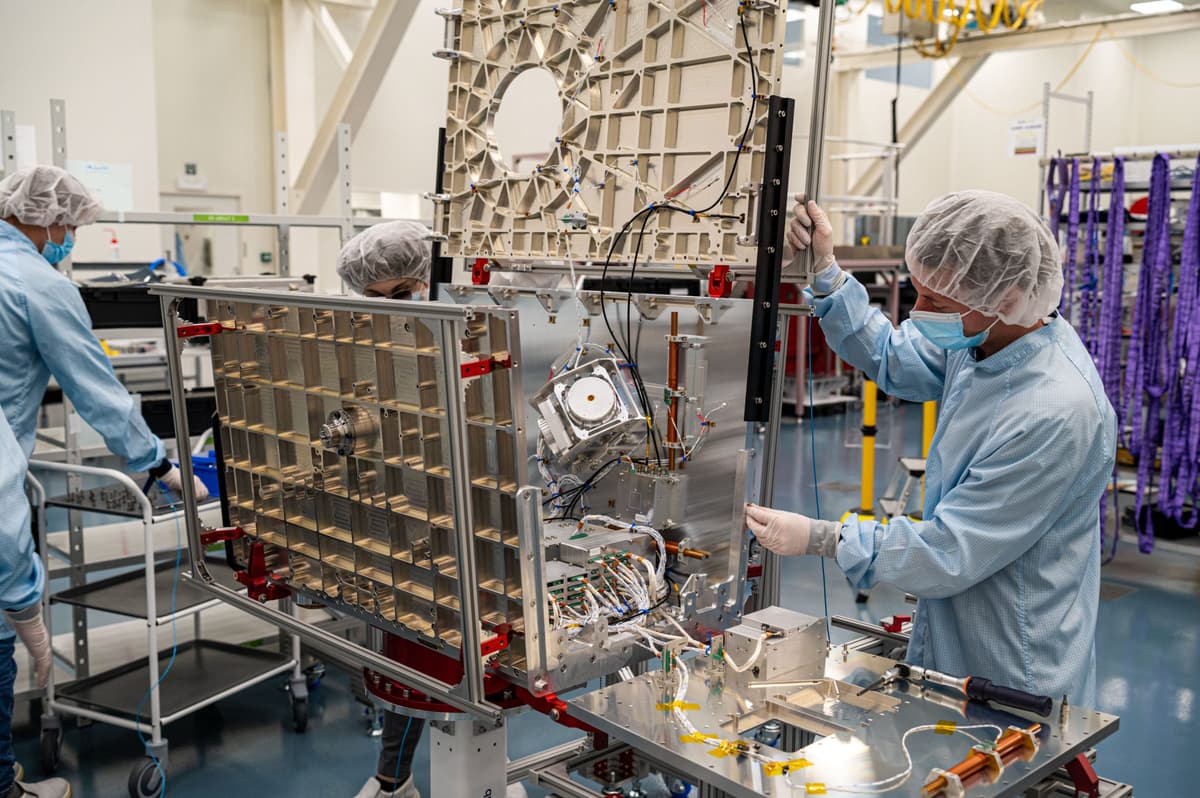
Aerospacelab has secured a contract to build eight low‑Earth‑orbit satellites for Xona Space Systems' Pulsar navigation constellation. The Belgian manufacturer will act as Xona's transition partner, delivering platforms and integration while Xona develops its own production line in California. Four...
Tyvak International’s LIDE Satellite Completes Initial On-Orbit 5G Tests
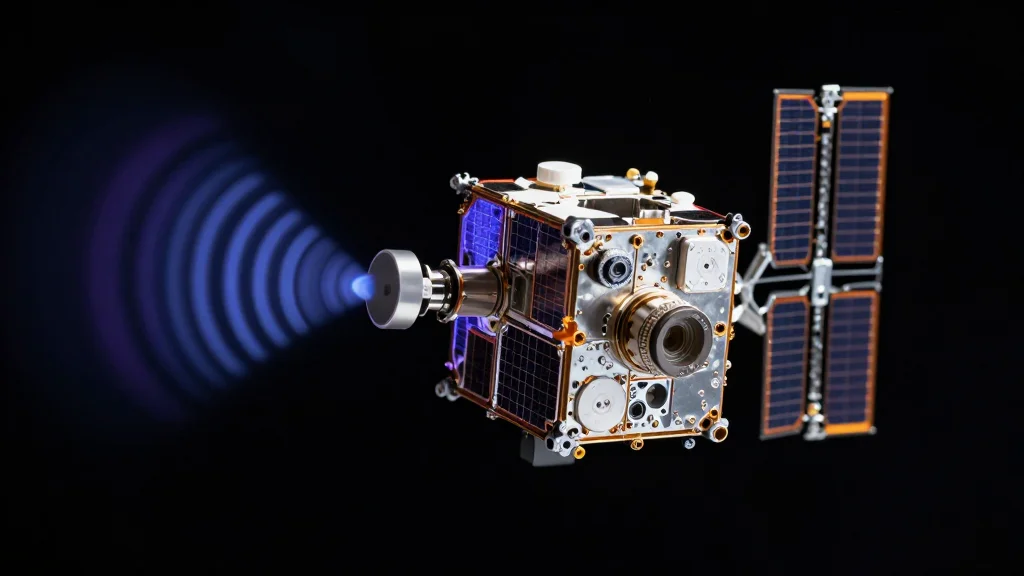
Tyvak International’s 12U CubeSat LIDE has completed its first months of on‑orbit operations, confirming the satellite can deliver 5G connectivity from space. Launched on July 23, 2025, the mission demonstrated downlink speeds of up to 10 Mbps and uplink rates of 1 Mbps using...

NRO Taps Capitol Hill Staffer Bill Adkins as Principal Deputy Director
Bill Adkins, a veteran staffer on the House Defense Appropriations Subcommittee, will assume the role of principal deputy director of the National Reconnaissance Office on Jan. 12, succeeding Troy Meink. The deputy director manages the NRO’s daily operations, including classified satellite...

AI Needs Spatial Intelligence. The GEOINT Industry Will Deliver It.
The article argues that AI’s next breakthrough lies in spatial intelligence, not just faster image processing. GEOINT’s persistent, sensor‑agnostic data can supply a living digital twin of Earth, giving AI the context to predict actions and recommend responses. Government spending,...

This Year Must Bring Greater Collaboration Against Orbital Congestion
Orbital congestion is accelerating as commercial megaconstellations plan to launch thousands of low‑Earth‑orbit satellites in 2026, heightening collision and spectrum‑interference risks. Advances in AI‑driven debris tracking and collision‑avoidance tools promise better situational awareness, yet regulatory frameworks lag behind. Active debris...
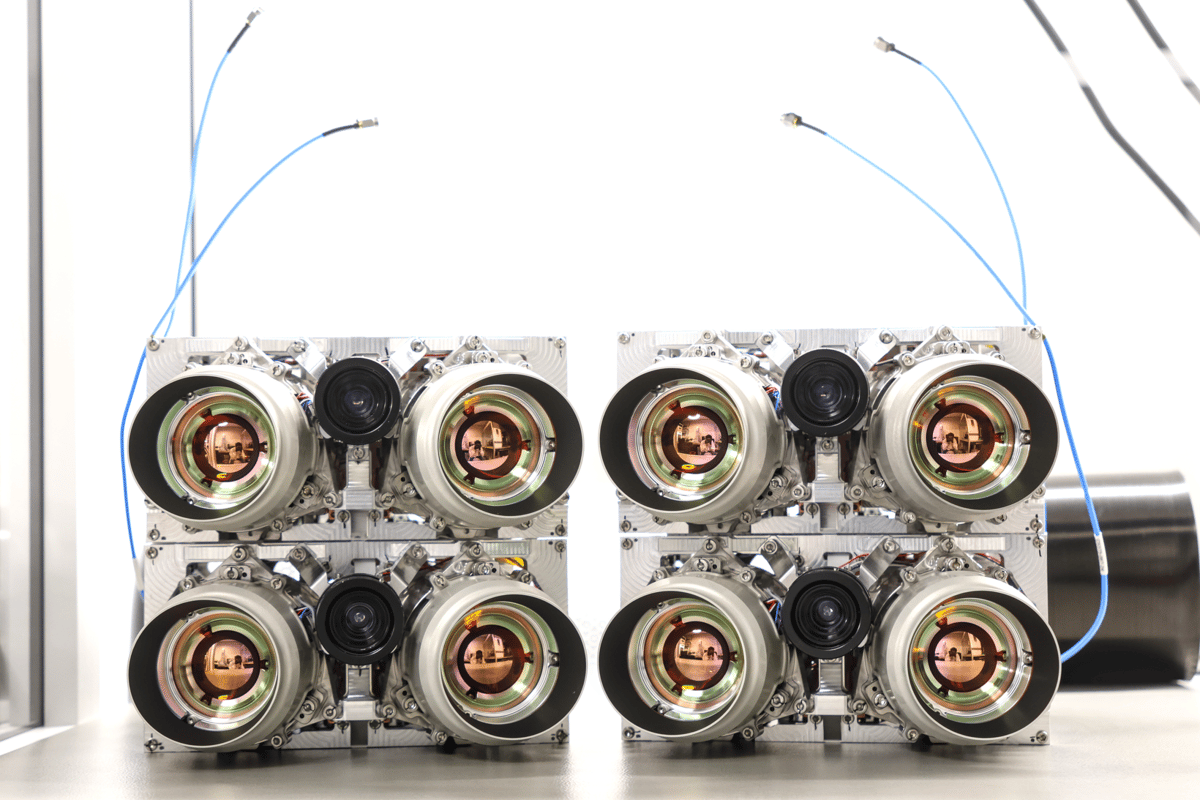
Kepler Network to Link OroraTech Sensors for Earth Monitoring
OroraTech has signed a multi‑year partnership with Kepler to mount its SAFIRE Gen4 thermal sensors on Kepler’s optical communications constellation. The first four sensors launched aboard a Falcon 9 on Jan 11, expanding OroraTech’s active fleet to 15 instruments and advancing its...

NASA Astrophysics, Commercial Satellites Launch on SpaceX Rideshare Mission
SpaceX’s Falcon 9 "Twilight" rideshare launched on Jan. 11 from Vandenberg, deploying 40 spacecraft into a dusk‑dawn sun‑synchronous orbit. The manifest included three NASA astrophysics cubesats—SPARCS, BlackCAT and Pandora—alongside commercial constellations from Kepler Communications, Spire, Plan‑S, Hawkeye 360, Capella Space, ICEYE and Umbra....

FCC Approves 7,500 Additional Starlink Satellites
The FCC approved a second tranche of 7,500 Starlink Gen2 satellites, raising the total authorized Gen2 spacecraft to 15,000. The approval is incremental, part of SpaceX’s plan to eventually field 29,988 low‑Earth‑orbit satellites. The order also grants SpaceX a temporary...