
Space Force Awards SpaceX $4.16 Billion to Build Satellite Network for Airborne Target Tracking
The U.S. Space Force awarded SpaceX a $4.16 billion contract to build the first increment of a low‑Earth‑orbit Air Moving Target Indicator (AMTI) satellite constellation. The network will detect, track and maintain custody of airborne threats—including fighters, bombers, cruise missiles and hypersonic weapons—by 2028, providing an early operational capability. The award follows a separate $2.29 billion Space Data Network contract, positioning SpaceX at the core of the Pentagon’s emerging space‑based sensing and communications architecture. The program is part of a broader shift to move battlefield surveillance from aircraft to proliferated satellites.

Space Force’s Commercial Gatekeeper Offers a Playbook for Startups Seeking Defense Business
The U.S. Space Force is actively courting defense‑space startups, urging them to frame their technology as a capability that solves a clear warfighter problem. At the State of the Space Industrial Base conference, Col. Tim Trimailo emphasized storytelling, transparency about...

Bellatrix and TelePIX Plan 2028 Air-Breathing VLEO Imaging Demonstration
South Korean optical payload developer TelePIX and Indian propulsion specialist Bellatrix Aerospace have announced a partnership to demonstrate a very low Earth orbit (VLEO) imaging satellite in 2028. The mission will integrate TelePIX’s VLEO‑optimized optical sensor with Bellatrix’s air‑breathing electric...

Spatial Data Has Become a Weapon of War in the US-Iran War
The United States‑Iran conflict has entered a geospatial era where commercial satellite data is a decisive weapon. Iran is reported to be using Chinese‑linked Earth Eye and Emposat constellations to gather targeting intelligence, while Planet Labs has restricted real‑time imagery over...
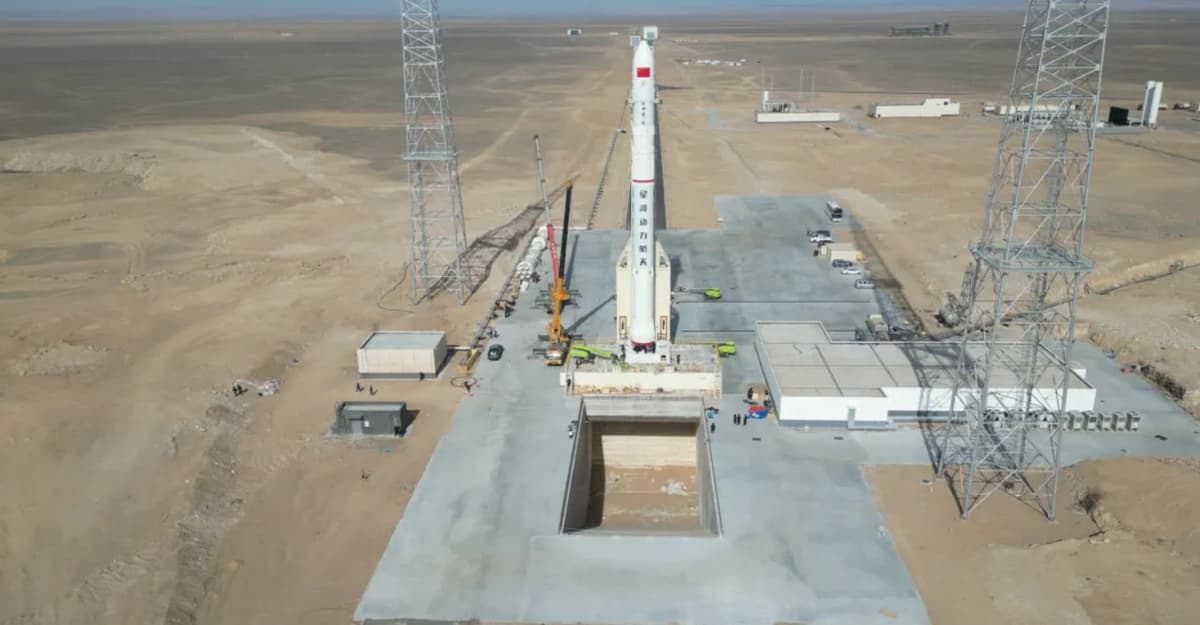
China’s Latest Batch of New and Reusable Rockets Are Close to Launch
China is preparing a wave of new rockets from state‑run CASC and private firms such as Galactic Energy, iSpace and Landspace, with most slated for launch or recovery tests in the first half of 2026. The Long March 12B, a 20‑ton LEO...

Space Force Plans Nationwide Network of ‘Resilient Operations Centers’
The U.S. Space Force’s FY2027 budget proposes $1 billion for four resilient operations centers, with a long‑term goal of building up to ten distributed facilities across the United States. These centers are designed to keep space command‑and‑control functional during wartime attacks...

Revolv Space Enters In-Orbit Servicing Market with Infinite Orbits Deal
Revolv Space, the Italian‑Dutch satellite hardware firm, has secured a contract with French in‑orbit services provider Infinite Orbits to supply its Solar Array Drive Assemblies (SADAs) for geostationary orbit (GEO) servicing missions. The deal marks Revolv’s first entry into the...

Germany Pushes European Military Space Command Initiative
Germany has unveiled a proposal to create a European Space Component Command, to be hosted in Germany and open to allied participation. The plan seeks to coordinate military space operations across Europe, preventing redundant capabilities such as multiple satcom constellations...

The Propulsion Imperative Behind Golden Dome
Golden Dome redefines U.S. missile defense by centering propulsion in a massive satellite constellation equipped with sensors, interceptors, and AI‑driven command nodes. The program envisions thousands of orbiting assets that must maneuver quickly and survive contested environments, making propulsion the...

Europe’s Biggest Space Opportunity Comes After Launch
Europe’s space strategy must move beyond launchers to in‑orbit infrastructure such as logistics, servicing, and debris removal. D‑Orbit’s Stefano Antonetti argues that Europe already has a technical edge but its procurement still buys hardware, not services. He urges ESA and...

Northern Norway Is Ready to Launch. EU Space Regulation — and Its New Arctic Policy – Is Not.
European officials are revising the EU’s Arctic policy to emphasize security, defence and connectivity, but the draft risks sidelining Norway’s Andøya Spaceport, a key Arctic launch asset. On March 13 2026, Norway’s prime minister and Germany’s chancellor witnessed Isar Aerospace’s second Spectrum...
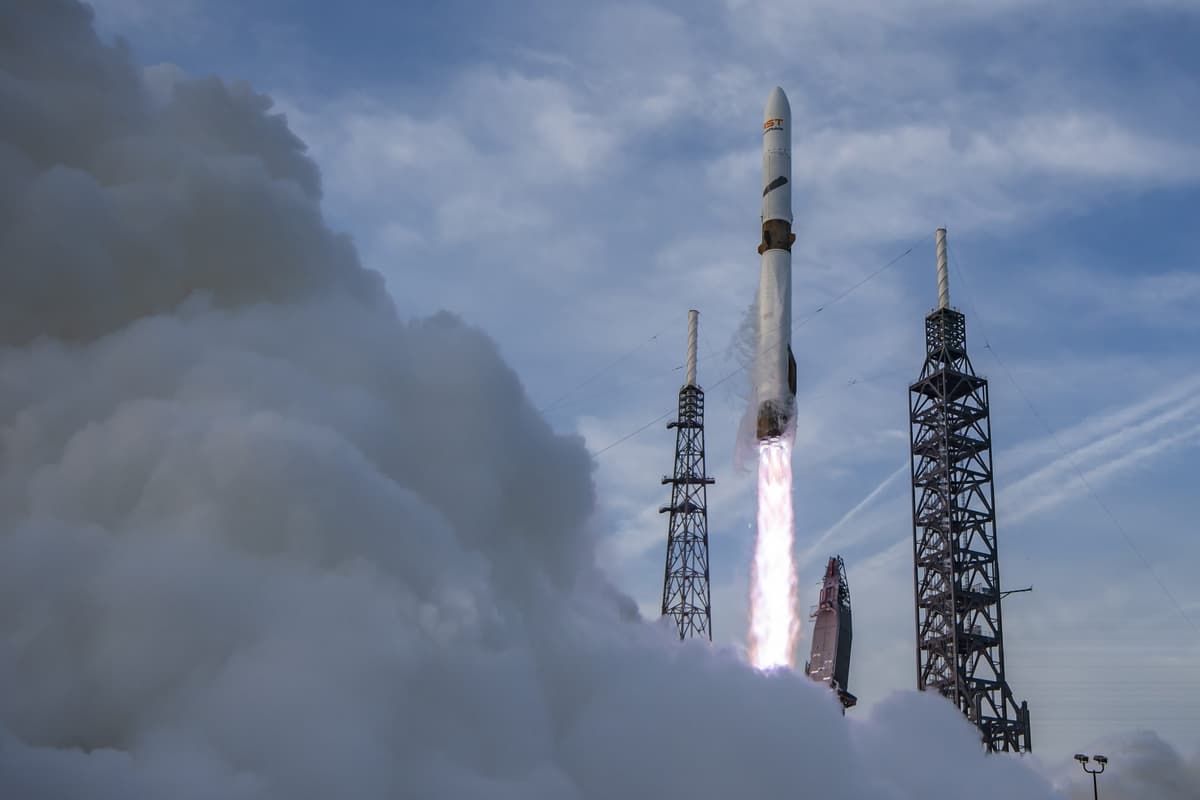
Blue Origin Completes Investigation Into New Glenn Launch Failure
Blue Origin has wrapped up the FAA‑led investigation into the New Glenn NG‑3 failure, allowing the heavy‑lift vehicle to fly again. The mishap stemmed from a cryogenic leak that froze a hydraulic line, throttling one BE‑3U engine during the second‑stage burn...
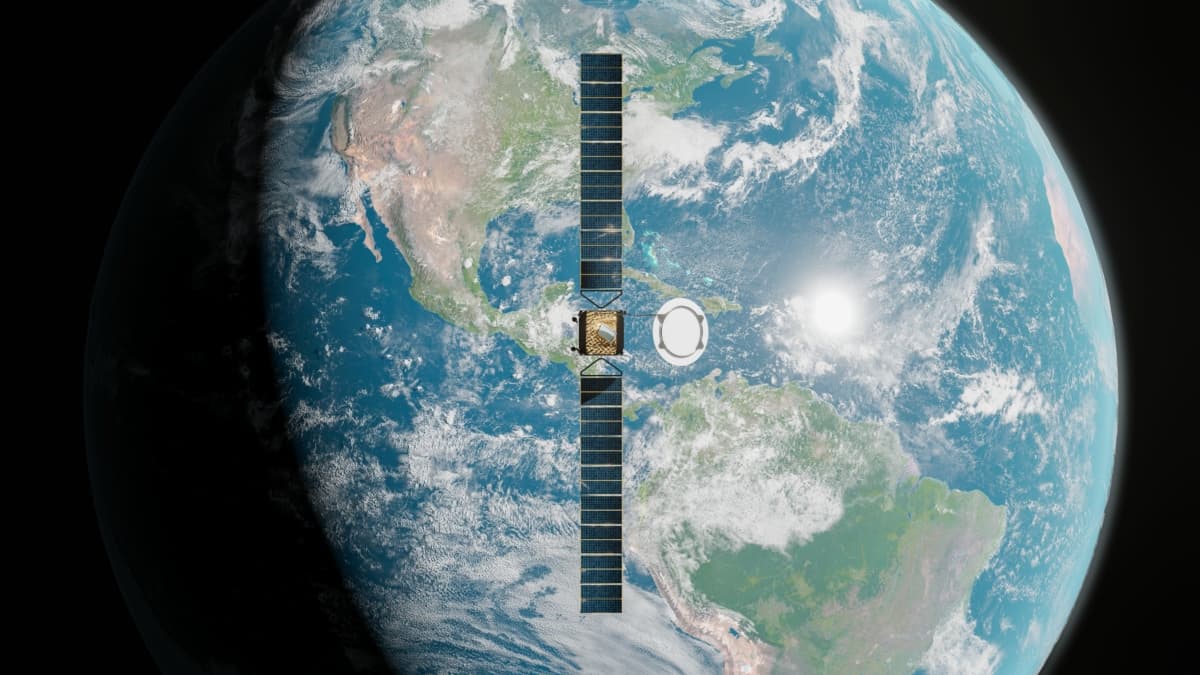
Space Force Awards Viasat, SES $437 Million for Military Satellite Network
The U.S. Space Force has awarded Viasat and SES a combined $437.6 million contract to build communications satellites for the Protected Tactical Satcom‑Global (PTS‑G) program. The first “Swarm 1” batch will consist of four smaller geostationary satellites—two per contractor—targeted for delivery by...

NASA Unveils Sweeping Reorganization
NASA announced a major restructuring on May 22, consolidating its Exploration Systems Development and Space Operations directorates into a new Human Spaceflight Mission Directorate (HSMD) and merging the Space Technology and Aeronautics Research directorates into a Research and Technology Mission Directorate...

Leveraging AUKUS and Southern Geography: Building Australia’s Dual-Use Space Infrastructure for Strategic Resilience
The Deep Space Advanced Radar Capability (DARC) Site 1 in Western Australia is slated to reach full operational status by 2027, delivering early tracking data for AUKUS partners. Its location in the Pilbara region enables dual‑use functions such as commercial re‑entry...