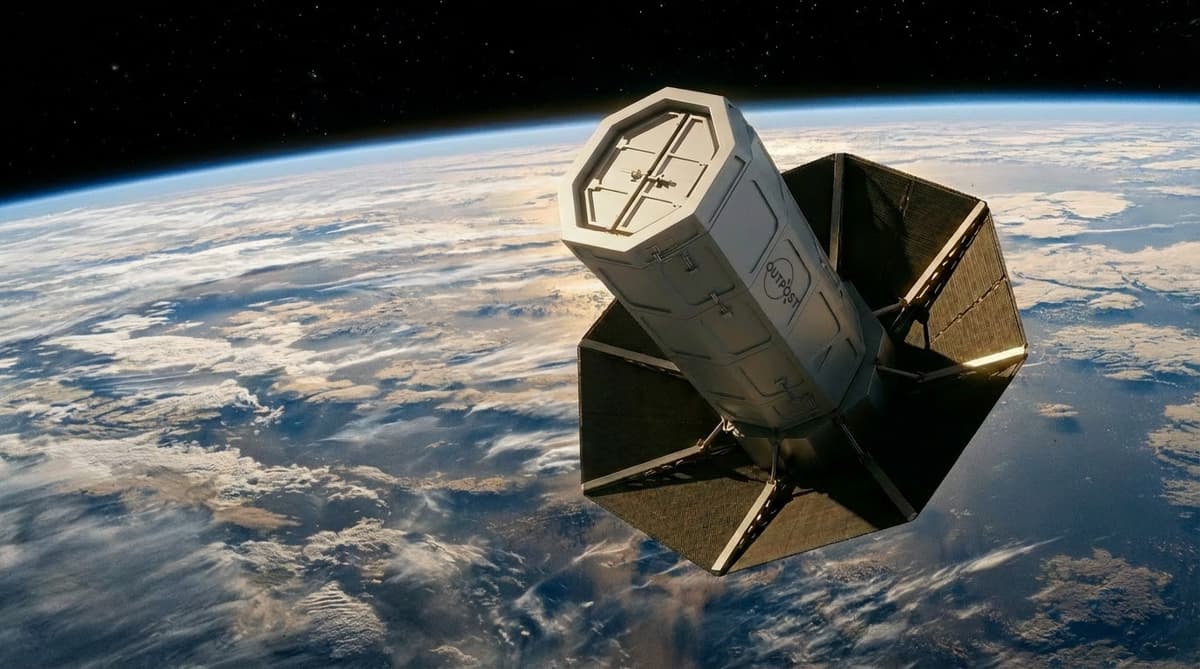
Space’s Missing Half
Geography remains the last major bottleneck in global logistics, despite decades of cost‑cutting innovations like containerization, digital supply chains, and air freight. While reusable rockets have dramatically lowered launch costs, the industry still lacks a scalable, reliable way to bring mass back to Earth—what insiders call "downmass." Exologistics, a two‑way orbital logistics network, promises to move ten‑ton payloads from orbit to any point on the planet in under an hour, effectively creating a southbound lane to complement the northbound launch lane. The article argues that building this return infrastructure will be as transformative as the railroads and container ships of the past.
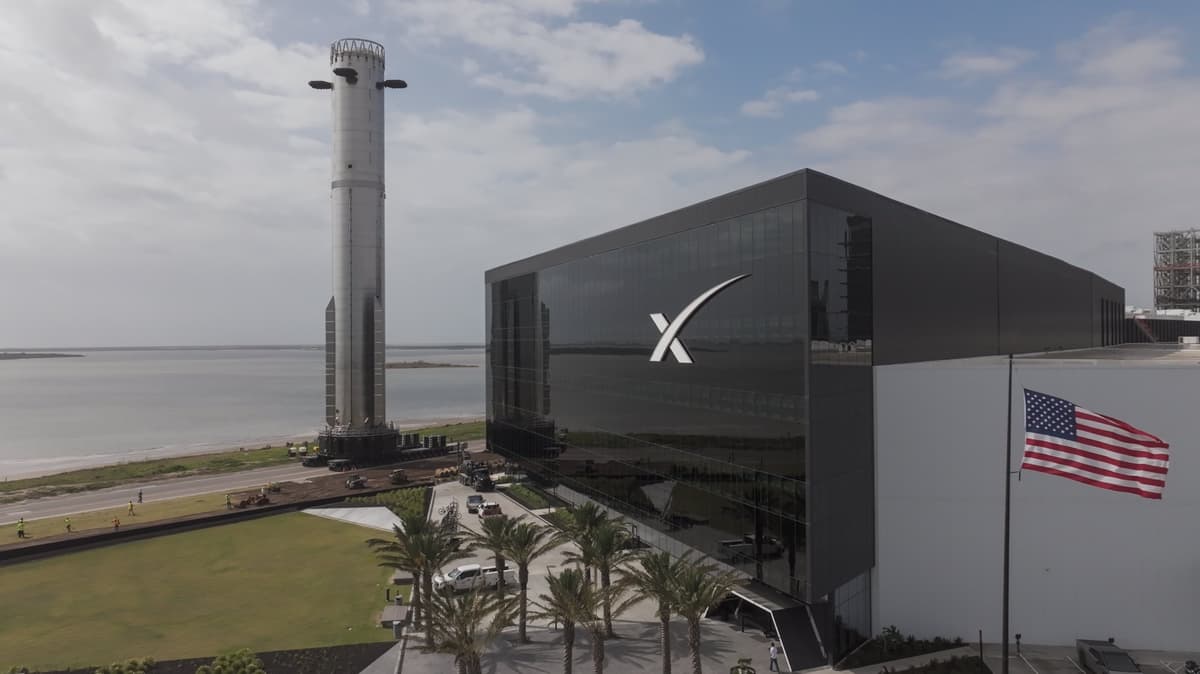
Lawsuit Claims Starship Launches Damage Homes
SpaceX is gearing up for the 12th test flight of its Starship vehicle, slated for May 12‑18, marking the debut of the upgraded Starship v3. Residents of Port Isabel and South Padre Island have filed a lawsuit alleging that prior...
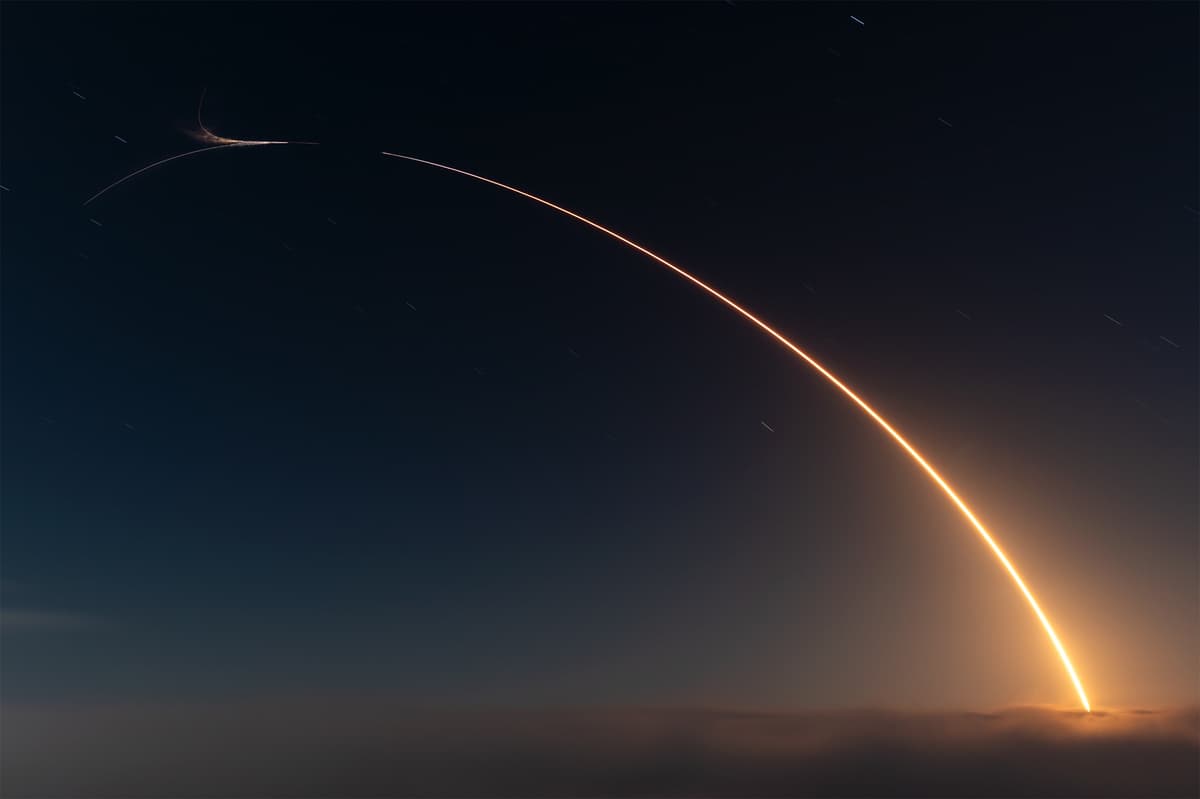
Falcon 9 Launches South Korean Satellite and 45 Rideshare Payloads
SpaceX launched South Korea’s 500‑kg CAS500‑2 imaging satellite on a Falcon 9 from Vandenberg on May 3, marking the booster’s 33rd flight and a successful return landing. The mission also delivered 45 secondary payloads into sun‑synchronous orbit, ranging from high‑resolution imagers to...

NGA Pushes AI Adoption as Demand Grows for ‘Always-On’ Intelligence
The National Geospatial‑Intelligence Agency (NGA) is accelerating AI integration to handle exploding volumes of satellite and sensor data, but officials warn that true 24/7, real‑time insight remains out of reach. AI models now automate much of imagery analysis, shrinking the...
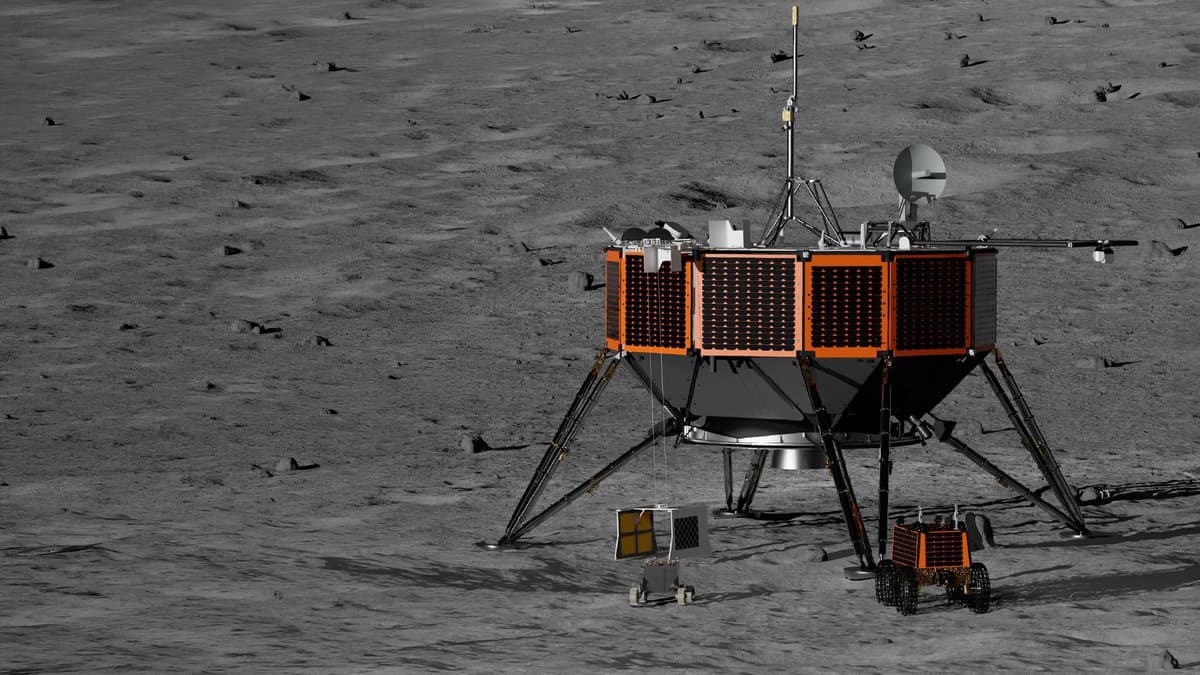
NASA to Increase Value of CLPS Contract to Support Surge of Lunar Lander Missions
NASA announced it will boost the ceiling of its Commercial Lunar Payload Services (CLPS) contract from $2.6 billion to $4.2 billion, signaling a major ramp‑up in robotic lunar lander missions. The agency aims for a cadence of roughly one landing per month,...

The Opportunity Beyond Orbital Data Centers
Investor interest is shifting toward the ecosystem around orbital data centers, even though large‑scale deployments by SpaceX and rivals remain years away. Founders Fund partner Delian Asparouhov warned against directly competing with SpaceX but highlighted ancillary opportunities, such as lunar...

Starcloud Seeks More Orbital Data Center Funding Shortly After Unicorn Status
Starcloud, a two‑year‑old orbital data‑center startup, is seeking at least $200 million in new funding, which would double its valuation to roughly $2.2 billion. The capital raise follows a $170 million Series A round that made it the fastest Y Combinator company to achieve...
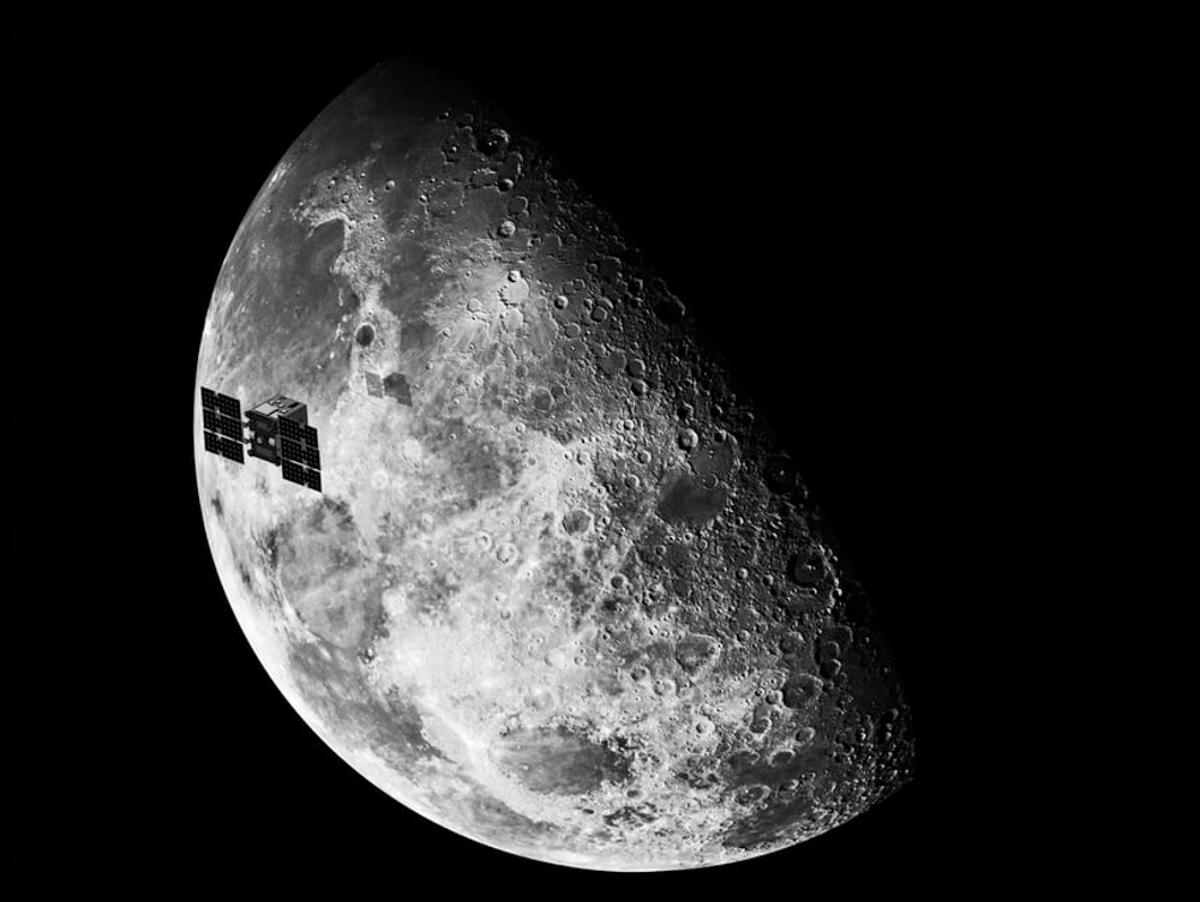
DARPA Selects Three Companies for Lunar Orbiter Studies
DARPA has awarded Phase 1 contracts to Benchmark Space Systems, Quantum Space and Revolution Space for its Lunar Assay via Small Satellite Orbiter (LASSO) program. The mission will search for lunar water ice concentrations above 5% while operating in an ultra‑low...

Space Force Taps K2 Satellites to Test Laser Communications for Missile-Defense
The U.S. Space Force has chosen K2 Space’s satellites to demonstrate laser‑based optical crosslinks for the Overhead Persistent Infrared (OPIR) Space Modernization Initiative. The FY2027 budget allocates $180 million to the program, with $7.3 million earmarked for the crosslink tests that will...
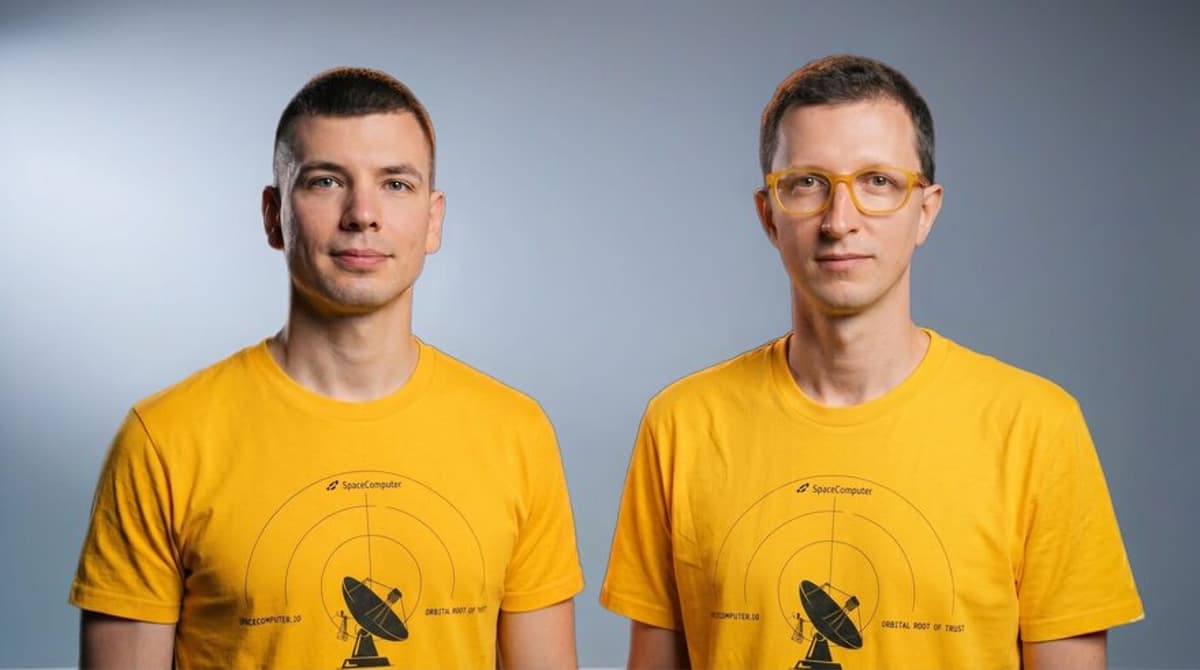
SpaceComputer to Conduct On-Orbit Test of Secure Computing Infrastructure
SpaceComputer, a Singapore‑based startup, will test its Space Fabric hardware‑software stack in orbit on an undisclosed satellite in October. The system links ground stations with satellites using physically isolated, cryptographically secured computing elements, and includes a dual‑secure‑element redundancy scheme. A...

U.S. Investors Dominate Europe’s Private-Led Space Scale-Up Rounds
European space startups saw venture capital rise 13% YoY to €1.2 billion ($1.4 billion) in 2025, but private‑led growth rounds remain dominated by U.S. investors. Of nine scale‑up rounds tracked, four were led by U.S. firms while five were backed by European...

House Appropriators Keep NASA Funding Flat
The House Commerce, Justice and Science subcommittee approved a FY2027 NASA spending bill that keeps total funding flat at $24.438 billion, rejecting the White House's 23% cut proposal. While overall funding remains unchanged, the bill reallocates resources, boosting the exploration account...

ISS Module Cracking Still Unresolved Despite Stopping Air Leaks
Engineers have sealed the long‑standing air leaks in the PrK vestibule of the Russian Zvezda module, but the underlying cracks remain unexplained. NASA and Roscosmos have identified two possible causes—high‑cycle fatigue from pump vibrations or environmentally assisted cracking—but have not...
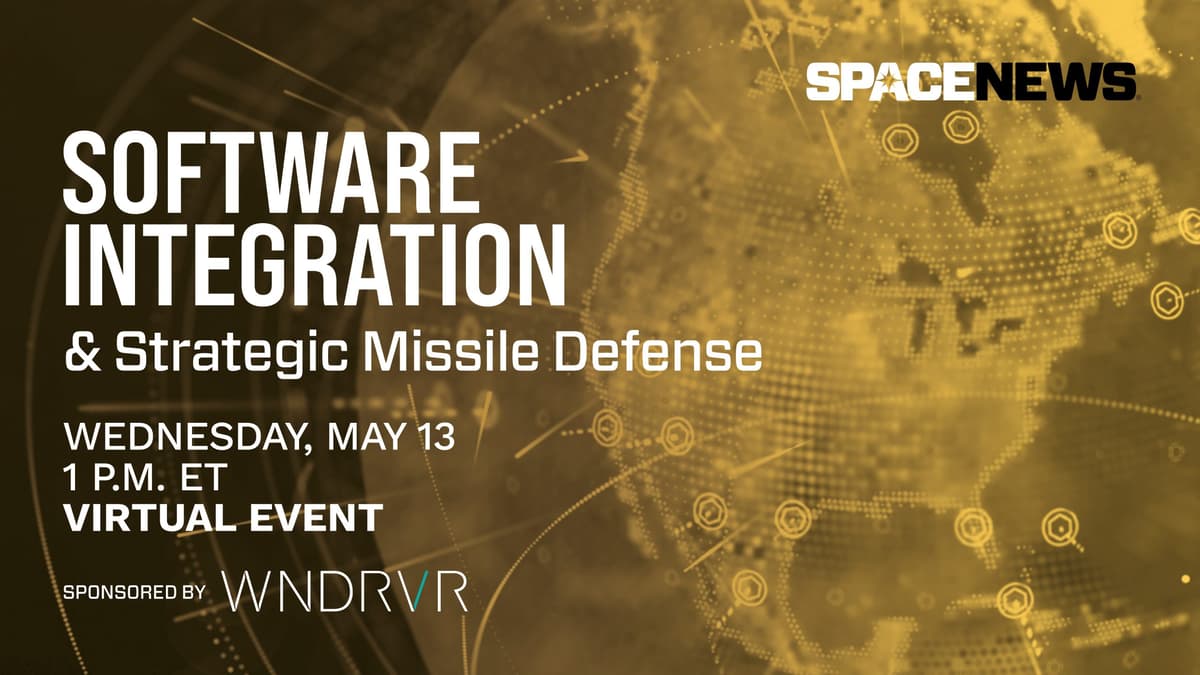
May 13: Software Integration and Strategic Missile Defense
Missile‑defense systems are moving toward highly distributed, software‑defined architectures that fuse space‑based sensors, ground interceptors and decision‑engine networks. As these components become tightly interlinked, the reliability of the underlying software becomes a mission‑critical factor, demanding machine‑speed execution. On May 13, SpaceNews...

Space Force Selects Firms to Build Counter-Surveillance Payloads for Satellites
The Space Rapid Capabilities Office of the U.S. Space Force awarded three Small Business Innovation Research contracts, each worth $3 million, to Assurance Technology Corp., Raptor Dynamix, and Innovative Signal Analysis. The firms will develop low‑cost radar‑warning payloads for geosynchronous satellites...

Revolutionizing Global Aerospace Transportation
The article proposes a U.S. "Global Rapid Transport" initiative to develop suborbital point‑to‑point aerospace services, leveraging vehicles like SpaceX’s Starship and dozens of smaller hypersonic concepts. It calls for an executive order, a dedicated congressional act, and a $100 billion ten‑year...
Space Foundation Premieres National Space Day Video May 1
Space Foundation will debut its National Space Day educational video on May 1, 2026 at 11:00 a.m. MT, inviting students, teachers and families to explore the future of space. Hosted by science communicator Ambre Trujillo, the program targets grades 3‑12 and focuses on space sustainability...
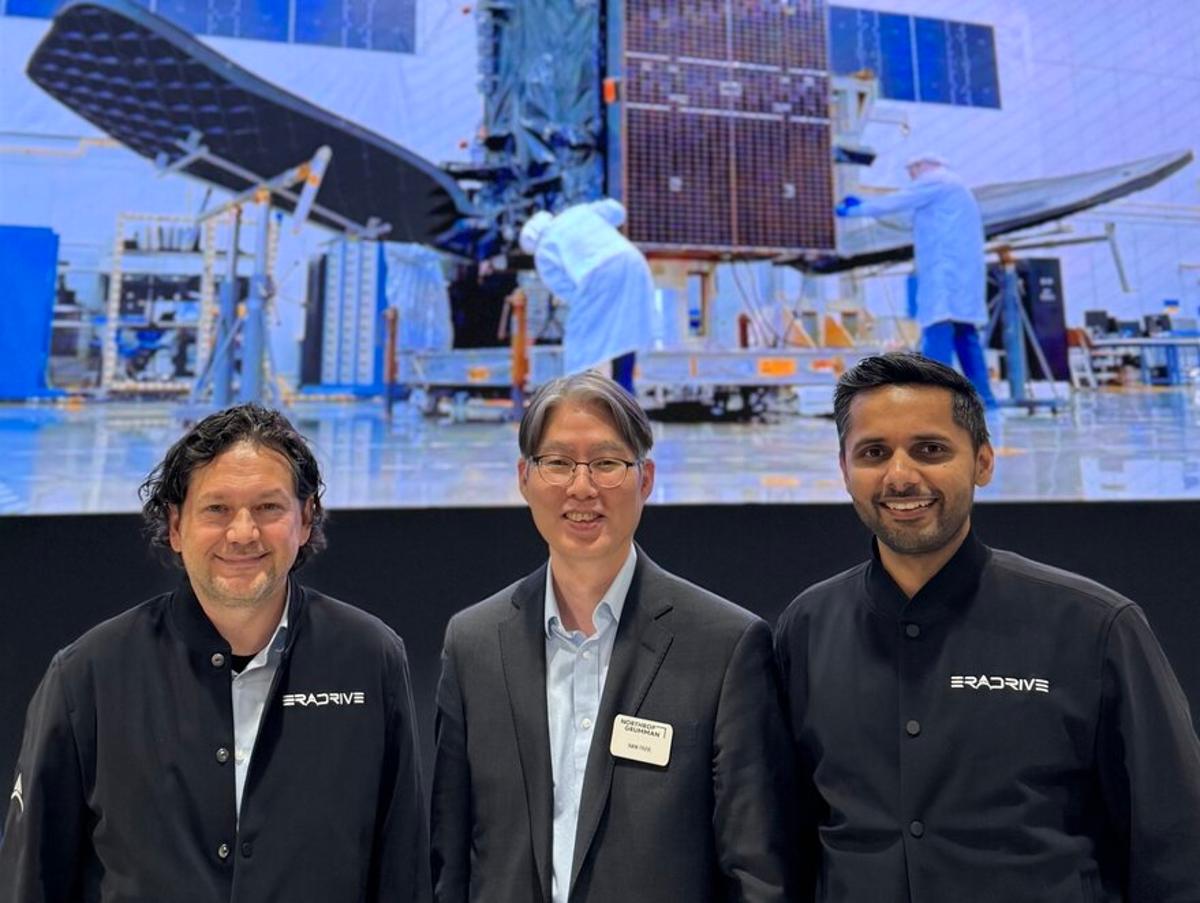
EraDrive and Northrop Grumman Collaborate on AI-Enabled Autonomy
Silicon Valley startup EraDrive has signed a teaming agreement with Northrop Grumman to embed artificial‑intelligence into the autonomy stack of the defense contractor’s spacecraft. The partnership will demonstrate AI‑enabled rendezvous, proximity operations and onboard decision‑making, targeting pose estimation, GNC integration...

Startup Targets Radio Segment of Golden Dome Missile-Defense Network
Tensor, a Los Angeles‑based startup, is developing compact radio‑frequency units that can transmit targeting data for the Pentagon’s Golden Dome missile‑defense program. The Space Force’s next‑generation space data network will rely on the Link‑182 waveform, and Tensor aims to supply...
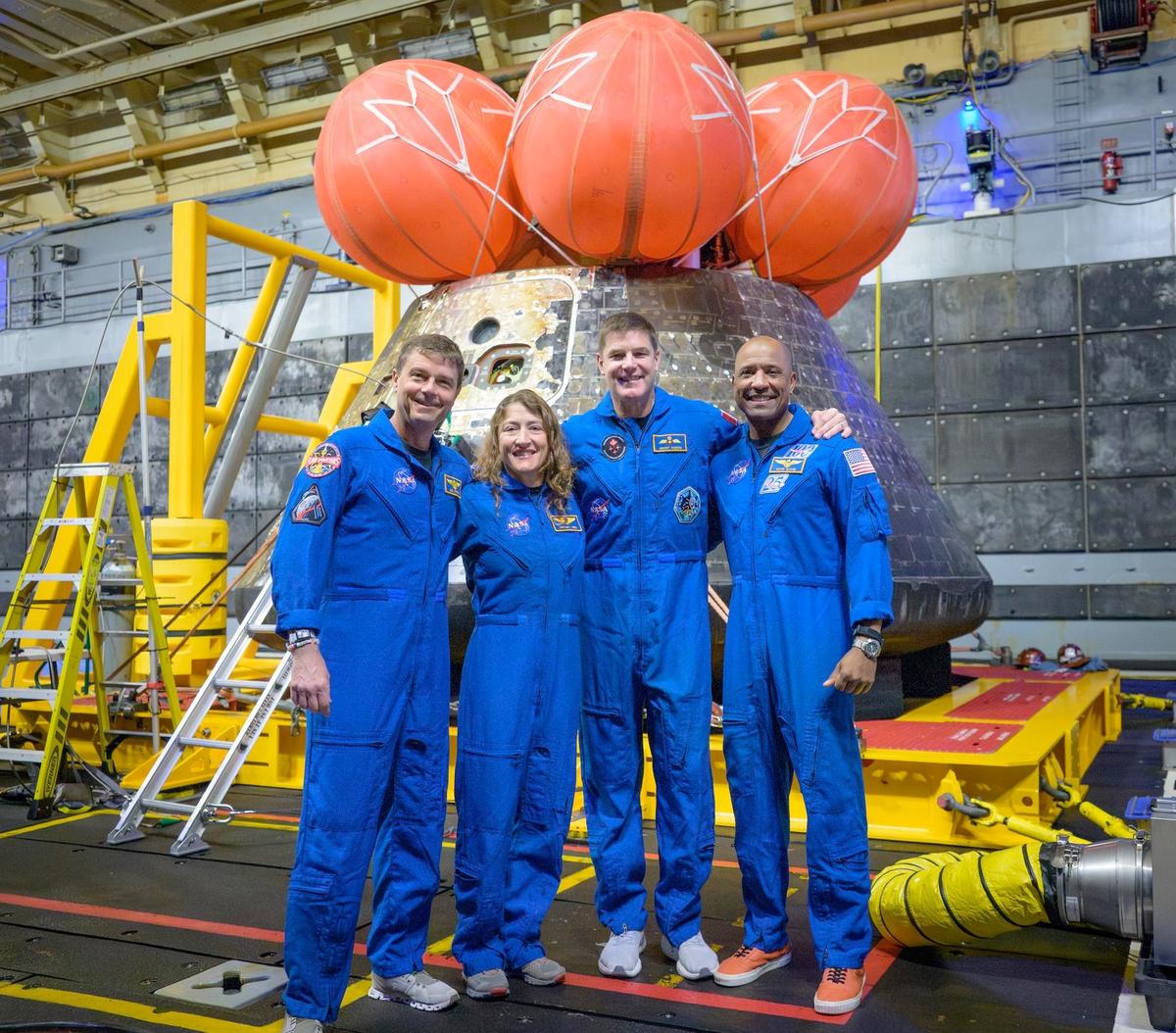
Artemis 2 Came Home in Triumph. Artemis 3 Must Survive the Real Test.
On April 10 the Orion capsule with astronauts Reid Wiseman, Christina Koch, Victor Glover and Jeremy Hansen splashed down, marking NASA’s first crewed lunar mission in over five decades and confirming the Artemis system works. The crew set historic firsts—first woman,...
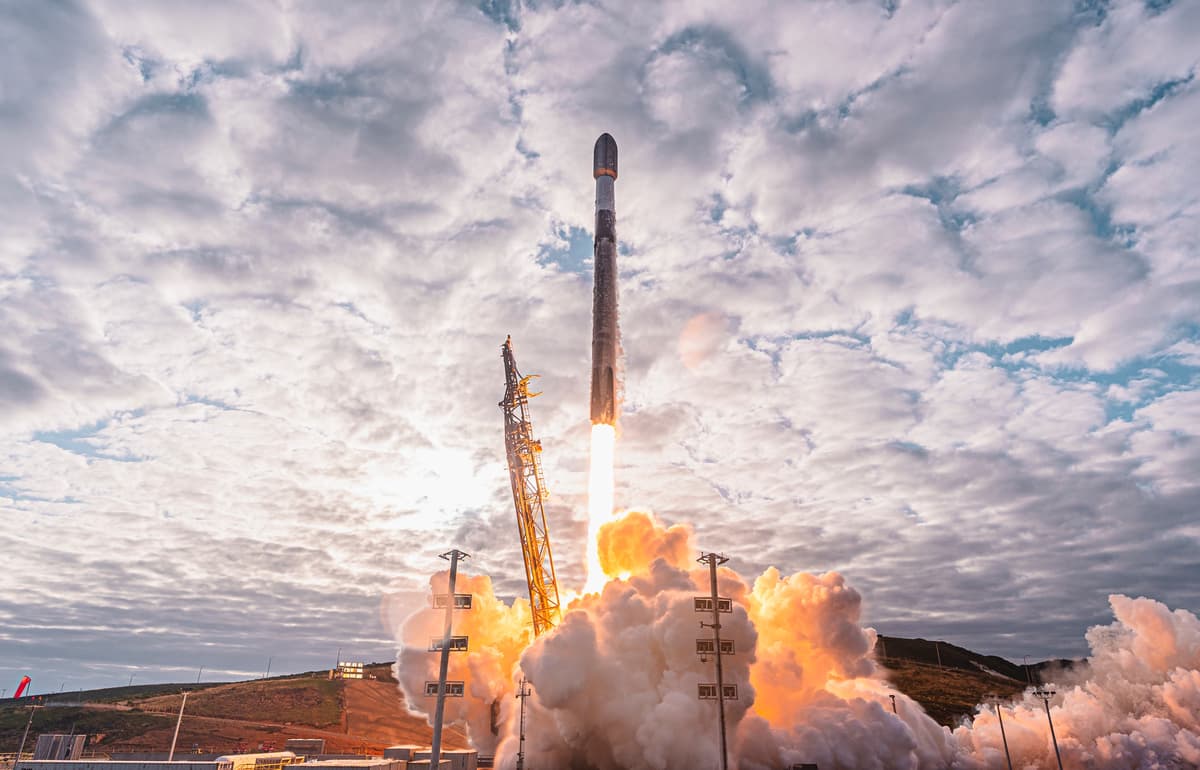
FAA to Begin Collecting User Fees for Commercial Launches and Reentries
The Federal Aviation Administration announced it will start collecting user fees for commercial launch and re‑entry licenses, charging 25 cents per pound of payload with a $30,000 cap for 2026. The fee structure, mandated by last year’s budget reconciliation bill,...

China Launches PRSC-EO3 for Pakistan, Lofts Internet Test and Environment Monitoring Satellites
China conducted three orbital launches on April 24‑25, sending Pakistan's PRSC‑EO3 remote‑sensing satellite aboard a Long March 6, deploying four satellite‑internet test satellites on a Long March 2D, and placing the Daqi‑2 atmospheric‑monitoring satellite on a Long March 4C. The PRSC‑EO3 marks the third China‑Pakistan remote‑sensing...

NASA Reserves Science Payload Space for Mars Telecommunications Mission
NASA is reserving up to 20 kg of space on its Mars Telecommunications Network (MTN) satellite for a science payload, limited to a 55 × 55 × 45 cm volume, 60 watts power and 200‑1,000 megabits of data per day. The $700 million MTN, mandated by a 2023 budget...
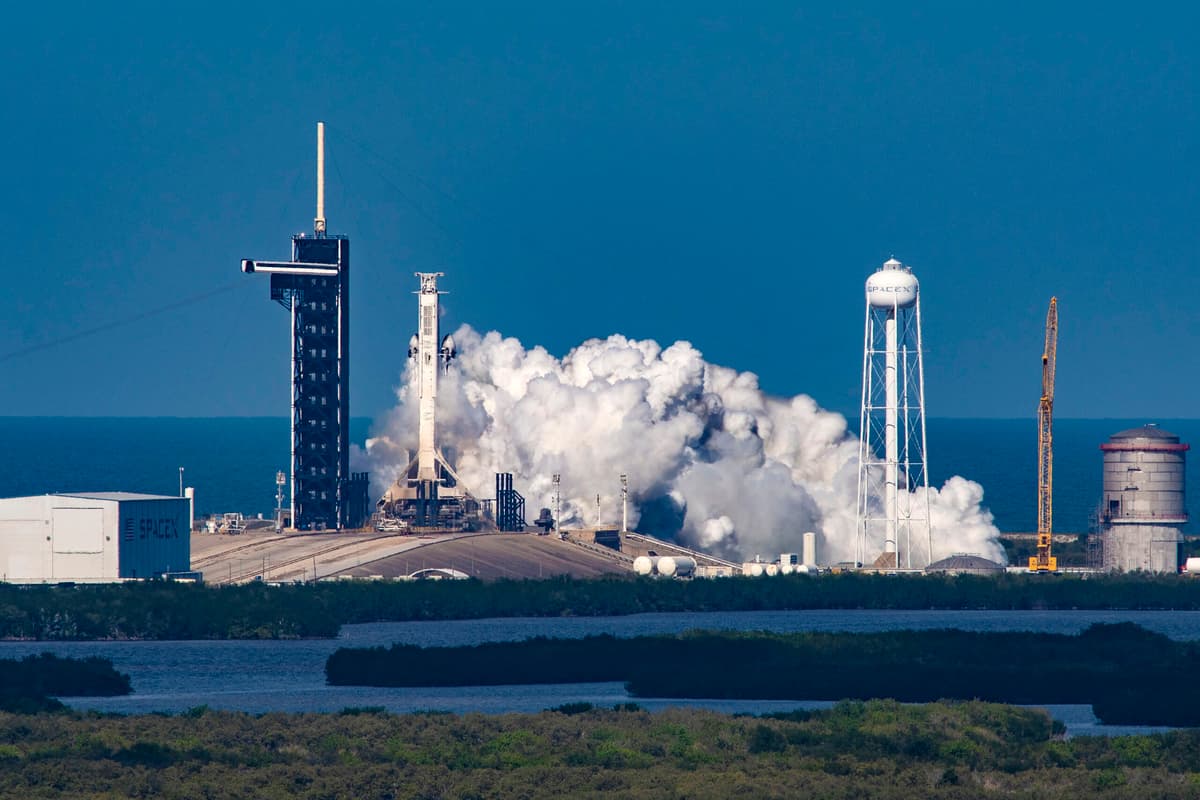
Space Force Faces Surge in Demand for Heavy-Lift Launches
The U.S. Space Force is expanding its heavy‑lift launch demand, adding 25 high‑energy missions to the National Security Space Launch (NSSL) Phase 3 Lane 2 program. This boost raises the total Lane 2 missions by nearly 50% to 79 over five years, straining...
The Governance Gap: Why Orbital Data Centers Need Certification Before They Scale
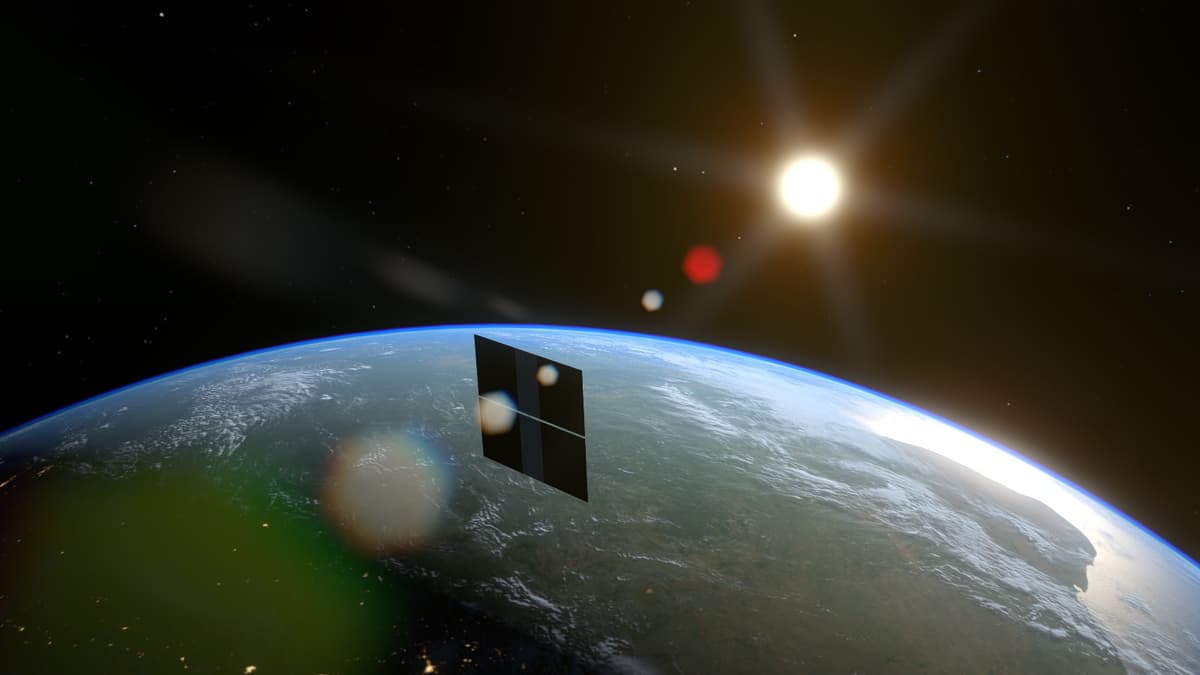
Orbital and lunar data centers are reaching a scaling inflection point, but their supply chains lack unified governance and certification. Without industry‑wide standards, each project remains a bespoke, high‑risk venture, inflating capital costs and deterring investors. The article argues that...
FCC Throws Out Satellite Spectrum Challenges as D2D Dealmaking Heats Up
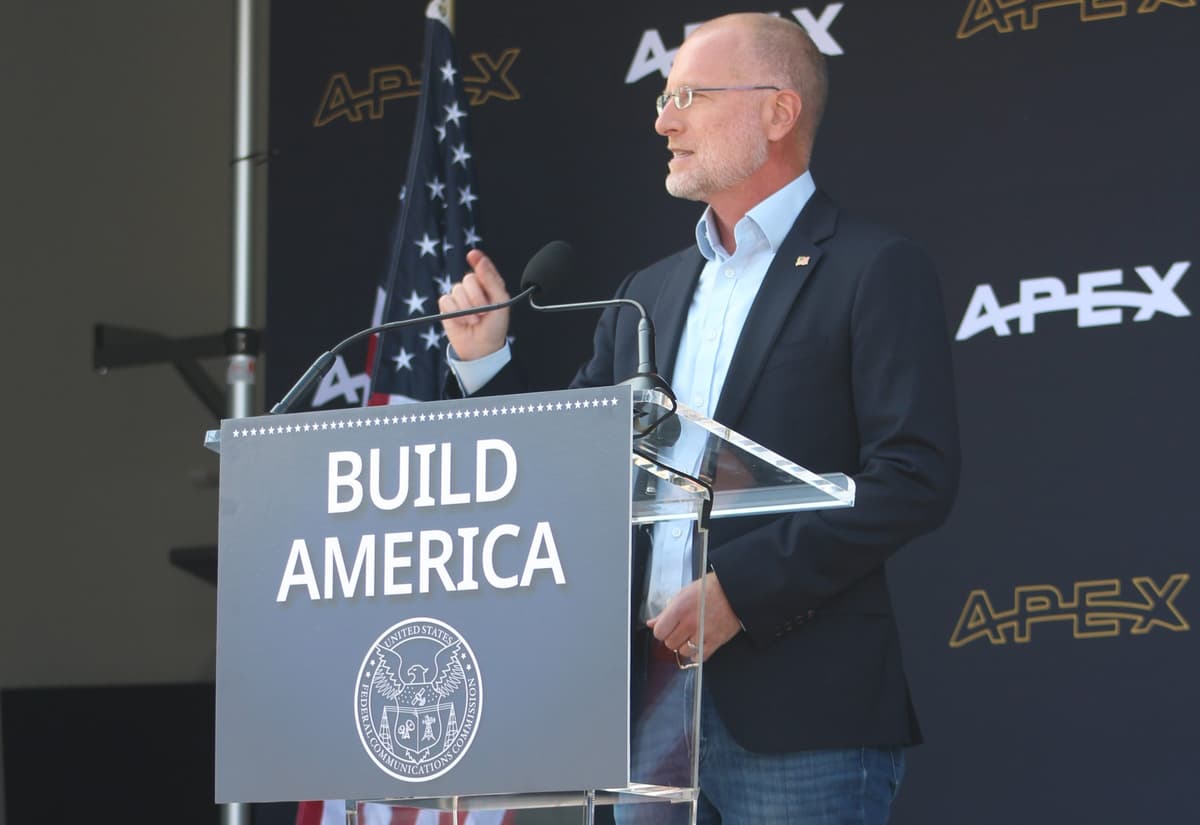
The FCC issued a sweeping order on April 23 that preserves incumbent rights to Mobile Satellite Service (MSS) spectrum and dismisses petitions from SpaceX, Iridium, Kepler and others seeking access to the coveted Big LEO and 2 GHz bands. The move comes...
SpaceX Wins $57 Million U.S. Military Contract for Satellite Crosslink Demo
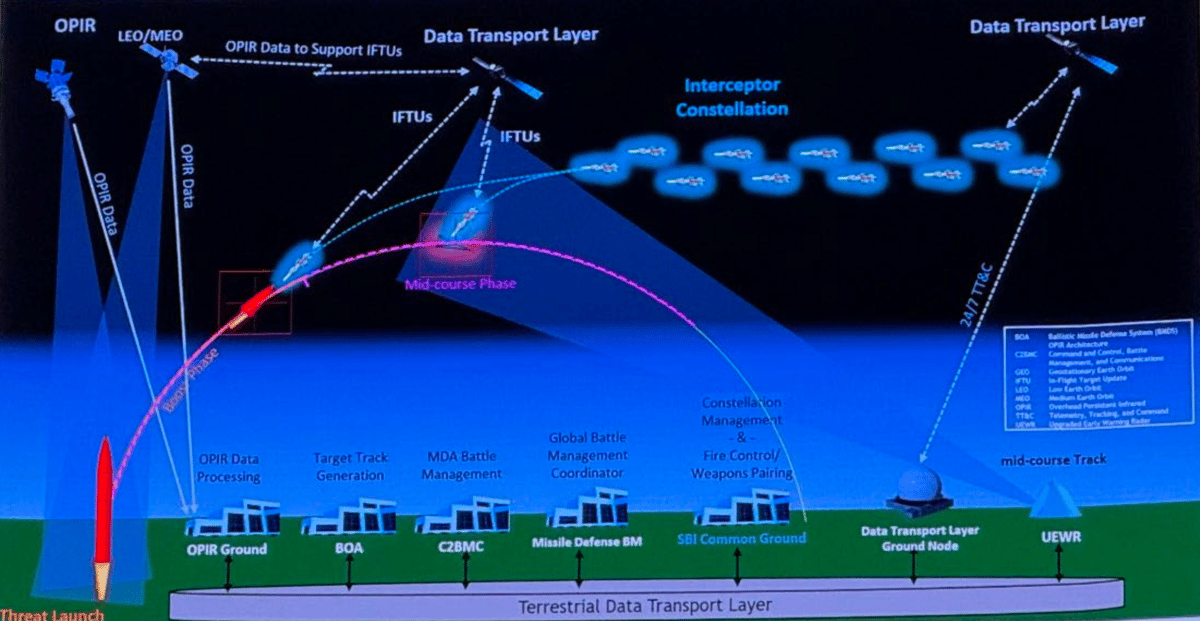
Space Systems Command awarded SpaceX a $57 million contract to demonstrate Link‑182 satellite‑to‑satellite communications for the MILNET data‑relay constellation. The two‑year demo must be completed by April 2027 and will validate the RF link that underpins the Pentagon’s Golden Dome missile‑defense concept....

Jordan Signs the Artemis Accords
Jordan became the 63rd nation to sign NASA’s Artemis Accords, joining Latvia as the latest signatories. Ambassador Dina Kawar signed the agreement at NASA Headquarters, framing it as a step toward turning Jordan into a regional and global science‑technology hub....
Pentagon Seeks $2.3 Billion for Maven AI Battlefield System
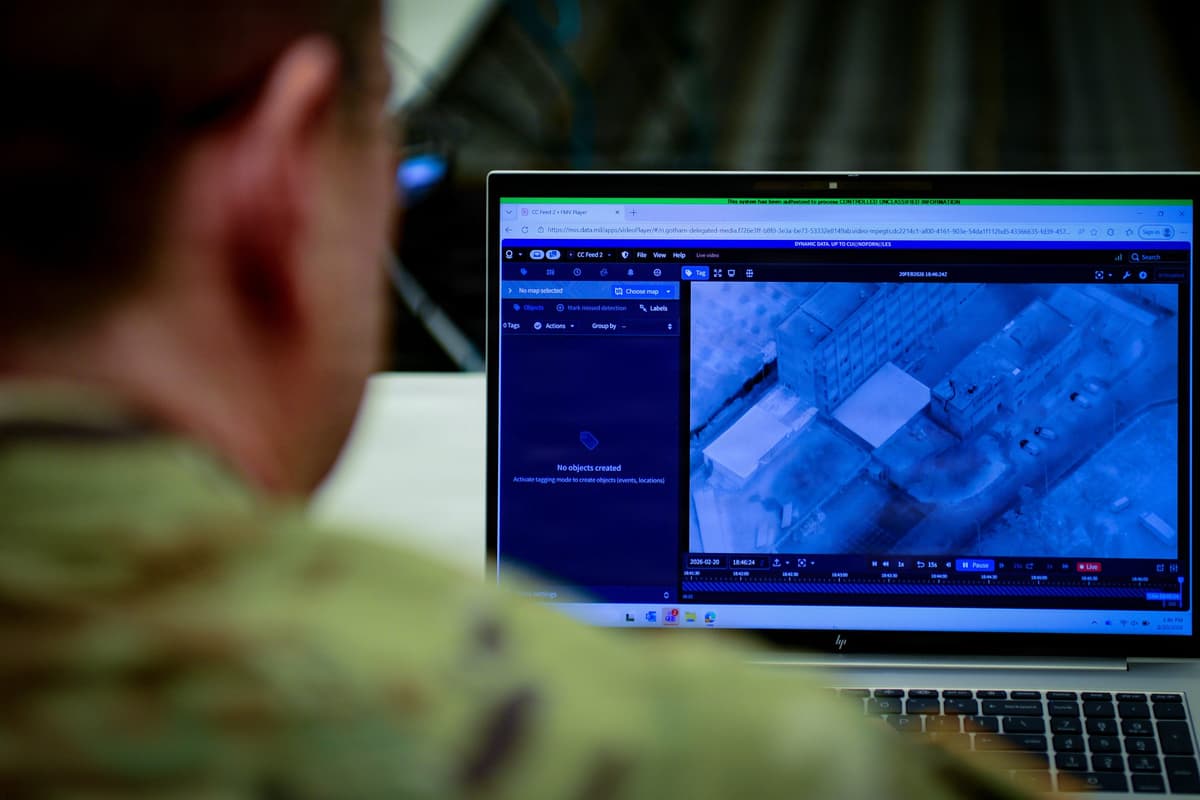
The Pentagon is seeking $2.3 billion over the next five years to scale Palantir Technologies' Maven Smart System, a battlefield AI platform that now integrates data from satellites, radar and other sensors. The request, outlined in the FY 2027 budget, would fund...

Pentagon Closes $1 Billion Investment in L3Harris Missile Unit
The Pentagon has finalized a $1 billion investment in L3Harris Technologies’ newly formed Missile Solutions unit, a consolidated missile propulsion business that includes the Aerojet Rocketdyne assets acquired in 2023. Structured as a convertible preferred security with warrants, the funding will...

Electron Launches Japanese Cubesats
Rocket Lab’s Electron lifted off from New Zealand on April 22, deploying eight JAXA‑backed cubesats for the Innovative Satellite Technology Demonstration‑4 mission. The payload reached a 540‑kilometer sun‑synchronous orbit, showcasing technologies such as a multispectral camera, earthquake‑precursor sensors, and an origami‑based deployable...
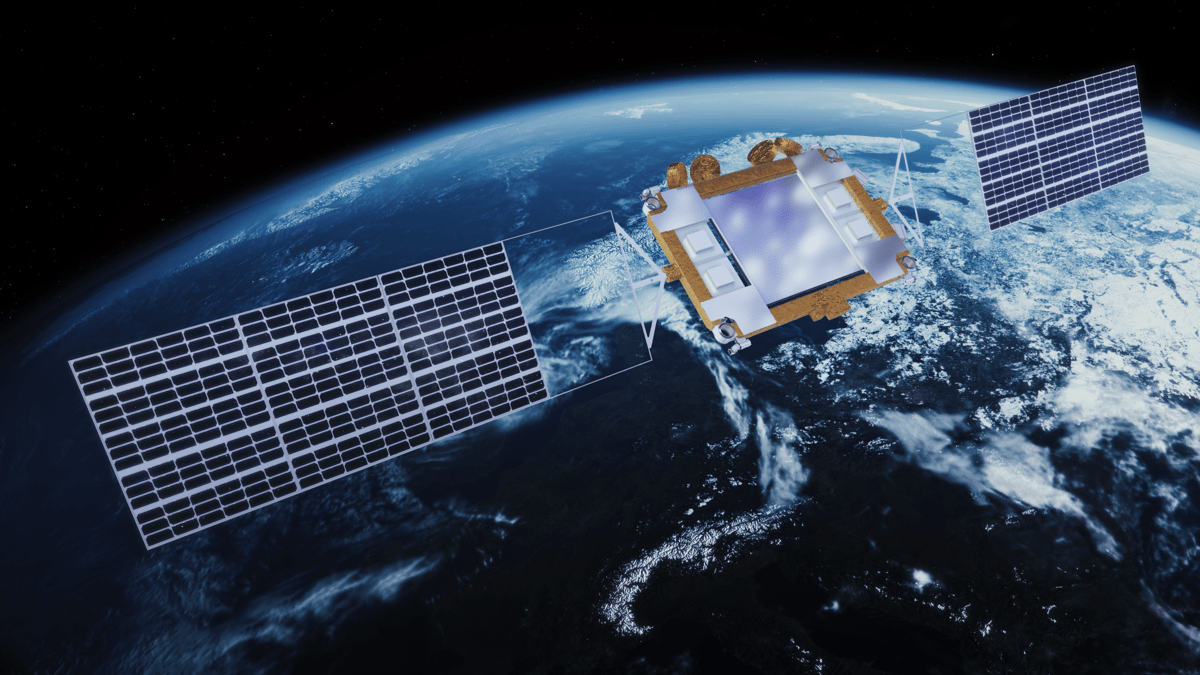
Univity Funds VLEO 5G Demonstrators with $32 Million Series A
French startup Univity announced a $32 million Series A round to launch two very low Earth orbit (VLEO) 5G demonstrators next year. The prototypes, each weighing 350 kg, will showcase hybrid broadband and direct‑to‑device services and test optical inter‑satellite links. Univity aims to...

Trump Picks Industry Executive Roger Mason to Lead National Reconnaissance Office
President Donald Trump has nominated Roger Mason, currently chief growth officer at defense contractor V2X, to head the National Reconnaissance Office pending Senate approval. Mason would replace Christopher Scolese, who has overseen the agency since 2019. The NRO, funded with...
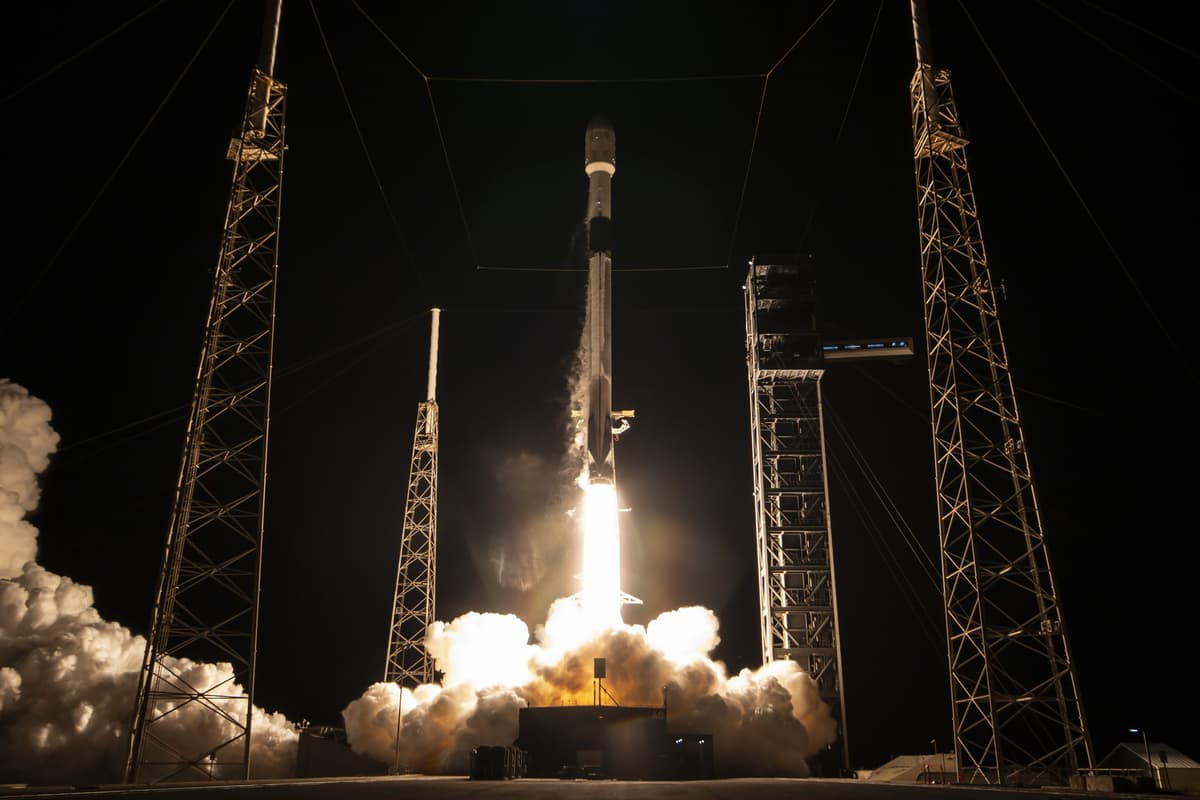
Hybridizing Nuclear Command, Control and Communications Systems Puts Space Infrastructure at Risk
Space‑based nuclear command, control and communications (NC3) are shifting from isolated, sovereign systems to hybrid architectures that blend government, commercial, and international assets. The United States, China, Russia, and India already embed dual‑use satellites such as GPS, BeiDou, and commercial...

Commerce Department Budget Proposal Would Halt Work on TraCSS
The Commerce Department’s FY 2027 budget proposal puts the Traffic Coordination System for Space (TraCSS) on hold while it designs a new operating and financial model that could include user fees. The Office of Space Commerce would retain roughly $10 million in...

China Backs Orbital Data Center Startup with $8.4 Billion in Credit Lines
Beijing Orbital Twilight Technology (Orbital Chenguang) closed a Pre‑A1 equity round and secured strategic credit lines worth 57.7 billion yuan (about $8.4 billion) from 12 major Chinese banks. The financing underpins its plan to launch a gigawatt‑scale space‑based data center constellation in...
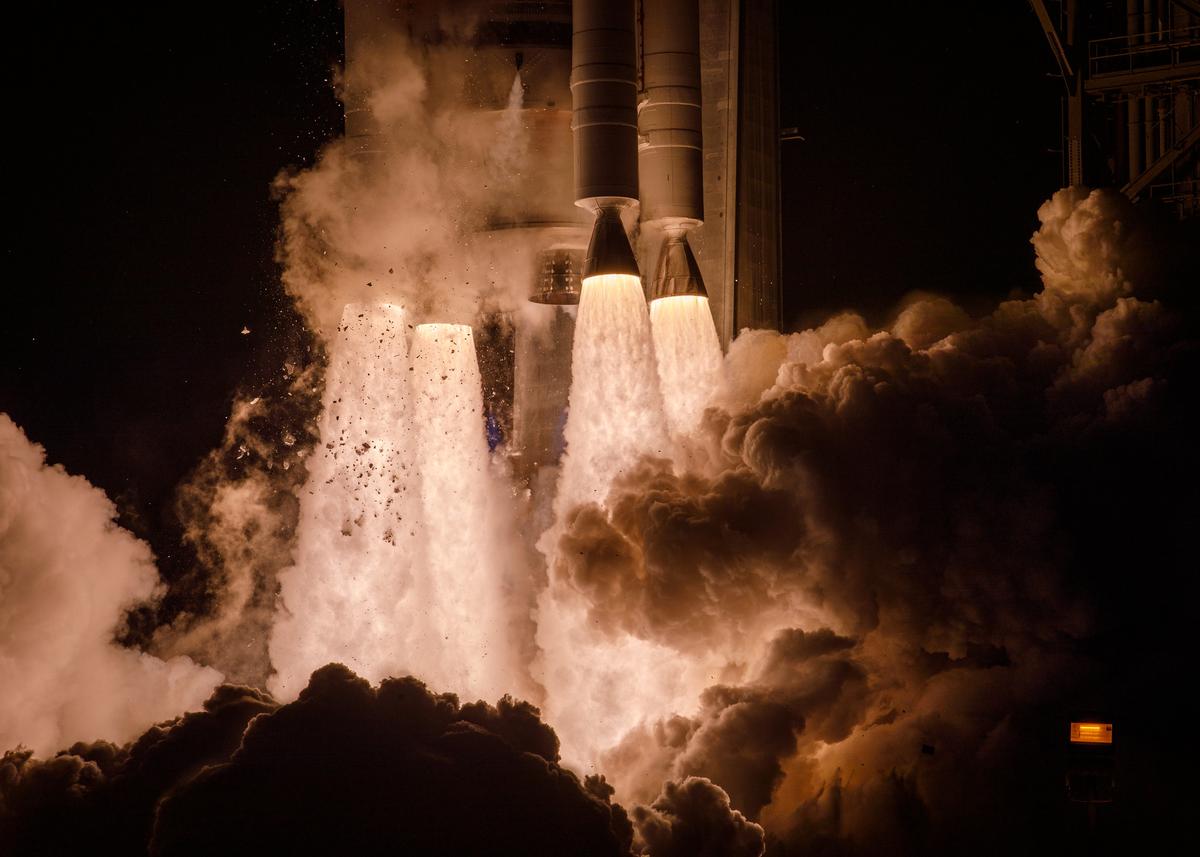
Northrop Grumman Takes $71 Million Charge on Vulcan Booster Issue
Northrop Grumman disclosed a $71 million charge in its fiscal first quarter tied to an anomaly with the GEM 63XL solid‑rocket booster used on United Launch Alliance’s Vulcan Centaur. The problem originated from a February launch where debris shed from one of four...

Trump Taps Raytheon Executive for Top Military Space Acquisition Post
President Donald Trump nominated Raytheon executive Erich Hernandez‑Baquero as assistant secretary of the Air Force for space acquisition and integration. The role, created in 2020, oversees the Pentagon’s satellite, ground‑system and data‑network procurement and aligns closely with the U.S. Space...

Pentagon Details Funding Strategy Behind Trump’s Proposed $1.45 Trillion Defense Budget
The Pentagon’s FY2027 budget request totals $1.45 trillion, a 44% jump from the 2026 enacted level. Central to the increase is the Space Force, whose budget would more than double to $71.2 billion, driven by $50 billion in RDT&E and procurement. About $350 billion...

The U.S. Must Defend the Final Frontier Against Cyberattacks
The United States faces a rapidly expanding cyber threat to its space assets as the orbital environment swells to roughly 17,000 satellites. Recent incidents, including the 2022 ViaSat breach and low‑cost interception of unencrypted signals, illustrate how adversaries can exploit...

NordSpace Nets Canadian Defense Funding for VLEO Satellite Development
NordSpace secured a one‑year, CAD $183,000 (≈ $133,000 USD) contract from Canada’s Department of National Defence to advance very low Earth orbit (VLEO) satellite technologies. The funding targets the Kestrel constellation, which aims to deliver 10‑centimeter resolution imaging from altitudes below traditional low‑Earth...
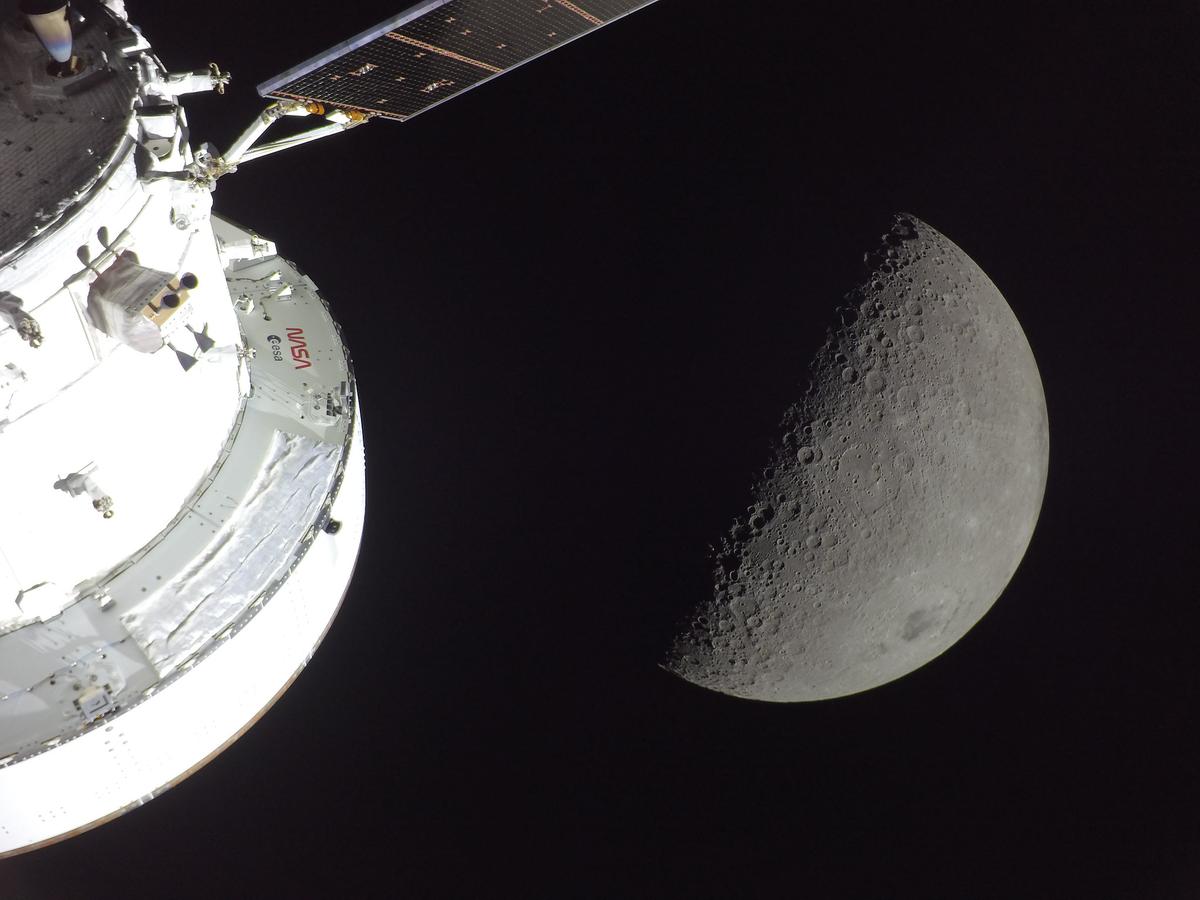
In the Wake of Artemis 2, America Needs to Consider the ‘Why’ of Its Government Space Program
The Artemis 2 mission, backed by the $10.08 billion One Big Beautiful Bill Act, reignited debate over the value of government‑funded space programs. While SpaceX dominates low‑Earth‑orbit launches, the article argues that commercial firms still depend on government‑led missions to de‑risk cislunar...

China Ramps up Satellite Production Capacity Amid Constellation Ambitions
China is constructing a massive satellite manufacturing ecosystem capable of producing up to 7,360 spacecraft annually, according to a recent industry assessment. Dozens of factories—36 operational, 16 under construction, and three planned—already contribute a theoretical capacity of 4,050 satellites, with...
Rhea Space Activity Raises $6 Million to Develop GPS-Free Spacecraft Navigation
Rhea Space Activity, a Washington, D.C. startup, secured $6 million Series A to develop AutoNav, a GPS‑free visual navigation system. AutoNav uses onboard optical sensors to locate spacecraft by imaging celestial bodies, a technology originated at NASA JPL. The funding will accelerate...
NASA Selects Falcon Heavy to Launch ESA Mars Rover Mission Despite Budget Threat
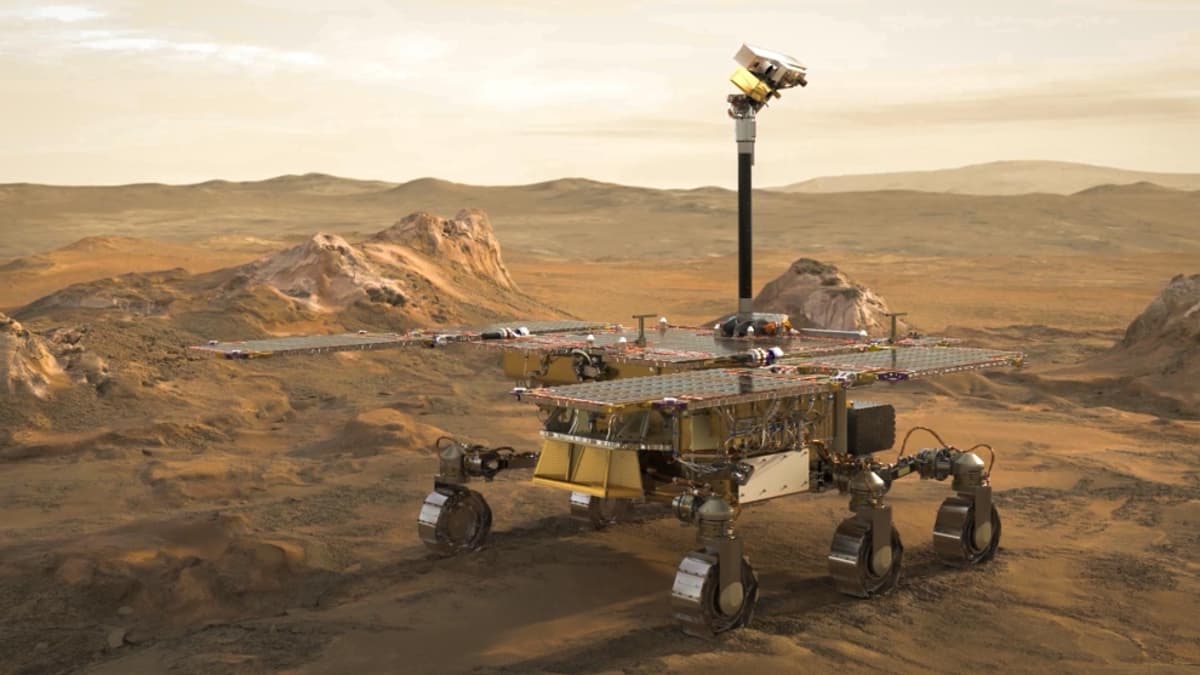
NASA has chosen SpaceX’s Falcon Heavy to launch the European Space Agency’s Rosalind Franklin Mars rover, slated for a late‑2028 launch. The agency will also supply the rover’s descent‑stage braking engines, radioisotope heater units, electronics and a mass‑spectrometer instrument under...

Space Force Reorg Signals End of SDA as Standalone Agency
The Space Development Agency (SDA), founded in 2019 to fast‑track low‑Earth‑orbit satellite constellations, is slated to be absorbed into the Space Force’s new Portfolio Acquisition Executive (PAE) structure. The reorganization will split SDA’s flagship Proliferated Warfighter Space Architecture into separate...

Seraphim Forms Space Advisory Council
Seraphim Space has launched a Global Space Advisory Council, chaired by SES co‑founder Candace Johnson, to guide its long‑term investment strategy. The council brings together senior figures from XPRIZE, venture capital, European satellite manufacturing, Japan’s space ecosystem, and the international...

Meink: Space Force Must ‘Execute’ as Budget Set to Surge
The U.S. Space Force is seeking a fiscal 2027 budget that would more than double its funding to over $71 billion, up from roughly $40 billion in 2026. Air Force Secretary Troy Meink emphasized that the service must now focus on executing...

Defining Acquisition on a Wartime Footing
The Space Force has placed its acquisition enterprise on a wartime footing, demanding faster, risk‑tolerant development cycles to protect warfighters. New policy prioritizes commercial‑first solutions, reduced regulation, and iterative production, backed by $700 million in STRATFI/TACFI funding matched by $1.9 billion of...

NASA Seeks Proposals for Commercial TDRSS Replacement
NASA issued a draft solicitation on April 10 for Project NEXUS, a commercial Ka‑band data‑relay service intended to replace the aging Tracking and Data Relay Satellite System (TDRSS). The agency cites a continuity risk for legacy assets such as the Hubble Space...