
ESA to Decide by June on Europe’s Gateway Contributions
NASA has halted work on the lunar Gateway, forcing the European Space Agency to rethink its Artemis contributions. ESA’s portfolio includes the European Service Module, the I‑Hab habitation module, the Lunar View refueling unit and the Lunar Link communications system, as well as a promised astronaut slot. Director General Josef Aschbacher says ESA will assess technical adaptations, funding gaps and possible repurposing, and will present a concrete plan to the ESA Council in June. The outcome will shape Europe’s role in the evolving Artemis architecture.

The ‘Ground Truth’ Gap in AgTech: Why Satellites Alone Can’t Save Supply Chains
Satellite hardware costs have plummeted, sparking a surge in AgTech precision monitoring and AI‑driven analytics. Yet an over‑reliance on satellite imagery creates a "ground truth gap" where remote data misrepresents on‑the‑ground realities, producing false compliance alerts. These alerts can unjustly...

SBQuantum and Spire to Send Quantum Diamond Magnetometer Into Orbit
Canadian startup SBQuantum will launch a quantum diamond magnetometer aboard a Spire Global satellite on March 30 via a SpaceX Falcon 9 rideshare. The device, roughly the size of a quart of milk, is competing in the final phase of the National...

Ispace Redesigns Lunar Lander, Introduces Lunar Communications Service
Japanese lunar venture ispace is overhauling its lander program by replacing the under‑performing VoidRunner engine and unifying its Japanese Series 3 and U.S. Apex 1.0 designs into a single Ultra lander. The redesign pushes the U.S. CLPS Mission 3 launch from 2027 to...

U.S. GSSAP Satellites Execute GEO Handoff to Monitor China’s Shijian-29 Spacecraft
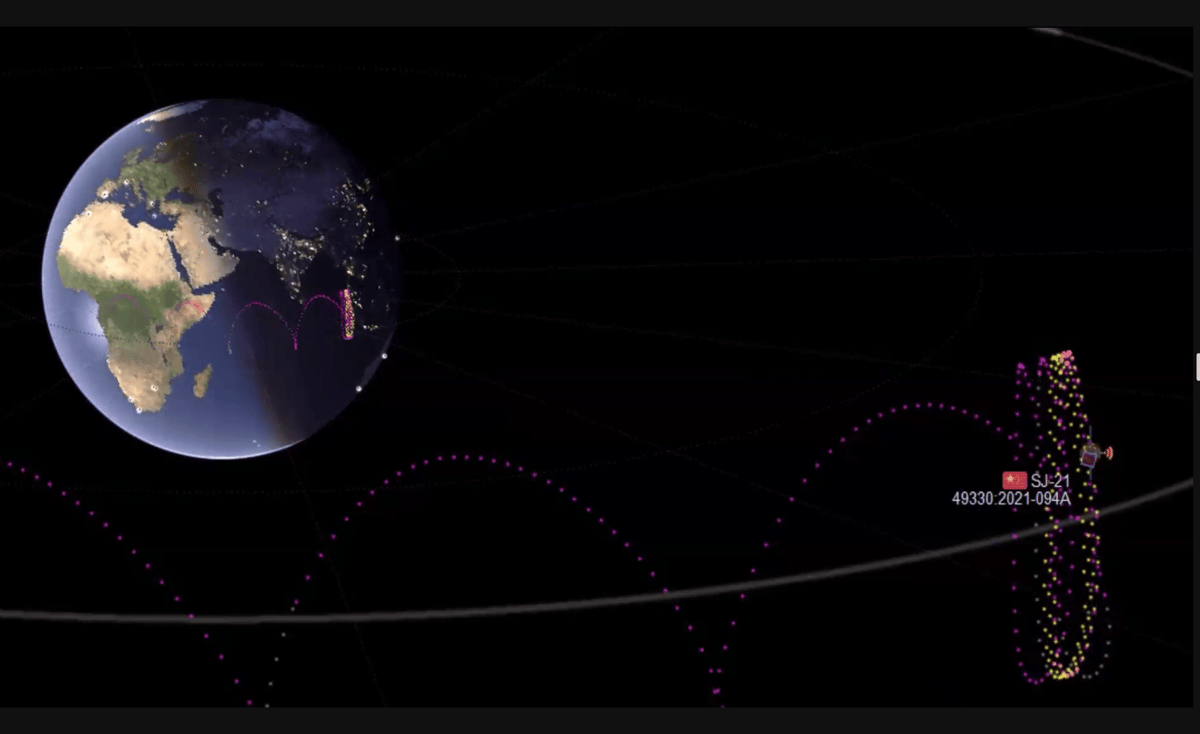
U.S. Geosynchronous Space Situational Awareness Program (GSSAP) satellites USA 324 and USA 325 executed a coordinated handoff between March 14‑18 to maintain continuous observation of China’s Shijian‑29A and 29B spacecraft in geostationary orbit. The maneuver positioned the two U.S. satellites on opposite sides...

Space Command Begins Phased Move to Alabama
U.S. Space Command is initiating a phased relocation to Huntsville, Alabama, beginning with a secure SCIF at Redstone Arsenal slated for an April ribbon‑cutting and capacity for over 80 personnel. By the end of 2024, about 200 staff members will...

Government Use of Commercial Procurement Models Has Limitations in Space
Government agencies are increasingly using commercial contracting models for space hardware, but most advanced capabilities still rely on the government as the sole customer. Executives from Impulse Space, Rendezvous Robotics, and Momentus argue that high‑performance, defense‑oriented technologies lack commercial demand....

Xona Raises $170 Million for Satellite Navigation Network
Xona, a California startup, secured $170 million in a Series C round led by Mohari Ventures to accelerate its low‑Earth‑orbit Pulsar navigation constellation. The funding will expand manufacturing in Burlingame and support a rollout toward a 258‑satellite network that aims to offer...

Satlantis Earnings Grow Alongside Demand for Earth-Observation Satellites
Satlantis posted 2025 revenue of €47.8 million (about $56.4 million), with EBITDA of €14.4 million (≈$16.9 million). More than half of the income came from small‑satellite sales and operations, while optical payloads grew to 30% of total revenue. The company announced a FlexSat program...

HTS Market Set to Reach $76B as Industry Enters Terabit Era
Novaspace’s latest HTS report projects global high‑throughput satellite demand to reach 218 Tbps and service revenues to climb to $76 billion by 2034, more than double current levels. The surge is fueled by rapid NGSO constellation growth, especially Starlink, which has reset...
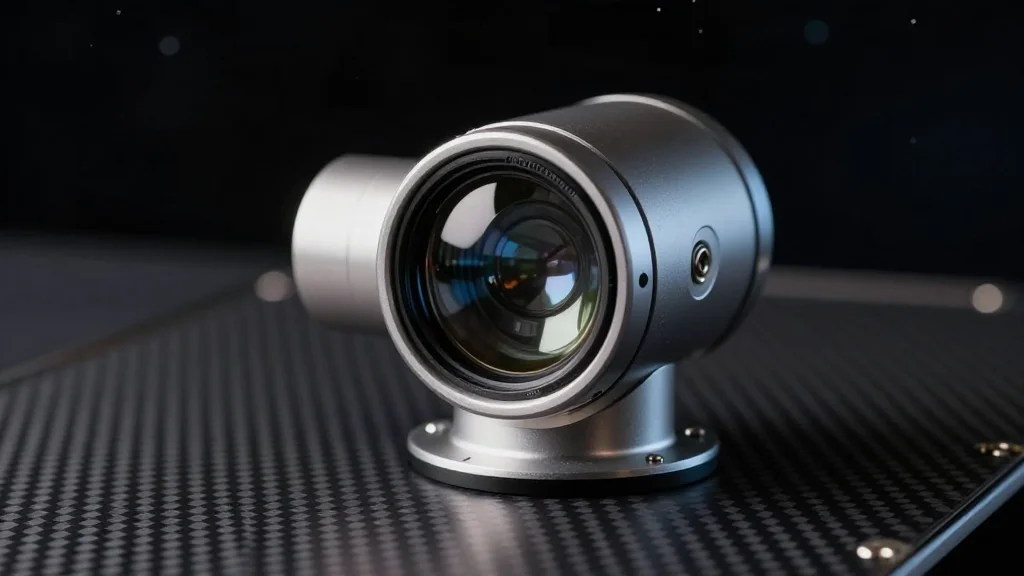
Terran Orbital Introduces New Star Tracker Product Line at SATSHOW 2026
Terran Orbital, a Lockheed Martin company, unveiled a new star tracker product line—M10, H6, and F4—at SATSHOW 2026. The three models are engineered to balance cost, mass, and performance while leveraging the firm’s extensive flight heritage. Each unit features robust...

Sift Raises $42 Million in Series B Round
Sift, a Southern California startup founded by former SpaceX engineers, announced a $42 million Series B round led by StepStone Group with participation from Google Ventures and other investors. The capital will be used to grow its engineering team and enhance its...

Infinity Avionics Unveils Aquila: The Next-Generation Space Imaging Solution for Complex Orbital Operations
Infinity Avionics announced the commercial launch of Aquila, a full‑high‑definition imaging system designed for small satellites. The camera streams 30 FPS video, offers interchangeable lenses, and comes in three price tiers to suit varied mission budgets. Integrated with the company’s BRAIN...

Musk Wants to Go to the Moon. But How Will He Build His ‘Self-Growing City’?
Elon Musk has announced a goal to establish a self‑growing city on the Moon by 2030, shifting focus from Mars to lunar settlement. The chief obstacle is not launch capability but the prohibitive cost of transporting construction materials from Earth....

Pave Space Raises $40 Million to Develop European Heavy Kickstage
Swiss startup Pave Space has secured $40 million in seed funding to build a 20‑metric‑ton orbital transfer vehicle capable of moving up to five metric tons from low‑Earth orbit to medium, geostationary or lunar trajectories in less than a day....

Moog Taps Redwire to Provide Solar Arrays for Meteor
Redwire secured a $12.8 million contract from Moog to supply its Extensible Low‑Profile Solar Array (ELSA) for the Meteor satellite bus. ELSA delivers roughly 50 % more power per unit volume than conventional arrays, targeting mass‑manufactured satellites. The arrays will be designed,...

Swissto12 to Build Small Optical Relay GEO Satellite for Space Compass
Swissto12 has secured a contract with Japan’s Space Compass to build SC‑A, the first SmallSat‑class optical relay satellite in geostationary orbit. The spacecraft will use Swissto12’s HummingSat platform and is slated for delivery in Japan’s fiscal year 2028. SC‑A serves as a...

SpaceX Offers Details on Orbital Data Center Satellites
SpaceX disclosed technical details for an ambitious orbital data center constellation, targeting up to one million satellites powered by high‑end AI processors. The initiative, called Terafab, aims to produce one terawatt of chips annually—about 50 times current advanced‑chip output—and will...

Some European Launcher Challenge Funding Remains in Limbo
The European Space Agency (ESA) earmarked over €900 million for the European Launcher Challenge, but roughly €140 million remains unallocated, largely from the United Kingdom. A portion of the funding was tied to Orbex, which entered administration, removing €34.9 million from the pool....

Artemis 2 Returns to the Pad for April Launch Attempt
NASA’s Artemis 2 mission rolled back to Launch Complex 39B on March 20 and is now positioned for a launch window opening April 1. The rollout followed a February‑March fix of a helium‑line seal that caused upper‑stage blockage and hydrogen leaks during earlier wet‑dress...

Officina Stellare Wins $2 Million Contract for Lasercom Ground Station in Spain
Officina Stellare, an Italian opto‑mechanical specialist, secured a €1.84 million contract with Barcelona’s Institute of Photonic Sciences (ICFO) to build an optical ground station for laser and quantum‑encrypted space‑to‑Earth links. The system will include a telescope, dome, testing platforms and integrated...

Rocket Lab Launches Eighth Synspective Radar Imaging Satellite
Rocket Lab’s Electron lifted off from New Zealand on March 20, delivering Synspective’s eighth synthetic‑aperture radar (SAR) satellite into a 573‑km, 50.2° orbit. The launch brings Synspective closer to its goal of a 30‑satellite constellation by 2028, supported by a new contract...

Kayhan Targets Investors, Insurers with Expanded Orbital Intelligence Platform
Kayhan Space unveiled Satcat Terminal, an AI‑driven platform that translates orbital data into business insights for investors and insurers, echoing the functionality of a Bloomberg Terminal for space assets. The service draws on a catalog of more than 36,000 tracked...

Register Now: The Energy Imperative Driving the Push Toward Orbital Data Centers
The surge in AI and cloud workloads is straining global electricity grids, prompting industry leaders to explore orbital data centers as a potential solution. SpaceNews and StarCatcher, together with the Commercial Space Federation, are hosting a virtual panel on March 31...

Portal Space Systems and Paladin Space Plan Debris Removal Service
Portal Space Systems has teamed with Australian startup Paladin Space to launch a commercial orbital‑debris removal service. The partnership will mount Paladin’s Triton payload on Portal’s highly maneuverable Starburst spacecraft, which can change velocity by one kilometre per second. Scheduled...

Eileen Collins on What It Takes to Become Space Shuttle Commander
Eileen Collins, the first woman to pilot and later command a Space Shuttle, appears on SpaceNews’ Space Minds podcast to discuss the habits and leadership principles that propelled her career. Hosted by David Ariosto, the episode blends personal anecdotes with...

Frontier Justice: Navigating the Future Legal Landscape for Private Actors in Space Law
The global space economy is set to surge from $630 billion in 2023 to $1.7 trillion by 2035, yet the legal framework remains fragmented and largely government‑centric. Private actors face a regulatory vacuum that could trigger lunar land grabs, inflate costs, and...

China Signals New Target for 2027 Asteroid Deflection Test
China’s space agency has identified Aten‑class asteroid 2016 WP8 as the target for its first planetary‑defense kinetic‑impact test, slated for a December 2027 launch on a Long March 3B from Xichang. The mission will deploy two spacecraft—a kinetic impactor that will strike the asteroid...

NASA Grappling with Planetary Science Funding Shortfall
NASA’s planetary science division received $2.54 billion for FY 2026, about $200 million less than the $2.72 billion allocated in the two prior years. The shortfall forces the agency to make "strategic choices" about which missions can continue, with particular uncertainty around the Venus...

Space Force Overhauls Buying Structure with New Mission Portfolios
The U.S. Space Force is introducing Portfolio Acquisition Executives (PAEs) to manage groups of systems tied to specific missions rather than individual programs. Four initial portfolios—infrastructure, battle management, satellite communications/positioning, navigation and timing, and missile warning and tracking—will give PAEs...

Office of Space Commerce Weighing Options for TraCSS User Fees
The Office of Space Commerce is weighing user‑fee options for the Traffic Coordination System for Space (TraCSS) after a December executive order stripped the “free of direct user fees” language from Space Policy Directive 3. Officials say no decision has been...

Golden Dome Cost Estimate Rises to $185 Billion as Pentagon Expands Space Layer
The Pentagon has lifted the Golden Dome missile‑defense program’s cost estimate to $185 billion for the next ten years, adding $10 billion to accelerate space‑based satellite procurement and data‑link networks. The initiative aims to integrate ground, air and space sensors, interceptors, and a...

ISPTech Raises €5.5M Seed Round to Redefine How Spacecraft Manoeuvre in Orbit
ISPTech, a German spin‑off from the DLR, announced a €5.5 million seed round led by Join Capital and backed by several European venture funds. The capital will fund expanded manufacturing, critical‑infrastructure testing, and the commercial rollout of its non‑toxic propulsion suites,...

Strait of Hormuz Crisis Drives Demand for Commercial Geospatial Intelligence
The U.S.-Iran conflict has turned the Strait of Hormuz into a live testing ground for commercial geospatial intelligence. The chokepoint, handling about 20% of global oil shipments, saw commercial traffic halted after strikes, creating urgent demand for real‑time maritime visibility....

IMetalX Emerges From Stealth with Technology to Model Resident Space Objects
iMetalX Inc. has emerged from stealth to announce a partnership with Psionic, integrating Psionic’s Space Navigation Doppler Lidar with iMetalX’s Asgard data‑simulation platform. The combined solution can generate high‑fidelity 3‑D models of resident space objects within minutes, aimed at autonomous...

China Is Developing Low-Cost Lunar Cargo Options for Its Expanding Moon Program
China’s Shanghai Academy of Spaceflight Technology unveiled an “economical lunar cargo transport” concept at the CACE 2026 exhibition. The cylindrical lander family would deliver 120 kg to 5,000 kg using a methane‑liquid‑oxygen engine, marking a shift from hypergolic propellants. The system is positioned...

Kazakhstan Must Choose: Be Eurasia’s Tech Broker or Become a Pawn in the New Global Space Race
Kazakhstan stands at a crossroads, deciding whether to leverage its Baikonur launch site and AI capabilities to become Eurasia’s trusted broker of space and deep‑tech, or to remain a passive host for rival powers. The global space economy is projected...

Q&A: Rebecca Evernden on UK Space Strategy
Rebecca Evernden, the newly appointed director of the UK Space Agency, outlined a four‑pillar strategy—satellite communications, launch capability, in‑orbit servicing and manufacturing, and space domain awareness—to drive economic growth and national security. She emphasized that the agency’s launch ambitions remain...

China Ends Month-Long Launch Hiatus with Separate Guowang and Shiyan-30 Satellite Missions
China resumed orbital launches after a month‑long pause, lifting off a Long March 8A carrying the 20th batch of Guowang internet satellites and a Long March 2D launching the Shiyan‑30 technology demonstrators. The Guowang batch adds to a constellation targeting 13,000 satellites,...

Senate Committee Advances NASA Deputy Administrator Nominee
The Senate Commerce Committee voted 23‑5 on March 12 to advance Matt Anderson’s nomination as NASA deputy administrator, sending it to the full Senate for final approval. Anderson, a retired Air Force officer, was first nominated in May and renominated after...

The Post-Capacity Era of Satellite Connectivity
Novaspace’s eighth Capacity Pricing Trends report declares a Post‑Capacity Era for satellite connectivity, where bandwidth is no longer the primary differentiator. Starlink’s sub‑$0.30 per GB pricing is driving a structural decline in capacity costs and forcing the industry to compete...

Missile Strike Hits SES Teleport in Israel
Satellite operator SES confirmed that a missile struck its teleport facility in Emek Ha’ela, Israel on March 9, damaging a small portion of the geostationary antenna field. The company reported no injuries and said core services and power remained operational, activating...

Space Force Officially Terminates AeroVironment Contract for Satellite Control Antennas
The U.S. Space Force has terminated its roughly $1.7 billion contract with AeroVironment for the Satellite Communications Augmentation Resource (SCAR) program, ending work on the mobile BADGER phased‑array antennas. The termination follows failed renegotiations and reflects a shift toward an open‑competition...
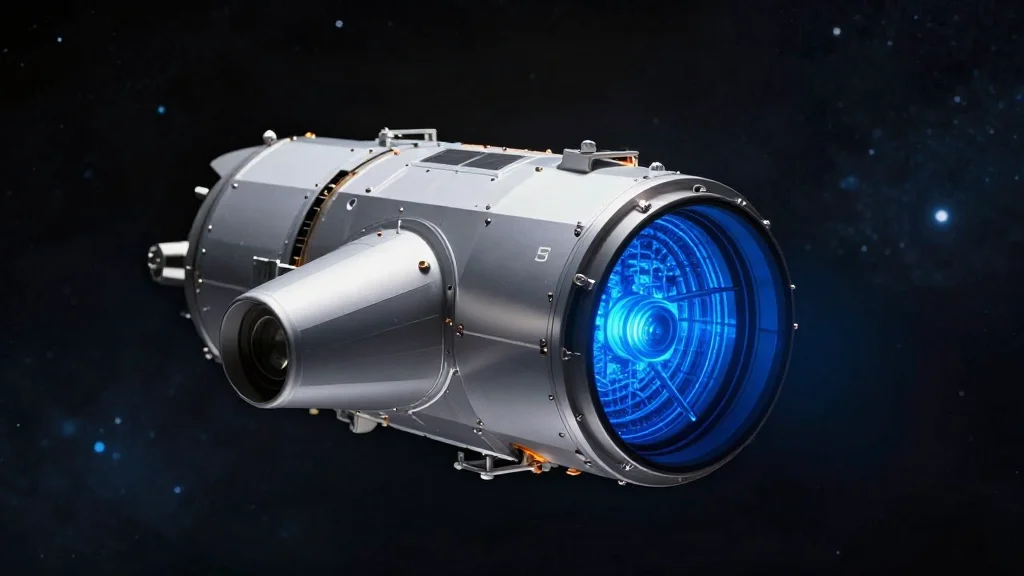
NASA Disqualifies X-Ray Telescope From Probe Mission Competition
NASA announced that the Advanced X‑Ray Imaging Satellite (AXIS) has been disqualified from the Astrophysics Probe Explorer competition after failing to meet the program’s cost and schedule thresholds. The decision follows a series of internal disruptions at NASA, including a...
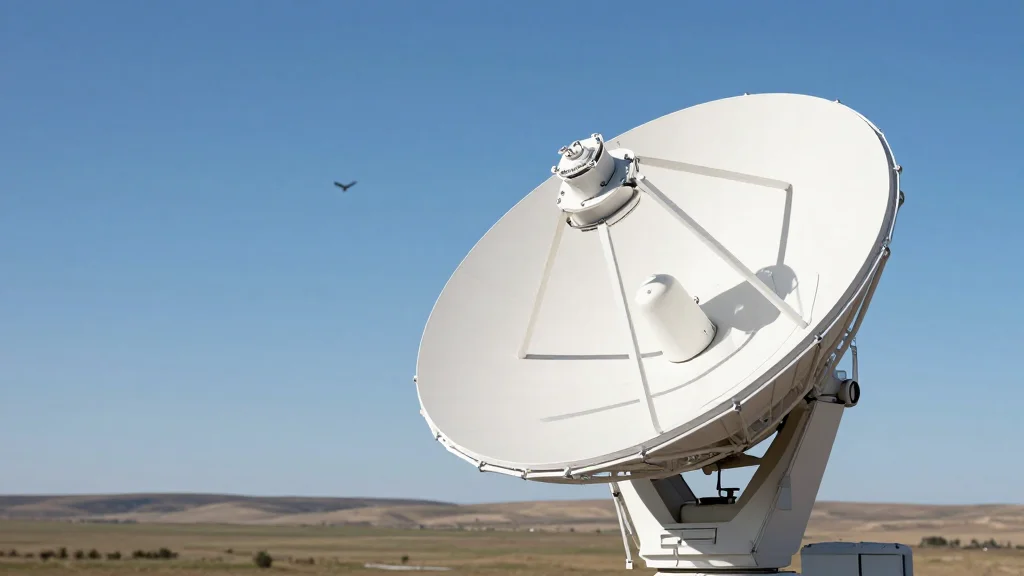
Telesat Expands Canadian Landing Station Footprint for Lightspeed
Telesat announced new Canadian landing‑station sites in Estevan and Shaunavon, Saskatchewan, and Papineauville, Quebec, expanding its ground footprint ahead of Lightspeed pathfinder launches in December. The company aims to operate 24 landing stations worldwide by the start of global services...
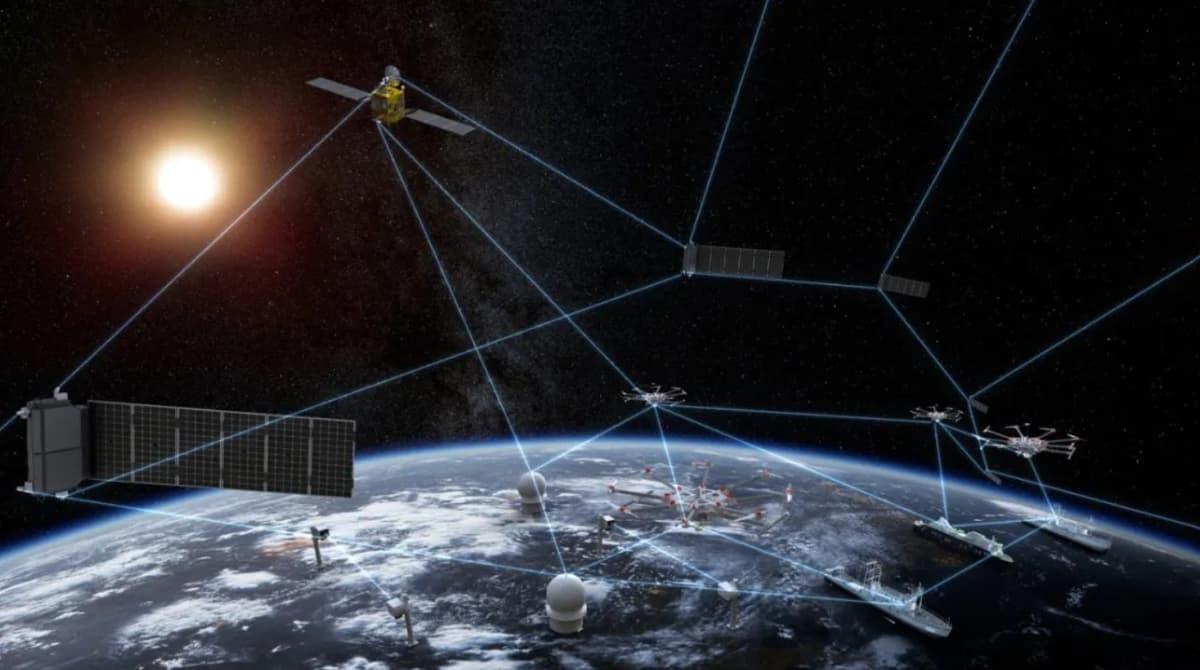
Large Series C Signals Scale-Up of China’s Laser Satellite Communications Sector
Shanghai‑based BlueStar Optical Domain announced a Series C round of roughly 500 million yuan ($72 million). The capital will fund a production‑line upgrade aimed at delivering 1,000 laser communication terminals annually by mid‑2026. The move positions BlueStar as a mass‑production supplier for China’s...
Anduril to Acquire Space-Tracking Firm ExoAnalytic Solutions
Anduril Industries announced it will acquire ExoAnalytic Solutions, a private firm operating a 400‑telescope network that tracks satellites and space debris. The deal, terms undisclosed, more than doubles Anduril’s space‑division headcount, integrating ExoAnalytic’s optical data into its Lattice command‑and‑control platform....

Starlab Space Fully Books Commercial Payload Space on Planned Space Station
Starlab Space announced that its commercial payload capacity is fully booked ahead of its planned launch, despite the station not reaching orbit for another 36 months. Voyager Technologies, the lead developer, reported a $6 million backlog tied to these reservations, including...

Viasat Wins $14 Million Contract to Provide In-Flight Satcom for Navy Executive Aircraft
Viasat has been awarded a $14 million contract to provide in‑flight satellite communications for the U.S. Navy’s C‑37 executive transport aircraft. The two‑year sole‑source agreement, issued by the Space Systems Command Commercial Space Office, will equip the Gulfstream‑based jets with Viasat’s...

Precision in Orbit: Heraeus Catalysts Safeguard Satellite Control
Heraeus Precious Metals supplies the iridium‑based H‑KC12GA catalyst for hydrazine thrusters that provide precise orbit control on satellites. The catalyst enables rapid, repeatable hydrazine decomposition and survives thousands of firings and extreme temperatures. NASA JPL’s 57‑day SMAP test recorded only...