Wednesday’s Headlines Have Good News and Bad News
Traffic fatalities in the United States fell 6.7% in 2025, but 36,640 people still died on the roads, according to the NHTSA. Pedestrian deaths dropped 11% in the first half of the year, yet more than 3,000 lives were lost, costing the economy roughly $40 billion. Meanwhile, oversized SUVs would rank as the world’s fifth‑largest carbon emitter, underscoring the climate stakes of vehicle design. A mix of infrastructure projects—from a $600 million bridge rebuild to Salt Lake City’s streetcar expansion—highlights both funding opportunities and lingering gaps in safety, equity and labor policy.
How To Push A Livable Streets Project Forward — Even in the Era of Federal Clawbacks
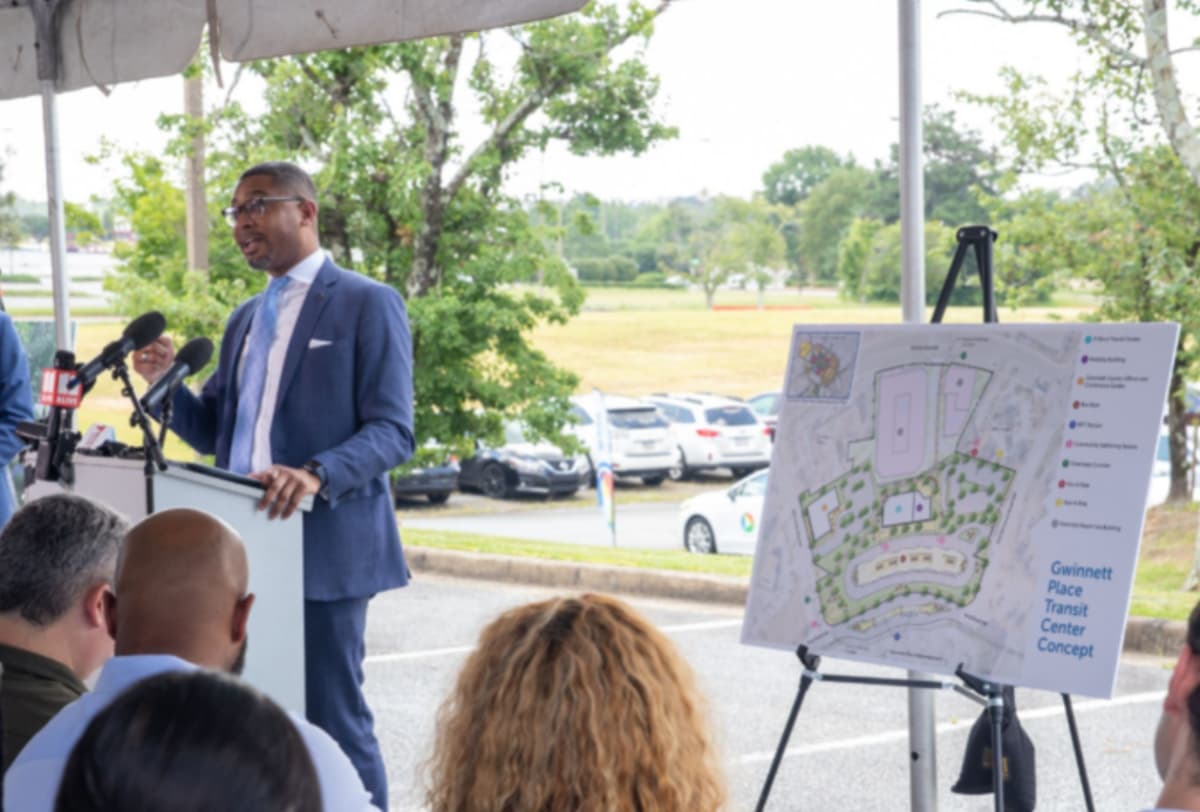
Former USDOT Undersecretary Christopher Coes has launched AmericaFWD to accelerate livable‑streets projects across the United States. The initiative bundles engineers, financiers, public‑engagement experts and an advisory network to help municipalities overcome stalled funding, especially projects stripped of federal grants under...

Tuesday’s Headlines Take an Axe to Transit
President Trump's FY2025 budget proposes a $2.1 billion cut to Amtrak, amounting to a 69 % reduction when combined with expiring Infrastructure Investment and Jobs Act funds, while also trimming transit and electric‑vehicle grant money. At the same time, cities are experimenting...
The Financial Costs of the Pedestrian Death Crisis Are Still Stratospheric
The Governor’s Highway Safety Association estimates that U.S. car drivers caused over $40 billion in economic losses in the first half of 2025, despite a 10.9 % decline in pedestrian fatalities compared with the same period last year. The calculation, based on...

State Bill Would Stop Highway Expansions Near Vulnerable New Yorkers
New York’s Stop Highway Community Harm Act would prohibit widening or adding lanes to highways within 200 feet of public housing and in ZIP codes where asthma‑related emergency visits exceed 70 per 10,000 residents. The legislation targets projects such as...
Talking Headways Podcast: Civil Rights, Civic Transport
The Trump administration issued an executive order directing federal agencies to rescind regulations that require disparate‑impact analysis for transportation projects, a key tool for enforcing Title VI of the 1964 Civil Rights Act. The Department of Transportation is poised to withdraw...

Railfans Flock to NW Indiana for New Train Line’s Maiden Voyage
The South Shore Line inaugurated the Monon Corridor, an eight‑mile spur from Hammond Gateway to a new Munster/Dyer station, adding wheelchair‑accessible and bike‑friendly stops at South Hammond and Munster Ridge. The project, financed by a $1.5 billion federal grant, was celebrated...

Wednesday’s Headlines Don’t Call It a Comeback
Fuel prices are climbing as the wars in Iran and Ukraine tighten global oil markets, prompting U.S. consumers to seek renewable alternatives such as electric vehicles and e‑bikes. At the same time, rising travel costs are forcing Americans to skip...

Chicago to St. Louis Is the High-Speed Rail Test America Can’t Afford to Fail
Illinois lawmakers are racing to pass House Bill 4442, which would extend the state’s High Speed Rail Commission through 2030 and keep the Chicago‑St. Louis corridor alive. The line, already upgraded to 110 mph on the Lincoln Service, is touted as...

Transit Safety For the People, By the People
Congresswoman Lateefah Simon (D‑Calif.) has co‑introduced the RIDER Safety Act, a federal measure that expands existing transportation grant eligibility so transit agencies can hire unarmed "transit ambassadors." The model, first piloted by BART, reported a 41% drop in crime after...

Despite Spin, Calif.’s Transportation Commission Funded a Lot of Highway Expansion Last Week
The California Transportation Commission approved $17.9 billion for highway expansions, eclipsing the $900 million earmarked for rail and other transit projects. This funding focuses on widening corridors such as Highway 101, Highway 37, and routes in Kern, Madera and Lake counties, reinforcing a car‑centric...

Why Cities Need More ‘Agile’ Streets
Santa Monica’s broken plastic bollards are being reframed as real‑time data points that expose mismatches between street design and driver behavior. The city’s "agile" or quick‑build approach treats these temporary installations as experiments, using their survival—or destruction—to decide where permanent...

How a ‘Universal Basic Neighborhood’ Can Help Americans Live Longer
The article introduces a "Universal Basic Neighborhood" (UBN) framework that bundles clean air, safe water, adequate housing and a robust, low‑risk transportation system to help Americans reach an 80‑year life expectancy. Researchers identified policy‑driven neighborhoods where residents already enjoy longer,...

Tuesday’s Headlines Keep Our Eyes on the Road
Tech firms face mounting criticism as driver distraction claims at least 300 U.S. deaths annually, according to the NHTSA. Rising oil prices and climate activism are prompting calls to reduce petroleum dependence, while state and local officials roll out diverse...
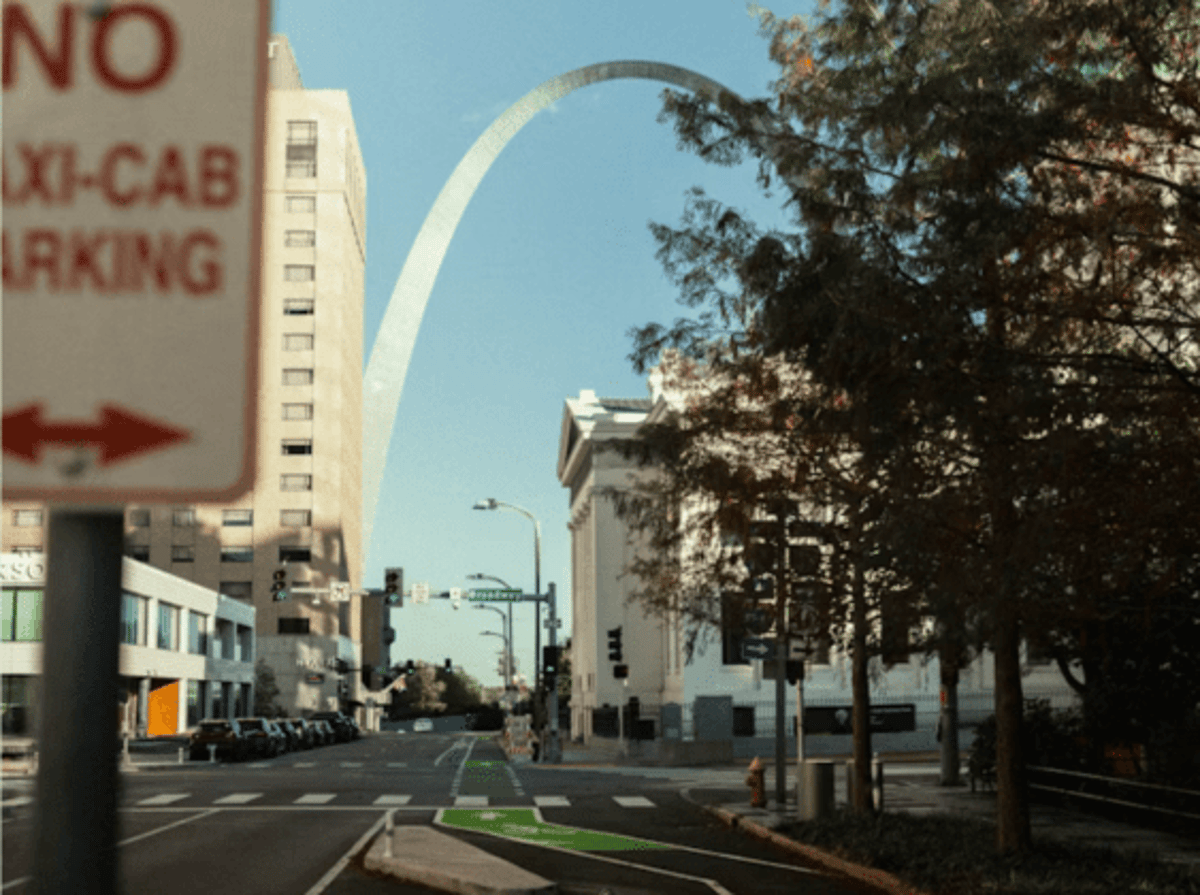
Why This State Is Fighting To Get Its First ‘Active Transportation Plan’
Missouri remains the most populous state without a statewide active transportation plan, despite a surge in vulnerable‑road‑user fatalities that now exceed 15 percent of total traffic deaths. Advocates from Missourians for Responsible Transportation are urging MoDOT to adopt a plan...

Op-Ed: Don’t Let Fear Flatten Progress on E-Bikes
New Jersey's Senate Bill S4834 would reclassify all e‑bikes as motorcycles, demanding licenses, registration and insurance, while California’s AB 1942 seeks similar plate requirements for Class 2 and Class 3 e‑bikes. Advocates argue that e‑bikes cut emissions dramatically—about 8 g CO₂ per mile...

Commentary: How a T-Rex Costume and a Police Sting Underscores Bay Area’s Deadly Driver Problem
A San Bruno police sting used a bright‑orange T‑Rex costume to test driver attention, yet many motorists claimed they didn’t see the figure. The incident underscores a broader pattern of distracted driving that repeatedly results in pedestrian and cyclist deaths...

Study: How Ambiguous Definition of ‘Major Transit Stop’ Creates Wiggle Room for Municipalities
UCLA’s Institute of Transportation Studies mapped California transit stops and found that state law’s narrow definition—treating a stop as the exact boarding point—limits the area eligible for housing incentives. The researchers propose a “maximal approach” that expands the stop’s footprint...

Advocates Get D.C. Mayor To Release Buried Report On The Potential Benefits Of Congestion Pricing
Mayor Muriel Bowser finally released a five‑year‑old, council‑mandated study on congestion pricing in Washington, D.C., after a lawsuit forced disclosure. The pre‑pandemic analysis projected an 11% drop in vehicle traffic, a 30% rise in transit trips, and up to $667 million...

California Must Stop Expanding Highways
The California Transportation Commission is set to approve $16.8 million for a managed‑lane expansion on US 101 in San Mateo, a second express‑lane addition in Santa Clara, and a $500 million widening of State Route 37 in Sonoma County. All three projects run counter to California’s...

Why Congress Wants to Go Big on Greenways
Congresswoman LaMonica McIver introduced the Parks to People Act, proposing a $300 million discretionary grant program to fund national and regional greenways that improve active transportation. The bill expands on the 2021 Active Transportation Infrastructure Investment Program, which allocated only $44.5 million,...

Monday’s Headlines Zero In
U.S. traffic fatalities are declining as Vision Zero initiatives prove effective, with cities like Milwaukee reporting a 20% drop. However, many municipalities lag due to political resistance favoring convenience over safety. Fare‑free transit debates highlight cost‑shifting concerns, while suburban referendums...

Trump’s Oil Crisis Is Already Costing Massachusetts Drivers Over $2.4 Million A Day In Higher Gas Prices
A surge in global oil prices after President Trump’s attack on Iran has pushed Massachusetts gasoline prices up 45 cents per gallon, costing drivers over $2.4 million daily. The state consumes about 6 million gallons per day, so the extra expense totals...
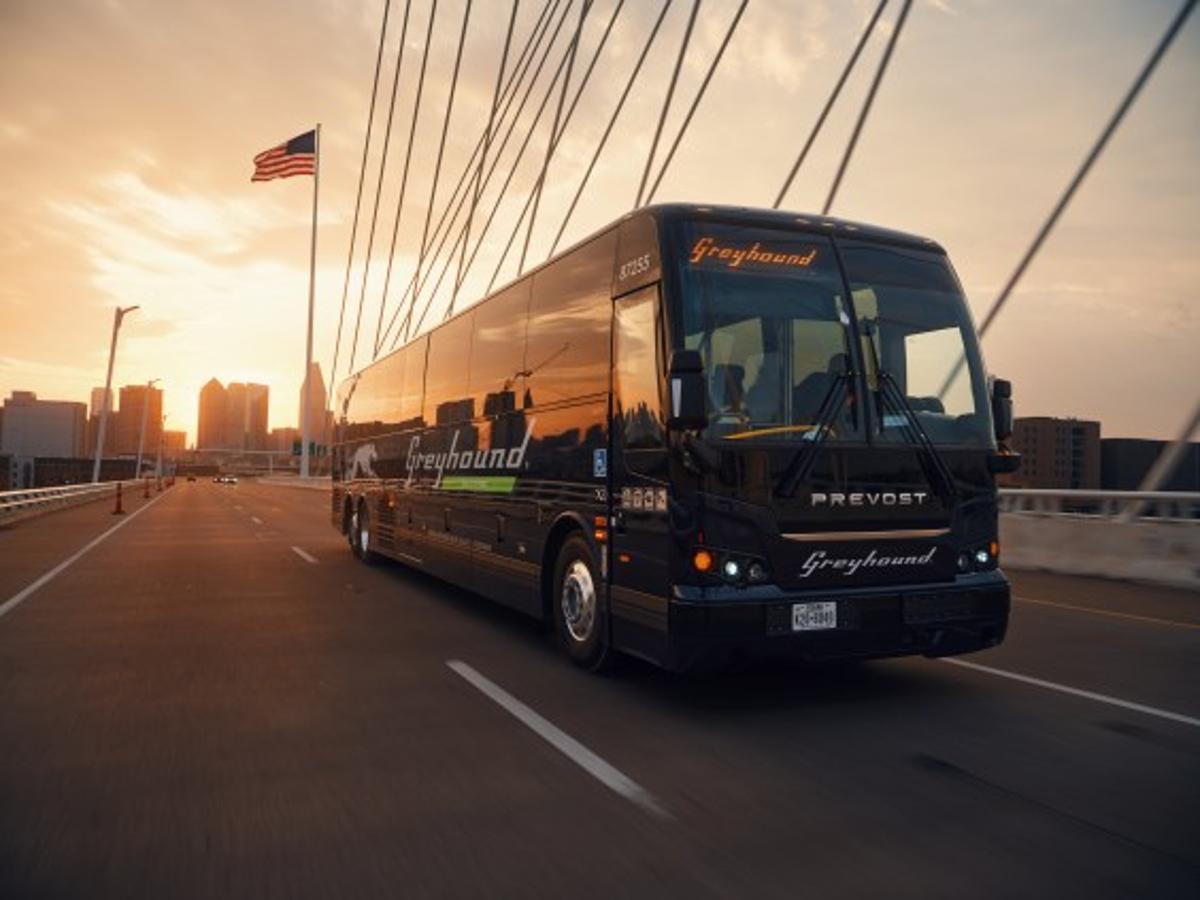
Bus Companies Say There’s a Better Way to Take a ‘Great American Road Trip’ This Summer
Greyhound and its parent Flix have unveiled a dedicated online resource to help travelers plan car‑free trips to America 250 events, positioning inter‑city buses as a viable alternative to the traditional road trip. The company cites steady ridership growth across its...

Opinion: Make This Summer’s World Cup A Car-Free Paradise
Mayor Mamdani’s administration is considering a $100 million free‑bus pilot for the 2026 World Cup, but an opinion piece urges the city to redirect funds toward car‑free street festivals that showcase immigrant cultures. The proposal calls for closing major avenues, deploying...

Trump’s Funding Freeze Has Derailed Transit, Undermining Growth and Economic Opportunity For All Americans
The Trump administration has signed no new Capital Investment Grant contracts for rail transit, effectively freezing federal matching funds for new subway, elevated, and light‑metro projects. State and local rail‑funding contributions have slumped to $7 billion in 2025, down from $16 billion...

City of Cambridge Reports Better Bike Lanes Led to Surge In Bike Traffic
The City of Cambridge’s biennial Biking in Cambridge Data Report shows a 250% rise in citywide bicycle traffic from 2004 to 2024, outpacing the 110% growth in physically‑separated bikeway mileage. Counts from 16 fixed intersections reveal especially strong gains where...

The Speeding Situation in New York City Is Even Worse Than It Seems
New York City’s traffic cameras have identified ten "super‑speeders" who have racked up over $60,000 in fines, but the data likely underrepresents the true scale of dangerous speeding because many drivers obscure or deface their plates. The worst offender, a...
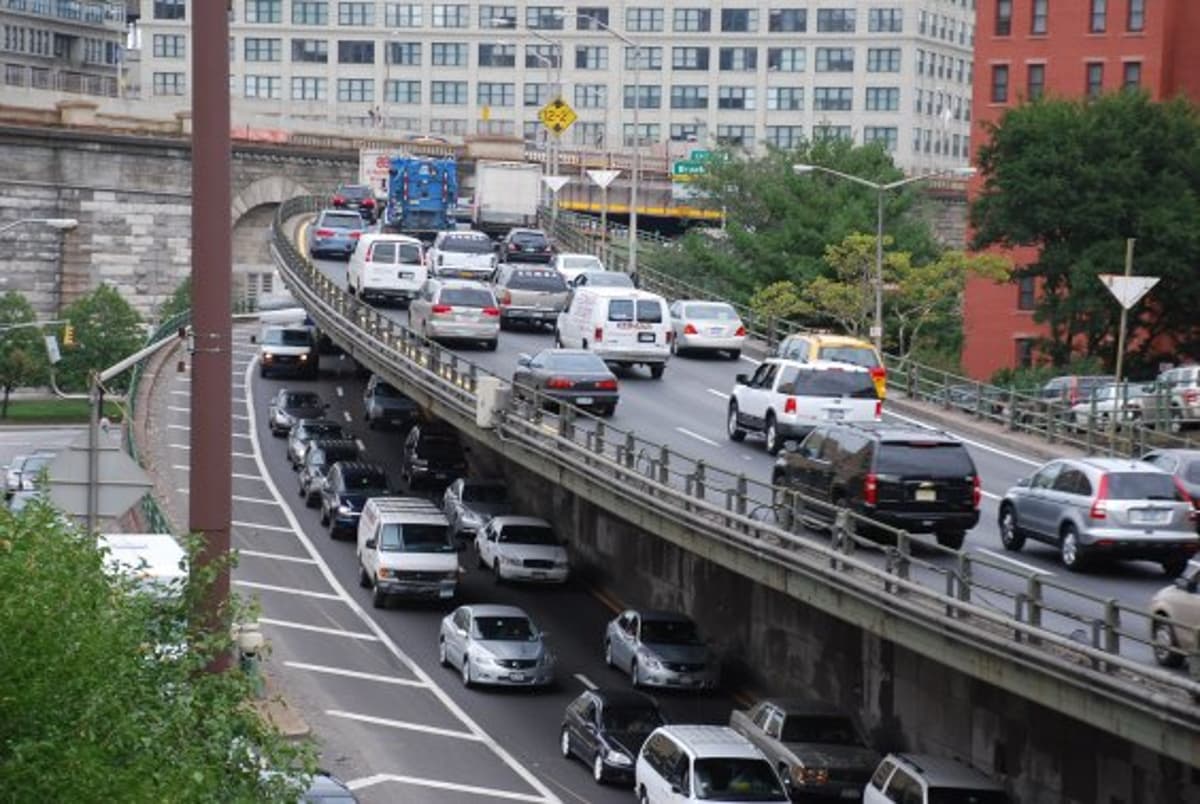
How to Tell the Story of a Highway Teardown
Ian Coss, creator of the Peabody‑winning "The Big Dig" podcast, launched a Highway Teardown tour to document how cities are confronting aging urban freeways. The tour, now in four of twelve stops, visits places like Rochester, Louisville and Austin, each...
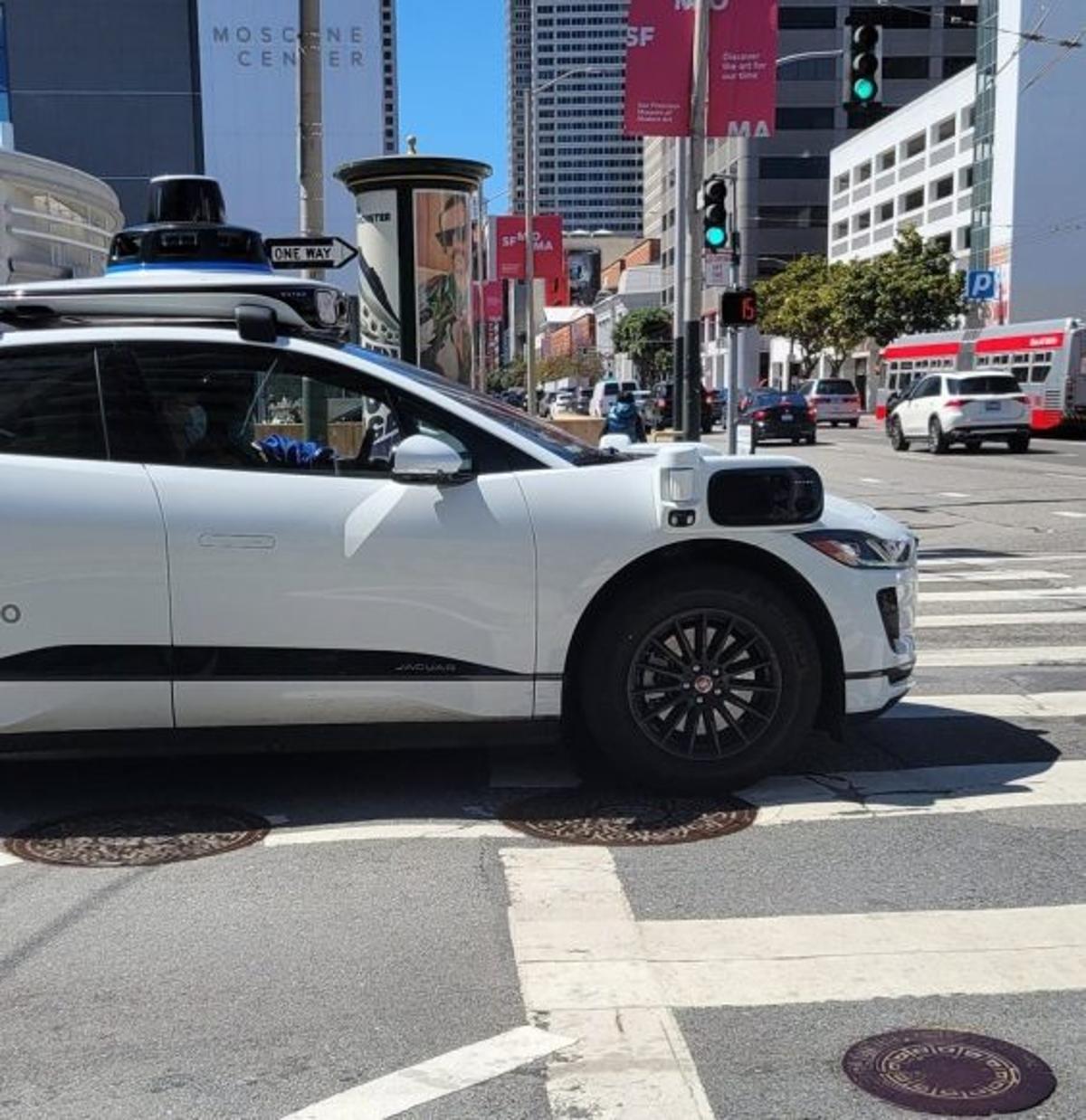
Friday’s Headlines Wrote Themselves
Cities across North America are confronting a wave of mobility challenges, from Uber’s trillion‑dollar driverless‑car ambition to shrinking California high‑speed rail budgets. Snow‑shovel mandates, power‑outage‑induced Waymo freezes, and new bike‑lane battles illustrate the friction between legacy infrastructure and emerging transport...

‘Stupendous Potential’: Pay-Per-Mile Auto Insurance Would Cut Costs And Traffic Violence
Governor Kathy Hochul is pursuing auto‑insurance reforms that would curb lawsuit payouts for crash victims, while experts argue a simpler solution—pay‑per‑mile (usage‑based) insurance—could lower premiums and improve safety. Pay‑as‑you‑drive policies tie rates to actual mileage, potentially reducing high‑risk driving by...
Three Theories About Why U.S. Car Crash Deaths Are Plummeting
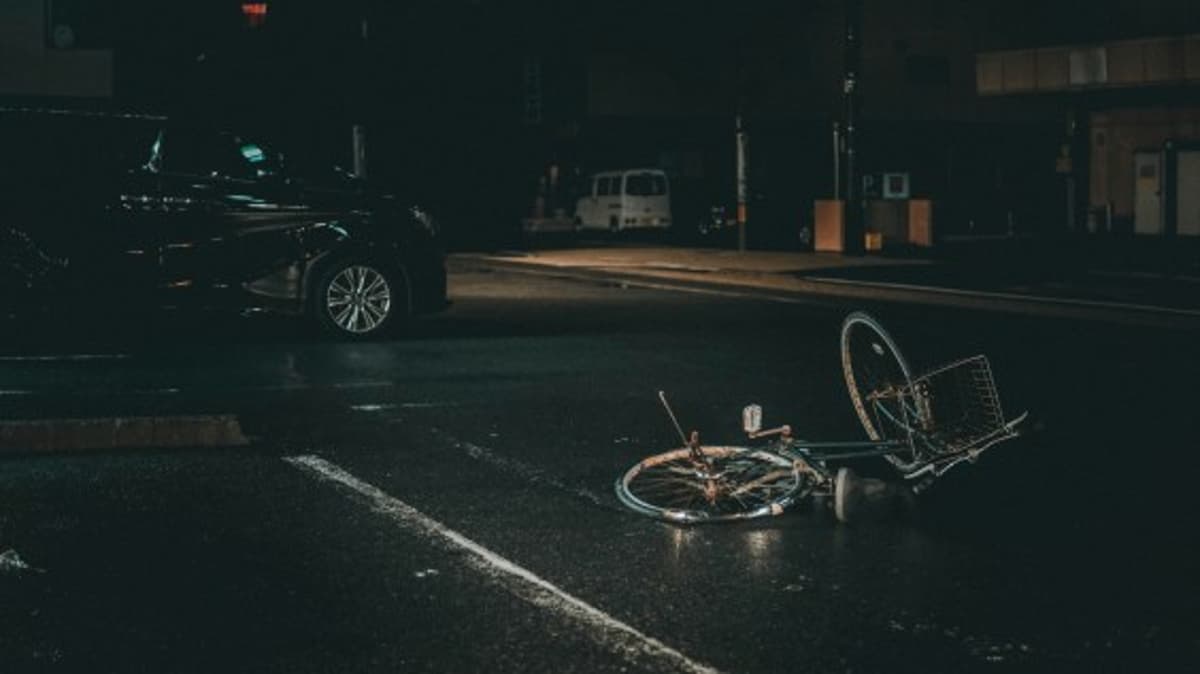
The National Safety Council estimates U.S. traffic fatalities fell by 12%—about 5,000 lives—in 2024‑25, the sharpest single‑year decline since 1999, bringing total deaths to 37,810. The drop follows extensive federal safety funding, a rebound in post‑COVID traffic congestion, and varied...
Federal Judge Rules Trump Can’t Kill Congestion Pricing
A federal judge ruled that the Trump administration lacks authority to terminate New York’s congestion pricing program, affirming that only the MTA can set and collect the tolls under the Biden‑era agreement. The 149‑page decision blocks Transportation Secretary Sean Duffy’s...
Could Refurbished E-Bikes Be the Secret Weapon of the Livable Streets Movement?
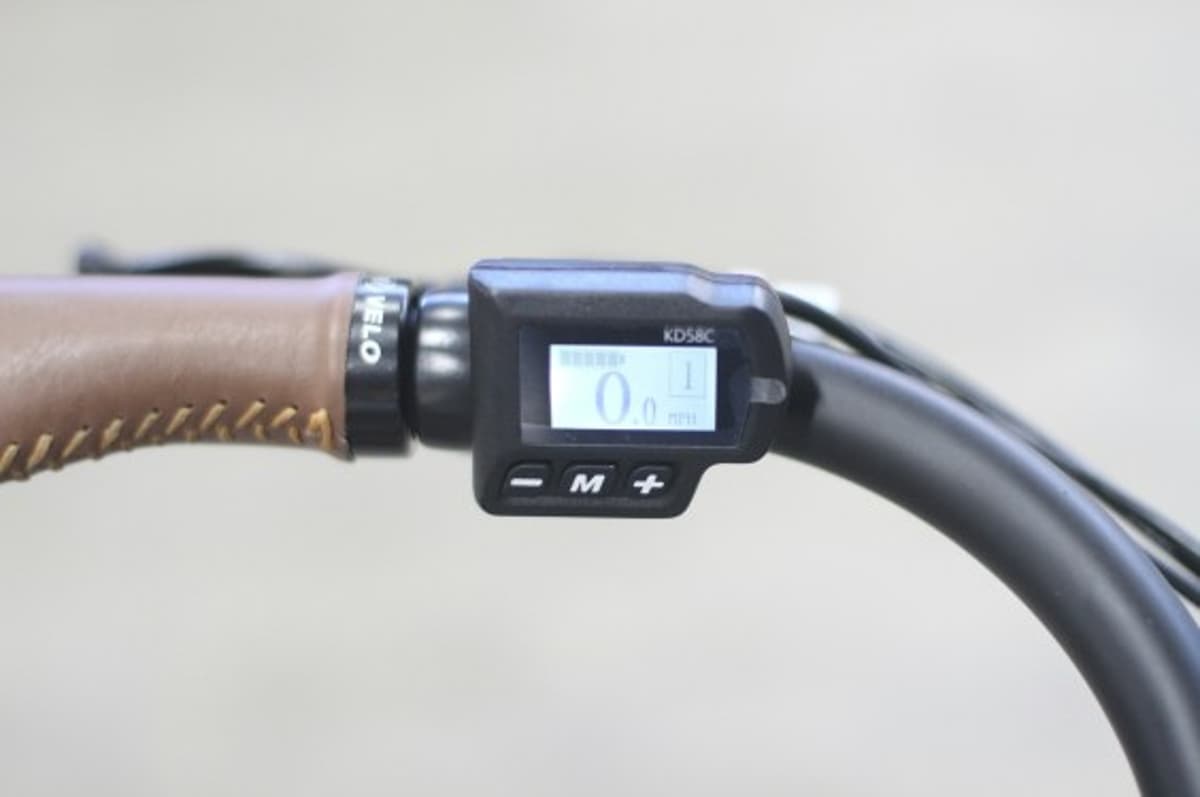
A new report highlights refurbished e‑bike retailer Upway as a potential catalyst for expanding U.S. e‑bike adoption. A recent survey shows 43% of adults already own an e‑bike and 52% of non‑owners consider buying, but 58% cite cost as the...
Exactly How Much It Cost to Build the Average Parking Space In Your City
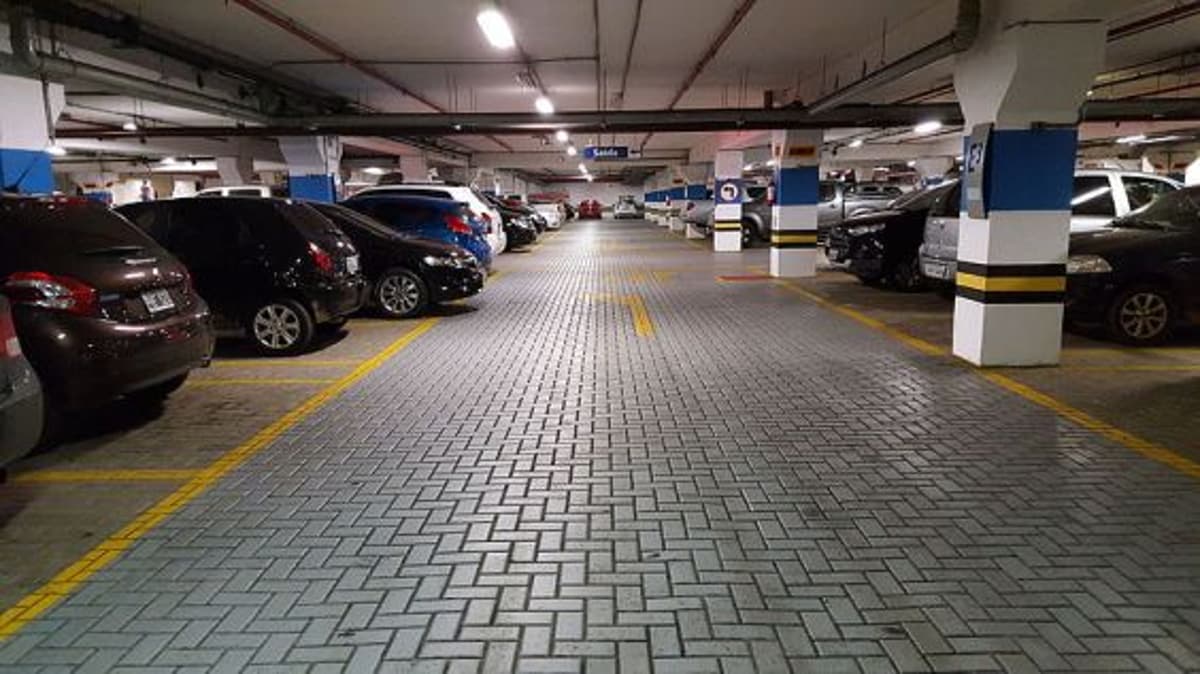
A new UCLA study reveals that building a parking space now costs more than a typical new car, with above‑ground spots averaging $52,000 and underground spots $73,000 in 2025. The analysis of 17 U.S. cities shows construction costs for parking...

Sunbelt Cities Rank Last in National Street Safety Index
The U.S. Safe Streets Index released by StreetLight ranks the nation’s 100 largest metros on five safety factors, placing New York City at the top and Bakersfield, California at the bottom. Sunbelt metros dominate the lower tier, reflecting high vehicle‑miles‑travel,...

Americans Demand Congress Fund Active Transportation In Next Infrastructure Bill — And Not Just The Bike/Walk Advocates
A coalition of more than 1,100 organizations, ranging from health groups to tourism boards, has urged Congress to protect the Transportation Alternatives Program and fund active‑transport infrastructure in the upcoming surface‑transportation reauthorization. The groups argue that sidewalks, bike lanes, and...

Are Roundabouts Just For Rich People?
A new UNC‑Chapel Hill study finds that roundabouts—road designs that reduce injury crashes by roughly 80%—are disproportionately installed in affluent, predominantly white neighborhoods across North Carolina. Low‑income and Black communities receive far fewer of these safety upgrades, a pattern the...

Thursday’s Headlines Need Alternatives
The United States has spent seven decades trying to lower automobile costs, but experts argue that true savings lie in expanding transportation alternatives beyond cars. Recent developments include Uber’s new autonomous‑vehicle division, electric‑bus innovations in Wisconsin, and growing interest in...

How Recreational Cycling Can Lead to Safe Streets For All
Cities across the United States are leveraging recreational cycling to build safer streets, using shared enthusiasm to generate political support. Knoxville’s Urban Wilderness has produced $8.3 million in annual spending and aims to double output, Atlanta’s Beltline serves 2 million users and...

Kansas City Is Again Expanding Its Once-Mocked Streetcar
Kansas City’s Streetcar Authority announced an east‑west free‑fare line that will join the existing north‑south Main Street route, extending service to the historic 18th & Vine jazz district and crossing the segregating Troost Avenue. The plan follows a 1.2‑mile Riverfront...

Tuesday’s Headlines Went the Wrong Way
Urban planners are reversing 1950s one‑way street conversions, citing safety, pedestrian, pollution, and local business concerns. At the same time, cities from San Antonio to Boston are investing in bus rapid transit and extending fare‑free bus pilots to improve transit...
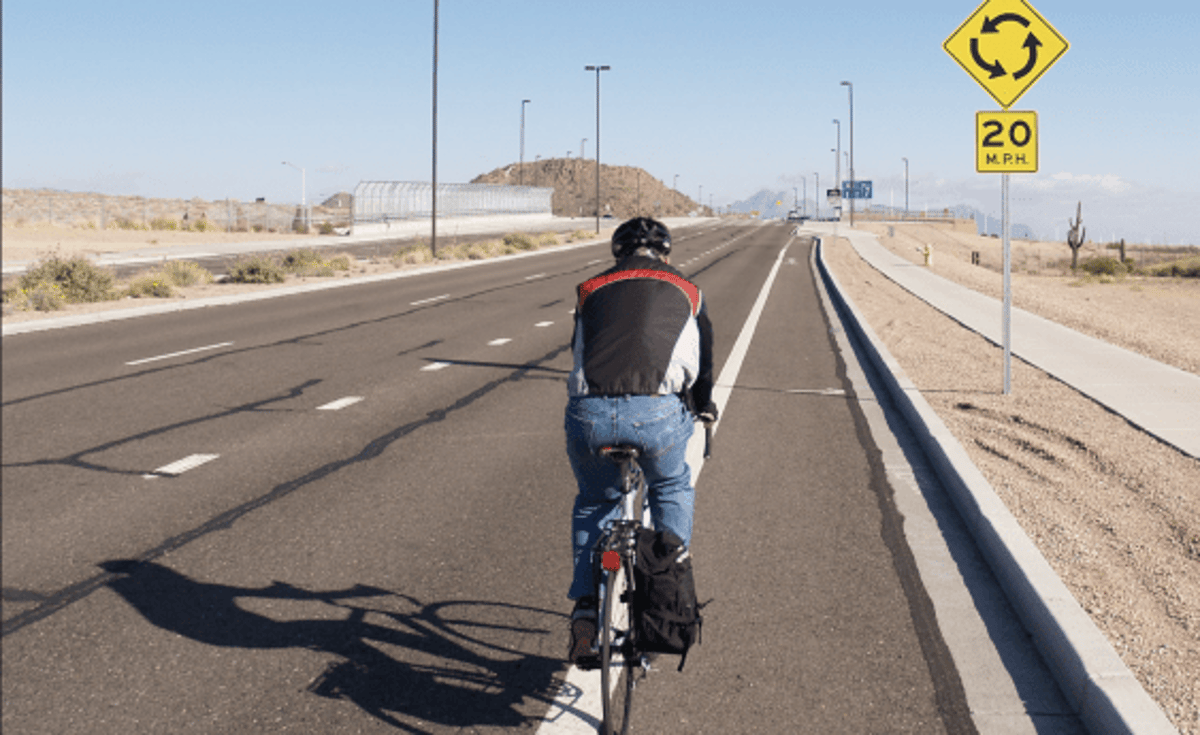
Study: Most Of America’s Paint-Only Bike Paths Are On Our Deadliest Roads
A new Journal of Cycling and Micromobility Research study finds that 77% of America’s on‑road bike infrastructure consists solely of painted lines, and 61% of those paint‑only lanes are classified as high‑stress corridors on fast, multi‑lane arterials. The research links...
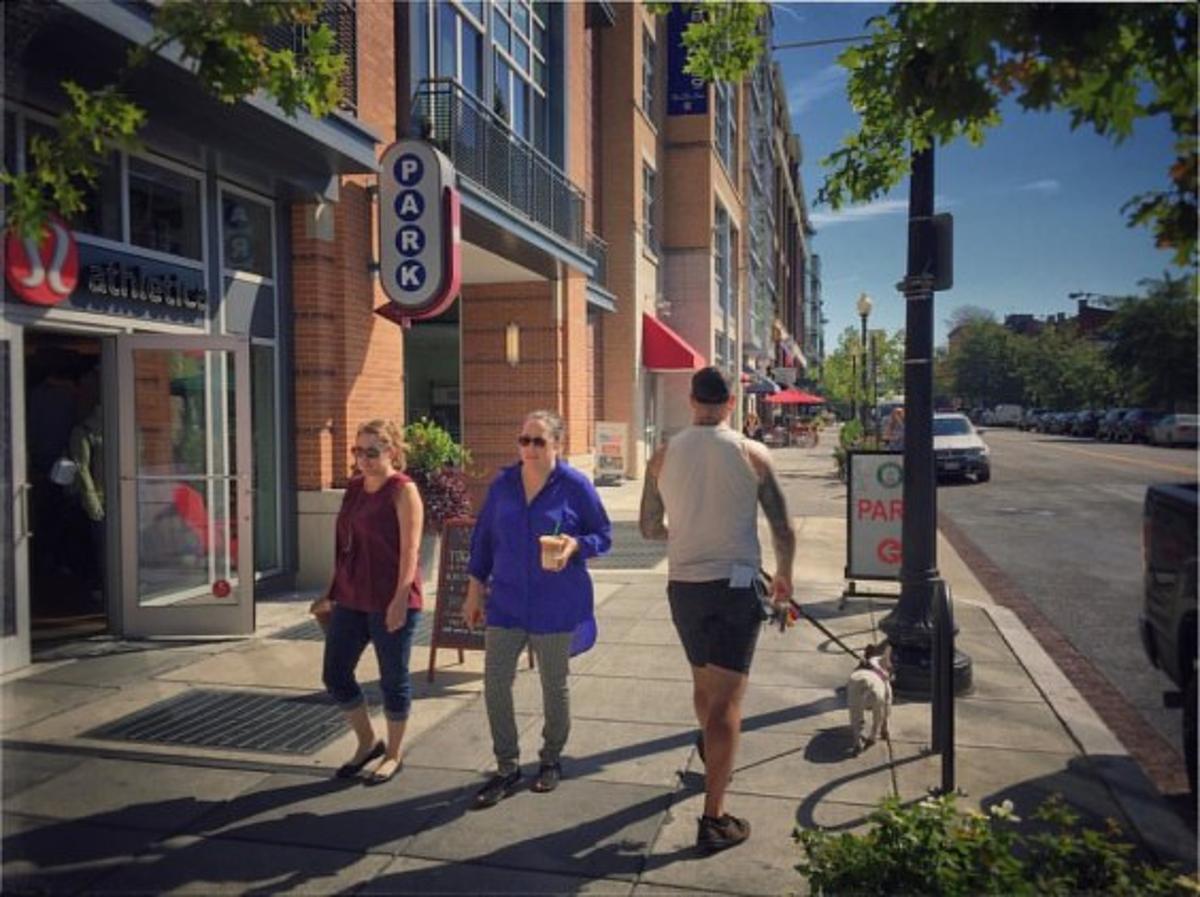
Monday’s Headlines Take a Walk on the Not-So-Wild Side
A wave of recent reports highlights the expanding link between pedestrian‑friendly design and mental health, while revealing stark funding imbalances in U.S. transportation. Federal allocations deliver just 16% of transit dollars to local jurisdictions despite most roads being locally managed,...