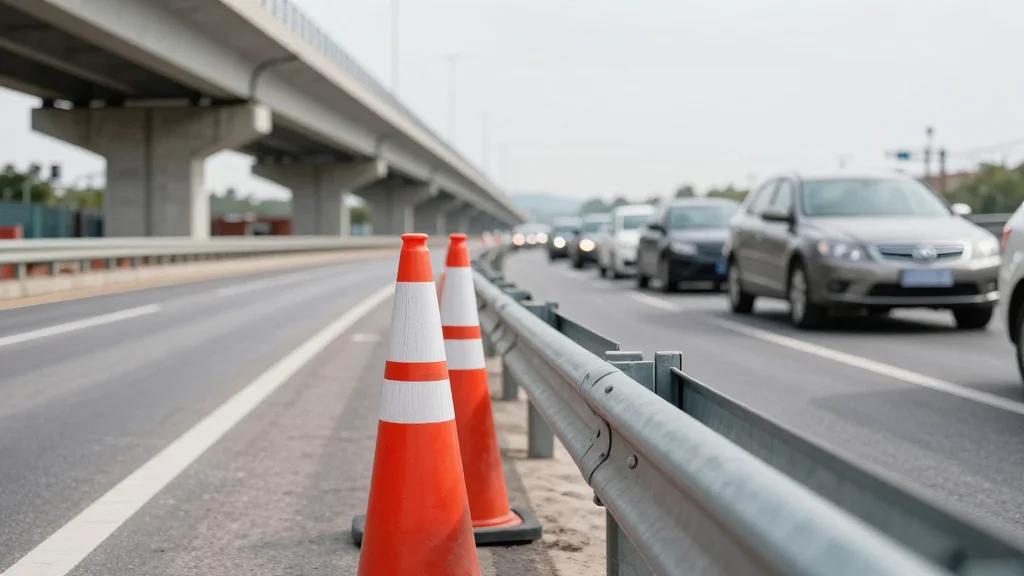
The Inflated Numbers That Unlock Billions
Federally funded transportation projects rely on Static Traffic Assignment (STA) models that are structurally biased toward expansion and often produce physically impossible traffic forecasts. The flawed modeling framework has unlocked billions in federal dollars for projects such as the $1.9 billion I‑405 widening, the $2 billion I‑495 Express Lanes, and the $1.9 billion I‑5 Rose Quarter widening, yet post‑construction analyses show little or no congestion relief. Because the models are opaque and rarely validated, they incentivize oversizing, protect consulting revenue, and saddle local governments with long‑term liabilities. The article argues that the system’s design—favoring certainty over humility—perpetuates wasteful spending and hampers financially productive infrastructure solutions.
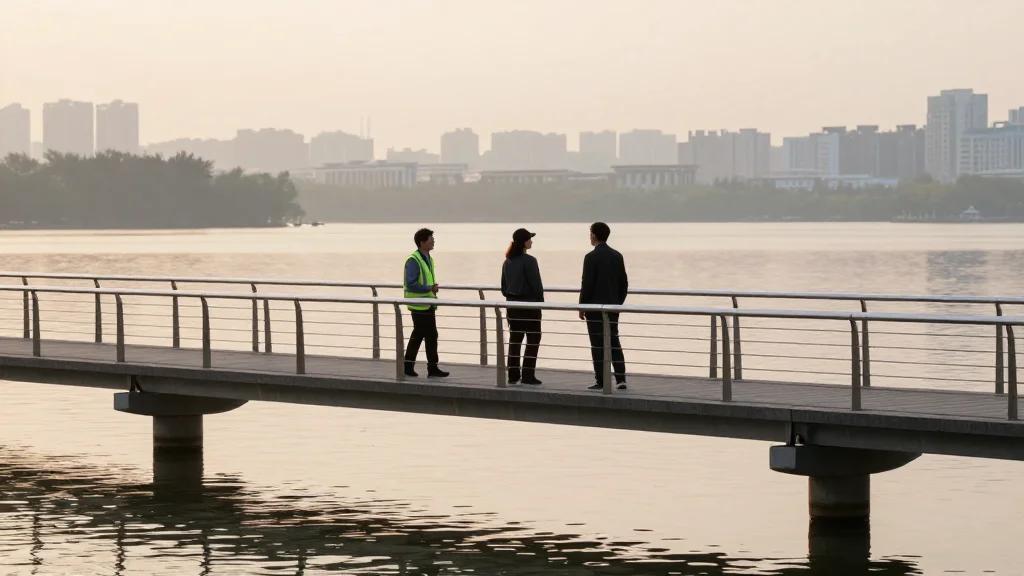
Catching the Small Waves of Change in Sheboygan, WI
Sheboygan, Wisconsin—renowned for its surfing culture—has long struggled with car‑centric streets that endanger pedestrians and cyclists. Residents formed Sheboygan Active Transportation, a Strong Towns Local Conversation group, to push for safer walking and biking infrastructure. Their advocacy yielded a reclaimed‑material...

What Cities Actually Say When You Ask Them About Crash Response
Cities excel at handling tiny 311 requests and massive capital projects, but they stumble on the "missing middle"—serious crashes that don’t fit either extreme. After a fatal crash, most municipalities launch studies and add the issue to long‑term capital plans,...

How Should Portland Pay for Streets?
Portland’s city council is exploring a $10‑$12 monthly household utility fee to fund street maintenance after a gas‑tax increase proved politically impossible. The proposal faces steep voter opposition and would charge all residents, including car‑less households, while non‑resident commuters and...
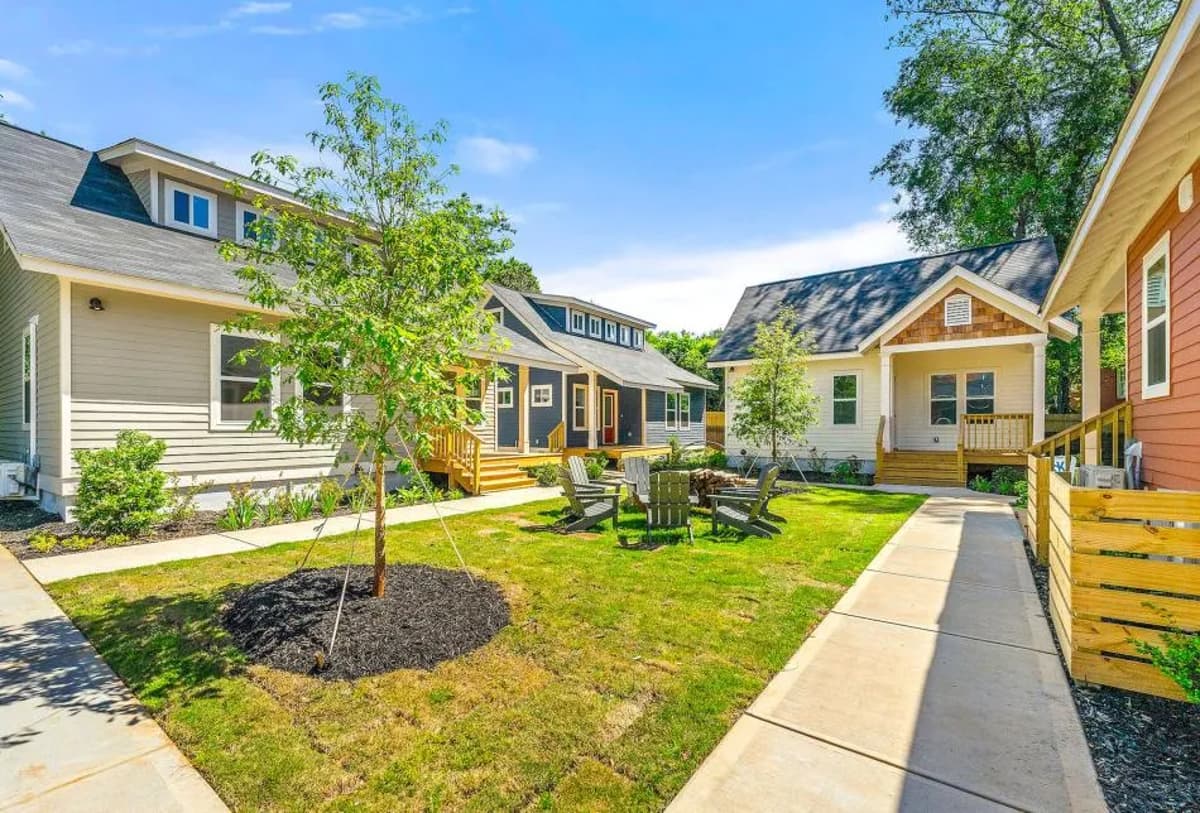
You Have More Land Than You Think
The article shows how churches and other faith‑based groups can turn modest parcels of land into high‑density, affordable housing. Using examples from the Homelessness & Incremental Housing Toolkit, it demonstrates fitting five units on a 0.15‑acre lot and eleven units...
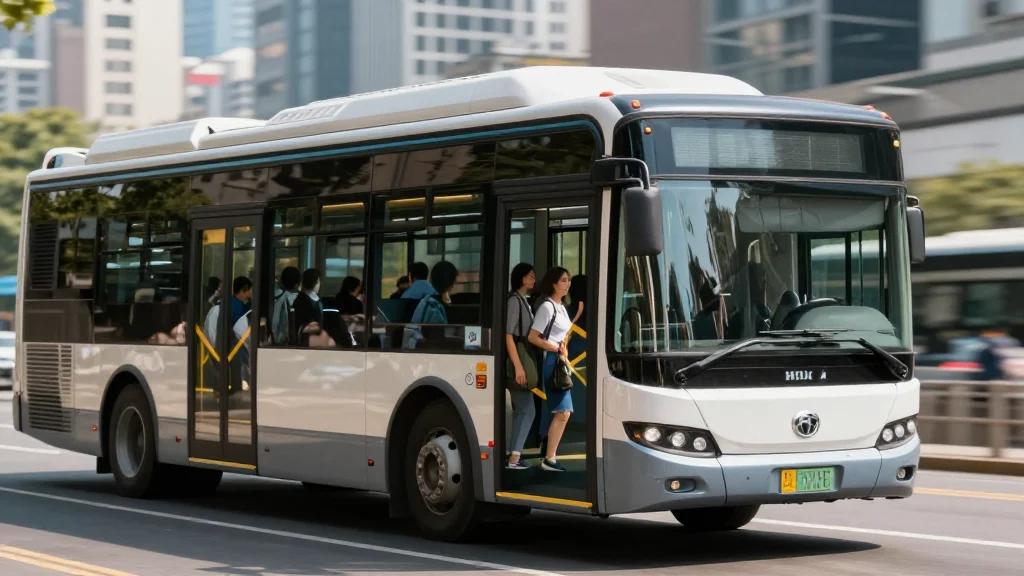
Innovation Theater
Federal transit funding increasingly rewards projects that look innovative—distinct vehicles, branded stations, and separate corridors—rather than those that improve service. The Albuquerque Rapid Transit (ART) BRT line was built to meet these visual criteria, which limited flexibility and forced transfers....

In Madison, Safer Streets Started With a Simple Test
After repeated vehicle crashes at a Madison coffee shop, community members proposed keeping a rush‑hour parking lane permanently as a safety measure. The city tested the idea by simply covering lane‑use signs with bags, allowing the lane to serve as...
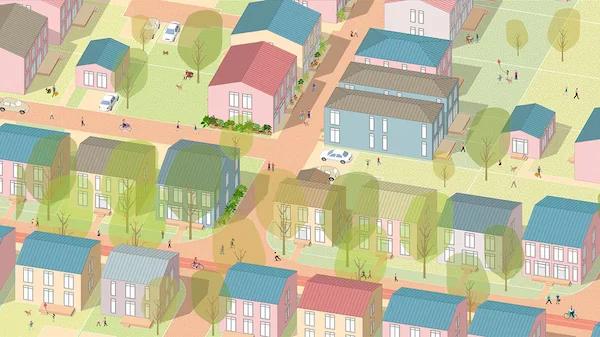
What Street Design Has to Do With the Housing Shortage
Street design, not just zoning, is a hidden driver of housing supply in North America. Standard engineering standards—especially 65‑foot-wide streets—consume large swaths of developable land, capping density at three to five homes per acre. A pilot project near Ottawa showed...
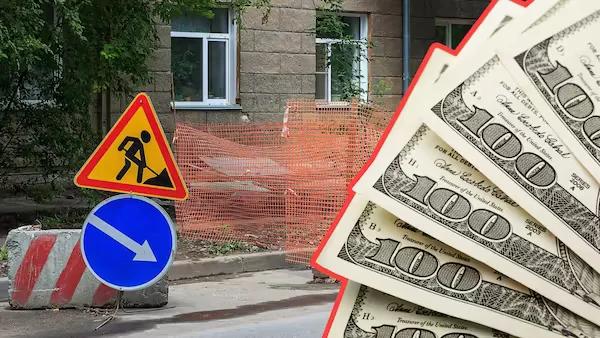
When the County Asks the City to Take Over a Road
County proposals to shift road maintenance to cities seem straightforward, but they transfer long‑term upkeep responsibilities. Cities seek control to add crosswalks, trees, and narrower lanes, aligning streets with local land uses. However, ownership brings decades‑long financial obligations for pavement,...

The Myth of Mobility: Why Faster Cities Often Leave People Behind
Modern U.S. cities have been shaped by highway‑centric planning and metrics like Level of Service that prioritize vehicle speed over human accessibility. This focus separates homes from everyday amenities, forcing residents—especially those without cars—to travel longer distances for basic needs....
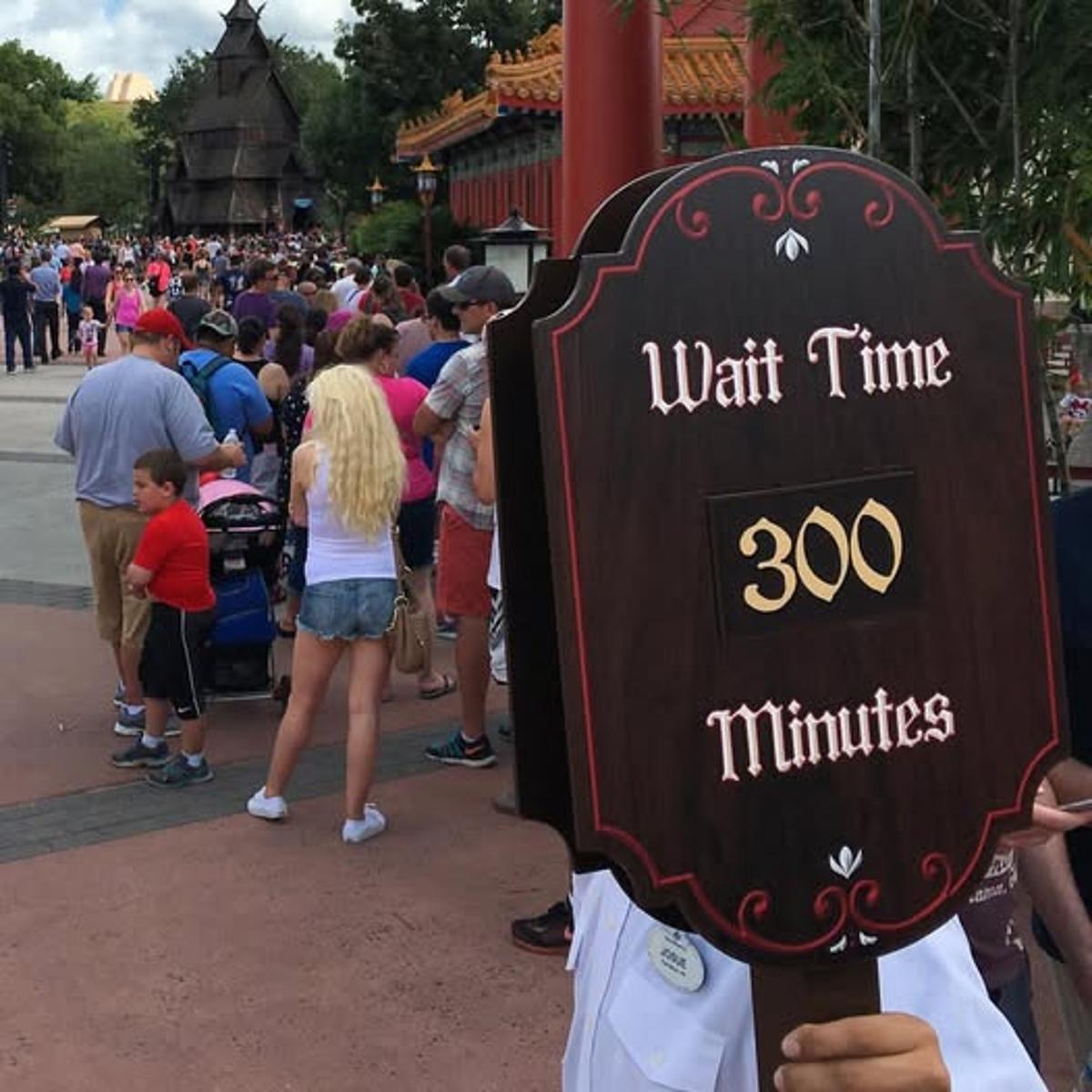
The Highway Expansion Lightning Lane
The article contrasts two parallel tracks in America’s transportation financing: a fast, well‑funded “Lightning Lane” for highway expansions and a slow, competitive grant system for local street safety projects. While expansion projects move quickly through large pots of money, city‑level improvements...
.webp)
I Was Angry About Housing. So I Tried to Build One.
After years studying housing policy, the author bought a vacant lot in Indianapolis and built a modest 1,200‑sq‑ft home using a physician loan that offered 100% financing at 3% interest. The experiment revealed how credential‑based financing grants access to some...

When We Treat Neighborhoods Like a Matching Tea Set
Strong Towns argues that neighborhoods should avoid both radical overhauls and permanent freezes, advocating for incremental, adaptable change. Master‑planned communities resemble a matching tea set—perfect at launch but brittle when altered—locking in constraints like missing retail or freeway dependence. The...