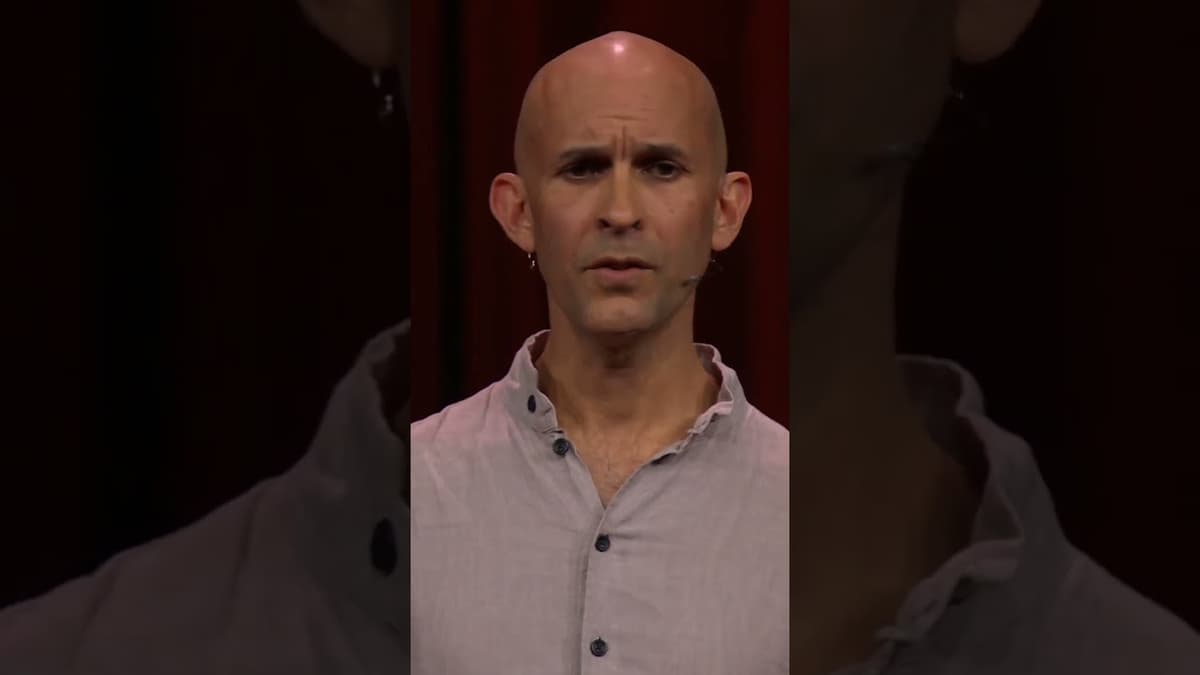
Many Experts Think Conscious AI Is an Inevitability. Neuroscientist Anil Seth Thinks They’re Wrong.
Anil Seth, a neuroscientist with three decades studying brains, argues that conscious AI is fundamentally impossible. He separates consciousness—subjective feeling—from intelligence—problem‑solving ability—and warns that conflating the two reflects human psychology, not reality. Seth emphasizes that consciousness is about inner experience—the taste of coffee, the warmth of a fire—whereas AI, as computer software, can only simulate behavior. Even the most advanced models lack any “dark inside” and cannot truly perceive a sunset or feel joy. He illustrates his point with rhetorical questions: “Will a robot ever gaze at a sunset and experience the beautiful colors?” and stresses that machines will remain objects, never subjects. This challenges the common narrative that AI will eventually become sentient. The takeaway for businesses and policymakers is to temper expectations, avoid over‑investing in speculative conscious‑AI projects, and focus on leveraging AI’s task‑oriented strengths while recognizing the unique value of human consciousness.

A Future Living with Robots Isn’t Science Fiction — It’s Practical, Messy and Already Here #TEDTalks
The TED Talk spotlights Toba, a domestic robot living alongside its owner, and uses everyday anecdotes to illustrate how embodied AI is already infiltrating private and public spaces. The speaker argues that the proliferation of such machines demands immediate legal...

Not All Superheroes Wear Capes. Some Hand Out Books! #TEDTalks
In a recent TED Talk, a self‑described “radical street librarian” outlines a grassroots effort to bring books directly to neighborhoods that lack easy library access. She installs free public book vending machines, hosts street‑corner story times, and sets up pop‑up...
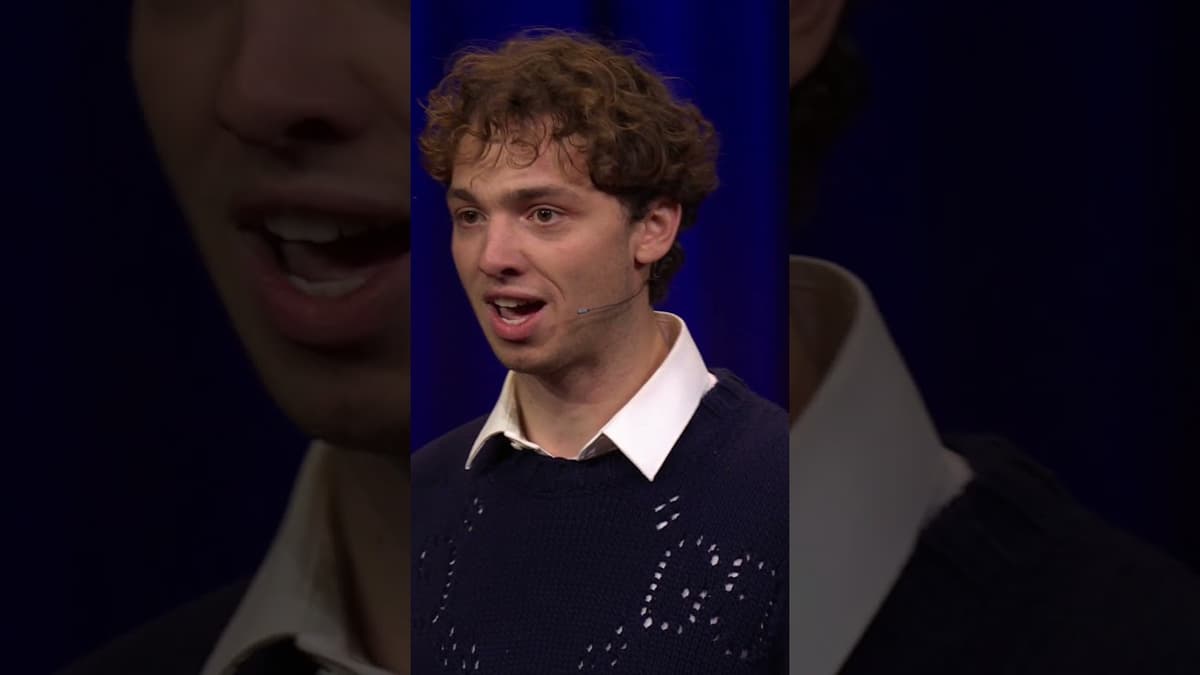
“We Are All Looking for a Sense of Purpose and Community” #TEDTalks
The TED Talk argues that confronting conspiracy believers with contempt only entrenches them, urging a shift from ridicule to empathy. The speaker highlights that conspiratorial groups satisfy fundamental human drives—purpose, identity, and community—making them attractive beyond the factual content of the...
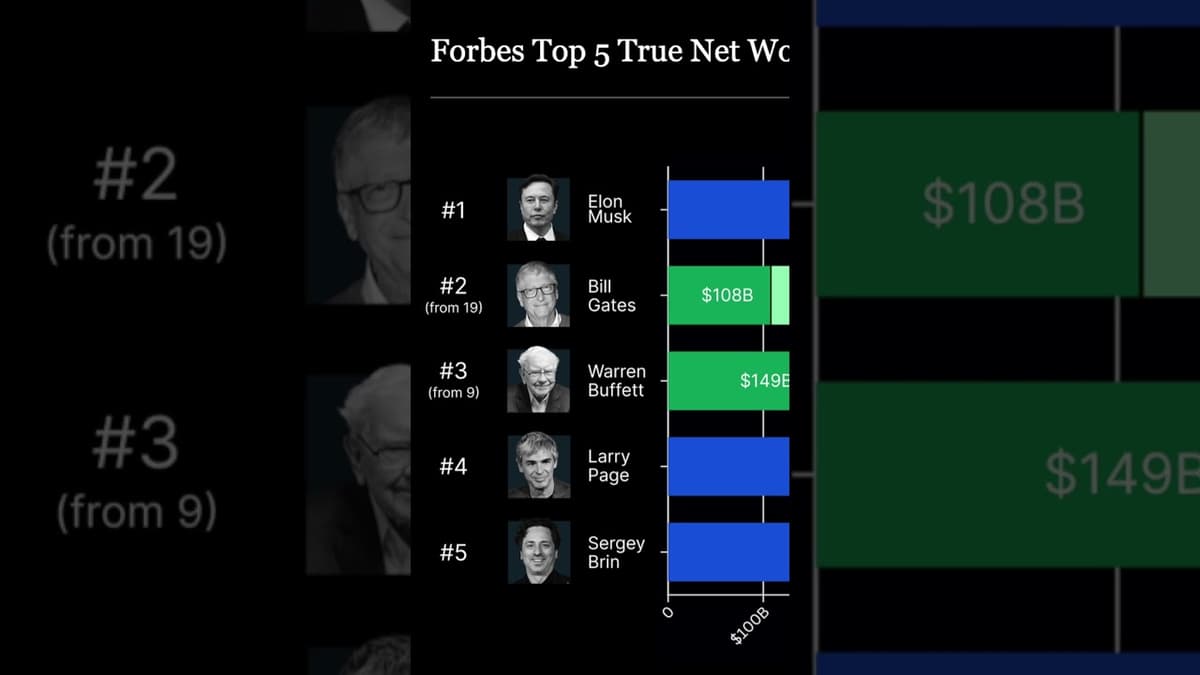
What if We Tracked How Much the Richest People Give, Not Just What They Make? #TEDTalks
The TED Talk introduces “True Net Worth,” a metric that adds the amount a person has donated to their conventional net‑worth figure, effectively rewarding generosity alongside wealth. By recalculating rankings, donors surge ahead of traditional billionaires; the speaker shows the top...
Even the Galaxy Far, Far Away Runs on Curiosity #TEDTalks
The TED Talk highlights how curiosity fuels innovation at Industrial Light & Magic and Lucasfilm. Speaker James Cameron (or a senior ILM creative) explains that many of the studio’s iconic visual‑effects breakthroughs begin with a single hunch—an expert‑informed question about whether...
When You Can’t Push Any Further, Something Has to Shift #TEDTalks
The TED Talk explores how unprocessed trauma can drive perfectionism, overwork, and self‑destruction, especially when a defining career collapses. The speaker recounts numbing her grief with relentless productivity after a decade‑long company shut down, illustrating how identity can become entangled...
How to Make Sure Your IRL Is *Actually* IRL
The video urges viewers to reclaim real‑world interaction amid an AI‑saturated environment, using the speaker’s personal loss of his father as a catalyst. Three “old habits” are presented: pausing for a second before reacting, allowing oneself to wonder rather than drown...
OpenClaw’s Peter Steinberger Envisions a World Where Anyone — and Everyone — Can Create AI Agents
Peter Steinberger, co‑founder of OpenClaw, argues that the next wave of artificial intelligence will be defined by a swarm of specialized agents—personal, professional, health‑focused, and relational—working together in a secure ecosystem. He likens this shift to humanity’s historical leap through...
The Relationship Between Farmers and the Sun Just Got an Upgrade #TEDTalks
In this TED Talk, farmer‑entrepreneur shares how a solar‑powered water pump from Sun Culture transformed his drought‑stricken coffee farm, offering a practical answer to water scarcity that plagues millions of smallholder growers worldwide. He explains that climate change has made rain...

Feeling Like Progress Is Impossible? You’re Not Alone — Here’s How to Keep Pushing Forward #TEDTalks
The TED Talk addresses the pervasive sense of hopelessness when confronting massive crises, focusing on the speaker's experience supporting Afghan girls under Taliban rule. She outlines three lessons: begin with modest actions like underground schooling, partner with creative and athletic communities...
Monarch Butterfly Migrations Are a Spectacle — and a Key Indicator of Ecosystem Health #TEDTalks
The TED Talk spotlights the monarch butterfly’s epic 3,000‑mile migration, a multi‑generational journey that serves as a barometer for ecosystem health. By tracing the insects from Mexican overwintering sites to breeding grounds across the United States, the speaker underscores...
Even if You’re Not a Gardener, Its Time to Get Your Hands a Little Dirty #TEDTalks
The TED Talk urges anyone, even non‑gardeners, to plant native species in simple containers, framing it as an immediate, low‑cost response to climate anxiety and urban ecological decline. It argues that a modest pot on a stoop can contribute to...
Professor Meghan Sullivan Explains How She Made Asking Questions Into a Career #TEDTalks
Professor Meghan Sullivan’s TED Talk centers on turning a love of questioning into a professional vocation. She recounts how a single philosophy class sparked her desire to explore fundamental beliefs, leading her to a university role where she teaches and...
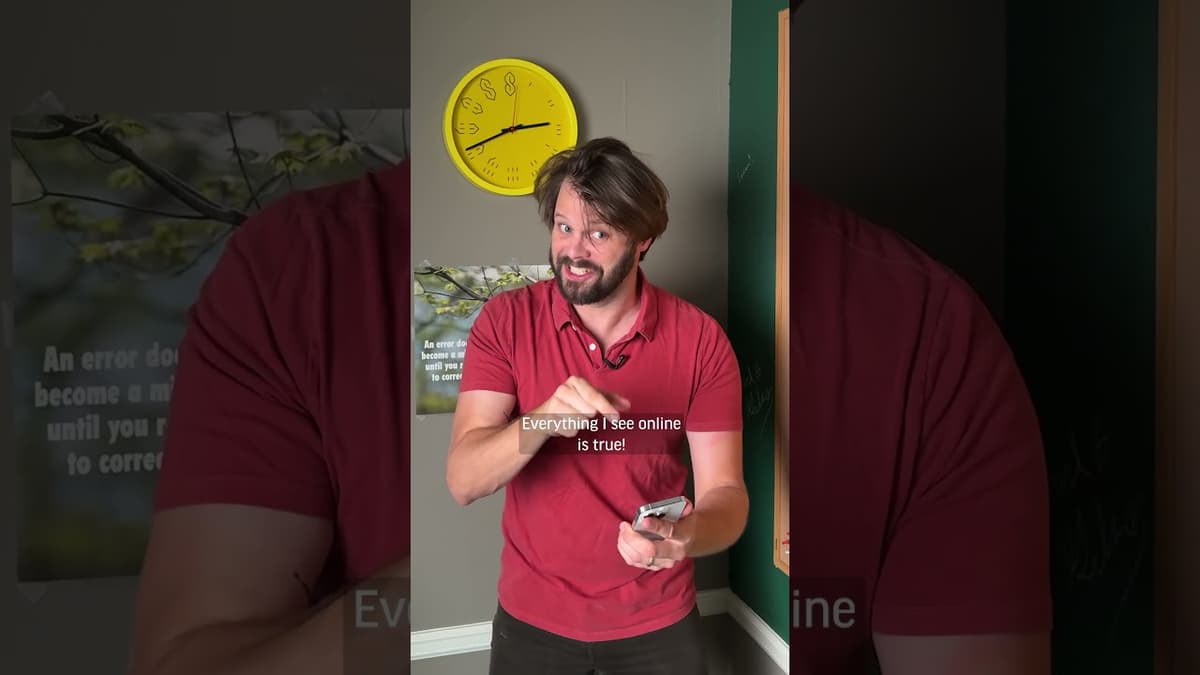
Fake News Is Everywhere — @DaveJorgenson Says Respond with a Punchline #TEDTalks
In a recent TED Talk, comedian‑analyst Dave Jorgenson dissects a viral “rapture” prediction that exploded on TikTok, using the absurdity of a South‑African dream‑prophet to illustrate how fake news proliferates across new platforms. He notes that fear spreads six times faster...