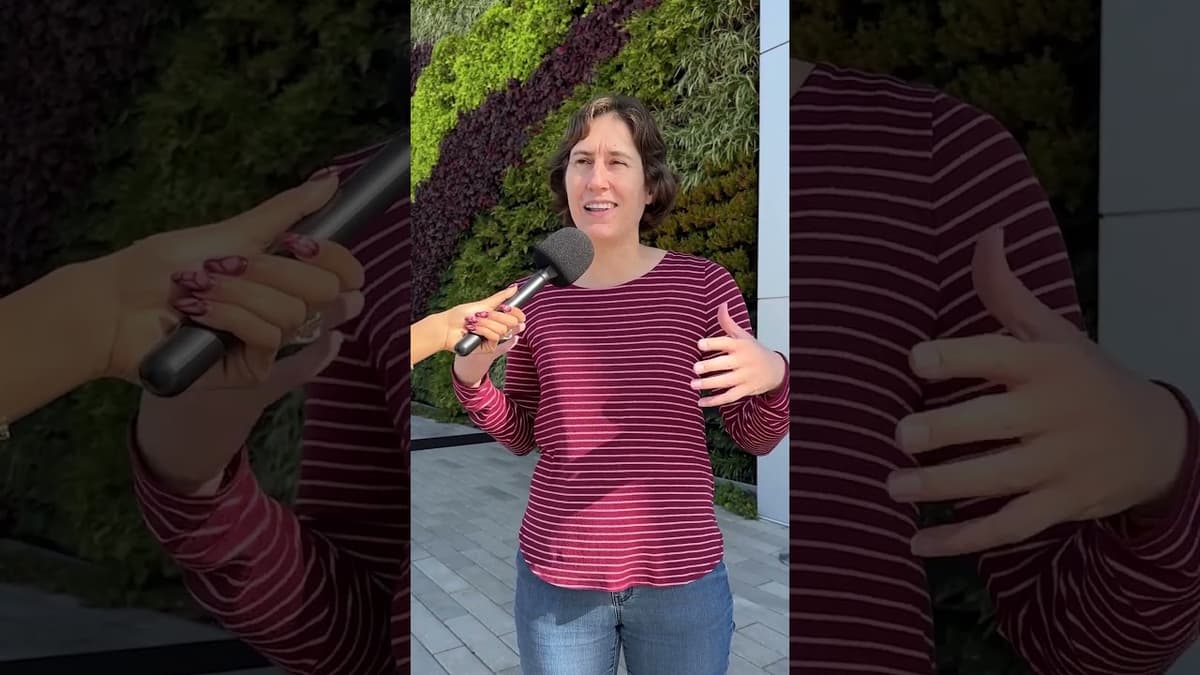
Studying the Universe for a Living? Sounds Like a Pretty Big Job #TEDTalks
In a recent TED Talk, a cosmologist and science communicator explains how he spends his days studying the universe and translating complex astrophysical concepts for broader audiences. He outlines the core questions driving his research—origins, composition, fate, and governing principles of the cosmos—and emphasizes that these mysteries are approachable through rigorous scientific methods. He also describes his transition from a traditional academic track to a hybrid role at the Perimeter Institute, which blends theoretical work, teaching, and public outreach. Key remarks include, “It is something that we can actually study with scientific methods,” and his career advice: “Figure out what’s important to you, find a position that works for you, and maybe make one if it doesn’t exist.” The talk underscores the growing demand for scientists who can both push the frontiers of knowledge and engage the public, offering a roadmap for aspiring researchers to craft personalized, impact‑driven careers.

Have You Heard of Aphantasia? Here’s What It Is — and How to Know if You Have It #TEDTalks
The TED Talk introduces aphantasia, a neurological condition where individuals cannot conjure visual images in their mind’s eye, illustrating the concept with a vivid rocket‑ship scenario that the speaker himself cannot picture. Research highlighted in the talk shows that aphantasia...

Babies May Seem Oblivious — but Their Minds Are Actually Hard at Work. #TEDTalks
Babies' seemingly oblivious behavior masks sophisticated risk assessment, as shown in a recent TED Talk. The speaker presents laboratory experiments where one‑year‑olds willingly step off steep drop‑offs, revealing that fear of heights does not appear until months of walking experience...

Turns Out You *Should* Be Taking Work Less Seriously #TEDTalks
The TED Talk argues that taking work less seriously by embracing humor can transform leadership and team dynamics. It challenges the conventional view that levity undermines seriousness, presenting laughter as a powerful cognitive and emotional tool. Research cited includes a global...

Can You Put the Pieces Together? Test Your Deduction Skills with Pixellence, a New Game From TED.
The video introduces Pixellence, a new deduction‑based game from TED that asks participants to assemble a hidden picture using scattered tiles. Set in a playful office “games department,” the skit demonstrates how the challenge unfolds: a colleague seeks a missing...

How Many Hours = a Great TED Talk? Here’s How These Speakers Prepped for the TED Idea Search
The video dissects the rehearsal discipline behind successful TED talks, showing that a six‑minute stage slot demands hours of preparation. Speakers recount rehearsing dozens of times—before mirrors, family, even while sleeping—emphasizing aloud practice until the delivery feels natural. They stress starting...

“Stripped of the Emotional Component, Fear Is Simply Information” @MichelleKhare #TEDTalks
Michelle Khare's TED Talk reframes fear as data, using her personal quest to replicate Houdini's water‑torture cell as a narrative anchor. She details the physiological cascade of a breath‑hold: carbon‑dioxide buildup triggers the brain's suffocation alarm, prompting violent diaphragm contractions. By...
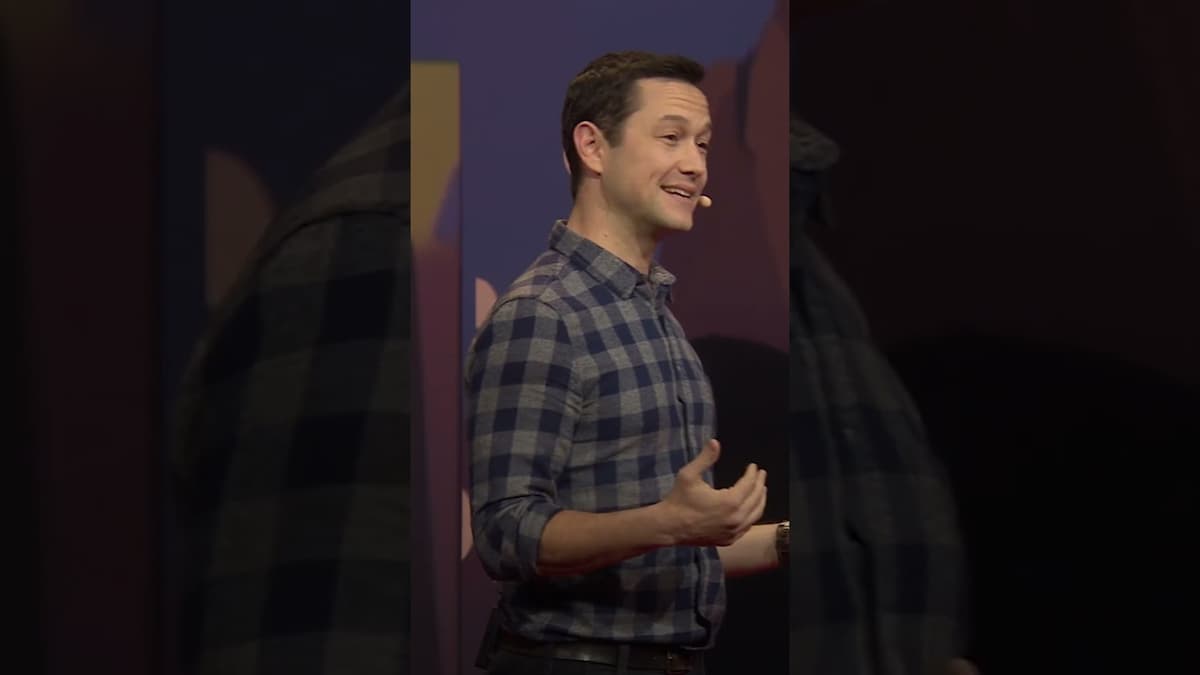
Is This the Cost of Creating for Likes and Shares? #TEDTalks
The TED Talk examines how the modern attention economy reshapes creativity, turning artistic expression into a vehicle for likes, shares, and viral metrics. The speaker argues that while digital platforms have democratized distribution, they also embed a relentless drive for...

What if Plastic Didn’t Last Forever? #TEDTalks
The talk introduces a new class of biodegradable bioplastic created by a startup that harnesses bacteria to eat organic waste. Founded in 2018, the company transforms by‑products such as spent brewery yeast into a polymer that behaves like conventional petroleum‑based...