
The Californication of Middle-Class Chinese Diets
China’s expanding middle class is gravitating toward cleaner, health‑focused diets that often emulate Western standards. Restaurateurs like Hangzhou’s Dai Jianjun are paying farmers premium, above‑market rates to secure pesticide‑free produce, a practice that helped his Dragon Well Manor earn a Michelin star. The shift reflects a broader cultural belief that culinary sophistication signals generational wealth. As demand for foreign‑style, organic food rises, supply chains across Zhejiang and beyond are being restructured.
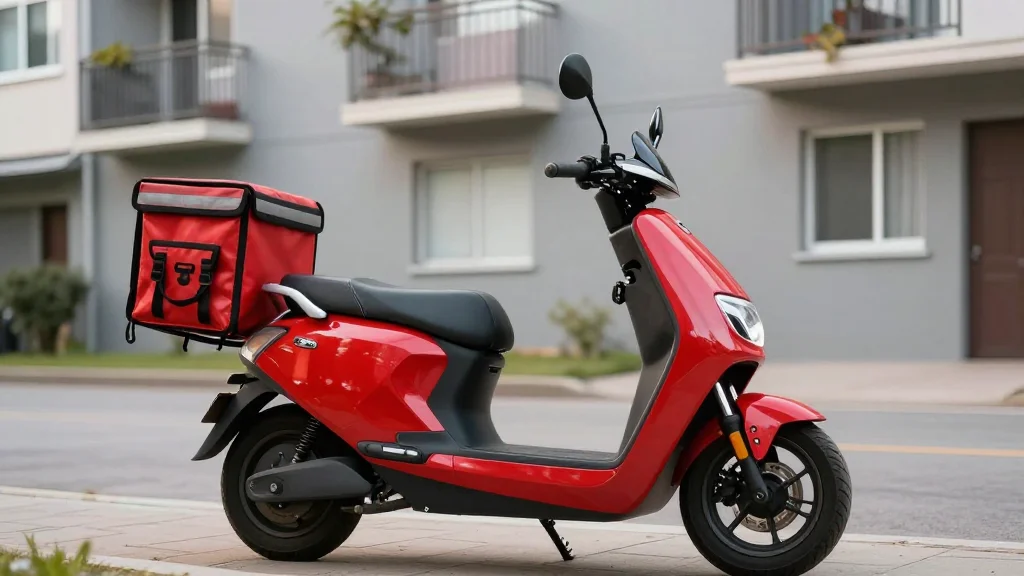
China’s Delivery Drivers Are Its Most Obvious Underclass
China’s rapid e‑commerce boom has created a massive fleet of scooter‑bound delivery drivers, who now represent the country’s most visible underclass. Most earn between $500 and $600 a month, barely covering basic living expenses and forcing them into cramped, low‑cost...
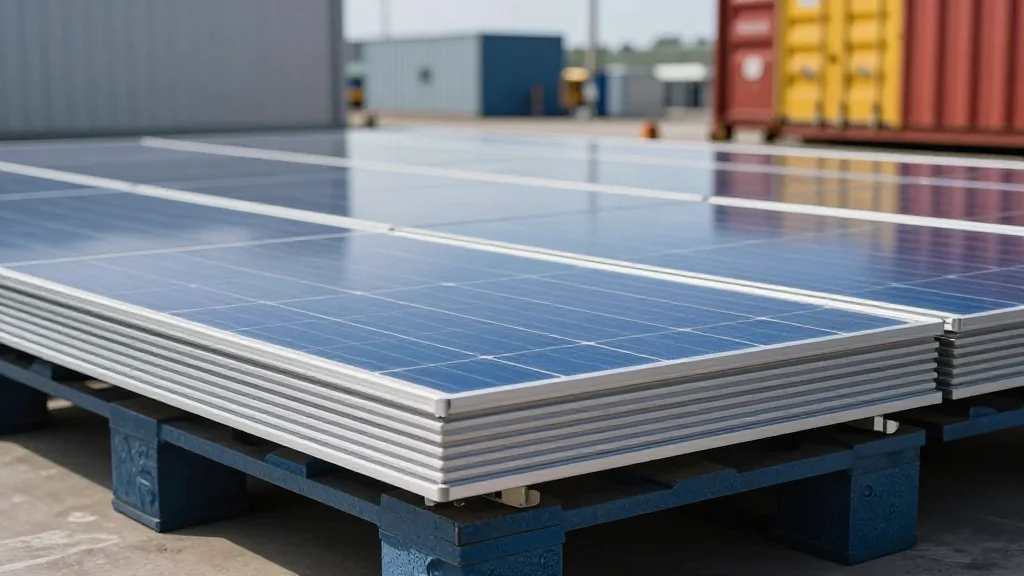
China’s World-Beating Solar Industry Is in Turmoil
China produces more than 80% of the world’s solar panels, cementing its role as the global supply hub. A surge in geopolitical tension from the Middle‑East war has lifted energy prices, but it hasn’t stabilized China’s solar sector, which is...

What China Can Learn From Japan About Escaping Deflation
Japan has finally emerged from its two‑decade deflationary slump through a mix of aggressive monetary easing, targeted fiscal stimulus, and structural reforms. China, meanwhile, is slipping back into deflation as its property sector falters and external shocks, such as the...
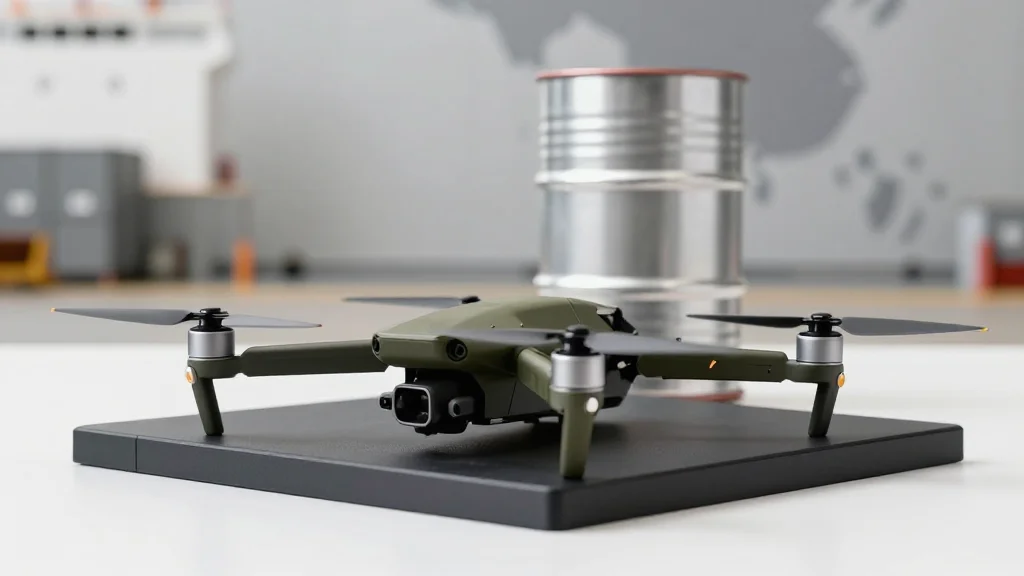
How China Quietly Helps Russia in Ukraine
China’s supply chain has become a critical lifeline for Russia’s war effort in Ukraine, delivering large volumes of dual‑use components such as drones, nitrocellulose for rockets, and other materials. While Beijing publicly claims neutrality, the flow of these items bypasses...
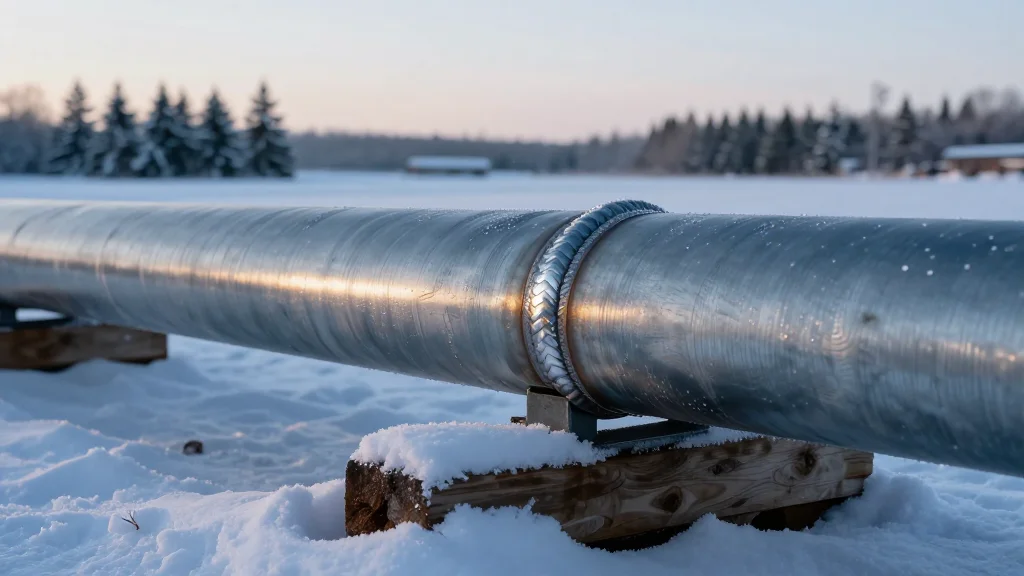
Now It’s Vladimir Putin’s Turn to Visit Beijing
Russian President Vladimir Putin announced a two‑day visit to Beijing on May 19‑20, following a brief encounter between President Donald Trump and Xi Jinping. The trip is expected to focus on finalising a long‑planned natural‑gas pipeline linking Siberia to China, a...
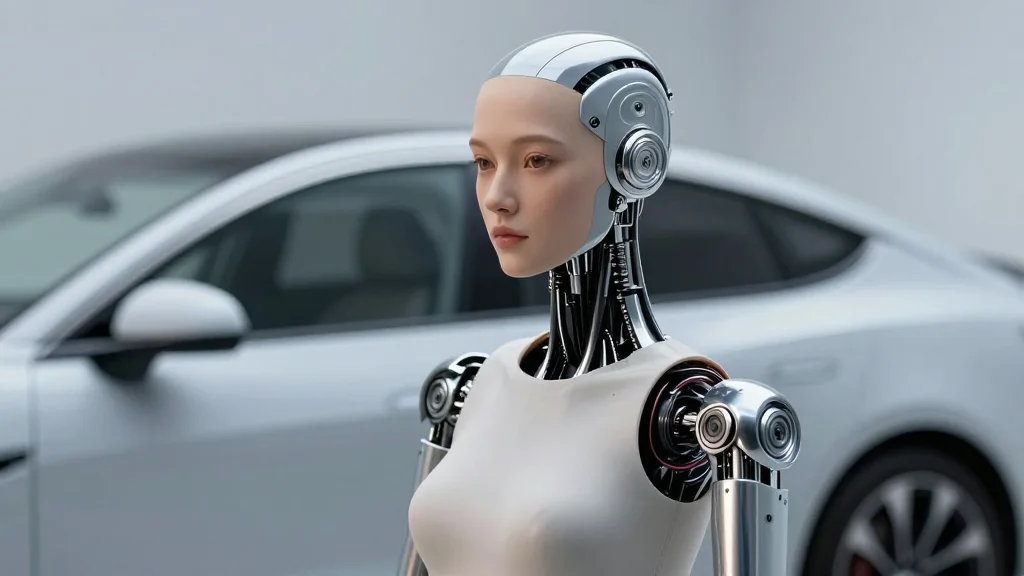
Can a Chinese EV-Maker Reinvent Itself as a Robot Firm?
At Xpeng's annual tech showcase, the company surprised attendees by presenting a lifelike female humanoid robot named Iron. CEO He Xiaopeng dramatically sliced the robot's synthetic skin on stage to reveal its mechanical internals, underscoring that the creation was entirely...

China Knows that Governing New Tech Can Be Harder than Inventing It
Beijing announced a citywide ban on drone sales, citing security concerns. The restriction has pushed drone training operations, such as the Shenghang centre, to neighboring Hebei province where rules are looser. The move underscores China’s broader challenge of regulating emerging...

China Thinks America Is Declining but Still Uniquely Dangerous
Chinese scholars in Beijing released a sarcastic report that thanks President Donald Trump for exposing what they call America’s “imperial twilight.” The paper argues that Trump’s policies have driven U.S. allies away, increased economic pressure on China, and highlighted a...

Xi Jinping Wants China to Read More—As Long as It’s the Right Books
Chinese President Xi Jinping has launched a nationwide campaign urging citizens, especially young people, to read more, but only books that align with party ideology. The initiative, announced alongside a high‑profile visit to the BinHai library in Tianjin, calls for...
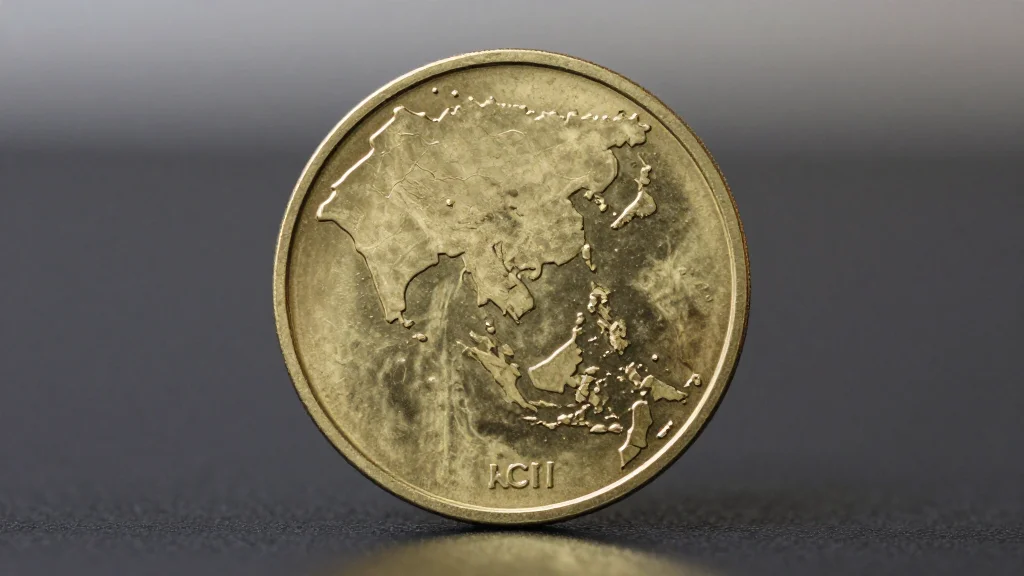
Why China’s Exports Will Keep on Rising
China’s export momentum is accelerating, with semiconductor shipments leading the surge. In the first quarter of 2026, Chinese firms shipped transistors—particularly IGBTs—up 26% in dollar terms versus the same period a year earlier. The growth spans diverse markets, from motorbike...
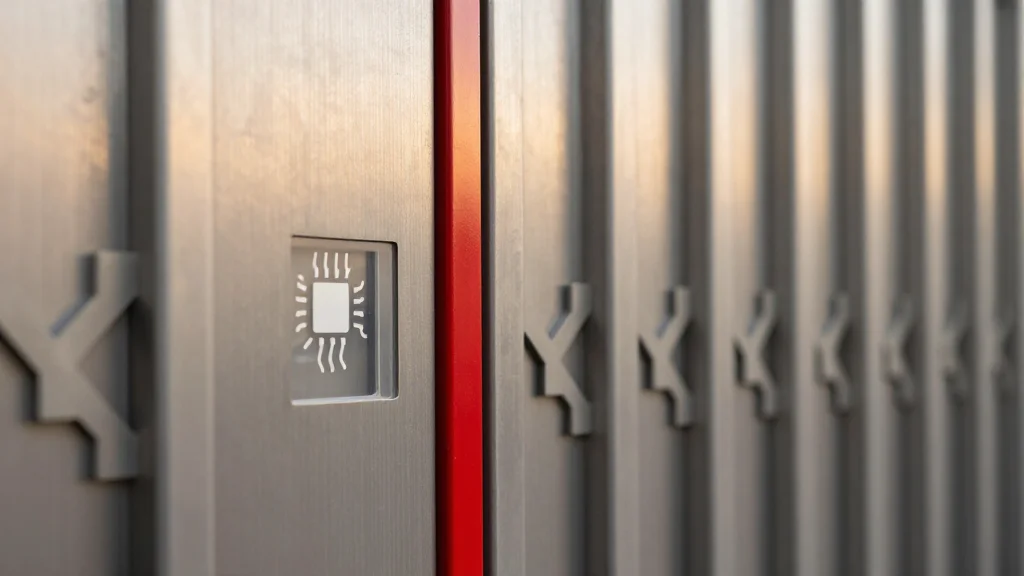
The World Wants Chinese Tech. China Is Determined to Keep It
Global companies are increasingly alarmed that China is tightening control over its most advanced technologies, shifting the narrative from fears of technology transfer to concerns about technology denial. A former Chinese trade official acknowledged the paradox, noting that while China...
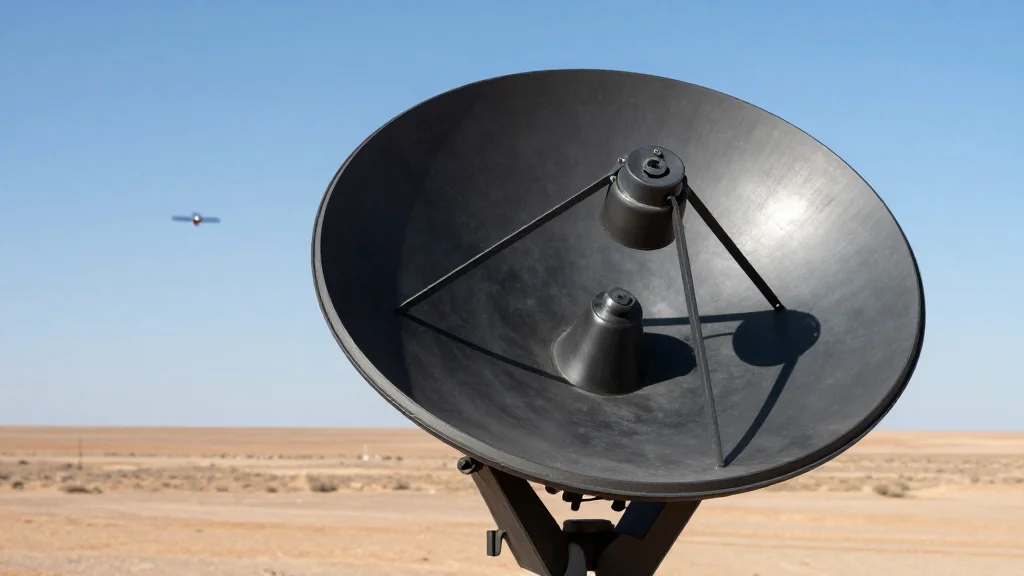
How Chinese Satellites Have Boosted Iran’s War Effort
Since the launch of Iran’s Operation Epic Fury on Feb. 28, U.S. satellite coverage over the conflict zone has been intermittently denied, creating an intelligence gap. Beijing stepped in by providing Chinese satellite imagery, allowing Tehran to monitor battlefields and coordinate...
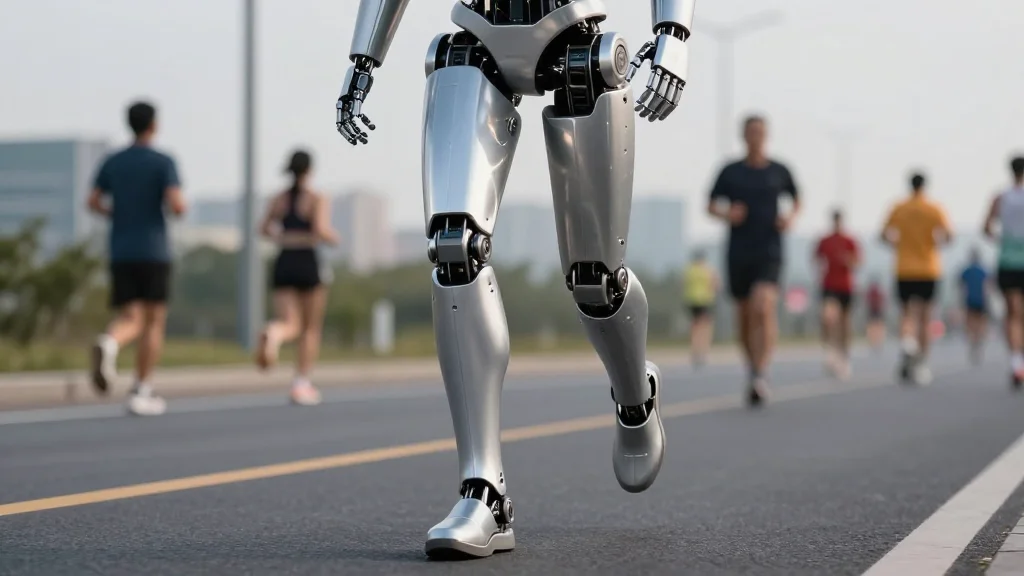
Training for Beijing’s Humanoid Half-Marathon Is Gruelling
On April 19, Beijing’s Yizhuang industrial‑technology park will host a half‑marathon featuring more than 300 humanoid robots running alongside thousands of human participants. The event marks a dramatic rise from last year’s inaugural race, which saw only 21 robots enter...
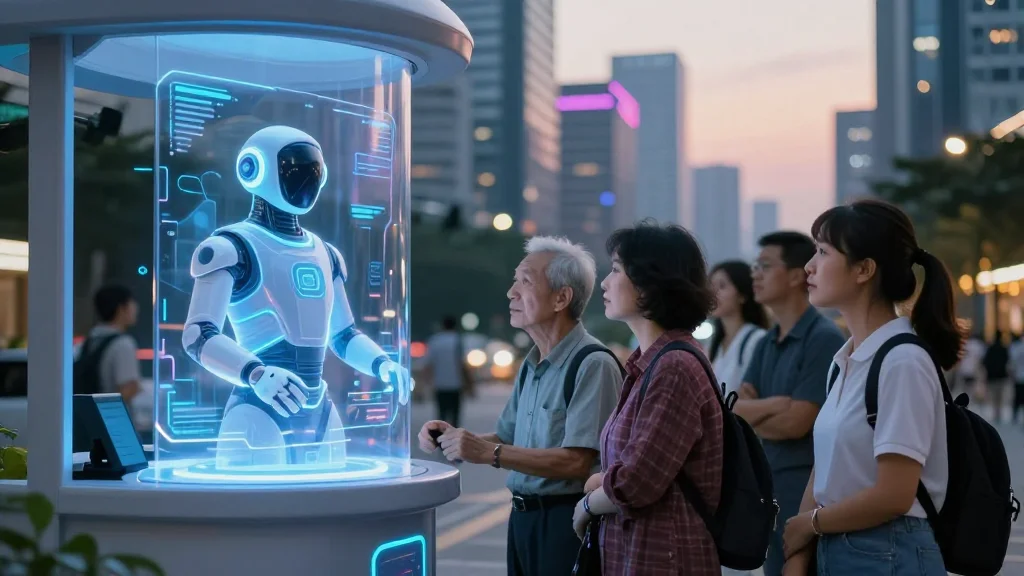
Why China’s Government Worries About AI
China’s leadership is growing uneasy about artificial‑intelligence’s ripple effects on employment, national security, and its rivalry with the United States. The article spotlights Tencent’s new AI assistant OpenClaw, which has drawn long queues of pensioners and students in Shenzhen, illustrating...