Why 2026 Could Be the Breakthrough Year for Corporate Crypto
Corporate crypto is poised for a breakout in 2026 as regulatory certainty arrives. The EU’s MiCA framework and U.S. proposals such as the GENIUS Act and RPAA establish licensing and reserve rules for stablecoins, giving CFOs a defined compliance landscape. Stablecoins promise near‑instant, transparent cross‑border settlement, addressing long‑standing treasury pain points in sectors like CFD trading, iGaming and luxury aviation. With custodial and audit infrastructure maturing, firms are moving from experimental pilots to operational implementation.

Embat Secures €30M Series B to Scale Agentic AI Across UK and European Treasury
Embat, a fintech founded by former J.P. Morgan executives, announced a €30 million ($32.4 million) Series B round led by Cathay Innovation to accelerate its agentic AI treasury platform across the UK and Europe. The company claims its AI‑native suite can automate up to...
J.P. Morgan’s Mali Bartlett on the Virtual Netting Revolution
J.P. Morgan Payments Managing Director Mali Bartlett outlines how virtual netting replaces traditional batch settlement with invoice‑by‑invoice processing via in‑house bank virtual accounts. The approach tackles the hidden costs of fragmented intercompany systems—estimated at up to 30% of transaction volume—by...

The End of the Yellen-Era Debt Playbook?
U.S. Treasury is moving away from Janet Yellen's short‑term bill‑heavy issuance strategy as new Treasury Secretary Scott Bessent prepares to confront a $10 trillion debt wall in 2026. Bessent’s “3‑3‑3” plan targets 3 % GDP growth, a 3 %‑of‑GDP deficit by 2028, and...

Oil, Metals, and the Dollar: What Treasury Professionals Must Watch
U.S. military action in the Strait of Hormuz has turned the waterway into a critical chokepoint, driving oil prices higher and tightening treasury payment timelines. At the same time, Iran’s attempts to use the Chinese yuan for oil fees highlight...

FIFA Secures Last-Minute Federal Tax Breakthrough for 2026 World Cup Teams
FIFA clinched a last‑minute agreement with the U.S. Treasury that grants all 48 2026 World Cup participants exemption from federal taxes on tournament earnings. The deal aligns the United States with Canada and Mexico, which already offered blanket tax breaks,...

Accountability Vs. Agility: UK’s New SM&CR Mandates
The FCA and PRA rolled out Phase 1 of SM&CR reforms on 24 April 2026, introducing a more proportionate regime for senior managers. The 12‑week rule now requires only the submission of a Senior Management Function (SMF) application within 12 weeks, with regulators...
Scott Bessent’s ‘Swap Diplomacy’: A New Front for US Treasury
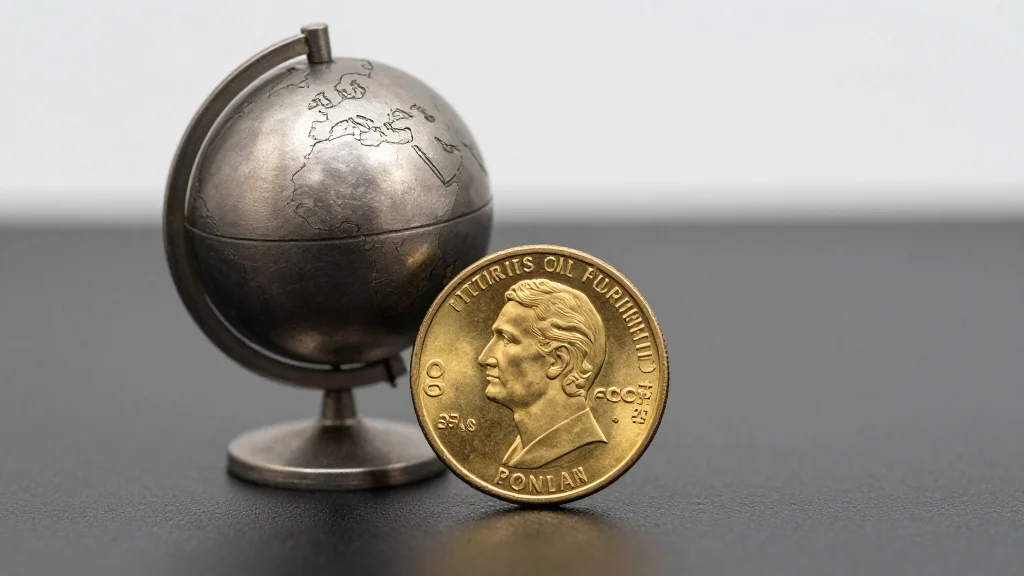
U.S. Treasury Secretary Scott Bessent is moving dollar‑swap diplomacy from the Federal Reserve to the Exchange Stabilisation Fund, beginning with a $20 billion line for Argentina and now eyeing a similar backstop for the UAE. The Treasury frames the effort as...

When the Screen Stops Deciding: How AI Is Rewiring Financial Markets
The article argues that AI is not merely a new tool but a trusted delegation layer that translates human intent into machine execution in financial markets. Market complexity forced traders to automate operations long before AI, and AI now accelerates...
Why Is the Fed Holding Firm? The New Strategic Reality for Treasurers
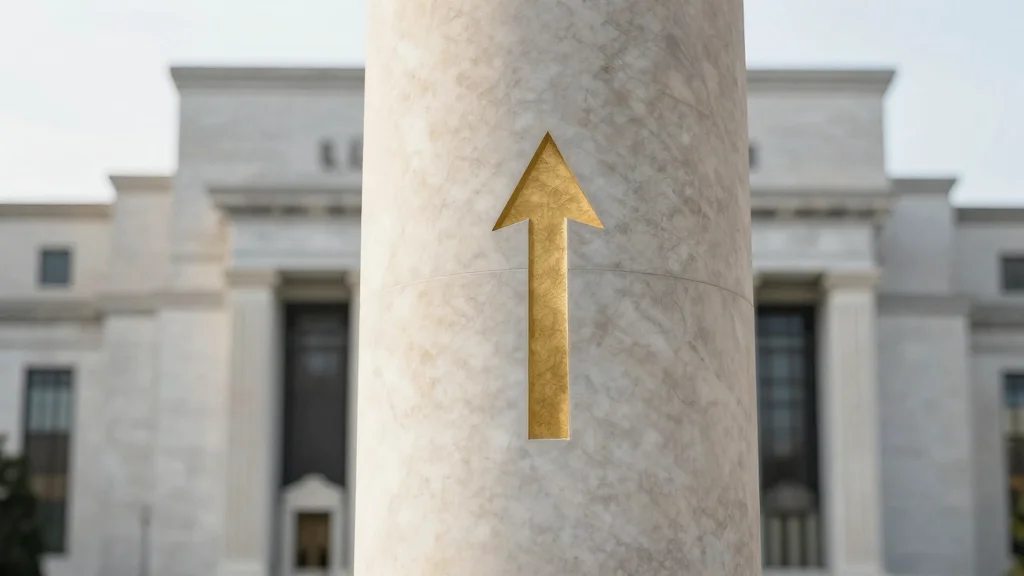
The Federal Reserve has kept the federal funds rate steady at 3.50%‑3.75% for a second pause in 2026, moving from aggressive easing to cautious observation amid geopolitical energy shocks and a looming leadership transition. Simultaneously, the Fed is purchasing up...

The Mythos Threat: Why Treasurers Must Prepare for the AI Arms Race
Anthropic’s new Claude Mythos model can autonomously discover zero‑day vulnerabilities across major operating systems and browsers, turning a defensive AI tool into a potent offensive weapon. The capability has triggered emergency meetings between transatlantic regulators and the world’s largest banks,...

US Treasury Tightens Grip: New AML Rules for Stablecoin Issuers
The U.S. Treasury, via FinCEN and OFAC, has proposed a rule that reclassifies stablecoin issuers as Permitted Payment Stablecoin Issuers (PPSIs), subjecting them to full AML and sanctions compliance. Issuers must implement standalone AML programs, file SARs for transactions of...

Why the UK Is Mulling a Centralised Testing Regime for Banking AI
UK regulators are weighing a centralized testing regime for general‑purpose AI models used by banks. The Bank of England, FCA and industry champion Harriet Rees propose that AI systems—largely sourced from US providers—must meet a UK‑specific safety and fairness benchmark...

Why the US Treasury Is Confronting the Private Credit “Black Box” Now
The U.S. Treasury, together with the Financial Stability Oversight Council, has moved from observation to active oversight of the $1.7 trillion private‑credit market. Recent FSOC meetings and Treasury‑led discussions with insurers aim to illuminate the sector’s opaque structures and systemic risk...

From Documents to Data: How AI Is Transforming the Future of Trade Finance
Artificial intelligence is rapidly reshaping trade finance by automating document extraction, rule‑based decisioning, and real‑time error prevention. HSBC’s Trade Pulse Survey shows 38% of firms already use AI, with another 46% planning adoption, accelerating predictive, near‑instant execution. Parallel regulatory advances—UNCITRAL’s...