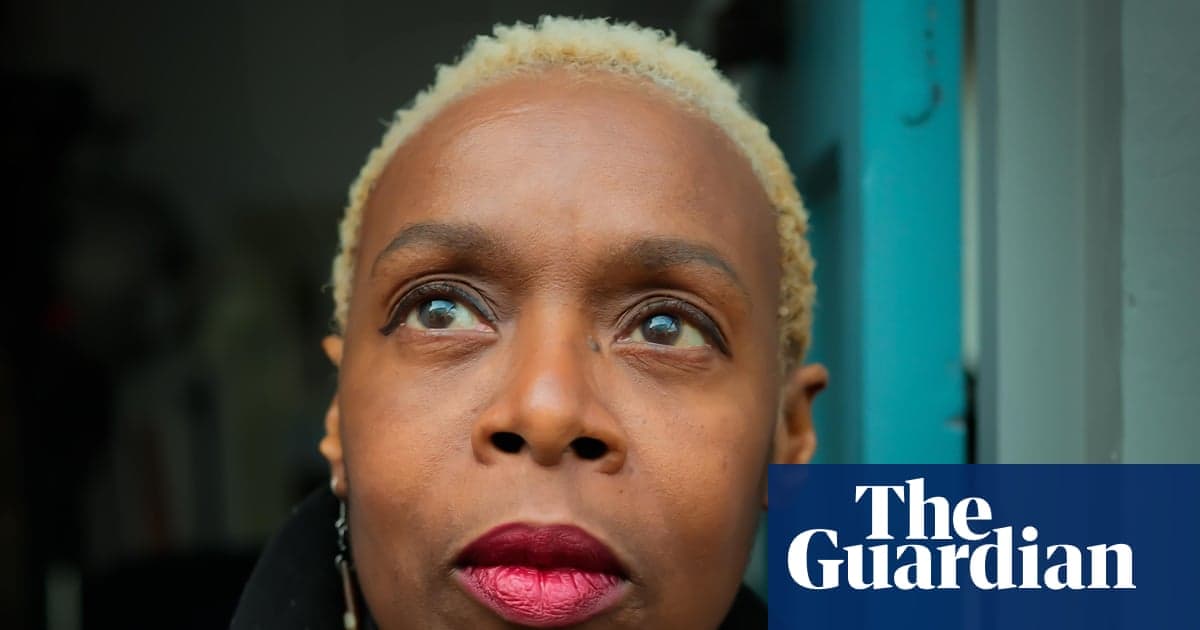
The Mercy Step by Marcia Hutchinson Review – Indie Debut on the Women’s Prize Shortlist
Marcia Hutchinson’s debut novel *The Mercy Step* has been shortlisted for the 2026 Women’s Prize for Fiction. Set in 1960s Bradford, the book follows Mercy Hanson, a child of Jamaican Windrush migrants, as she navigates poverty, racism, and domestic abuse. Hutchinson mixes Jamaican patois with Yorkshire dialect, delivering a vivid, witty portrait of a Caribbean childhood in post‑war England. Despite its harsh subject matter, the story ends on a note of empowerment through education and sport, earning critical praise for its fresh voice and cultural relevance.
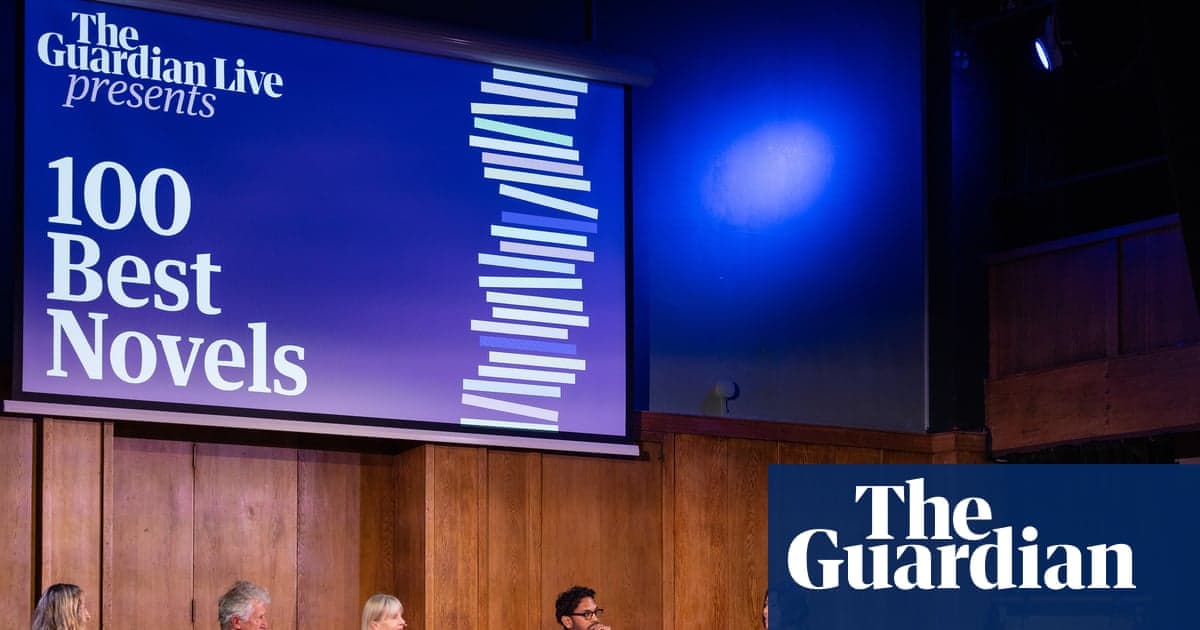
‘Andy Burnham’s Life Was Changed by the Poet Tony Harrison’: Writers Discuss Literature, Politics and the 100 Best Novels
The Guardian unveiled its 2026 list of the 100 best English‑language novels, compiled from votes by more than 170 authors, critics and academics. The panel, featuring Elif Shafak, Kate Mosse, Blake Morrison and Guy Gunaratne, discussed the ongoing reading crisis, the appeal of classic...
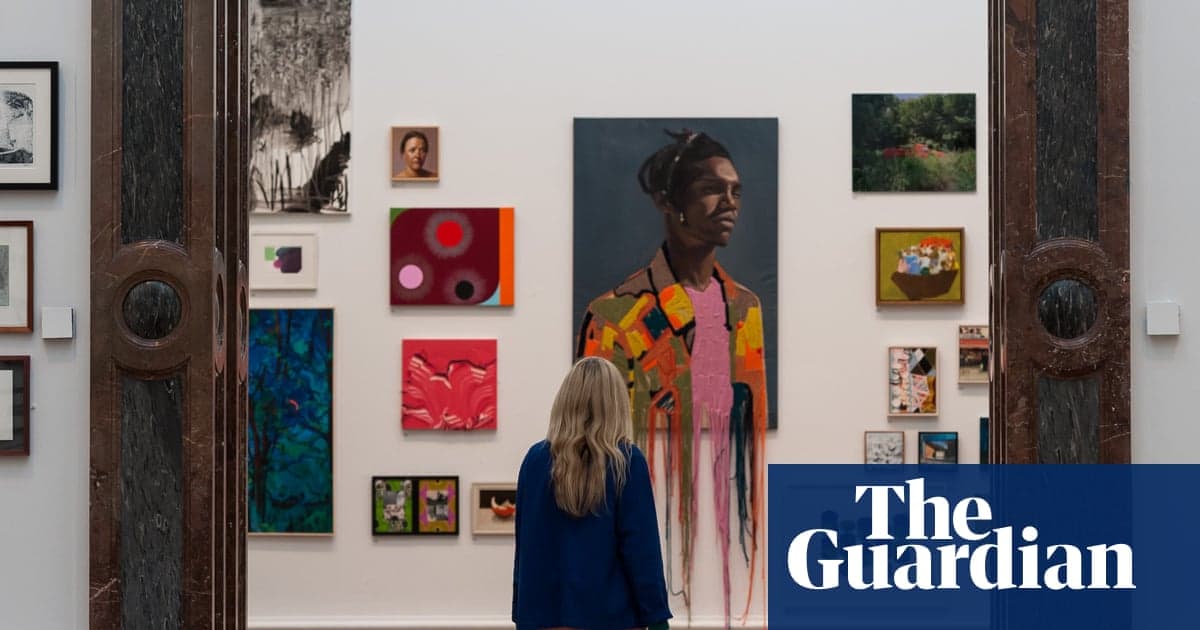
Art Cure by Daisy Fancourt Review – Is Culture the Best Medicine?
Daisy Fancourt’s new book *Art Cure* argues that artistic activities function like medicine, with measurable biological effects that improve mental and physical health. Drawing on her psychobiology research, she breaks down arts experiences into "active ingredients" such as noise buffering,...
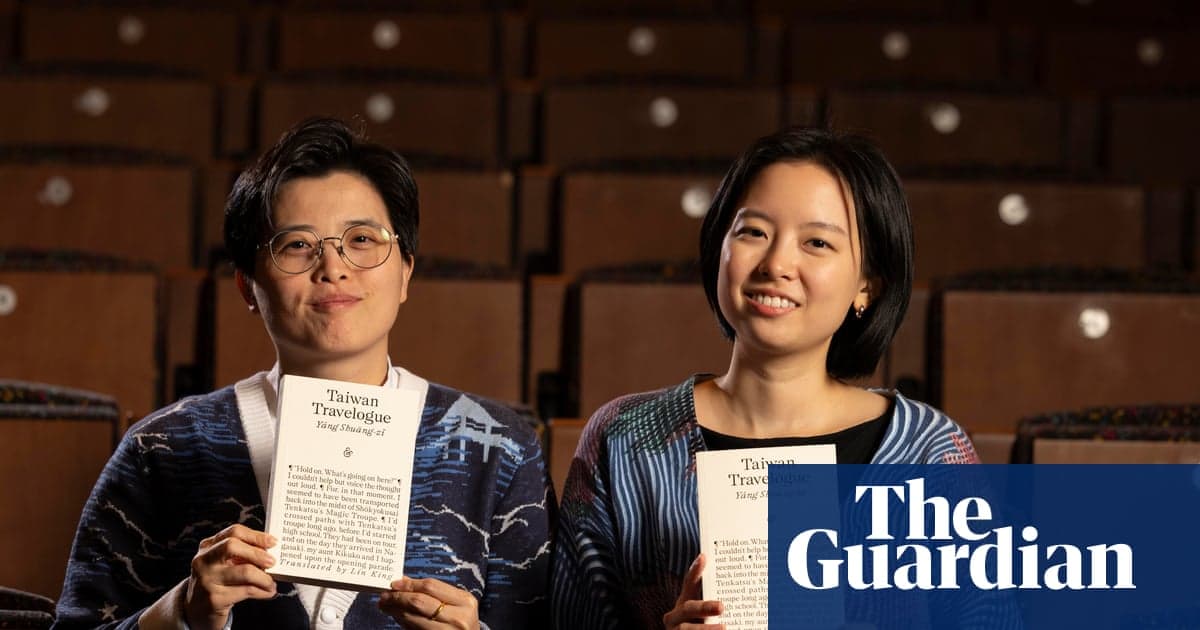
International Booker Prize Goes to Novel Originally Written in Mandarin Chinese for the First Time
Taiwan Travelogue, a novel originally written in Mandarin, has won the International Booker prize. Authors Yáng Shuāng‑zǐ and translator Lin King share the £50,000 (~$63,500) award announced at Tate Modern. The book, a metafictional love story set in 1938 Japanese‑occupied...

Offseason by Avigayl Sharp Review – Wry Comedy of a Frazzled Teacher
Offseason, Avigayl Sharp’s debut novel, follows a 28‑year‑old literature teacher at an elite U.S. boarding school who is spiraling under prescription stimulants, trauma, and a fixation on Stalin. The deadpan, absurdist narration skewers privileged student culture, the over‑use of trauma...

The Best Recent Crime and Thrillers – Review Roundup
The Guardian’s roundup highlights two standout crime thrillers. Imani Thompson’s debut *Honey* (UK £16.99, ≈ $22) follows Yrsa, a Black Cambridge PhD student whose impulsive murders become a twisted academic experiment, delivering sharp campus satire. Chris Brookmyre’s *Quite Ugly One Evening* (UK £22,...
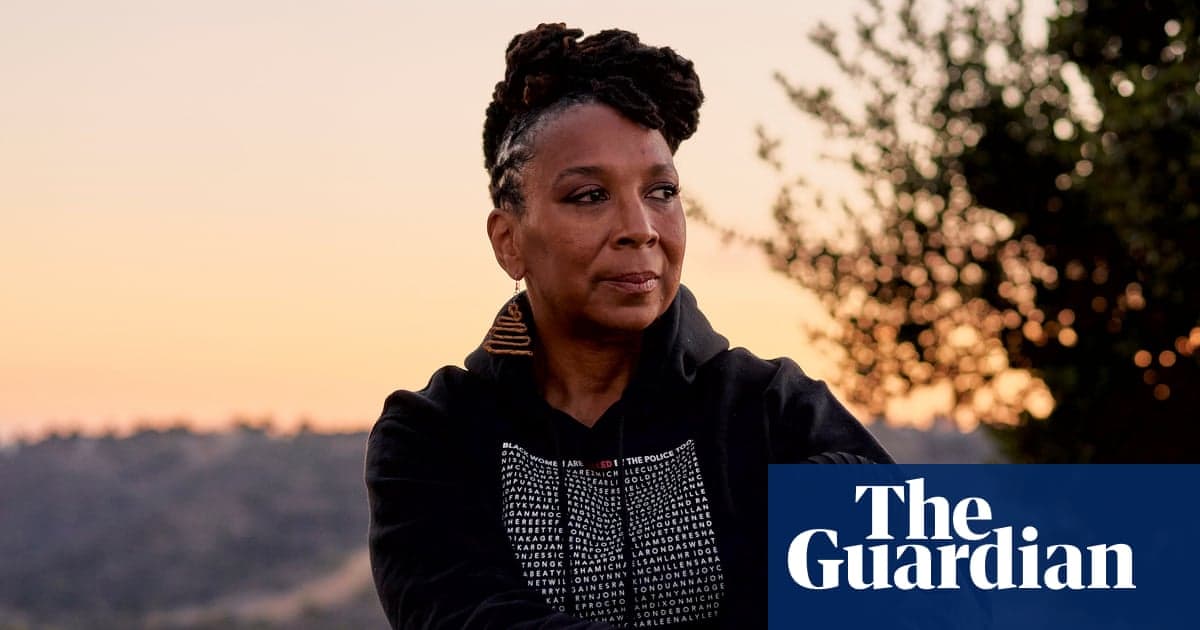
Backtalker by Kimberlé Crenshaw Review – the Audacity of Hope
Kimberlé Crenshaw's memoir "Backtalker" chronicles her upbringing in segregated Ohio, the loss of family property through eminent domain, and her journey to Harvard Law where she helped forge the theory of intersectionality. The book details personal anecdotes—from a childhood pool...

Cast Away by Francesca De Tores Review – Gripping Portrait of the Real-Life Robinson Crusoe
Francesca de Tores’s debut novel "Cast Away" reimagines the 1704 marooning of Scottish privateer Alexander Selkirk, the real‑life inspiration for Daniel Defoe’s "Robinson Crusoe". The book opens with Selkirk borrowing a line from Frank O’Hara, immediately linking 18th‑century survival with...

Vocal Break by Lauren Elkin Review – a Celebration of the Female Voice
Lauren Elkin’s new book *Vocal Break* explores the female voice as a site of cultural power, technical training, and personal rebellion. Drawing on singers from Édith Piaf to Charli xcx, she dissects how vocal expectations shape women’s artistic and public identities. The...

Uprising by Tahmima Anam Review – a Fiery Novel of Female Rebellion
Tahmima Anam’s new novel Uprising dramatizes the lives of women and children on Bangladesh’s infamous floating brothel, Banishanta, turning the isolated island into a crucible of ecological precarity and patriarchal oppression. The story follows Kusum, a city‑born protester, whose arrival...

High and Low by Amanda Craig Review – Will Britain Boil Over?
Amanda Craig’s tenth novel, High and Low, sets a north‑London café under siege amid a state‑of‑the‑nation satire. In the fictional suburb of Prospect Park, gentrification, an asylum‑seeker hotel and clashing protestors converge on the 12th day of Christmas, sparking violence and...

The Savage Landscape by Cal Flyn Review – a Carnival of a Book About Earth’s Wild Places
Cal Flyn’s "The Savage Landscape" is a lyrical travelogue that journeys from deep‑sea octopus nurseries to Icelandic lava fields, using personal narrative to interrogate the myth of untouched wilderness. The book blends natural history with cultural stories—from Sumerian epics to...
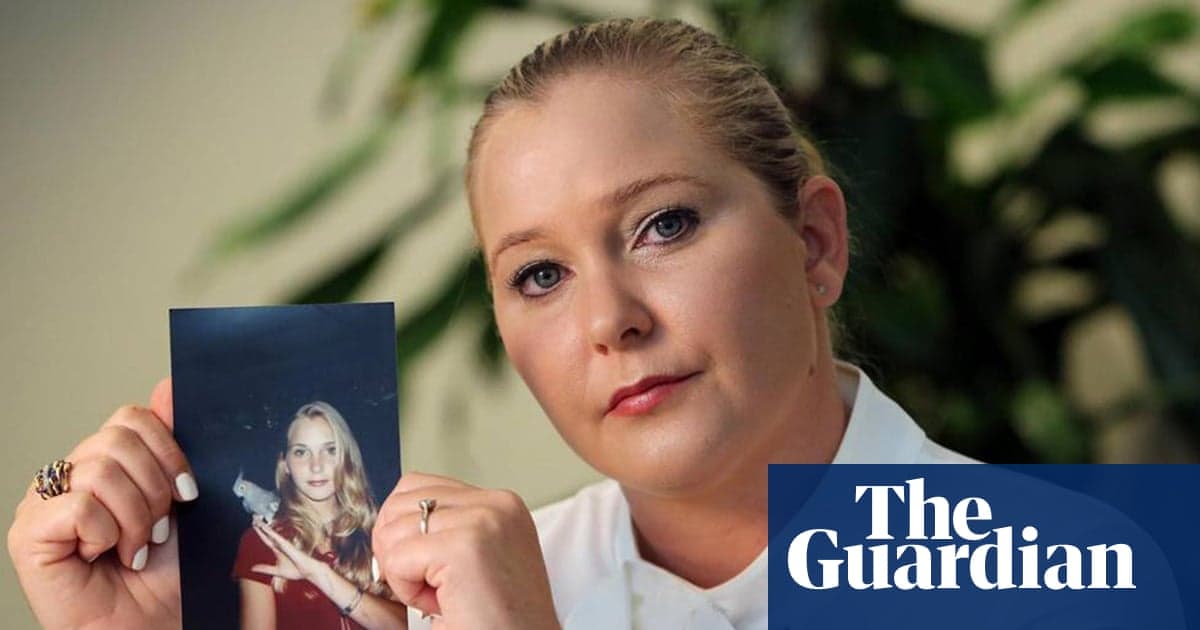
Sarah Wynn-Williams and Virginia Giuffre Jointly Win Freedom to Publish Prize at British Book Awards
Meta whistleblower Sarah Wynn‑Williams and the late Virginia Giuffre jointly received the Freedom to Publish prize at the 2026 British Book Awards, marking the award's first shared presentation. Wynn‑Williams was honored for her memoir "Careless People," which alleges misconduct at...
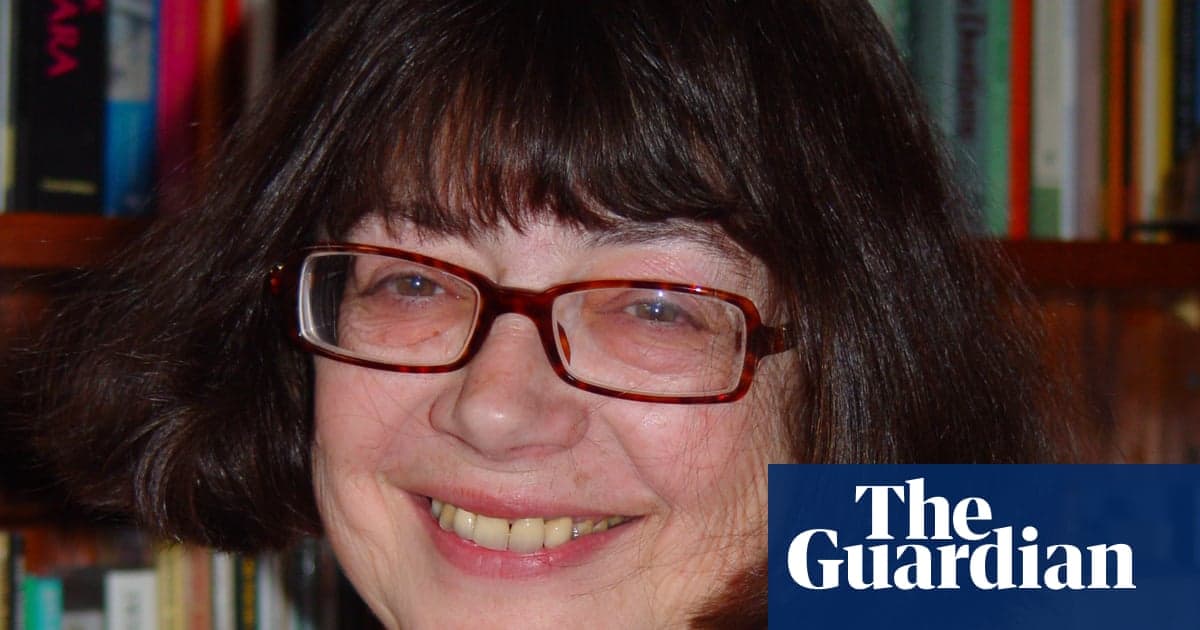
Carol Rumens Obituary
Carol Rumens, an 81‑year‑old poet and longtime Guardian Poem of the Week columnist, died after a battle with a brain tumour. Her career, launched with the 1973 collection *A Strange Girl in Bright Colours*, encompassed poetry, a novel, plays, translations,...

John of John by Douglas Stuart Review – Will a Father and Son Come Out to Each Other?
Douglas Stuart’s third novel, John of John, follows 22‑year‑old Cal returning to his Hebridean home, where his father John secretly loves another man, Innes. Set against a Free Presbyterian backdrop, the story weaves gay desire, familial duty, and religious repression...
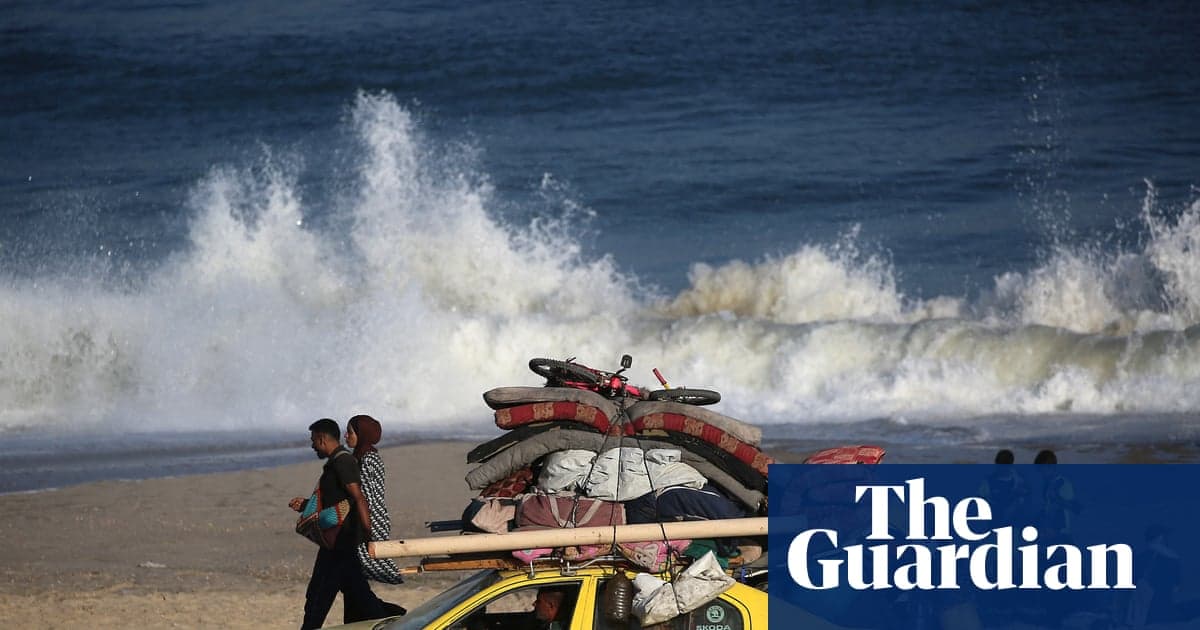
Israel: What Went Wrong? By Omer Bartov Review – the Long View
Omer Bartov’s new book examines Israel’s trajectory from a liberal, democratic promise in 1948 to what he describes as a morally and politically degenerated state. Drawing on his personal background as a kibbutz‑born former IDF officer and a Holocaust‑genocide scholar, Bartov...

The Best Recent Science Fiction, Fantasy and Horror – Review Roundup
A new roundup spotlights five recent speculative‑fiction releases that blend genre thrills with cultural depth. Mahmud El Sayed’s *The Republic of Memory* (£22 ≈ $28) offers an Arabfuturist space‑opera aboard a multilingual starship. Naomi Ishiguro’s *Rainshadow Orphans* (£20 ≈ $25) fuses Japanese pop aesthetics, magic, and cyber‑augmented...

Lily King: ‘I Couldn’t Get Past the First 20 Pages of Pride and Prejudice’
Novelist Lily King reveals the books that shaped her writing journey, from a childhood obsession with Judy Blume to a later love‑hate relationship with Jane Austen’s Pride and Prejudice. She credits Virginia Woolf and graduate‑school peers for reshaping her voice, and...
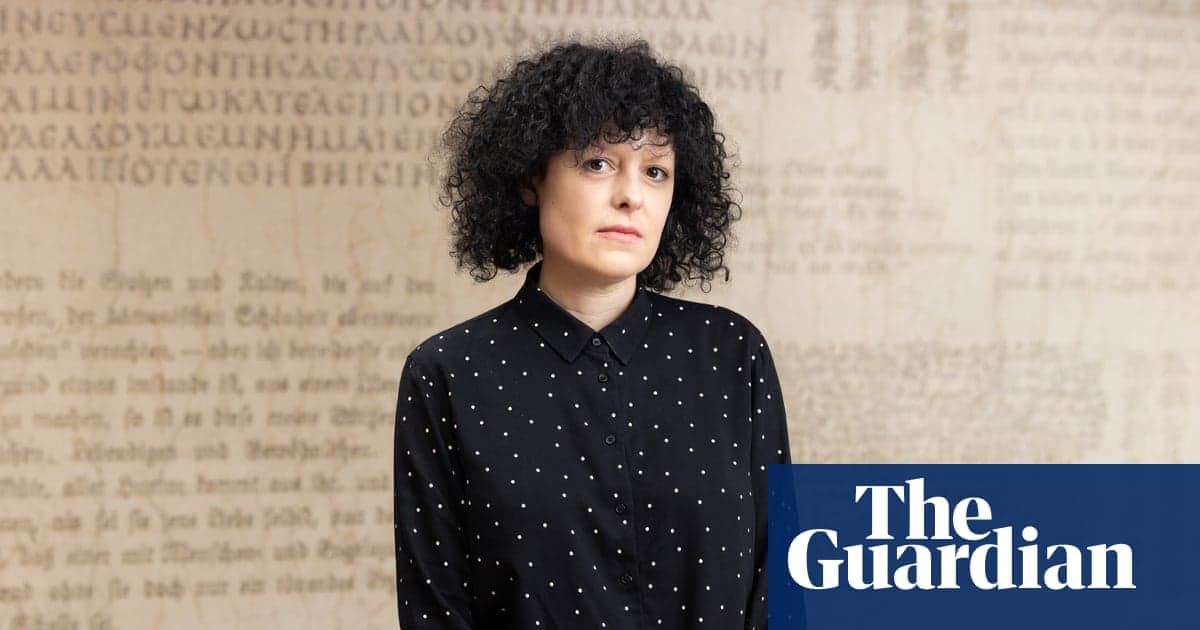
What Am I, a Deer? By Polly Barton Review – Shyness, Obsession and the Joy of Karaoke
Polly Barton’s first novel, *What Am I, a Deer?*, follows an unnamed young translator in Frankfurt who becomes fixated on a stranger who returns her lost umbrella. The narrative is driven more by interior monologue than plot, using karaoke sessions...
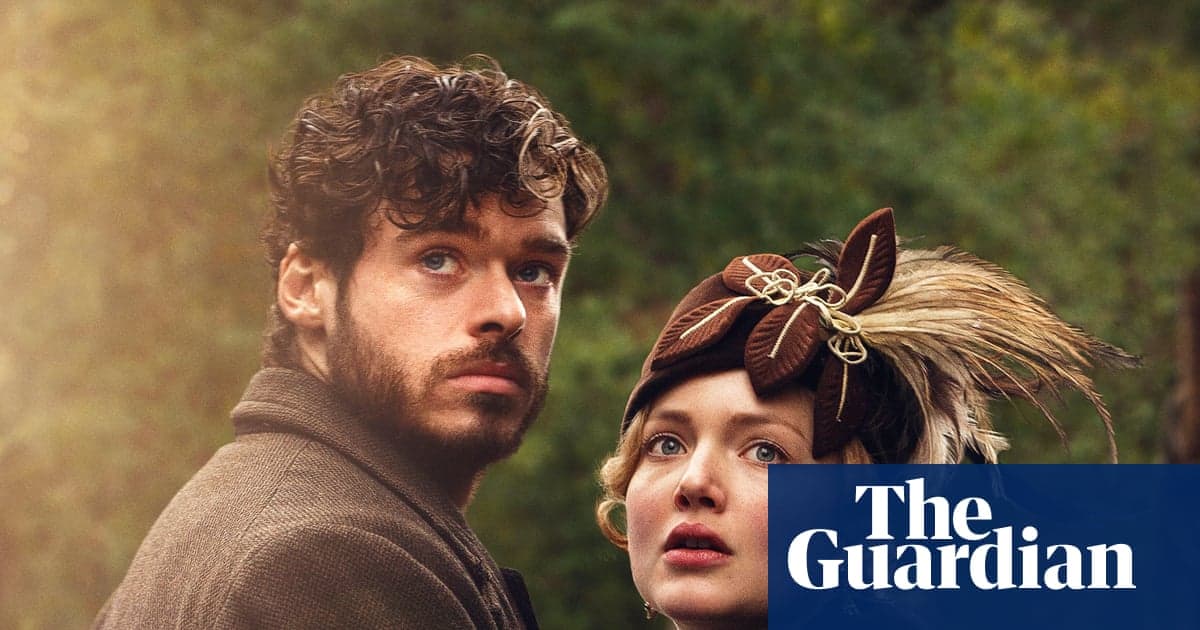
Lady C by Guy Cuthbertson Review – How Lady Chatterley’s Lover Rocked Britain
Guy Cuthbertson’s *Lady C* revisits D.H. Lawrence’s *Lady Chatterley’s Lover* and shows how the 1960 obscenity trial transformed a once‑banned novel into a cultural phenomenon. The review details the courtroom drama that freed the book, its two‑million‑copy sales surge, and...

The Given World by Melissa Harrison Review – a Stunning Tale of Rural Life for an Era of Ecological Crisis
Melissa Harrison’s new novel, The Given World, chronicles six months in an English river‑valley village, using a sweeping group portrait to explore rural life amid an ecological crisis. The narrative follows characters ranging from a dying priest‑like woman to a...
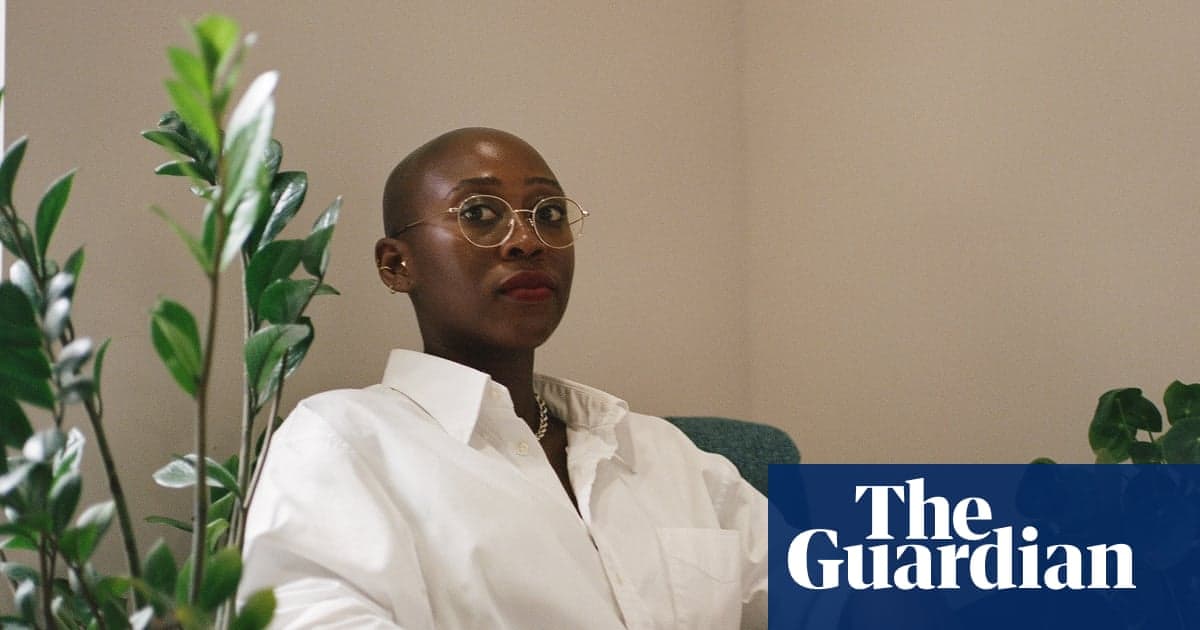
One Leg on Earth by ’Pemi Aguda Review – a Powerfully Eerie Portrait of Lagos
Pemi Aguda’s debut novel *One Leg on Earth* blends eco‑horror, maternal uncanny and Lagos‑cityscape to tell the story of Yosoye Bakare, a 22‑year‑old intern who becomes pregnant while working on a reclaimed‑sea development called Omi City. The narrative weaves water‑based...

Will Human Minds Still Be Special in an Age of AI?
The article argues that human minds remain distinct in an era of powerful AI, emphasizing that intelligence is not a single scale but a set of capabilities shaped by biological constraints. While AI can process vast data and outperform humans...
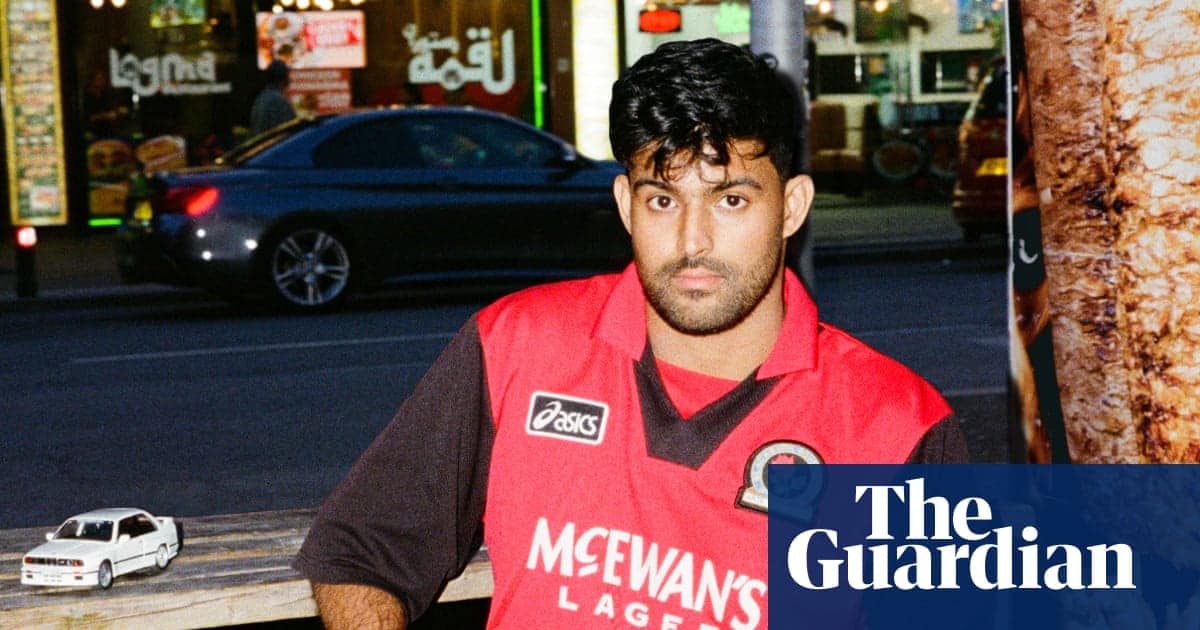
‘I Wanted It to Feel Both Shakespearean and Like Jay-Z’: Debut Author Sufiyaan Salam on Masculinity, Rap and Meeting Stormzy
Debut novelist Sufiyaan Salam’s *Wimmy Road Boyz* won the 2024 #Merky books prize and earned a surprise appearance by Stormzy at the ceremony. The Manchester‑set story follows three young men on a single, chaotic night on Rusholme’s Curry Mile, blending...
Homebound by Portia Elan Review – a Cloud Atlas-Like Puzzle-Box Novel
Portia Elan’s debut novel *Homebound* weaves four interlaced narratives—from 1983 suburban Cincinnati to a far‑future interstellar mission—into a puzzle‑box structure reminiscent of David Mitchell’s *Cloud Atlas*. The story follows a grieving teen, a biotech biologist, a salvage‑ship captain, and a...

The Best Recent Poetry – Review Roundup
The review roundup highlights five recent poetry collections that have garnered critical acclaim. Daljit Nagra’s “Yiewsley” reflects working‑class Sikh identity in West London, while Małgorzata Lebda’s “Mer de Glace,” translated by Mira Rosenthal, offers ecopoetry set along Poland’s Vistula River. Patricia Smith’s...
Katie Kitamura: ‘Almost Every Writer Changes My Mind – That’s the Point of Reading’
American novelist Katie Kitamura reflects on the books and authors that shaped her literary sensibility, from a teenage shock at Upton Sinclair’s *The Jungle* to a later‑life devotion to Yasunari Kawabata and Muriel Spark. She credits early exposure to Theodore...
Hey, Good Morning, How Are You? By Martina Hefter Review – a Hit in Germany that Falls Flat in English
Martina Hefter’s novel *Hey, Good Morning, How Are You?* captured German literary attention, winning the nation’s most prestigious fiction award in 2024 and moving 80,000 copies. The story follows middle‑aged dancer Juno, who trolls romance scammers and befriends a Nigerian...

From Life Itself by Suzy Hansen Review – Turkey in the Age of Erdoğan
Suzy Hansen’s new book *From Life Itself* uses a decade‑long immersion in Istanbul’s Karagümrük neighbourhood to illustrate how ordinary Turks experience the authoritarian drift under President Recep Tayyip Erdoğan. The narrative weaves personal portraits—market owner Hüseyin, veteran İsmail, estate agent Ebru,...
Devotions by Lucy Caldwell Review – Short Stories that Are Frightening, Passionate and Comforting Too
Lucy Caldwell’s fourth short‑story collection, *Devotions*, arrives from Faber with a price of about $19. The ten stories weave music, family, memory and duty, moving from a Dublin‑based divorcee’s reluctant return home to a Scottish ghost‑house haunted by IVF trauma....
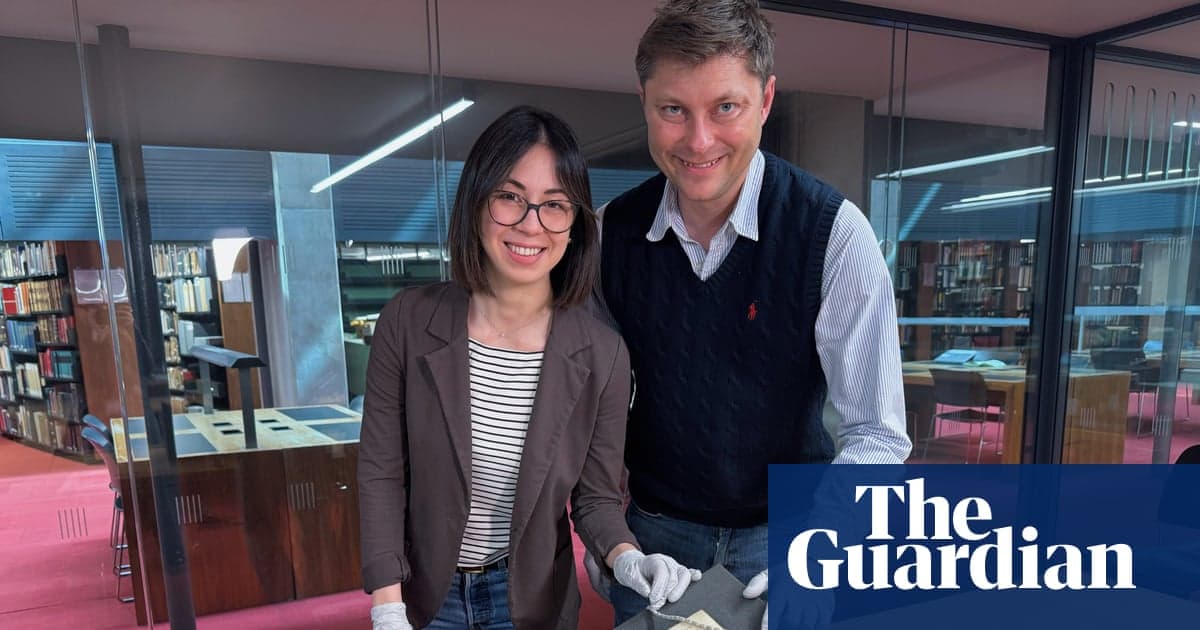
Lost Copy of Seventh-Century Poem in Old English Discovered at Rome Library
Scholars from Trinity College Dublin have uncovered a previously unknown ninth‑century manuscript of Caedmon’s Hymn in Rome’s National Central Library, marking the third‑oldest surviving copy of the earliest English poem. The manuscript, likely transcribed by an Italian monk between AD 800‑830,...
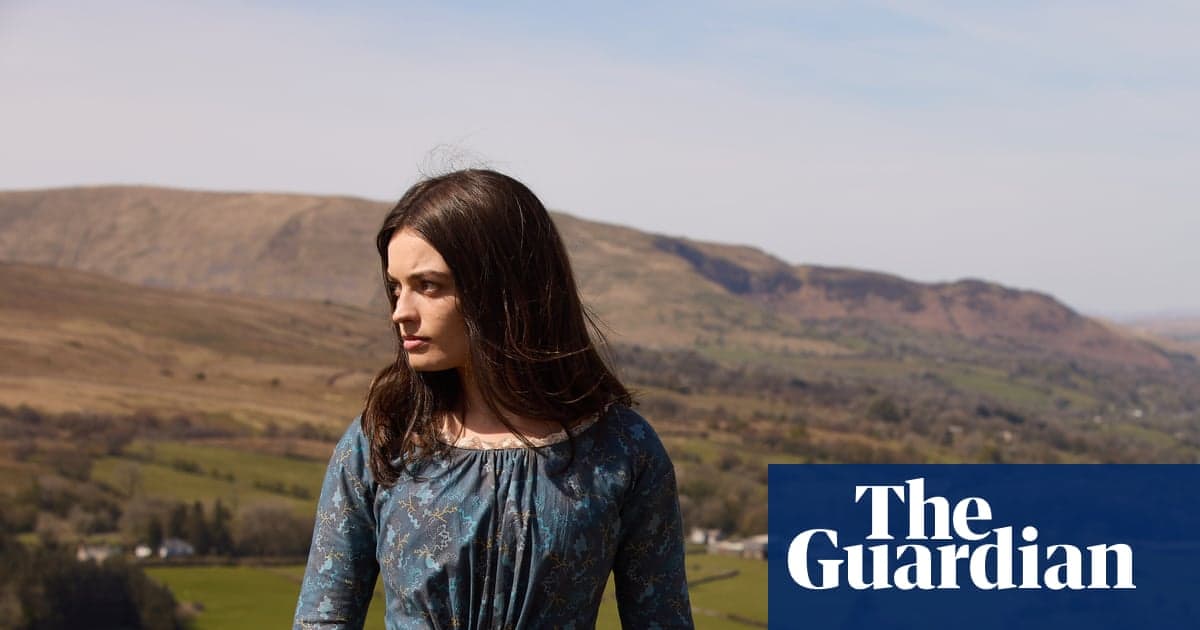
This Dark Night by Deborah Lutz Review – Emily Brontë’s World
Deborah Lutz’s new biography, *This Dark Night*, re‑imagines Emily Brontë as a grounded, tactile craftsman rather than the mythic “madwoman” of popular lore. Lutz anchors the narrative in everyday objects—a cramped bed, pocket‑full of pencils, and household chores—to illustrate how Brontë’s...
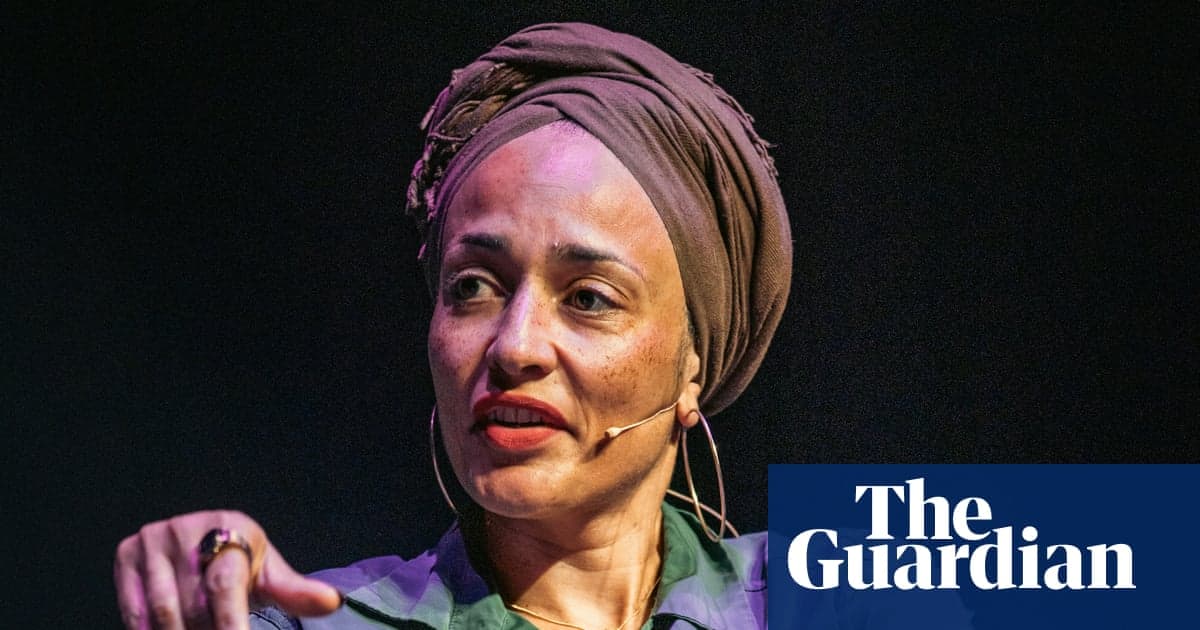
Zadie Smith: ‘I Don’t Know when I Read Men Any More’
British novelist Zadie Smith told the Cambridge Literary Festival that she now reads almost exclusively women, saying she seeks the wisdom of older female voices. While acknowledging a wave of daring millennial male novelists, she highlighted her recent essay collection...

‘It’s Still a No-Go Area’: German Author Matthias Jügler on the Trauma Surrounding the GDR’s ‘Stolen Children’
German author Matthias Jügler’s debut novella *Mayfly Season* intertwines fly‑fishing with the haunting legacy of the GDR’s forced‑adoption program. The book, praised in Germany and slated for a UK release, prompted a government agency to demand source verification and sparked...

The Asset Class by Hettie O’Brien Review – the Hidden Hand of Private Equity
Hettie O’Brien’s book *The Asset Class* exposes how private‑equity firms have seized essential public‑service assets—from water utilities to care homes—by buying undervalued assets with leveraged capital. The author traces the sector’s growth to deregulation under Reagan and Thatcher and highlights...
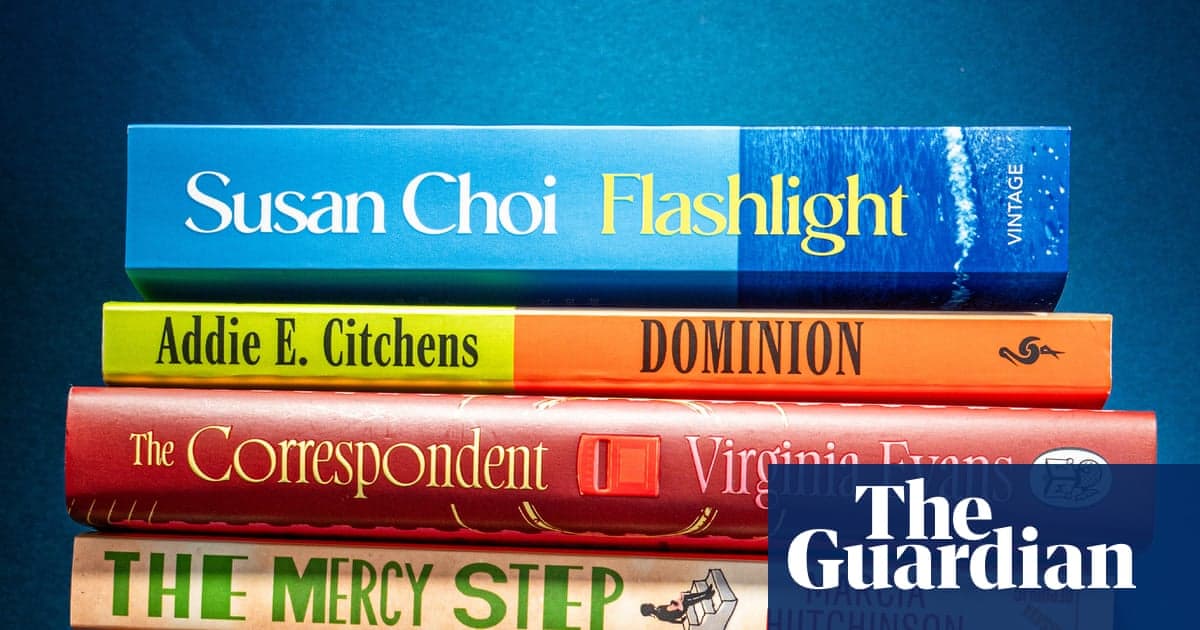
Susan Choi and Lily King Shortlisted for Women’s Prize for Fiction
Acclaimed American novelists Susan Choi and Lily King have been shortlisted for the 2026 Women’s Prize for Fiction, which carries a £30,000 (≈ $38,400) award. Choi is recognized for her sixth novel Flashlight, a Booker‑shortlisted family saga, while King is in the running for...
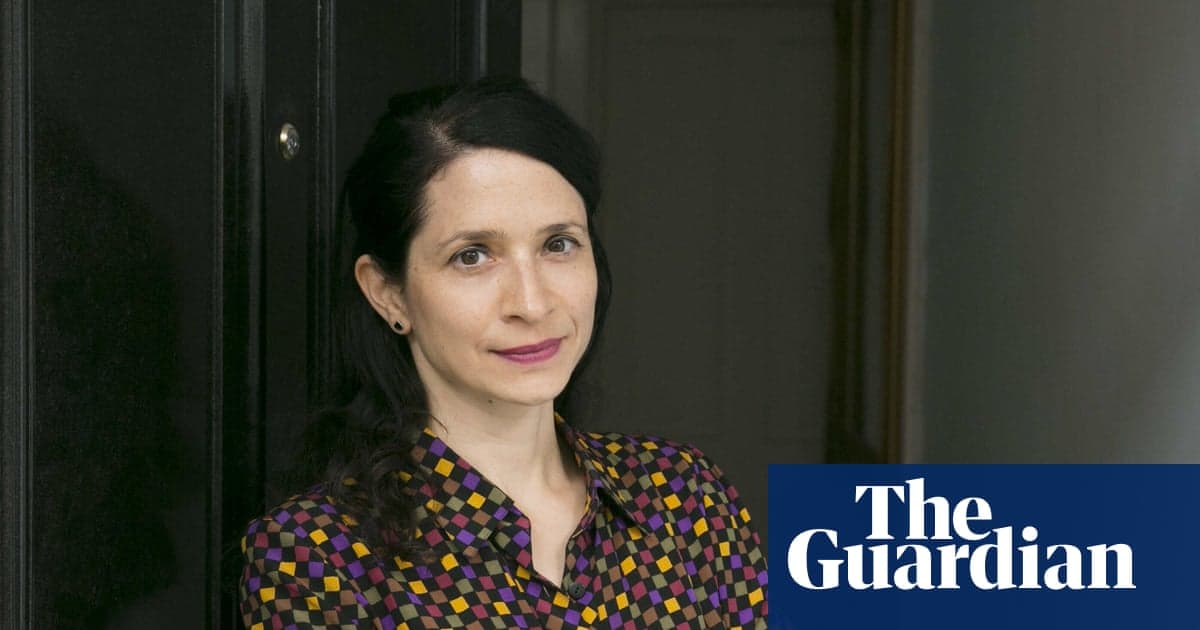
The Shadow of the Object by Chloe Aridjis Review – One of the Boldest Writers at Work in English Today
Chloe Aridjis’s new novella, The Shadow of the Object, follows Flora, a middle‑aged visitor to Mexico City who is injured by a guard dog and confined to a private hospital. There she befriends Wilhelmina Blau, an elderly German who shares...

Hotel Exile by Jane Rogoyska Review – the Remarkable Story of a Wartime Institution
Jane Rogoyska’s new book, Hotel Exile, chronicles the Hôtel Lutetia’s transformation from a Parisian cultural hotspot into a wartime sanctuary for German anti‑Nazis and later a Nazi intelligence headquarters. The narrative follows key figures such as Heinrich Mann, Walter Benjamin, Irène Némirovsky and photographer...

‘Deliciously Dark’: How Freida McFadden’s Twisty Thrillers Gripped Millions of Readers
Freida McFadden, the pen name of Boston‑based doctor Sara Cohen, dominated the UK thriller market in 2025, moving 2.6 million print copies and securing six titles in the Top 10 paperback chart. Global sales across print, ebook and audio now exceed 36 million, bolstered...
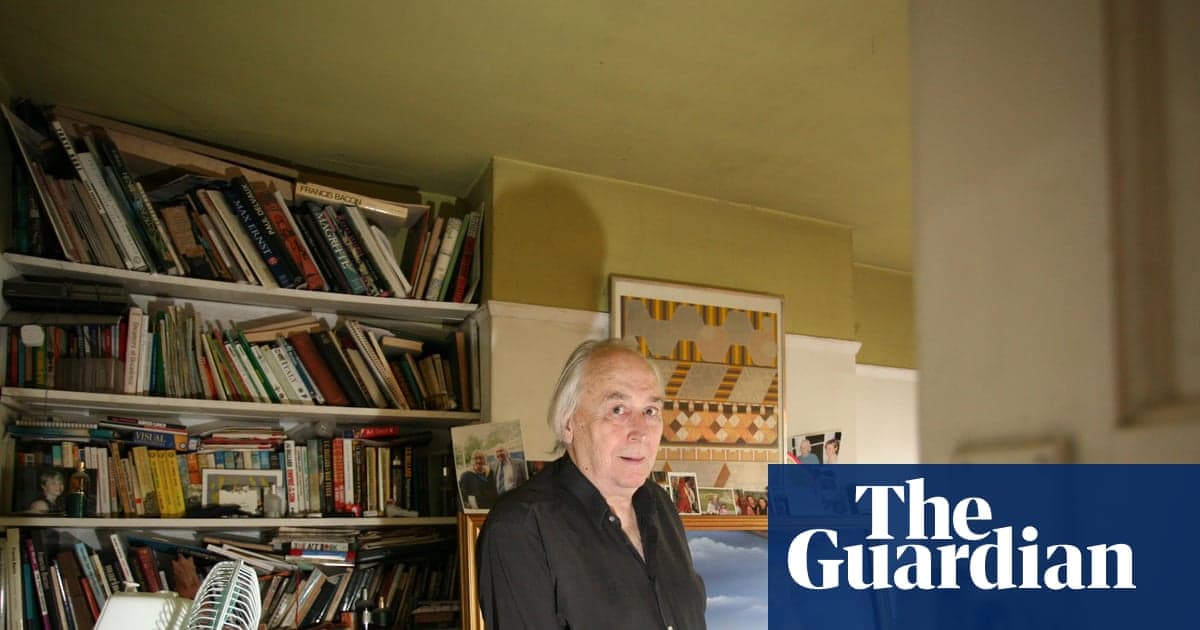
The Illuminated Man by Christopher Priest and Nina Allan Review – an Unconventional Portrait of JG Ballard
Christopher Priest’s posthumously completed biography, The Illuminated Man, offers an unconventional portrait of JG Ballard, intertwining the writer’s tumultuous life with his groundbreaking "inner‑space" fiction. Priest, diagnosed with terminal cancer, managed only 65,000 words before his death, and his partner Nina...

Son of Nobody by Yann Martel Review – Life of Pi Author Discovers a Long-Lost Poem From Troy
Yann Martel’s fifth novel, Son of Nobody, follows Canadian classicist Harlow Donne on an Oxford fellowship as he translates a cache of Oxyrhynchus papyri and uncovers a purportedly lost Trojan‑war poem, the Psoad. The book intertwines the ancient epic—presented in...
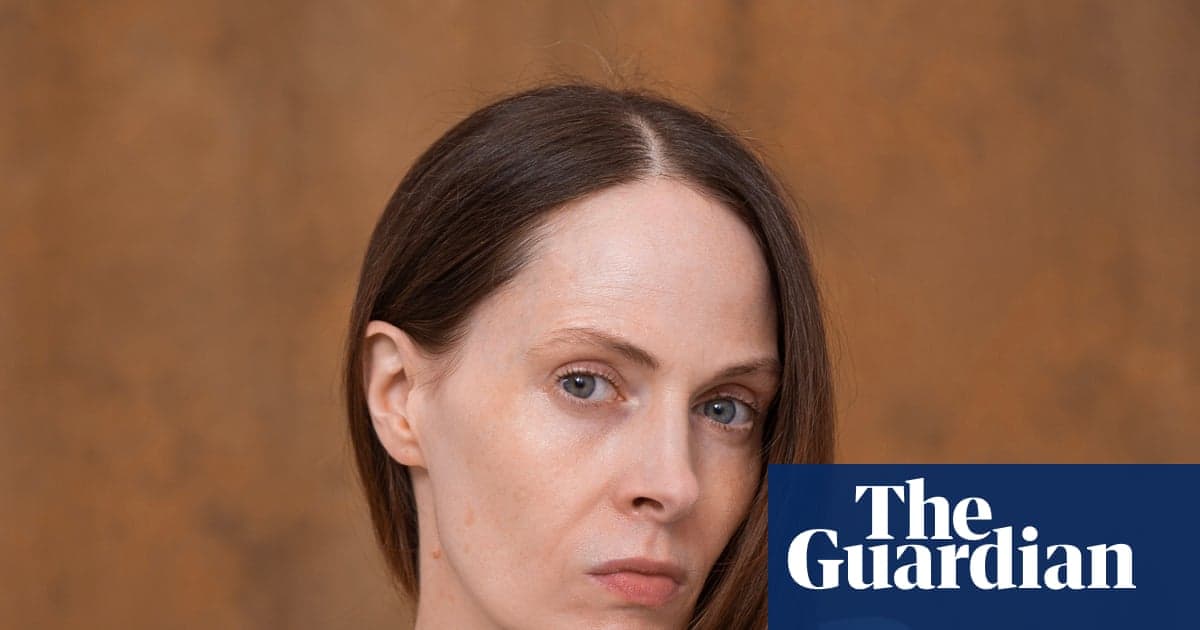
My Phantoms Author Gwendoline Riley on Winning $175,000: ‘It Was Unimaginable. I Felt Overwhelmed.’
British novelist Gwendoline Riley received the 2026 Windham‑Campbell prize, a $175,000 award (≈ £135,000) that aims to give writers financial security. The prize, granted to eight authors across genres, is notable for its low‑key selection process and lack of media fanfare....

The Best Recent Crime and Thrillers – Review Roundup
A new review roundup spotlights five recent crime and thriller titles released in the UK market. Tana French closes her Cal Hooper trilogy with “The Keeper” (≈$21), while debut novelist Emma Garman offers a post‑war London mystery in “The Kindness...

The Dog’s Gaze by Thomas Laqueur Review – the Art of the Canine, From Velázquez to Picasso
Thomas Laqueur’s new book, *The Dog’s Gaze*, argues that the canine’s look marks the boundary between nature and culture, giving dogs a unique symbolic role in Western art. He surveys paintings from Velázquez’s *Las Meninas* to Veronese’s *Wedding Feast at Cana*, showing how dogs anchor...

Yesteryear by Caro Claire Burke Review – the Downfall of an All‑American Tradwife
Caro Claire Burke’s debut novel *Yesteryear* imagines an Instagram‑obsessed tradwife who wakes up in a 1805 pioneer setting, only to discover that the romanticized past is far harsher than her curated feed suggests. The book generated massive buzz, prompting a high‑priced...

Communion by Jon Doyle Review – a Charged Debut About Sin and Solace
Jon Doyle’s debut novel Communion follows Mack O’Brien, a former seminary student who returns to his steel‑town home in Port Talbot, Wales, after being dismissed for lack of vocation. He becomes involved in a community‑driven Passion play while reconnecting with...

The Fallen by Louise Brangan Review – an Enraging Account of Ireland’s Magdalene Laundries
Louise Brangan’s "The Fallen" offers a meticulously researched chronicle of Ireland’s Magdalene laundries, institutions run by Catholic nuns that confined thousands of women and girls from the 1920s until 1996. The book highlights stark statistics—70 per 100,000 women were in...

All Them Dogs by Djamel White Review – Murderous Desires in the Badlands of Dublin
All Them Dogs, the debut novel by Djamel White, is a neo‑noir crime thriller set in west Dublin that intertwines violent underworld action with a fraught homoerotic bond between two enforcers. The narrative moves at breakneck speed, using street slang...

On Memoir by Blake Morrison Review – Lessons in Life Writing From a Master
Blake Morrison’s new book *On Memoir* is an alphabetically organized handbook that demystifies the art of life writing. Drawing on his decades of teaching at Goldsmiths and his own memoir about his father, Morrison blends practical tips—like avoiding name repetition...
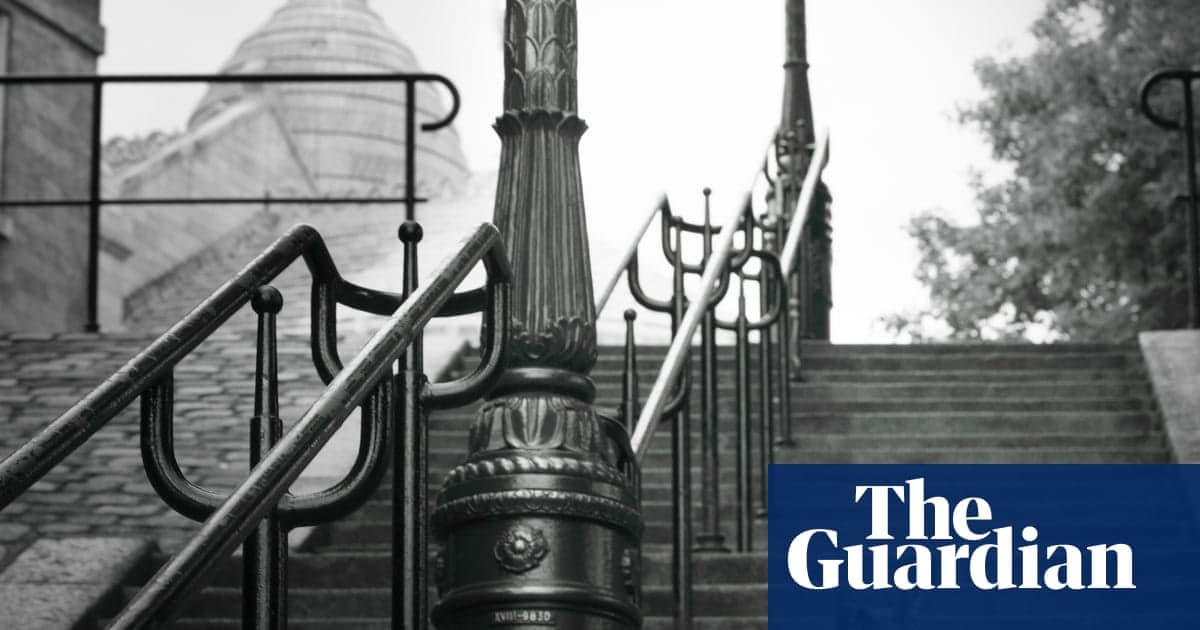
My Year in Paris With Gertrude Stein by Deborah Levy Review – Wonderfully Entertaining
Deborah Levy’s latest work, My Year in Paris With Gertrude Stein, blurs the line between biography and fiction, following three women navigating Paris while the narrator attempts an essay on Stein. The narrative hinges on a recurring “lost cat” motif...