
Week in Review
A federal judge in Massachusetts struck down the Trump administration’s $100,000 H‑1B visa fee, deeming it an unlawful tax and a violation of the Administrative Procedure Act. The FDA approved bemotrizinol, a European‑tested UV filter, as a new over‑the‑counter sunscreen ingredient, the first such addition since the 1990s. The Supreme Court ordered a rehearing of the D.C. Circuit’s ruling upholding DOE efficiency standards for gas furnaces and water heaters, while a California judge temporarily blocked DOJ subpoenas for gender‑affirming care records. Additional actions include an FTC order tightening data‑security requirements for Illuminate Education, a DHS memorandum delaying a voter‑roll verification plan, a Rhode Island court invalidating USCIS pause policies for 39 countries, and an SEC rule establishing common data standards for financial regulators.

The Regulatory State in Prosecutorial Distress
On March 10 the U.S. Department of Justice released its first department‑wide Corporate Enforcement Policy, a framework that turns prosecutorial discretion into a set of forward‑looking incentives. The policy rewards companies that voluntarily self‑disclose, fully cooperate, and implement robust remediation with...

Slaughtering Reasoned Decision-Making
The USDA’s Food Safety and Inspection Service (FSIS) has issued two proposed rules that would raise line‑speed limits for poultry processing and eliminate speed caps for swine facilities. FSIS argues it lacks statutory authority to consider worker safety, invoking the...

The Promise and Limits of the TAKE IT DOWN Act
The TAKE IT DOWN Act, enacted in May 2025, creates a federal criminal offense for distributing non‑consensual intimate images, including AI‑generated deepfakes, with penalties up to three years in prison. It also mandates a notice‑and‑takedown system that requires covered platforms...
A Nationwide Ban on Noncompete Clauses
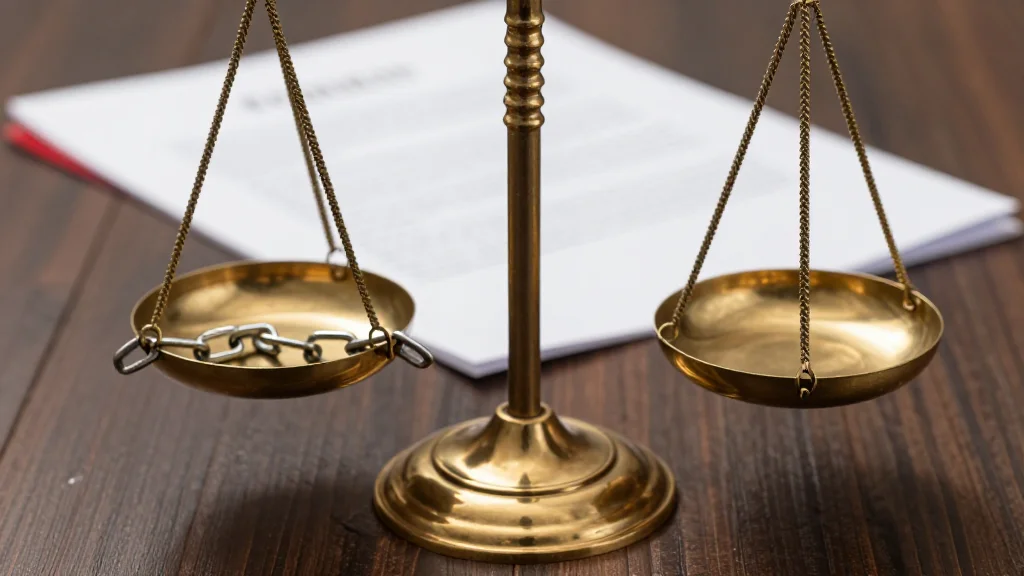
The Federal Trade Commission’s 2024 rule that would have banned most non‑compete agreements was struck down by a Texas federal court, which found the agency lacked authority. The FTC later abandoned its appeal in September 2025, meaning the nationwide ban...

When Algorithms Decide Who Gets Health Care
Law professor Jennifer D. Oliva warns that AI‑powered coverage algorithms used by insurers to approve, deny, or limit care operate without FDA‑type safety testing. Her analysis shows that nearly one‑in‑five insured Americans experience claim denials, with 82% of physicians observing...

Artificial Intelligence and Legal Alignment
Jack Boeglin, a Penn Law scholar, argues that “legal alignment” can complement technical AI alignment by grounding system behavior in established legal norms. He warns that divergent regulatory regimes worldwide, especially the EU’s aggressive AI rules, force developers to either...

Misusing the Congressional Review Act as a Tool for Land Management Policy
The Congressional Review Act, originally designed for swift congressional oversight of agency rules, is being repurposed by Republican lawmakers to overturn federal land‑management policies. Starting in 2025, a new procedural tweak lets Congress apply the CRA to agency actions that...
Protections for Prisoners
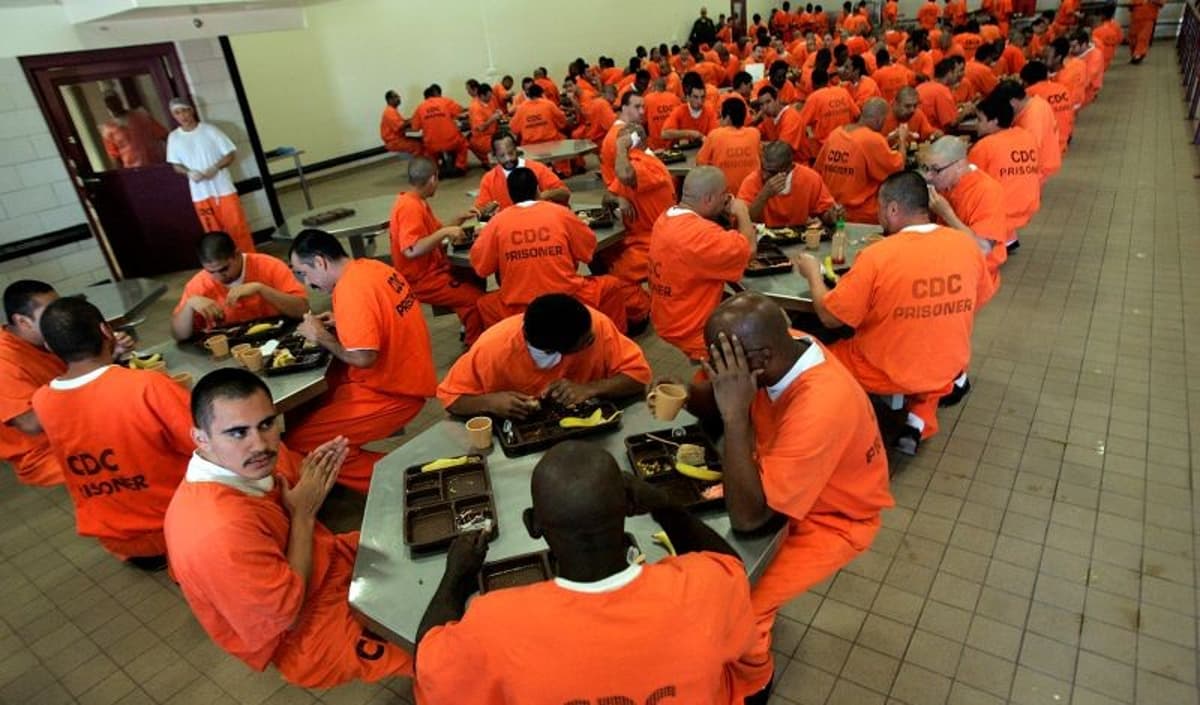
A federal trial in Texas will decide whether inmates have a constitutional right to air‑conditioning, arguing that extreme heat violates the Eighth Amendment’s ban on cruel and unusual punishment. Five prisoners have died from heat‑related illnesses since 2023, and the...

Week in Review
This week’s regulatory roundup featured a U.S. Supreme Court order pausing a Fifth Circuit ban on telehealth‑only access to the abortion drug mifepristone, a $1.5 million civil‑penalty settlement between the SEC and Elon Musk over undisclosed Twitter (X) stock holdings, and...

The Future of Marine Renewable Energy
Global electricity demand is surging, driven by AI and digitalization, heightening climate risks unless clean power expands. Researchers led by Enwei Tang argue that marine renewable energy—offshore wind, tidal, wave, and others—offers a vast, land‑free resource pool capable of delivering...

State-Based Restrictions on Corporate Political Speech
Corporate political spending in the 2024 election cycle exceeded $14 billion, with SpaceX and Citadel among the top contributors. Law professor W.C. Bunting argues that state corporate law can be used to curb "pure" political speech, citing ultra vires doctrines and...

How Performance-Based Regulation for Utilities Can Go Wrong
Performance‑based regulation (PBR) shifts utility oversight from prescriptive rules to outcome‑based incentives, rewarding or penalizing utilities based on metrics such as reliability, safety, and efficiency. While proponents argue PBR aligns utilities with modern energy challenges—distributed resources, smart grids, and storage—poorly...

We Can Learn From the Oscillations of U.S. Environmental Law
The Trump administration repealed the EPA’s 2009 greenhouse‑gas endangerment finding, prompting a coalition of more than 20 states to sue in the D.C. Circuit. The legal clash arrives as authors Brigham Daniels and Camacho release *Lessons for a Warming Planet*,...
Tackling the U.S. Housing Crisis
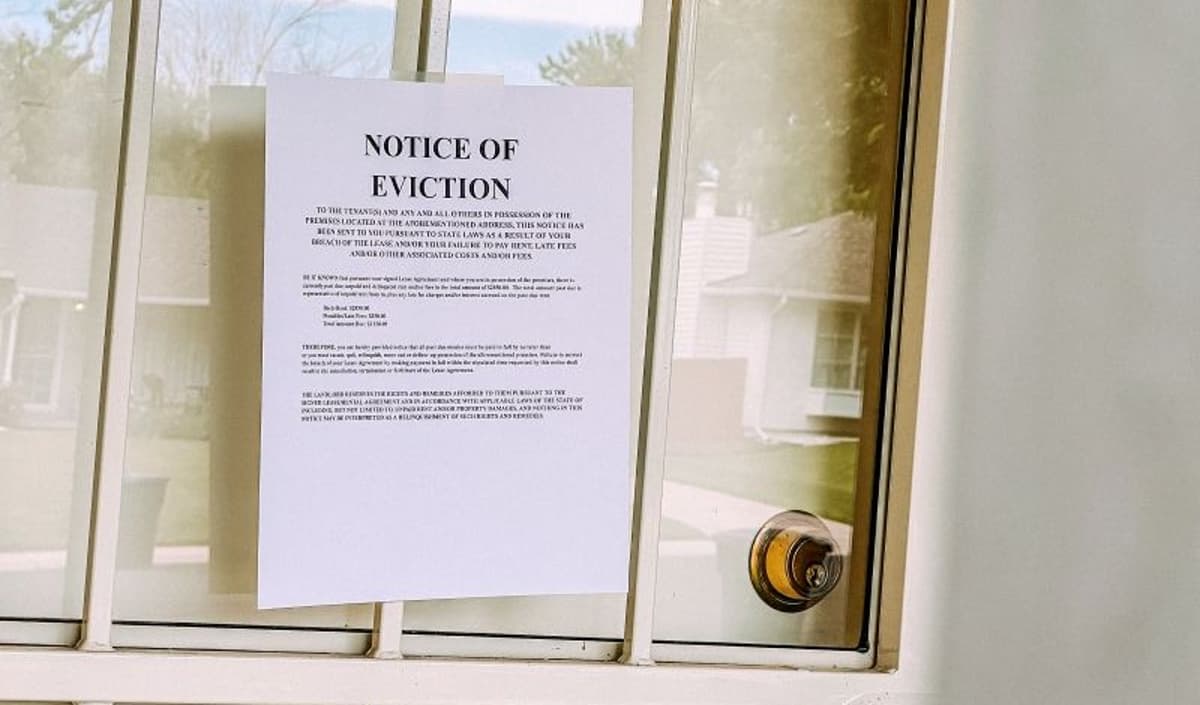
Nearly half of U.S. renters now spend more than 30% of their income on housing, with over a quarter allocating over half of their earnings. Eviction filings are climbing, disproportionately affecting Black and Hispanic households and linking to higher homelessness...