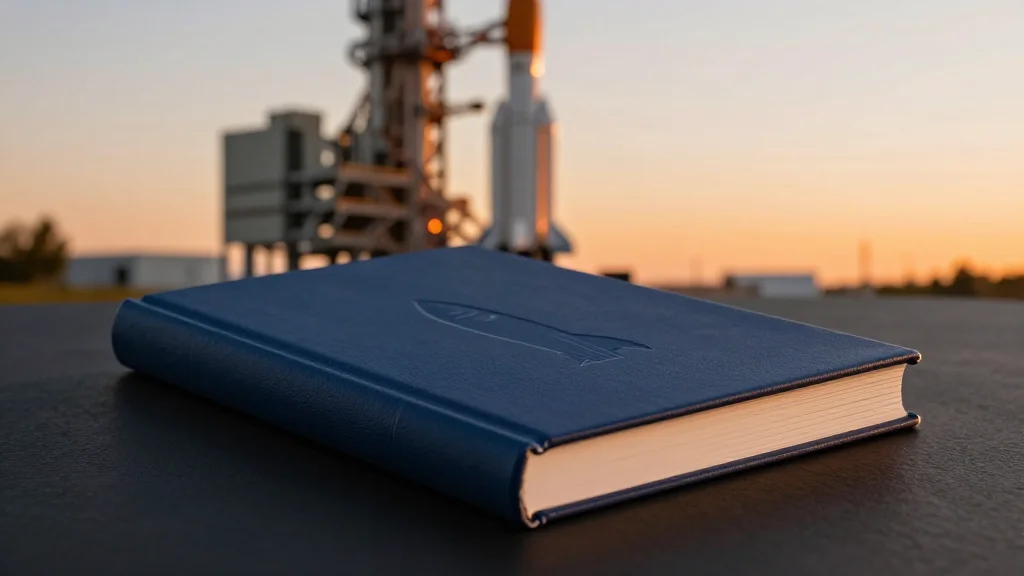
Review: Return to Launch
Stephen C. Smith’s new book *Return to Launch* chronicles how Florida’s Space Coast has shifted from government‑driven boom‑and‑bust cycles to a private‑sector‑led launch hub. The narrative highlights more than 100 orbital launches in 2025, driven largely by SpaceX’s presence at Cape Canaveral. Smith argues that federal policy changes under the Obama administration, combined with SpaceX’s commercial cargo award, catalyzed this transformation. The book also details the growing footprints of Blue Origin, Airbus and other commercial players reshaping the regional economy.
From Advantage to Arena: Space Power 1991-2026
On February 28, 2026, the United States launched Operation Epic Fury with space and cyber forces disabling Iran’s sensors and communications before any aircraft entered Iranian airspace, marking the first conflict where space opened the campaign. The operation highlighted four...
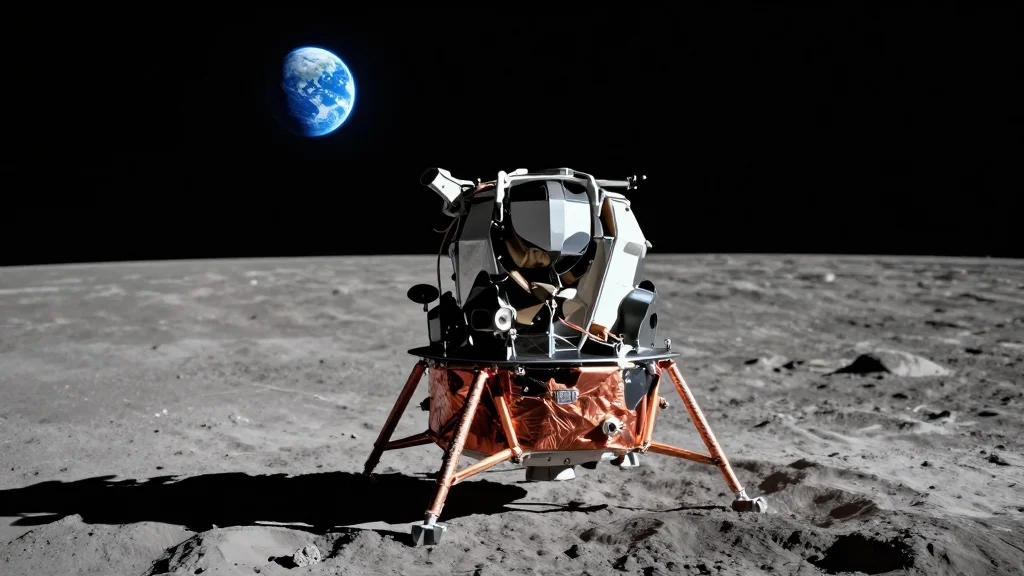
Artemis 2, Project Hail Mary, and the Risks and Benefits of Human Spaceflight
Artemis II is set to launch in early April, sending four astronauts on a lunar flyby that will test systems for a planned 2028 Moon base. The mission coincides with the release of the sci‑fi film *Project Hail Mary*, highlighting public fascination...
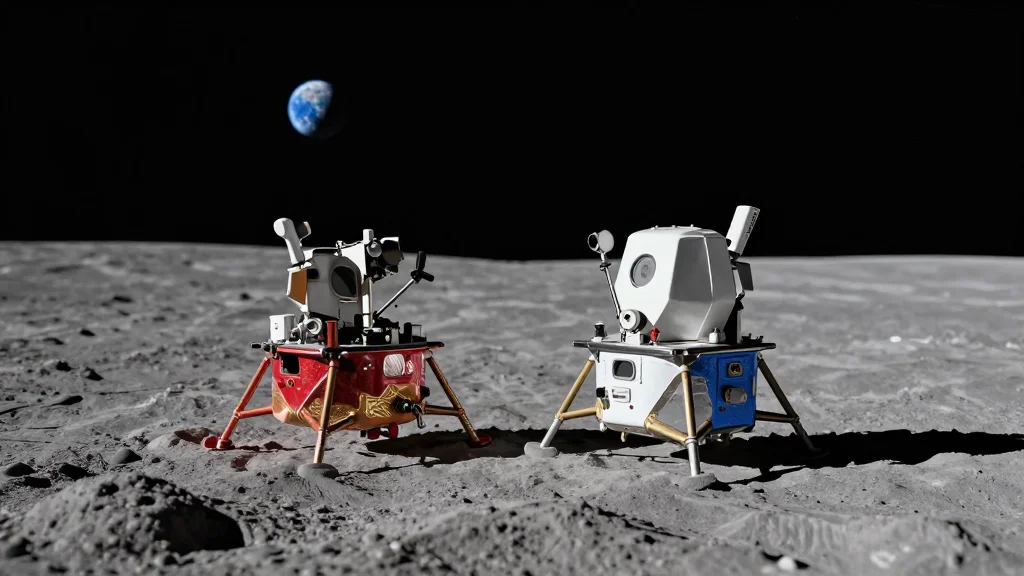
If China Returns to the Moon First, Will Americans Care?
China is targeting a crewed lunar landing by 2030, positioning itself to be the first nation on the Moon since Apollo. The United States, under the Artemis program, has pledged to beat that deadline but still lacks an operational lander...
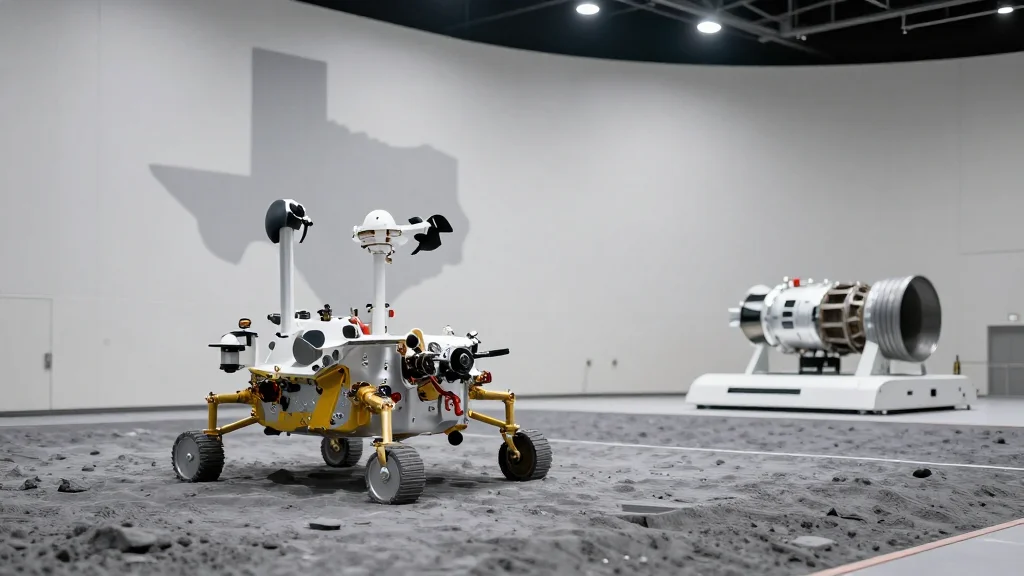
The Next Phase of Space Ambitions in Texas
In 2023 Texas earmarked $350 million for its space sector, allocating $150 million through the Texas Space Commission to 24 projects and awarding a final $14.15 million grant to Rice University’s Space Institute for a lunar‑technology center. The state also invested $200 million in...
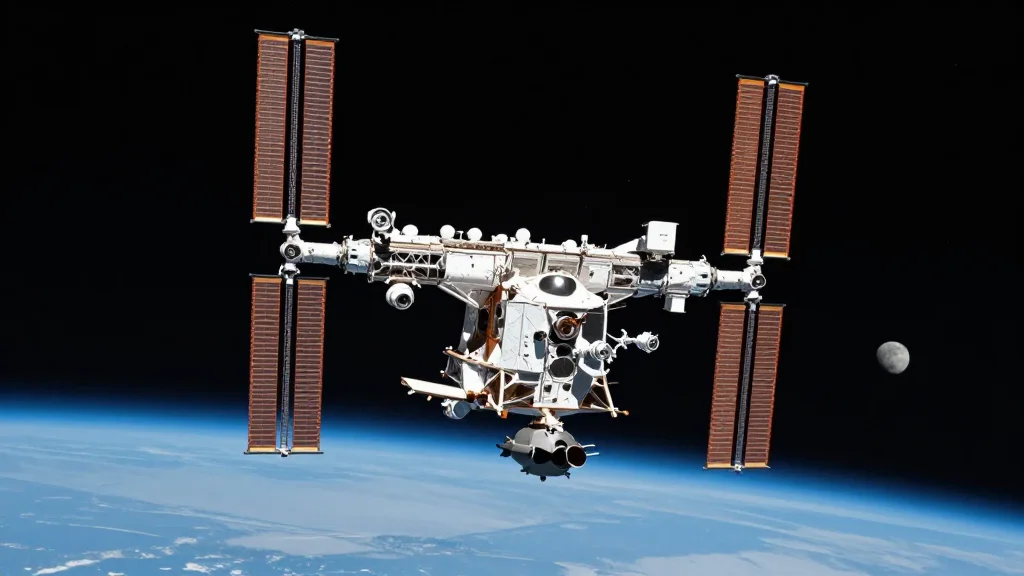
Artemis via the ISS? A Breakout Opportunity for Kickstarting a Sustainable Cislunar Economy
NASA’s new administrator is exploring an “Artemis via ISS” strategy that uses the International Space Station as a low‑Earth‑orbit staging point for lunar missions. By capitalizing on the ISS’s proven habitat, docking, and orbital alignment, the plan reduces reliance on...
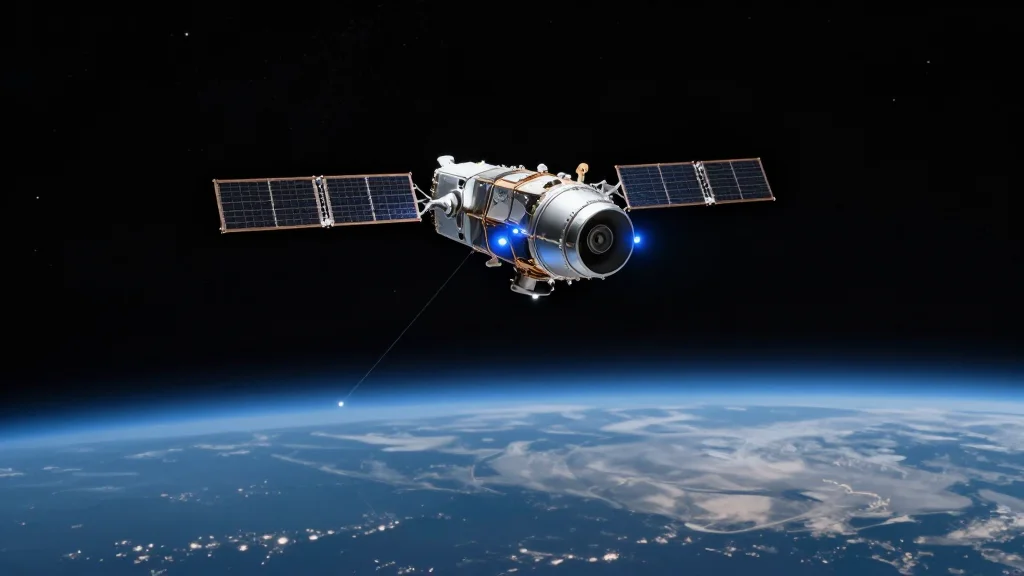
Golden Domes, Fragile Firms: The Business Risks of AI-Enabled Space Infrastructure
AI‑driven routing is turning satellite constellations into real‑time, autonomous utilities that allocate bandwidth, imagery and sensing data in milliseconds. While this autonomy makes megaconstellations economically viable, it also embeds opaque decision‑making into models that can prioritize one user over another...
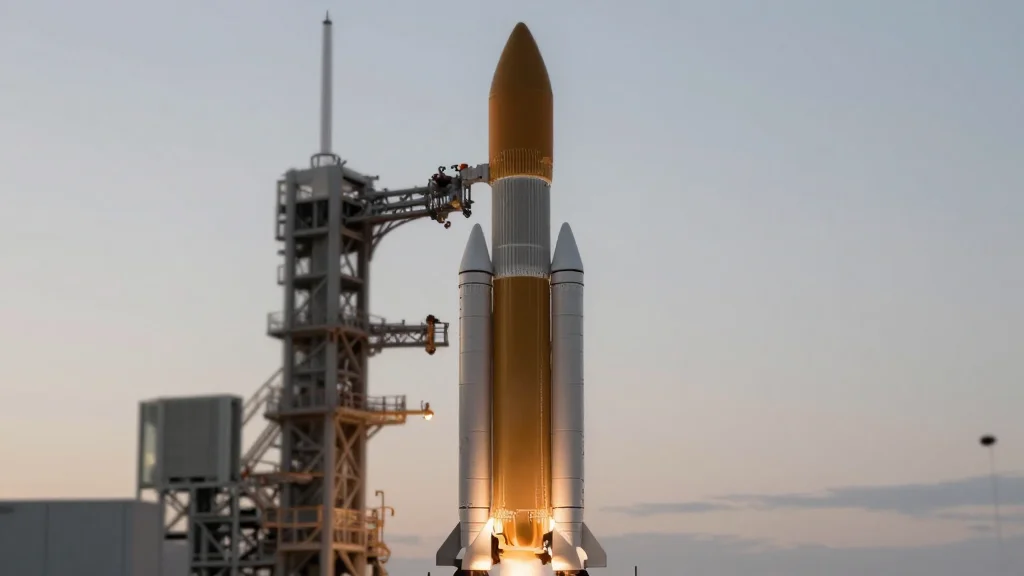
Reforging Vulcan
On February 12, United Launch Alliance’s Vulcan Centaur lifted off on the USSF‑87 mission but displayed a significant performance anomaly in one of its four solid rocket boosters. The anomaly, similar to the nozzle‑loss issue on the October 2024 Cert‑2 flight, prompted...
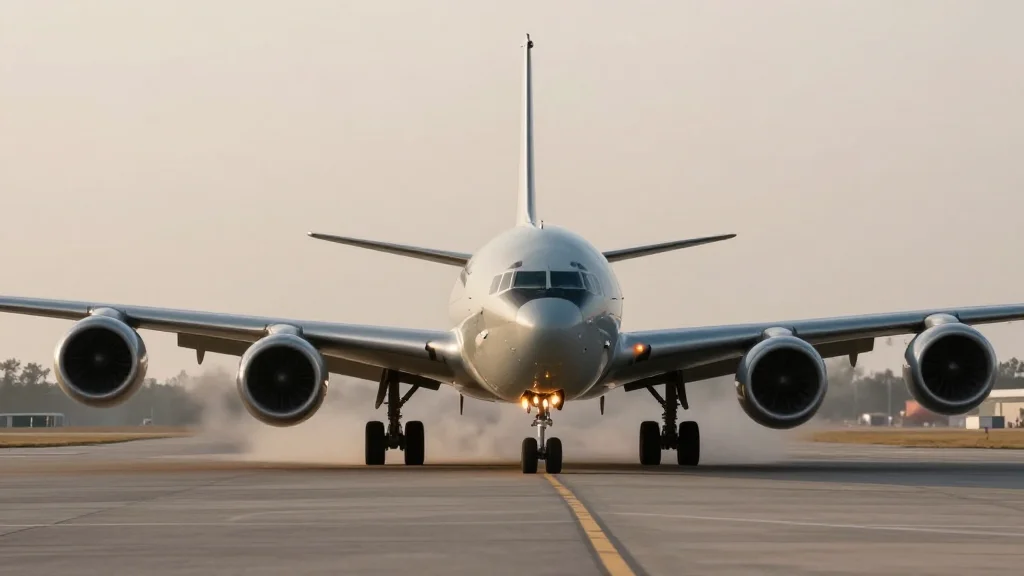
Big Wing Bird: NASA's WB-57 Gets Grounded
On January 27, 2026 NASA’s WB‑57F aircraft N927NA performed a gear‑up landing at Ellington Field, sustaining extensive damage that has left the high‑altitude research plane grounded. The WB‑57F fleet, originally derived from Cold‑War reconnaissance platforms, provides NASA with unique capabilities...

Review: Why Space?
Rick Tumlinson’s new book *Why Space?* argues that humanity’s purpose is tied to expanding life beyond Earth, leveraging the rapid growth of commercial space. He frames this mission through three "Principles of Purpose": protecting life, evolving humanity, and exploring the...
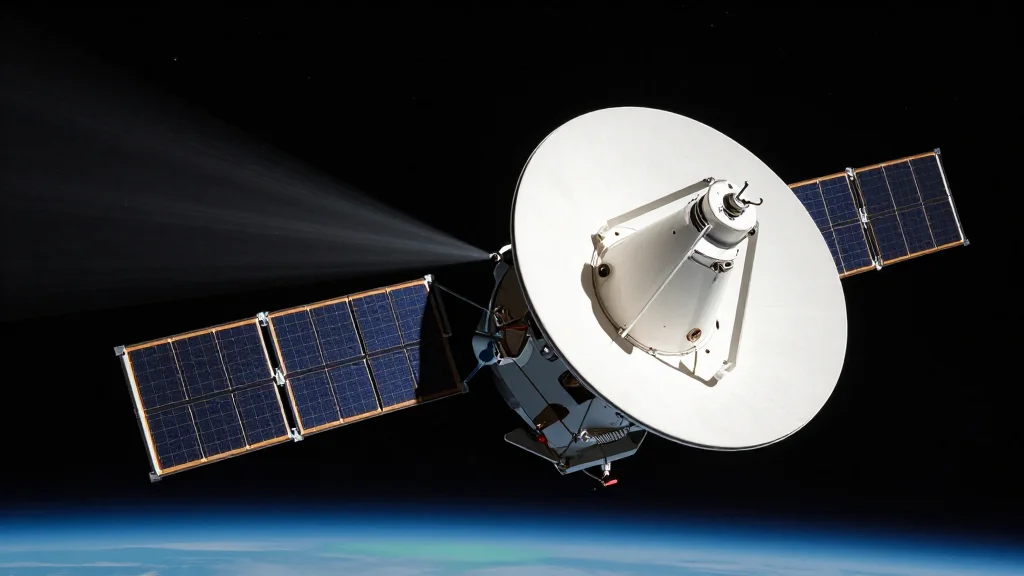
The Ghost in the Orbit: How Hybrid Surveillance Reshapes Risks
With the New START treaty expiring in February 2026, the United States lost its primary mechanism for on‑site nuclear verification, prompting a shift toward space‑based monitoring. The Pentagon’s Defense Innovation Unit has launched the GHOST‑R program, a hybrid procurement effort...
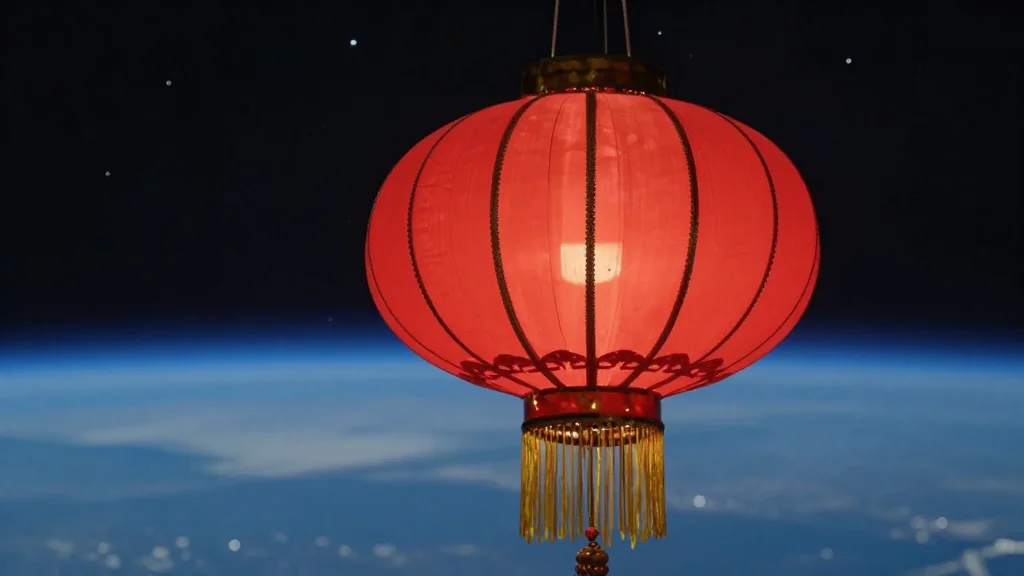
Gala Time! The Chinese New Year Narratives of the Space Program
China’s Spring Festival Gala, Chunwan, remains the world’s most‑watched TV event, drawing over a billion simultaneous viewers and serving as a flagship soft‑power platform. Since 2009 the program has woven the nation’s space achievements into its performances, from the first...
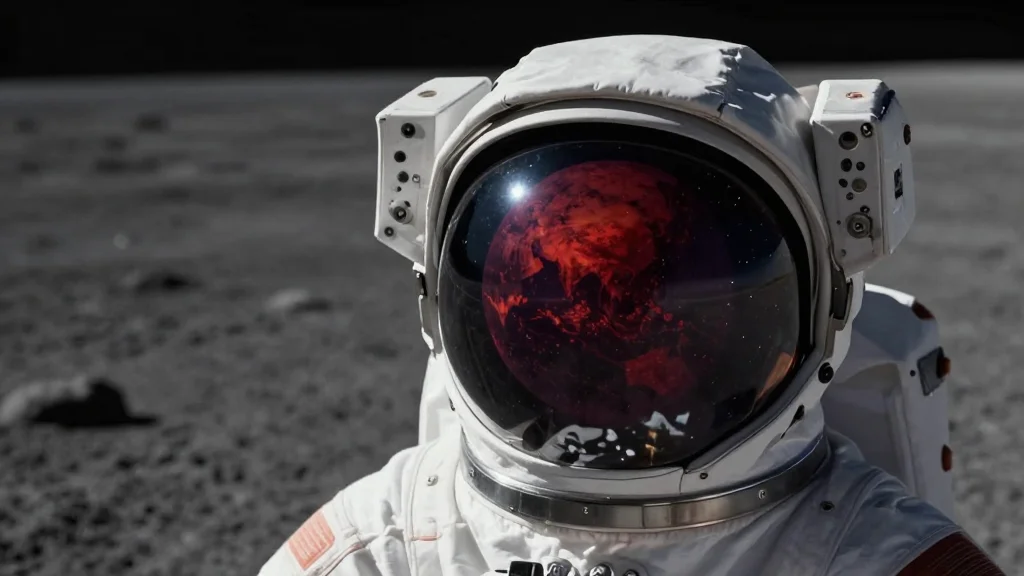
Review: Becoming Martian
Scott Solomon’s *Becoming Martian* examines how long‑duration spaceflight could reshape human bodies and minds, from microgravity‑induced vision changes to speculative reproductive research. The book arrives as U.S. space policy pivots from Mars to lunar priorities, keeping its relevance despite shifting political...

We Can Build Cities on the Moon�but Who Will Govern Them?
SpaceX has shifted its lunar strategy, announcing plans to build a self‑sustaining city and orbital AI data centers on the Moon within a decade. The move intensifies competition with China, which targets a crewed landing by 2030, prompting the United...

When Iran Took the Internet Hostage, Elon Musk Held the Keys
In early 2026 Iranian protests triggered a sweeping internet shutdown, but smuggled Starlink terminals let activists maintain contact with the outside world. The satellite service enabled images and messages to bypass state jamming, turning a near‑total blackout into a contested...

AI and Army Astronauts: A Judge Advocate's Solution to Protecting the Soldier-Astronaut
The article proposes using federated learning (FL) to protect soldier‑astronaut health data while delivering AI‑driven medical support on lunar and Mars missions. Recent Crew‑11 evacuation highlighted the limits of Earth‑based medical assistance and the bandwidth constraints of deep‑space communication. FL...
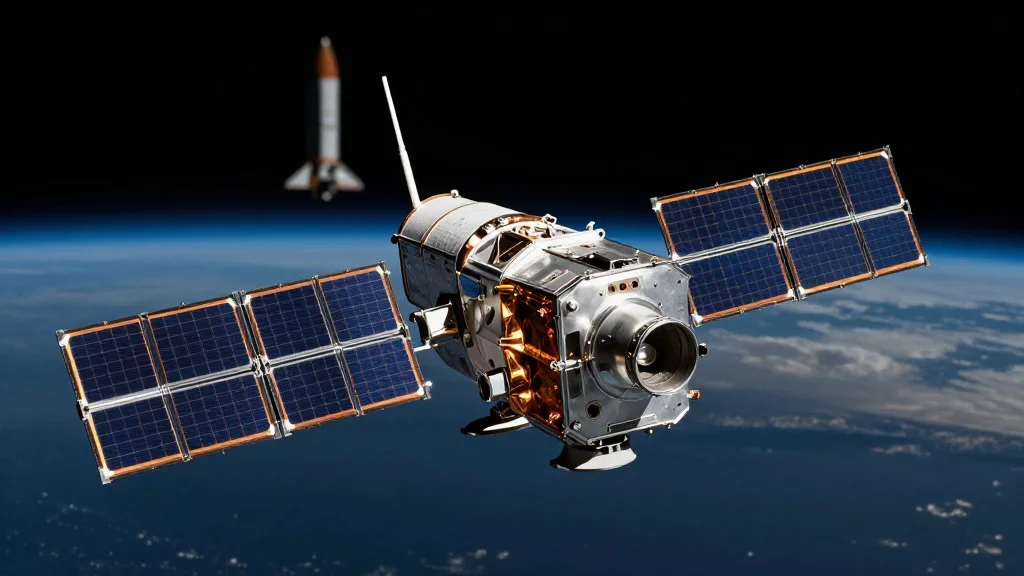
When Second Best Is Good Enough: The Initial Defense Satellite Communications System
The U.S. Air Force launched the Initial Defense Satellite Communications System (IDSCS) as a low‑cost, quickly fielded alternative after the ambitious Advent program was cancelled. Program 369 employed small 45‑kg Philco satellites, initially designed for medium‑altitude orbits and later placed in...
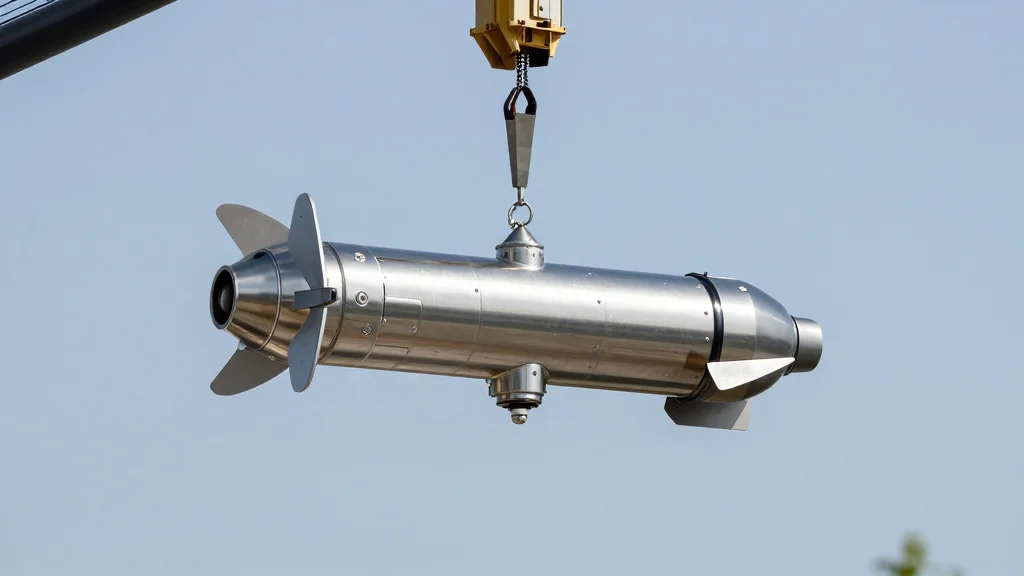
Seattle's Lessons for Rocket Reusability
SpaceX’s Falcon 9 demonstrated that first‑stage reuse can dramatically cut launch costs, reshaping the industry’s economics. Blue Origin has announced a hiring push for a “Reusable Upper Stage Development” manager, signaling its intent to explore second‑stage reuse. Analysts compare approaches: Rocket...

Tame the Wolf, Release the Panda: The Case for US-China Space Cooperation
The Space Review argues that the United States should repeal the Wolf Amendment and open a cooperative space relationship with China. It contends that China’s space ambitions are driven primarily by prestige and a desire for status recognition rather than...
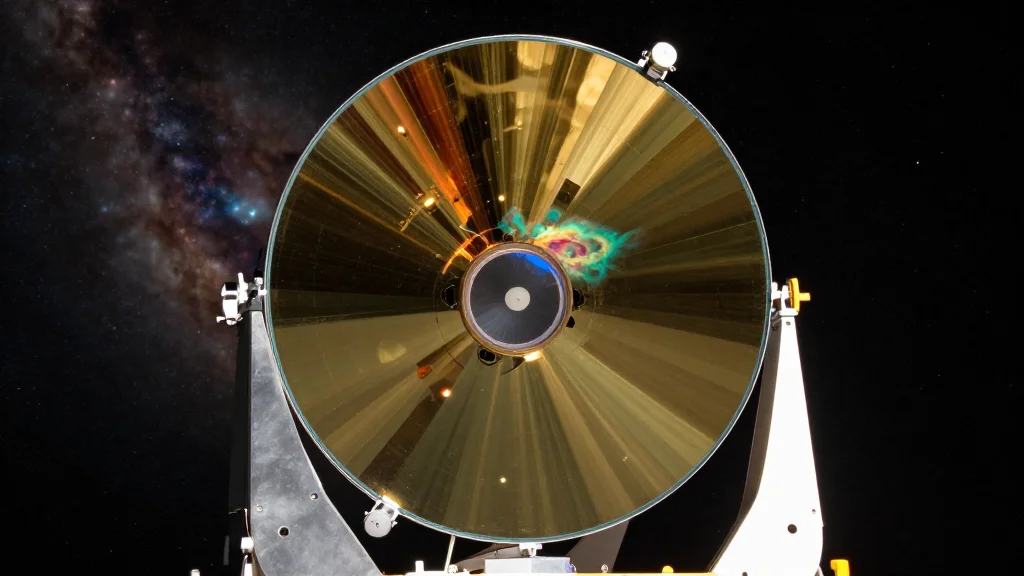
Review: Webb's Cosmos
*Webb’s Cosmos* is a 2025 hardcover that gathers more than 300 James Webb Space Telescope images into a beautifully designed volume. Edited by Marcin Sawicki and Firefly Books, the book blends striking photography with concise, first‑person narrative about JWST’s launch, operations,...
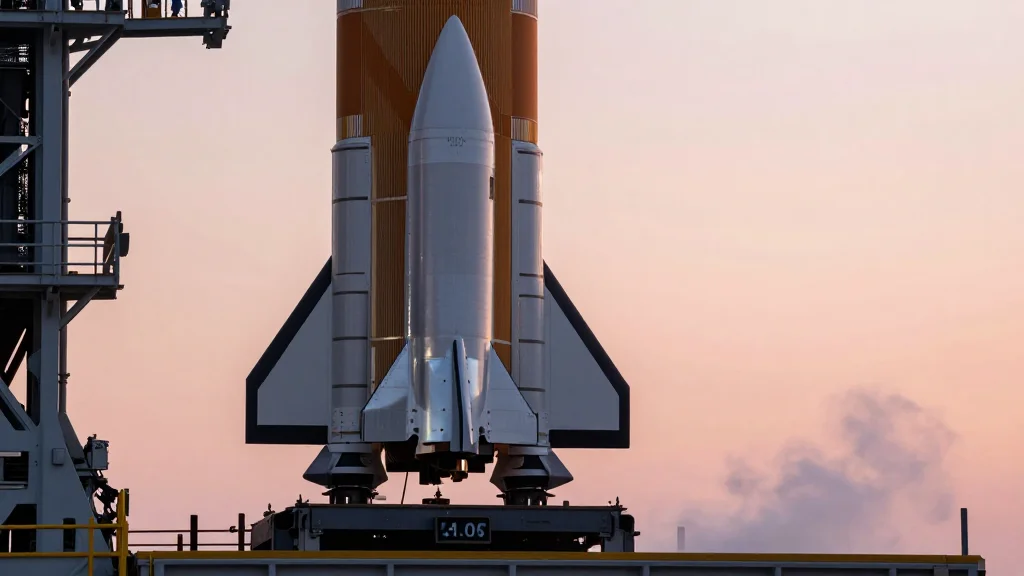
The Dominance of Cape Canaveral and Vandenberg
Cape Canaveral Space Force Station and Kennedy Space Center set a 2025 record with 109 launches, driven largely by SpaceX’s Falcon 9. The Eastern Range’s “Drive for 48” initiative has far outpaced its original weekly launch goal, while Vandenberg Space Force...
The Solar System Internet: Envisioning a Networked Future Beyond Earth
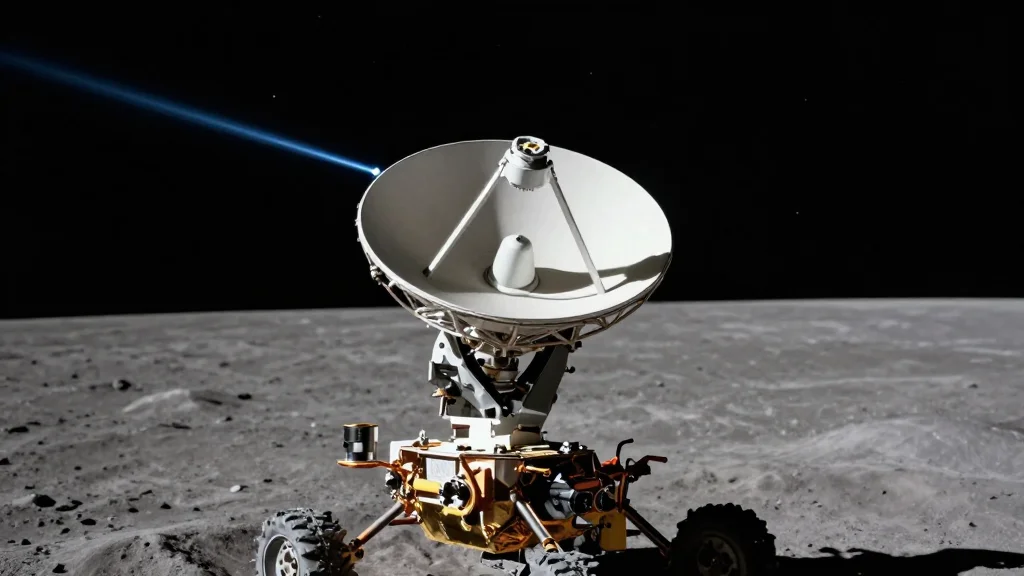
As lunar and Martian missions accelerate, NASA’s Deep Space Network is proving inadequate for the growing demand. Researchers are championing a Solar System Internet built on Delay‑Tolerant Networking and the Bundle Protocol to create a store‑and‑forward overlay that tolerates minutes‑long...
Review: To See Far
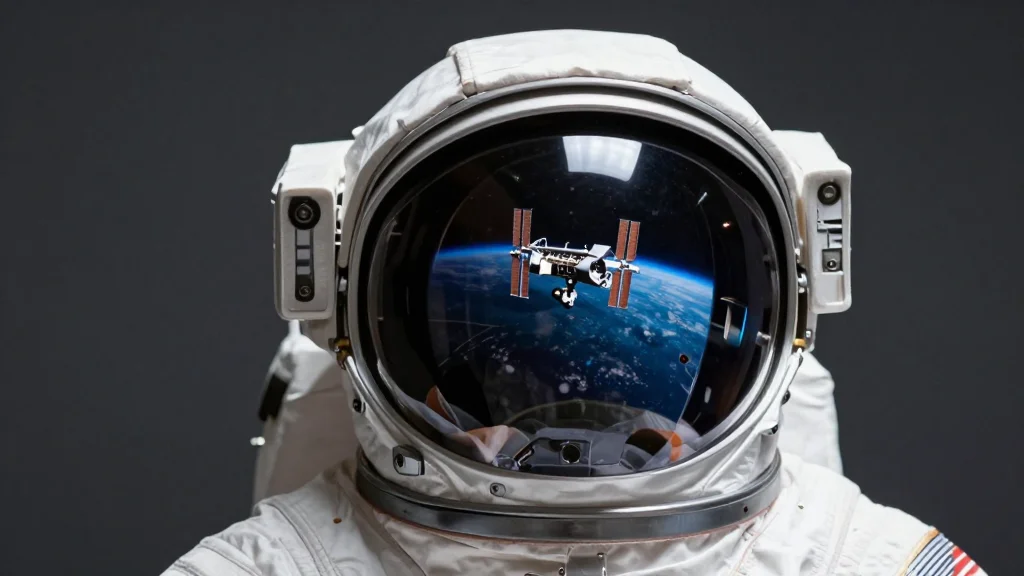
James Van Laak’s new book *To See Far* offers a candid, insider account of the International Space Station’s early years, chronicling his roles on Space Station Freedom, the Shuttle‑Mir partnership, and the ISS assembly phase. He details technical hurdles, but emphasizes the...

Normalization of Deviance
The Space Review highlights NASA’s Orion heat‑shield issue as a classic case of normalization of deviance, where repeated acceptance of performance shortfalls erodes safety standards. After a design change post‑EFT‑1, the shield failed to ablate on Artemis 1, prompting a costly...
Dragonship: China Builds a Nuclear-Powered Aircraft Carrier While Satellites Watch
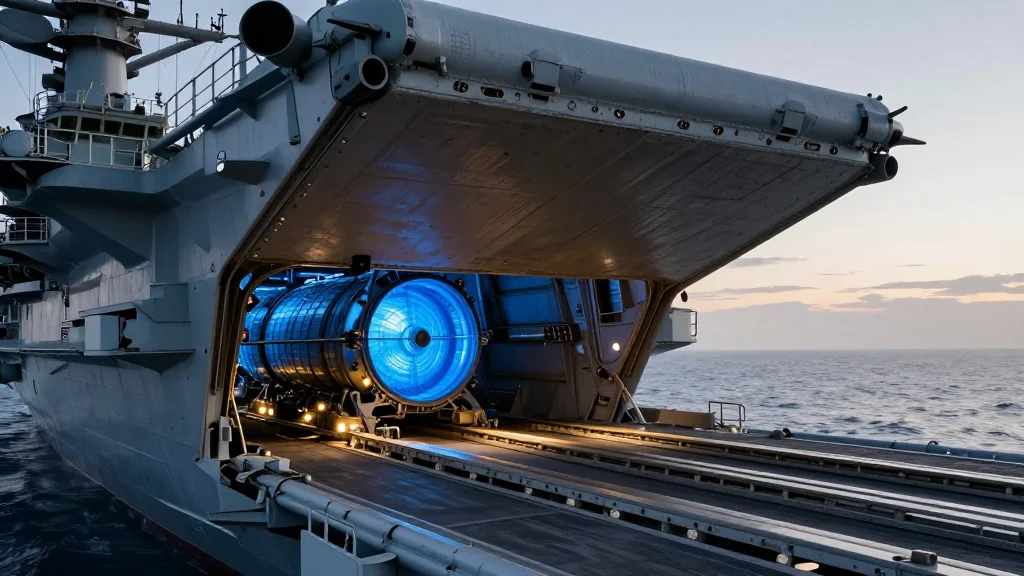
China is reportedly constructing its first nuclear‑powered aircraft carrier, dubbed the Type 004, at the Dalian shipyard. Satellite photos captured in 2025 show two large square sections consistent with reactor compartments, suggesting a shift from the conventionally powered Fujian and Shandong...
From Pacifism to Pragmatism: Japan's Evolving Space Security Policy
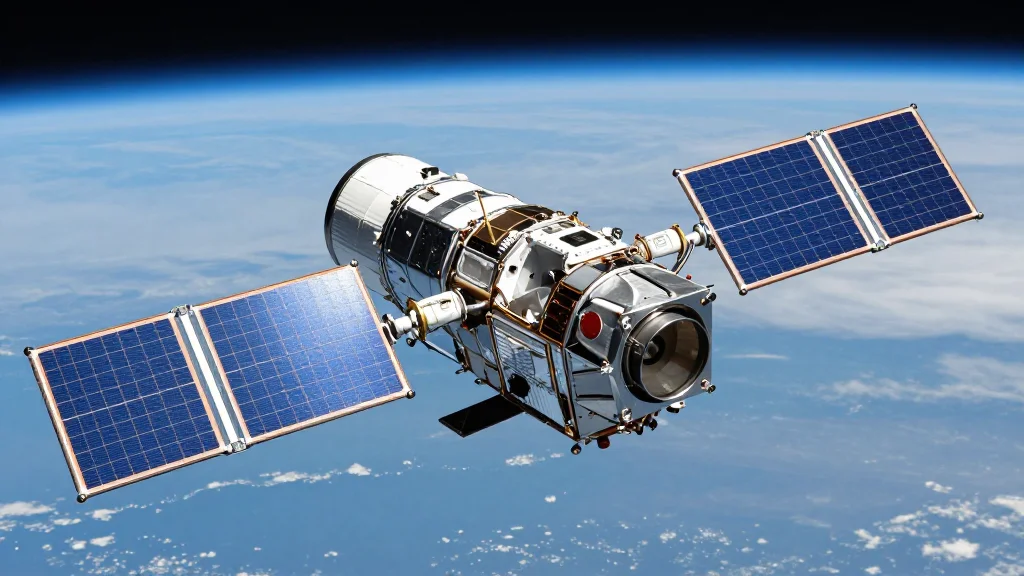
Japan has shifted from strict pacifism to a pragmatic space security stance, codified by the 2008 Basic Space Law. The law, prompted by North Korea’s 2006 missile launches and China’s 2007 anti‑satellite test, authorized non‑aggressive military space capabilities and centralized...
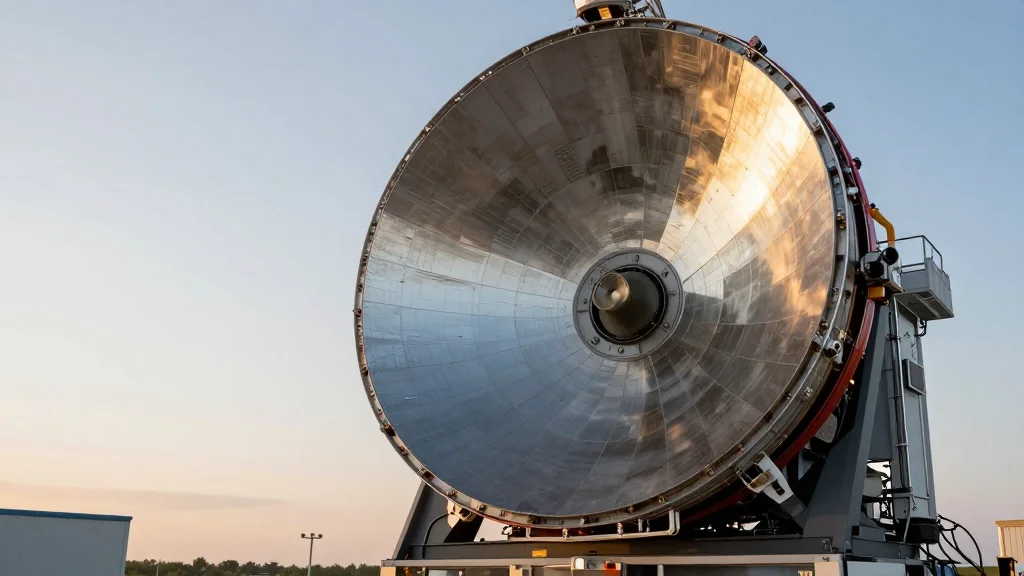
How Superheavy-Lift Rockets Could Transform Astronomy by Making Space Telescopes Cheaper
Super‑heavy lift rockets such as SpaceX’s Starship and Blue Origin’s New Glenn can deliver roughly ten times the payload mass and twice the fairing diameter of legacy launchers. This capability could eliminate the costly folding optics required for telescopes like the...
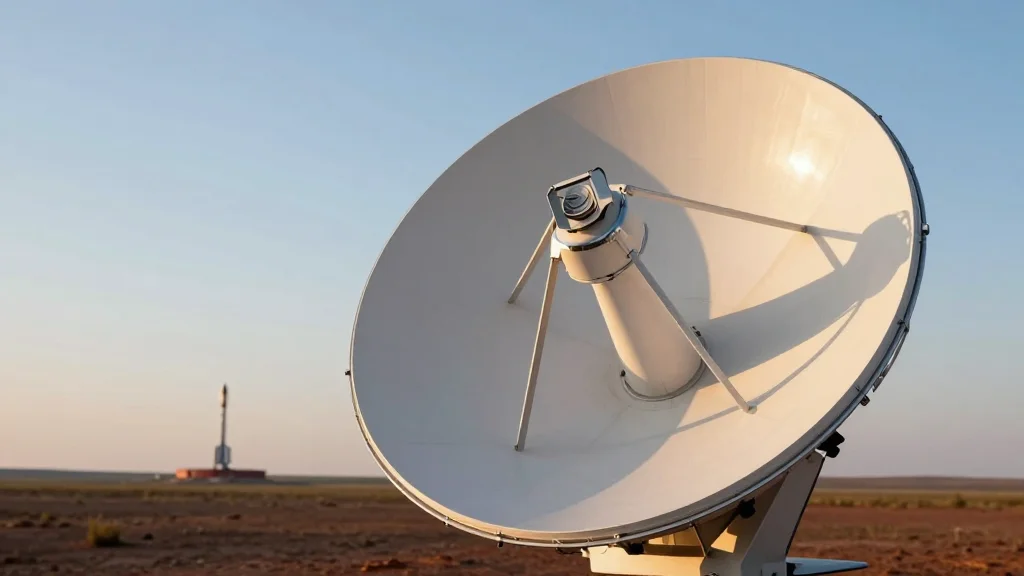
Kazakhstan's Space Strategy: Can Its High-Tech Assets Propel It to Eurasia's New Broker?
Kazakhstan is leveraging its Baikonur Cosmodrome and emerging deep‑tech ecosystem to position itself as a regional space broker in Eurasia. A McKinsey‑WEF report projects the global space economy to rise to $1.8 trillion by 2035, creating a narrow window for Kazakhstan...
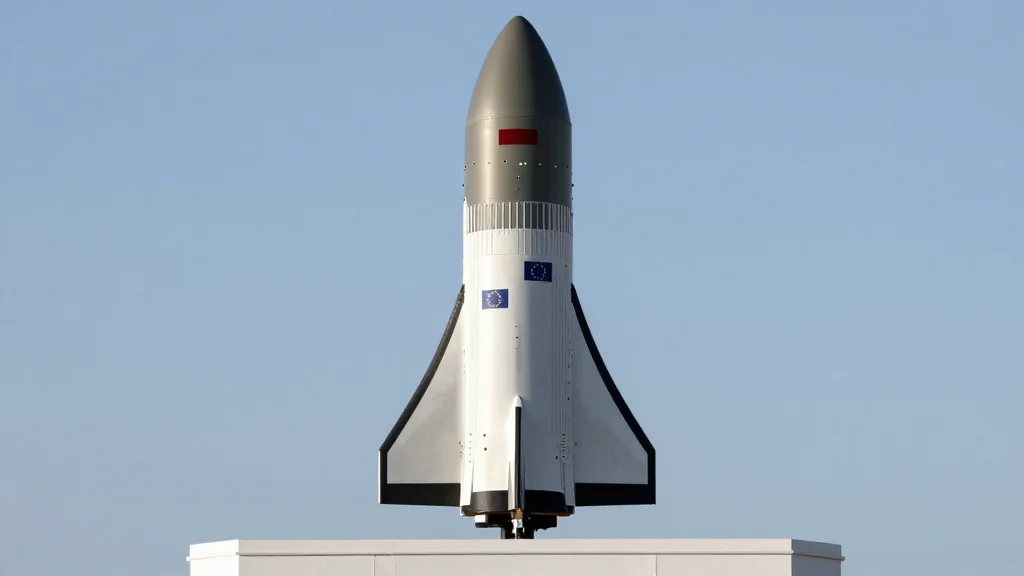
Liftoff for European Launch Startups
European launch startups are receiving a surge of public funding after the ESA’s European Launcher Challenge allocated over €900 million to five companies, aiming to restore sovereign access to orbit. Isar Aerospace is preparing its second Spectrum flight, carrying five cubesats...
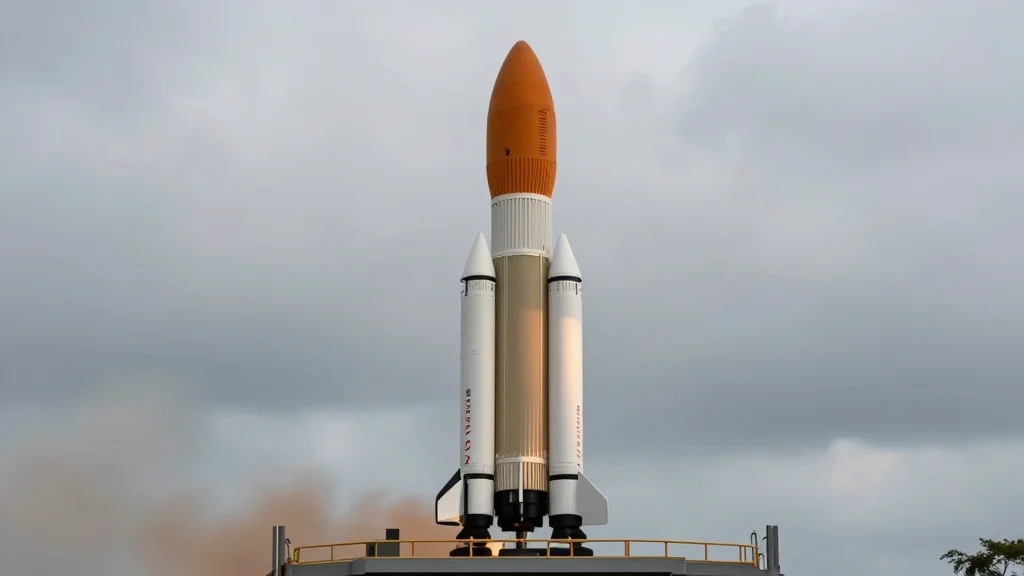
The PSLV-C62 Failure Marks a Setback for India's Space Ambitions
On Jan 12, ISRO's PSLV‑C62/EOS‑N1 mission failed to reach orbit after an anomaly in the third stage, losing the primary EOS‑N1 hyperspectral satellite and 14 other payloads. The launch also carried the Kestrel Initial Demonstrator, which managed to transmit limited...
The Successful Development of Russia's Counterspace Activities in LEO and GEO
Russia has accelerated its counter‑space programme, fielding both co‑orbital and direct‑ascent anti‑satellite systems across low‑Earth and geostationary orbits. The Nivelir series of co‑orbital satellites have demonstrated repeated proximity operations, coming within tens of kilometres of U.S. reconnaissance and communications satellites,...

Apollos Anew
The blog reviews the newly released photo‑books — Apollo 1, 7 and 8 in Photographs — which compile hundreds of previously unseen images from NASA’s early lunar missions. The author argues that the visual material reshapes readers’ perception of the Apollo program, revealing details of hardware assembly,...

Japanese Commercial Firms as Drivers of Japanese Space Policy
Japan’s commercial space sector has surged, with startups launching radar imaging satellites, developing lunar landers, and pursuing on‑orbit servicing. Recent policy reforms—such as streamlined licensing, increased R&D subsidies, and a dedicated commercial space law—have lowered barriers for private firms. In...
Building Empires in the Sky: Effectuating Off-Earth Territorial Expansion Using Existing Legal Frameworks
The article examines how existing legal regimes—particularly the 1967 Outer Space Treaty, the non‑binding Artemis Accords, and the U.S. 2015 Space Resources Ownership Act—can be leveraged for off‑Earth territorial expansion. It argues that while sovereign claims are prohibited, actors can...
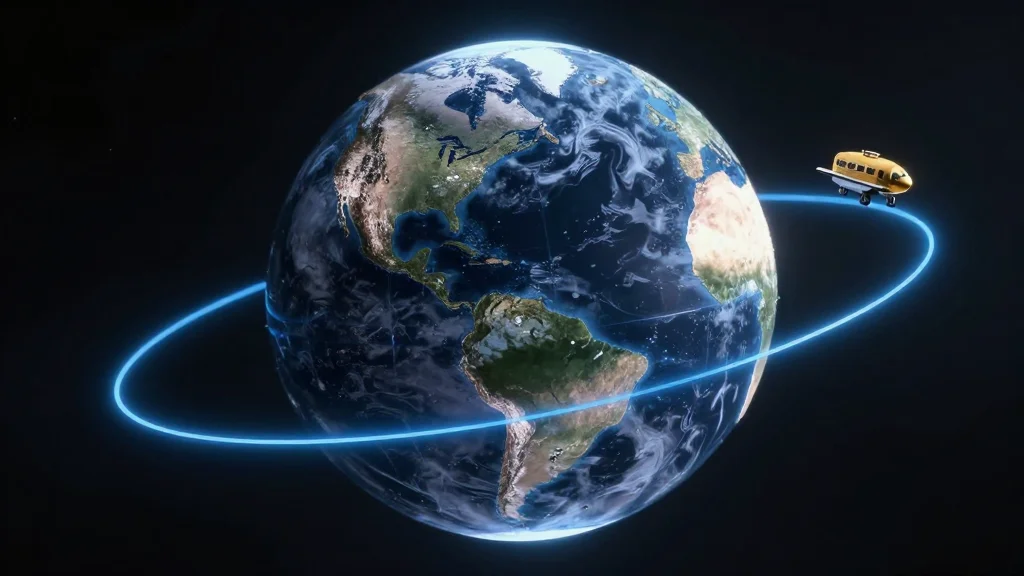
Safe Passage in the Stars: The Next Bretton Woods
Alex Li argues that just as naval power secured maritime trade and cemented the U.S. dollar’s reserve status, future control of orbital trade routes will create a space‑based Bretton Woods. He outlines how low‑energy orbital pathways, such as the Interplanetary...
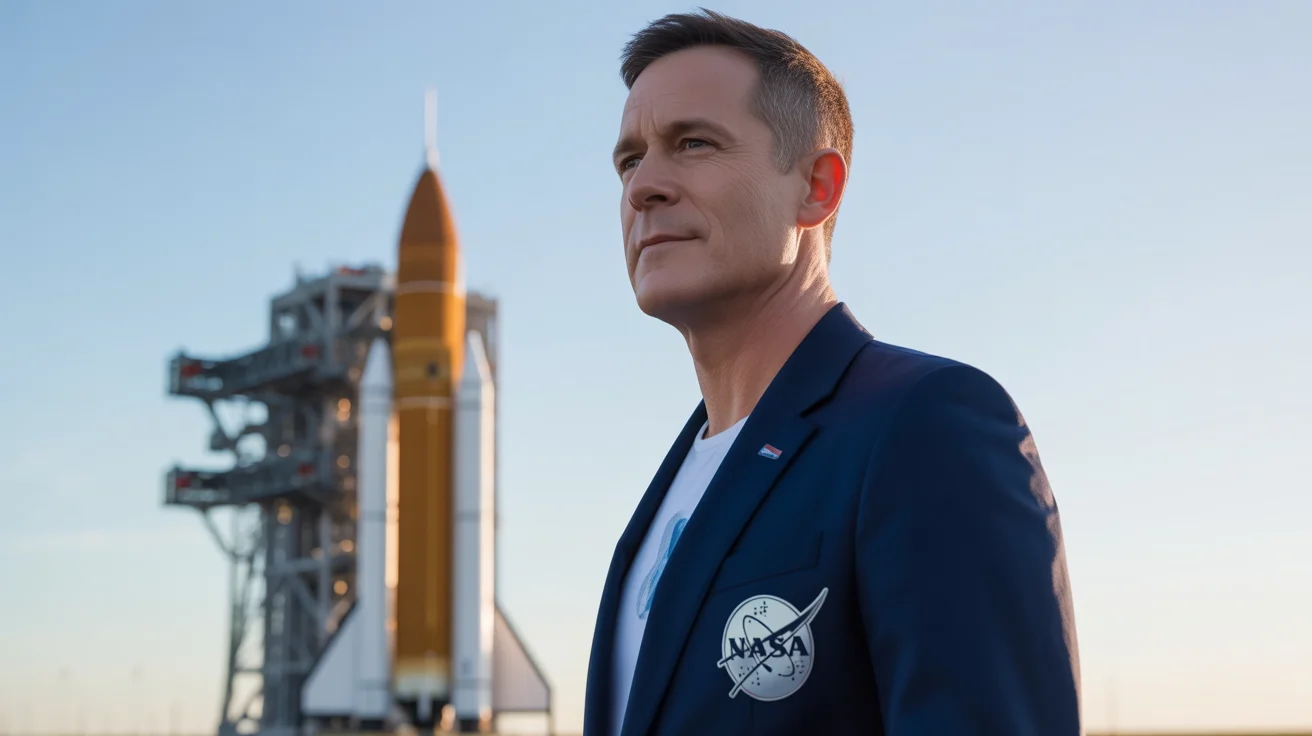
The Isaacman Era Begins at NASA
Jared Isaacman was confirmed by a 67‑30 Senate vote and sworn in as NASA administrator by a federal judge, ending a year‑long nomination saga. He introduced himself at a NASA town hall, emphasizing a faster, less bureaucratic approach to the...
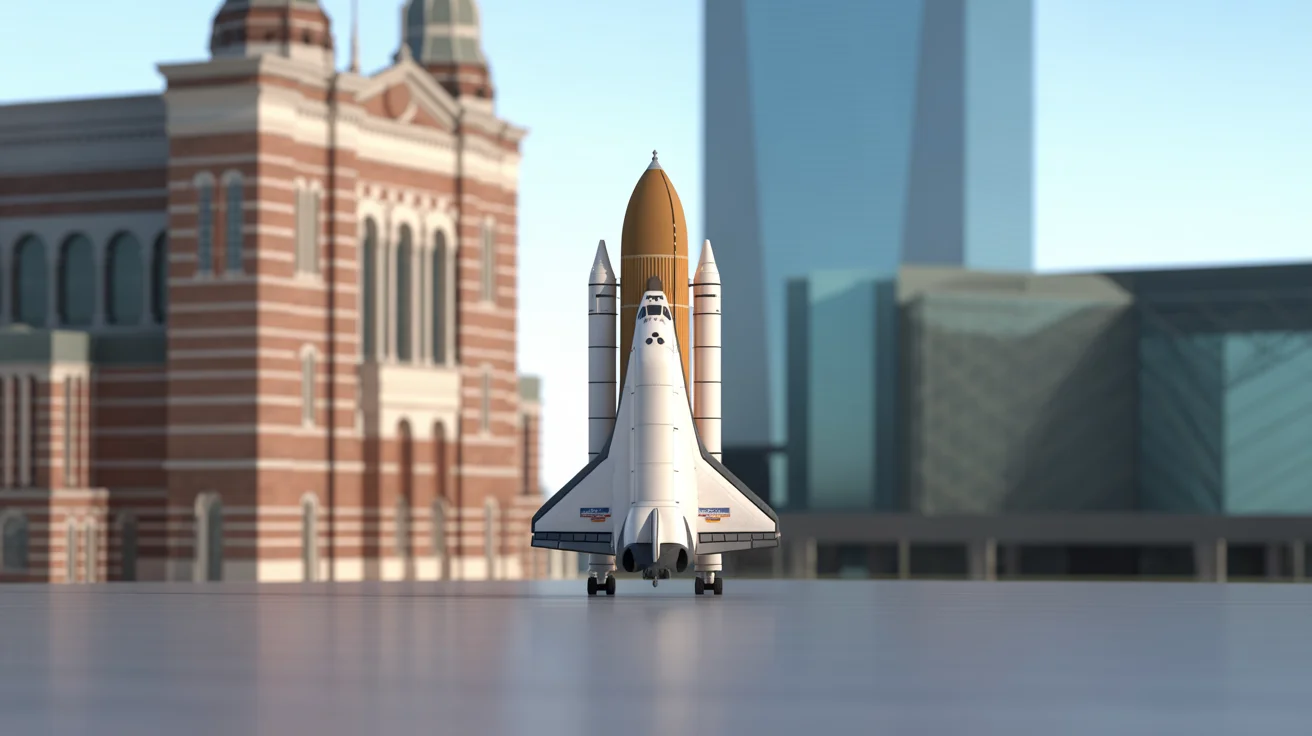
Houston Deserves a Space Shuttle, but Not Like This
The 2027 "Bring the Space Shuttle Home Act" attached to the One Big Beautiful Bill will move the Discovery orbiter from the Smithsonian’s Udvar‑Hazy Center to a Houston non‑profit near Johnson Space Center. Texas Senators John Cornyn and Ted Cruz engineered the provision after years...
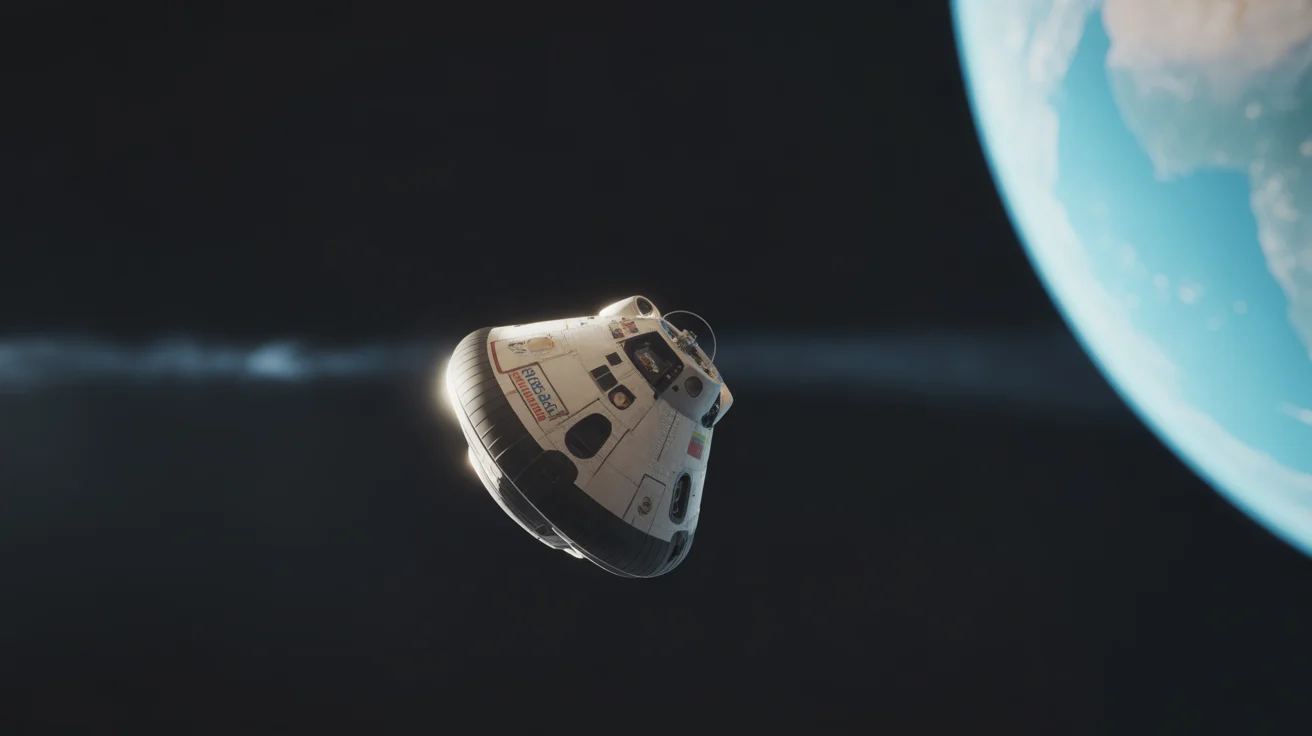
See You on the Other Side: What Jim Lovell's Apollo 8 Mission Taught a Divided World
Jim Lovell’s 1968 Apollo 8 mission marked the first crewed orbit of the Moon and captured the iconic Earthrise photograph, offering a new visual of Earth as a fragile, border‑less sphere. The mission unfolded against a backdrop of domestic upheaval—assassinations, protests,...
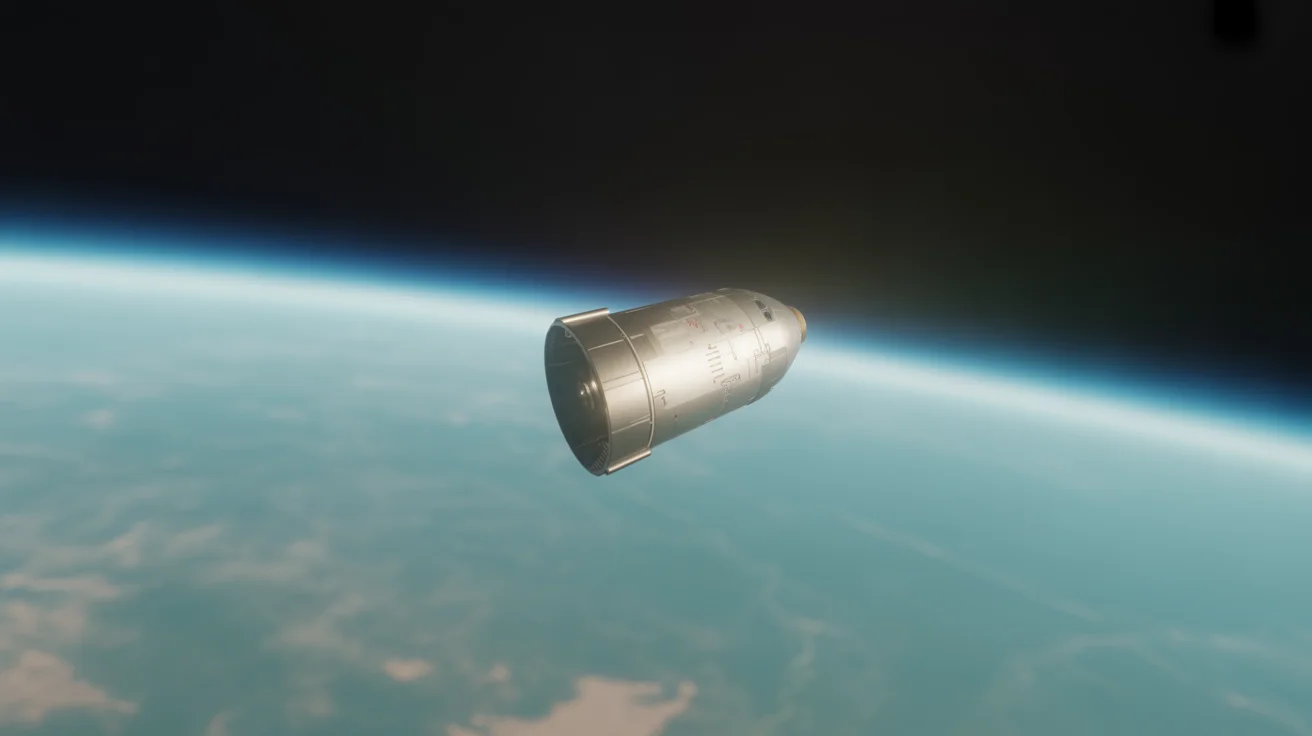
Review: Gemini: Stepping Stone to the Moon
Jeffrey Kluger’s 2025 hardcover, *Gemini: Stepping Stone to the Moon, the Untold Story*, attempts to redress the perceived neglect of NASA’s Gemini program. The book chronicles Gemini’s ten crewed flights, technical innovations, and astronaut profiles, drawing on NASA oral histories...
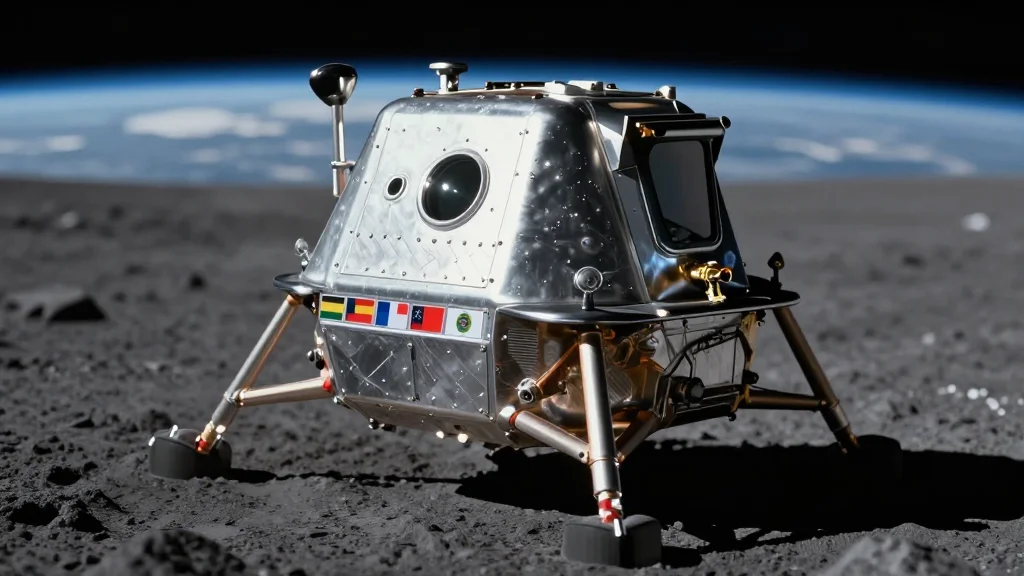
The Artemis Accords at Five
The Artemis Accords celebrated their fifth anniversary, now counting 59‑60 signatory nations after a rapid expansion from the original nine. Latvia has announced its intent to join but has not yet completed the signing, leaving the exact tally ambiguous. Recent...
State-Owned Enterprises and Commercial Space in China
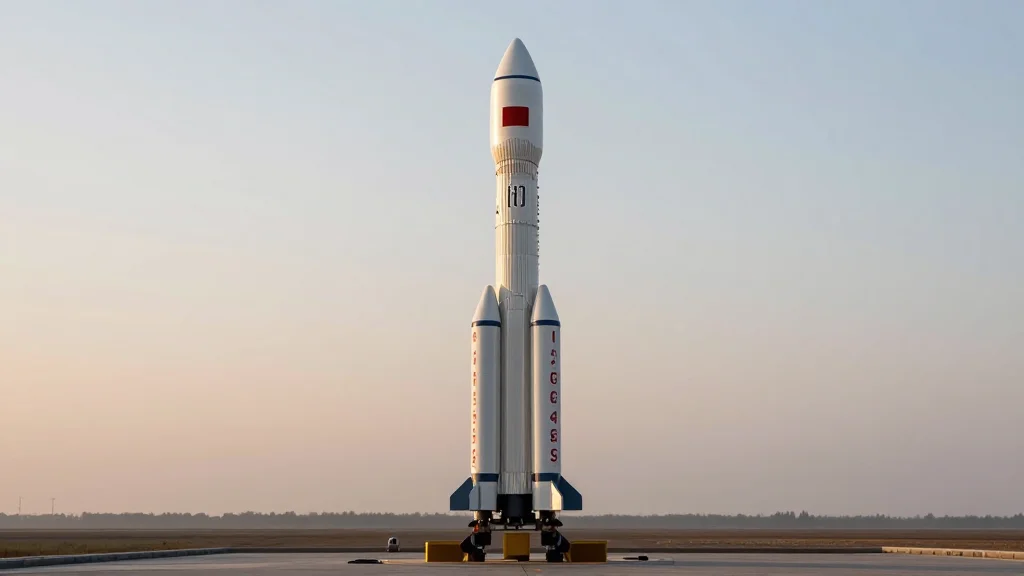
China’s commercial space sector has accelerated since the 2014 Document 60 reforms, but it remains tightly coupled with state‑owned enterprises (SOEs). The two aerospace giants, CASC and CASIC, continue to dominate launch vehicle production, R&D, and financing while acting as anchors...

"Sovereign Capacity" Of Private and Public Space Programs
The article defines “sovereign capacity” as a space program’s economic, legal and political leverage over its supply chain, a concept now driving both state and corporate strategies. Geopolitical tensions are prompting nations to reduce dependencies, while private firms like SpaceX...