
Review: It's (Just) Rocket Science
Jeff Foust reviews *It’s (Just) Rocket Science*, a 376‑page Johns Hopkins University Press title that teaches basic physics through spaceflight stories. The book pairs concepts like angular momentum and photon pressure with missions such as NASA’s DART asteroid impact and The Planetary Society’s Lightsail solar‑sail test. While it includes equations, the author limits heavy math to optional interludes, keeping the narrative accessible for readers who find physics intimidating. Priced at US$32.95, the volume aims at space‑curious audiences and educators seeking engaging STEM material.
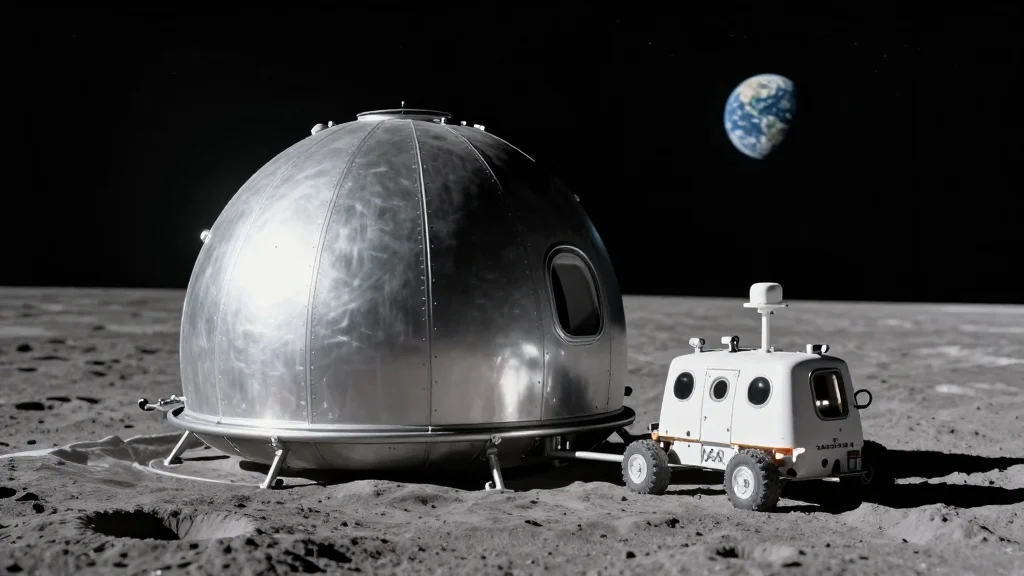
The Moonbase Moment
At NASA’s Ignition event in March, the agency announced a $30 billion, decade‑long plan to build a permanent lunar base, outlining three phases from 2026 to 2036. The program calls for dozens of landers, habitats, power systems and a near‑monthly launch...
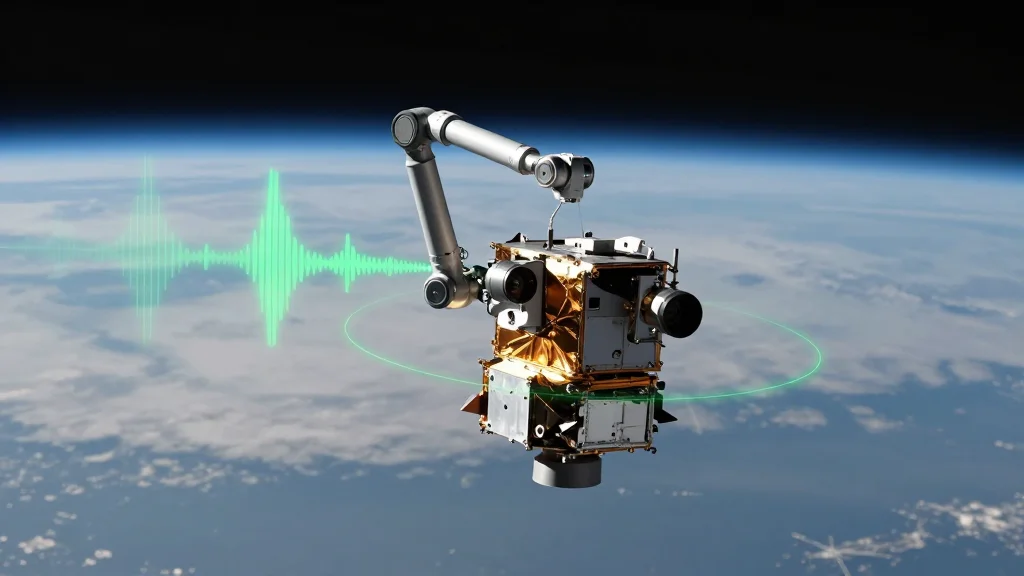
Governance Is Always Late to the Party. Here's Why That's Not an Accident.
The article argues that space governance habitually lags behind the rapid growth of in‑orbit servicing and other circular‑economy activities. While technical missions succeed, legal frameworks for liability, safety standards, and jurisdiction are still being debated after the fact. This lag...
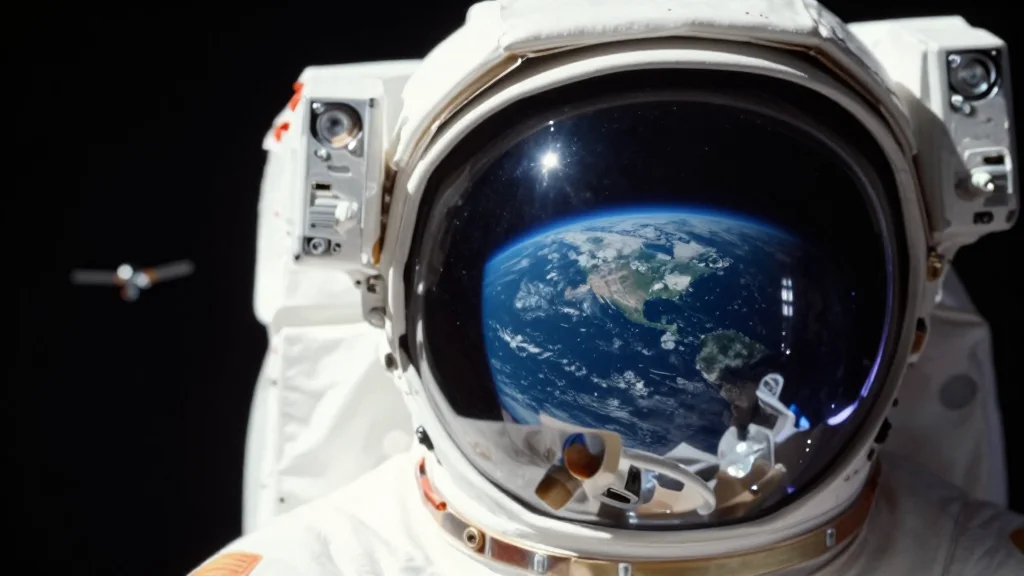
The Fallacy of the Overview Effect: Perception, Power, and Strategic Reality in Space
The article contends that the Overview Effect—a profound, subjective shift astronauts feel when viewing Earth from orbit—does not rewrite the strategic realities that shape international relations. While the experience highlights planetary fragility, borders, sovereignty and power structures remain decisive, regardless...
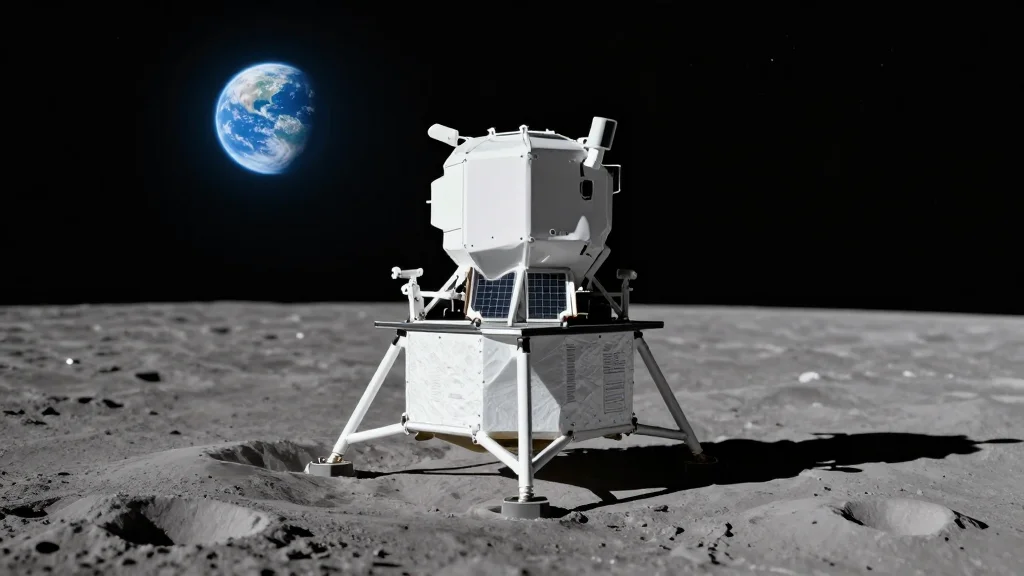
Review: Open Space
David Ariosto’s new book *Open Space* chronicles the accelerating U.S.-China lunar race, spotlighting NASA’s ambitious goal of 21 landings between 2026 and 2028. The narrative follows Intuitive Machines’ rocky IM‑1 and IM‑2 missions, illustrating the technical hurdles that still plague...
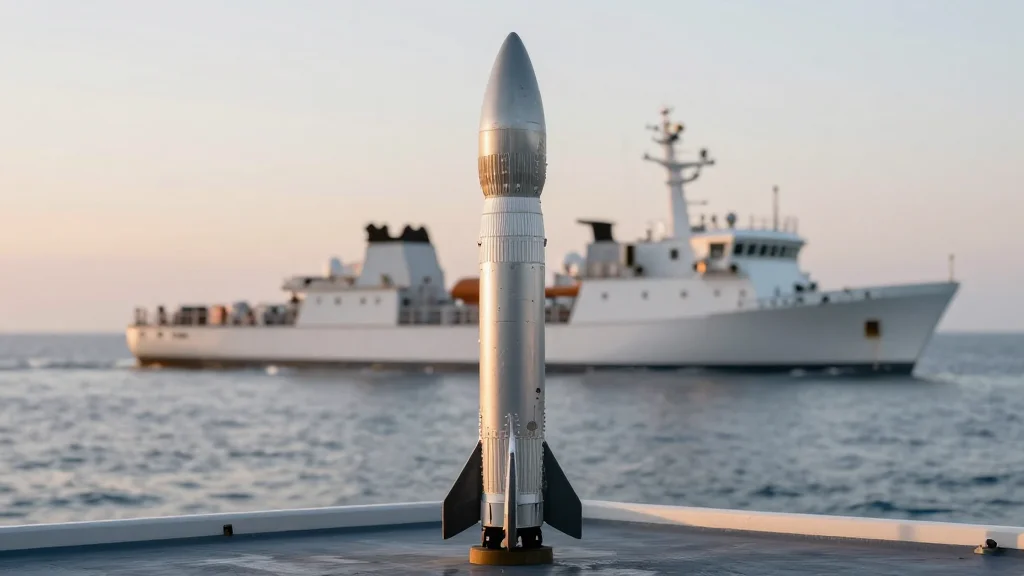
The Great Launch Constraint
On April 19 Blue Origin launched New Glenn’s NG‑3 mission using a refurbished first‑stage booster that successfully returned to the recovery ship Jacklyn. The mission, the first commercial flight for AST SpaceMobile, suffered a second‑stage anomaly: a BE‑3U engine under‑performed, placing the BlueBird 7...
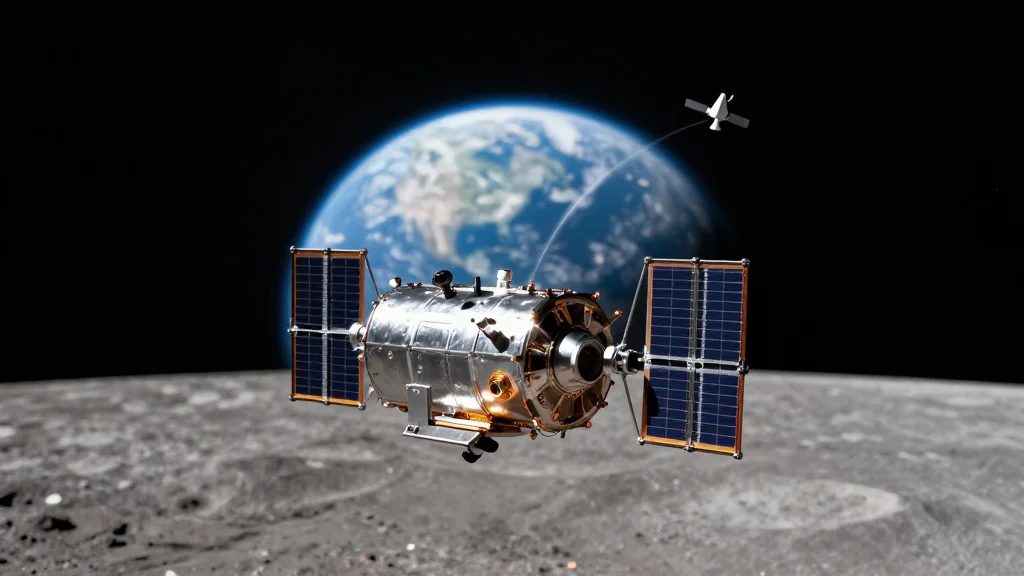
A Fortress Moon for Cislunar Security
A Chinese‑licensed commercial spacecraft launched as a lunar communications‑relay demonstrator unexpectedly altered its trajectory during a far‑side lunar pass, coinciding with a brief US satellite communications outage and infrared signatures of unannounced Long March launches. The simultaneous anomalies revealed a blind...
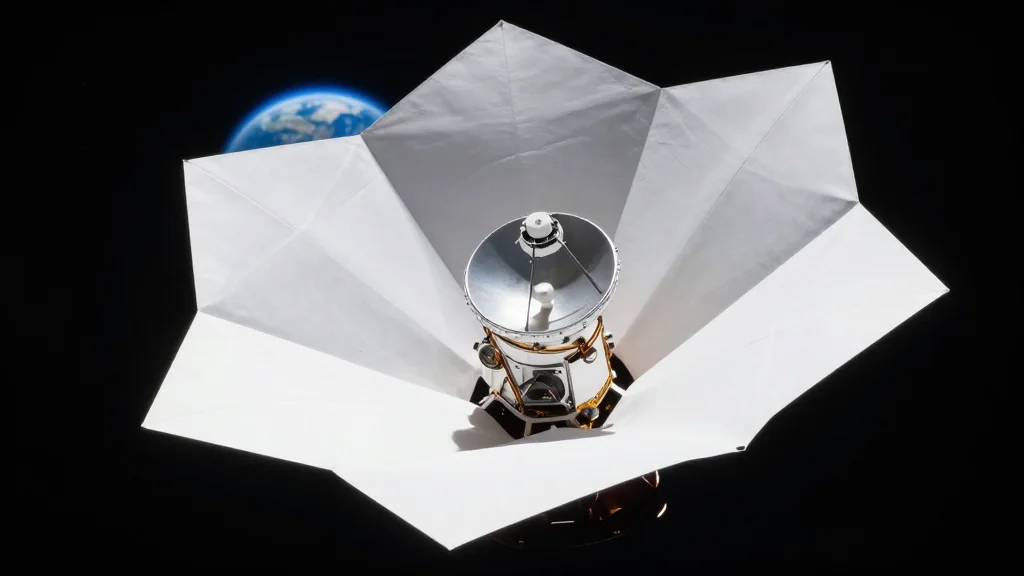
The TWINSTAR Mission Concept: A Pragmatic Path to Finding Earth 2.0
The TWINSTAR concept proposes a $3‑5 billion, four‑meter space telescope paired with a 34‑meter external starshade to achieve the 10⁻¹⁰ contrast needed for direct imaging of Earth‑like exoplanets. By locating the observatory at the Sun‑Earth L2 Lagrange point, the mission gains...
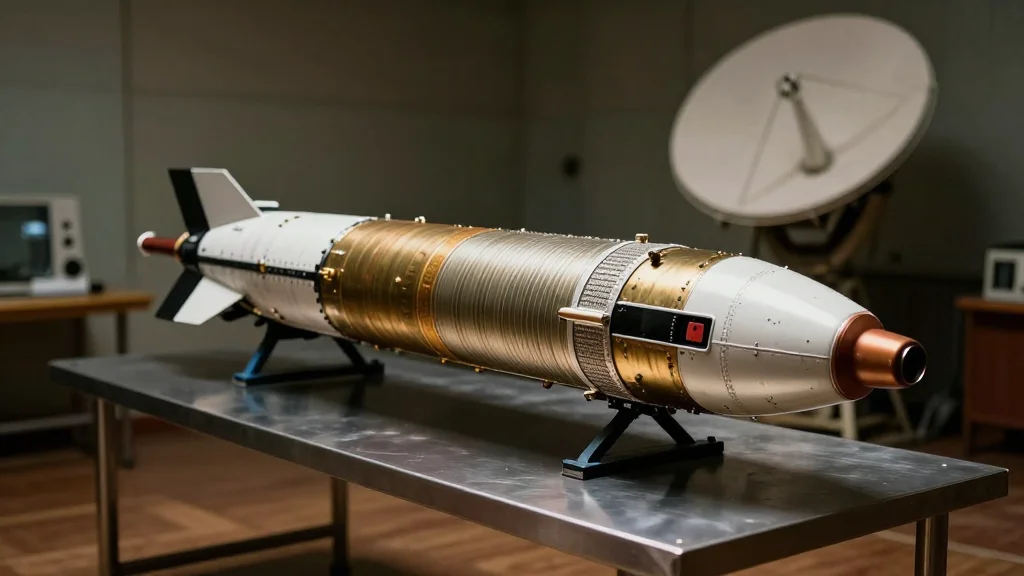
Big Little Rocket: The N1 Moon Rocket and the Cognitive Dissonance of Spy Satellite Photography
During the Cold War, U.S. reconnaissance satellites first spotted the Soviet Union’s massive N1 lunar rocket program at Baikonur, designating the site “Complex J” and the vehicle “J vehicle.” The CIA relied almost exclusively on these overhead images to infer the...
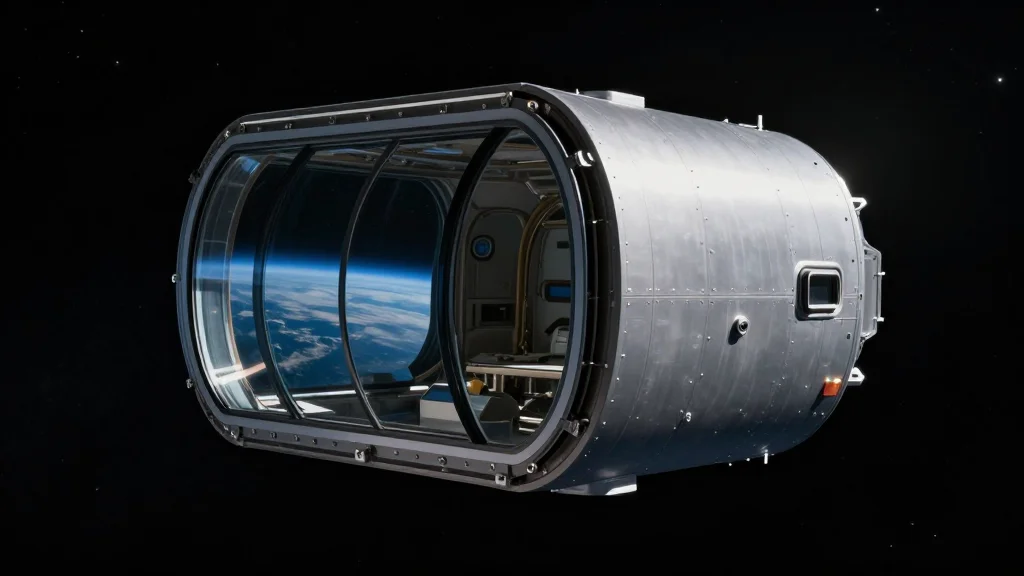
Commercial Space Station Developers Make Their Business Case to NASA
Commercial space‑station firms Starlab, Axiom and Vast used the Space Symposium to respond to NASA’s request for information on low‑Earth‑orbit (LEO) destinations, presenting detailed market evidence. They highlighted fully booked payload capacity, upcoming private‑astronaut missions, and sovereign‑astronaut demand as proof...
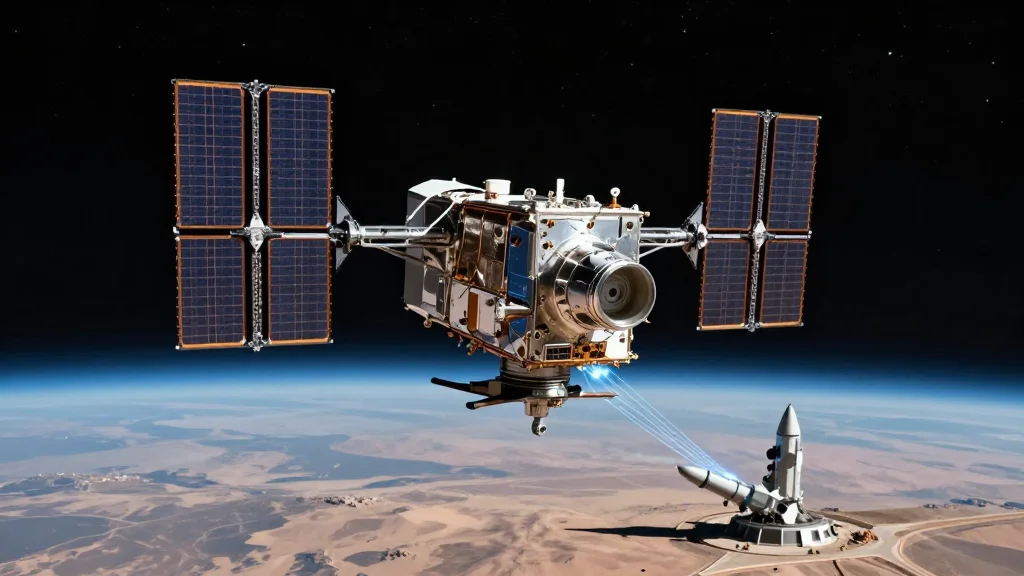
When the Orbital Layer Is the Kill Chain
Operation Epic Fury demonstrated that modern kill chains rely on a tightly integrated space architecture topped with AI, not merely on drones or software. The three‑click targeting process depended on imaging, communications, signals‑intelligence and GPS satellites to feed Maven’s AI,...
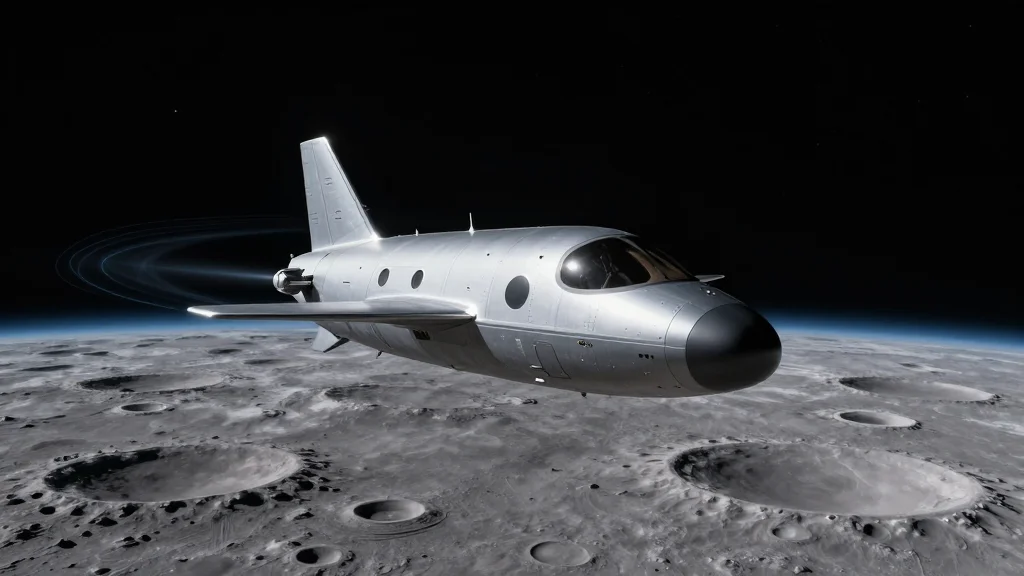
Artemis 2, Apollo 8, and the Problem with History
Artemis 2’s lunar flyby mirrors Apollo 8’s historic 1968 mission, but its justification is largely technical rather than geopolitical. Recent declassified CIA memos reveal that intelligence on Soviet circumlunar plans was shared with NASA, yet historians argue the primary driver for Apollo 8...
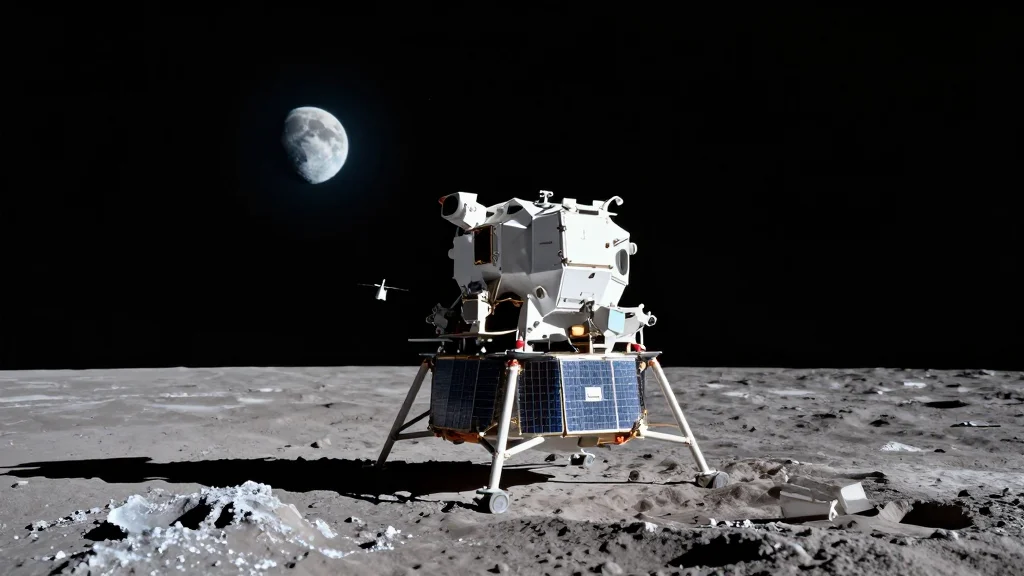
Strategic Celestography and Lunar Competition: Artemis, CLEP, and the Struggle for Positional Advantage
The United States' Artemis program and China’s Lunar Exploration Program (CLEP) are racing to secure strategic footholds on the Moon and in cislunar space. Both powers target the lunar south‑pole for its water‑ice deposits and favorable solar illumination, while leveraging...
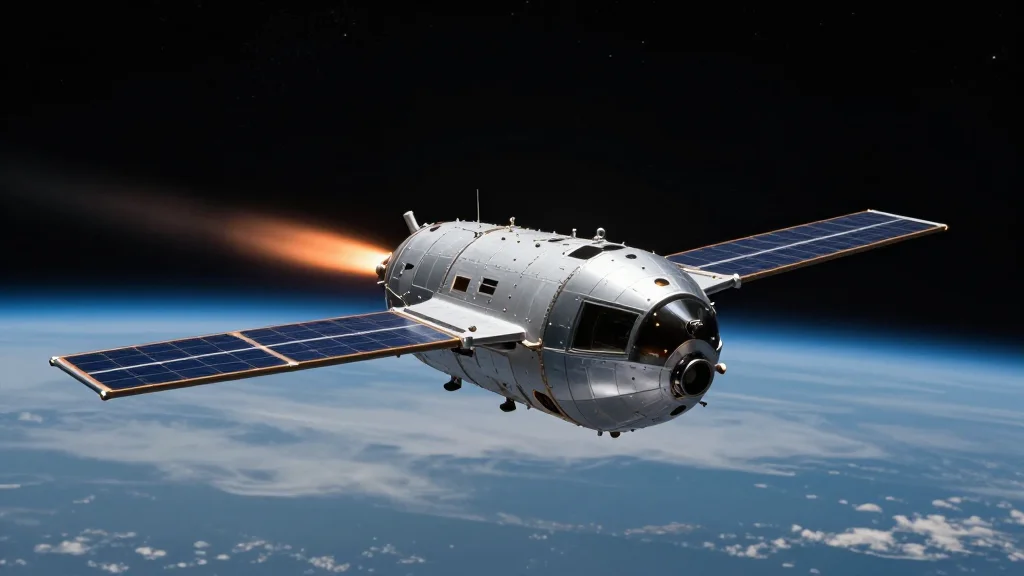
Thirty Years Later, Mars 96 Has Not Been Found
In November 1996 Russia launched Mars 96, a 6,500 kg, multinational probe designed to orbit Mars and deploy landers and penetrators. A malfunction in the Proton‑K upper stage left the spacecraft stranded in low‑Earth orbit, causing it to re‑enter the atmosphere weeks...
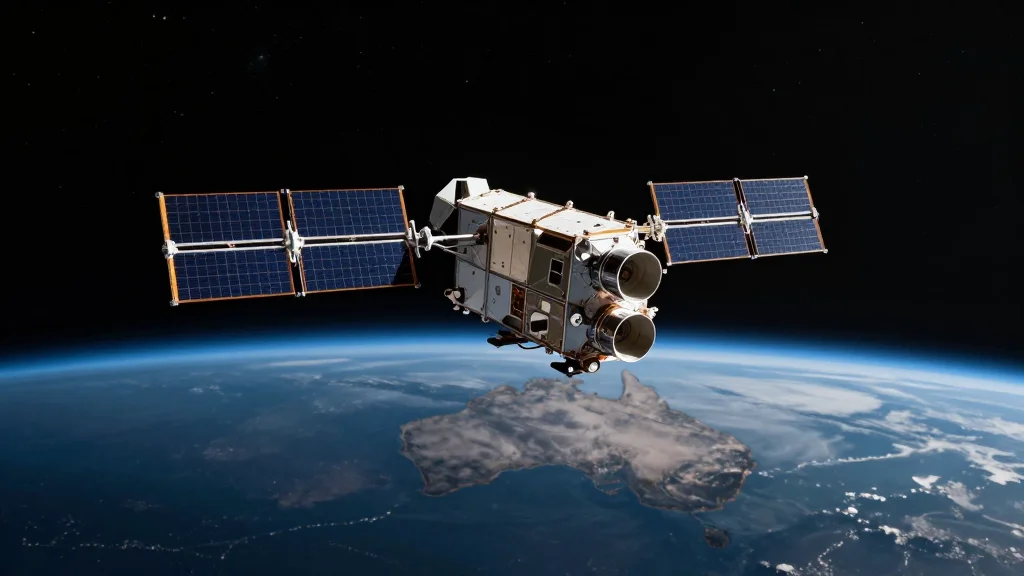
Ownership without Oversight: Australia's On-Orbit Supervision Gap
In late 2025 Australian firm HEO bought the in‑orbit satellite Continuum‑1 from Argentina’s Satellogic, marking Australia’s first privately owned space asset. While the United States remains the launching state, Australia now bears treaty‑based responsibility for supervising the satellite’s operations, yet its...