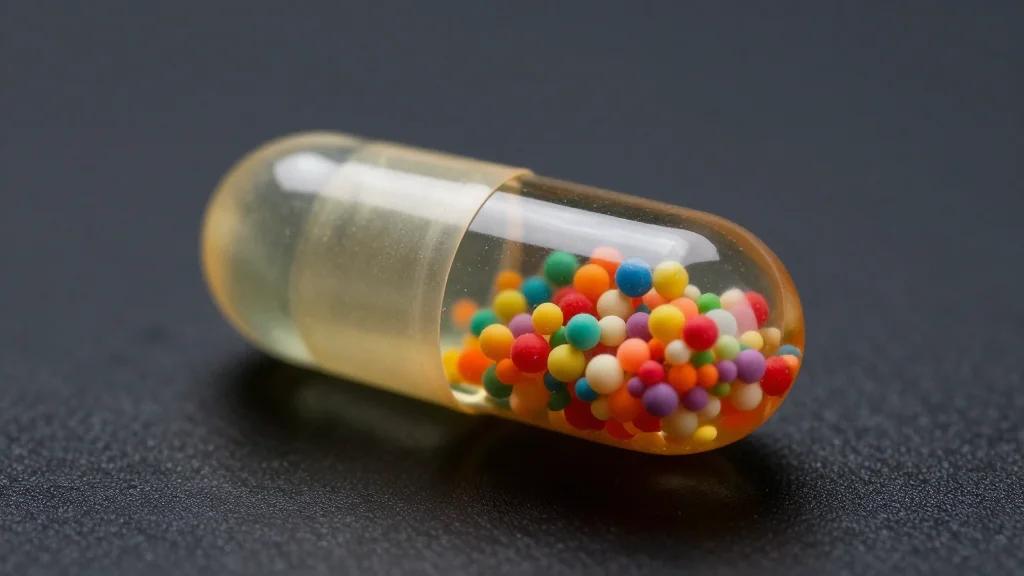
Innovative ‘Poop Pills’ Show Promising Results in Clinical Trials for Multiple Types of Cancer
Recent Phase I and II trials demonstrate that oral fecal microbiota transplantation (FMT) capsules can both mitigate immunotherapy‑induced toxicity in kidney cancer and markedly boost response rates in lung cancer and melanoma. In the kidney‑cancer study, 20 patients experienced fewer colitis and diarrhea events, allowing full treatment courses. Separate lung‑cancer and melanoma trials, each with 20 participants, reported 80% and 75% response rates respectively, far exceeding historical benchmarks of 39‑58%. The work, published in Nature Medicine, positions the Lawson‑developed LND101 capsule as a scalable adjunct to cancer therapy.
Sanofi Announces the Signing of a Share Buyback Mandate for up to €1 Billion
Sanofi disclosed a €1 billion share‑buyback mandate on February 2, 2026, following its January 29 announcement. The program permits the company to repurchase its own shares between February 3 and December 31, 2026. Execution will be managed by an investment‑service provider under the newly signed...
How a Heart Medication Could Unlock a New Targeted Approach in Lymphoma
Researchers at VCU Massey Cancer Center identified dronedarone, an FDA‑approved heart medication, as a selective inhibitor of the deubiquitinase USP11, targeting its non‑catalytic UBL domain. The compound, named RBF4, demonstrated potent activity against MYC‑driven diffuse large B‑cell lymphoma in preclinical...

AstraZeneca Begins Trading on the New York Stock Exchange
AstraZeneca has begun trading its ordinary shares on the New York Stock Exchange under the ticker AZN, joining its existing listings on the London Stock Exchange and Nasdaq Stockholm. The move creates a harmonised listing structure, giving U.S. investors direct...
Metformin Shown to Prevent Long COVID Across Risk Groups in Multiple Randomized Trials
Multiple randomized trials and electronic‑health‑record analyses show that a 14‑day course of metformin, started during or shortly after acute SARS‑CoV‑2 infection, significantly lowers the risk of developing Long COVID. Across four studies, one Long COVID case is prevented for every...

Two Days of Oatmeal Reduce Cholesterol Level
A University of Bonn randomized trial found that a two‑day, calorie‑restricted oatmeal diet lowered LDL cholesterol by about 10% in participants with metabolic syndrome. The intensive oat regimen also produced an average two‑kilogram weight loss and modest blood‑pressure reductions. Gut‑microbiome...

Chemotherapy Rewires Gut Bacteria to Curb Metastasis
A study in Nature Communications shows chemotherapy‑induced gut injury reshapes the microbiota, increasing production of the microbial metabolite indole‑3‑propionic acid (IPA). Elevated systemic IPA reaches the bone marrow, reprogramming myelopoiesis to lower immunosuppressive monocytes and boost T‑cell activity. In preclinical...
Abbott Increases Quarterly Dividend for 54th Consecutive Year
Abbott announced its board increased the quarterly common dividend to 63 cents per share, a 6.8% rise. The hike marks the 54th consecutive year of dividend growth and the 408th uninterrupted quarterly payment since 1924. The dividend has risen more...

Targeted Therapy Shows Promise Against Aggressive Brain Tumors
A national Alliance trial reported that the CDK4/6 inhibitor abemaciclib slowed growth in aggressive grade 2‑3 meningiomas harboring NF2 or CDK‑pathway mutations. In the first genomically‑selected study of its kind, 58% of the first 24 patients achieved six‑month non‑progression, with a...
Bristol Myers Squibb Announces Collaboration with Microsoft to Advance AI-Driven Early Detection of Lung Cancer
Bristol Myers Squibb has teamed with Microsoft to embed FDA‑cleared AI radiology algorithms into Microsoft’s Precision Imaging Network, aiming to spot lung nodules earlier and streamline radiology workflows. The collaboration leverages a platform already used by more than 80% of...
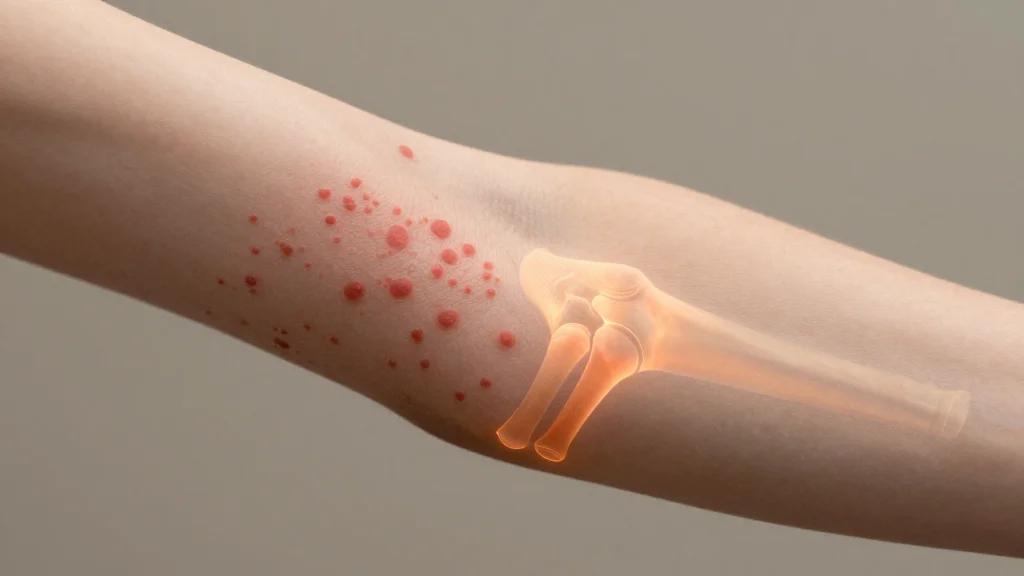
How Psoriasis Affects Joints
Researchers at FAU uncovered that skin‑derived myeloid precursor cells enter the bloodstream and migrate to joints, where they encounter resident fibroblasts that lose their protective role, triggering psoriatic arthritis. The study, published in Nature Immunology, explains why 20‑30% of psoriasis...

New EPIVINF Study Highlights a Promising Model for Long COVID Research
Researchers from IRTA and IrsiCaixa identified the golden Syrian hamster as a viable model for studying long COVID, monitoring the animals for 60 days post‑infection. The study documented persistent viral RNA, ongoing immune dysregulation, and behavioral alterations that echo human...

Plant Discovery Could Lead to New Ways of Producing Medicines
Researchers at the University of York identified a bacterial‑like gene in the plant Flueggea suffruticosa that drives production of the potent alkaloid securinine, revealing that plants can co‑opt microbial enzymes for chemical defense. This discovery shows the gene family is...
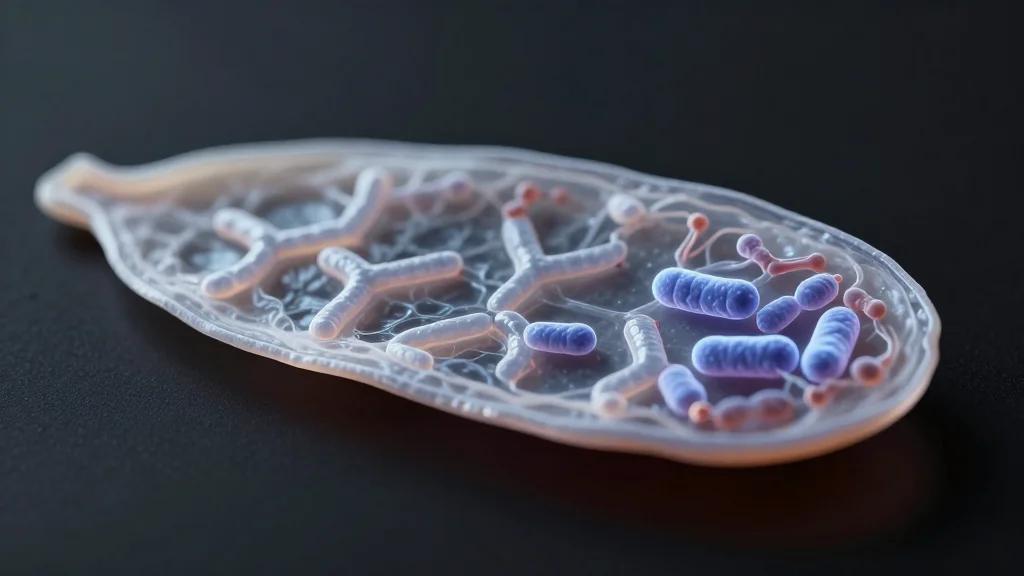
A Protein Found in the GI Tract Can Neutralize Many Bacteria
Researchers at MIT have identified intelectin‑2, a lectin produced in the gut, as a broad‑spectrum antimicrobial protein. The molecule binds galactose residues on both mucins and bacterial membranes, reinforcing the mucus barrier and trapping microbes. Trapped bacteria eventually disintegrate, showing...
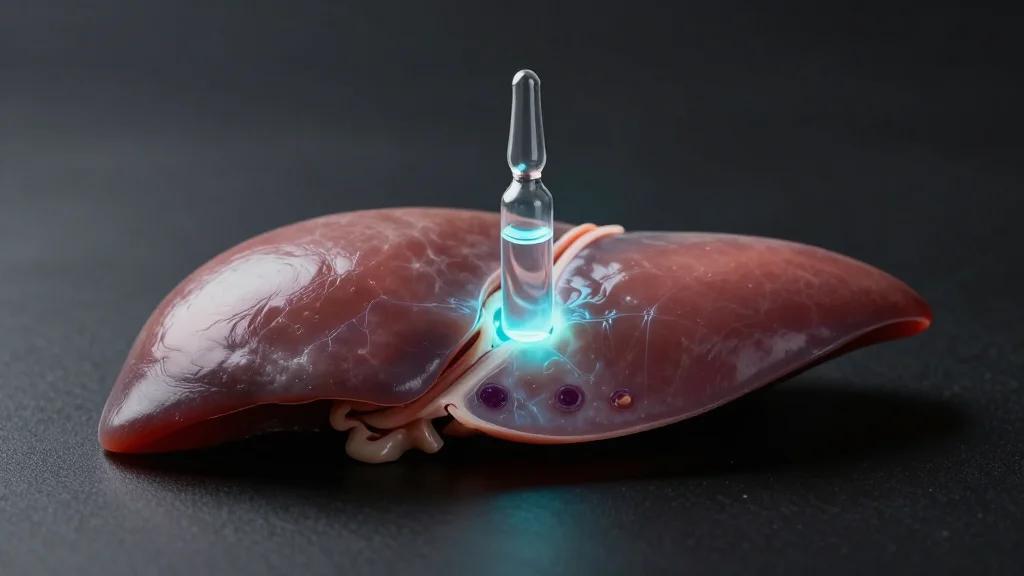
New Drug Candidate Reverses Metabolic Liver Disease and Fibrosis
Researchers at McMaster University, in partnership with Espervita Therapeutics, reported preclinical data showing that the small‑molecule EVT0185 can both prevent and reverse liver fibrosis in mouse models of metabolic dysfunction‑associated steatohepatitis (MASH). The compound simultaneously inhibits the enzymes ACLY and...