
Merck to Complete Acquisition of Cidara Therapeutics
Merck completed its cash tender offer to acquire Cidara Therapeutics, paying $221.50 per share. The offer was accepted for 27.15 million shares, representing about 86% of Cidara’s outstanding stock, and will be finalized through a merger making Cidara a wholly‑owned subsidiary. The deal brings CD388, a long‑acting, strain‑agnostic antiviral, into Merck’s respiratory pipeline and is accounted for as an asset acquisition. Merck forecasts the transaction will increase 2026 R&D spend by roughly $9 billion and reduce GAAP and non‑GAAP EPS by about $0.30 in the first year.

One in Four Older Americans with Dementia Prescribed Risky Brain-Altering Drugs
A new JAMA study finds that about 25% of Medicare beneficiaries with dementia are prescribed potentially inappropriate CNS‑active medications that can cause falls, confusion, and hospitalizations. While overall prescribing of these drugs fell from 20% to 16% among all older...
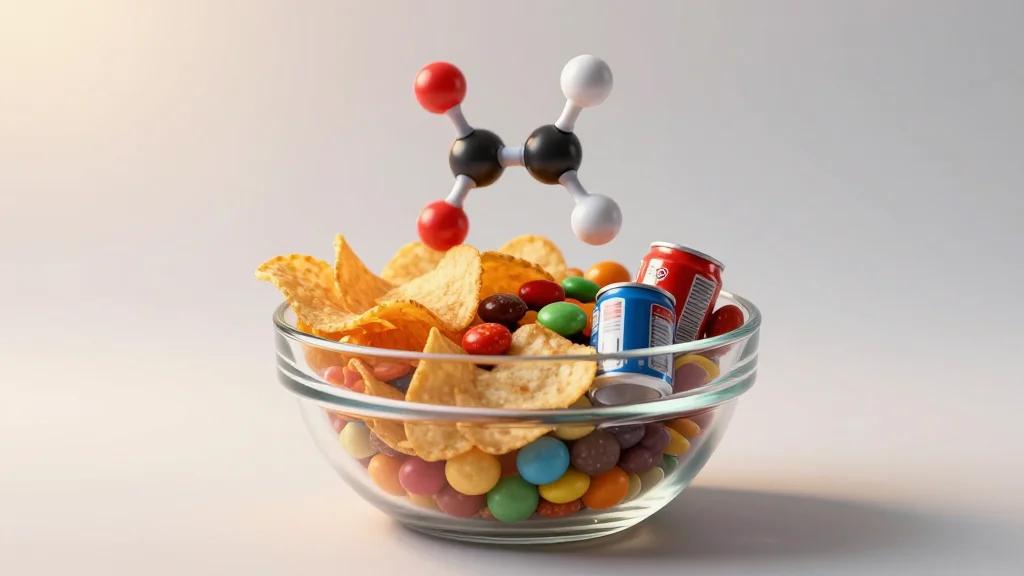
Higher Consumption of Food Preservatives Is Associated with an Increased Risk of Type 2 Diabetes
Researchers from Inserm and partner institutions analyzed data from over 100,000 French adults in the NutriNet‑Santé cohort and found that higher consumption of food preservatives—both non‑antioxidant and antioxidant types—was linked to a 40‑49% increased incidence of type 2 diabetes. The study...

Blood Test Reveals Risk of Multimorbidity
A study by Karolinska Institutet identified a handful of blood biomarkers that reliably predict multimorbidity risk in people over 60. Researchers measured 54 markers and found seven, especially five metabolic indicators, linked to disease count, patterns, and progression speed. The...

Bayer and Cradle Enter Collaboration to Enhance AI-Enabled Antibody Discovery and Optimization
Pharma giant Bayer has signed a three‑year strategic collaboration with AI‑driven protein‑engineering firm Cradle to embed its generative platform into Bayer’s antibody R&D. The integration aims to accelerate lead generation, improve potency, safety and manufacturability, and reduce the number of...

Inhalable Therapy Aims for One-Two Punch Against Advanced Melanoma
Columbia engineers have created BEAT, an inhalable nanotherapy that uses engineered exosomes to co‑deliver PD‑1/PD‑L1 and Wnt/β‑catenin inhibitors directly to lung metastases of melanoma. In mouse models resistant to checkpoint inhibitors, inhaled BEAT achieved superior lung retention, dramatically suppressed tumor...

Machine Learning Drives Drug Repurposing for Neuroblastoma
Researchers at Lund University used machine learning to repurpose existing drugs for high‑risk neuroblastoma. They identified a synergistic combination of a statin and a phenothiazine that markedly slowed tumor growth in mouse models. Laboratory trials showed reduced tumor cholesterol, increased...

New Technique Lights up Where Drugs Go in the Body, Cell by Cell
Researchers at Scripps have unveiled vCATCH, a whole‑body imaging platform that lights up covalent drugs at single‑cell resolution in mice. By attaching a tiny chemical handle to drugs and using highly selective click‑chemistry, the method tags each bound molecule with...

Right Blood Pressure Drug Can Reduce Healthcare Costs
Researchers analyzed over 340,000 Swedish hypertension patients and found that initiating treatment with angiotensin‑receptor blockers (ARBs) leads to markedly higher long‑term medication persistence. After five years, 80 % of ARB starters remained adherent, versus 65 % for calcium‑channel blockers, the next best...

The Natural Human Protein Drug May Halt Neuron Death in Alzheimer's Disease
University of Colorado researchers found that the FDA‑approved drug sargramostim, a synthetic GM‑CSF protein, reduced the blood biomarker UCH‑L1 of neuronal death by 40% in Alzheimer’s patients, bringing levels down to those seen in early life. The study also documented...

Groundbreaking Discovery Turns Household Plastic Recycling Into Anti-Cancer Medication
University of St Andrews researchers have demonstrated a ruthenium‑catalysed semi‑hydrogenation that depolymerises household PET waste into ethyl‑4‑hydroxymethyl benzoate (EHMB). EHMB is a versatile intermediate for high‑value drugs such as the cancer therapy Imatinib, as well as tranexamic acid and the...

Accelerated Cancer Drug Approvals Deliver Limited Survival Gains at High Cost
A BMJ Medicine study examined Medicare’s use of FDA accelerated‑approval cancer drugs from 2012‑2020. Of the 178,000 beneficiaries treated, only 45% received drugs that later proved to extend survival, adding an estimated 76,000 life‑years. The three most beneficial drugs accounted...

Tiny Viral Switch Offers Hope Against Drug-Resistant Bacteria
Researchers at Hebrew University identified a tiny phage‑encoded RNA, PreS, that reprograms bacterial host cells during infection. PreS binds to the folded region of the bacterial dnaN mRNA, unfolding it and boosting production of the DnaN replication protein. The resulting...
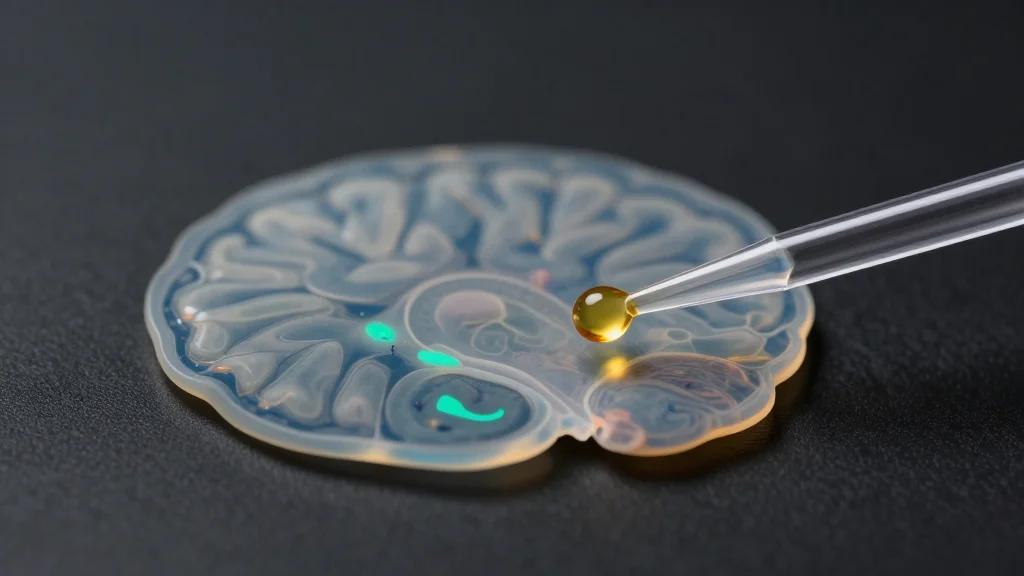
NU-9 Halts Alzheimer's Disease in Animal Model Before Symptoms Begin
Northwestern researchers report that the small‑molecule NU‑9 eliminates a newly identified toxic amyloid‑beta oligomer subtype in a pre‑symptomatic mouse model of Alzheimer’s disease. Daily oral administration for 60 days dramatically reduced reactive astrogliosis, neuroinflammation, and associated TDP‑43 pathology across multiple...

The Antibiotic Delafloxacin Emerges as a Potential Therapeutic Alternative Against Legionella
Researchers at the IGTP demonstrated that delafloxacin inhibits intracellular Legionella replication more effectively than levofloxacin in a macrophage model. The fluoroquinolone achieved bacterial killing at concentrations five to ten times lower than the current standard, except for L. longbeachae where...

Accelerating Drug Combination Discovery with Machine Learning
St. Jude researchers unveiled Combocat, an open‑source platform that merges acoustic liquid handling with machine‑learning models to screen drug combinations at unprecedented scale. The system tested 9,045 drug pairs on a neuroblastoma cell line, identifying multiple synergistic hits that were...