
Energy Crisis Spurs Global Push for Remote Work
The resurgence of Iranian oil‑tanker blockades in the Strait of Hormuz has driven oil prices sharply higher, prompting governments worldwide to seek energy‑saving measures. European officials are now recommending at least one mandatory remote‑work day per week, while more than a dozen countries have introduced remote‑work mandates or shortened workweeks for public employees. The International Energy Agency estimates that three remote‑work days per week could cut national oil consumption by 2‑6 percent. These policy shifts signal a rapid, coordinated effort to curb oil demand amid geopolitical uncertainty.
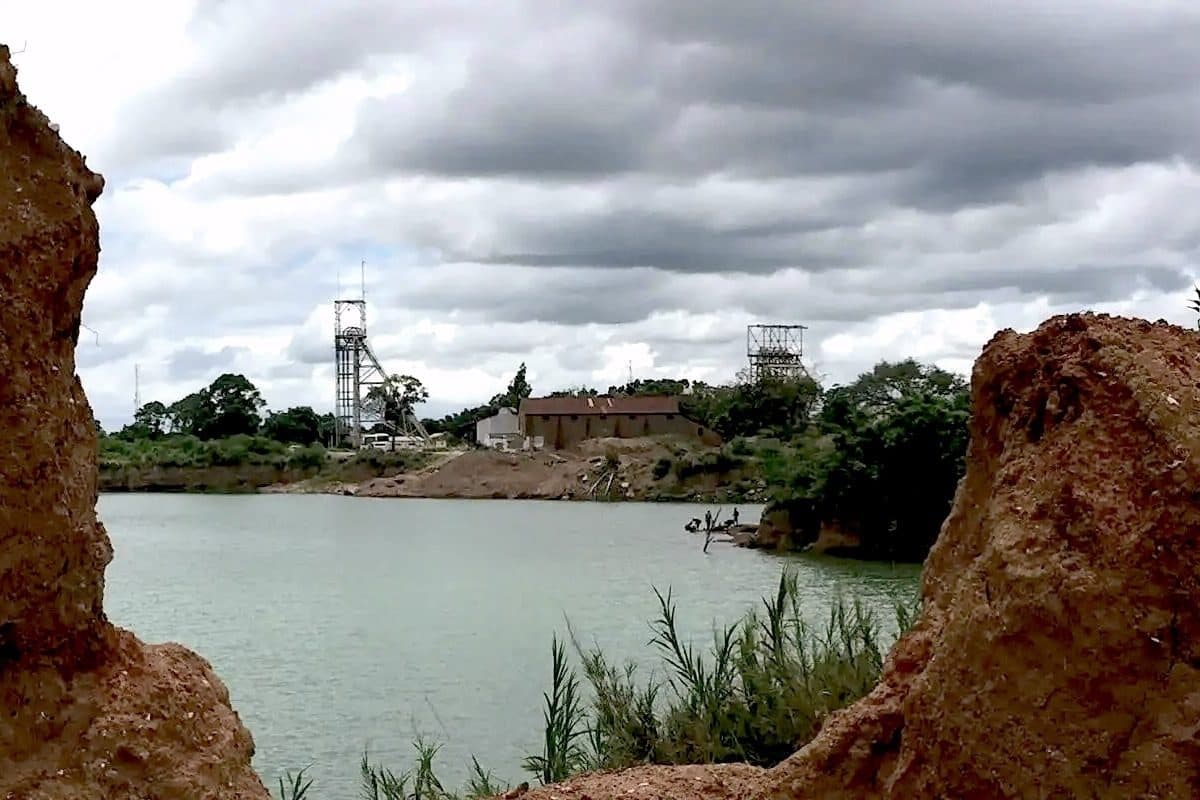
Zambia Under Pressure to Clean Up Shuttered Lead Mine Poisoning Town
Three decades after the closure of Zambia's Broken Hill lead‑zinc mine, Kabwe residents still face severe lead contamination. Human‑rights groups have filed a complaint with the African Union, alleging violations of the African Charter on the Rights and Welfare of...

Rusting Rivers: Alarm Grows Over Uptick in Acidic Arctic Waters
Climate‑induced permafrost thaw and increased rainfall are turning Arctic rivers orange and highly acidic. Over 200 rivers across Alaska, the Yukon and the Canadian Arctic now exhibit rust‑colored water with pH as low as 2.3. Researchers link the discoloration to...
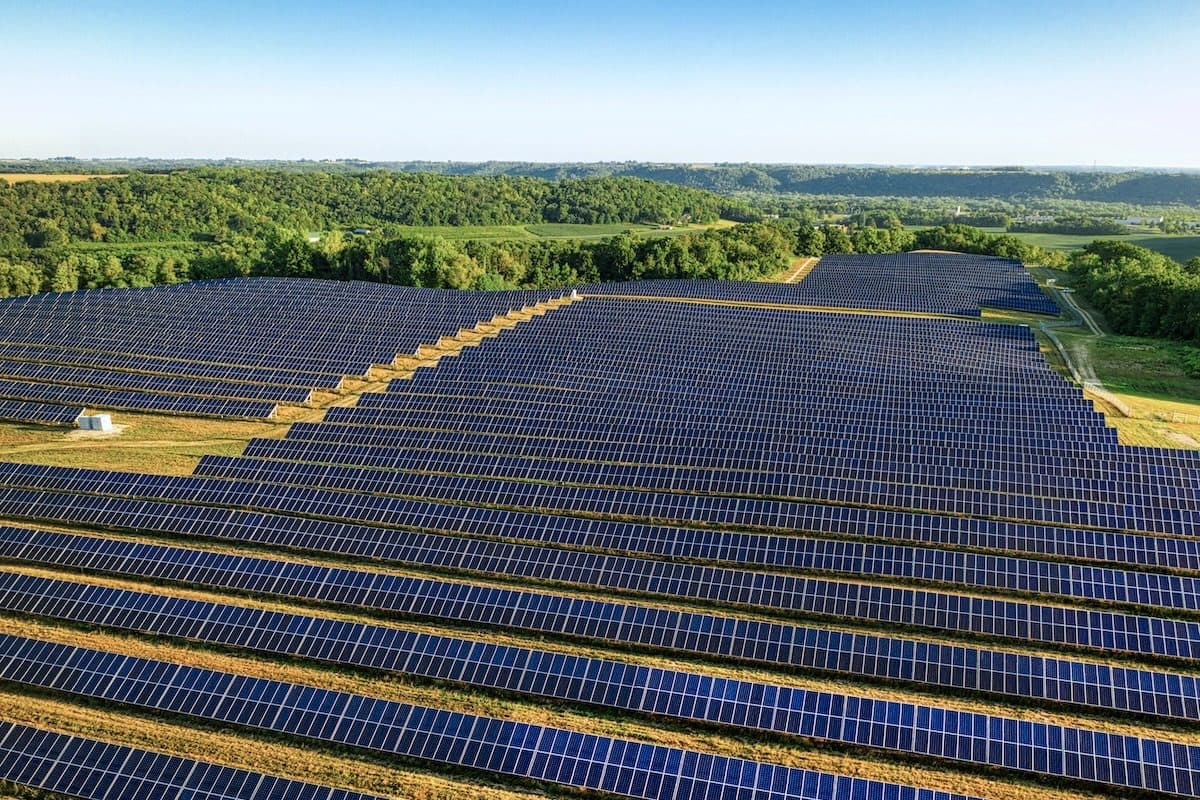
For the First Time in the U.S., Renewables Generate More Power Than Natural Gas
In March, U.S. renewables—including solar, wind, hydro and bioenergy—generated more electricity than natural gas for the first time, according to Ember data. The shift reflects rapid wind and solar deployment and a seasonal dip in demand that forced fossil‑fuel plants...
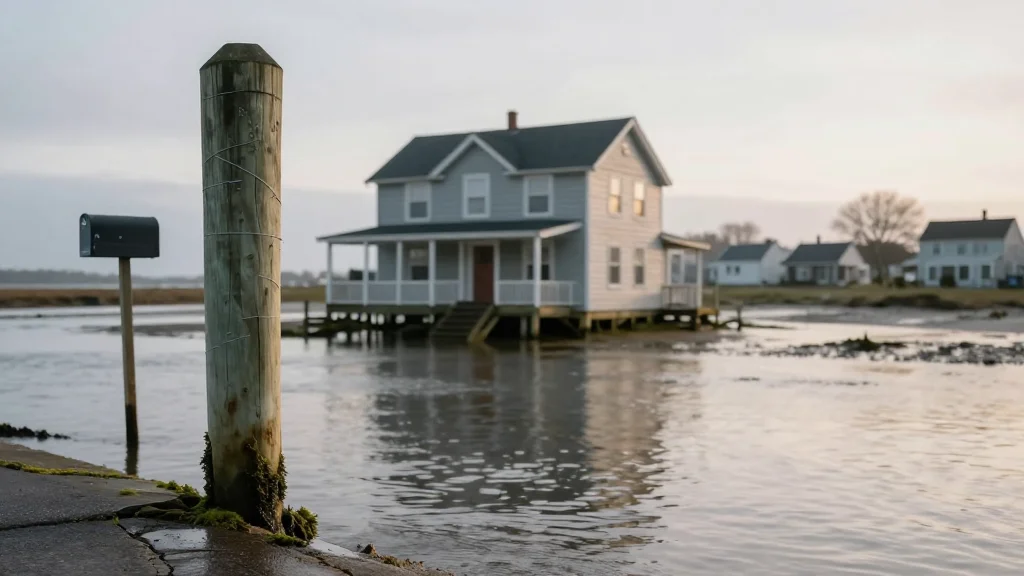
A More Troubling Picture of Sea Level Rise Is Coming Into View
Two recent studies reveal that global sea levels are on average about a foot higher than conventional model estimates, exposing a major blind spot in flood‑risk assessments. The research, based on tidal‑gauge records and high‑resolution satellite radar, shows that roughly...

A Shift to EVs Would Lower the Price of Gasoline, Study Finds
A new study published in *Energy Policy* finds that if current fuel‑efficiency standards and California’s zero‑emission vehicle mandate remain, electric vehicles could account for roughly 80% of new car sales by 2035. The resulting drop in oil demand would shave...

U.S. Biofuels Target Could Fuel Destruction of Tropical Rainforest
President Trump announced an EPA rule that raises the Renewable Fuel Standard to 27 billion gallons of biofuel by 2027, including a 60 percent jump—about 9 billion gallons—in biomass‑based diesel. The United States does not produce enough vegetable oil to meet the new...
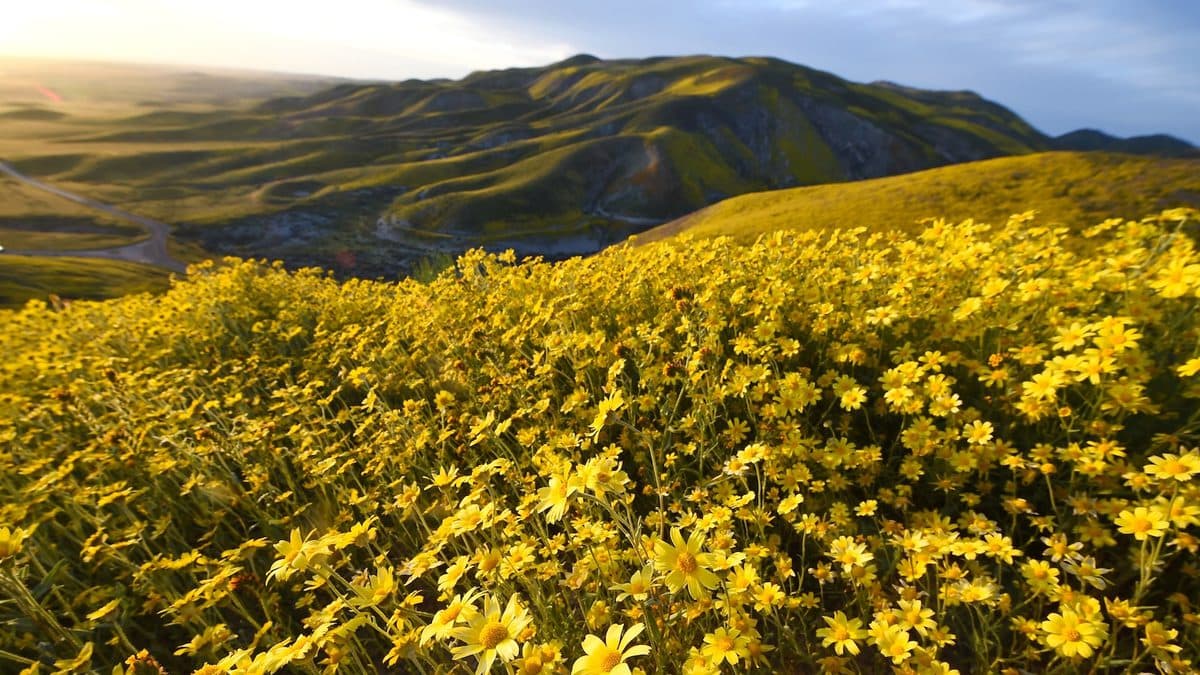
Why Protecting Flowering Plants Is Crucial to Our Future
Biologist David George Haskell argues that flowering plants are the planet’s "world creators," having sparked a 130‑million‑year surge in biodiversity and ecosystem productivity. Their genetic flexibility enabled them to colonize new habitats, from terrestrial prairies to underwater seagrass meadows, shaping...

Even a Few Scattered Trees on Farmland Can Be a Boon for Wildlife
A new multinational study shows that even a few scattered native trees on farmland dramatically increase bird diversity in forest fragments. Researchers compared forest islands surrounded by farms with those surrounded by reservoirs and found the former hosted up to...

Experts Failing to Account for Ripple Effects From Extreme Weather, Paper Warns
A new Science paper warns that experts routinely ignore the cascading consequences of extreme weather, from Russian drought‑driven wheat shortages to Canadian wildfire smoke that killed thousands in Europe and French heatwaves that forced nuclear shutdowns. The analysis shows how...

World's Freshwater Fish in Crisis, U.N. Report Warns
A new United Nations report reveals that freshwater fish populations have plummeted 81 percent over the past 50 years, endangering hundreds of species that feed millions of people. The decline is driven by warming waters, pollution, dam construction and intensive fishing, with...

Can America’s Wolves Survive an Onslaught of Political Attacks?
Gray wolves are facing a coordinated legislative push that could strip federal Endangered Species Act (ESA) protections from both Mexican gray wolves and the larger Northwestern and Great Plains subspecies. The House Natural Resources Committee advanced the "Enhancing Safety for...

The Quiet Pennsylvania Town Facing a Data Center Boom
Archbald, Pennsylvania, a borough of under 8,000 residents, is poised to host five massive data centers that would together occupy 13 million square feet and demand up to 1.6 gigawatts of electricity. The borough council raised industrial building height limits from 55...

Medieval Farms Were a Boon for Biodiversity, Research Finds
A new study of the Lake Constance region shows that medieval farms created a mosaic of fields, pastures, and forests that drove a steady rise in plant diversity from 500 AD to around 1000 AD. The research, based on fossil pollen, archaeological...
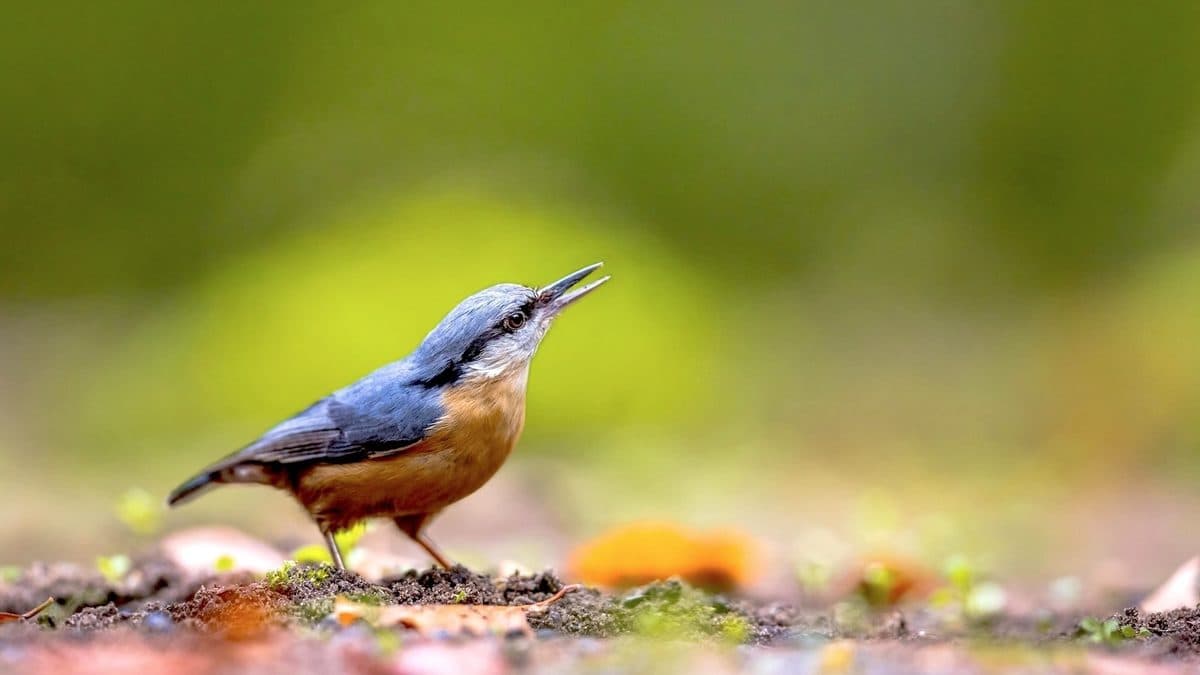
Species Slowdown: Is Nature’s Ability to Self-Repair Stalling?
Researchers at Queen Mary University analyzed the BioTIME database and found species turnover has slowed by about a third since the mid‑1970s. The slowdown, measured over five‑year intervals, contradicts earlier expectations that climate change would accelerate community change. Ecologists note...
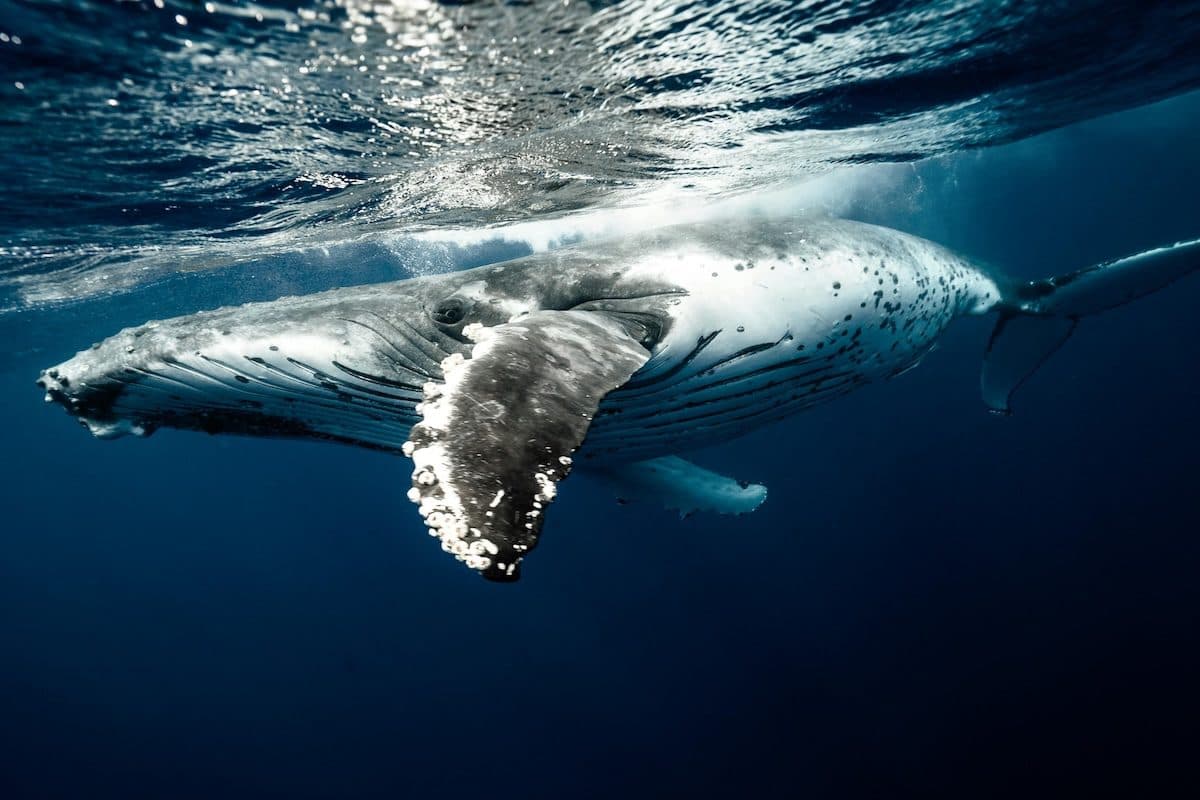
Older Humpbacks Prove Better at Wooing Mates
Researchers studying humpback whales in New Caledonia found older males outperform younger ones in securing mates. Genetic sampling revealed that age correlates with song mastery, and females preferentially select seasoned singers. The study, published in *Current Biology*, underscores how decades...