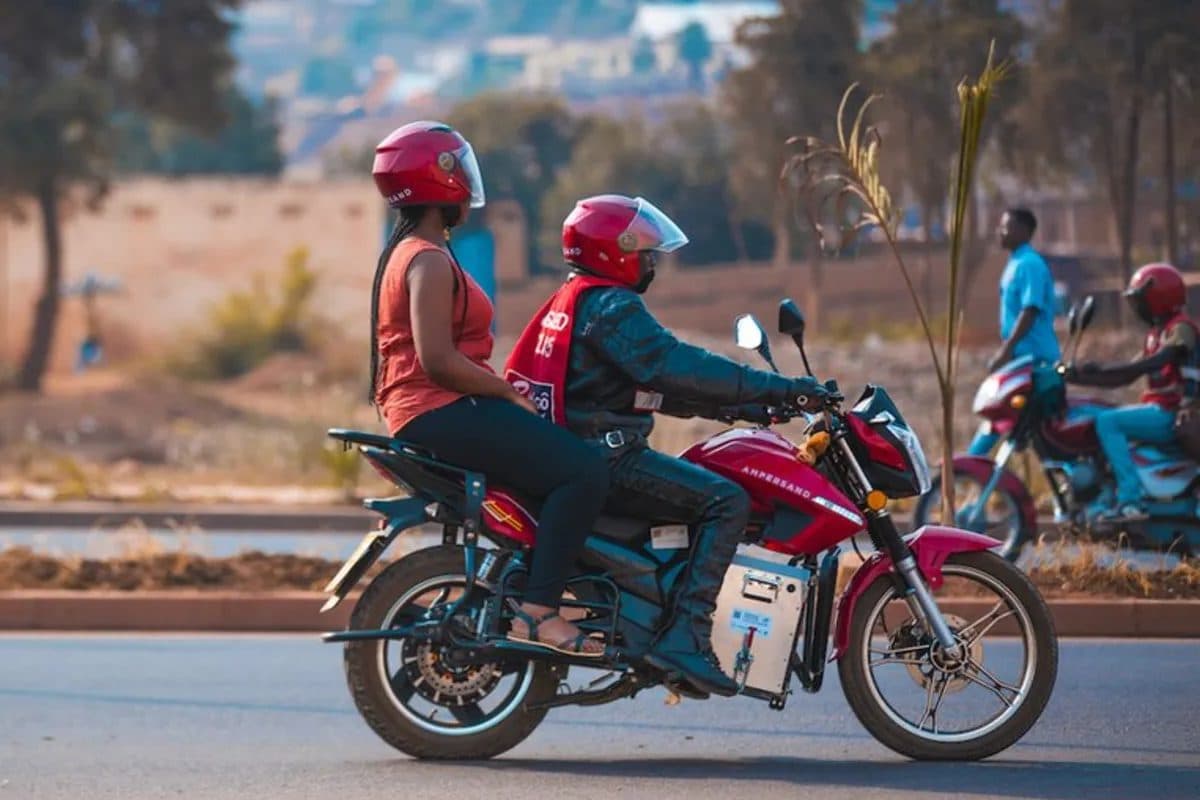
Amid Iran War, Africa Sees Growing Demand for Electric Motorbikes
The Iran war has pushed daily fuel costs for motorbike taxis in Africa from $4.20 to $5.10, making electric bikes a cheaper alternative at roughly $2.30 per day. Kenya has seen a 40% surge in electric motorbike sales over the past three months, while Spiro, a pan‑African EV maker, reports 100,000 electric bikes on the continent and sold 10,000 in the last month alone. Governments are responding: Ethiopia halted fossil‑fuel car imports, Rwanda banned new petrol taxi registrations in Kigali, and Kenya waived import duties on electric vehicles. These shifts signal a rapid acceleration of the EV transition across Africa.
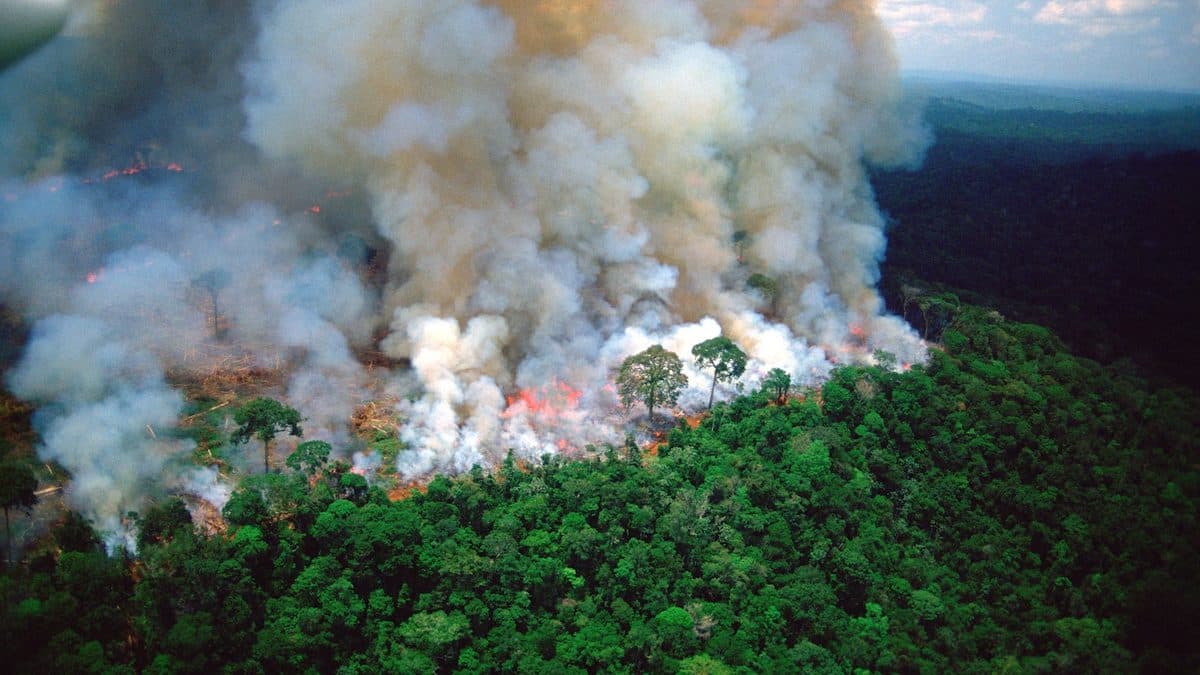
A Missing Piece in Climate Models: Nature’s Own Emissions
Rising temperatures are amplifying greenhouse‑gas releases from wildfires, wetlands and thawing permafrost, yet the most influential climate models largely ignore these feedbacks. A new study estimates that natural, warming‑induced emissions could add 0.2‑0.6°C to global temperatures this century, accelerating human‑driven...

Digital Tools Are Transforming Efforts to Save Plants From Extinction
Researchers are rapidly digitizing plant and fungi specimens, turning centuries‑old herbarium sheets into searchable digital records. The Royal Botanic Gardens, Kew, has completed imaging its 7.4 million specimens, yet only about 16 percent of global collections are publicly available. AI tools are...

Long Lost African Bird Captured in Striking Photos
After vanishing from scientific records for more than 70 years, the black‑lored waxbill was rediscovered in the marshes of the Democratic Republic of the Congo’s Upemba National Park. Biologist Manuel Weber captured the first sharp, clear photographs of the bird...
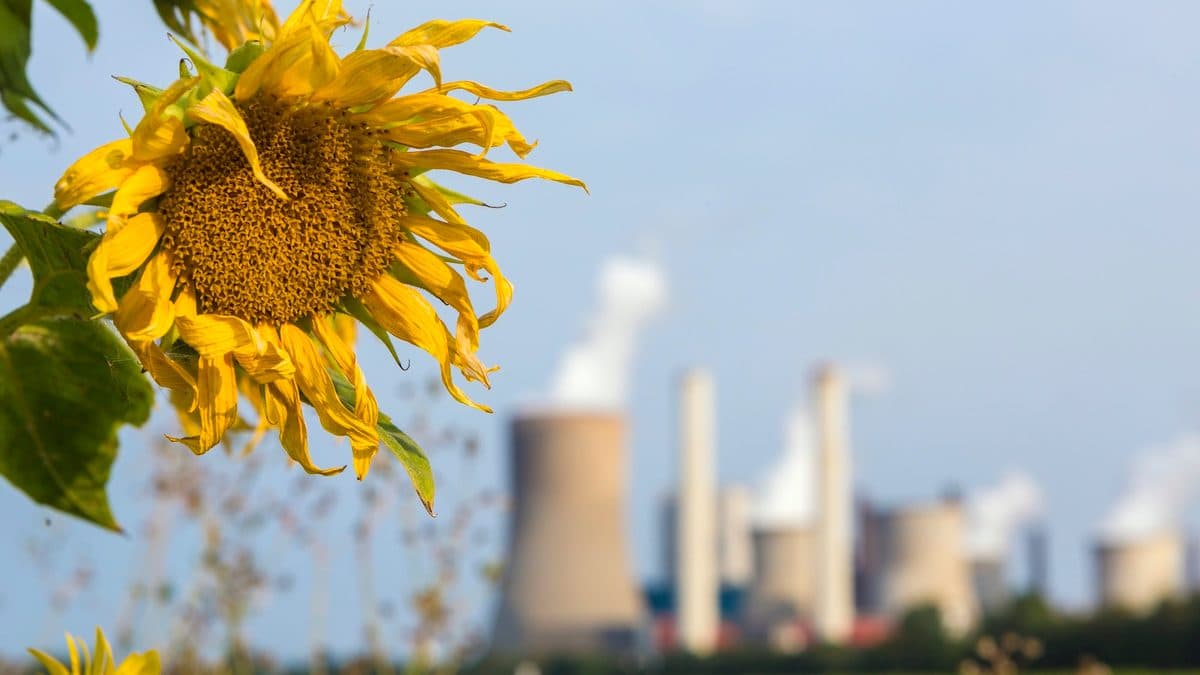
Humans Are Changing How Nature Smells, With Risks for Wildlife
Human activities—from air pollution to fertilizers and fungicides—are reshaping the planet’s “smellscapes,” degrading the volatile organic compounds that many species rely on for communication. Laboratory and field studies show that ozone and nitrogen oxides break down floral scents, cutting bee...

Africa Is Embracing Renewable Energy
African nations are accelerating their clean‑energy transition, adding 11.3 GW of renewable capacity in 2025—up from 4.2 GW in 2024, according to IRENA. Renewable projects dominated the continent’s pipeline, representing 79% of 322 announced energy projects, with solar leading at 173 new...
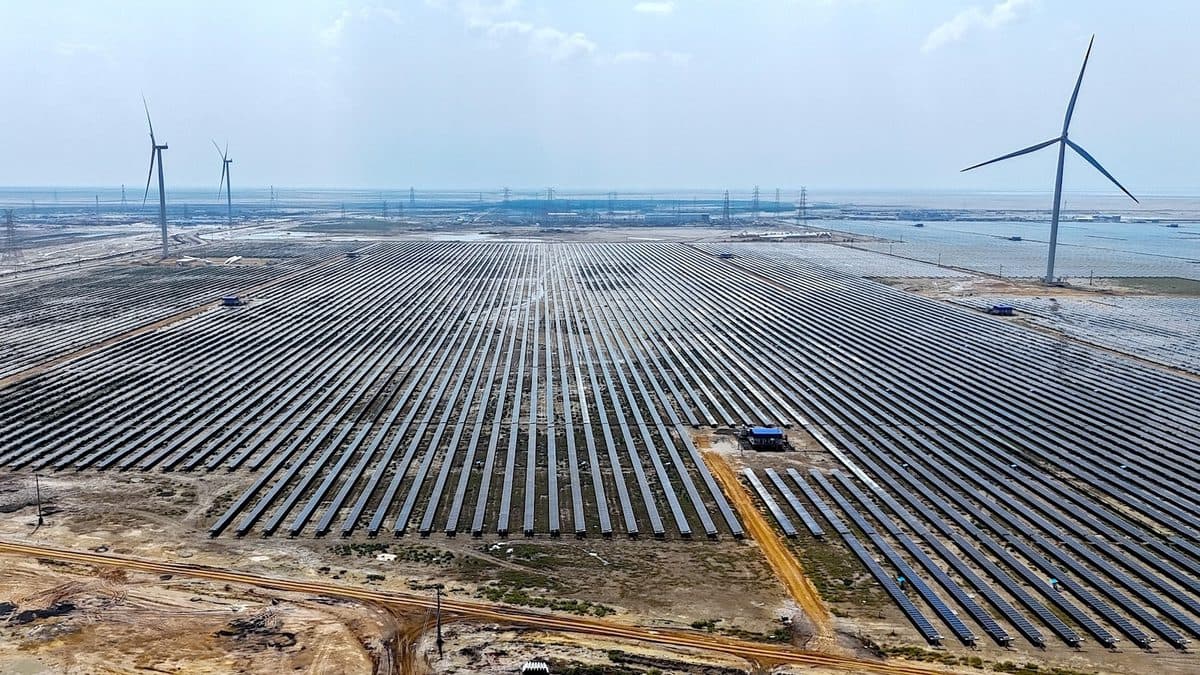
A First Among Major Nations, India Is Industrializing With Solar
India is racing to industrialize on solar power, with the Khavda solar park slated to reach 30 GW – enough to power a nation the size of Austria. Installed solar capacity hit 150 GW in March and is growing at roughly 40 percent...

After Two Decades, E360’s Founder and Editor Is Moving On
Roger Cohn, the founding editor of Yale Environment 360, is stepping down after nearly two decades of leadership. He launched the online magazine in 2008 to fill a void in environmental journalism, guiding it to become a globally respected source of...

As the Planet Warms, Why Is the Upper Atmosphere Cooling?
While greenhouse gases warm the planet’s surface, they are cooling the stratosphere. A new modeling study published in *Nature Geoscience* explains that rising CO₂ increases infrared radiative efficiency, allowing more heat to escape from the thin upper atmosphere, leading to...

Among Flowering Plants, Thousands of Evolutionary Oddities at Risk of Extinction
A new study published in *Science* evaluated more than 330,000 flowering‑plant species to gauge both evolutionary distinctiveness and extinction risk. By applying computer‑model predictions to species lacking formal assessments, researchers identified nearly 10,000 taxa that represent ancient, isolated lineages and...
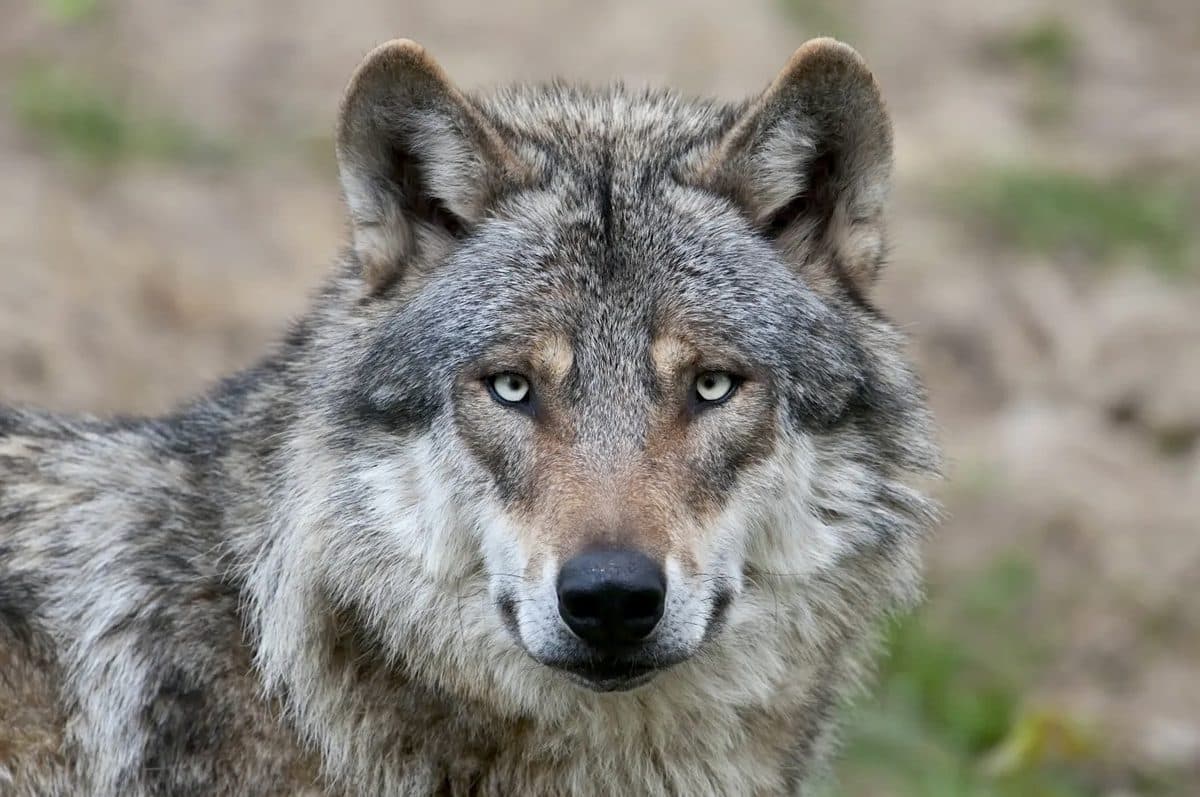
Nearly Half of Wolves in Italy Are Now Part Dog
Genetic testing of 748 wolf carcasses collected across Italy reveals that 47% are wolf‑dog hybrids, a stark increase from the first hybrid identified in the 1970s. The hybrids are most prevalent in central and southern regions where free‑roaming dogs are...

To Restore an Island Paradise, Add Fungi
Palmyra Atoll, a U.S. Pacific territory, has removed 1.5 million invasive coconut palms and eradicated black rats to enable native forest recovery. A new study in *Current Biology* finds rare mycorrhizal fungi living under native Pisonia trees, species unique to the...

Amid Energy Crisis, Chinese Solar Exports Double
China's solar equipment exports doubled in March, reaching 68 GW—a volume comparable to Spain's total solar capacity. The surge follows the Iran‑Hormuz oil disruption, prompting Asian and African nations to replace fossil‑fuel imports with Chinese panels. A temporary rise in export...
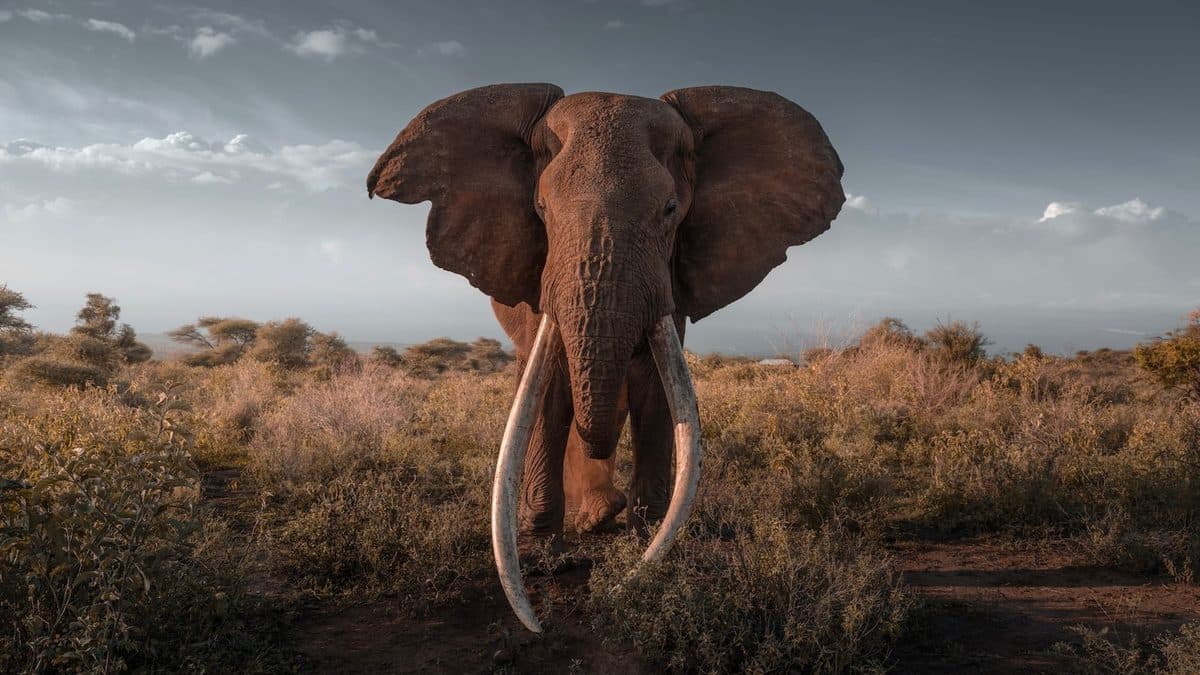
Older and Wiser: How Elder Animals Help Species to Survive
New research spotlights the outsized influence of older animals—elephants, whales, big cats, and long‑lived fish—on population survival, prompting the term “longevity conservation.” The concept, formalized in a 2024 *Science* paper and an IUCN resolution, argues that protecting the full age...
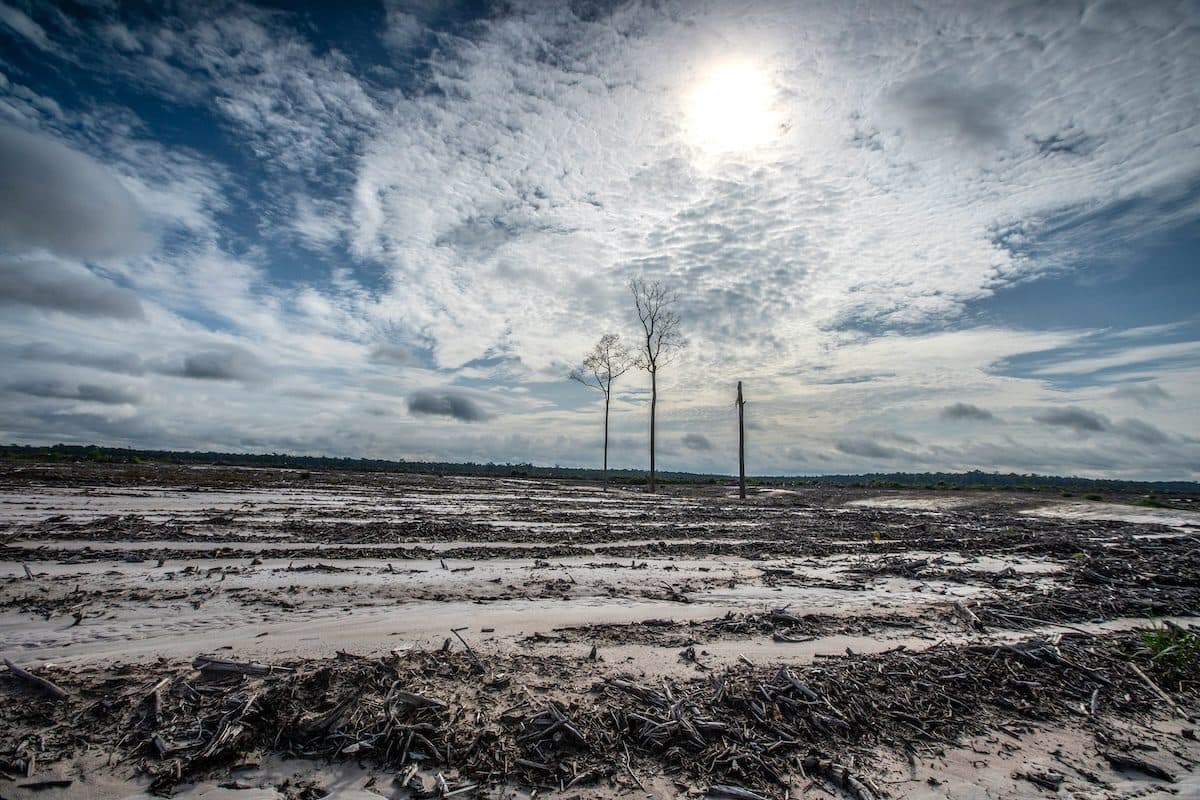
Sustainable Wood Schemes Failing to Slow Deforestation
A new study published in *Communications Sustainability* reveals that voluntary wood‑certification schemes, such as those run by the Forest Stewardship Council, have not slowed global deforestation. Between 2013 and 2023, the planet lost at least 50 million acres of forest each...