Why It Matters
If hybrids supplant pure wolves, Italy may lose a keystone predator, weakening biodiversity and undermining continental conservation targets.
Key Takeaways
- •47% of sampled Italian wolves are wolf‑dog hybrids.
- •Hybrids concentrate in central/southern Italy where free‑roaming dogs abound.
- •Genetic swamping could erase native wolf gene pool permanently.
- •Hybridisation may alter hunting, territory, and social behavior of wolves.
Pulse Analysis
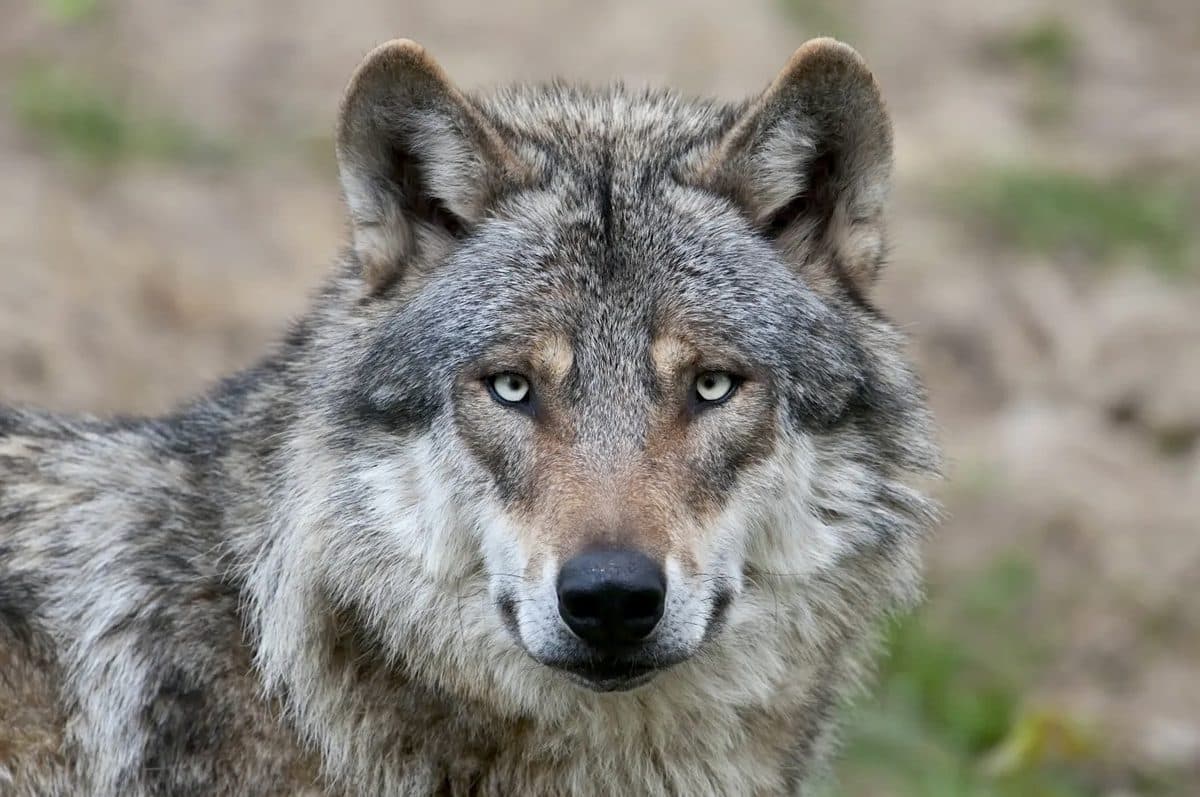
Italy’s wolf population has rebounded dramatically since the 1970s, thanks to stricter protection laws and habitat restoration. However, the same recovery coincided with a surge in free‑roaming domestic dogs, especially in the central and southern countryside. Recent DNA analysis of 748 wolf carcasses collected between 2020 and 2024 shows that nearly half now carry dog genes, indicating both historic and ongoing hybridisation events. This genetic influx is unprecedented in scale and speed, prompting conservationists to reassess the health of the species they have worked to save.
The primary concern among biologists is "genetic swamping," where repeated wolf‑dog breeding dilutes the pure wolf genome to the point of irreversible loss. Such a shift could alter key wolf traits—pack cohesion, hunting strategies, and territorial behavior—potentially reducing their effectiveness as apex predators. Ecosystem services provided by wolves, like regulating ungulate populations and promoting forest regeneration, may weaken, affecting agriculture, tourism, and biodiversity across the Italian landscape. Moreover, hybrid wolves could face new disease dynamics, as mixed ancestry sometimes confers resistance but also introduces novel vulnerabilities.
Policy responses must balance wolf protection with responsible dog management. Strategies include stricter control of stray dogs, targeted sterilisation programs, and public education on the ecological value of wolves. Ongoing genetic monitoring will be essential to track hybrid prevalence and guide adaptive management. As Italy remains home to roughly 3,300 of Europe’s 23,000 wolves, preserving the genetic integrity of this flagship species is critical not only for national biodiversity goals but also for the broader European effort to maintain functional, resilient ecosystems.
Nearly Half of Wolves in Italy Are Now Part Dog
Comments
Want to join the conversation?
Loading comments...