Older and Wiser: How Elder Animals Help Species to Survive
Companies Mentioned
Why It Matters
Safeguarding elder individuals retains vital knowledge, breeding capacity, and immunity, strengthening species resilience and ecosystem health.
Key Takeaways
- •Longevity conservation urges protecting full age structure of wildlife populations.
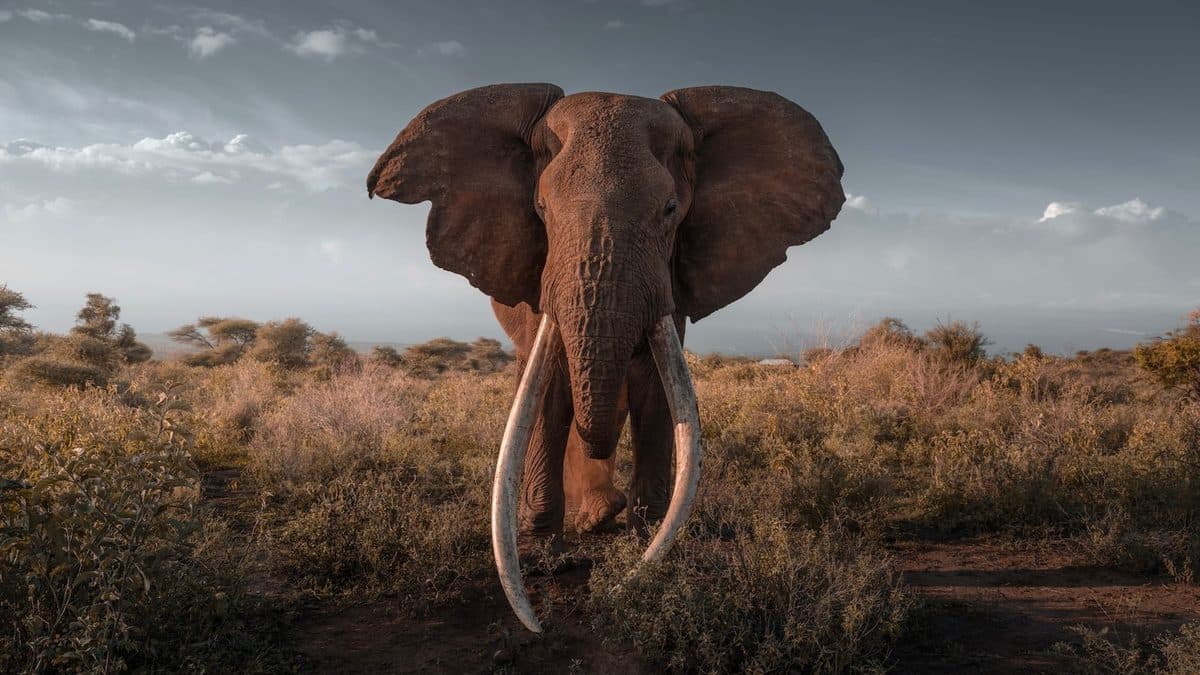
- •Elder elephants guide herds to water, reducing aggression among younger bulls.
- •Older whales retain migration routes; their loss disrupts calving ground use.
- •Large, old fish produce exponentially more, higher‑quality eggs than younger ones.
- •Age‑related immunity boosts population disease resistance, lost when elders are removed.
Pulse Analysis
The emergence of "longevity conservation" marks a paradigm shift in wildlife management. Researchers have moved beyond simple headcounts to recognize that the oldest members of a species act as repositories of ecological knowledge, from drought‑time water sources in African savannas to complex migration corridors across oceans. The International Union for Conservation of Nature’s recent resolution and discussions at the UN Convention on Migratory Species underscore the urgency of embedding age‑structure considerations into policy, positioning elder protection as a cornerstone of global biodiversity strategy.
Across taxa, the evidence is compelling. In elephant societies, matriarchs recall century‑old waterholes, while senior male elephants temper youthful aggression, fostering herd cohesion. Marine mammals such as orcas and gray whales rely on veteran females to navigate feeding grounds; their removal has already altered calving patterns in the Mediterranean. Terrestrial predators, from lions to leopards, use older males to regulate territory dynamics, preventing inbreeding and social upheaval. In fisheries, the largest, oldest fish—often sturgeons and other long‑lived species—produce exponentially more and higher‑quality eggs, serving as the reproductive engine of their populations.
The policy implications are profound. Hunting regulations that favor trophy trophies and fisheries quotas that target the biggest specimens inadvertently strip ecosystems of their most experienced individuals. Adaptive management now calls for age‑based limits, protected elder zones, and monitoring of knowledge‑dependent behaviors. As climate change intensifies environmental stressors, preserving the wisdom of elder animals could be the decisive factor that keeps populations resilient, ensuring ecosystems continue to provide the services humanity depends on.
Older and Wiser: How Elder Animals Help Species to Survive
Comments
Want to join the conversation?
Loading comments...