Why It Matters
Restoring native fungi could accelerate forest regrowth, strengthen seabird colonies, and enhance reef health, offering a scalable model for climate‑vulnerable atolls. The approach reshapes conservation strategies by integrating soil microbiomes with plant restoration.
Key Takeaways
- •1.5 million coconut palms removed by 2022 on Palmyra Atoll.
- •Black rats eradicated in 2011, enabling native seedling growth.
- •Rare mycorrhizal fungi found only under native Pisonia trees.
- •Transplanting fungi could accelerate Pisonia regeneration and seabird nesting.
- •Healthy Pisonia‑fungi network supports coral reef growth via seabird guano.
Pulse Analysis
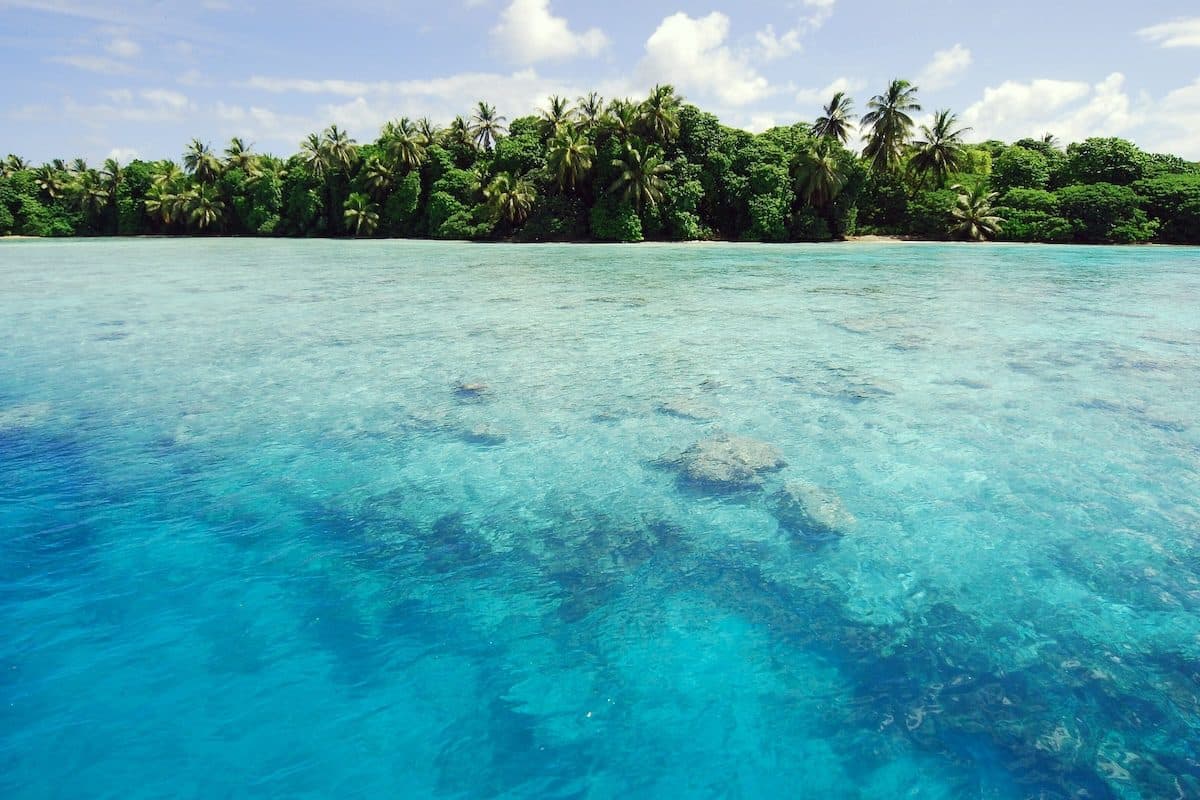
Palmyra Atoll, a remote U.S. territory in the central Pacific, has become a laboratory for large‑scale ecological repair. After two centuries of coconut‑palm monoculture and a 2011 black‑rat eradication, conservation teams removed roughly 1.5 million invasive palms by 2022, clearing the way for native Pisonia forests to return. A recent study published in *Current Biology* reveals that the missing piece may be the island’s native mycorrhizal fungi, microscopic partners that exchange nutrients with tree roots and dramatically improve seedling survival. The researchers documented several fungal species that exist nowhere else on Earth, underscoring the uniqueness of Palmyra’s soil microbiome.
The Pisonia‑fungi symbiosis is more than a botanical curiosity; it underpins a multi‑tiered food web. Healthy Pisonia groves provide nesting platforms for millions of seabirds, whose guano enriches surrounding waters with nitrogen and phosphorus. This nutrient influx fuels rapid coral growth, creating reef structures that buffer the atoll against sea‑level rise and storm surge. By restoring the fungal community, managers can accelerate tree establishment, boost bird populations, and indirectly strengthen reef resilience—a cascade that illustrates how below‑ground organisms drive above‑ground ecosystem services.
These findings are reshaping restoration doctrine across the Pacific. Traditionally, projects have focused on planting native trees, but the Palmyra case argues for a holistic approach that includes soil inoculation. Agencies such as the U.S. Fish and Wildlife Service are now evaluating pilot fungal‑transplant programs, while academic partners explore cost‑effective propagation techniques. If successful, the model could be exported to other atoll nations grappling with invasive palms and declining bird colonies, offering a scalable pathway to protect biodiversity and coastal livelihoods in an era of accelerating climate change.
To Restore an Island Paradise, Add Fungi
Comments
Want to join the conversation?
Loading comments...