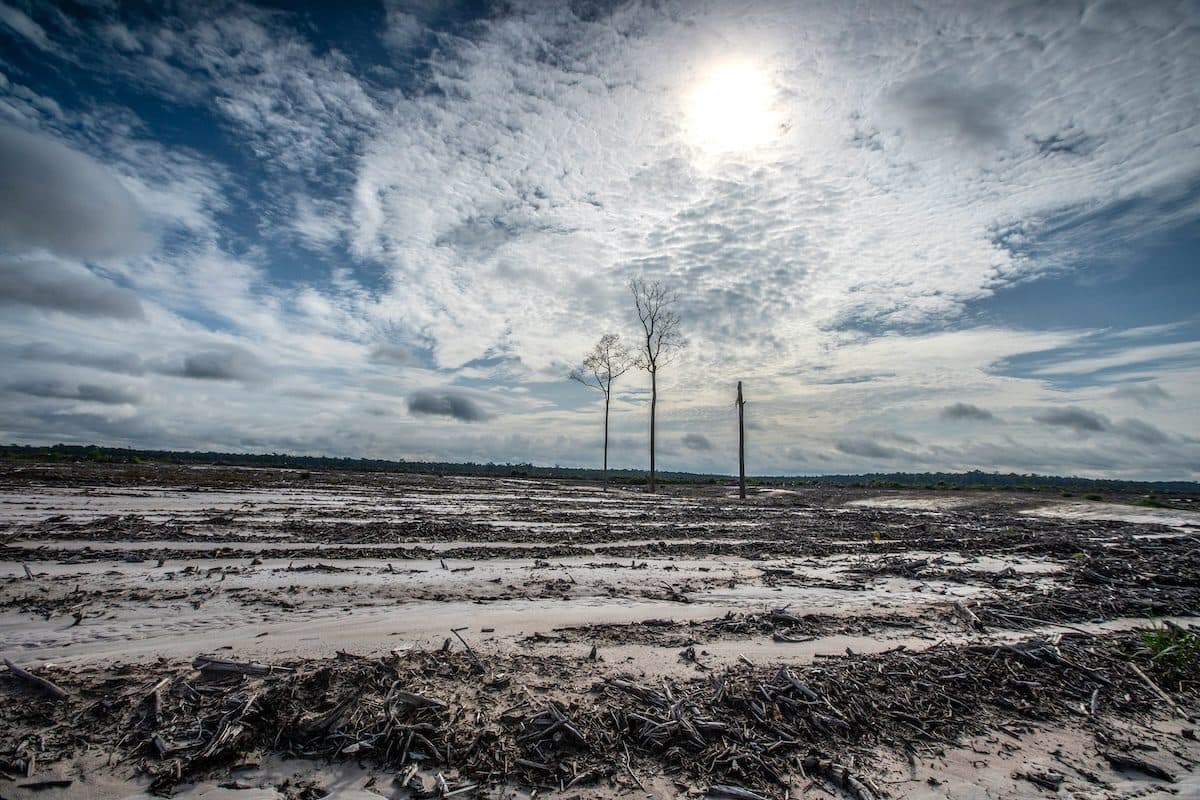
Sustainable Wood Schemes Failing to Slow Deforestation
Why It Matters
The findings challenge the credibility of market‑based sustainability labels and signal that policymakers must pair certification with robust legal protections to curb forest loss and meet climate goals.
Key Takeaways
- •Certified forests cover ~10% of global forest area.
- •Study finds no reduction in deforestation where certification is higher.
- •Certification may shift clearing to non‑certified lands.
- •Authors urge governments to expand protected and Indigenous territories.
- •Voluntary schemes alone cannot meet climate and biodiversity goals.
Pulse Analysis
Wood‑certification programs have long been marketed as a green solution for timber supply chains, promising that a stamp of approval guarantees responsible forest management. The Forest Stewardship Council and similar bodies assess forests against stringent criteria, and companies that source from certified lands can tout sustainability to consumers. Yet the new satellite‑based analysis spanning a decade shows that the mere presence of certification does not translate into measurable reductions in forest loss. In fact, the data reveal that countries with larger certified footprints still experience the same, if not higher, rates of clearing, undermining the premise that voluntary standards can drive systemic change.
The study points to a displacement effect: when logging is restricted in certified zones, loggers simply move operations to adjacent, non‑certified areas, preserving the overall rate of deforestation. This dynamic is amplified by the voluntary nature of the schemes, which lack enforcement teeth and rely on market demand rather than legal mandates. Moreover, certification fees and compliance costs can exclude smallholders, concentrating benefits among larger enterprises that may already have access to low‑impact logging practices. Consequently, the market‑based approach alone cannot address the complex drivers of forest loss, such as agricultural expansion, infrastructure projects, and illegal extraction.
Policymakers and investors should view certification as a complementary tool rather than a standalone solution. Strengthening governmental frameworks—by designating more protected zones, securing Indigenous land tenure, and imposing clear penalties for illegal clearing—can create the regulatory backbone that makes certification effective. Aligning corporate sustainability pledges with robust public policy will not only curb the displacement of deforestation but also unlock financing for forest restoration and carbon sequestration projects. As climate commitments tighten, integrating certification with enforceable land‑use policies will be essential to preserving the world’s remaining forests.
Sustainable Wood Schemes Failing to Slow Deforestation
Comments
Want to join the conversation?
Loading comments...