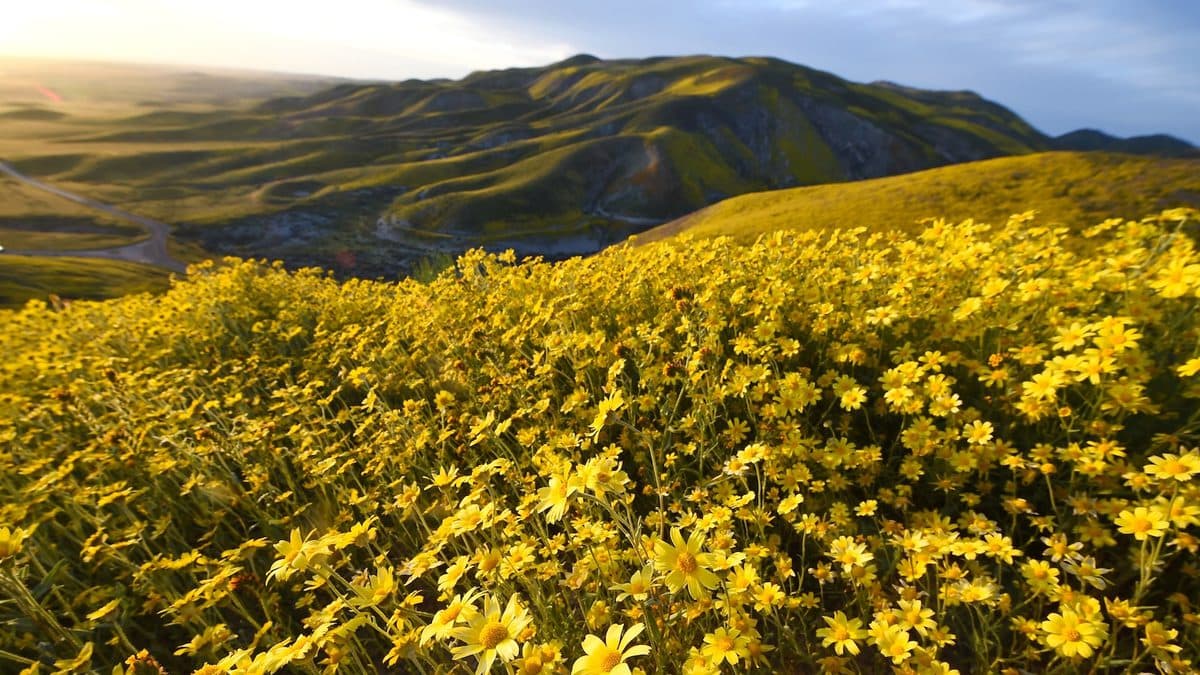
Why Protecting Flowering Plants Is Crucial to Our Future
Companies Mentioned
Why It Matters
Preserving flowering‑plant diversity safeguards the ecological foundations that support food security, climate mitigation, and future biodiversity. The loss of this diversity accelerates ecosystem collapse and undermines human adaptation to a warming world.
Key Takeaways
- •Flowering plants drove biodiversity explosion 130 million years ago
- •Genetic flexibility lets flowers adapt to climate change
- •Monoculture crops threaten plant genetic diversity
- •Maslin agriculture mixes grasses, boosts resilience
- •Seagrass roots stabilize coasts, store carbon
Pulse Analysis
Flowering plants have long been the architects of Earth’s most productive ecosystems, from tropical rainforests to expansive grasslands. Their evolution introduced sophisticated pollination strategies—visual cues, scents, and even sexual deception—that forged mutualistic relationships with insects, birds, and mammals. This co‑evolution not only amplified species richness but also created the agricultural staples—wheat, corn, rice—that underpin modern civilization. Understanding these deep‑time dynamics helps businesses and policymakers appreciate why plant genetic diversity is a strategic asset, not a luxury.
Today’s climate crisis threatens that legacy. Monoculture farming, dominated by genetically uniform corn and soy, erodes the gene pool that once allowed flowers to thrive under extreme conditions. Emerging practices such as maslin agriculture—intercropping multiple grass species—reintroduce resilience by mimicking natural diversity, reducing pest pressure, and enhancing soil health. Institutions like the Land Institute and Washington State University’s Breadlab demonstrate that diversified cropping can maintain yields while buffering against drought, heat, and disease, offering a scalable model for sustainable food production.
Beyond agriculture, the ecological services of flowering plants are vital for climate mitigation. Seagrass meadows, for example, lock away carbon in sediment, protect coastlines from erosion, and provide nurseries for marine life. Restoring native flora in urban parks and agricultural margins further supports pollinator networks and biodiversity corridors. By investing in the protection and diversification of flowering plants, governments and corporations can secure ecosystem services, bolster food security, and contribute to long‑term planetary health.
Why Protecting Flowering Plants Is Crucial to Our Future
Comments
Want to join the conversation?
Loading comments...