Today's Quantum Pulse
Updated 2h agoKvantify closes €7M round to scale quantum drug‑discovery platform
Kvantify announced the second close of its €7 million funding round, with the European Innovation Council Fund and Denmark’s Delphinus Venture Capital leading the investment. The new capital will fund the rollout of its Qrunch platform, which runs quantum chemistry workloads on existing quantum hardware, and expand partnerships with drug‑discovery firms.
Blog•Mar 6, 2026
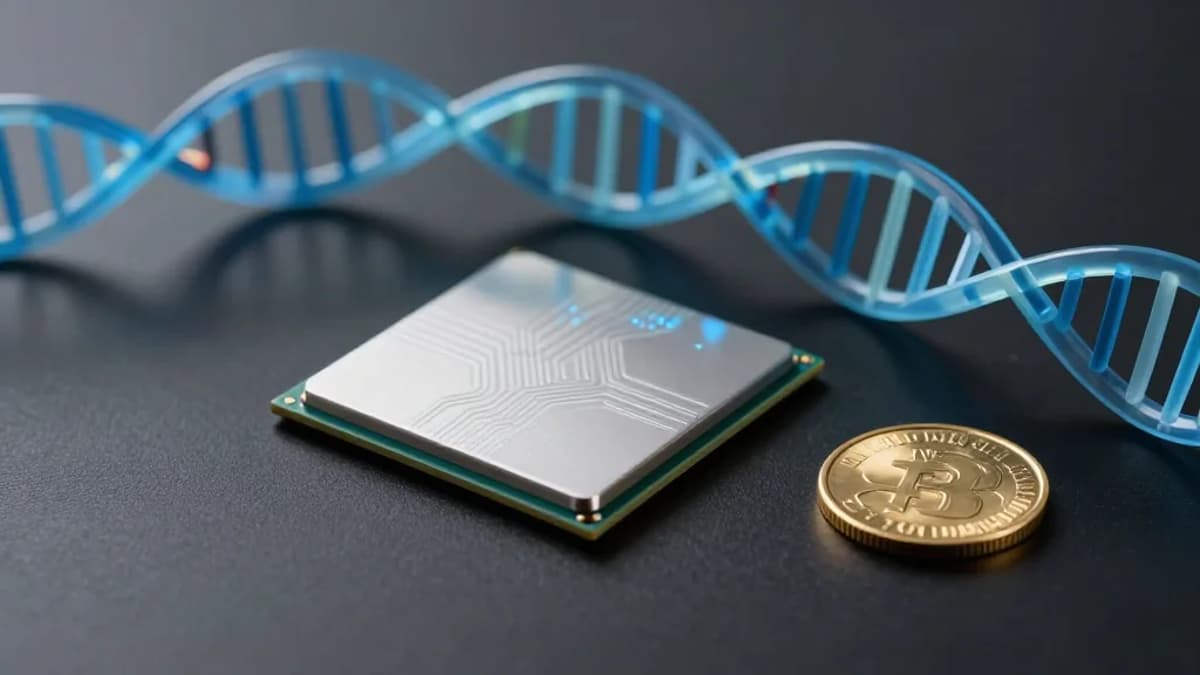
Kvantify Completes 2nd Close of €7M Round to Advance Quantum Drug Discovery
Kvantify announced the second close of its €7 million funding round, with the European Innovation Council Fund and Denmark’s Delphinus Venture Capital as lead investors. The capital will support the rollout of its Qrunch platform, which runs quantum chemistry workloads on existing quantum hardware, and broaden partnerships with drug‑discovery firms. Launched in November 2025, Qrunch aims to deliver realistic molecular simulations that classical computers struggle with. The infusion positions Kvantify to accelerate its roadmap and strengthen Europe’s quantum‑driven life‑science ecosystem.
By HPCwire

News•Mar 6, 2026
Quantum Ambitions Go Global, and Southeast Asia Wants In
Quantum computing has become a strategic priority worldwide, with the Tracxn Quantum Computing Report 2026 highlighting multi‑billion‑dollar government programmes across the US, China, Europe and Asia. In Southeast Asia, Singapore is positioning itself as a regional hub, while Malaysia, Thailand,...
By e27

News•Mar 5, 2026
Researchers Create a Never-Before-Seen Molecule and Prove Its Exotic Nature with Quantum Computing
An international team led by IBM and top universities synthesized the first half‑Möbius molecule, C₁₃Cl₂, whose electrons follow a corkscrew‑like path. The exotic electronic topology was confirmed experimentally with scanning tunneling microscopy and validated using a high‑fidelity IBM quantum computer...
By Phys.org (Quantum Physics News)

Blog•Mar 5, 2026
Quantum-Safe Security: What CISOs Need to Know Now (Before It’s Too Late)
Quantum computing threatens to break today’s asymmetric encryption, making current data protection obsolete. The most immediate risk is a “harvest now, decrypt later” attack, where adversaries steal data today and decrypt it once quantum capabilities mature. Experts estimate viable quantum...
By Erdal Ozkaya’s Cybersecurity Blog

Blog•Mar 5, 2026
Next Gen Spotlights: Preparing for a Post-Quantum World – Q&A with Cavero Quantum
Cavero Quantum, a University of Leeds spin‑out, has developed post‑quantum cryptography and password‑less authentication that can run on ultra‑constrained devices such as SIM cards. Backed by the UK government’s CyberASAP programme, the startup moved from a funded demo to real‑world...
By IT Security Guru

Blog•Mar 4, 2026
Xanadu Highlights Path to Public Listing, Scalable Quantum Computing
Xanadu Quantum Technologies announced its plan to go public via a business combination with Crane Harbor Acquisition Corp, valuing the company at roughly $3.1 billion and leaving it with about $455 million in net cash. The firm showcased Aurora, its first networked,...
By Quantum Zeitgeist

Blog•Mar 4, 2026
MicroCloud Hologram Advances Deployable Quantum Recurrent Neural Network Technology
MicroCloud Hologram Inc. (HOLO) announced a Quantum Recurrent Neural Network (QRNN) built around a novel Quantum Recurrent Block (QRB) architecture designed for noisy intermediate‑scale quantum (NISQ) devices. The QRB acts as a modular, repeatable subcircuit that drastically reduces coherent‑time consumption,...
By Quantum Zeitgeist

News•Mar 4, 2026
What's Going on Inside Quantum Computers? New Method Simplifies Process Tomography
Researchers from Tohoku University, NAIST and Vietnam National University have introduced compilation‑based quantum process tomography (CQPT), a new framework that streamlines the characterization of quantum operations. CQPT trains a reversible compiler to force the output state back to the known...
By Phys.org (Quantum Physics News)

Blog•Mar 4, 2026
DOE Advances Domestic Capabilities for Producing Quantum Materials
The Department of Energy announced that Pacific Northwest National Laboratory has built systems to turn commercially sourced isotopically enriched silicon and germanium into high‑purity silane (SiH₄) and germane (GeH₄) gases. These precursor gases are essential for quantum information science and...
By HPCwire
Blog•Mar 4, 2026
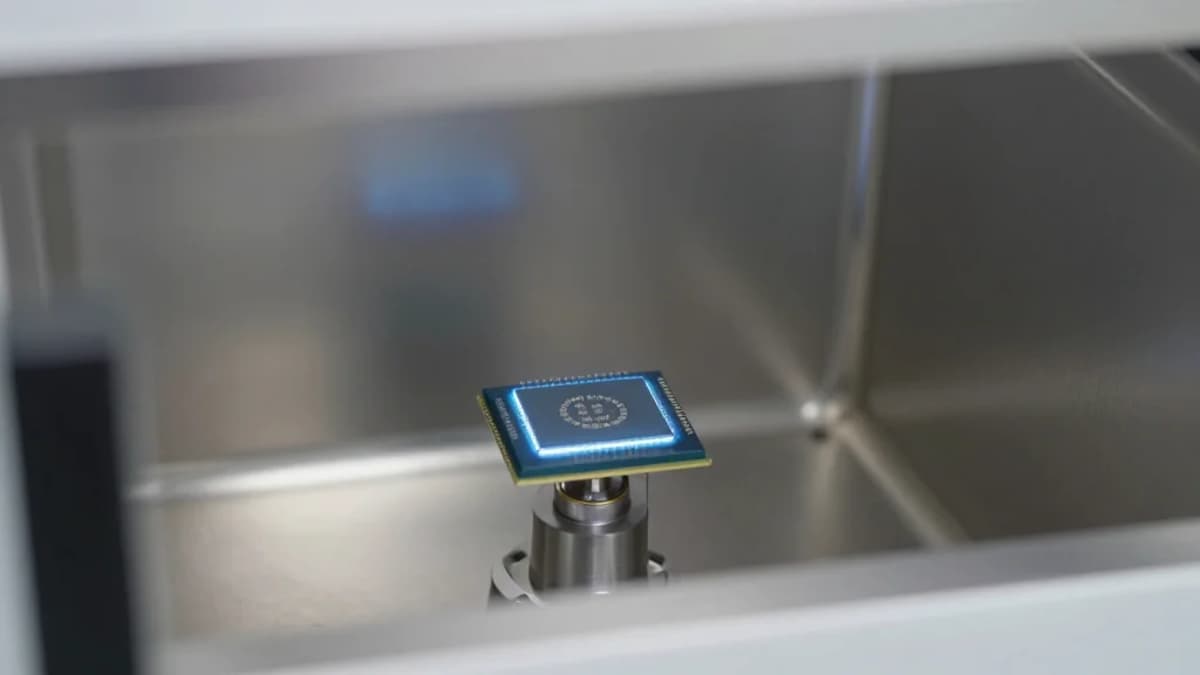
Quantum Elements Reports Record Logical Qubit Fidelity in Nature Communications Study
Quantum Elements, together with USC, IBM and RWTH Aachen, published a Nature Communications paper showing the highest‑fidelity entangled logical qubits on a 127‑qubit superconducting processor. By merging quantum error detection with a novel logical dynamical decoupling (LDD) technique, the team...
By HPCwire

Blog•Mar 4, 2026
Keyfactor Advances Automation for Modern Digital Trust Environments
Keyfactor unveiled a suite of automation tools that modernize public key infrastructure, certificate lifecycle management, and digital signing. The enhancements address shrinking TLS certificate lifespans, tighter compliance mandates, and the emerging threat of quantum‑computing attacks. New hybrid cryptographic models let...
By Quantum Zeitgeist
Blog•Mar 4, 2026
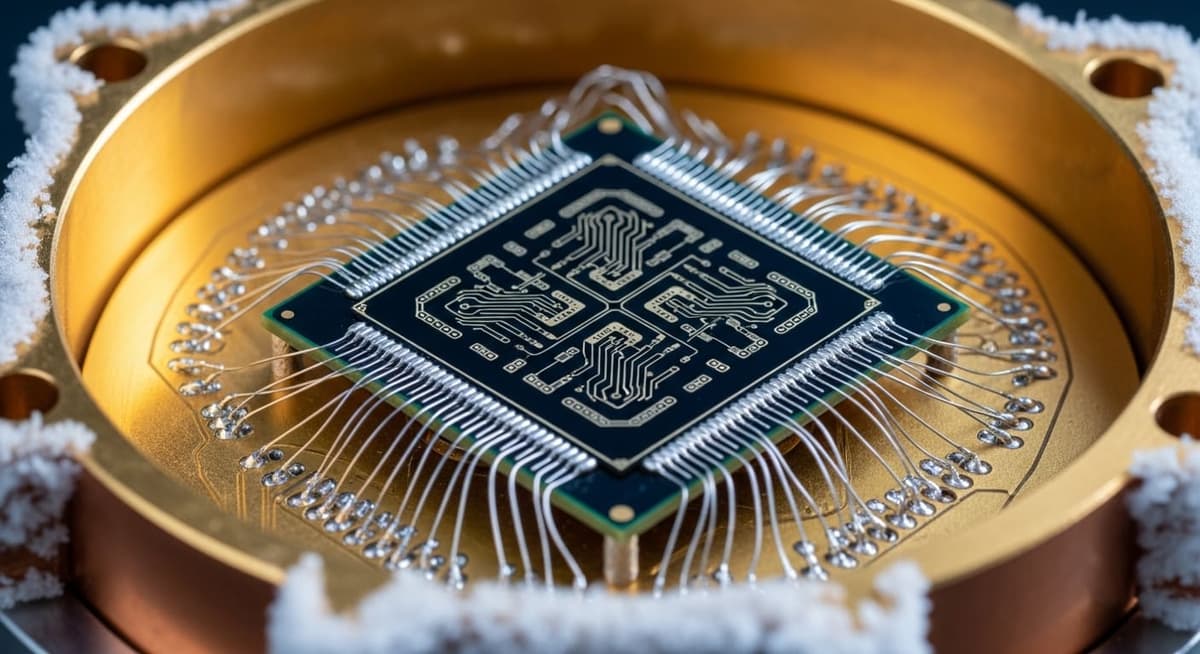
Origin Quantum Computing Achieves High-Accuracy Flux Crosstalk Compensation in Superconducting Qubits
Origin Quantum Computing, in partnership with USTC, unveiled a spin‑echo‑based method that separates quantum and magnetic flux crosstalk in superconducting qubits. The technique, combined with a learning‑driven high‑parallelism measurement scheme, stabilizes frequency‑shift fluctuations to a 20 kHz noise floor. After compensation,...
By Quantum Zeitgeist
Blog•Mar 4, 2026
Fireside Chat with dMY Squared Technology Chairman, Horizon Quantum CEO & CFO, Mar 9 at 1:15PM ET
IPO Edge will host a 45‑minute fireside chat on March 9 featuring dMY Squared Technology Chairman Harry You and Horizon Quantum CEO Dr. Joe Fitzsimons. The session will detail the recently completed business combination that makes Horizon Quantum the first publicly...
By IPO Edge
Blog•Mar 4, 2026
University of Toronto Centre Awards Bell Prize for Neutral Atom Research
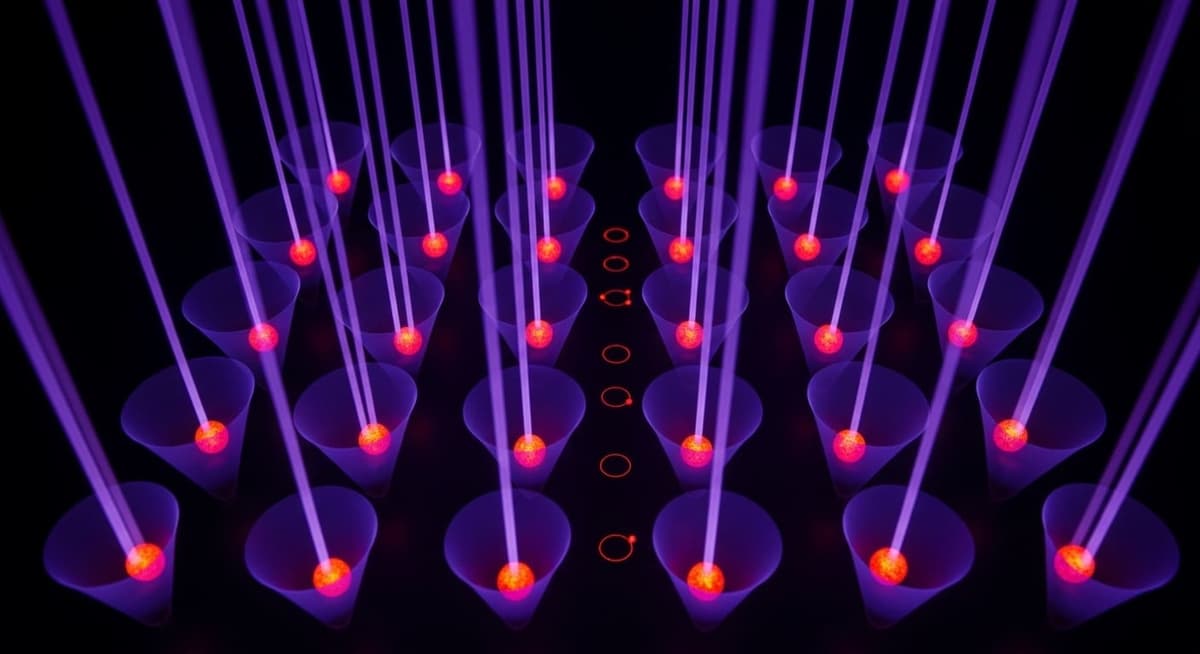
The University of Toronto’s Centre for Quantum Information and Quantum Control awarded the ninth John Stewart Bell Prize to Mikhail D. Lukin, Antoine Browaeys, and Mark Saffman for pioneering neutral‑atom quantum computing. Their work demonstrated reconfigurable optical‑tweezer arrays that can...
By Quantum Zeitgeist

Blog•Mar 4, 2026
Thales Validates Post-Quantum Cryptography on Live Networks, Enabling Ongoing Protection
Thales demonstrated live‑network post‑quantum cryptography for 5G, remotely updating SIM and eSIM cards with quantum‑safe algorithms. The "crypto agility" approach eliminates the need for massive hardware swaps, enabling instant security upgrades across existing devices. The trial underscores Thales’ role in...
By Quantum Zeitgeist
Video•Mar 2, 2026
Quantum-Safe Readiness: Operators Prepare for Q-Day
Speakers at the Barcelona discussion warned that “Q-Day” — the point when quantum computers can break today’s encryption — is likely four to eight years away, and urged organizations to act now because adversaries are already harvesting data to decrypt...
By Fierce Network TV

Deals•Feb 27, 2026
Quantum eMotion Corp. Acquires SKV Technology Inc., Securing SecureKey Platform
Quantum eMotion Corp. announced it will acquire all shares of SKV Technology Inc., gaining control of the SecureKey platform. The acquisition includes milestone‑based earn‑out payments up to C$7 million and potential royalties up to $15 million, with closing expected around March 2 2026. The...
Quantum Zeitgeist
Video•Feb 25, 2026
VIAVI Explains Quantum-Ready Networks
Viavi’s briefing cuts through quantum hype to explain how networks will become quantum‑ready, emphasizing that test and measurement is the governance layer that transforms experimental quantum cryptography into deployable services. The company outlines a hybrid security model that blends quantum...
By Fierce Network TV
Deals•Feb 23, 2026
Reliance Global Group Acquires Enquantum Ltd. To Build Post‑Quantum Encryption Platform
Reliance Global Group announced the acquisition of Enquantum Ltd., a quantum‑resilient encryption firm, as the first platform deal under its Scale51 operating model. The transaction gives Reliance majority control (up to 51%) and aims to develop Enquantum into a core...
Quantum Zeitgeist

Deals•Feb 21, 2026
Quantum Elements Secures Additional Funding for AI‑Driven Development Platform
Quantum Elements, a Los Angeles‑based quantum software startup, announced it has raised additional funding via a SAFE round, with participation from QDNL Participations, Quantacet, R‑Squared Ventures and Firgun Ventures. The capital will support development of its AI‑driven platform Constellation, which...
Quantum Computing Report

Video•Feb 20, 2026
Quantum Vs. Bitcoin: Is a Crypto Security Collapse Coming? | Scott Stornetta Weighs In
The video features cryptography veteran Scott Stornetta discussing whether quantum computing threatens Bitcoin and other blockchain systems. He explains that blockchain security rests on mathematical problems that are easy to compute in one direction but infeasible to reverse, creating a...
By Changpeng Zhao
Deals•Feb 19, 2026
SEALSQ Corp Finalizes Second Strategic Investment in Quantum Hardware Startup EeroQ
SEALSQ Corp announced a follow‑on strategic investment in U.S. quantum hardware company EeroQ, marking its second capital injection after a December 2025 entry. The funding will support EeroQ’s electron‑on‑superfluid‑helium architecture and a joint proof‑of‑concept at SEALSQ’s Quantum Center of Excellence in...
Quantum Computing Report

Deals•Feb 18, 2026
Aliro Raises $15M in Oversubscribed Funding Round
Aliro announced a $15 million oversubscribed funding round led by Gutbrain Ventures, with participation from Cisco Investments, Argon Ventures, and Wonderstone Ventures, the corporate VC of Murata. The capital will support expanded deployments and ecosystem partnerships for its physics‑based network...
HPCwire

Deals•Feb 18, 2026
IBM Ventures Invests in SQK and QodeX Quantum for Specialized Software Development
IBM Ventures announced new investments in early‑stage quantum software startups SQK and QodeX Quantum, supporting SQK's hybrid quantum‑classical algorithms for medical imaging and QodeX's quantum‑native AI platform. The undisclosed funding aims to accelerate the quantum software ecosystem and give the...
Quantum Computing Report

Deals•Feb 18, 2026
MicroAlign Secures €2.5M EIC Accelerator Grant and Equity Investment
MicroAlign announced it has received a €2.5 million accelerator grant and equity investment from the European Innovation Council (EIC) to industrialize high‑precision quantum fiber arrays, moving from pilot‑scale to high‑volume production. The funding will support the company’s roadmap to address bottlenecks...
Quantum Computing Report

Video•Feb 17, 2026
US Stocks Close Slightly Higher, Infleqtion CEO Discusses Quantum Computing Company's IPO
Infleqtion Technologies (ticker INFQ) debuted on the New York Stock Exchange through a SPAC merger with Churchill Capital, securing $550 million to fund its quantum‑computing ambitions. CEO Matt Kinsella framed the listing as a capital‑raising event, emphasizing that the timing aligns...
By Yahoo Finance
Video•Feb 16, 2026
From Foundry to Full Stack: Why IonQ Bought SkyWater
The Chip Observer podcast discusses IonQ's announced purchase of Skywater Technologies, a U.S.-based pure-play foundry. Skywater, formed a decade ago from former Cypress fabs and backed by Oxbow Industries, has built a niche in mature-node manufacturing and defense contracts. Analysts note...
By TechInsights

Deals•Feb 12, 2026
Zero Point Cryogenics Launches Its First Fundraising Round
Zero Point Cryogenics (ZPC), a Canadian maker of dilution refrigerators for quantum research, has announced the start of its first fundraising round. The round aims to fund the company's expansion and further development of quantum cryogenic technology. No amount or...
BetaKit (Canada)

Video•Feb 11, 2026
Quantum Security Urgency
The video underscores a growing urgency for organizations to adopt quantum‑resistant security measures as regulators set definitive timelines for compliance. By establishing a clear due date, policymakers are forcing enterprises to confront the reality that data collected today could be...
By Paul Asadoorian
Video•Feb 10, 2026
Quantum Attacks: When and How?
The video addresses the timeline and practical implications of quantum computing for blockchain security, emphasizing that a quantum adversary capable of breaking today’s cryptographic primitives is unlikely to appear for roughly fifteen years. While the speaker cautions against complacency, he...
By a16z crypto

Deals•Feb 9, 2026
Leclercq American Capital Invests in SandboxAQ’s Quantum‑AI Cybersecurity Platform
Leclercq American Capital LLC announced a new equity investment in SandboxAQ, a quantum‑AI platform delivering B2B solutions for post‑quantum cybersecurity, advanced simulation, and next‑generation sensing. The undisclosed funding underscores confidence in SandboxAQ’s technology for cryptographic resilience, finance, healthcare, and other...
Quantum Zeitgeist
Deals•Feb 9, 2026
Reliance Global Group to Acquire 51% Controlling Stake in Enquantum Ltd. For $2.125M
Reliance Global Group announced a definitive agreement to acquire a 51% controlling interest in post‑quantum cybersecurity firm Enquantum Ltd. for $2.125 million, payable in tranches over ten months. The acquisition will be executed through Reliance’s EZRA International Group subsidiary as part...
Quantum Zeitgeist

Video•Feb 4, 2026
From Quantum to Stablecoins: Regulation Predictions for 2026
Finextra’s Predict 2026 special edition examined how regulatory timelines will shape payments and digital assets in 2026, from the final phases of ISO 20022 migration to emerging quantum legislation and the US‑driven stable‑coin push. Dominique Diggs noted that the coexistence period between MT...
By Finextra

Video•Feb 3, 2026
How Engineers Can Crack Science's Toughest Mysteries - with Shini Somara
Shini Somara opens her talk by recounting a personal journey from a mechanical‑engineering degree to an industry‑based PhD in computational fluid dynamics, highlighting how that experience revealed stark gender and diversity gaps in engineering. Determined to change the narrative, she...
By The Royal Institution
Deals•Feb 2, 2026
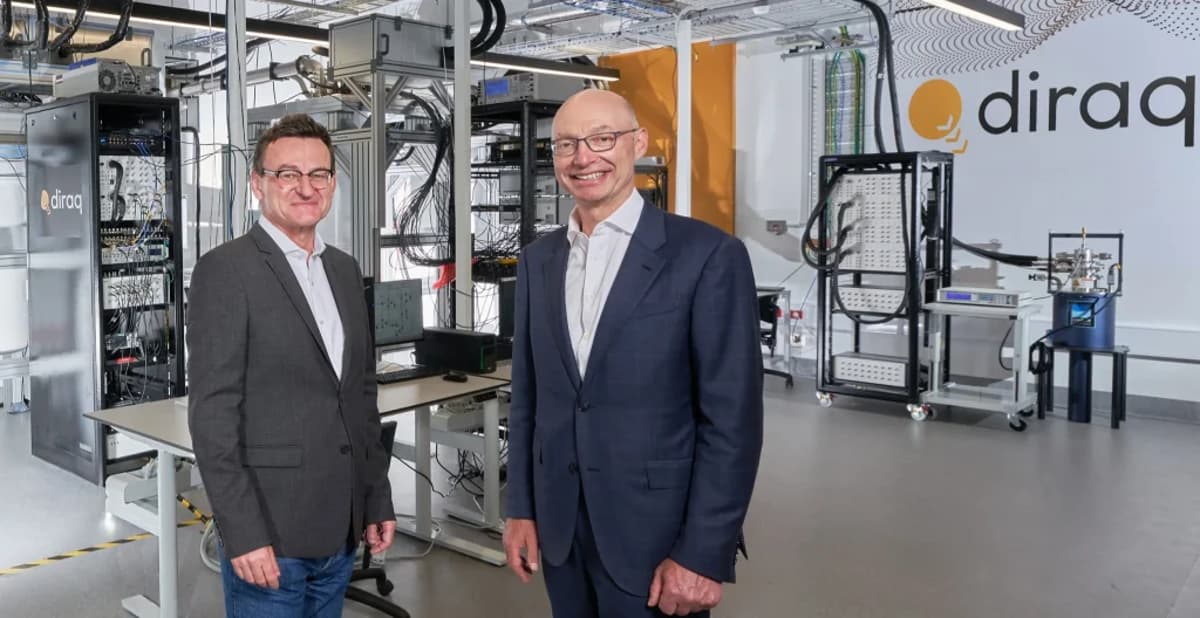
Diraq Secures $20M Equity Investment From Australia's National Reconstruction Fund
Diraq, an Australian quantum computing startup, secured a $20 million equity investment from the National Reconstruction Fund Corporation (NRFC) to accelerate its utility‑scale silicon‑based quantum computer development. The funding will support advanced manufacturing and aims to deliver a quantum computer with...
Quantum Zeitgeist

Deals•Jan 29, 2026
IonQ Completes Acquisition of Skyloom Global Corp.
IonQ completed its acquisition of Skyloom Global Corp., a move to strengthen its quantum networking capabilities. The deal, first announced in November 2025, brings Skyloom’s expertise in free‑space optical communications into IonQ’s portfolio, advancing its roadmap for distributed quantum entanglement...
Quantum Zeitgeist

Deals•Jan 29, 2026
Spanish Government Invests €9.75M in Nu Quantum's $60M Series A Round
The Spanish Government, via the Spanish Society for Technological Transformation (SETT), has invested €9.75 million ($11.6 million) in quantum networking startup Nu Quantum as part of its $60 million Series A funding round. The funding will support a new Madrid subsidiary focused on industrializing...
Quantum Computing Report

Deals•Jan 23, 2026
Deep33 Ventures Secures $100M First Close for $150M Deep-Tech Fund Focused on AI Infrastructure, Quantum and Robotics
Deep33 Ventures has emerged from stealth, announcing a $150 million deep‑tech fund and a $100 million first close. The fund will invest in AI infrastructure, energy systems, autonomous robotics and quantum computing to address physical constraints on AI deployment. Backed by family...
The AI Insider
Deals•Jan 20, 2026
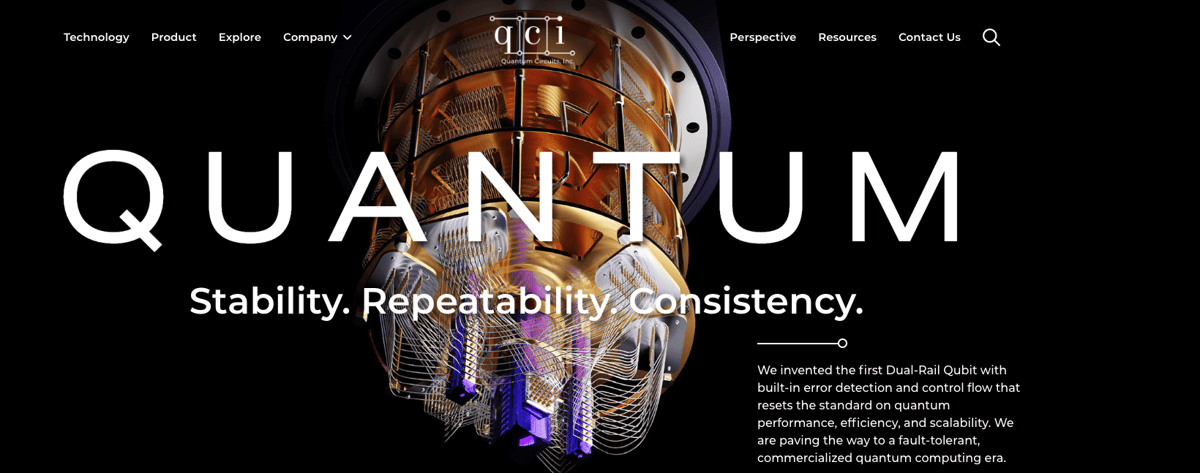
D-Wave Acquires Quantum Circuits Inc., Adding Gate-Model Capability to Its Annealing Portfolio
D‑Wave announced the completion of its acquisition of Quantum Circuits Inc., merging its annealing quantum computers with Quantum Circuits' dual‑rail gate‑model qubit technology. The deal creates the first dual‑platform quantum computing company, accelerating the rollout of error‑corrected gate‑model systems alongside...
Quantum Zeitgeist

Video•Jan 12, 2026
Marking Exam Done by A.I. - Sixty Symbols
The video documents a live experiment in which the hosts upload a second‑year undergraduate quantum mechanics exam into ChatGPT and ask the model to answer as a student would. They then mark the AI‑generated responses using the official solution key,...
By Sixty Symbols