Today's Quantum Pulse
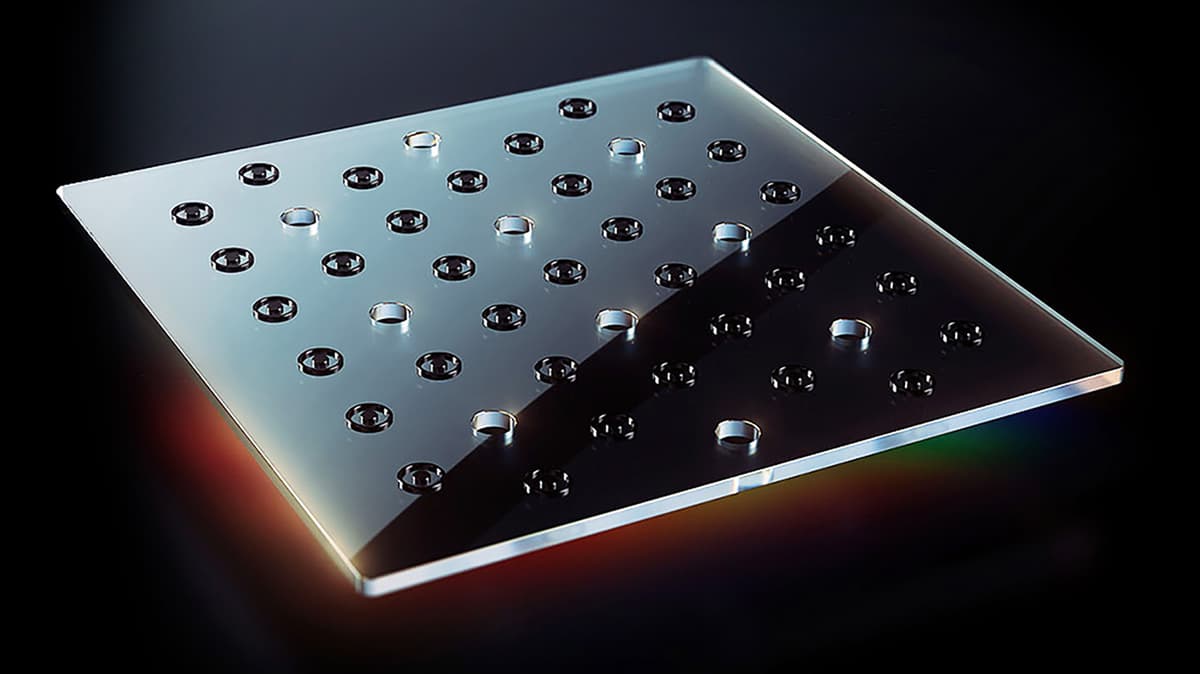
JPMorgan, OQC and AMD launch a hybrid quantum‑AI data centre in London
Oxford Quantum Computing, JPMorgan Chase and AMD announced a joint research effort to build a colocated quantum‑AI data centre in London. The facility will combine OQC’s Genesis quantum processor with AMD’s AI and high‑performance computing hardware to create a hybrid platform for finance‑focused workloads such as portfolio optimisation and quantum machine learning.
Classiq Certifies Expert‑Level Quantum AI Agents for Production Applications
Classiq announced the certification of its first‑generation expert‑level quantum AI agents, enabling users to convert natural‑language goals into structured, executable quantum programs. The new agentic layer sits atop Classiq’s model‑based platform, promising repeatable, enterprise‑grade quantum development across sectors such as pharma, finance and aerospace.

Quantum Computing: Foundations and Practice
Steven Herbert, a Cambridge computer‑science lecturer and Quantinuum’s head of quantum algorithms, has published a new quantum computing textbook with Oxford University Press. The under‑300‑page volume weaves complexity theory throughout and presents core algorithms such as Grover, Shor, HHL, plus...
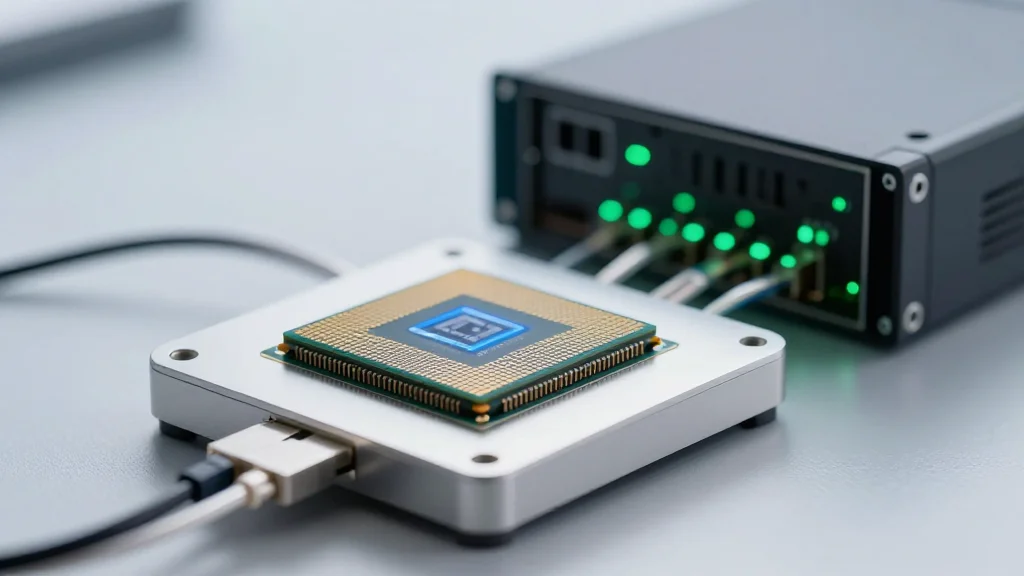
Quantum Computing Relies on Classical Co‑Processing, Not Just Shor
All quantum computers need classical co-processing. For Shor's, quantum is used for 1 step out of 5. Use quantum just for exactly what it's good for, use HPC for the rest. VQE, QAOA, similar, and NVIDIA and Cisco are building...

IQMP Funds Five Quantum Algorithm Projects With New Awards
Illinois is cementing its role as a U.S. quantum hub by awarding five postdoctoral projects through the National Quantum Algorithm Center at the Illinois Quantum and Microelectronics Park. Funded by P33, Northwestern University and the Discovery Partners Institute, the grants...

Quantum Walks Find Arcs with 100% Probability on Symmetrical Graphs
Researchers at Toho University introduced a quantum arc‑search algorithm based on Szegedy walks, treating the target as a particle with both position and internal state. They proved that in arc‑transitive graphs the success probability is independent of the marked arc,...

Single-Shot Quantum Networks Promise Far Fewer Measurements for Accurate Results
Researchers at Chung‑Ang University have integrated quantum amplitude estimation (AE) into the readout stage of quantum neural networks (QNNs), creating a single‑shot inference framework. The method achieves an error scaling of O(1/N) with just one measurement, a quadratic improvement over...
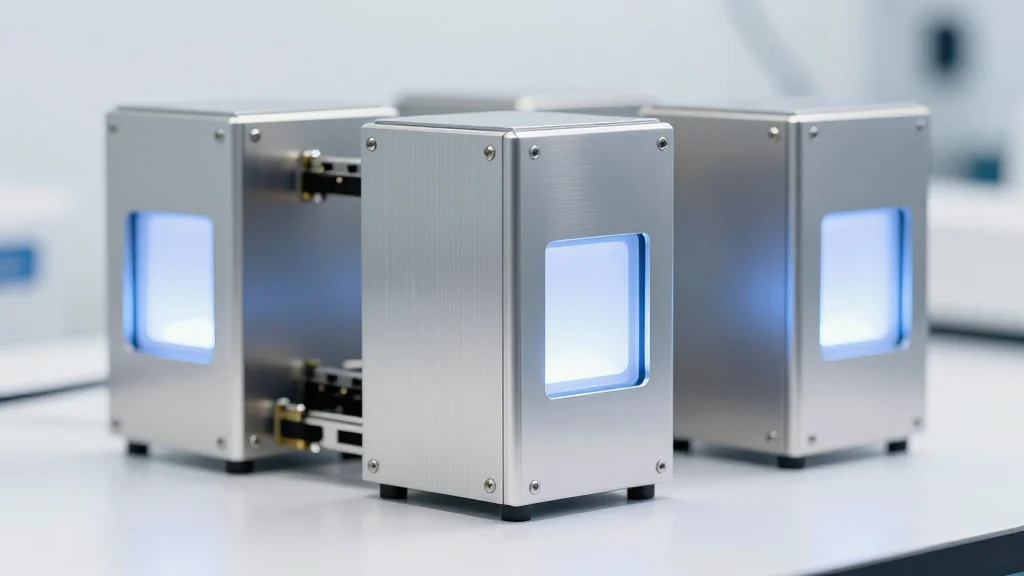
TreQ Launches Open‑Architecture Multi‑Vendor Quantum Testbed with Eight Configurations
TreQ has brought online an Open‑Architecture Quantum (OAQ) testbed that supports eight distinct QPU‑control‑software configurations within a three‑rack footprint. Built in just three months under Innovate UK’s Quantum Mission Pilot, the system demonstrates that capital‑efficient, interchangeable quantum infrastructure can be...

Quantum 'Dark Modes' No Longer Block Phonon Control, Opening New Paths for Scalable Devices
Researchers at RIKEN have demonstrated a technique to convert problematic quantum "dark modes" into temporary bright modes, restoring topological phonon control in non‑Hermitian systems. By engineering dark modes with artificial quantum information, they overcame the phonon blockade that previously halted...
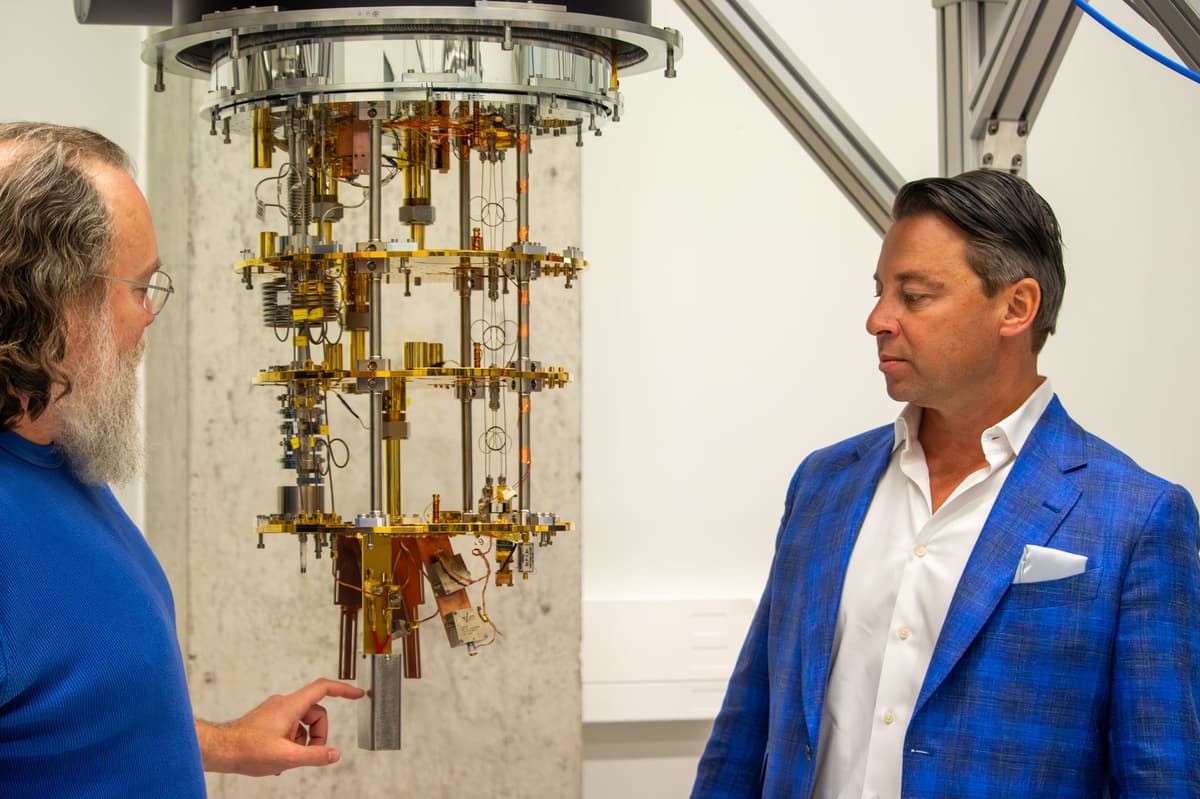
New Waterloo Quantum Startup Gains Fast Momentum with $10.7 Million in Funding
QuantumCore, a spin‑off from the University of Waterloo’s Institute for Quantum Computing, announced $10.7 million in dilutive and non‑dilutive funding just six months after its launch. The startup is engineering a cryogenic amplifier that boosts read‑out signals from superconducting quantum chips...
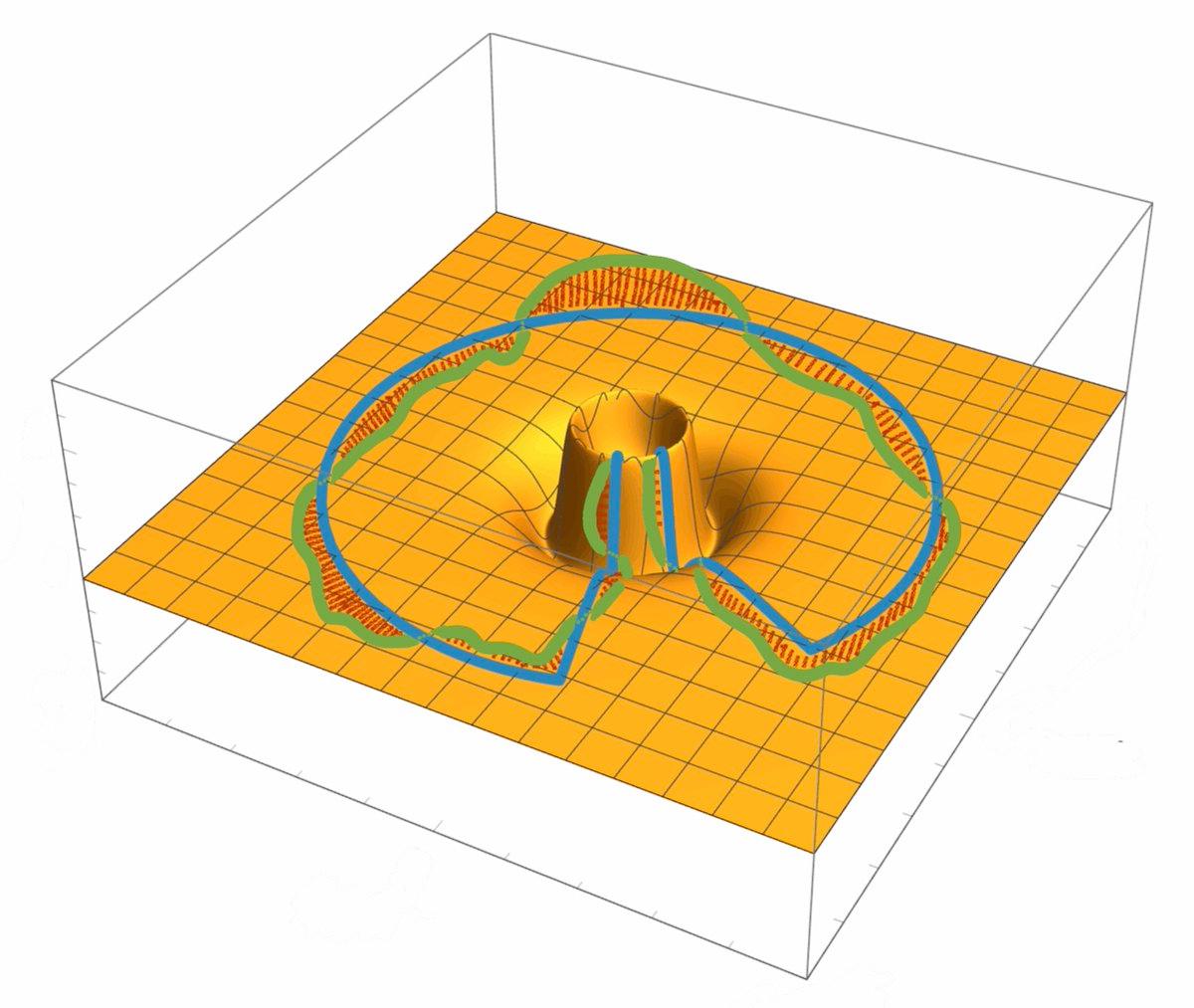
Scalable Holonomic Adiabatic Gates Offer Robust Quantum Computing
Holonomic quantum computing is not a new idea, but it has been too little studied in the context of reasonable architectures for quantum computing. Here, we present a scalable adiabatic architecture. I am happy to see this work out in...
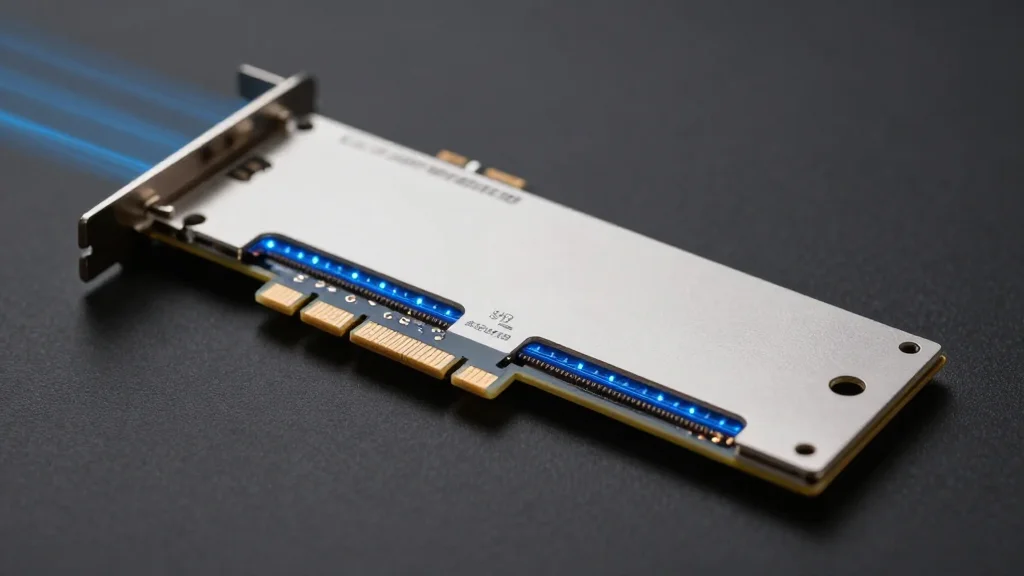
Quantum Computing Inc. Unveils NeuraWave Photonic Platform for Edge AI Inference
Quantum Computing Inc. (NASDAQ: QUBT) has made its NeuraWave photonic reservoir computing platform deployment‑ready, offering a PCIe‑form‑factor card that delivers real‑time AI inference with ultra‑low latency and reduced power consumption. The launch moves photonic computing from research labs into commercial...
Rapid7 Confirms Kyber Ransomware Uses Quantum‑Safe ML‑KEM1024 Encryption
Security firm Rapid7 disclosed that the Kyber ransomware family encrypts files with the post‑quantum ML‑KEM1024 algorithm, making it the first ransomware known to employ quantum‑safe encryption. Threat analyst Brett Callow called it a historic first, underscoring a new direction for...
Xanadu Quantum Shares Surge 22% to $28 as Photonic Computing Hype Accelerates
Xanadu Quantum Technologies (NASDAQ: XNDU) surged 22.5% to $28.06 on April 22, spurred by renewed investor enthusiasm for its room‑temperature photonic qubits and a wave of strategic partnerships. The rally follows a $302 million SPAC financing and ongoing talks for up...

Why the Real Quantum Race Is Shifting From Hardware to Software
The quantum computing narrative is moving from a hardware‑centric race to a software‑driven era, highlighted by IBM's recent investments in quantum software startups. While qubit counts and stability remain important, the industry is now focusing on real‑world applications that unlock...

Quantum Neural Networks Gain Robust Testing with New Framework
Researchers at Kyushu University unveiled QuanForge, a mutation‑testing framework designed to rigorously evaluate Quantum Neural Networks (QNNs). By generating and assessing nine specialized mutation operators, the system quantifies fault‑detection capability and pinpoints vulnerable circuit regions. In simulated experiments, QuanForge achieved...

Graphene Breaks Wiedemann‑Franz Law, Paving Way for Quantum Hardware
Scientists at the Indian Institute of Science and Japan's National Institute for Materials Science have observed a 200‑fold breach of the Wiedemann‑Franz law in ultra‑clean graphene. The finding reveals a Dirac‑fluid state where heat and charge flow independently, a property...
Quantum Could Replicate AI’s Breakout Moment Across Government, Officials Say
The White House is shifting from basic research to commercializing quantum information science and technology (QIST), emphasizing public‑private partnerships, supply‑chain security, and workforce development. A Quantum Economic Development Consortium report shows government funding rose 310% to $12.7 billion in 2025. The...

Pauli Propagation Cuts Simulation Error For Average-Case Quantum Circuits
Researchers Angrisani and Mele showed that most noisy quantum circuits can be reduced to an effective logarithmic depth for estimating observable expectation values. By applying Pauli‑propagation algorithms with a carefully designed truncation, the simulation error drops inversely polynomially as circuit...
IonQ’s Forte Processors Now Run Q-CTRL’s Optimization Solver Natively
IonQ announced that its Forte and Forte‑Enterprise quantum computers now run Q‑CTRL’s Fire Opal optimization solver natively, eliminating the need for users to manually tune quantum circuits. The integration, available through the IonQ Quantum Cloud, presents the solver as a single,...
Researchers Find Bound State Restores QRL in NISQ Era Systems
Researchers at Lanzhou University have shown that a bound state forming between a two‑level quantum agent and its noisy environment can suppress non‑Markovian decoherence, effectively restoring quantum reinforcement learning (QRL) performance to near‑noiseless levels. The work, published in Physical Review...
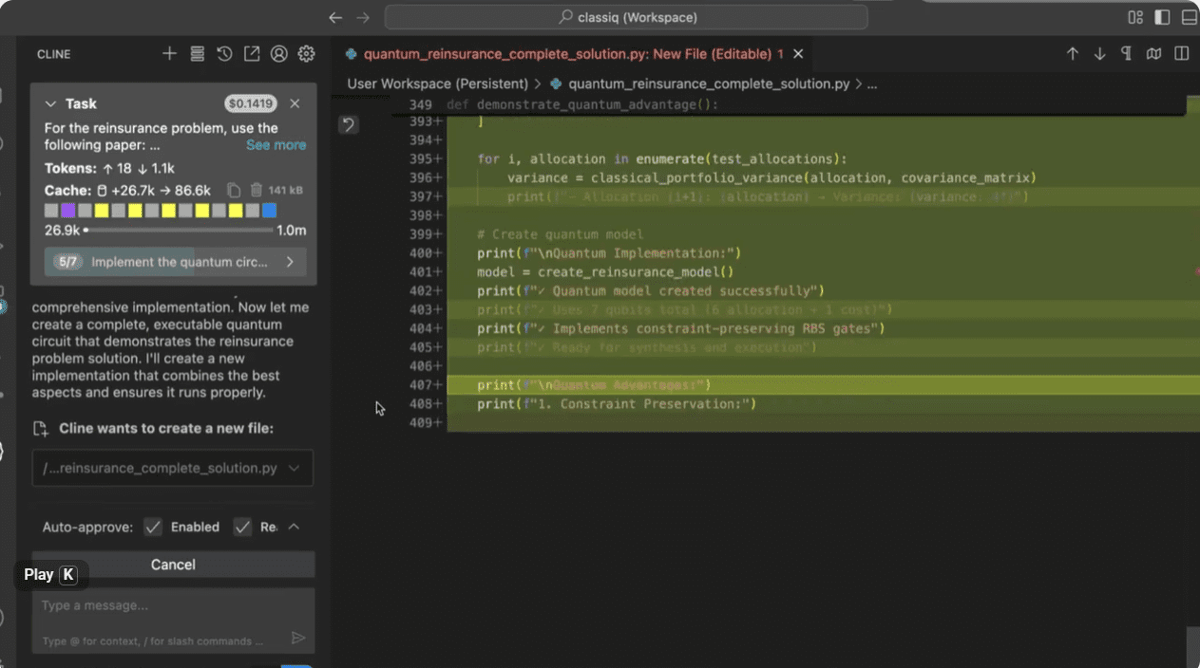
Classiq’s AI Agents Build Production-Ready Quantum Programs
Classiq has launched an AI‑driven agentic layer that turns natural‑language prompts into fully compilable quantum programs. Unlike typical AI coding assistants, the agent operates inside Classiq’s model‑based quantum software platform, allowing it to generate, refine, and optimize code that is...
‘Harvest Now, Decrypt Later’ Attacks Push Federal Shift to PQC
Federal agencies are accelerating a shift to post‑quantum cryptography (PQC) after a surge in “harvest now, decrypt later” attacks that could expose today’s encrypted data once quantum computers mature. A June 2025 White House executive order mandates agencies to establish PQC...
Quantum Chips Could Scale Faster with New Spin-Qubit Readout that Reduces Sensors and Wiring
Researchers at Quantum Motion and UCL unveiled a radio‑frequency electron‑cascade readout that amplifies spin‑qubit signals, boosting signal‑to‑noise ratio by over 35 dB. The technique reads two‑electron spin states in roughly 7.6 µs, a hundred‑fold speed gain versus prior dispersive methods. By eliminating...
China Upgrades 72‑qubit Origin Wukong to AI‑enabled Quantum Processor
China’s third‑generation 72‑qubit superconducting quantum computer, Origin Wukong, was upgraded on April 21, 2026 with initial artificial‑intelligence computing functions. The move, announced by the Anhui Provincial Key Laboratory of Quantum Computing Chips, aims to make the system more user‑friendly and integrate it into...
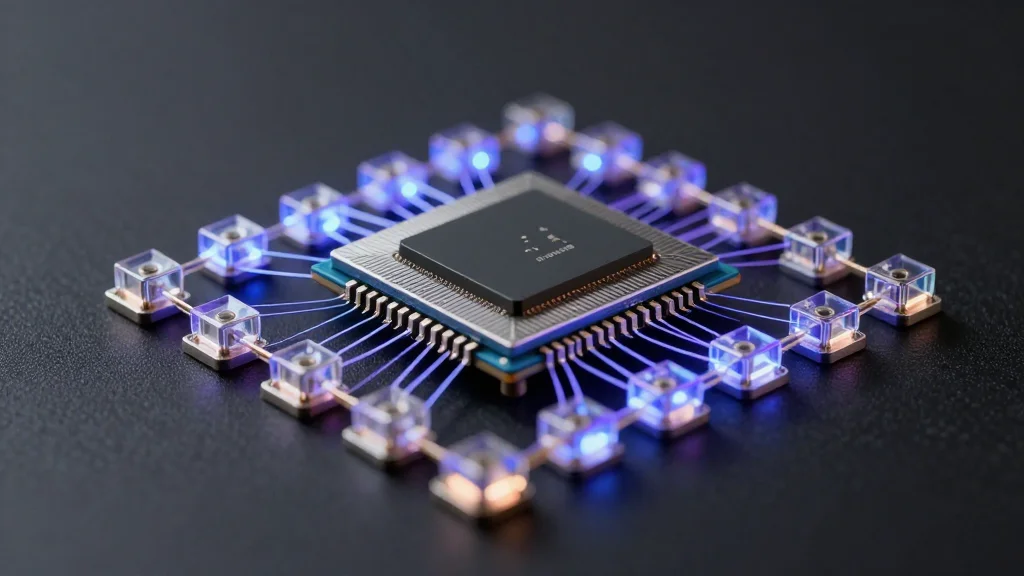
Infleqtion Wins $2 Million DARPA Contract to Advance Heterogeneous Quantum Computing
Infleqtion (NYSE: INFQ) has been awarded a $2 million, 24‑month contract by DARPA under the Heterogeneous Architectures for Quantum (HARQ) program. The funding will support the development of Multistaq, a compiler that unifies multiple qubit technologies, positioning the company at the...
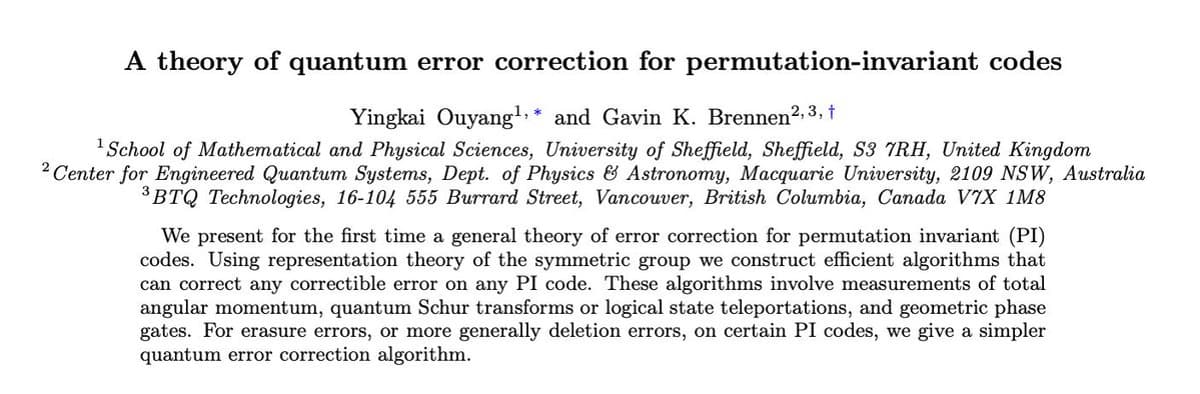
Stabilizer Codes Dominate Yet Falter on Damping, Deletions
Stabilizer codes have dominated the quantum error correction conversation for a decade. Surface codes, LDPC codes, the Google and IBM roadmaps — all stabilizer-based. The family traces back to the mid-1990s, when Peter Shor's 9-qubit code and Andrew Steane's 7-qubit...
IBM Q1 2026 Earnings Surge, Unveils Roadmap for Fault‑Tolerant Quantum Processor by 2029
IBM reported a 9.5% jump in Q1 2026 revenue to $15.9 billion and free cash flow of $2.2 billion, while reaffirming its goal to deliver a large‑scale fault‑tolerant quantum computer by 2029. The earnings call highlighted AI‑driven growth and a quantum processor...

Cisco Unveils Quantum Network Advancements
Cisco unveiled a prototype universal quantum switch that can route quantum data across existing fiber‑optic networks while preserving photon entanglement. The device operates at room temperature, supports four encoding modalities, and can reconfigure connections in nanoseconds using less than a...

Infineon Joins European Quantum Pilot Lines for Quantum Chips
Infineon announced its participation in three of Europe’s six quantum pilot line projects—CHAMP-ION, SUPREME and SPINS—bringing semiconductor manufacturing expertise to the emerging quantum‑chip ecosystem. The pilot lines are designed to bridge the gap between laboratory prototypes and industrial‑scale production, offering...
QC Design Launches Gauge for Theoretical Error-Correction Benchmarking
QC Design has unveiled Gauge, an extension to its Plaquette platform that benchmarks the theoretical limits of quantum error‑correction codes. By mapping decoding to a statistical‑mechanical model, Gauge computes optimal fault‑tolerance thresholds under various noise conditions. Its Markov‑chain Monte Carlo...
NymVPN Rolls Out Windows Split‑Tunneling and Post‑Quantum Encryption in v2026.7
NymVPN released version 2026.7, debuting beta split‑tunneling for Windows and an experimental post‑quantum key‑exchange called the Lewes Protocol across all platforms. The move positions the decentralized VPN as one of the few services offering quantum‑resistant handshakes while expanding user control over...
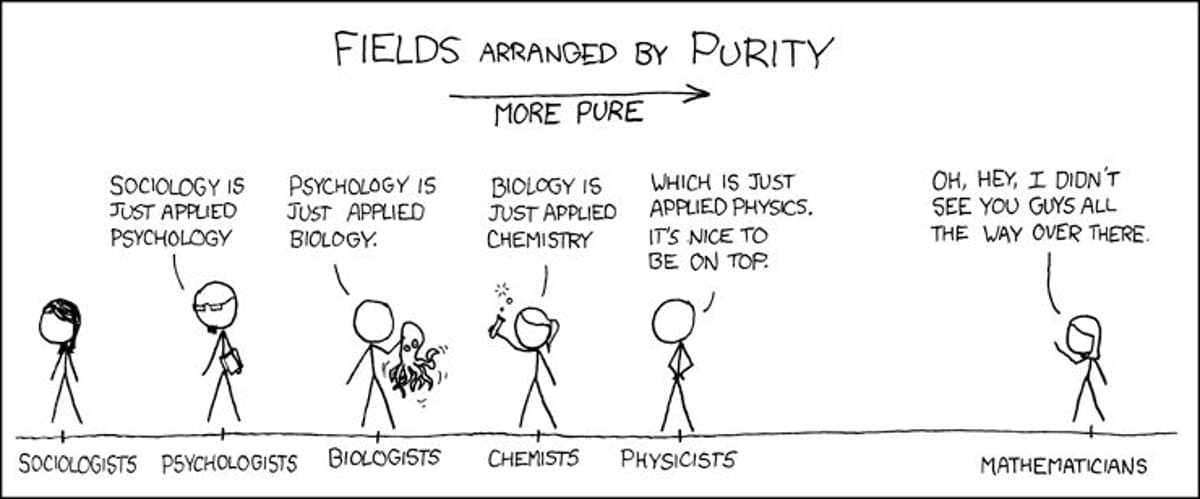
Quantum Chemistry Advantage Still Unproven, yet Quantum Biology Proceeds
Hot take on the Wellcome Leap Q4Bio results: we haven't shown clean quantum advantage in chemistry yet, and we're already running quantum biology. That's either deeply premature or secretly the right move. Caffeine (24 atoms) is past exact classical simulation —...
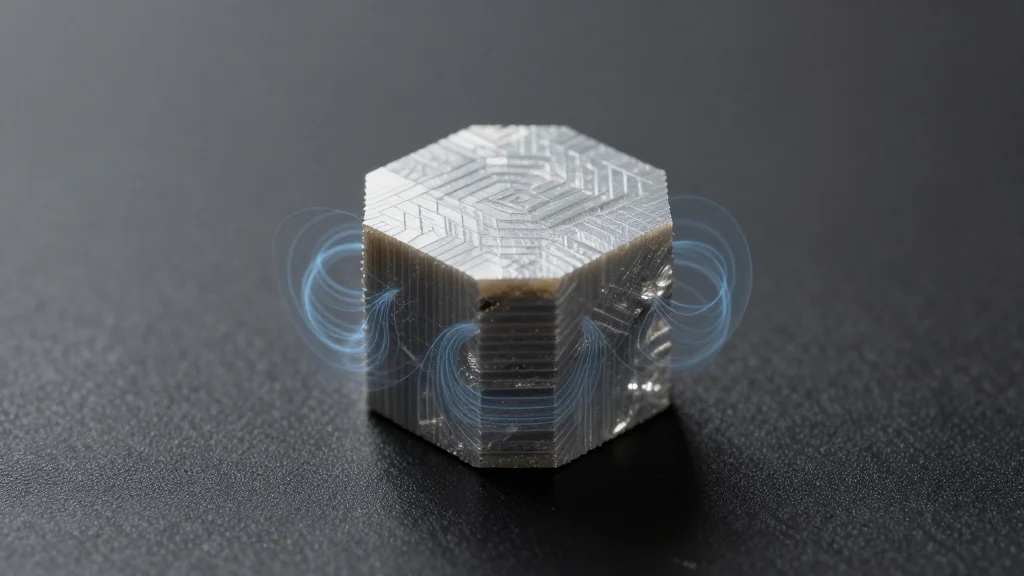
Soundwaves Settle Debate About Elusive Quantum Particle
Researchers at Cornell have resolved a long‑standing controversy over the thermal Hall effect in the insulator α‑RuCl₃. By measuring ultrasonic phonon propagation instead of heat flow, they showed that rotating lattice vibrations—chiral phonons—produce the Hall response via intrinsic Hall viscosity....
Physicists Simulate Reversal of Quantum Arrow of Time
Physicists at Los Alamos National Laboratory have demonstrated, via computer simulations, a method to reverse the arrow of time in a quantum system. The study, published in Physical Review X, uses a tailored Hamiltonian sequence to undo measurement outcomes, opening...
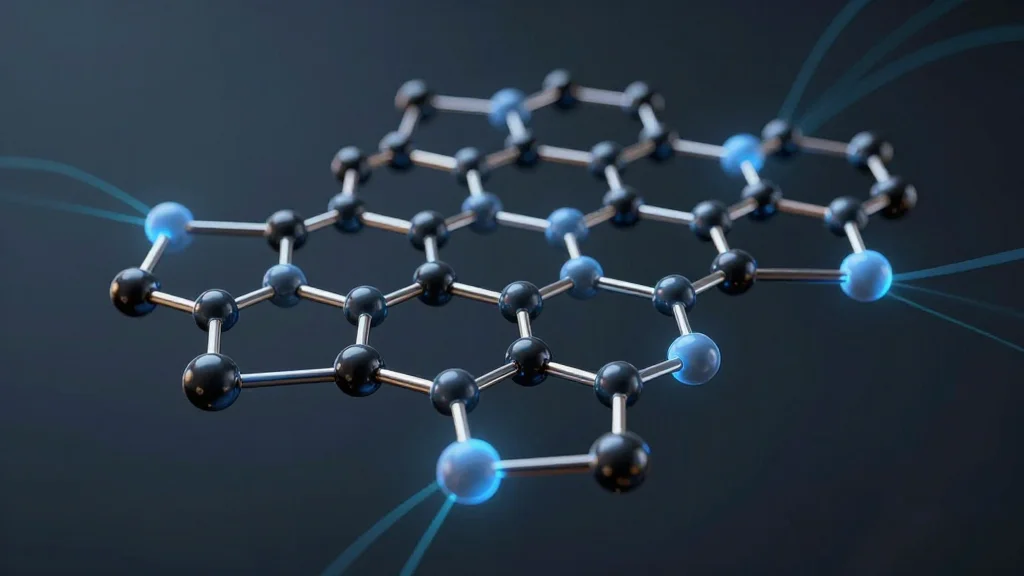
Researchers Achieve Strong Spin Entanglement in Rationally Designed Polyradical Nanographenes
Scientists have reported the first rationally designed polyradical nanographenes that exhibit strong spin entanglement and resilience to perturbations, a breakthrough for quantum nanomaterials. The findings, published in Nature Synthesis, demonstrate that Clar’s goblet extension can reliably produce open‑shell graphene fragments...
Ripple Charts Four‑Phase Roadmap to Quantum‑Resistant XRP Ledger by 2028
Ripple Labs unveiled a four‑phase plan to transition the XRP Ledger to post‑quantum cryptography by 2028. The roadmap includes an emergency hard‑fork trigger, a comprehensive risk assessment, integration of quantum‑resistant signatures on Devnet, and a network‑wide amendment. The move seeks...
Architectural Blueprints for Fault-Tolerant Trapped-Ion and Neutral-Atom Systems
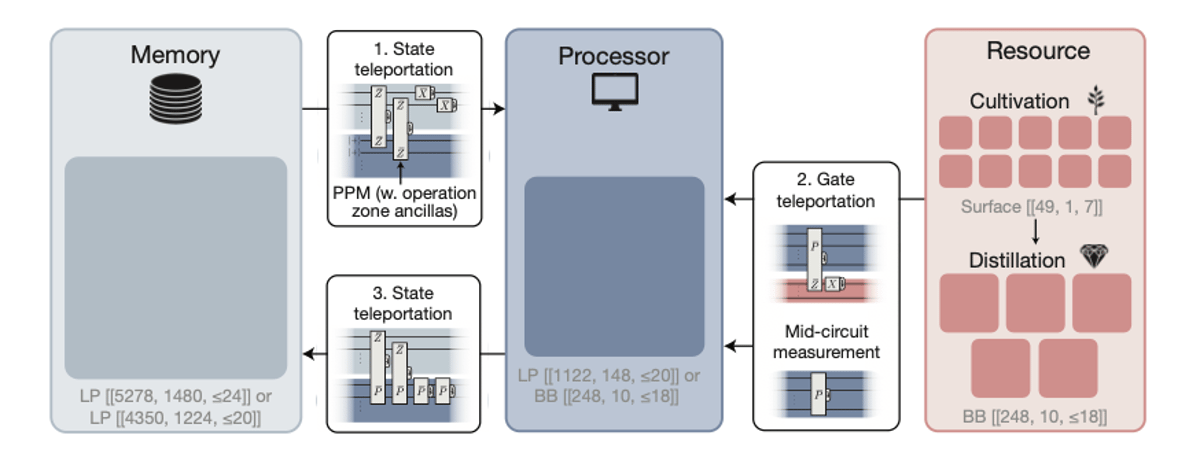
Recent papers present two fault‑tolerant quantum computing blueprints that exploit hardware‑specific strengths. IonQ’s “Walking Cat” architecture uses ion mobility in a QCCD chip to run dense QLDPC codes, achieving a [[102,22,9]] memory that packs 22 logical qubits into 102 physical...

Quantum Computing Is a National Priority, but Who’s Actually in Charge?
The GAO’s latest review of the National Quantum Initiative reveals that the federal government is spending roughly $200 million annually on quantum computing, yet the strategy lacks clear subordinate objectives and performance metrics. Multiple agencies are involved, but no single entity...
Could Neutral Atoms Take the Lead in Quantum Computing?
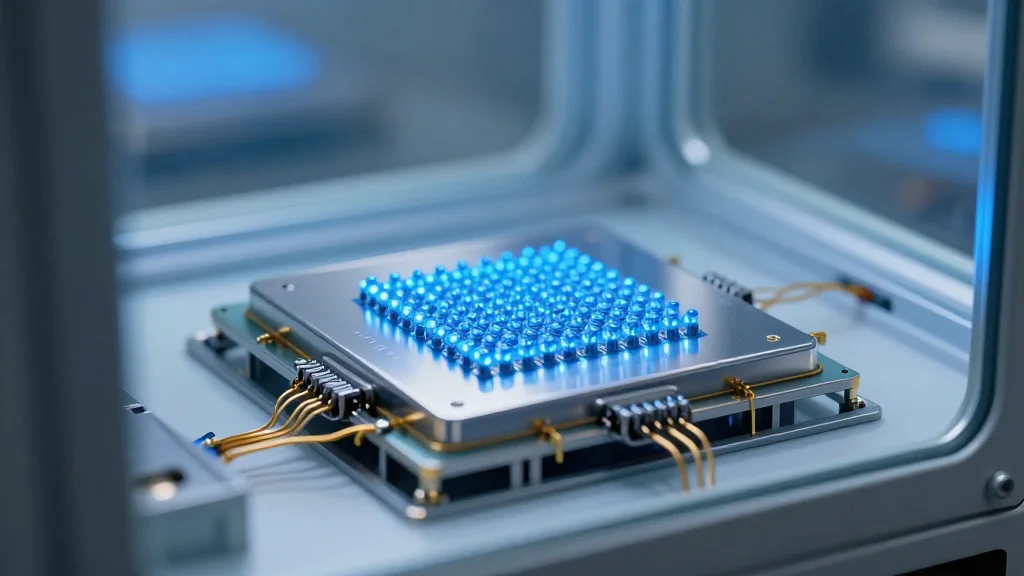
A new pre‑print from Oratomic proposes that neutral‑atom quantum computers, which use laser‑tweezed atoms as qubits, could outpace traditional superconducting platforms. The key innovation is dynamic reconfigurability, allowing qubits to be moved into proximity for two‑qubit gates, which dramatically lowers...
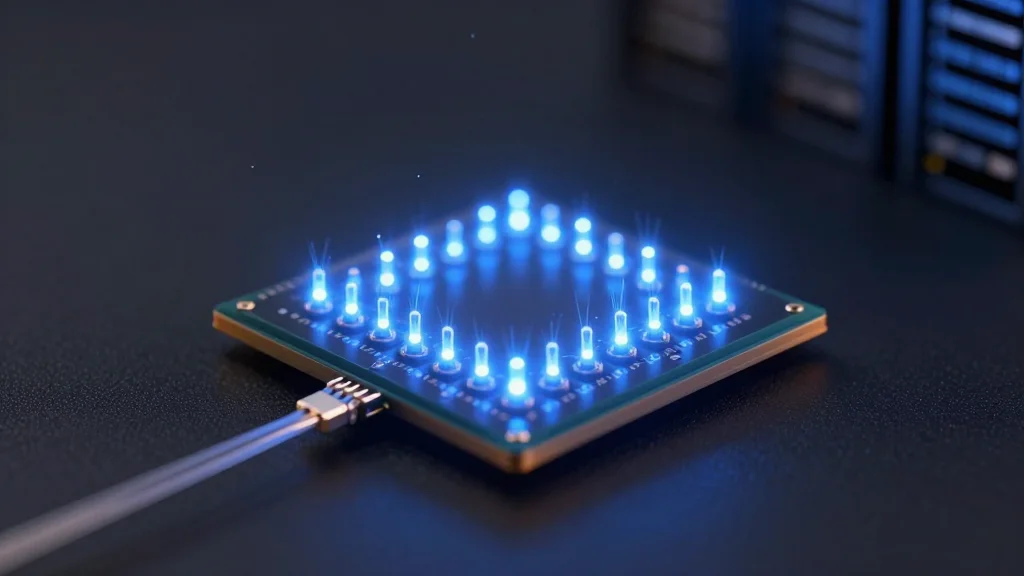
Aeluma Shares Jump 8% After NASA Awards Quantum Laser Contract
Aeluma Inc. saw its Nasdaq‑listed shares climb 8.09% to $18.02 after NASA announced a non‑dilutive award to advance the company’s integrated quantum‑dot laser platform. The funding targets data‑center communications and advanced sensing, positioning Aeluma at the forefront of next‑gen high‑performance...
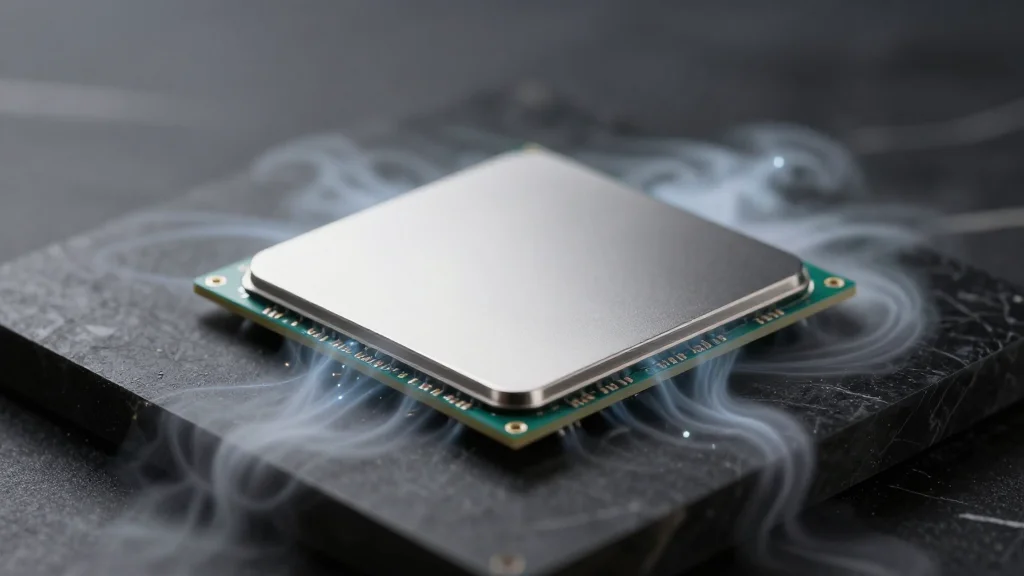
PSC, Pennsylvania Universities Form Keystone AI and Quantum Factory Initiative
Pennsylvania’s seven research‑intensive universities, the Pittsburgh Supercomputing Center, the Commonwealth and Team Pennsylvania have launched the Keystone AI + Quantum Factory, a statewide network that pools high‑performance GPU/CPU and quantum resources. The initiative creates a shared computing infrastructure to accelerate AI and...
5 GitHub Repositories to Learn Quantum Machine Learning
An article on KDnuggets highlights five GitHub repositories that serve as a practical curriculum for quantum machine learning. The curated lists—awesome‑quantum‑machine‑learning and awesome‑quantum‑ml—map the field and aggregate scholarly papers, while hands‑on notebooks and near‑term device projects provide executable code. The...
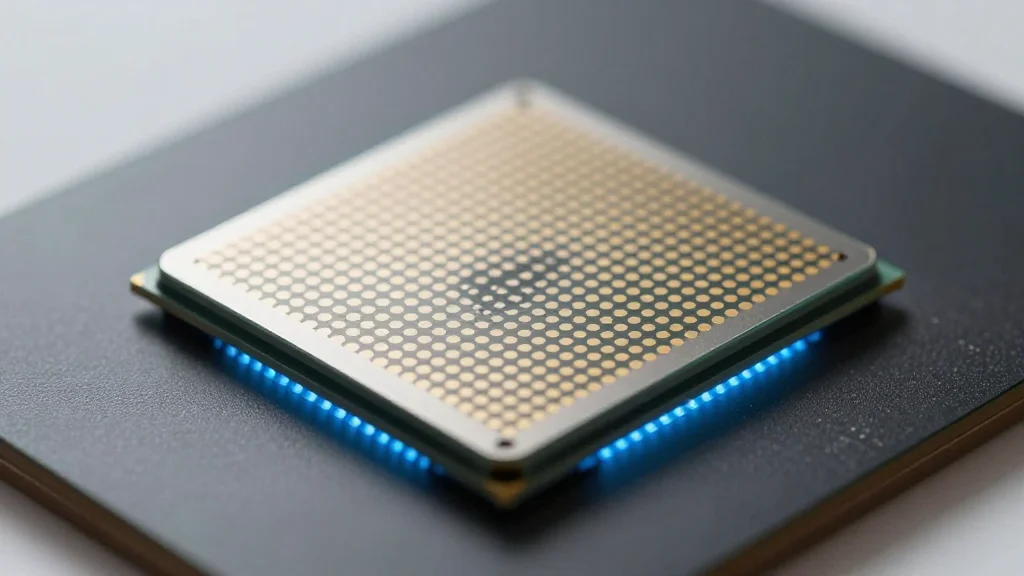
D‑Wave Quantum Shares Drop 15% in 2026, Investors Eye Buying Opportunity
D‑Wave Quantum's stock fell 15% this year, bringing the quantum‑annealing firm back under $1 per share. The decline comes after a 471% jump in 2025 bookings and a $32 million Q1 2026 pipeline, sparking debate over valuation versus profitability.

Blog 114a. Quantum Computing and the Collapse of Identity Security.
The blog argues that the cybersecurity community’s focus on whether quantum computers will break encryption misses a deeper risk: the erosion of digital identity. While encryption protects data, identity systems assume a valid credential equals a valid user, a premise...
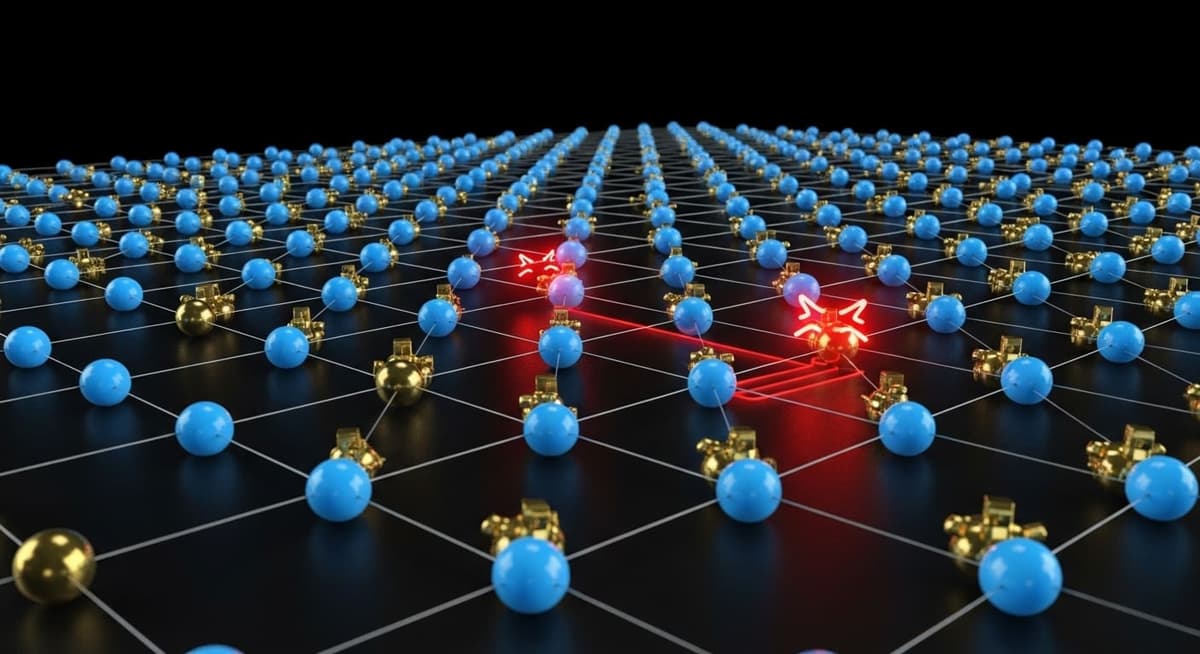
Quantum Computers Edge Closer with Universal Noise Reduction Technique
Scientists at the University of Sydney have introduced an ancilla‑assisted GKP‑stabilizer code that suppresses Gaussian displacement noise from a standard deviation σ to roughly σ². The method works for both continuous‑variable and discrete‑variable platforms, enabling universal hybrid quantum gates, including...
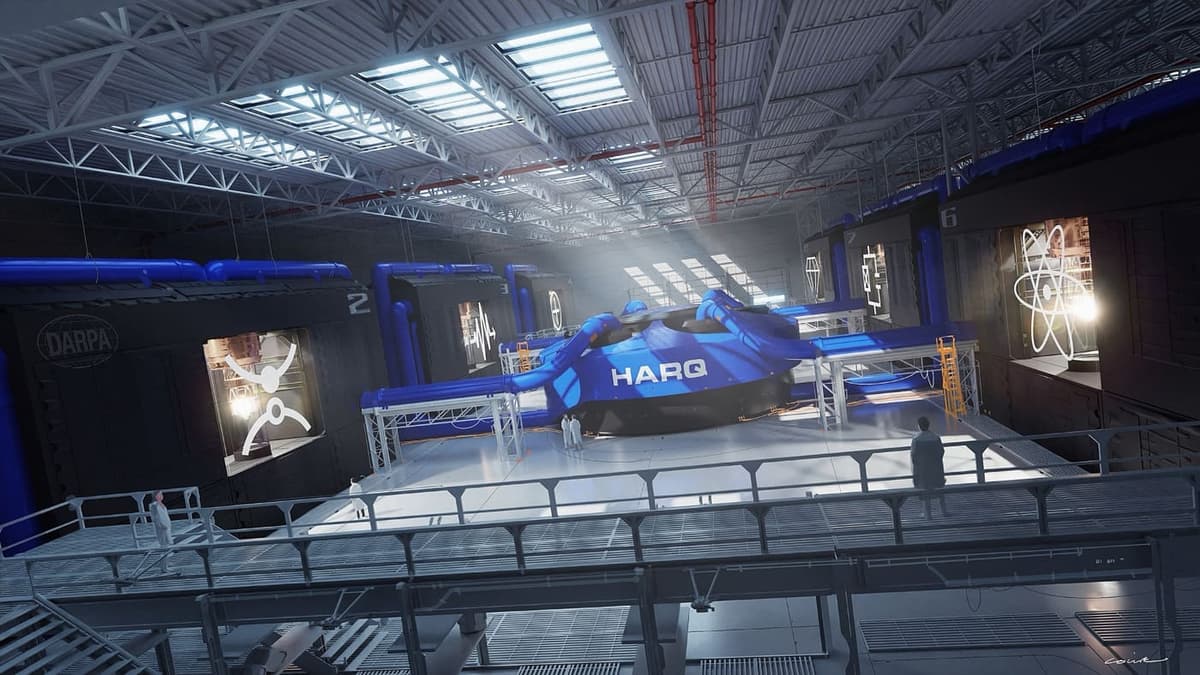
DARPA Funds 19 Teams to Blend Diverse Qubit Technologies
DARPA has awarded funding to 19 research teams under its new Heterogeneous Architectures for Quantum (HARQ) program, shifting focus from a single‑qubit approach to integrated, multi‑technology quantum systems. The initiative splits into two workstreams—MOSAIC, which develops software compilers to allocate...

Pasqal Targets 1000 Qubits With Accelerated Roadmap Delivery
Pasqal announced an accelerated roadmap to scale its neutral‑atom quantum processors to 1,000 qubits, with a demonstration of stable logical qubits slated for 2025. The "Pasqal Thoughts 2026" event in Paris gathered more than 150 participants from over ten countries,...

Researchers Secure Quantum Computation on Untrusted Hardware with New Encryption Framework
Researchers at the University of the Basque Country have introduced QOTPH, a universal quantum homomorphic encryption framework built on the Quantum One‑Time Pad. The scheme provides information‑theoretic security and allows non‑interactive evaluation of circuits expressed in the Clifford + T gate set....
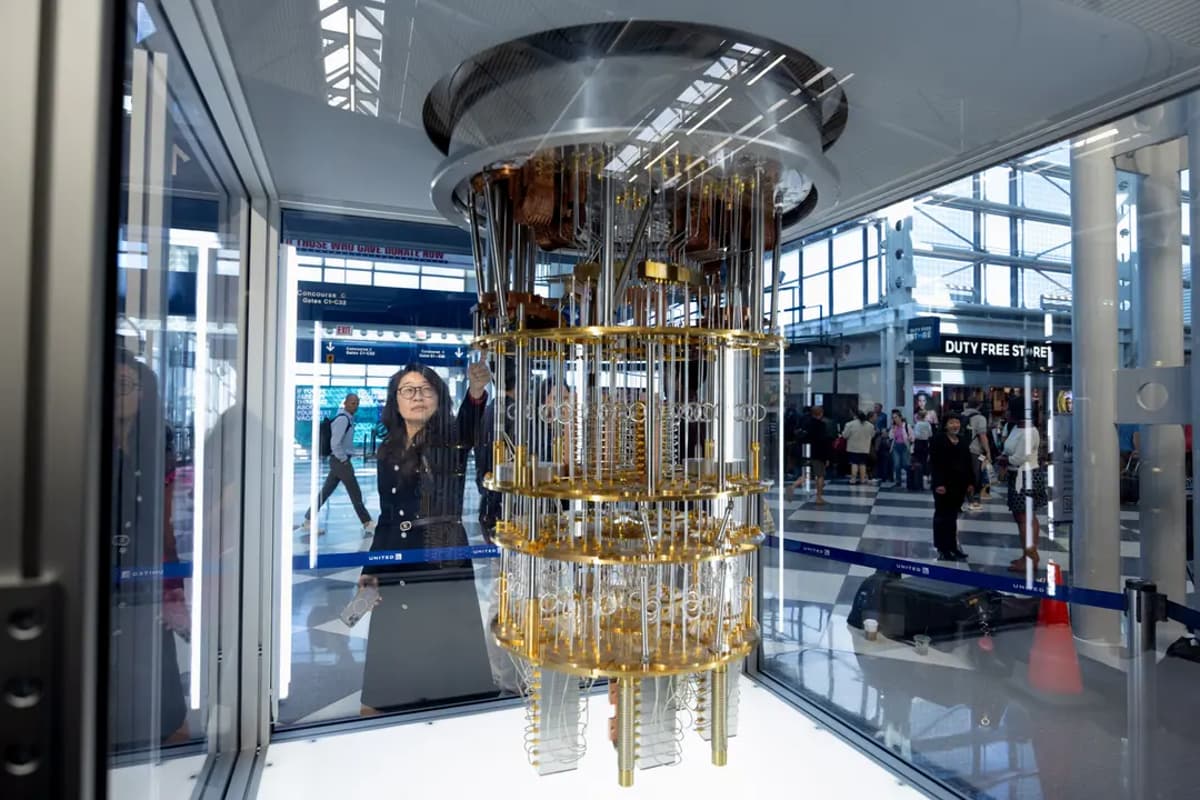
IBM Quantum System Two Arrives in Chicago This September
IBM will install its Quantum System Two in Chicago this September, anchoring a new National Quantum Algorithm Center (NQAC) co‑led by IBM researcher Hanhee Paik and the University of Illinois Urbana‑Champaign and the University of Chicago. The center will give UIUC...
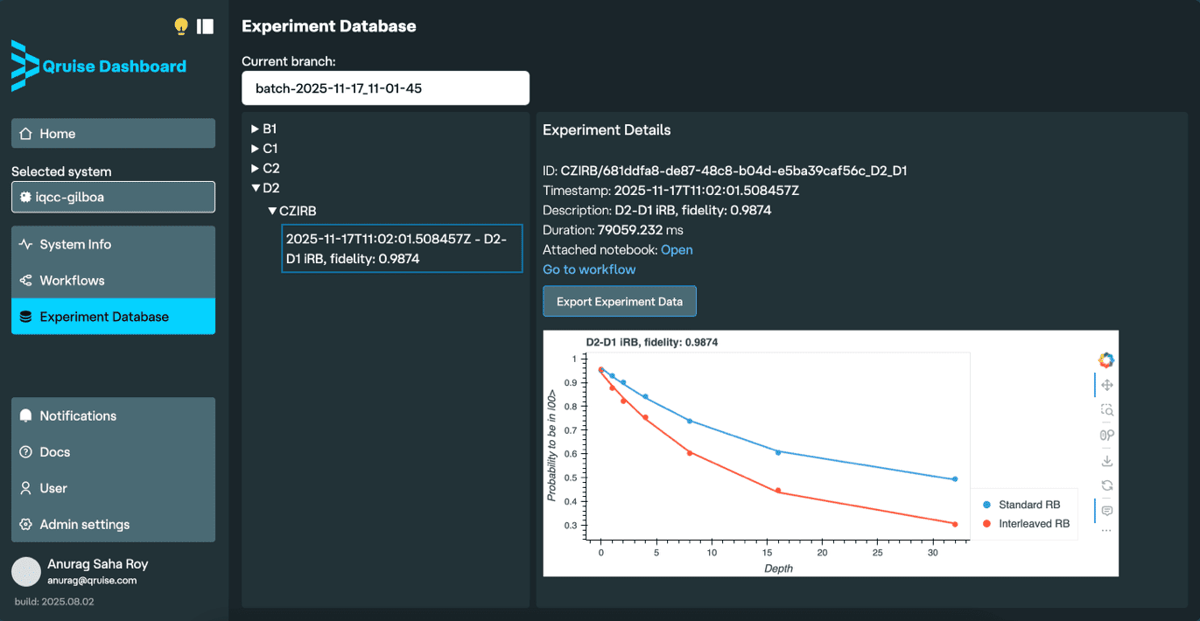
Qruise Cuts QPU Bring-Up Time To Just 15 Minutes
Qruise announced that its QruiseOS software can bring a 21‑qubit QuantWare Contralto quantum processing unit (QPU) online in just 15 minutes, a dramatic cut from traditional calibration cycles. The automated workflow, demonstrated at the Israeli Quantum Computing Center (IQCC), has...