Today's Quantum Pulse
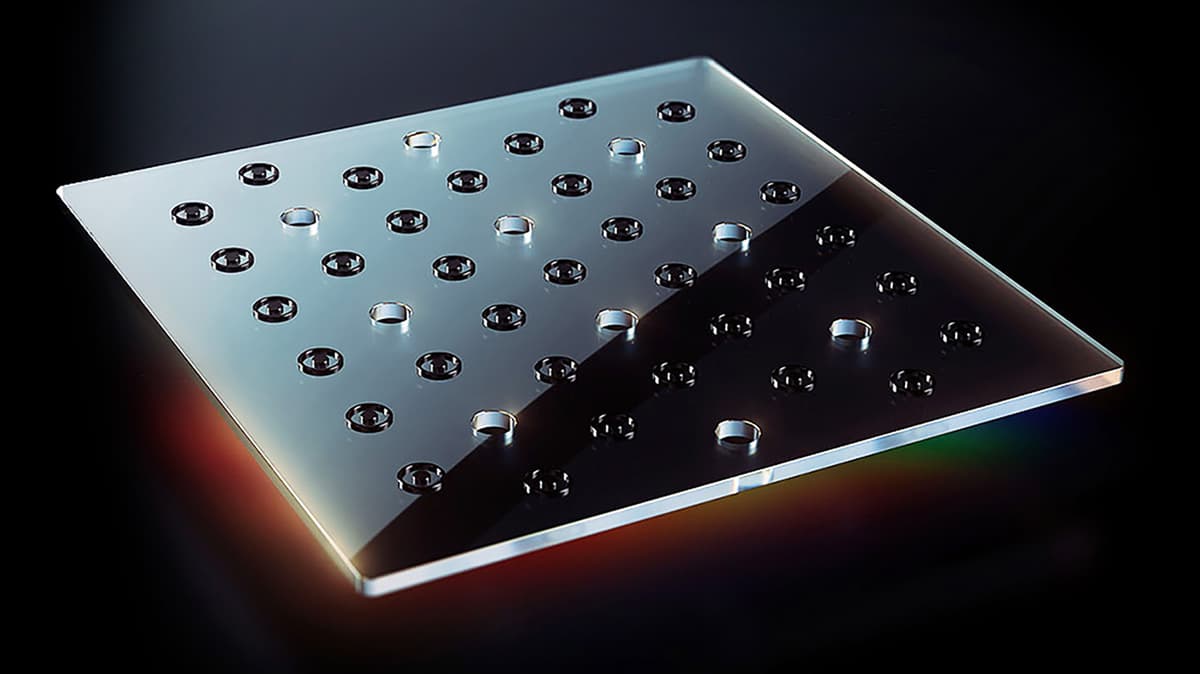
JPMorgan, OQC and AMD launch a hybrid quantum‑AI data centre in London
Oxford Quantum Computing, JPMorgan Chase and AMD announced a joint research effort to build a colocated quantum‑AI data centre in London. The facility will combine OQC’s Genesis quantum processor with AMD’s AI and high‑performance computing hardware to create a hybrid platform for finance‑focused workloads such as portfolio optimisation and quantum machine learning.
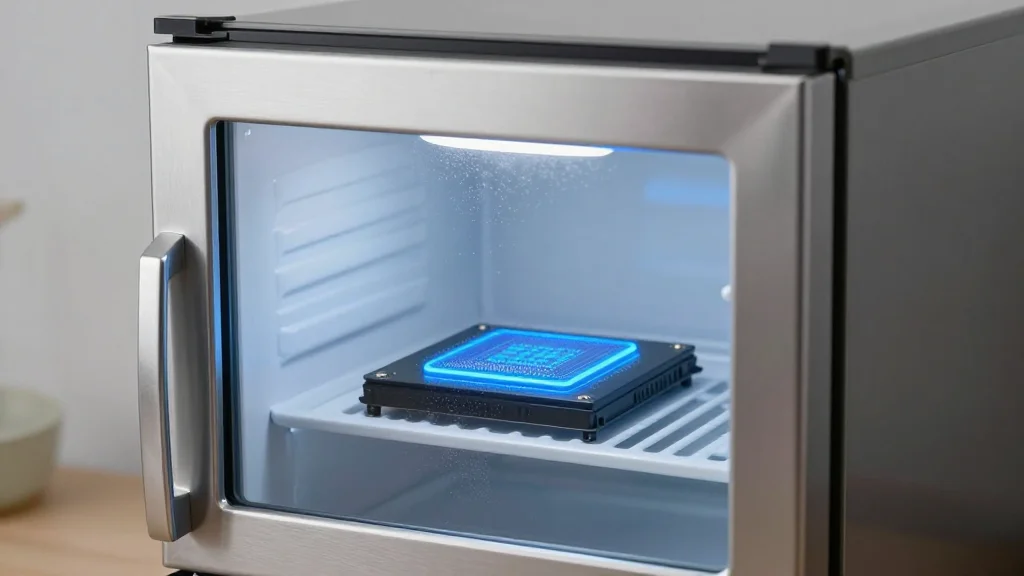
South Korea's ETRI Boosts Quantum Processor Temps, Slashing Cooling Costs
South Korea's Electronics and Telecommunications Research Institute (ETRI) unveiled a topological‑insulator material that raises superconducting quantum computers' operating temperature to -272 °C to -269 °C. The breakthrough could reduce cooling expenses to one‑tenth of current levels and shrink equipment from container size to a standard refrigerator.
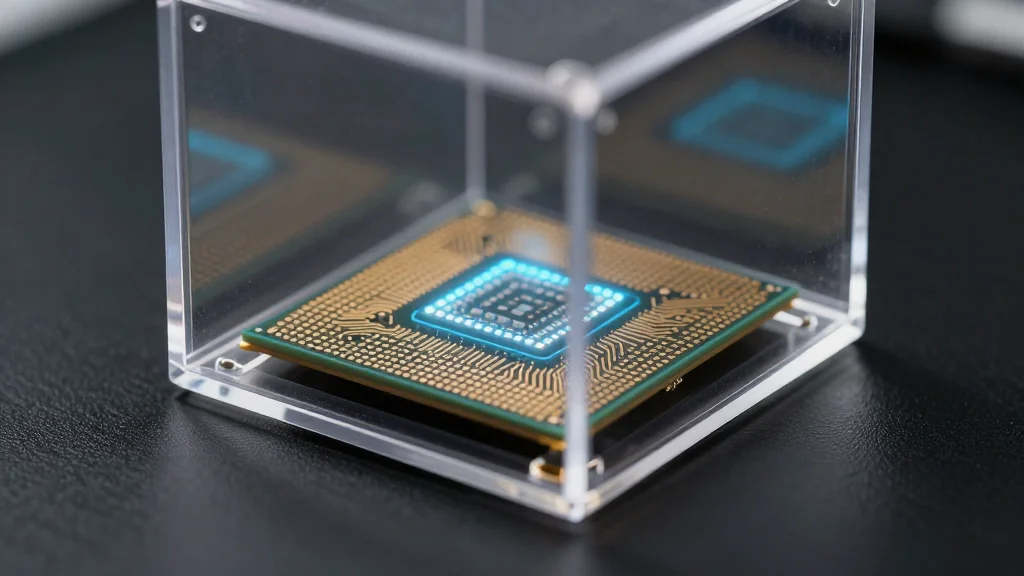
Quantum Computing Chases a ChatGPT Moment as $7.2 B Funding Fuels Race
IBM and rivals such as Rigetti Computing are accelerating toward a breakthrough comparable to ChatGPT, backed by $7.2 billion raised via SPACs and deals over five years. The sector faces steep cash burn, fragile qubits and an unclear path to commercial...
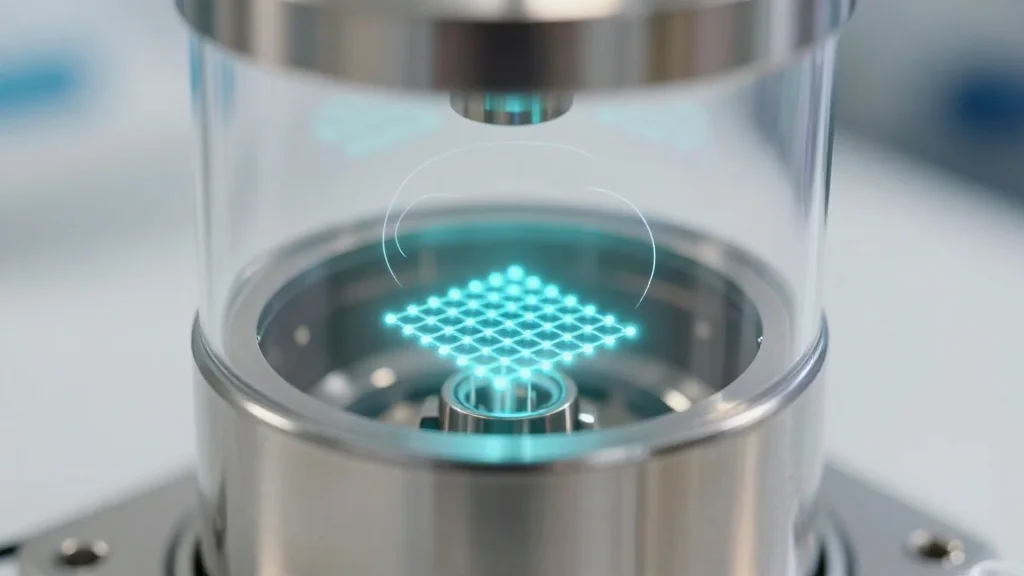
Digital Quantum Magnetism on a Trapped-Ion Quantum Computer
A team at Quantinuum used its H2 trapped‑ion quantum computer to perform a digital simulation of a two‑dimensional Heisenberg magnet, employing optimized Trotter steps that kept per‑gate errors below 1 %. The experiment, reported in Nature, captured pre‑thermalization dynamics and spin‑correlation...

NSF-Funded Photonic Chips Promise Faster Quantum Future
Researchers led by NSF‑funded associate professor Miloš Popović have demonstrated the first integration of a photonic quantum system directly onto a standard electronic chip. The breakthrough overcomes the traditional need for bulky quantum hardware, promising smaller, faster quantum processors. Funding...
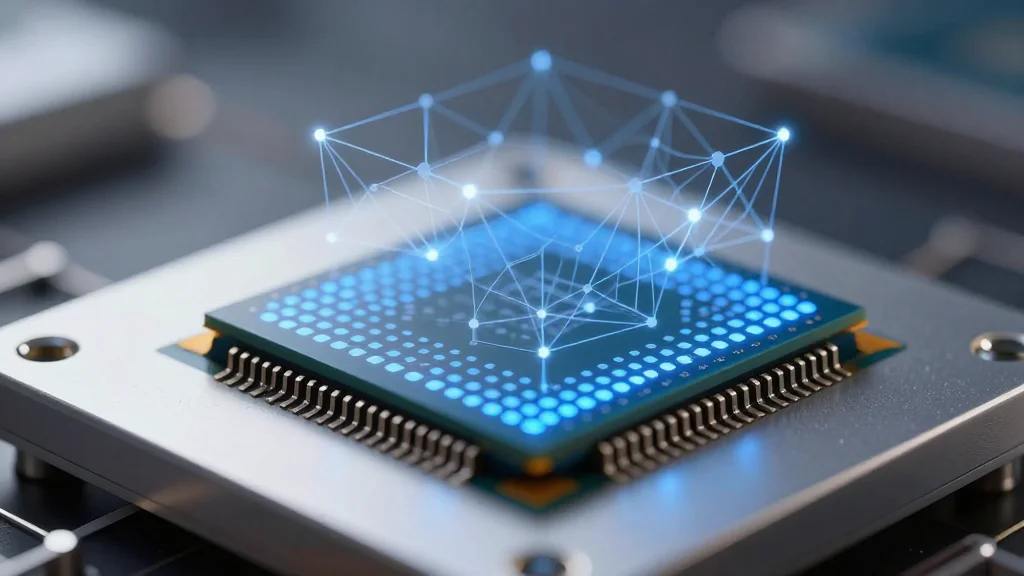
Haiqu and HSBC Demonstrate Scalable Quantum Data Encoding
Haiqu and HSBC have published peer‑reviewed research showing a Matrix Product State (MPS)‑based method to encode classical probability distributions into quantum states using shallow circuits. The technique scales linearly with qubit count, allowing successful runs on up to 156 qubits...
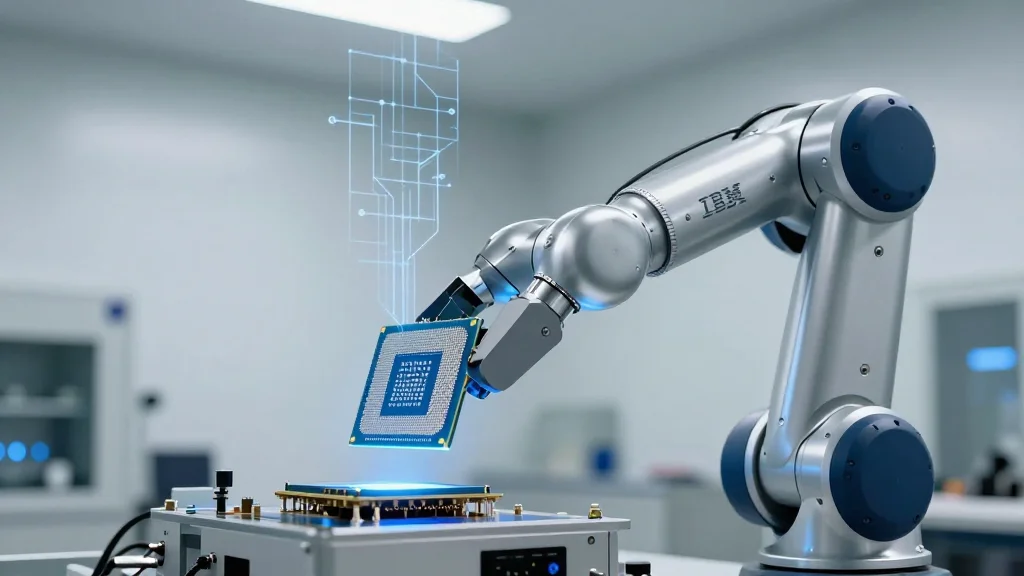
IBM to Expand Poughkeepsie Campus for Next-Generation “Starling” Quantum Systems
IBM has proposed a 511,000‑square‑foot expansion at its historic Poughkeepsie campus, bringing the site’s total footprint to roughly 3.9 million sq ft and adding about 200 permanent jobs. The new facility will house manufacturing and assembly for the upcoming Starling quantum system, slated...

Quantum Computers Unlock Faster Counting of Graph Patterns with No Classical Match
Researchers at Fujitsu Research of America, led by Bibhas Adhikari, introduced a unified quantum framework that encodes an N‑node graph using only 2⌈log₂ N⌉ working qubits plus two ancilla qubits, achieving O(N²) gate complexity. The method creates a “graph adjacency...
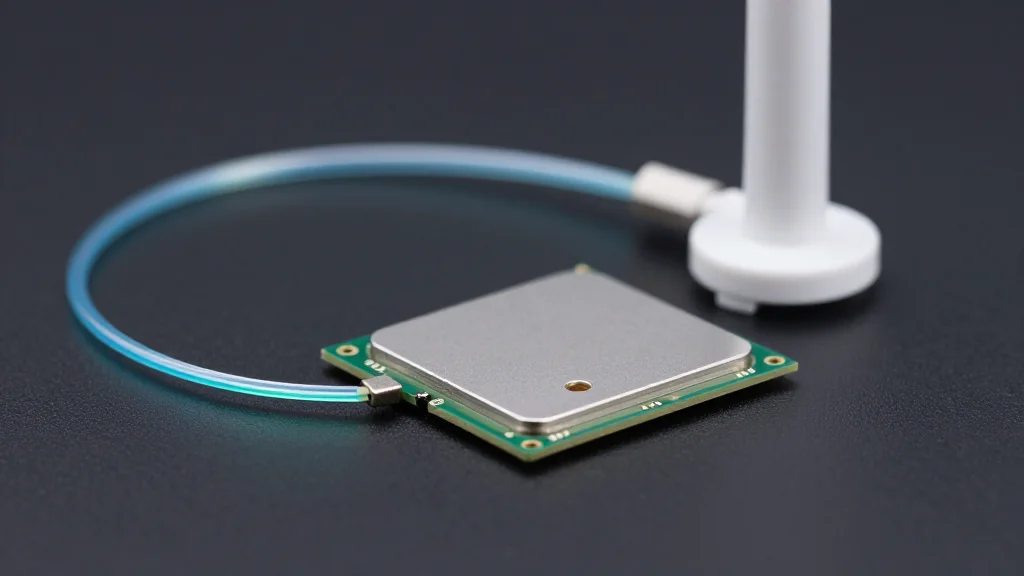
Monarch Quantum and Oratomic Announce Quantum Computing Partnership
Monarch Quantum and Oratomic announced a strategic partnership that merges Monarch's integrated photonics expertise with Oratomic's neutral‑atom quantum computing architecture. Monarch will act as the photonics systems integrator, supplying its Quantum Light Engines and scaling manufacturing capabilities. The collaboration targets...
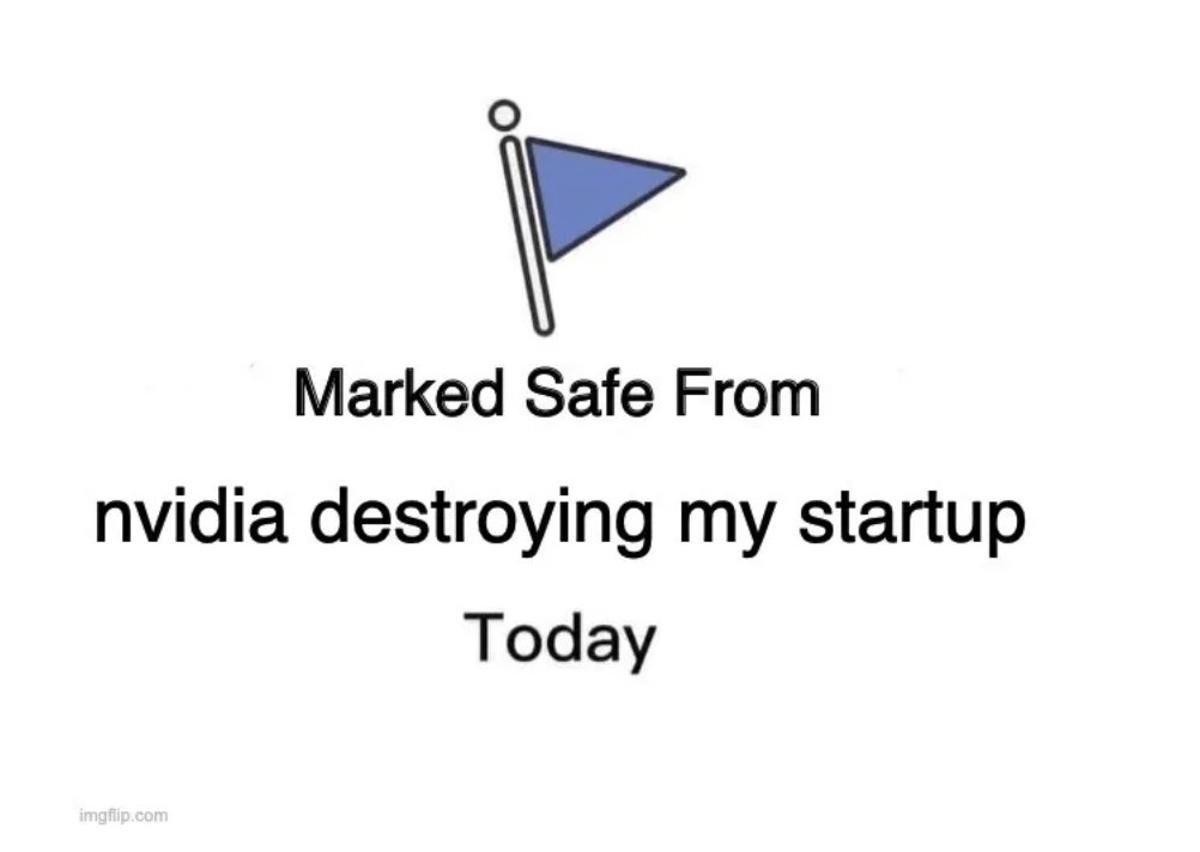
NVIDIA Constructs Full Quantum Stack Without Building Qubits
Fifteen months ago, Jensen wiped $8B off the quantum sector in an afternoon by saying useful quantum computers were 20 years away. Two months later, NVIDIA opened a quantum research center. Eight months after that, they shipped NVQLink. Last week, the AI model...
Bitcoin Developers Propose Freezing $430 B of Dormant Coins to Guard Against Quantum Threat
Bitcoin core developers have introduced BIP‑361, a proposal to freeze roughly 5.6 million long‑dormant bitcoins—about $430 billion at current prices—to protect the network from future quantum‑computer attacks. The plan has ignited a fierce debate among developers, investors and industry leaders about market...

SA Firms Turn to Quantum Computing Amid Uncertainty
South African companies are moving from theory to practice by experimenting with hybrid quantum‑classical computing, according to a new PwC analysis. The study highlights quantum amplitude estimation as a way to dramatically reduce Monte Carlo simulations needed for extreme‑risk modelling. With...
Bell Labs’ Michael Eggleston on Nokia’s Research Into Topological Quantum Computing
Bell Labs, now Nokia’s research arm, is pursuing topological quantum computing using anyons to create ultra‑stable qubits. Lead researcher Michael Eggleston explains the prototype stores a single qubit whose quantum state can remain locked for weeks, a stark improvement over...
Episode 139: Quantum and Chemistry with Bert De Jong
In this episode, senior scientist Bert de Jong from Lawrence Berkeley National Lab explains how his Quantum System Accelerator aims to demonstrate quantum advantage for real-world chemistry and materials challenges, such as more efficient batteries, solar energy capture, and nitrogen...
Aeluma Secures $4 Million in U.S. Government Contracts for Quantum‑Grade Materials and Lasers
Aeluma announced it has been awarded more than $4 million in U.S. government contracts to accelerate wafer‑scale production of quantum dot lasers and AlGaAs nonlinear photonic materials. The funding backs its heterogeneous integration platform and deepens ties with manufacturing partners Tower...
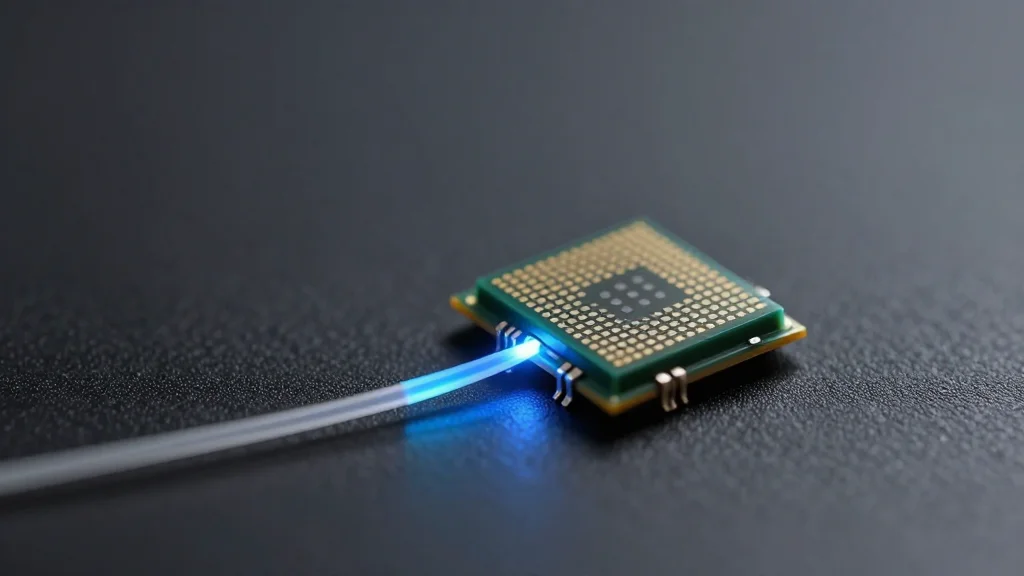
Researchers Silence Noise in Telecom Quantum Emitters with Nanophotonic Structures
Scientists from the Technical University of Denmark and Wrocław University of Science and Technology have demonstrated a nanophotonic approach that silences environmental noise in telecom‑band quantum emitters. The work, published in Nature Nanotechnology, outlines a pathway to more coherent single‑photon...
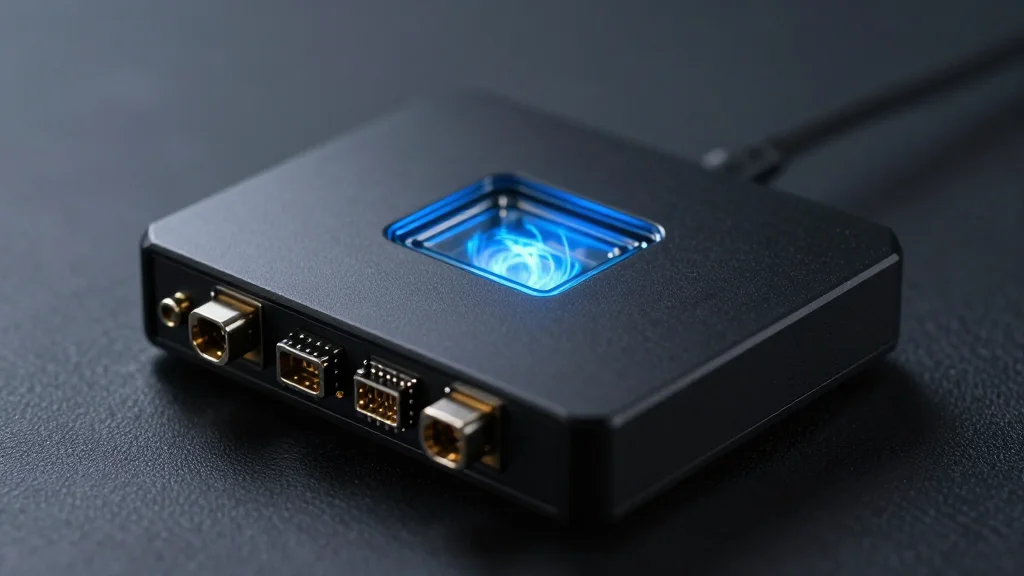
Cisco Debuts Universal Quantum Switch Prototype to Bridge Heterogeneous Qubits
Cisco introduced a research‑grade universal quantum switch that can translate between multiple quantum encoding methods, offering sub‑nanosecond routing and under 1 mW power consumption. The prototype, validated for polarization encoding, aims to standardise connectivity across disparate quantum hardware, a step that...
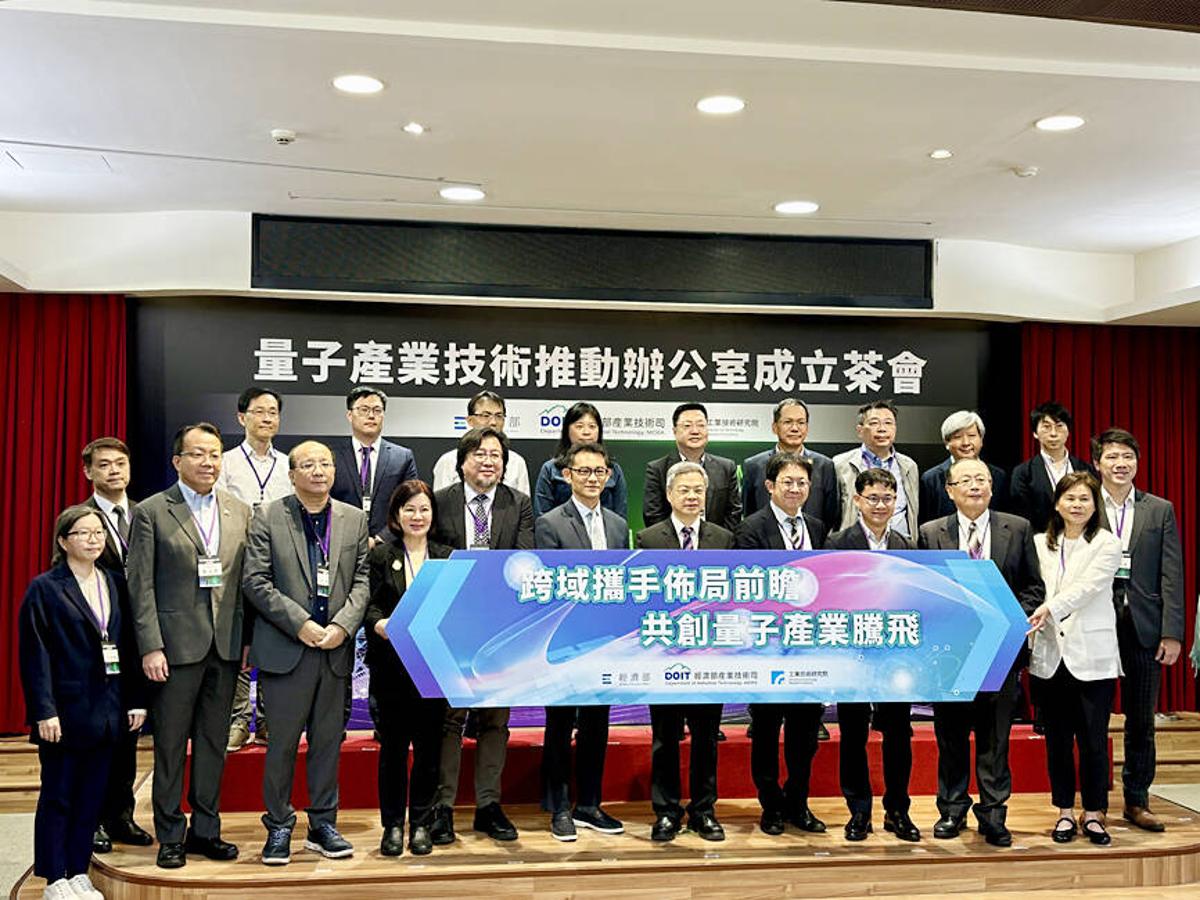
New Quantum Technology Office Launched in Taipei
Taiwan’s Ministry of Economic Affairs launched a dedicated quantum technology office in Taipei, positioning the island to lead the next wave of innovation after AI. The office will coordinate industry, academia, and research institutions to streamline resources and lower commercialization...

Are We Computing Quantum in the Wrong Base? With Ivan Deutsch
In this episode, host Sebastian Hessinger talks with quantum information pioneer Ivan Deutsch about the historical development of quantum computing, especially the shift from ion‑trap to neutral‑atom platforms and the foundational role of optical lattices and Rydberg blockade. Deutsch recounts...

Podcast with Lionel Martellini, Founding Director of the EDHEC Quantum Institute
Yuval Boger interviews Lionel Martellini, a finance professor turned astrophysicist and founding director of the EDHEC Quantum Institute. The institute, the first of its kind inside a business school, aims to make future executives quantum‑aware rather than train engineers. Martellini...

Exploring Potential Antitrust Risks for Quantum Computing
The article warns that quantum computing’s emerging ecosystem faces classic antitrust challenges despite its futuristic veneer. Vertically‑integrated quantum stacks enable firms to favor their own hardware and software, raising self‑preferencing concerns. Competing standards for languages, intermediate representations, and hardware interfaces...

China’s Minerals Leverage Raises Quantum Security Concerns
A new study by Stanford, Los Alamos and CIGI warns that China's expanding control over critical minerals could jeopardize the supply chains essential for quantum computers and communications. The research highlights U.S. reliance on imported niobium and nickel‑iron alloys, where...

AuthID Adds Post-Quantum Cryptography to Biometric Signature Platform
AuthID, a U.S. identity‑verification firm, has upgraded its biometric digital‑signature platform with three NIST‑standardized post‑quantum cryptographic algorithms—ML‑DSA‑65, SLH‑DSA‑128s, and SLH‑DSA‑256s. The company’s PrivacyKey architecture generates a cryptographic proof of a person’s presence without storing facial templates at rest, offering quantum‑resistant...

GnuPG 2.5.19 Adds Kyber Post‑Quantum Encryption to Mainline Release
The GNU Privacy Guard project released version 2.5.19 on April 24, 2026, bringing Kyber (ML‑KEM/FIPS‑203) post‑quantum encryption to its mainline codebase. The update also flags the imminent end‑of‑life for the 2.4 series, urging users to upgrade promptly.
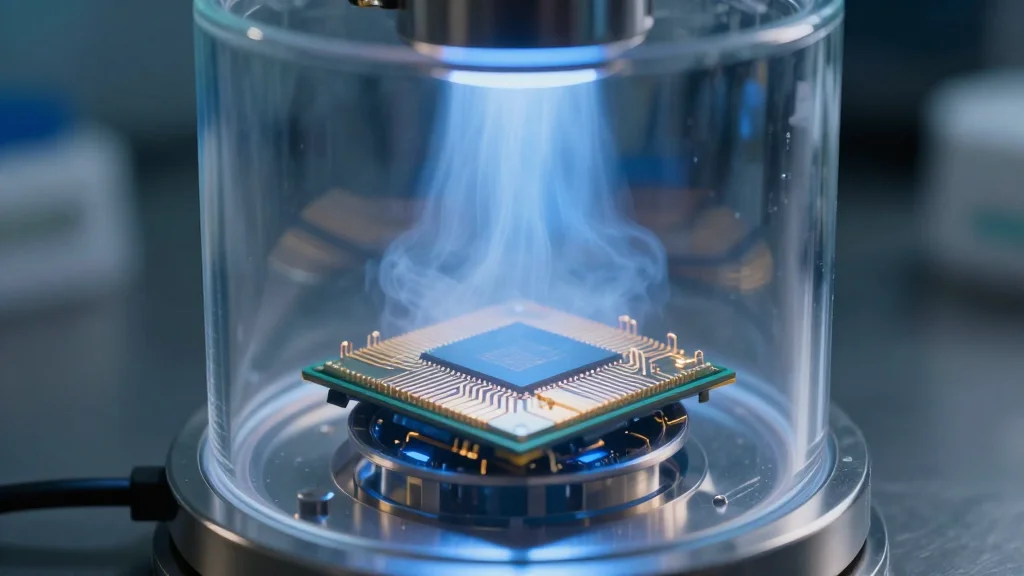
Rigetti Computing Shares Slide 70% From Peak, Raising Investor Concerns
Rigetti Computing's shares have fallen roughly 70% from their 2023 high, reflecting a sharp retreat after a brief 275% rally last fall. The decline follows a 34% revenue drop to $7.1 million in 2025 and a widening loss of $216 million, sparking...

Qendra Gets €162K to Scale Quantum Computing Systems
Zurich‑based Qendra has secured €162,000 (approximately $178,000) in seed funding from Venture Kick to accelerate its quantum‑control platform. The startup builds on ETH Zurich’s trapped‑ion research, aiming to simplify and synchronize lasers, cameras, and other hardware in quantum experiments. By delivering...
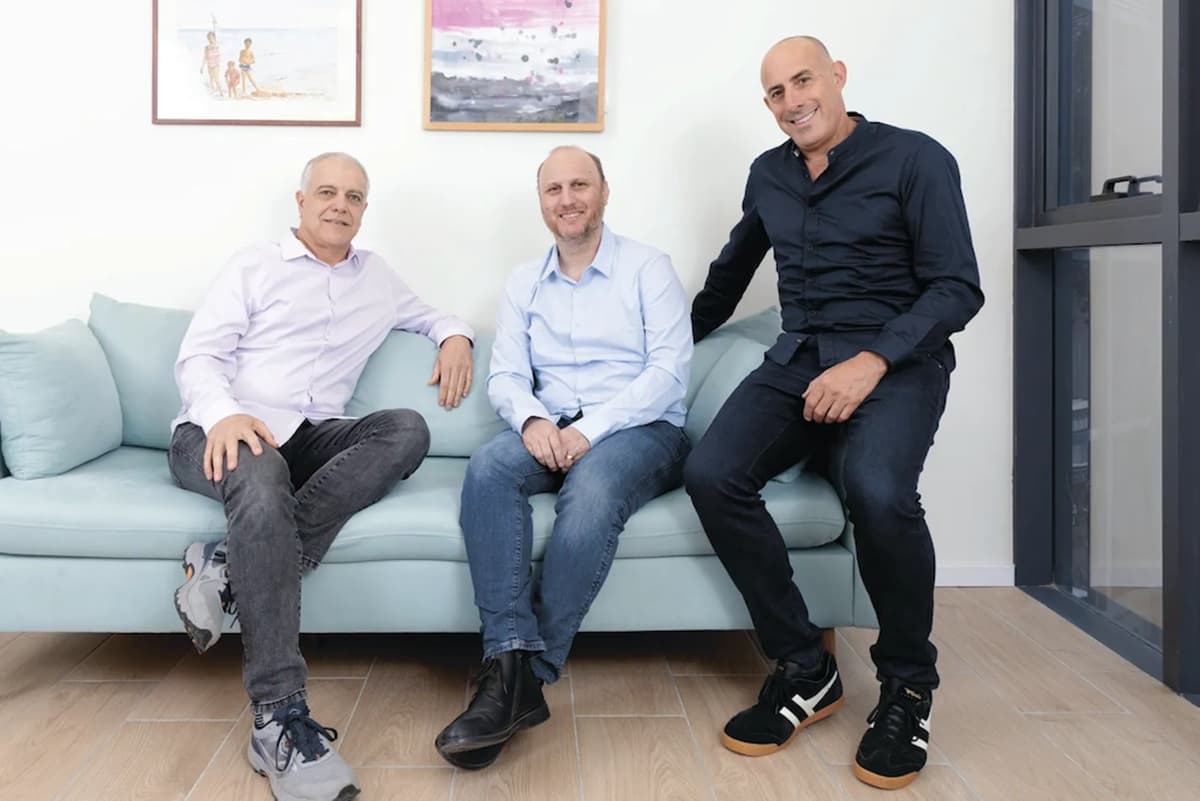
Quantum Art Adds $40M in Funding to Scale Quantum Computing Systems
Quantum Art announced that its Series A financing has grown to $140 million, adding $40 million to an earlier $100 million round. The round was led by Bedford Ridge Capital and included new investors such as Hudson Bay Capital, Poalim Equity, LIP Ventures,...

Nvidia Unveils AI Model to Accelerate Quantum Error Correction, Boosting Hybrid Computing
Nvidia revealed a new AI model designed to improve quantum computer calibration and error correction, claiming speed gains of 2.5 times and accuracy threefold over traditional methods. The technology, already deployed at several research labs, underscores Nvidia's strategy to dominate...

First Enterprise Quantum Computer Purchase in Japan: IQM to Deploy System to TOYO Corporation
IQM Quantum Computers announced that its 20‑qubit Radiance system will be sold to TOYO Corporation, marking Japan’s first enterprise quantum computer purchase. The hardware will be delivered by the end of 2026 and offered both on‑premises and via cloud, integrating...
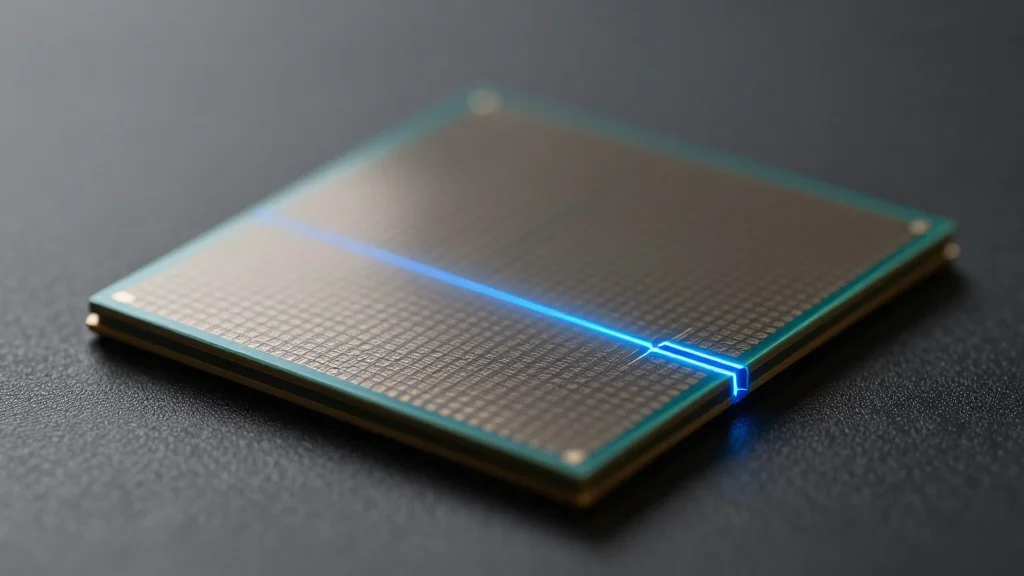
Single Quantum Electron Event Linked to Microchip Bond Failure, Upending Reliability Models
Researchers at the University of California, Santa Barbara have demonstrated that a single electron with about 7 electronvolts of energy can rupture a silicon‑hydrogen bond at the silicon‑oxide interface of a transistor. The finding overturns the long‑standing view that chip wear...
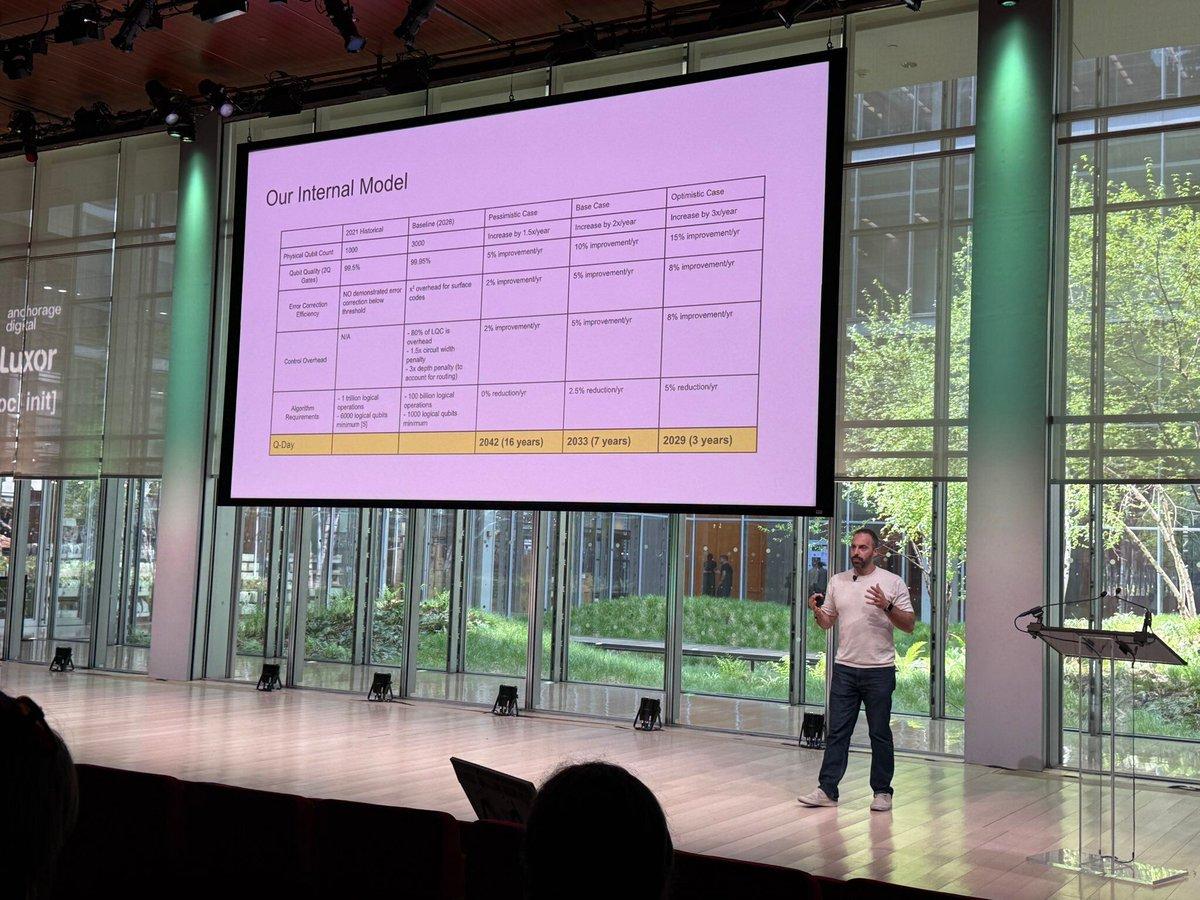
Q-Day Could Arrive Within 3‑7 Years, Not Decades
Everyone's asking when Q-Day is. That's not the right question. Everyone wants the Q-Day date so they can plan backwards. But can change your cryptography at all, and fast? Some data from a recent Project Eleven (@projecteleven, @apruden08) presentation on Q-Day modeling: -...

Top Quantum Computing Stocks to Buy in April
Quantum computing is poised to become a multi‑billion‑dollar industry, with McKinsey projecting up to $72 billion in annual revenue by 2035 and commercial systems potentially arriving as early as 2030. The article highlights three equities that could benefit from the nascent...
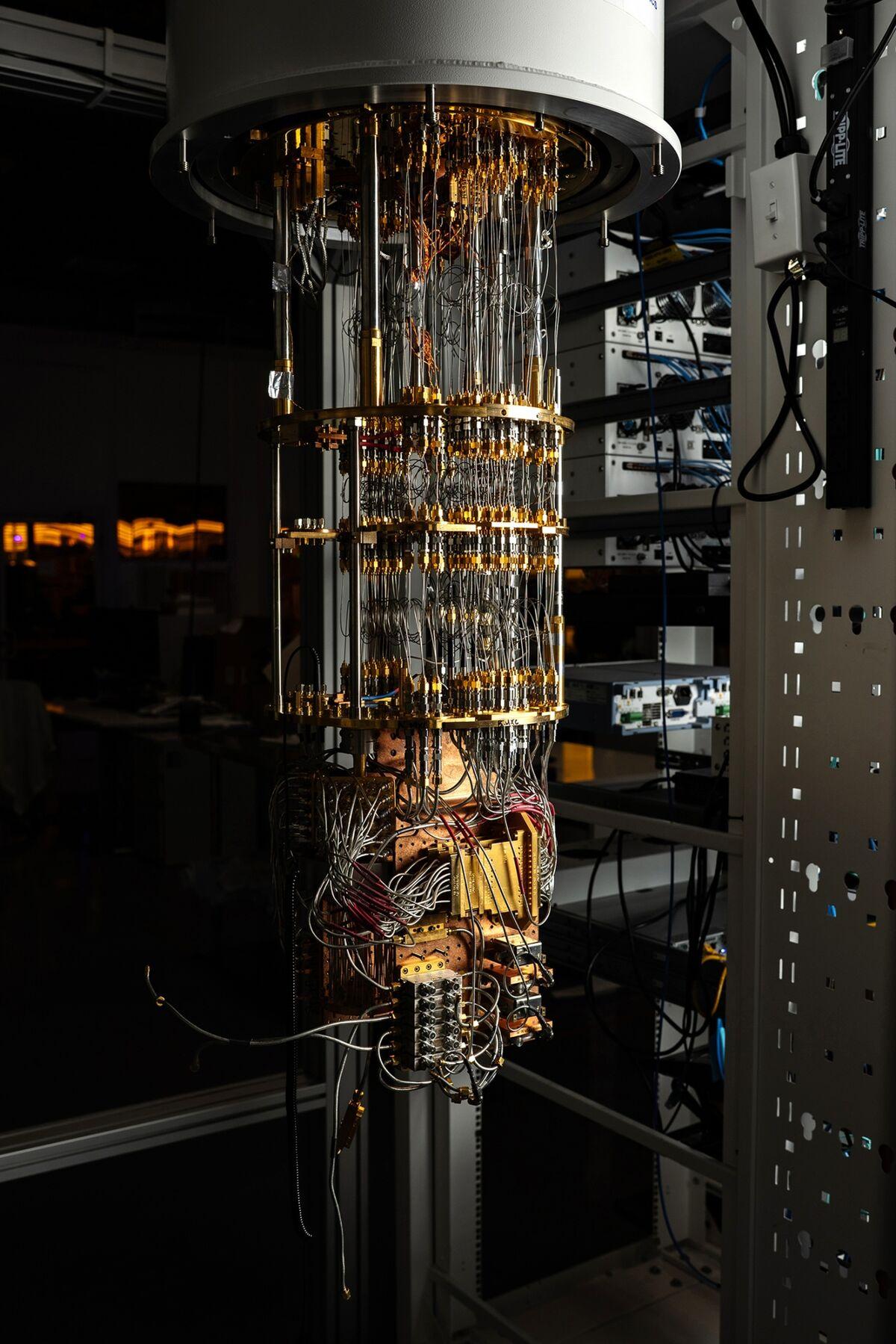
Goldman, JPMorgan Show Wall Street’s Split in Quantum Computing Race
Three years after Goldman Sachs teamed with Amazon Web Services to explore quantum algorithms for portfolio optimization, the bank concluded the technology was still far from production‑ready. Meanwhile, JPMorgan Chase has accelerated its quantum push, allocating roughly $500 million to partnerships...

Researchers Build QRAM Simulator Using Under 1 GB Memory, Cutting Resource Barriers
A team led by Guo‑Ping Guo and Zhao‑Yun Chen demonstrated a bucket‑brigade QRAM simulator that runs on under 1 GB of classical memory, allowing analysis of 20‑layer systems and exposing fundamental limits of error‑filtration techniques. The breakthrough removes a major computational...

A Complete History of Quantum Computing
The article traces quantum computing from Max Planck’s 1900 quantum hypothesis through pivotal theoretical breakthroughs—Bell’s inequality, Feynman’s simulation proposal, and Deutsch’s universal quantum computer—to practical milestones like Shor’s factoring algorithm and the first error‑corrected logical qubit. It highlights the evolution...

The Scientific Prelude to Quantum Computing
The article traces an 80‑year scientific prelude that laid the groundwork for quantum computing, beginning with Planck’s 1900 quantization of energy and Einstein’s 1905 photon theory. It follows the development of quantum mechanics through the 1920s, the Bohr‑Einstein debates, and...
Caltech and ETH Zurich Cut Qubit Requirements, Boost Neutral‑Atom Quantum Viability
Caltech and ETH Zurich announced breakthroughs that could shrink the scale of neutral‑atom quantum computers to 10,000‑20,000 qubits and enable logical qubits from just five physical qubits. The advances promise cheaper, faster paths to usable quantum processors.
Coinbase Advisory Board Warns Quantum Computers Could Crack Blockchain Encryption
Coinbase’s independent advisory board released a position paper warning that a sufficiently powerful quantum computer could break the elliptic‑curve signatures securing Bitcoin, Ethereum and other blockchains. The six‑member panel urges firms to begin post‑quantum migration now, even as the exact...
GitHub Repo’s Quantum ECDLP Claim Disproved by Classical Randomness Test
A GitHub repository that touted a quantum attack on the elliptic‑curve discrete logarithm problem (ECDLP) using IBM Quantum hardware was shown to produce the same key‑recovery rates when the quantum backend was swapped for a simple /dev/urandom source. The finding...

Fluxonium Qubits Mitigate Interactions, Enabling High-Fidelity Gates in Scalable Systems
Researchers at Hefei National Laboratory and USTC unveiled a scalable quantum‑computing architecture built on fluxonium qubits that tackles a hidden source of error: persistent couplings involving non‑computational levels. By decoupling computational states while keeping tunable links between these ancillary levels,...
NVIDIA Unveils Ising, Open-Source AI Models to Speed Quantum Computing
NVIDIA announced Ising, the first open‑source AI model family for quantum computing, delivering up to 2.5× faster processor calibration and three times more accurate error‑correction decoding. The launch targets leading labs and enterprises as the quantum market eyes $11 billion by...
IBM and Illinois Expand Quantum‑HPC Institute to Launch 5‑Year Supercomputing Initiative
IBM and the University of Illinois announced a five‑year expansion of the IBM‑Illinois Discovery Accelerator Institute, integrating IBM’s quantum processors with the NCSA Delta and DeltaAI supercomputers. The move aims to create a quantum‑centric supercomputing architecture, accelerate AI‑driven algorithms, and...
Italy Deploys Lagrange, Europe’s First Public‑Access Quantum Computer
Italy’s government, together with the LINKS Foundation, Politecnico di Torino and INRiM, has launched Lagrange, the continent’s first publicly‑accessible quantum computer. In nine months the system has processed more than 240,000 jobs and maintained over 98% uptime, marking a major...
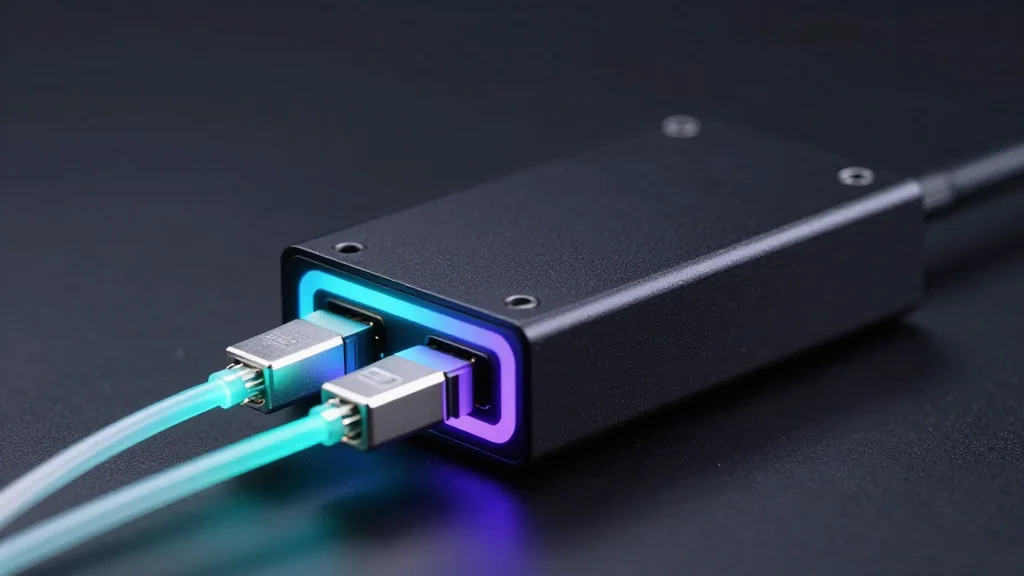
Cisco Unveils Room‑Temperature Universal Quantum Switch, Enabling Cross‑Vendor Quantum Networks
Cisco introduced its Universal Quantum Switch prototype, a room‑temperature device that can translate and route quantum information across disparate quantum processors using standard telecom fiber. The switch achieved sub‑4 % fidelity loss and sub‑nanosecond switching, marking a first step toward interoperable...

Quantum‑Hardware Stocks Surge 72% in a Week as Investors Chase the Next Big Tech Bet
IonQ, Rigetti Computing and D‑Wave Systems saw shares climb 72%, 37% and 56% respectively over seven trading sessions, driven by hype around a projected $850 billion quantum market. Analysts warn the rally may be unsustainable given lofty price‑to‑sales ratios and ongoing...
GitHub Analysis Debunks Claimed Quantum Attack on Elliptic-Curve Cryptography
A GitHub repository that claimed a quantum key‑recovery attack on elliptic‑curve cryptography using IBM Quantum hardware has been shown to work without any quantum processor. The analysis demonstrates that the reported successes on 17‑bit curves stem from classical random sampling,...

New Breakthrough in Quantum Computing Arriving in Two Weeks
We have something that will really shake things up in #quantumcomputing coming in two weeks... https://t.co/u9J9FvmoX3

Cisco Unveils Room‑temperature Universal Quantum Switch Prototype
.@Cisco develops universal quantum switch that operates at room temperature https://t.co/z7nSglKoMH Cisco has developed a research prototype of a universal quantum switch that can route quantum information between systems while preserving it.
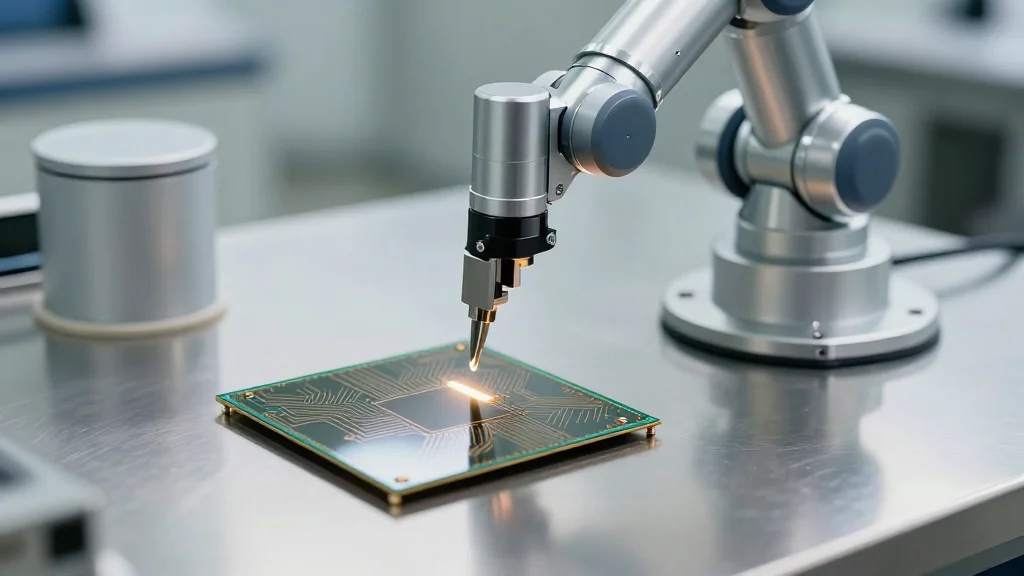
Infineon Joins Three EU Quantum Pilot Lines to Accelerate Chip Industrialization
Infineon Technologies is contributing industrialization expertise to three European quantum pilot line projects, covering ion‑trap, superconducting and CMOS‑based qubits. The move supports the EU’s goal of scaling quantum chips for a market projected at $97 billion by 2035.
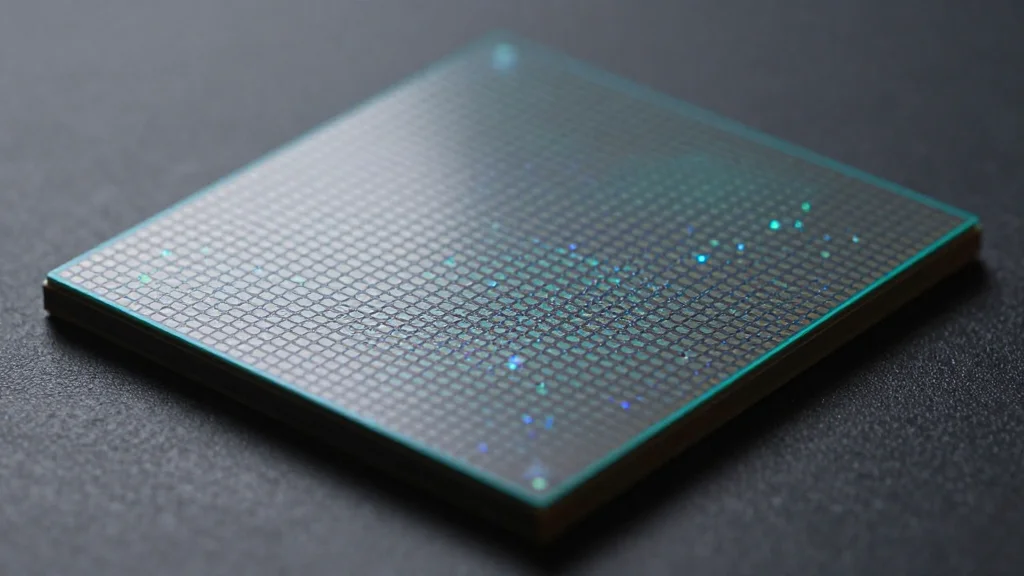
Tohoku University AI System Automates Quantum‑Dot Voltage Tuning, Boosting Qubit Scaling
A team from Tohoku University has demonstrated an AI‑driven workflow that automatically extracts charge transition lines from quantum‑dot measurements, removing the need for labor‑intensive manual tuning. The breakthrough, detailed in Scientific Reports, could accelerate the path to large‑scale semiconductor qubit...

House Lawmakers Introduce Quantum Initiative Reauthorization
House lawmakers introduced a new version of the National Quantum Initiative Reauthorization Act, led by Rep. Randy Weber and co‑sponsored by Reps. Brian Babin and Jay Obernolte. The bill restores the National Quantum Advisory Committee and tasks NIST with setting...