Today's Quantum Pulse
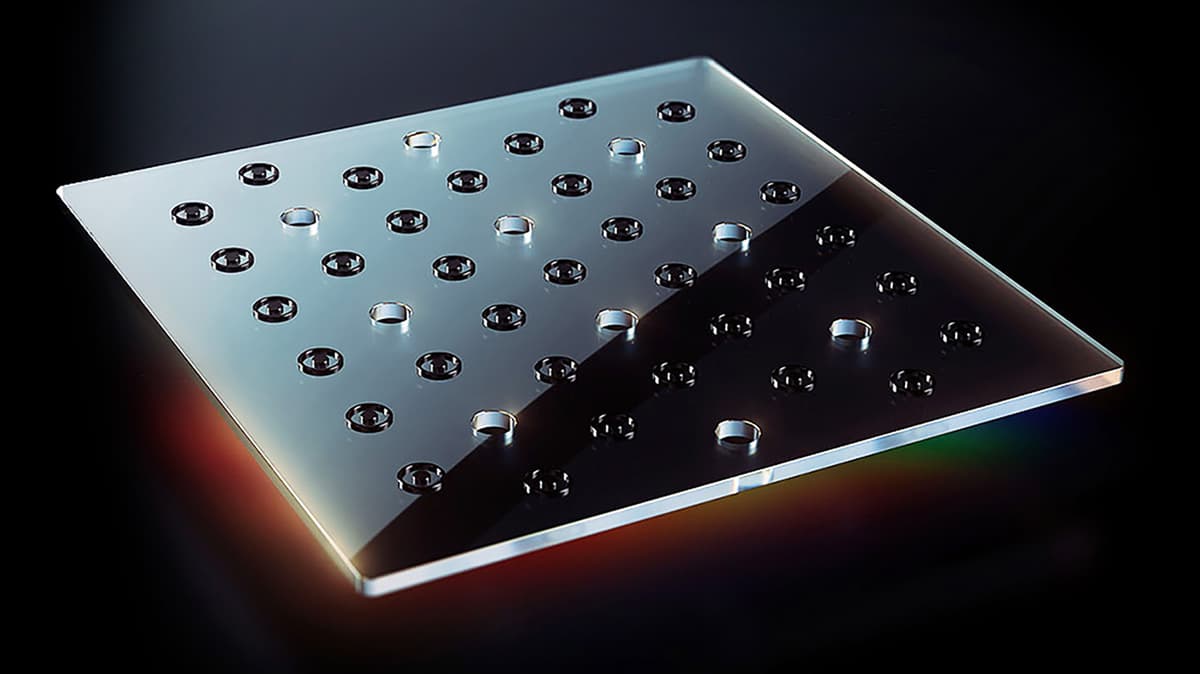
JPMorgan, OQC, and AMD team up on London quantum‑AI data center
Oxford Quantum Computing, JPMorgan Chase, and AMD announced a joint research effort to build a colocated quantum‑AI data center in London. The facility will combine OQC’s Genesis quantum processor with AMD’s AI and high‑performance computing hardware to tackle finance‑focused workloads such as portfolio optimization and quantum machine learning.

IBM, Cleveland Clinic & RIKEN Simulate 12,635‑Atom Protein, Quantum Milestone
Scientists from IBM, Cleveland Clinic and Japan's RIKEN have used IBM’s 156‑qubit Heron processors together with the Fugaku and Miyabi‑G supercomputers to simulate a protein complex of 12,635 atoms – the biggest biologically relevant molecule ever tackled with quantum hardware. The breakthrough, enabled by a new quantum‑centric algorithm, expands the scale of quantum chemistry by roughly 40‑fold and improves key accuracy metrics by up to 210 times.
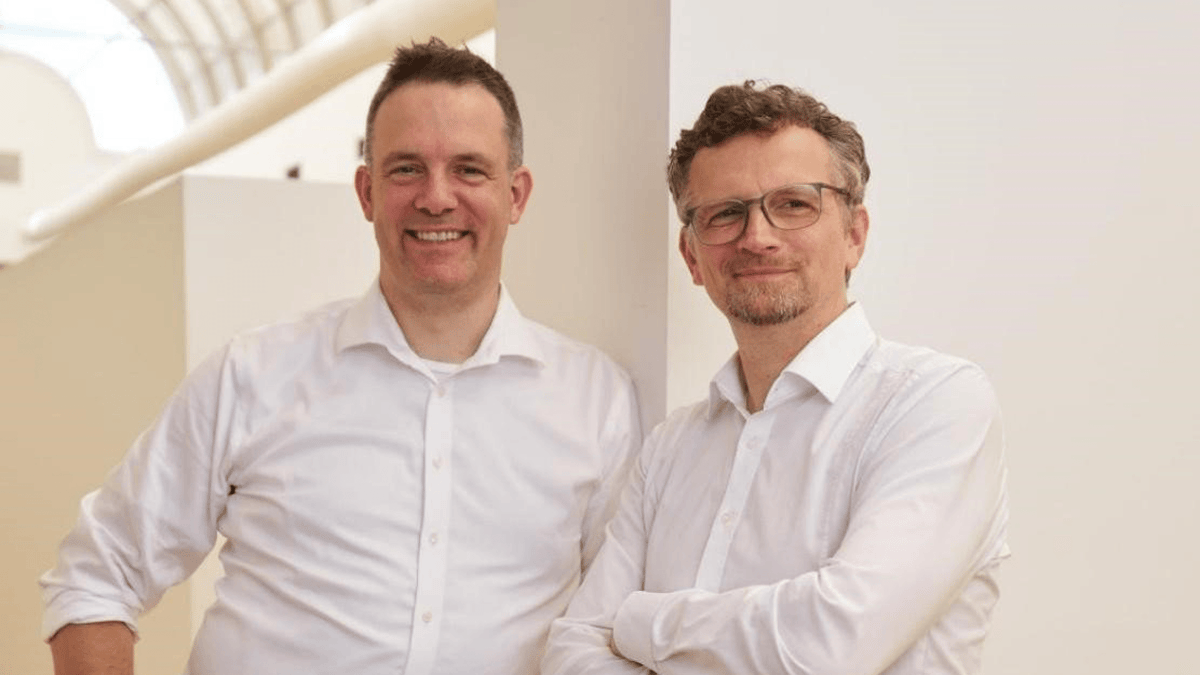
German Deeptech eleQtron Lands €57M Series A Funding
German deep‑tech startup eleQtron announced a €57 million (≈$62 million) Series A round led by Schwarz Digits, with participation from the European Innovation Council Fund, Earlybird and several new investors. The capital will accelerate the industrial scaling of its trapped‑ion quantum processors that...

Quantum Computing Moves Closer to Drug Discovery with Enzyme Study
A quantum‑computing team has successfully modeled the active site of a key enzyme, demonstrating that quantum simulations can capture chemical reactions with unprecedented accuracy. The study, conducted on a 127‑qubit superconducting processor, reproduced experimental binding energies within a few kilojoules...

IBM and RIKEN Hail Breakthrough in Quantum-Assisted Supercomputing
IBM and Japan’s RIKEN announced a quantum‑assisted simulation of a 12,635‑atom protein, the largest ever performed on a quantum system. The hybrid workflow combined IBM’s 156‑qubit Heron processor with classical supercomputers Fugaku and Miyabi‑G, running about 6,000 quantum sub‑simulations using...
IBM to Create 750 Jobs at Illinois Quantum and Microelectronics Park in New Partnership
IBM and Illinois Governor JB Pritzker unveiled a partnership that will add 750 full‑time positions to the Illinois Quantum and Microelectronics Park. The initiative includes a city‑college apprenticeship program that will train 500 apprentices, with IBM committing to hire a third...
Harvard Researchers Claim Quantum Computing Could Arrive Up to a Decade Sooner
Harvard’s Quantum Initiative reported a fault‑tolerance breakthrough that could shave five to ten years off projected quantum‑computer rollouts. The advance has already birthed three spin‑out companies and attracted $8.8 million in seed capital, signaling a rapid shift from lab to market.
Australia, Finland Unveil Quantum Initiative Backed by Nvidia, IBM, Microsoft
Australia and Finland announced a jointly‑funded quantum research partnership at the Quantum Australia Conference, with strategic investment from Nvidia, IBM and Microsoft. The alliance brings together CSIRO, Finland’s VTT and leading universities to fast‑track quantum applications across mining, energy, finance...
Podcast with Michaela Eichinger, Product Solutions Physicist at Quantum Machines
In a May 4, 2026 podcast, Quantum Machines product solutions physicist Michaela Eichinger discusses her shift from academia to industry, the launch of her popular quantum‑computing newsletter, and the importance of a systems‑level view of the quantum stack. She highlights that progress...

Quantum Machines Acquires QHarbor and Opens Delft Office to Expand European Footprint
Quantum Machines announced the acquisition of Dutch quantum‑software firm QHarbor and the opening of a new office in Delft, Netherlands. The move strengthens its hybrid quantum‑classical control platform and embeds the company in one of Europe’s most active quantum hubs.
Quantum Machine Learning Gains Accuracy Despite Increasing Circuit Complexity
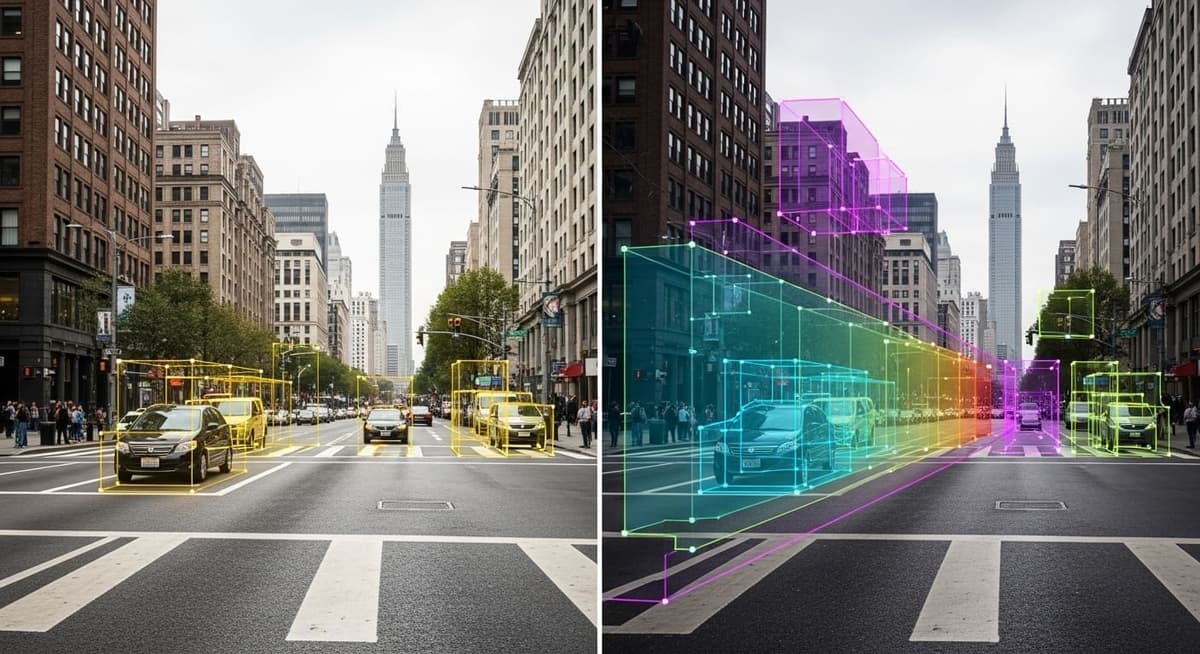
Researchers from the University of Sharjah, NYU Abu Dhabi and NYUAD Institute conducted a controlled scaling study of hybrid quantum‑classical neural networks, varying quantum layer depth and qubit count across multiple image datasets. They found that increasing the number of...

Quantum AI Matches Classical Performance with Fewer Computational Demands
Researchers at DESY introduced a quantum convolutional neural network (QCNN) that classifies entanglement in simulated fermion‑scattering events with 93% accuracy, outpacing classical CNNs that reached 88%. By converting the entanglement problem into a threshold‑classification task using readily available fermion density...

New Complexity Classes Defined for Optimisation and Statistical Problems
Researchers Kunal Marwaha and James Sud at the University of Chicago have mapped the computational complexity of 2‑local Hamiltonian problems into three distinct phases: QMA‑complete, StoqMA‑complete, and a newly defined class called EPR. Their analysis shows that the ordering of...
Algorithms Now Bypass Local Minima to Reliably Find Optimal Solutions
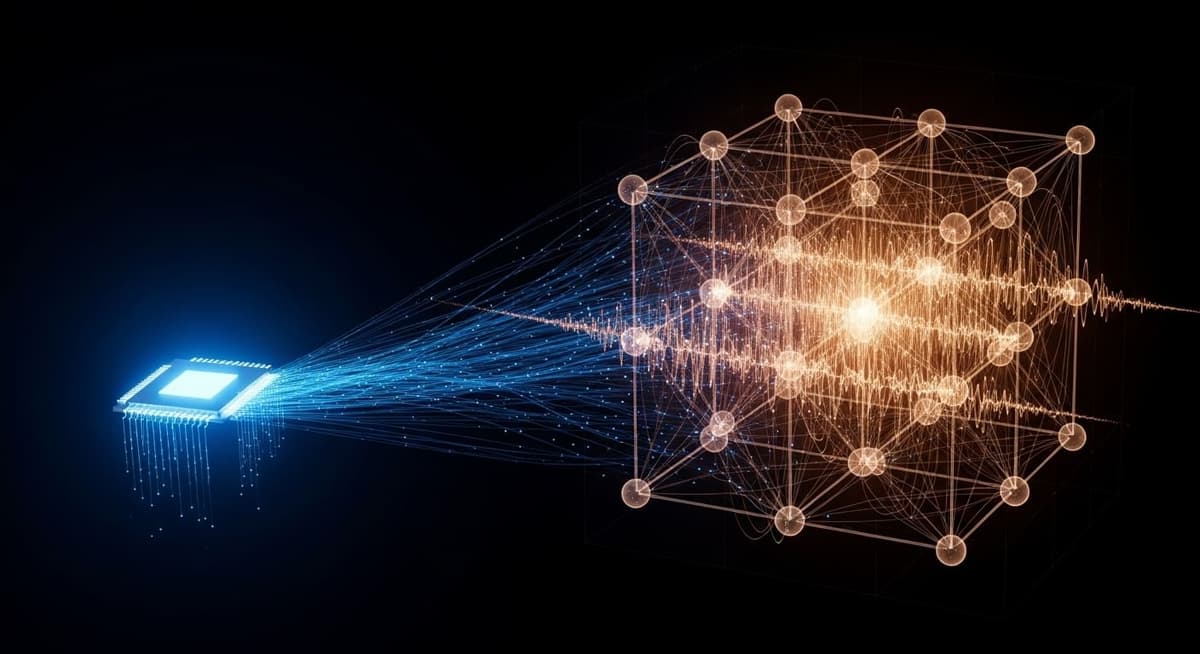
Stanford researchers led by Yihang Sun present the first analytical study of the Energy Conserving Descent (ECD) algorithm, introducing stochastic (sECD) and quantum (qECD) variants that can escape local minima and converge to global solutions. The paper proves both sECD...
Quantum eMotion Launches eShield-Q for Runtime Cryptographic Protection
Quantum eMotion Corp. unveiled eShield‑Q on May 4, 2026, a runtime cryptographic protection platform that secures encryption keys while they are in use. The solution combines quantum‑generated entropy, register‑based key storage, just‑in‑time decryption, and continuous integrity checks to guard against memory‑scraping and...
SAS Unveils Quantum Computing Roadmap at Innovate 2026 Conference
SAS demonstrated its first quantum‑computing capabilities at the Innovate 2026 conference in Grapevine, Texas, positioning the analytics firm as a nascent player in the quantum ecosystem. The rollout ties into SAS’s broader strategy of treating emerging tech as interchangeable tools...
Quantum Error Correction Faces Another Hurdle
Google Quantum AI researchers have identified correlated phase‑error bursts in superconducting qubits that persist far longer than previously observed bit‑flip errors. The study shows that quasiparticles generated by ionizing radiation can suppress the superconducting gap, causing phase decoherence even in gap‑engineered...

Quantum’s Next Frontier: How Mining Companies Can Prepare for a Computing Revolution
Quantum computing is transitioning from research labs to industrial use, and the mining sector is emerging as a prime beneficiary. The technology promises to reshape orebody discovery, optimize complex mine operations, and accelerate materials innovation while also introducing new cyber‑risk...
Stop Excuses, Make Bitcoin Quantum‑ready Now
"Perfectly explained" is not how I'd describe it... Can we please stop looking for excuses to avoid the tough but necessary work to get Bitcoin quantum-ready?

Quantum Readiness for Energy Sector: Not Encryption, Operational Longevity
The article argues that quantum‑readiness for energy firms must be framed around decades‑long asset lifecycles, not short‑term encryption upgrades. With three post‑quantum cryptography standards already ratified, the migration path can span 10‑20 years, matching the operational lifespan of power‑generation and...

Solana Co‑Founder Warns Ethereum L2s of Quantum Risk as Bitcoin Community Finds Early Consensus
Solana co‑founder Anatoly Yakovenko warned on May 2 that Ethereum’s layer‑2 solutions are vulnerable to future quantum attacks, while Galaxy Digital’s Alex Thorn said the Bitcoin community is reaching early consensus on the same threat and on post‑quantum defenses. The two...
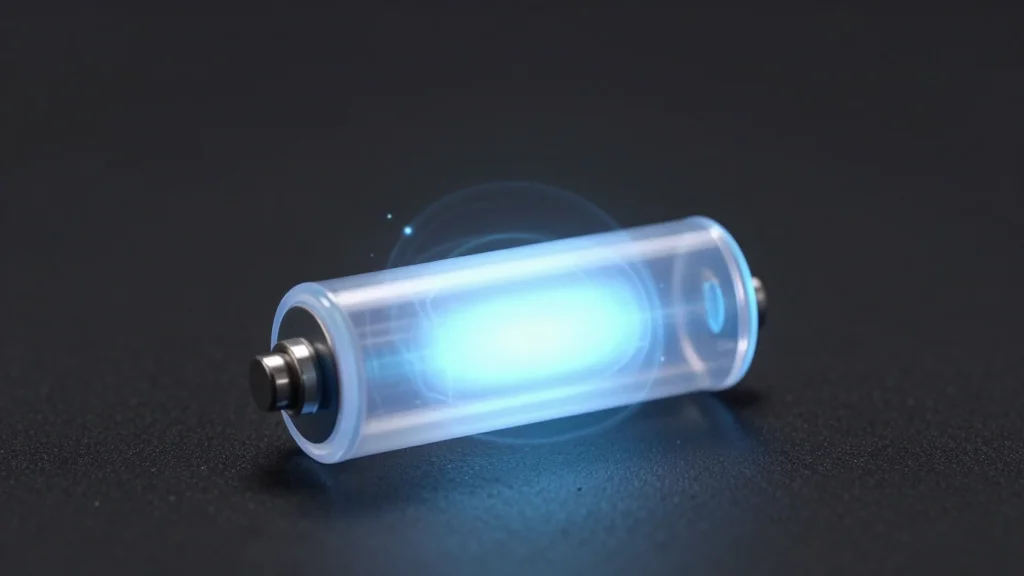
Australian Team Demonstrates Quantum Battery That Charges Instantly and Scales with Size
Researchers from CSIRO, the University of Melbourne and RMIT have built the world’s first functional quantum battery prototype that charges in a single rapid burst and charges faster as its size increases. The breakthrough, published in Nature Light: Science &...
European Defense Fund Opens New Funding Call Targeting Quantum Security Projects
The European Defense Fund (EDF) has issued a new funding call aimed at security and defence projects that intersect with quantum technologies. Consortia of at least two independent entities from different EU member states can apply, signaling a strategic push...
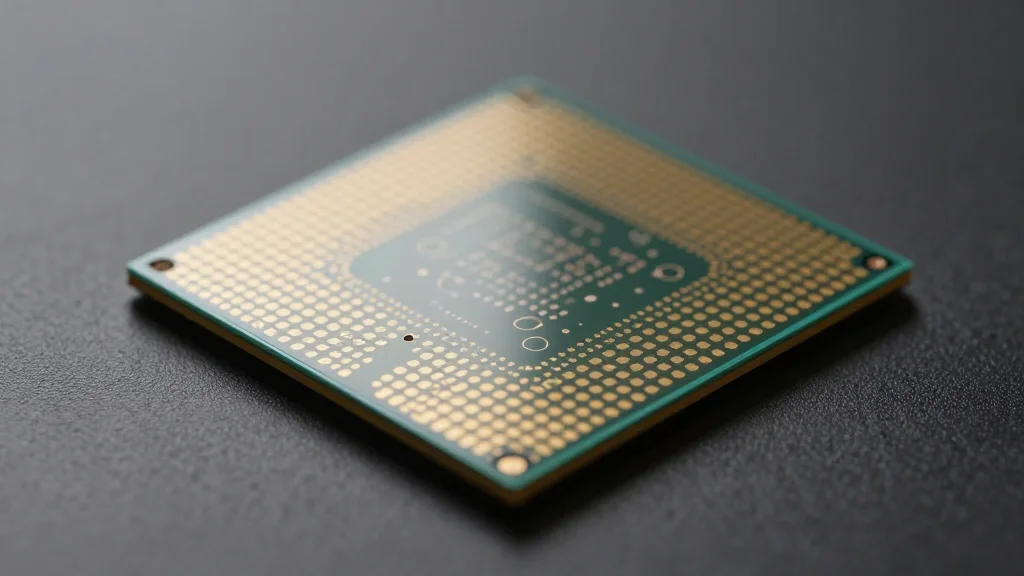
PsiQuantum Appoints Intel CEO Lip‑Bu Tan to Board, Sharpening Quantum Hardware Roadmap
PsiQuantum announced that Intel CEO Lip‑Bu Tan has joined its board of directors, bringing decades of semiconductor leadership to the quantum‑computing startup. The move coincides with a reshuffle that placed former AMD president Victor Peng as interim CEO and co‑founder...
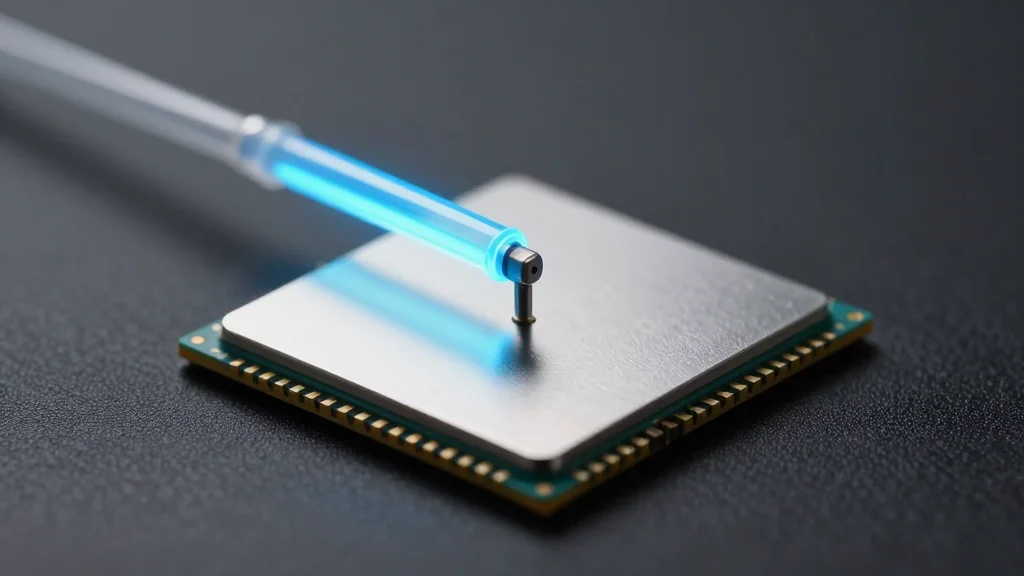
Argonne Lab Shows Electron‑on‑Neon Qubits Cut Noise Up to 10,000‑Fold
Researchers at Argonne National Laboratory and the University of Notre Dame have demonstrated that electron‑on‑neon qubits exhibit noise levels 10 to 10,000 times lower than traditional semiconductor qubits. The findings, published in Nature Electronics, could reshape the race for scalable...
Infleqtion Goes Public via SPAC, Stock Opens at $14.25 with $2.6B Market Cap
Infleqtion (INFQ) completed a SPAC merger on Feb. 17, debuting at $14.25 per share and a $2.57 billion market value. The pure‑play cold‑atom quantum firm aims to lift 2026 revenue to $40 million while it expands government‑backed sensor and timing contracts.
Maryland Budget Secures Millions to Consolidate “Capital of Quantum” Status
Maryland’s FY 2027 budget earmarks over $70 million for its Capital of Quantum initiative, expanding IonQ’s headquarters, University of Maryland quantum facilities, and the ARLIS research lab. The state has already secured more than $500 million in quantum‑related funding since 2025, including a...
TreQ Deploys Open-Architecture Quantum Computing Testbed in Oxfordshire, UK
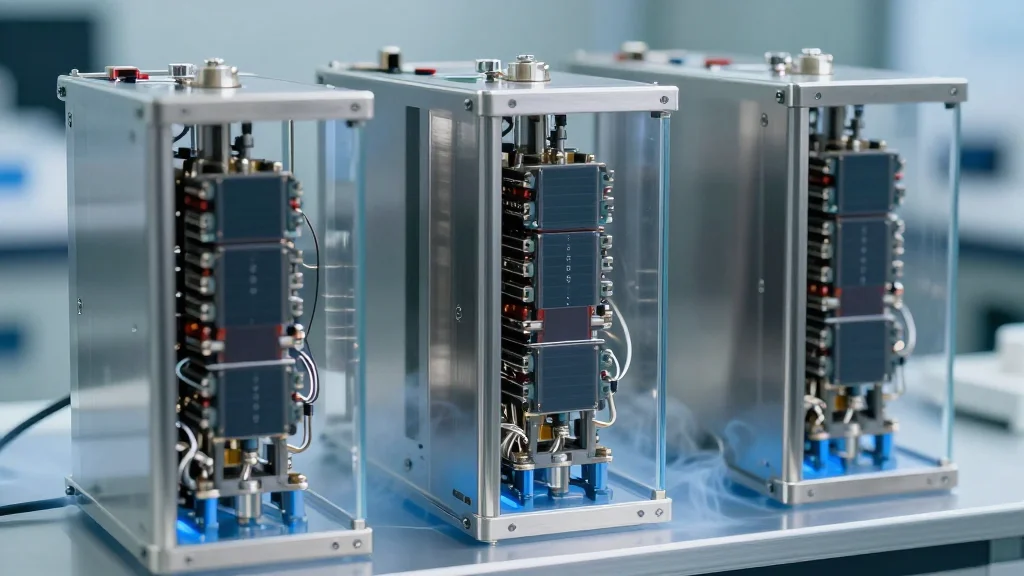
TreQ has launched an Open‑Architecture Quantum (OAQ) Testbed in Oxfordshire, UK, as part of Innovate UK’s Quantum Mission Pilot. The three‑rack system combines modular processors, control hardware and software from multiple vendors, allowing eight distinct computing configurations without recabling. Integrated components...

Qruise and Goethe University Frankfurt Automate NV-Center QPU Bring-Up
Qruise partnered with XeedQ and the MSQC group at Goethe University Frankfurt to automate the bring‑up of XeedQ’s 5‑qubit portable NV‑center quantum processor, dubbed Baby Diamond. Using its QruiseOS platform, the team achieved fully automated calibration, enabling experiments from basic...
Quantum Science Center Researchers Demonstrate First Digital Quantum Simulation of Spin Transport
Researchers at the Quantum Science Center, in partnership with Purdue, ORNL and IBM, performed the first digital quantum simulation of spin transport on a 40‑qubit IBM Heron processor. By employing a novel mid‑circuit measurement algorithm, they reduced the computational overhead from...

CQE Releases Unified Regional Strategy to Scale Midwest Quantum Workforce
The Chicago Quantum Exchange unveiled a comprehensive strategy to prepare the Illinois‑Wisconsin‑Indiana corridor for an estimated 191,000 quantum‑related jobs by 2035. Backed by the NSF, the plan emphasizes that more than 70% of those roles will not require graduate degrees,...
Nvidia's AI Boost Cuts Quantum Error‑Correction Time by 2.5×, Accuracy Up 3×
Nvidia announced AI‑driven models that accelerate quantum error‑correction decoding by 2.5× and improve accuracy threefold. The move positions the chipmaker to become a key software layer for emerging quantum hardware, a hurdle that has long limited real‑world quantum advantage.
Quantum Tech Nears Portfolio Readiness, but Risk Remains
Quantum computing is leaving the lab—but is it ready for your portfolio? 🧪➡️💼 Key milestones in error correction & hardware show real progress. Pure plays like IonQ and Rigetti are high risk, but tech giants are all in. QuantumComputing
Lawrence Livermore National Laboratory Receives $4.1M ARPA-E Award to Develop Quantum Algorithms for Magnetic Materials
Lawrence Livermore National Laboratory has secured a $4.1 million ARPA‑E award to create hybrid quantum‑classical algorithms for discovering next‑generation magnetic materials. The effort will run on LLNL’s El Capitan supercomputer and partner neutral‑atom quantum hardware, aiming to produce 100 logical qubits from...
Ternary QKD Cuts Eavesdropping Chance to 54%, Boosts Security
A team led by Ahmed Halawani at the Institute of Quantum Technologies and Advanced Computing, together with partners at IMSIU, King Khalid University and Shanghai University, announced a ternary quantum key distribution protocol that reduces eavesdropping probability from 85% to...
Quantum Computing Moves From Lab to Real‑World Business
Quantum computing is finally leaving the lab. Real-world use cases in drug discovery & finance are emerging. The focus is shifting from theory to business value. Key players like IBM & Google are scaling up. The path to commercial impact...
Starknet Achieves Quantum Resistance Faster Than Ethereum
Wrong, you forgot Starknet, given that (i) Starknet becoming quantum resistant requires minimal effort, (ii) Starknet recently launched a post-quantum wallet demonstrating that, and (iii) Ethereum's efforts to become quantum resistant are already underway.
MIT and IBM Launch Joint Lab to Fuse AI with Quantum Computing
IBM and the Massachusetts Institute of Technology announced the creation of the MIT‑IBM Computing Research Lab, expanding their 2017 Watson AI partnership to include quantum computing. The lab will bring together senior researchers, co‑directors, and a planned 750‑person Chicago hub...
Consulting Firms Poised to Dominate Quantum Computing Rollout
My longtime prediction is that the same thing will happen in quantum computing. The biggest winners will be large consulting firms... particularly ones that can help implement.
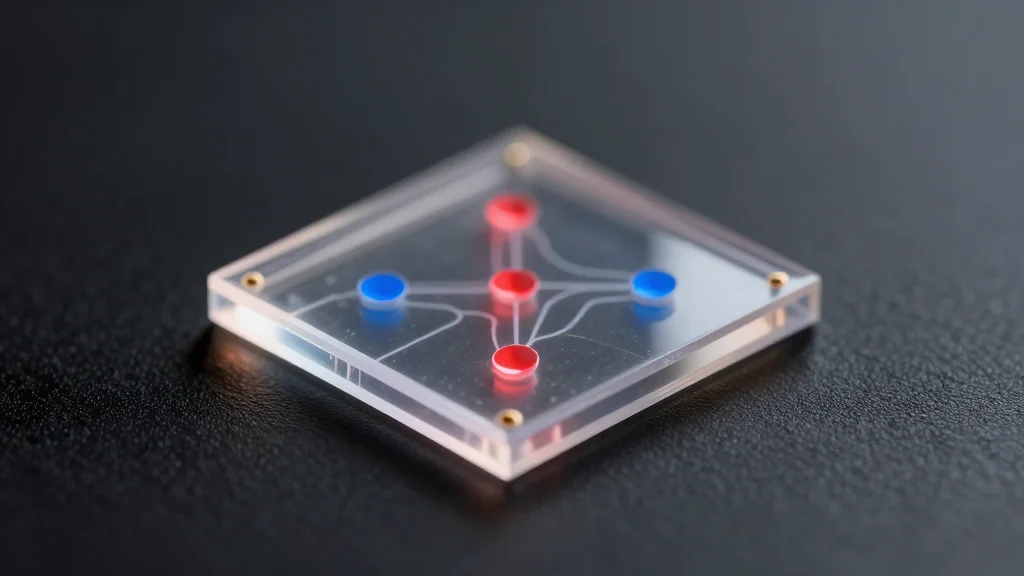
Classical Light Trains Photonic Quantum Machines to 99% Accuracy
A team from Sapienza University of Rome, University of Palermo, Queen’s University Belfast and University of Milan has shown that classical light can train photonic quantum extreme learning machines to reconstruct single‑qubit Pauli observables with over 99% accuracy and to...
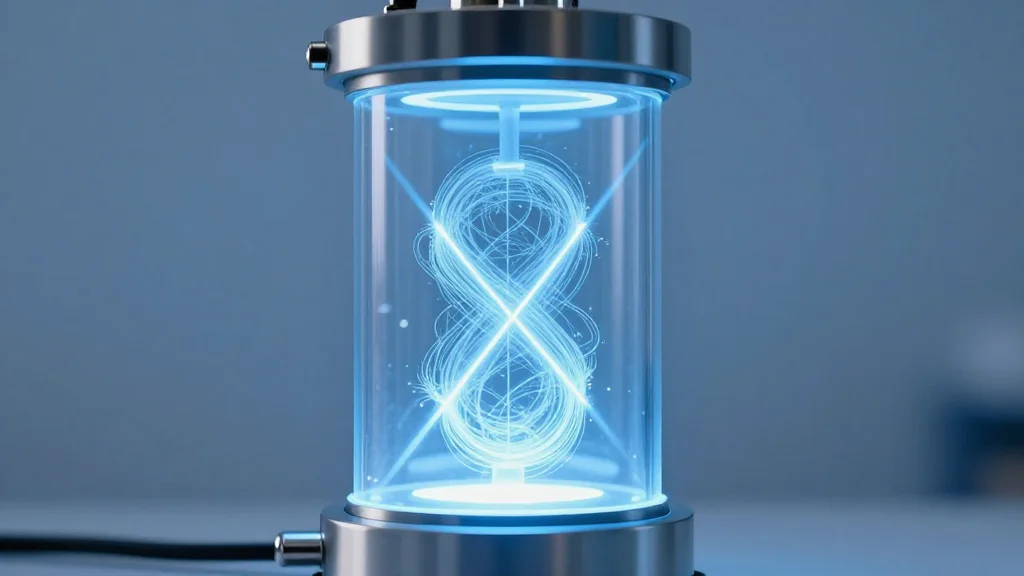
Oxford Team Demonstrates First‑Ever Quadsqueezing, a Fourth‑Order Quantum Interaction
Researchers at the University of Oxford have experimentally realized quadsqueezing—the first fourth‑order squeezing effect—in a trapped‑ion system, publishing the breakthrough in Nature Physics on May 1, 2026. The method generates the interaction over 100 times faster than conventional approaches, promising...
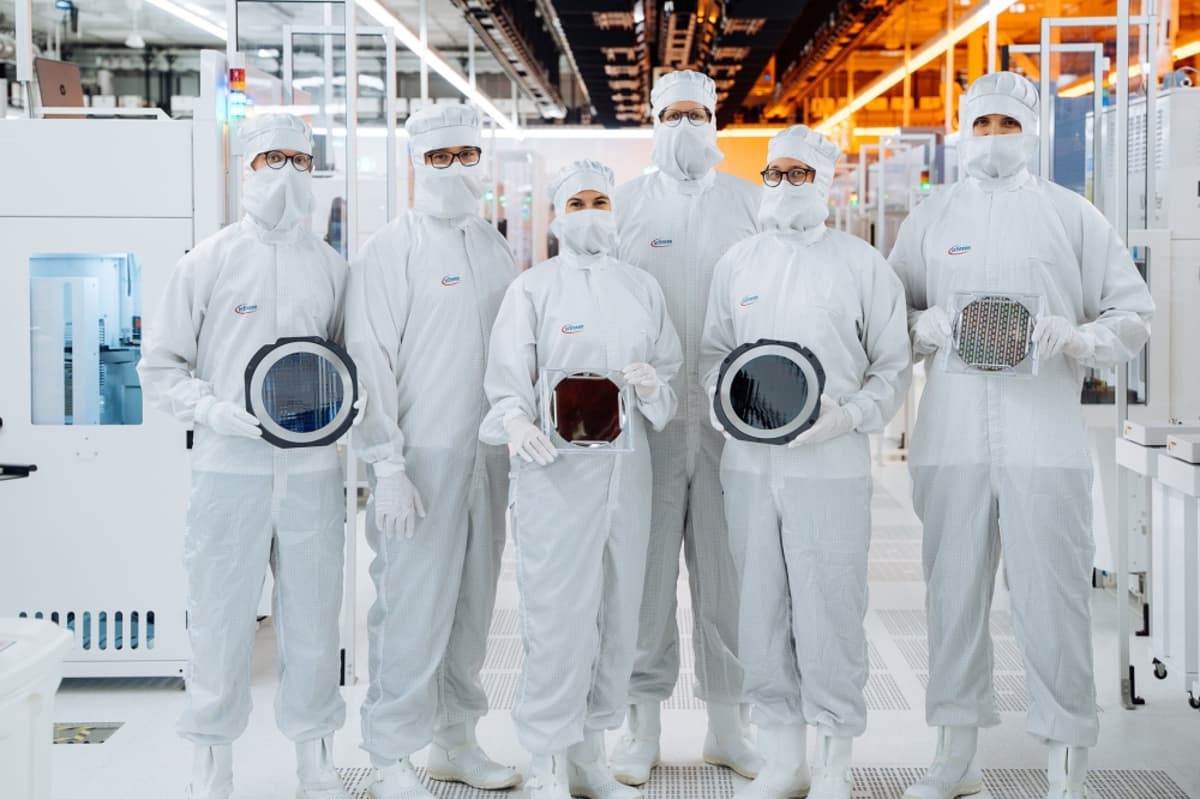
Infineon Contributes Industrialisation Know-How to European Quantum Pilot Lines
Infineon Technologies is contributing its semiconductor‑manufacturing expertise to three European quantum pilot lines—CHAMP‑ION (ion‑trap chips), SUPREME (superconducting qubits) and SPINS (CMOS‑based quantum nano‑systems). The initiatives, backed by the EU Chips for Europe programme, aim to move quantum hardware from laboratory...
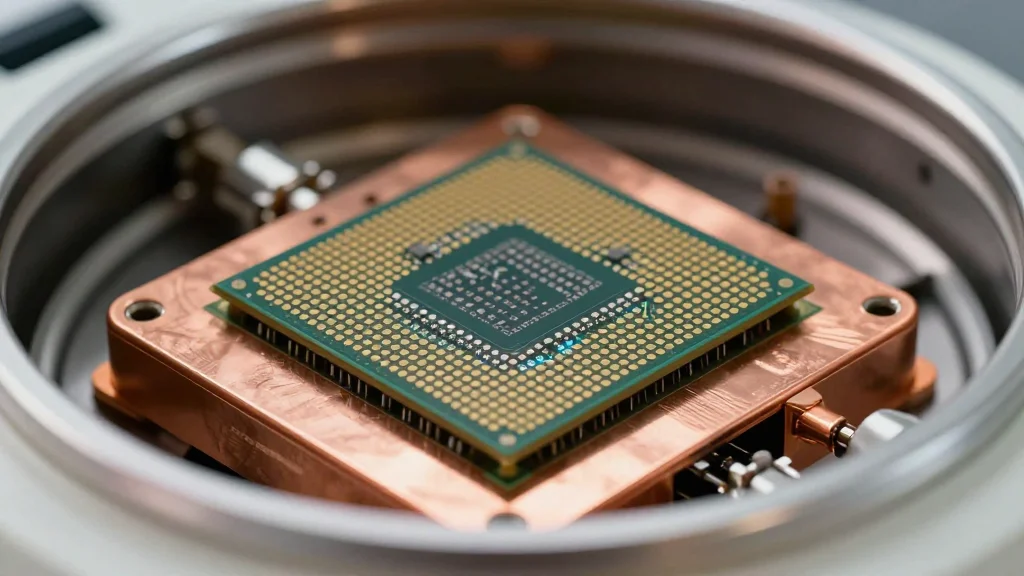
Parity Quantum and Innsbruck Hit 10⁻² Fidelity on 50‑Qubit Processor
Parity Quantum Computing GmbH and the University of Innsbruck demonstrated a process fidelity of roughly 10⁻² for a 50‑qubit quantum Fourier transform on IBM’s Heron r3 chip. The result eclipses the prior 36‑qubit benchmark and showcases the Parity Architecture’s ability...

Why a Canadian Bank Is Trying to Predict Earthquakes with Quantum Computers
Bank of Montreal (BMO) has filed a provisional patent on a quantum algorithm aimed at seismic forecasting and launched the BMO Institute for Applied Artificial Intelligence & Quantum. The institute consolidates AI and quantum research, backed by partnerships with Quantum...

New Bitcoin Quantum Proposal Offers Satoshi Nakamoto a Way to Prove Control without Moving BTC
Venture fund Paradigm unveiled a proposal that lets Bitcoin holders create private, on‑chain timestamps—called Provable Address‑Control Timestamps (PACTs)—to prove control of quantum‑vulnerable keys before quantum computers arrive. The method leverages BIP‑322 signatures, a random salt, and OpenTimestamps to lock a...
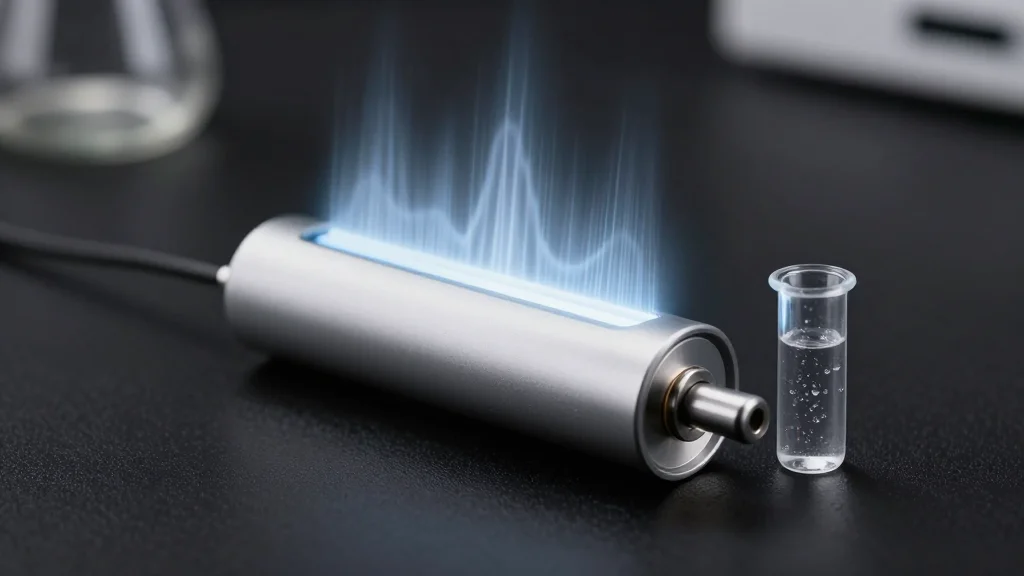
Quantum Device Generates Controllable Phonons, Opening New Path for Communications
A team led by McGill University scientists has demonstrated a quantum‑state gadget that emits tunable phonons—quantized sound particles—at near‑absolute‑zero temperatures. The device promises a new way to manipulate heat and vibration for next‑generation communication hardware.
IonQ Soars 56.5% on DARPA Deal as D‑Wave Shows Mixed Gains
IonQ's stock leapt 56.5% in April after winning a DARPA research contract, propelling the pure‑play quantum firm toward a $17 billion market value. D‑Wave Quantum posted a 25% gain since the start of the month but stays volatile, with a 10.4%...

Argonne Lab’s Electron‑on‑Neon Qubit Cuts Noise Up to 10,000‑Fold
Researchers at Argonne National Laboratory, together with Notre Dame and six other universities, unveiled a new electron‑on‑neon qubit that reduces noise by up to 10,000 times and reaches 0.1 ms coherence. The breakthrough promises longer‑lived quantum bits and could accelerate the race...

Quantum Computing Is Coming: Is Your Privacy and Cybersecurity Program Ready?
Quantum computing is poised to upend privacy and cybersecurity by enabling massive data analytics, reidentifying anonymized information, and breaking today’s encryption standards. The shift forces companies to move beyond checklists toward a governance‑driven quantum readiness strategy that blends legal obligations...
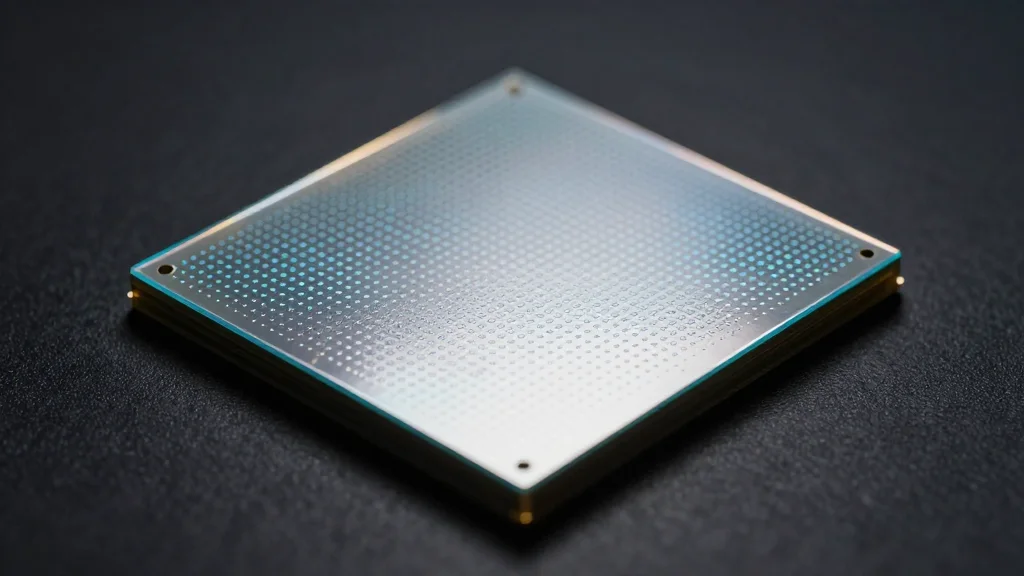
Groove Quantum Secures €16 M and Unveils World’s Largest 18‑Qubit Spin‑Qubit Processor
Groove Quantum announced a €16 million ($18.7 M) funding round and showcased an 18‑qubit germanium spin‑qubit processor, the largest semiconductor spin‑qubit chip to date. The capital, split between a €10 million seed round and €6 million in EU grants, will fund a move toward...

BMO Turns to AI and Quantum Computing to Predict Earthquakes
Bank of Montreal (BMO) is leveraging artificial intelligence and quantum computing to develop tools that could predict earthquakes and improve disaster response. The bank’s chief AI and quantum officer, Kristin Milchanowski, secured a provisional patent for a quantum algorithm aimed...