Today's Quantum Pulse
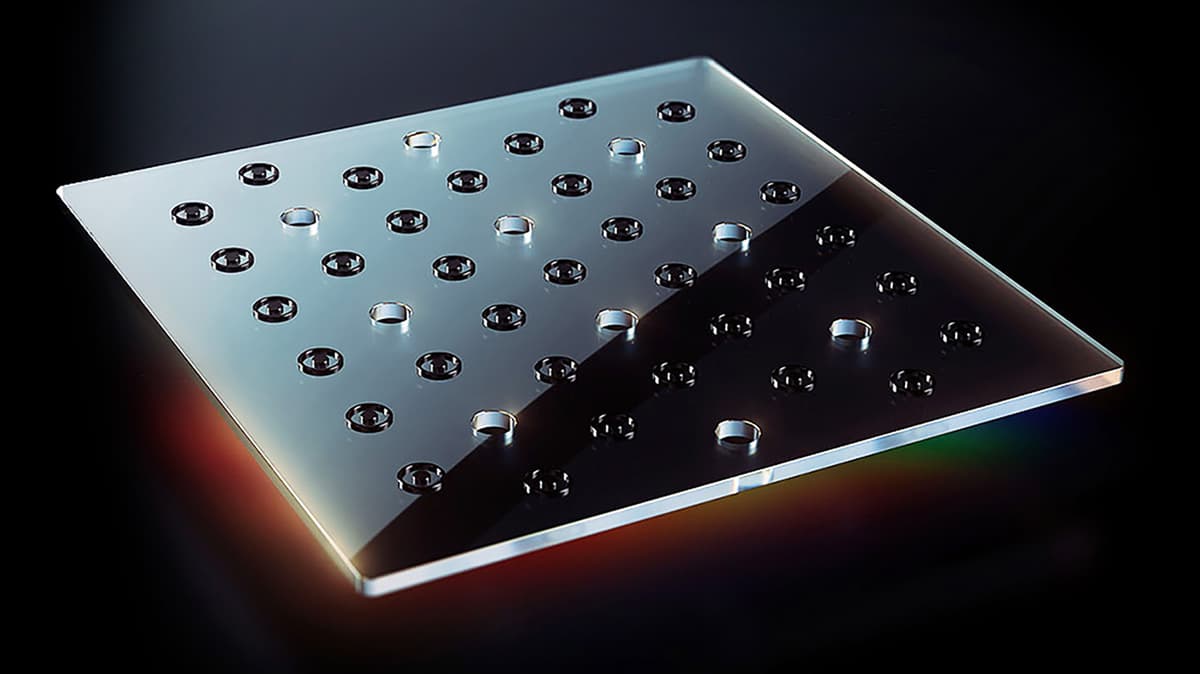
JPMorgan, OQC, and AMD team up on London quantum‑AI data center
Oxford Quantum Computing, JPMorgan Chase, and AMD announced a joint research effort to build a colocated quantum‑AI data center in London. The facility will combine OQC’s Genesis quantum processor with AMD’s AI and high‑performance computing hardware to tackle finance‑focused workloads such as portfolio optimization and quantum machine learning.
Quandela and Safran Partner to Develop Quantum Algorithms for Fluid Dynamics
Quandela and Safran Tech have launched the AQeFLU research project to create quantum algorithms for fluid‑dynamics modelling, backed by the PAQ Quantique programme and Île‑de‑France Region funding. The partnership will use Quandela’s room‑temperature photonic qubits, which can plug into existing data‑centre infrastructure, to solve the partial differential equations that drive aerodynamic and combustion analysis. After validating the algorithms on academic benchmarks, the team will apply them to optimise engine performance and cut fuel consumption, reducing reliance on expensive wind‑tunnel tests and classical high‑performance computing. The effort is a core element of Safran’s digital‑platform roadmap aimed at accelerating aerospace R&D.

Pentagon Prepares F-35 for Quantum Computing Threat
The Pentagon’s F‑35 Joint Program Office is updating the fighter’s In‑Line File Encryption Device to incorporate government‑mandated quantum‑resistant algorithms. This software change aims to safeguard classified data against future quantum computers that could break current cryptographic methods. The effort aligns...
Ready or Not, AI-Assisted Quantum Computing Is Here
Recent papers from Google’s Quantum AI team and Caltech startup Oratomic show that AI can cut the qubit count needed to break RSA‑2048 encryption from hundreds of thousands to roughly 10,000. This accelerates the timeline for practical quantum attacks, prompting...
Act Now: Post‑Quantum Encryption Needed for Regulated Firms
Y2Q sounds like something from the future. For many businesses, that makes it easy to postpone. That may be the wrong instinct. The concern behind Y2Q is straightforward: future quantum computers could eventually weaken or break widely used public key encryption methods...
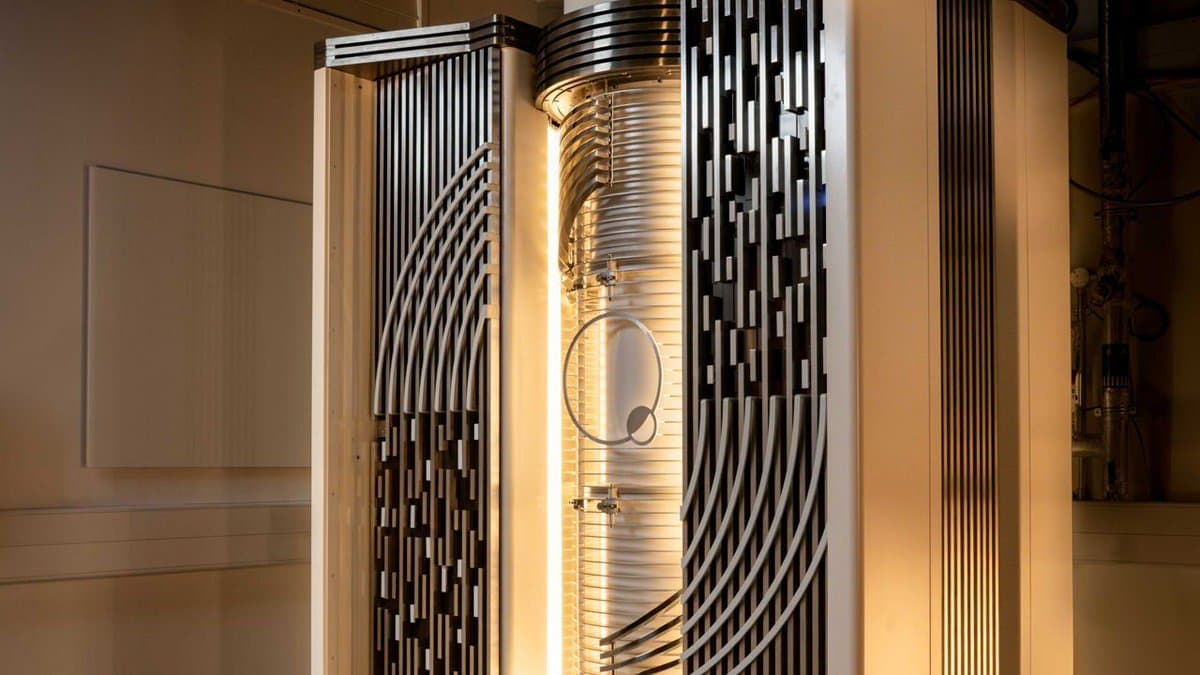
UK Quantum Startup Secures $160M Boost for Silicon Chips
UK quantum outfit @Quantum_Motion run on silicon chips raises $160M https://t.co/u7pwod4ub3 >> Congratss. Good to see the investment - and more competition. Good for all. #NextGenApps #QuantumComputing https://t.co/vUuC4NlycE
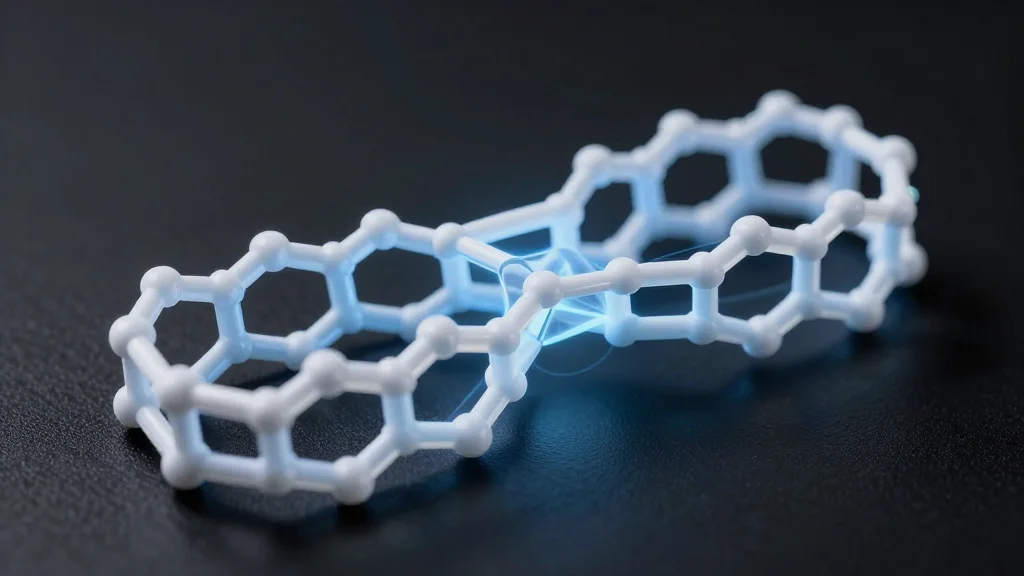
NUS Researchers Engineer Graphene‑Like Molecules and Hourglass Nanographenes
National University of Singapore chemists announced a predictive design strategy for graphene‑like molecules and synthesized hourglass‑shaped nanographenes that exhibit robust multi‑spin entanglement. The breakthrough promises new molecular qubits for quantum information processing and spintronic devices.
ParityQC and University of Innsbruck Propose Distillation Architecture to Reduce FTQC Overhead
Physicists from ParityQC and the University of Innsbruck unveiled the Parity‑Unfolded Distillation Architecture, a fault‑tolerant quantum computing scheme that streamlines non‑Clifford gate synthesis. By directly preparing and teleporting small‑angle rotations, the design sidesteps long gate sequences and reduces both qubit...
.png)
IonQ Details “Walking Cat” Blueprint for Fault-Tolerant Trapped-Ion Systems
IonQ unveiled the “Walking Cat” blueprint, a full-stack specification for a fault‑tolerant trapped‑ion quantum computer. The design couples >99.99% two‑qubit gate fidelity with a Quantum Charge‑Coupled Device that shuttles ions, delivering any‑to‑any connectivity without fixed wiring. It targets a scalable...
ORCA Computing Teams with SiC Systems to Fuse Quantum Power with Industrial AI
ORCA Computing and SiC Systems announced a strategic partnership to integrate ORCA’s photonic quantum processors with SiC’s physics‑informed multi‑agent AI platform for chemical and biomanufacturing. The collaboration aims at the $1 trillion engineering‑procurement‑construction market and promises to shave more than 20,000...

DENMARK LOVES IQT NORDICS 2026 (OSLO) JUNE 22-24 AS A DANISH PAVILION JOINS THE NETWORKING HALL
The IQT NORDICS conference in Oslo on June 22‑24, 2026 will host a Danish pavilion within its networking hall. Nine Danish organizations—including Biolnnovation Institute, Copenhagen Quantum, and Sparrow Quantum—join the event, bringing Denmark’s quantum expertise to the fore. With the pavilion’s addition,...
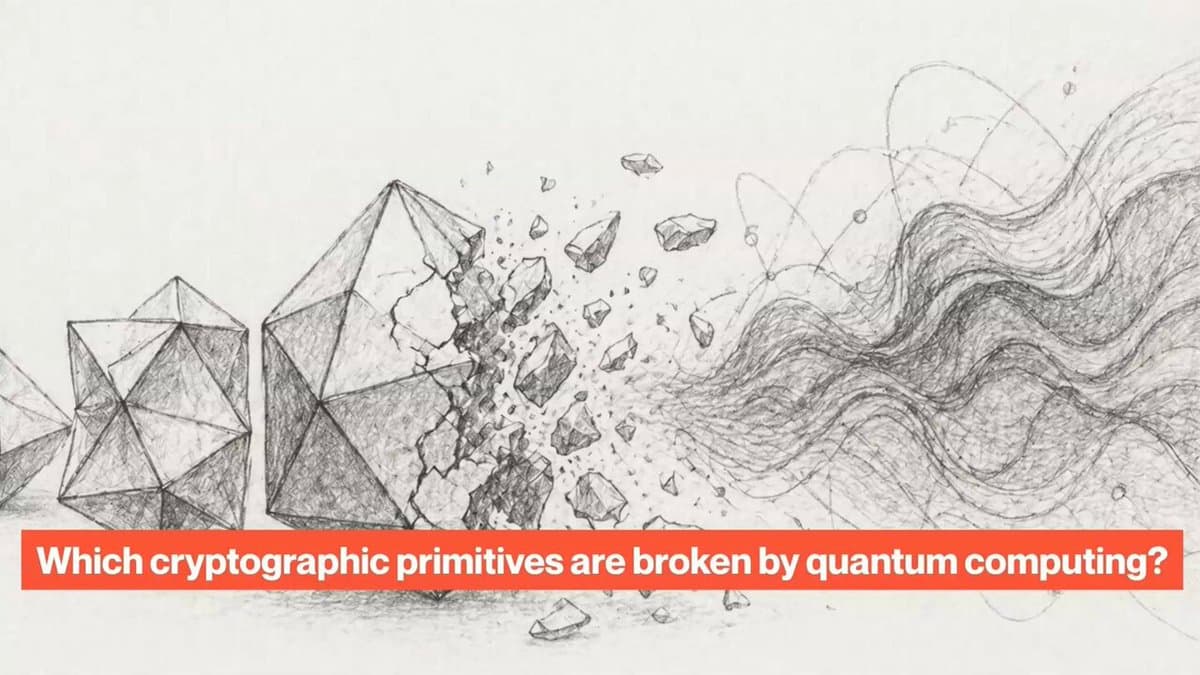
Quantum Computers Threaten some Crypto, Not All
Quantum computers are not FUD. But there are ways to prepare for them. Some kinds of cryptography will be broken by quantum computers, while others will remain safe. Why? Here's the explanation. https://t.co/szh6X1usyt
Why Businesses Should Experiment With Quantum Computing Now
Quantum computing should be treated as a general‑purpose enabling technology rather than a ready‑made solution. Leading firms such as Lockheed Martin and IBM have already launched multi‑year pilots and cloud services to learn how quantum methods can solve real problems,...
IonQ Posts Record Q1 2026 Revenue of $64.7 Million, 755% YoY Growth
IonQ announced Q1 2026 revenue of $64.7 million, a 755% increase from a year earlier and 30% above the midpoint of its guidance range. The company raised its full‑year revenue target to $270 million, citing strong demand for its 256‑qubit system and...

Quantum Motion Raises $160M to Bring Quantum Into Data Centers
Quantum Motion, a UK silicon‑based quantum computer maker, closed a $160 million Series C round led by DCVC and Kembara, making it the best‑funded UK quantum firm. The company argues its CMOS qubits cut cost by 100‑fold and energy use by 1,000‑fold...

Quantum Brilliance CEO Mark Luo on Deployable Quantum Systems and the Future of Diamond-Based Computing
Quantum Brilliance, founded on the premise that synthetic‑diamond chips can run quantum operations at room temperature, has become a TIME Top 100 Invention of 2025. CEO Mark Luo says the company’s strategy—eschewing cryogenic systems, investing heavily in European manufacturing, and securing...
New Open-Source Tool Uses Gradient Descent to Determine QSP Phase Angles
Independent researcher Ross Peili released an open‑source demo that trains Quantum Signal Processing (QSP) phase angles using gradient descent. By leveraging PennyLane and JAX, the approach reformulates phase‑angle determination as a variational optimization problem, sidestepping unstable analytic solvers. The demo reproduces...
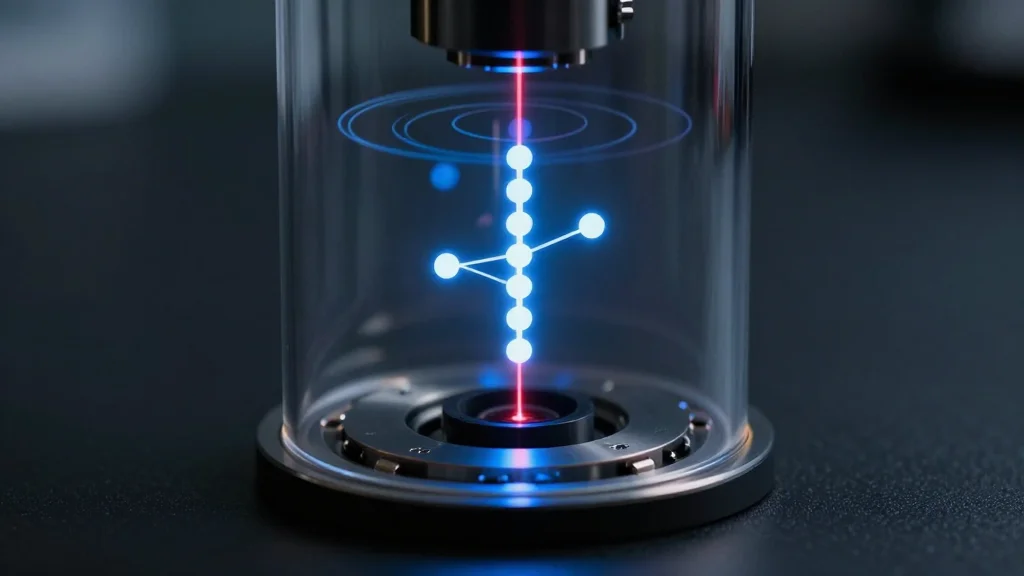
Quantum Art Unveils Algorithm to Model 10¹⁸‑Point Electromagnetic Waves on 60 Qubits
Quantum Art, an Israeli trapped‑ion quantum computing firm, announced a new algorithm that can simulate electromagnetic wave propagation over volumes of tens of cubic kilometres at centimeter‑level resolution using roughly 60 qubits. The press release cites a 100‑fold performance gain...

Hourglass Nanographenes Unlock Strong, Robust Multi-Spin Entanglement
Researchers at the National University of Singapore have engineered hourglass‑shaped nanographene molecules that host four interacting electron spins. By extending the classic Clar’s goblet structure, they synthesized two variants—C₆₂H₂₂ and C₇₆H₂₆—using atomically precise on‑surface chemistry. One design generates spins purely...

Haiqu Launches Agentic Quantum Operating System to Accelerate Enterprise Quantum R&D
Quantum Machines announced the acquisition of QHarbor and the opening of a new office in Delft, Netherlands, strengthening its software platform and European footprint. A recent weekly round‑up highlighted a surge of investor capital into trapped‑ion and spin‑qubit hardware, with...
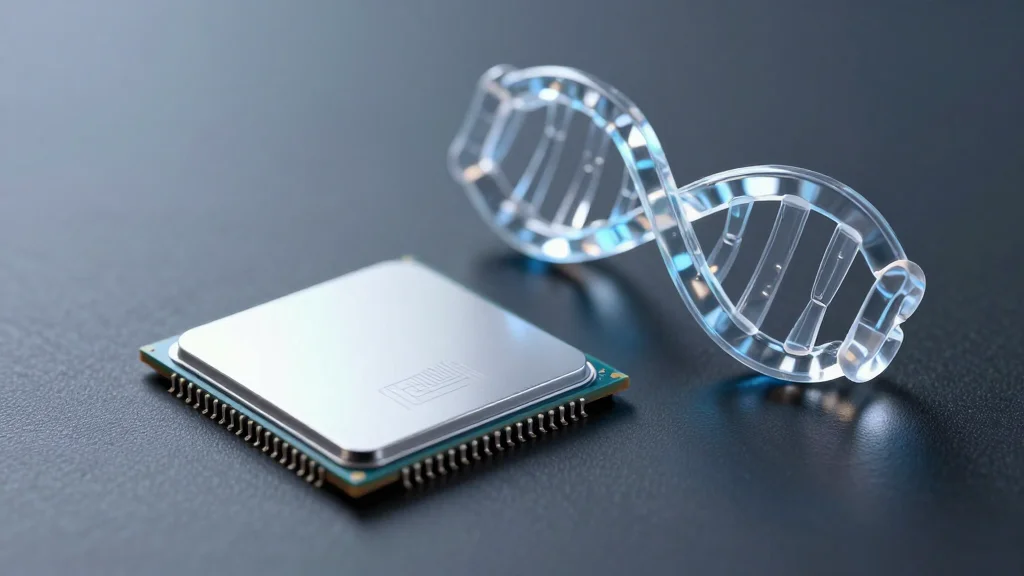
IBM, Cleveland Clinic, RIKEN Simulate Record 12,635‑Atom Protein on Quantum Computers
IBM, Cleveland Clinic and Japan’s RIKEN have jointly simulated a 12,635‑atom protein using quantum‑centric supercomputing, a 40‑fold increase over their previous benchmark and a 210‑times accuracy improvement. The work demonstrates that quantum processors can now tackle biologically relevant molecular systems...

NEAR Protocol Launches First Quantum‑Safe Signing Scheme
The @NEARProtocol is becoming post-quantum-safe. See below for the roadmap to quantum safety, starting with adding a quantum-secure signing scheme in Q2. We originally built the protocol with expectation cryptography will need to change due to progress in quantum computing. We...
Q-CTRL Claims 3,000x Quantum Speedup for Materials Science Simulations on IBM Quantum Platform
Q-CTRL announced a 3,000‑fold speedup on a materials‑science simulation using the IBM Quantum Platform, completing a 120‑qubit electron‑interaction problem in two minutes versus over 100 hours on the best classical software. The result constitutes the first practical quantum advantage on...
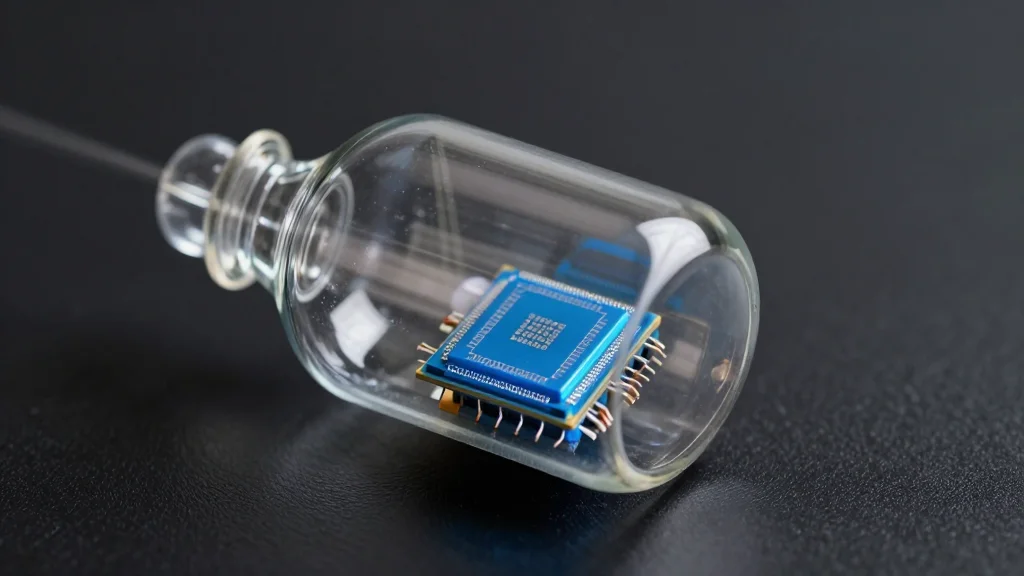
Intel, Behind in AI Chips, Bets on Quantum and Neuromorphic Processors
Intel, trailing its rivals in AI accelerators, is betting on quantum and neuromorphic processors to revive its growth. CEO Lip‑Bu Tan named veteran Pushkar Ranade as chief technology officer, tasking him with advancing quantum computing, neuromorphic chips, photonics and novel...
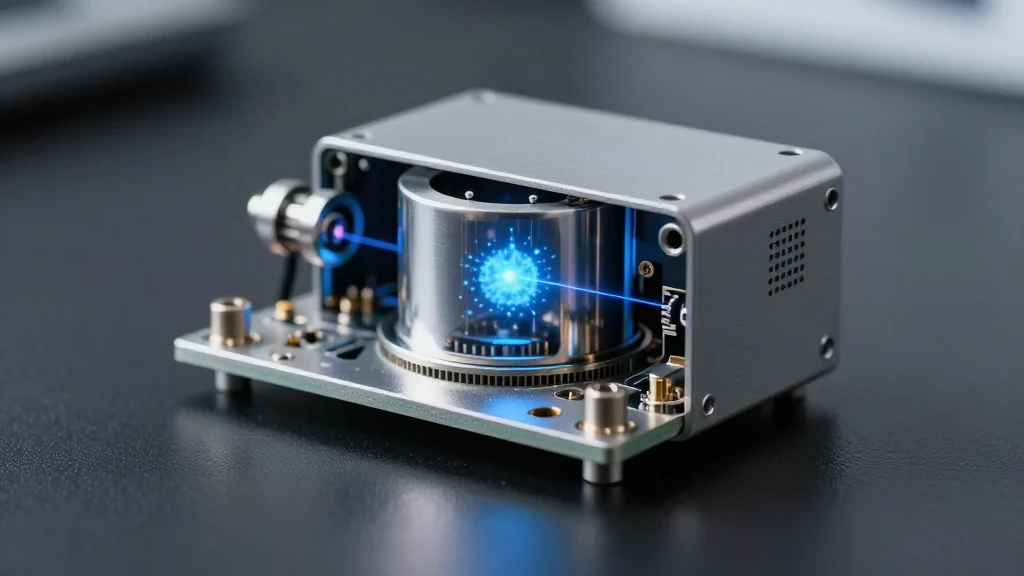
AQT's LYNX Series Sets European Quantum Volume Record at 32,768
AQT announced the launch of its LYNX rack‑mounted ion‑trap system, which achieved a quantum volume of 32,768 – the highest ever recorded for a European‑built quantum computer and the second‑highest globally. The milestone showcases the scalability of trapped‑ion technology for...
C-Suites Want Concrete Quantum Use-Cases, Not Hype
Research from QuEra Computing shows a clear pivot in enterprise quantum spending: executives now demand concrete proof of value before committing capital. While 44% of firms plan to increase quantum budgets, a larger 46% expect flat spending, and 10% anticipate...

546 Two-Qubit Gates Enable Reliable Molecular Energy Calculation
Quantinuum researchers chained 546 two‑qubit gates in a single trapped‑ion computation, integrating Steane quantum error‑correction gadgets directly into quantum phase‑estimation circuits. The approach yielded a ground‑state energy estimate for molecular hydrogen within 13 hartree of the exact value, demonstrating a...

Classical Algorithm Beats Quantum Approach to Optimisation Challenge
Researchers at the University of Cologne introduced the Mean‑Field Approximate Optimisation Algorithm (MF‑AOA), which achieved a paint‑swap ratio of roughly 0.2799 on the binary paint shop problem. This performance surpasses the previously best classical heuristic (recursive star greedy) and the...
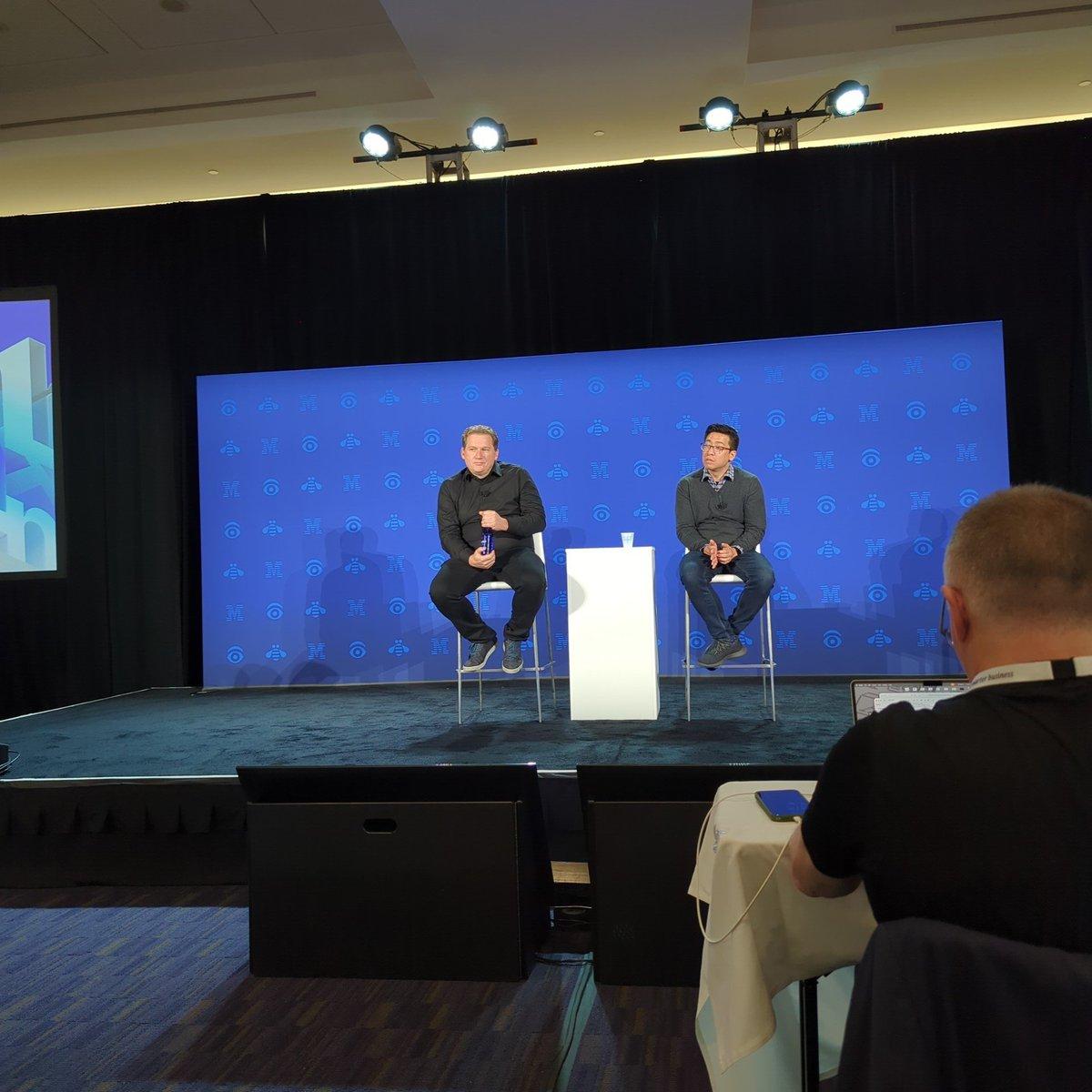
IBM Outlines Four Algorithmic Pillars for Emerging AI
I asked @IBM's @jaygambetta my standard question on emergong use cases... He takes an algorithm approach: I'd like to break them into four: amplifying simulation, optimization, run on machine learning, and partial differential equations. And I know they're not these...
Quantum Advantage Arrives 2024; Align AI with Quantum
.@IBM CEO Krishna touts quantum computing use cases, quantum-AI continuum https://t.co/FEpY7F817C IBM CEO Arvind Krishna said quantum advantage is here this year and enterprises need to align quantum computing with their AI strategies.
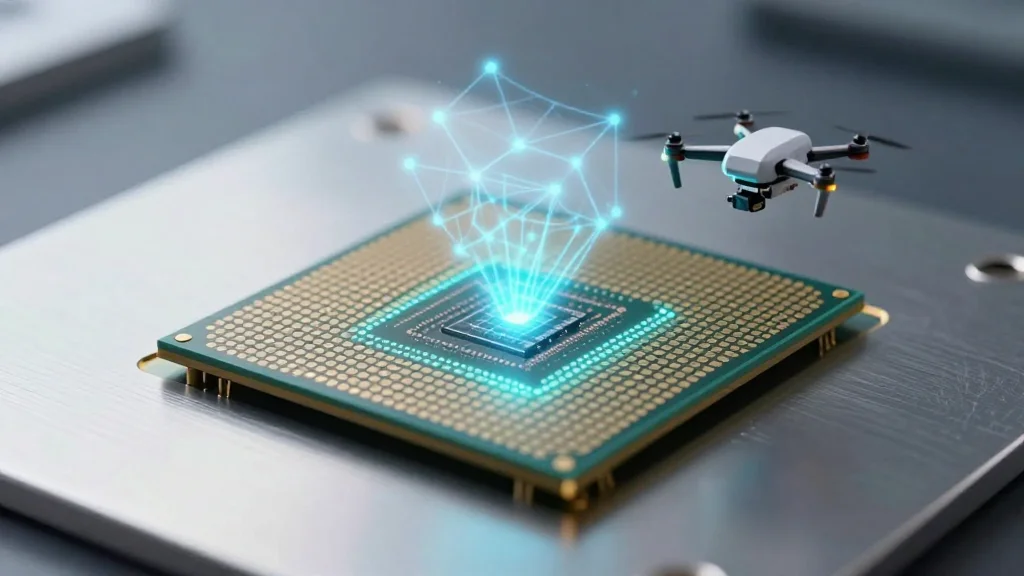
ORCA Computing and SiC Expand Agentic AI with Quantum Computing
ORCA Computing and SiC Systems have announced a strategic partnership to embed hybrid quantum‑classical computing into SiC’s agentic AI platform for chemical and biomanufacturing processes. The combined solution leverages ORCA’s photonic quantum processors and SiC’s physics‑informed multi‑agent suite to accelerate...
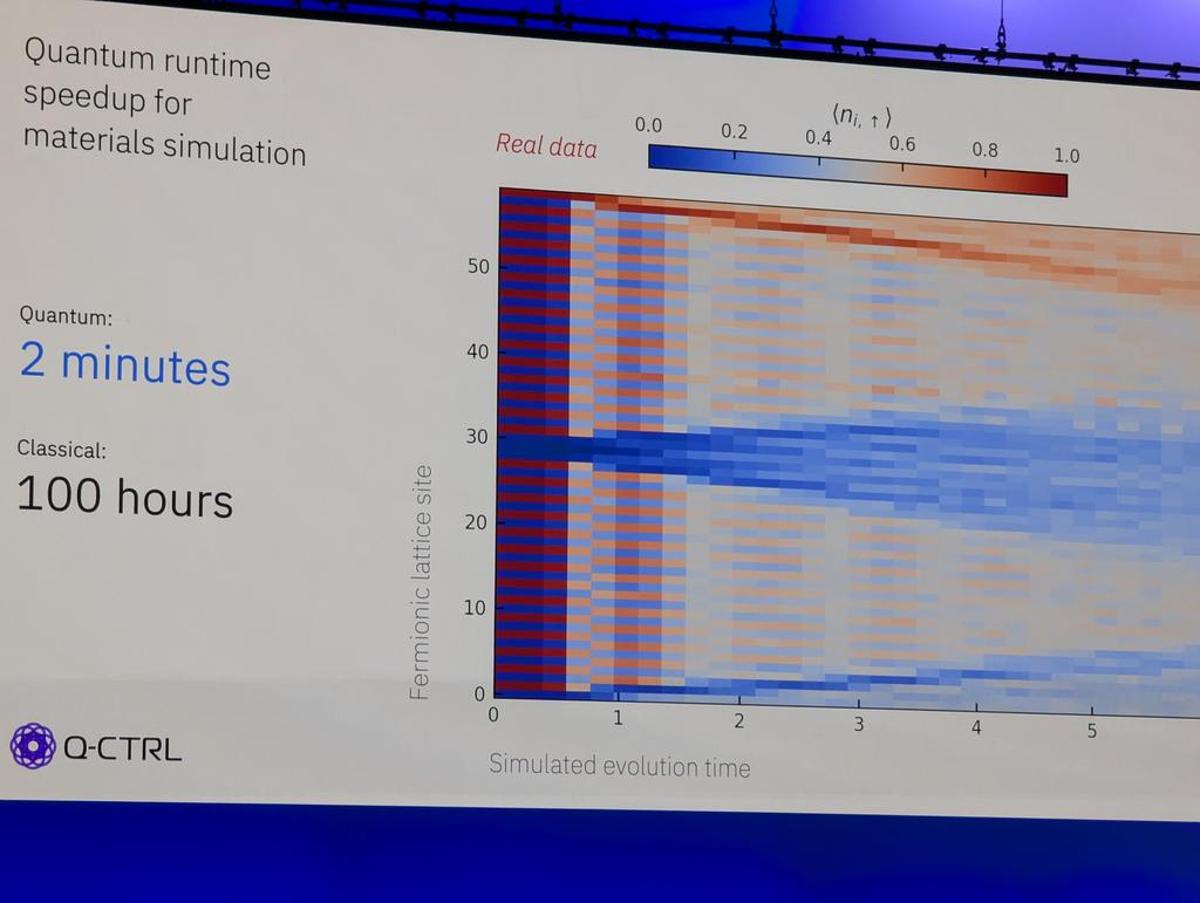
Quantum Simulation Beats Classical by 3000× Using Q‑CTRL
And @MJBiercuk saves a quantum advantage example - in aaterials simulation quantum took 2 minute. Classic computing 100 hours. Of course using @qctrlHQ... #IBMThink https://t.co/aC3VMVYGE0
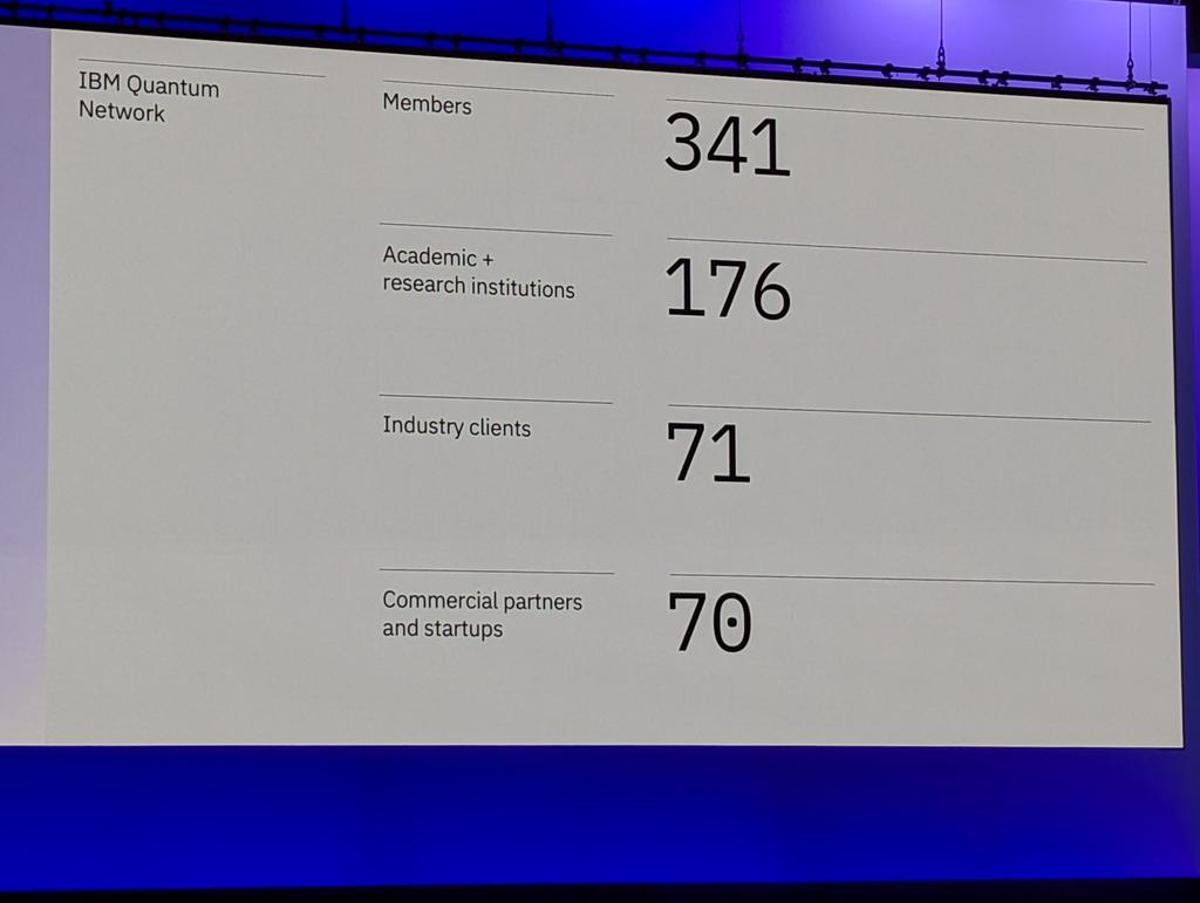
IBM Quantum Network Grows to 341 Diverse Members
Next up - it's @JMGarcia talking about the @IBM Quantum Network. Members 341 Academic + research institutions 176 Industry clients 71 Commercial partners and startups 70 #IBMThink https://t.co/OKcmrDg62e
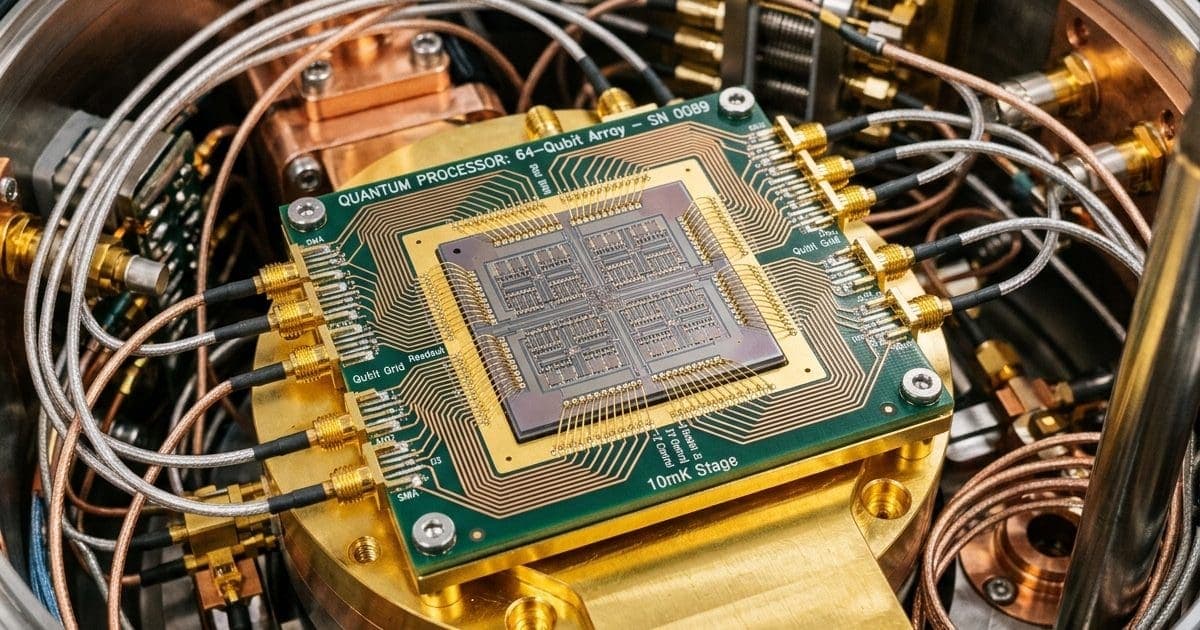
Top Quantum Hardware Companies 2026 By Modality
The 2026 quantum‑hardware landscape is organized around six modalities, each dominated by a handful of commercial vendors. Superconducting platforms, led by IBM’s 1,121‑qubit system, hold the highest qubit counts, while trapped‑ion firms such as Quantinuum deliver the best gate fidelities...
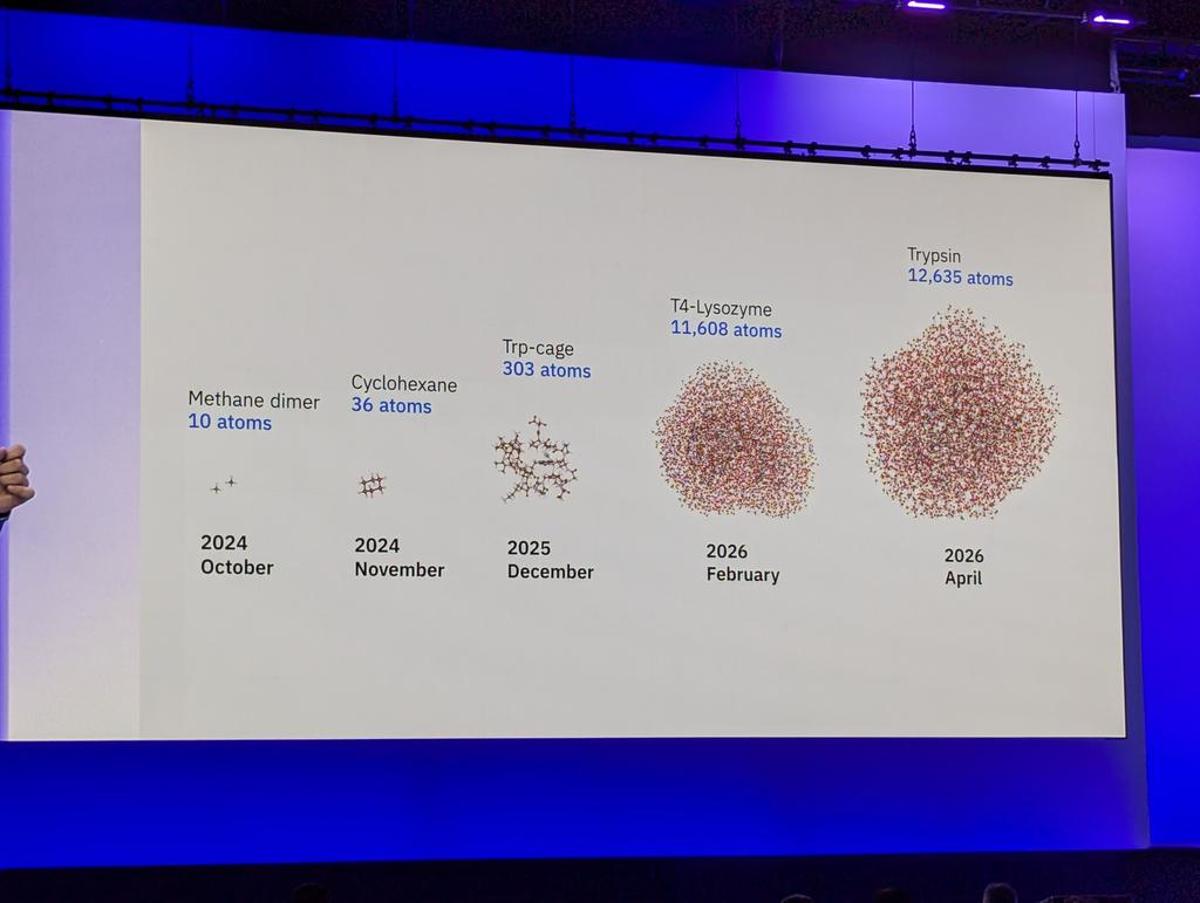
IBM Quantum Simulates 13,635‑Atom Protein, Hitting HPC Limits
And @JMChow shares how @ClevelandClinic on an @IBM quantum system has reached the limits of HPC - 13635 atoms in a protein molecule. #IBMThink https://t.co/PdyO2n1ZIz
Quantum Computing Can't
There is nothing "safe" about ignoring quantum computing, in any context. It's not time to throw your entire security and/or R&D budget at it, but it is most certainly time to evaluate its promise and peril for whatever industry you...
EleQtron Secures $62 Million Series A, Backed by Retail Giant Schwarz Digits
eleQtron announced a €57 million ($62 million) Series A round led by Schwarz Digits, the tech arm of Europe’s largest retailer. The funding, one of the biggest in European quantum computing, will expand production, cloud access, and its proprietary MAGIC trapped‑ion platform,...

Quantum and AI Will Co‑lead, Not Compete
I congratulated @jaygambetta on Quantum making it from no show to some show to 1/3 agenda point of the Think keynote - and asked when it will be #1. He answers he doesn't foresee Quantum to overtake AI. Its going...
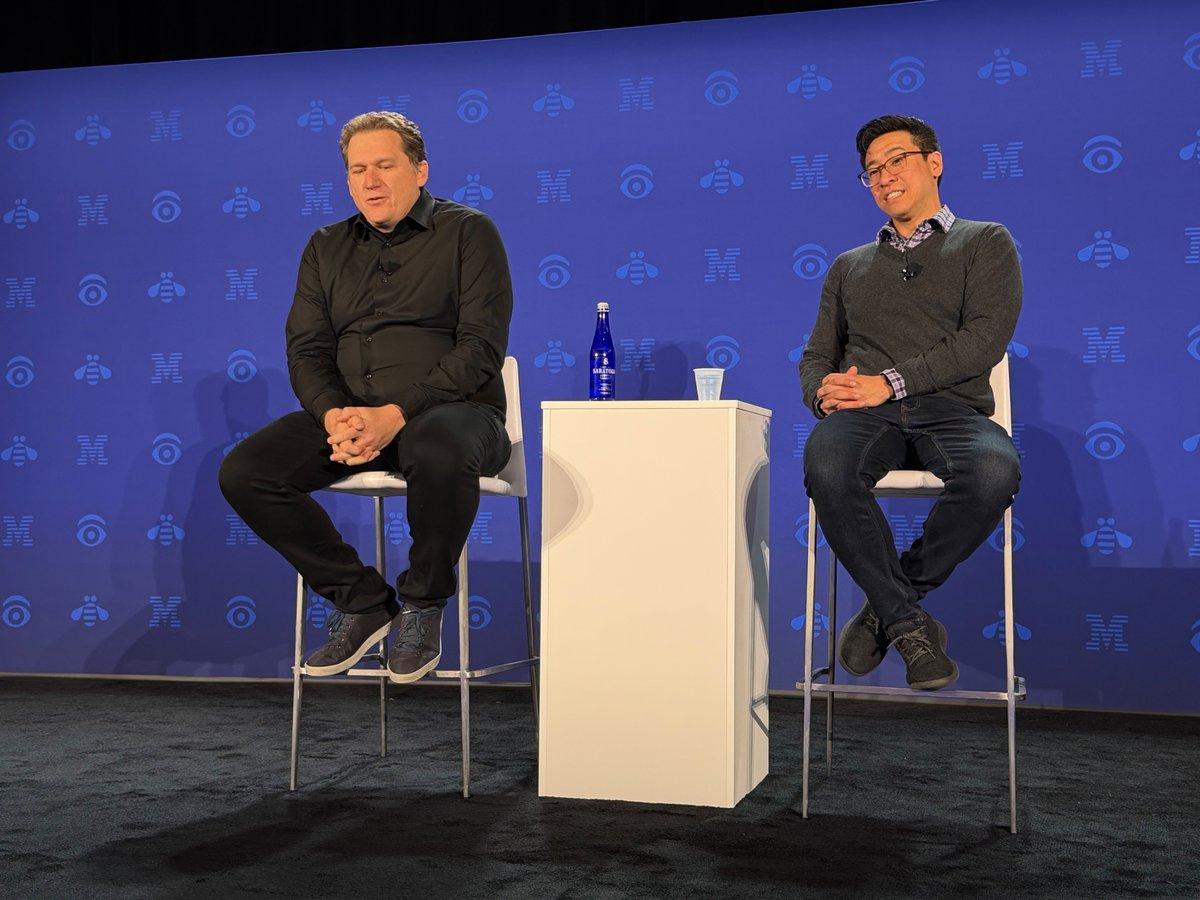
IBM Leaders Discuss Quantum-Classical Computing Intersection
Next up... a deep discussion w/ head of @IBM Research Jay Gambetta and CTO Jerry Chow on quantum computing and where IBM research is today with their quantum journey. Lots of discussion around the intersection of classic and quantum computing. #CIO...
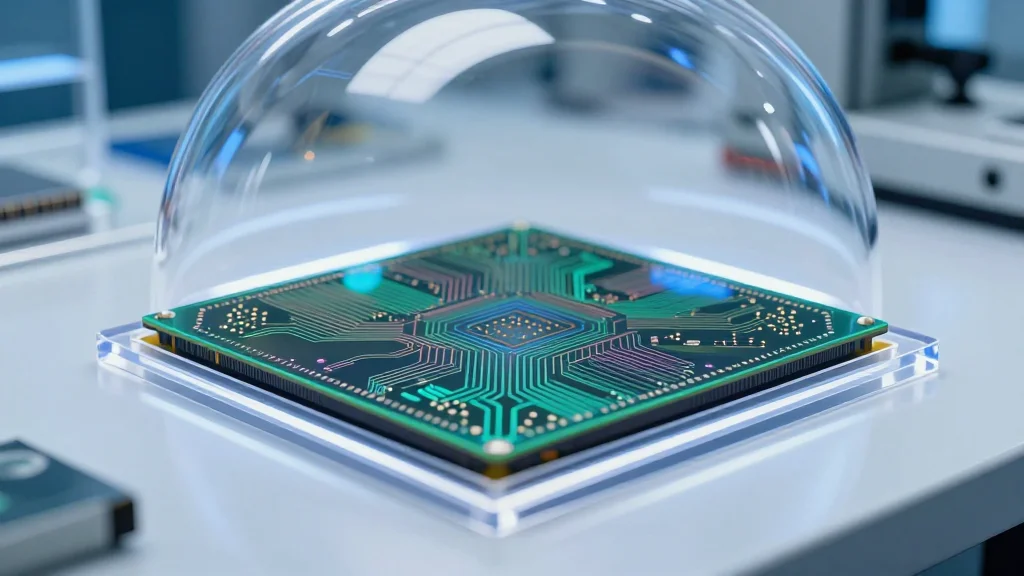
QuantWare Secures $178 Million Series B to Build Industrial‑Scale Quantum Processors
Dutch quantum‑hardware startup QuantWare raised €152 million ($178 million) in a Series B round led by Intel Capital, with participation from In‑Q‑Tel, ETF Partners and existing backers. The money will fund KiloFab, the world’s first dedicated open‑architecture quantum fab, and accelerate the VIO‑40K...
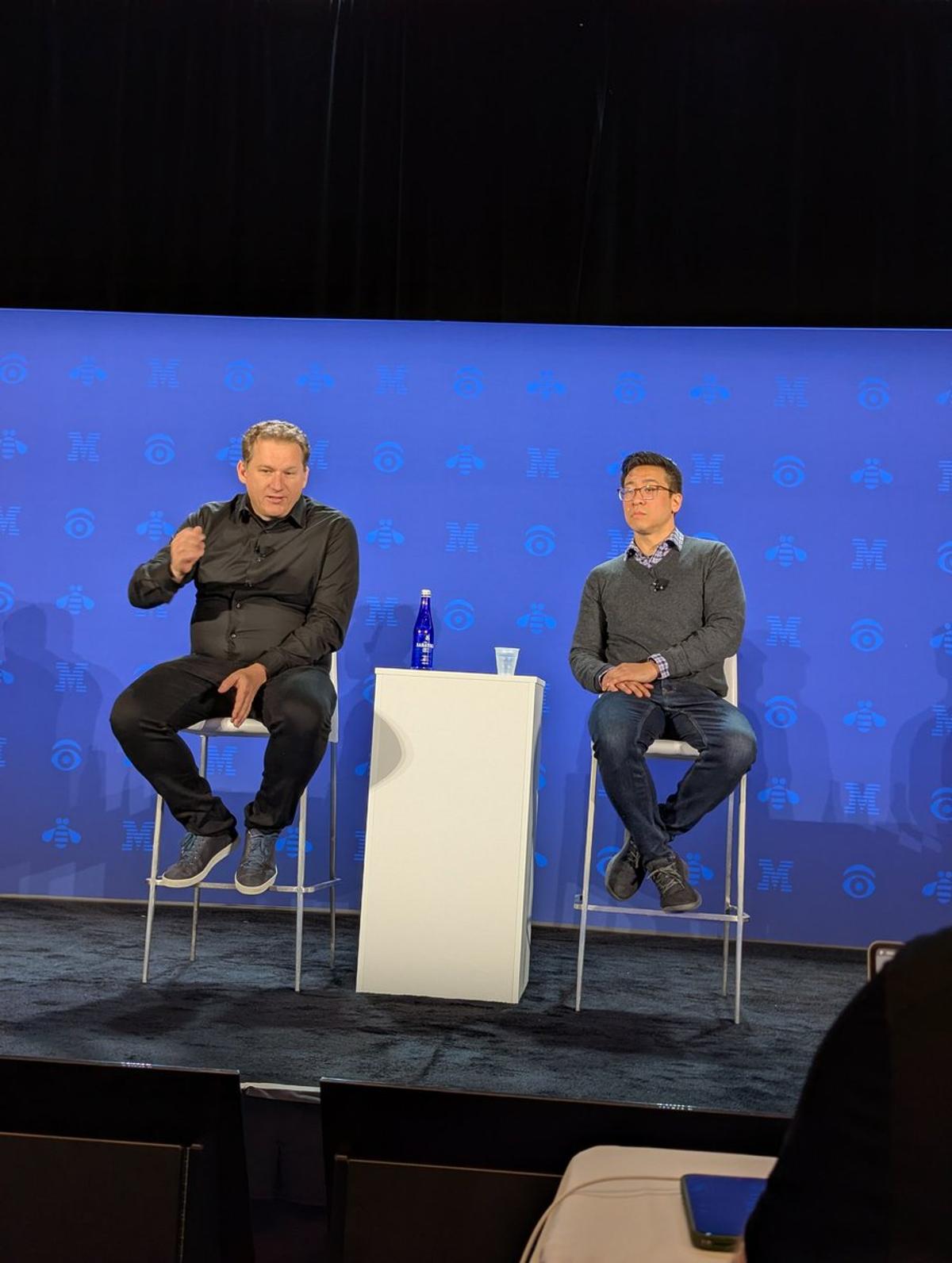
Quantum Mapping Surpasses Tensor Models in Capacity
And it's the Quantum AMA with @jaygambetta and @jmchow getting ready. Gambetta - we have now less tensor model capacity than do the quantum mapping. It's easier for them to use quantum than using tensor methods. #IBMThink https://t.co/H1kDxy9IzN

Random Unitaries Demand N-Order Doping Beyond Classical Simulation Barrier
Researchers have shown that generating truly random unitaries with doped Clifford circuits requires a precise amount of non‑Clifford gate doping. A quadratic doping level t = Θ(k²) is both necessary and sufficient to approximate the frame potential, while achieving relative‑error...
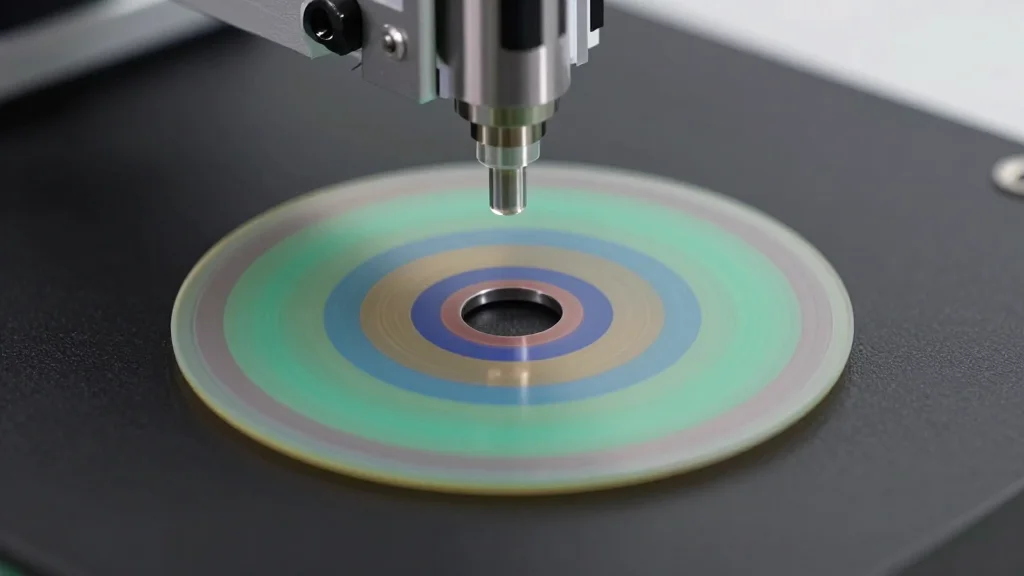
Xanadu and EVG Partner on Heterogeneous Integration and Wafer Bonding Processes for Photonic Quantum Systems
Xanadu Quantum Technologies and Austria’s EV Group have formed a strategic partnership to develop heterogeneous integration and wafer‑bonding processes for photonic quantum computers. EVG will supply industrial‑grade bonding and lithography tools to fabricate Xanadu’s multi‑material photonic chips, aiming to shift...
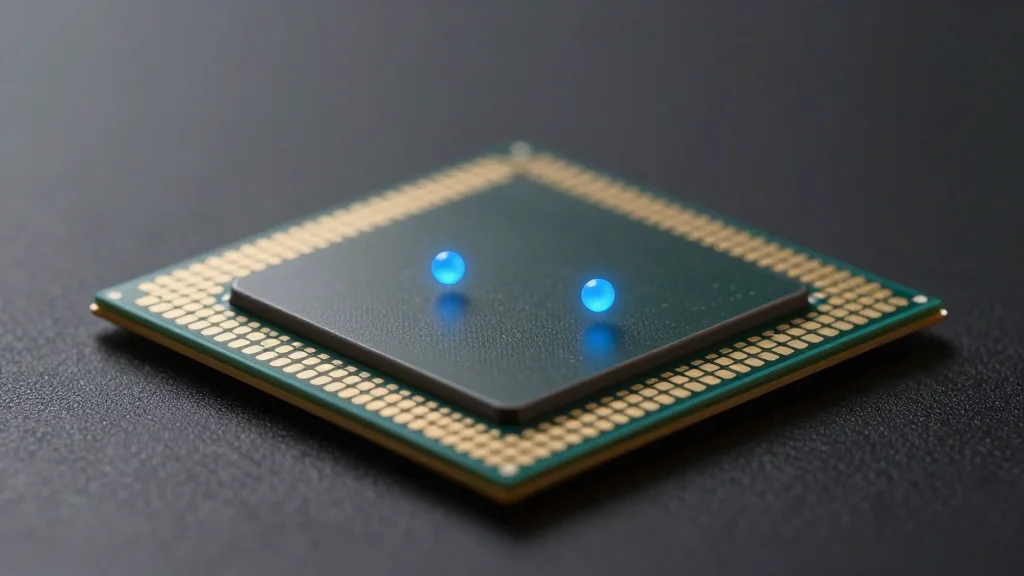
Two-Qubit Logic and Teleportation with Mobile Spin Qubits in Silicon
Researchers demonstrated high‑fidelity two‑qubit logic and quantum‑state teleportation using mobile spin qubits in a silicon‑based six‑dot array. By synchronously shuttling two electrons in conveyor‑mode potentials, they activated a tunable exchange interaction up to ~90 MHz and achieved a CZ‑gate fidelity of...
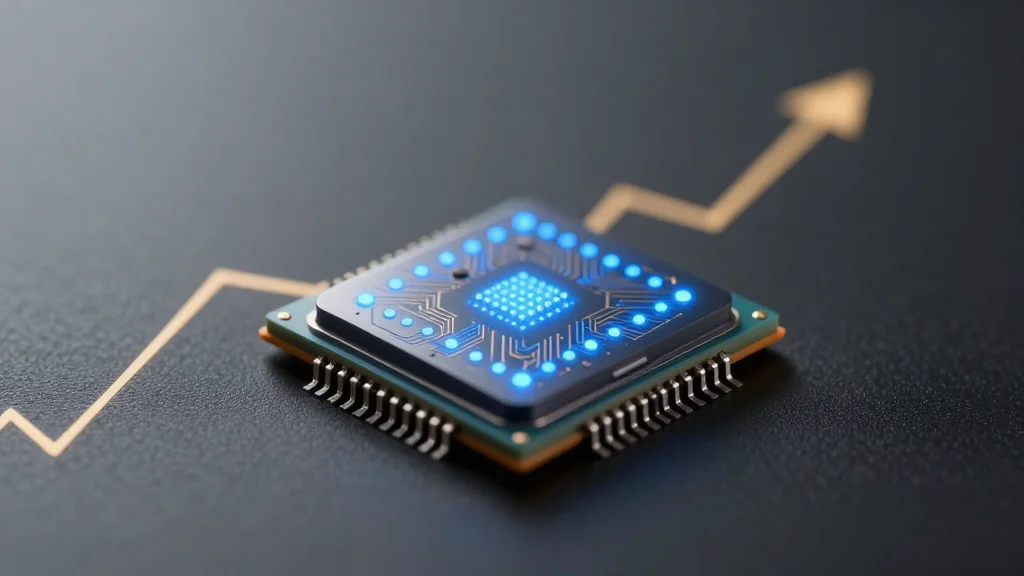
Robinhood Retailers Bet $X B on Nvidia, Alphabet and Microsoft as Quantum Picks Surge
Robinhood users have vaulted Nvidia, Alphabet and Microsoft into its top‑10 most‑traded stocks as retail enthusiasm for quantum computing spikes. The trio’s recent breakthroughs—Nvidia’s Ising AI models, Alphabet’s Willow processor and Microsoft’s Majorana 1 chip—are fueling a $100 billion market outlook, even...

QuantWare Raises €152 Million in the Largest Private Round for a Dedicated Quantum Processor Company
QuantWare, the Delft‑based quantum processor maker, closed a €152 million ($178 million) Series B round, the biggest private financing for a dedicated quantum chip company. The funding backs its VIO‑40K architecture, designed to deliver 10,000‑qubit superconducting processors—about 100 times today’s leading devices. New backers...
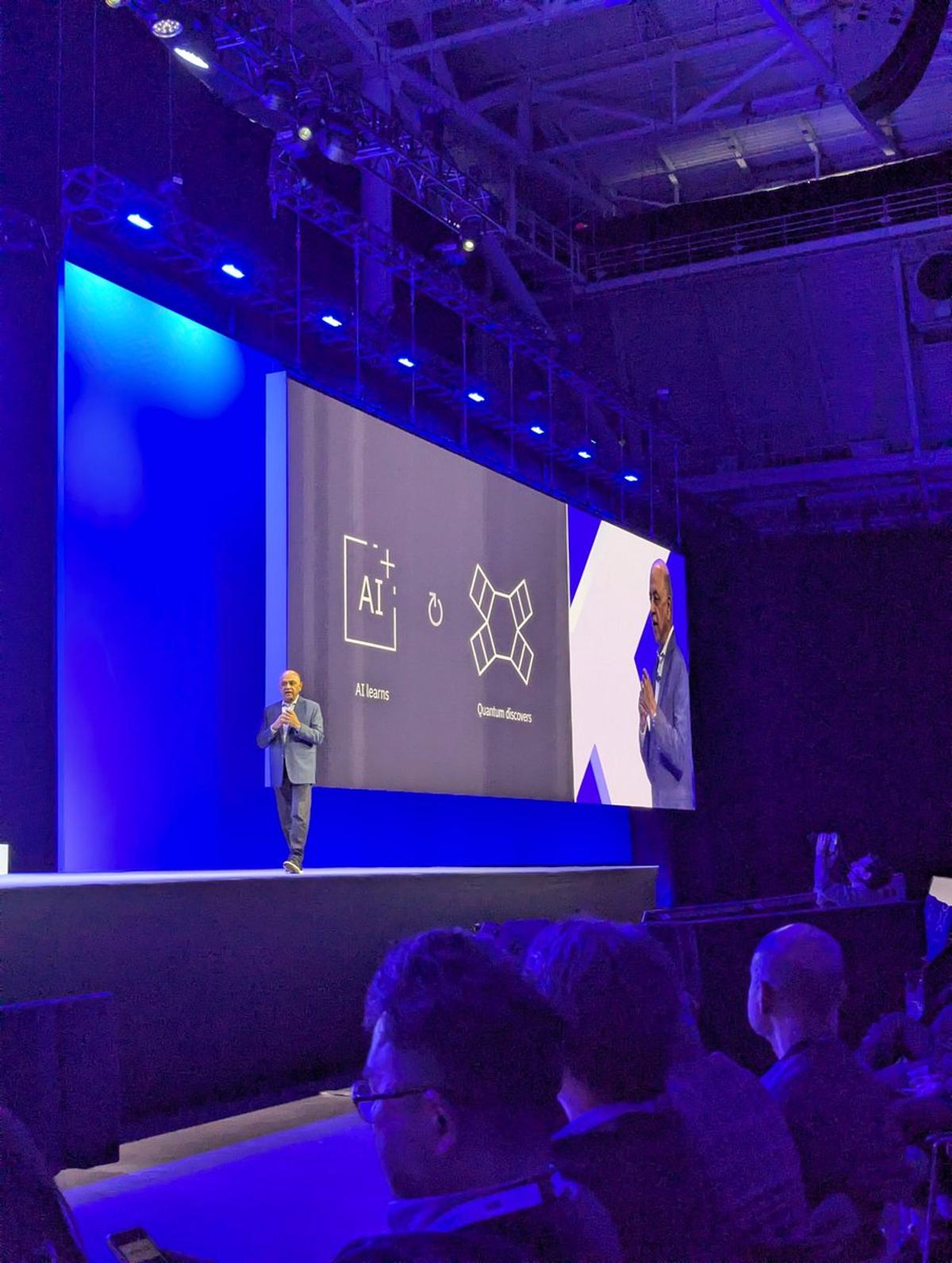
Quantum and AI Complement Each Other, IBM Expands Cloud Access
Quantum and AI do not compete - but complement each other says @ArvindKrishna - @IBM has now deployed 80+ cloud accessible quantum machine with 300+ partners. #IBMThink https://t.co/wxXszY6kHI
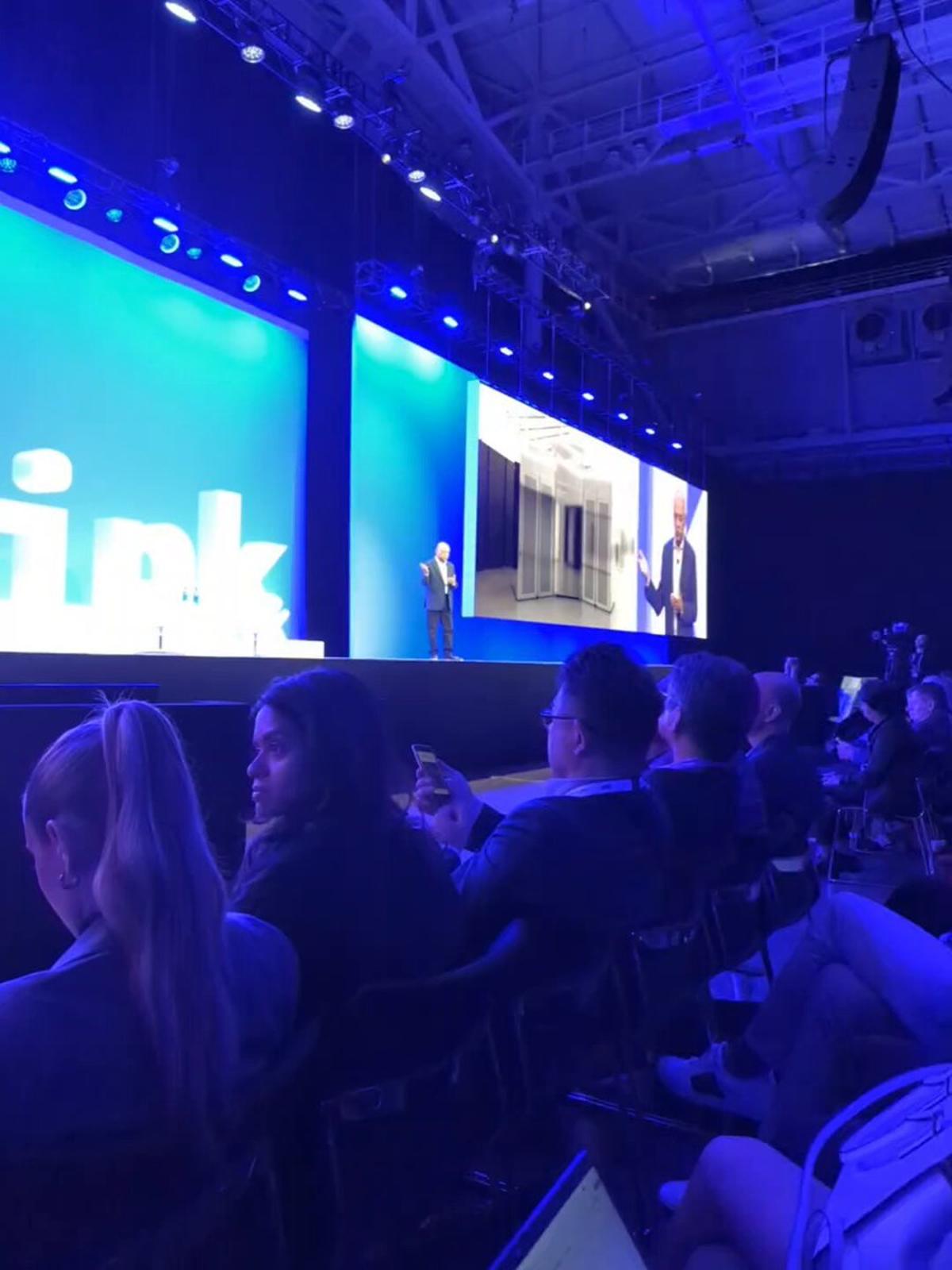
Quantum Advantage Arrives in 2026, Ushering New Computing Era
And @ArvindKrishna is at .. quantum. The first paradigm in computing in 80 years. Quantum advantage is here in 2026. #IBMThink https://t.co/30Fr0BZtWx
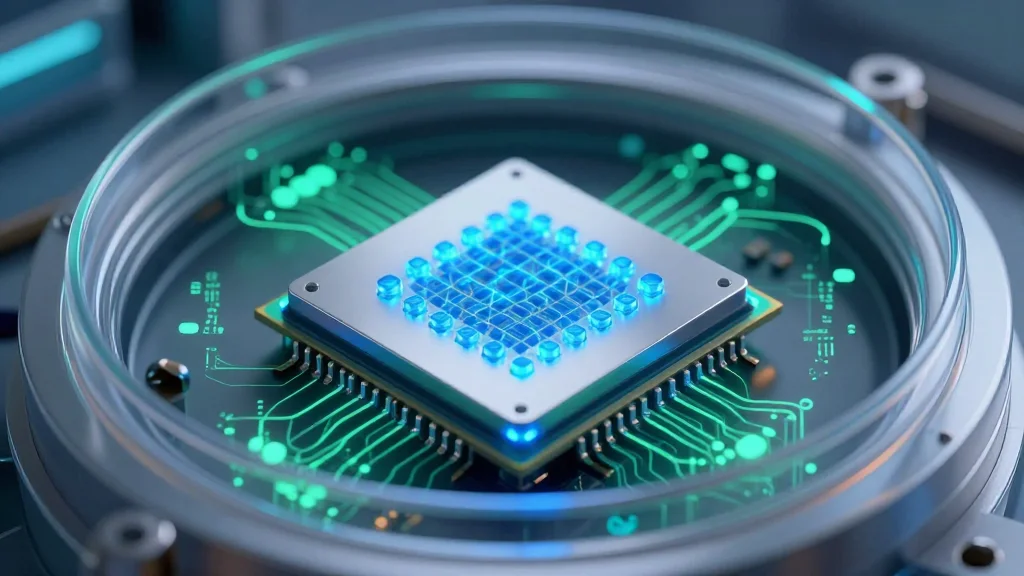
Nvidia Unveils Open‑Source Ising Model, Sending Quantum Start‑Ups’ Shares Soaring
Nvidia announced the open‑source Ising AI model, a control‑plane framework for quantum processors. Within minutes, IonQ jumped 21%, Rigetti rose 13.3% and D‑Wave surged 22.6%, signaling investor optimism that Nvidia’s AI expertise will accelerate quantum error mitigation and commercial adoption.
D-Wave Announces Qubits Europe 2026 Quantum Computing User Conference
D‑Wave announced Qubits Europe 2026, a full‑day quantum computing user conference in London on June 18, 2026. The event will unveil the company’s dual‑platform roadmap covering annealing, gate‑model systems, hybrid software, quantum AI and blockchain. It arrives as Europe ramps...

Proton Mail Rolls Out Post-Quantum Encryption for All Users as Industry Braces for ‘Harvest Now, Decrypt Later’ Threat
Proton Mail announced that its email service now offers post‑quantum encryption (PQC) to all users, including those on free plans, adding a quantum‑resistant layer to newly sent messages. The PQC keys are generated alongside existing RSA and ECC algorithms rather...