Today's Quantum Pulse
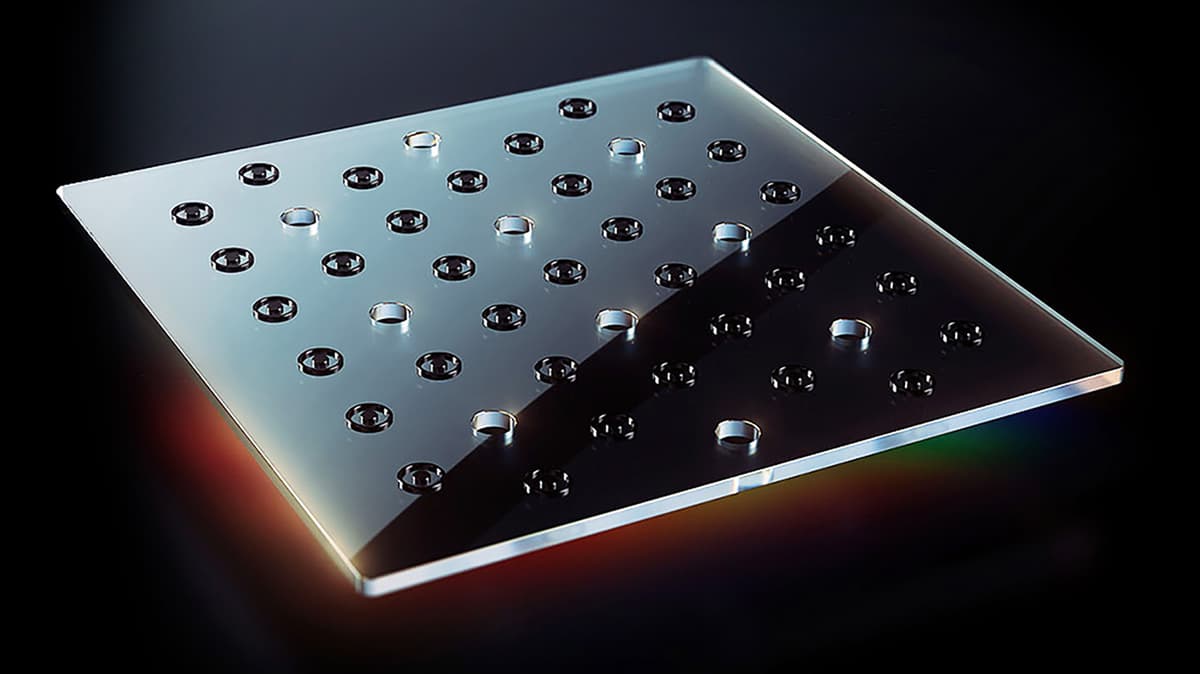
JPMorgan, OQC, and AMD team up on London quantum‑AI data center
Oxford Quantum Computing, JPMorgan Chase, and AMD announced a joint research effort to build a colocated quantum‑AI data center in London. The facility will combine OQC’s Genesis quantum processor with AMD’s AI and high‑performance computing hardware to tackle finance‑focused workloads such as portfolio optimization and quantum machine learning.

Quantum Matters: Where Quantum Computing Gets Real
In this debut episode of Quantum Matters, host Murray Tom demystifies quantum computing by highlighting that the technology is already operational and delivering tangible results. He explains how quantum machines are tackling problems that are too costly or time‑consuming for classical computers, and shares early case studies from D‑Wave’s commercial deployments. The episode features insights from industry leaders and researchers who illustrate real‑world ROI and the scaling of quantum hardware. Listeners gain a clear picture of where quantum computing stands today, cutting through hype to understand its practical impact.
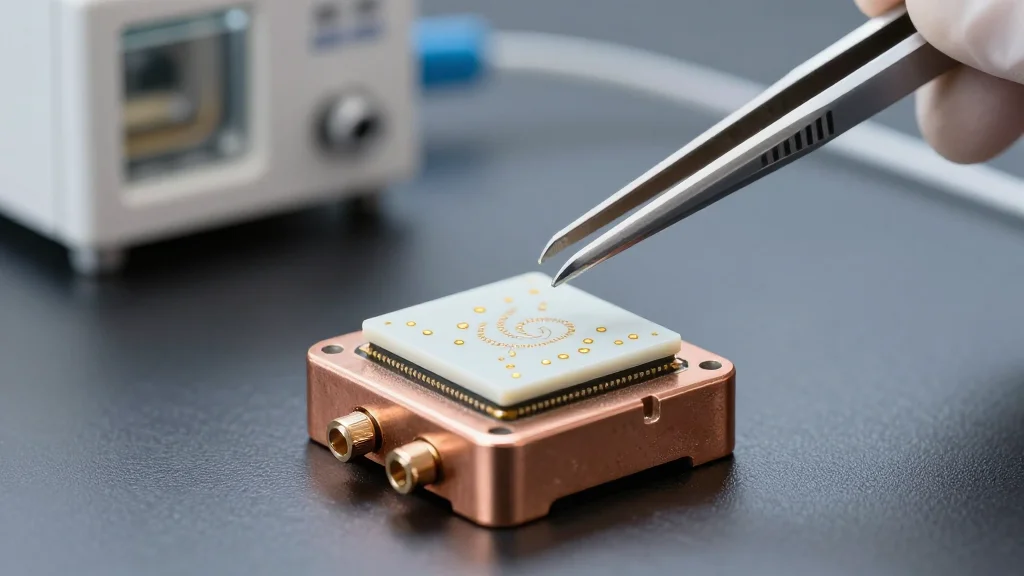
Semiconductor-Based Quantum Pilot Line ‘SPINS’ Launched with EU Support
The EU has launched the €50 million SPINS pilot line, one of six quantum pilot facilities created under the Chips Act. Coordinated by imec, SPINS unites 25 RTOs, industry players and universities to develop semiconductor‑based spin‑qubit chips. The initiative targets three...

Citi Research Explores Quantum Innovation for National Security and Infrastructure
Citi Research is spotlighting quantum technologies as a strategic asset for national security and critical infrastructure. In a recent podcast, Infleqtion CEO Matthew Kinsella said quantum computing is closing the gap to practical use, while quantum sensing already delivers superior...
Quantum AI Conference Calls for Papers; Chair Leads NLP Track
Please see below the call for papers for the 2nd Quantum AI conference in Indiana, this summer August 14-16. I will be chairing the quantum NLP track. Last year it was great in many ways, with lots of...
Quantum CNNs Proven Classically Simulable Without Barren Plateaus
Extremely proud to see our paper "Quantum Convolutional Neural Networks are Effectively Classically Simulable" published in @PRX_Quantum https://t.co/1UGukJYQLv This is an instantiation of our work, provable absence of barren plateaus implies classical simulability.

Skeptic Mathematician Gil Kalai From Reichman University and the Hebrew University of Jerusalem
In this episode, mathematician Gil Kalai discusses his skeptical view that large‑scale quantum computers are unlikely to succeed because of fundamental noise and error‑correction limits. He outlines two lines of theoretical work: one proposing correlated noise that would thwart fault...
IonQ Stock Slides 24.9% in March as Analysts Cut Targets Amid Iran Conflict
IonQ (IONQ) saw its stock tumble 24.9% in March, the steepest monthly decline since the start of the year. The slide followed analyst downgrades that cut price targets to $35 and $42, and was amplified by market flight from growth...

Quantum Computing Could Fix AI’s Sustainability Problem
Artificial intelligence’s soaring energy demand threatens to raise the tech sector’s carbon footprint beyond 3 % of global emissions. Neutral‑atom quantum processing units, such as Pasqal’s Orion system, consume only a few kilowatts and emit kilograms of CO₂ per hour, dramatically...

Circle’s Arc Is Building Quantum Resistance Before It Needs To And That’s the Point
Circle announced a comprehensive quantum‑resistance roadmap for its upcoming Arc layer‑1 blockchain, which is designed around stablecoin infrastructure. The plan outlines a phased, full‑stack approach that integrates quantum‑safe cryptography into the network’s core protocol, consensus, and application layers before quantum...
Quantum Zeitgeist Weekly Digest
The weekly Quantum Zeitgeist Digest highlights a surge of breakthroughs aimed at scaling fault‑tolerant quantum computers. QuEra released Tsim, a GPU‑accelerated simulator that handles circuits with over 80 physical qubits, while IBM and the University of Sydney unveiled an error‑correction...

Rigetti's 99.9% Two‑Qubit Fidelity Raises Hopes, Yet IonQ Still Leads Accuracy Race
Rigetti Computing reported a two‑qubit gate fidelity of up to 99.9%, a key milestone for the quantum‑computing firm. Analysts note the achievement narrows the accuracy gap with rival IonQ, which claims 99.99% fidelity and a 256‑qubit system slated for 2026....
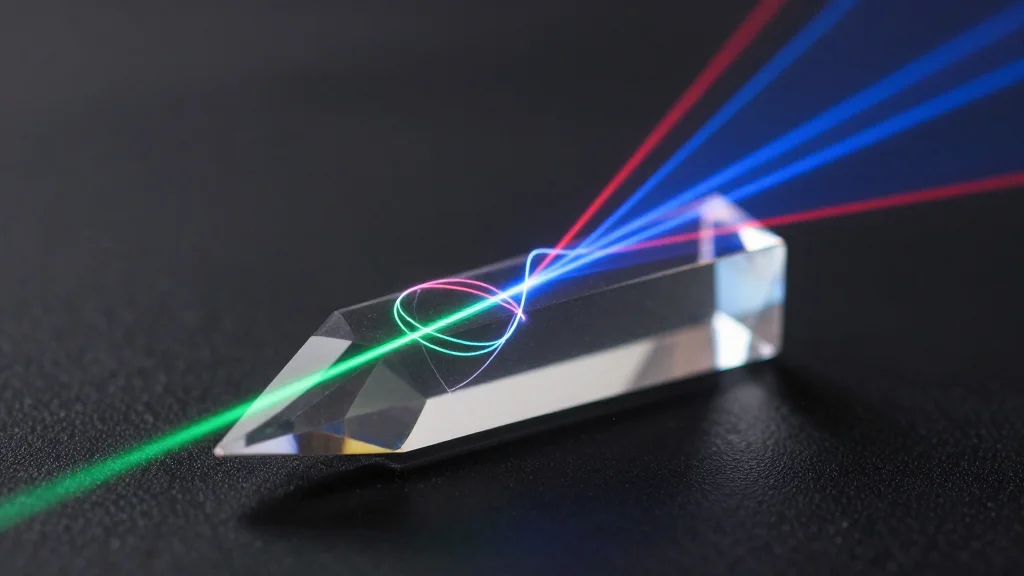
TU Delft Physicists Demonstrate 37‑Dimensional GHZ Paradox, Tightening Quantum Contextuality Limits
Physicist Zhenghao Liu and his colleagues at the Technical University of Denmark have experimentally realized a three‑context Greenberger‑Horne‑Zeilinger paradox in a 37‑dimensional optical system, showing quantum predictions starkly diverge from any noncontextual hidden‑variable theory. The result sharpens the boundary between...

Post-Quantum Cryptography: Moving From Awareness to Execution
Google’s new whitepaper moves the anticipated quantum‑break date, or “Q‑Day,” to 2029 and urges enterprises to adopt post‑quantum cryptography (PQC). The tech giant highlights that elliptic‑curve encryption could be compromised with fewer qubits than previously thought, and it showcases concrete...

ESP32-S3 Gets Post-Quantum Encryption with Aethyr Edge Node Open-Source Firmware
Aethyr Research has released open‑source firmware for ESP32‑S3 that adds post‑quantum encryption using ML‑KEM‑768, BLAKE3, and XChaCha20‑Poly1305. The firmware boots in 2.1 seconds and completes a full PQC handshake in 35 ms, with an 833 KB flash footprint and 157 KB free SRAM. It...
Postquant Labs Launches Quip.Network Testnet for Decentralized Quantum-Classical Optimization
Postquant Labs has launched the public Quip.Network testnet, attracting over 13,000 early sign‑ups. The platform combines a Compute Layer that markets quantum and classical processing power with an Asset Layer that adds post‑quantum security to existing blockchains. It leverages D‑Wave...
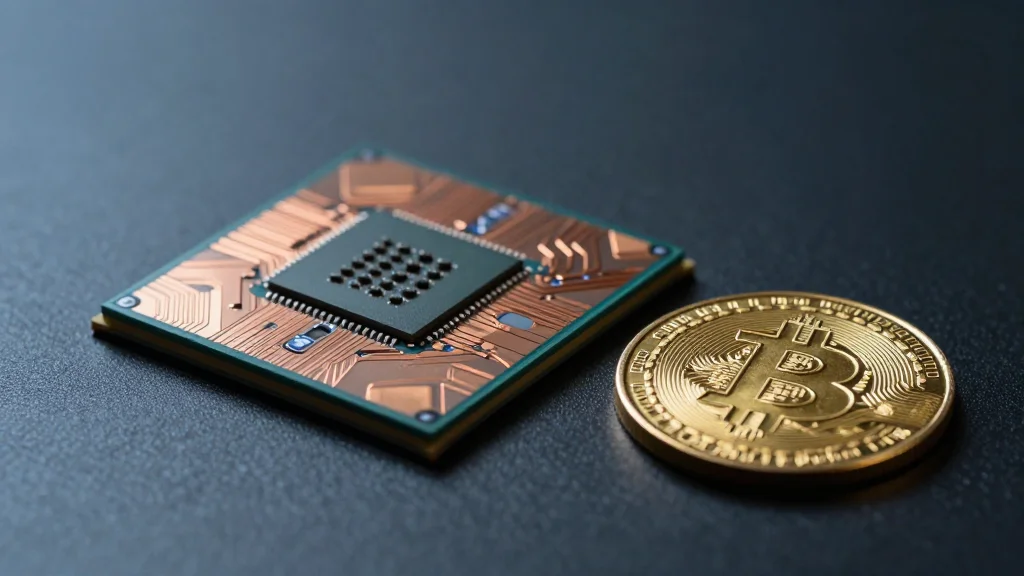
Rushing Bitcoin to PQ Signatures Risks New Vulnerabilities
It’s been almost 10 years since the Blocksize Wars ended and Brian hasn’t changed at all. He still carries the exact same complete lack of humility and understanding. Brian forms the opinion first, along with a prescribed course of action and...
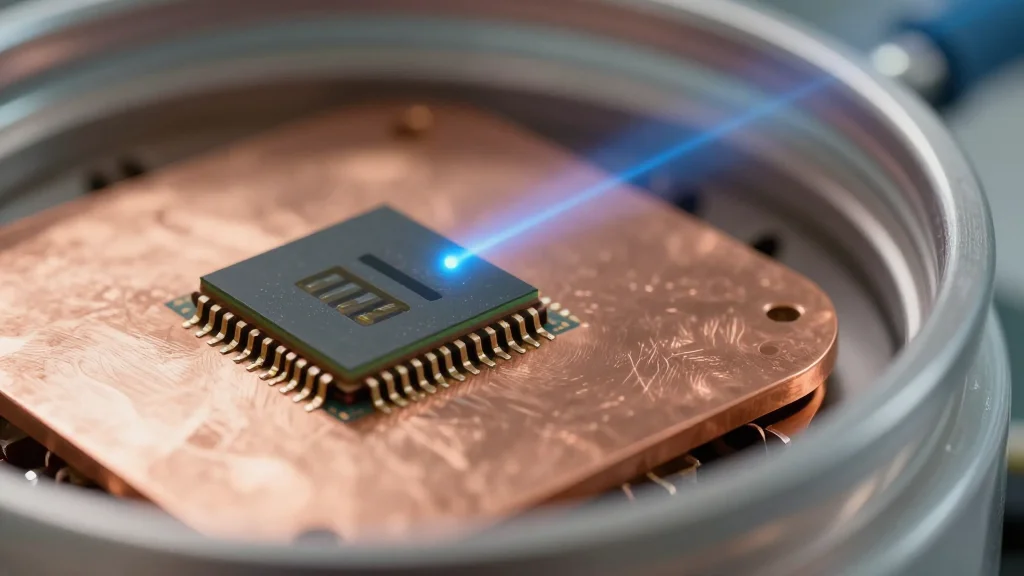
Real‑time Qubit Loss Tracking 100× Faster, Boosts Stability Insight
A new measurement method enables real-time tracking of information loss in superconducting qubits, operating over 100 times faster than previous techniques and offering deeper insight into quantum computer stability. quantumcomputing
IBM Sets New Quantum Fidelity Record: 98% Peak Accuracy Sustained Over 55 Μs
IBM and partners shattered previous benchmarks by reaching 98.05% peak encoding fidelity on its 127‑qubit processors and keeping 84.87% fidelity for 55 microseconds, the longest high‑fidelity interval recorded. The breakthrough, enabled by a hybrid error‑suppression protocol, marks a pivotal step toward...

University of Maryland and Los Alamos National Laboratory Enhance Quantum Phase Estimation with Tapering Functions
Researchers at the University of Maryland and Los Alamos National Laboratory introduced tapered quantum phase estimation (tQPE), a method that reshapes the initial ancilla state using discrete prolate spheroidal sequences. By optimizing these starting conditions, tQPE lifts the baseline success...

Quantum Circuits Reveal Hidden Entanglement Changes with New Entropy Measures
Researchers at Seoul National University have introduced a new framework for analyzing the full distribution of entanglement entropy in hybrid quantum circuits that combine random Clifford gates with measurements. By calculating higher‑order moments such as variance, skewness, and the index...
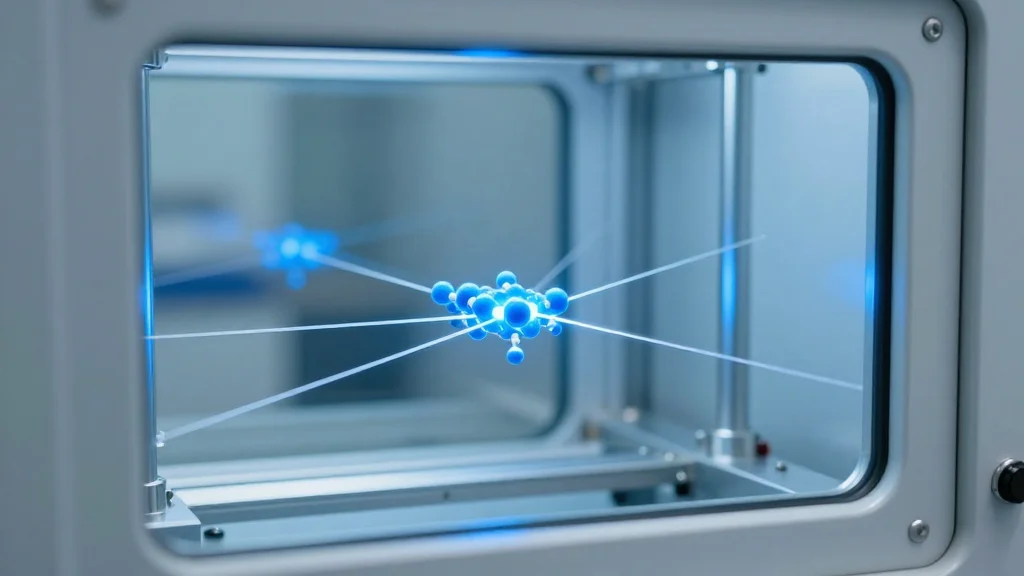
Google Expands Quantum Efforts to Include Neutral Atom Systems
Google Quantum AI announced a new neutral‑atom quantum computing program, expanding beyond its traditional superconducting qubit focus. The initiative, led by Adam Kaufman in Boulder, Colorado, will pursue quantum error correction, modeling and simulation, and experimental hardware development. It follows...

Small Quantum System Outperforms Large Classical Networks in Real-World Forecasting
Researchers at the University of Science and Technology of China have demonstrated that a quantum reservoir computer built from just nine interacting atomic spins can outperform classical neural networks containing thousands of nodes in real‑world weather forecasting. By encoding input...
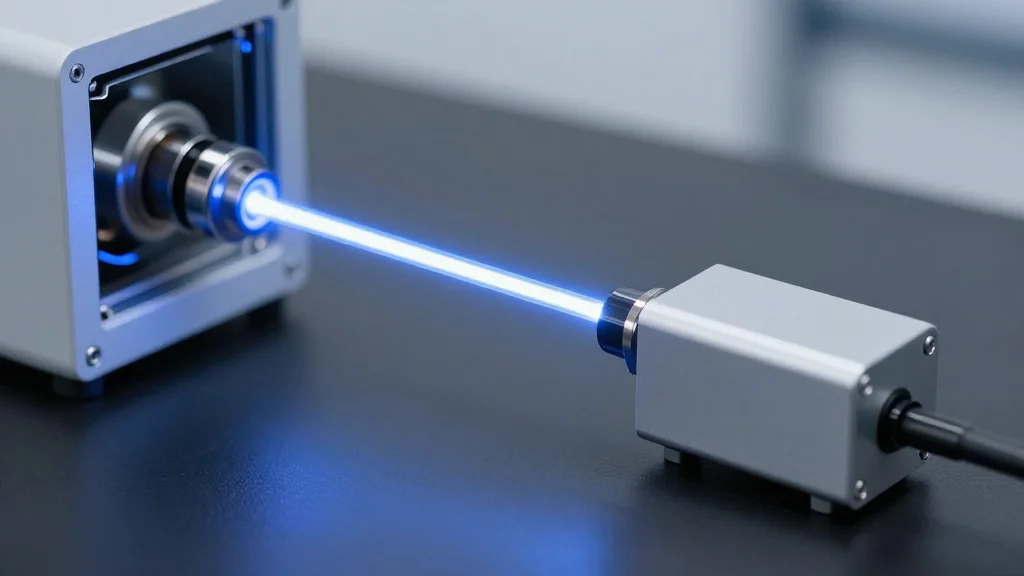
Technion Researchers Directly Measure 27‑fs Quantum Light Pulses
A team at Israel's Technion, headed by Dr. Michael Krüger, directly measured the duration of individual bright squeezed vacuum (BSV) light pulses at 27.2 femtoseconds, confirming their ultrafast nature and revealing a random π‑phase distribution. The result clears a long‑standing...
Sydney Study Cuts Physical Qubit Count for Fault‑Tolerant Quantum Computers
University of Sydney physicists announced a new quantum error‑correction technique that could slash the number of physical qubits required for large‑scale, fault‑tolerant quantum processors. The method, based on gauge theory, has already been incorporated into IBM’s roadmap, offering a tangible...

Just-in-Time Decoding Enables High‑Threshold 2D Non‑Pauli Quantum Gates
Recent weeks have brought a range of new ideas in quantum error correction for fault tolerant-quantum computing, along with deeper exploration of their implications. We introduce a new approach: a method for achieving high-threshold decoding of non-Pauli codes aimed at...
IonQ Forecasts $225‑$245 Million Revenue in 2026 as Quantum Market Matures
IonQ Inc. projected 2026 revenue of $225‑$245 million, citing a growing customer base, an expanded product portfolio and a $370 million backlog. The outlook reflects the company’s strong cash position and its push toward a 256‑qubit system as the quantum computing market...
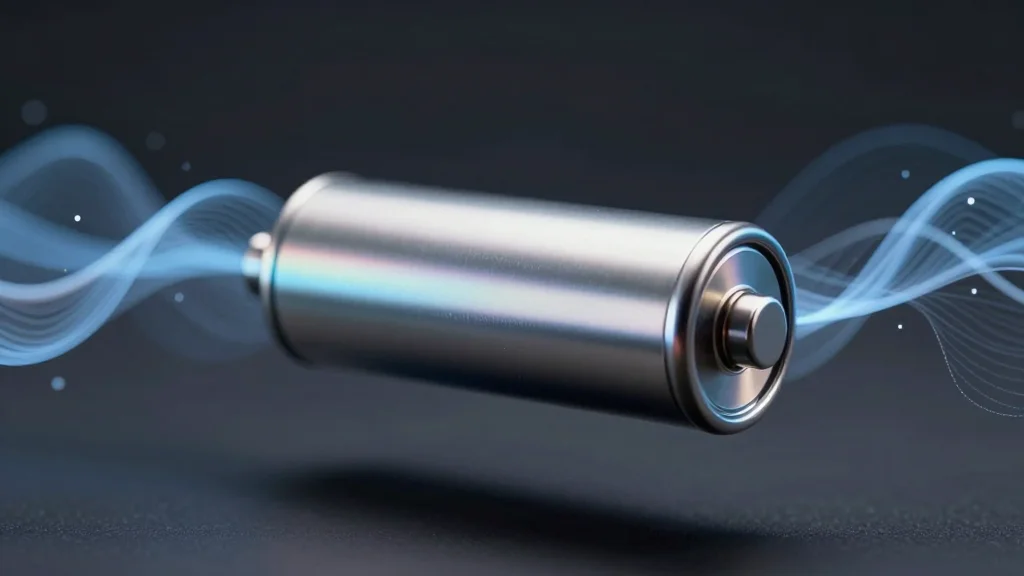
Quantum Battery Charges Faster as It Grows, Defying Classical Limits
Scientists at Australia’s CSIRO and RMIT University have built a quantum battery whose charging time shrinks as the device gets larger, overturning the classic trade‑off between size and speed. The prototype uses collective light‑matter interactions to achieve femtosecond charging and...
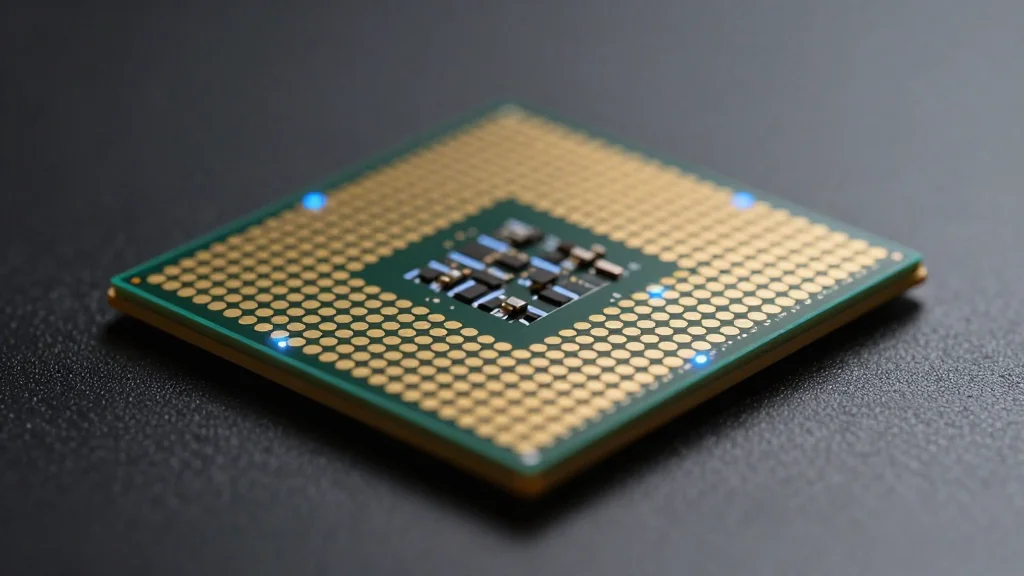
Navigating the Quantum Resource Landscape of Entropy Vector Space Using Machine Learning and Optimization
A new preprint introduces a machine‑learning framework that maps entropy‑vector dynamics to identify quantum states violating Ingleton’s inequality, a boundary respected by stabilizer and holographic states. The authors prove pure‑state violations are impossible for five qubits or fewer, establishing six...
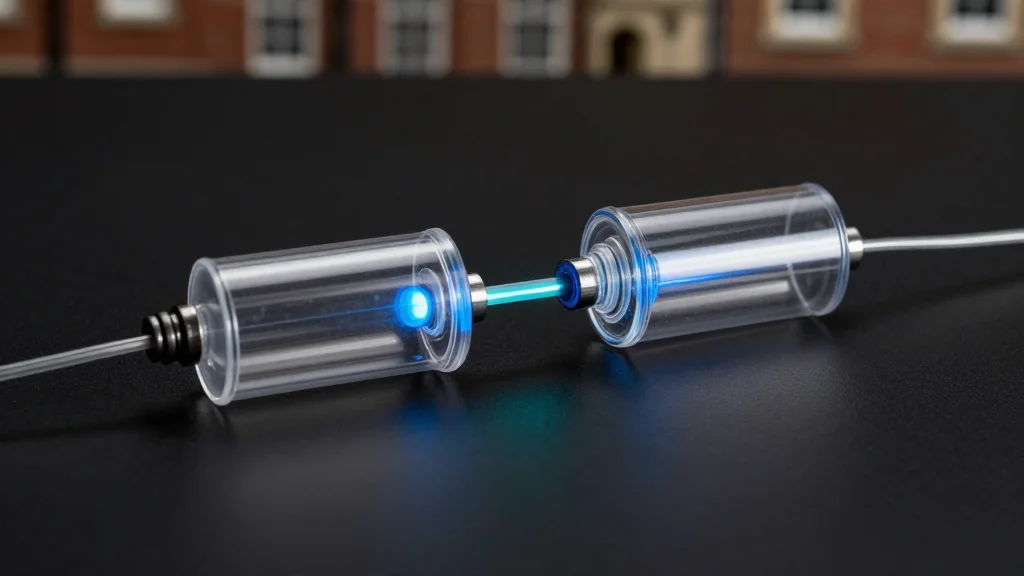
CavilinQ Secures $8.8M Seed Round to Develop Modular Quantum Interconnects
CavilinQ, a Cambridge‑based hardware startup, closed an $8.8 million seed round led by QVT with participation from several venture partners. The financing will fund a new laboratory in Cambridge, Massachusetts, and expand the engineering team to build production‑ready modular quantum interconnect...

Knocking on Quantum’s Door: QuiX Claims Photonic Error Reduction Breakthrough
QuiX Quantum announced the first below‑threshold error mitigation on a photonic quantum computer, using a 20‑mode processor and a photon‑distillation gate. The technique achieved a 2.2× reduction in photon‑indistinguishability error and a net 1.2× overall system‑error decrease. Collaborators include NASA’s...
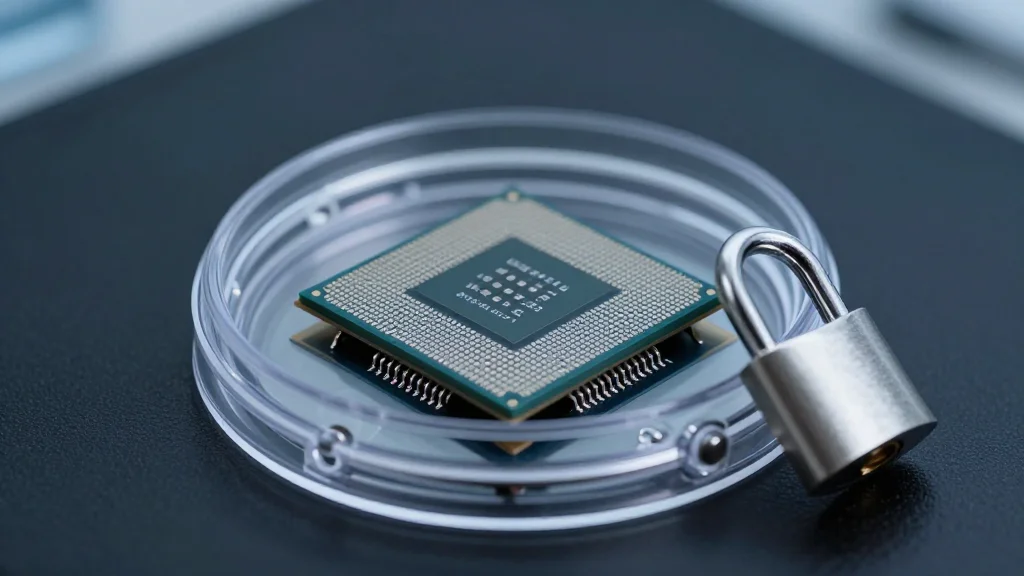
Quantum Computer Capable of Breaking Encryption Nearing Reality
The first quantum computer to break encryption is now shockingly close | New Scientist https://t.co/HsfzVRqn1R

New Tool on AWS Makes It Easier to Develop Quantum Error Correction
Quantum Elements and Amazon Web Services have launched Constellation, a cloud‑based digital‑twin platform that lets researchers model quantum error‑correction schemes on hypothetical quantum computers. The tool improves on existing simulators by capturing a broader range of error sources, offering higher...
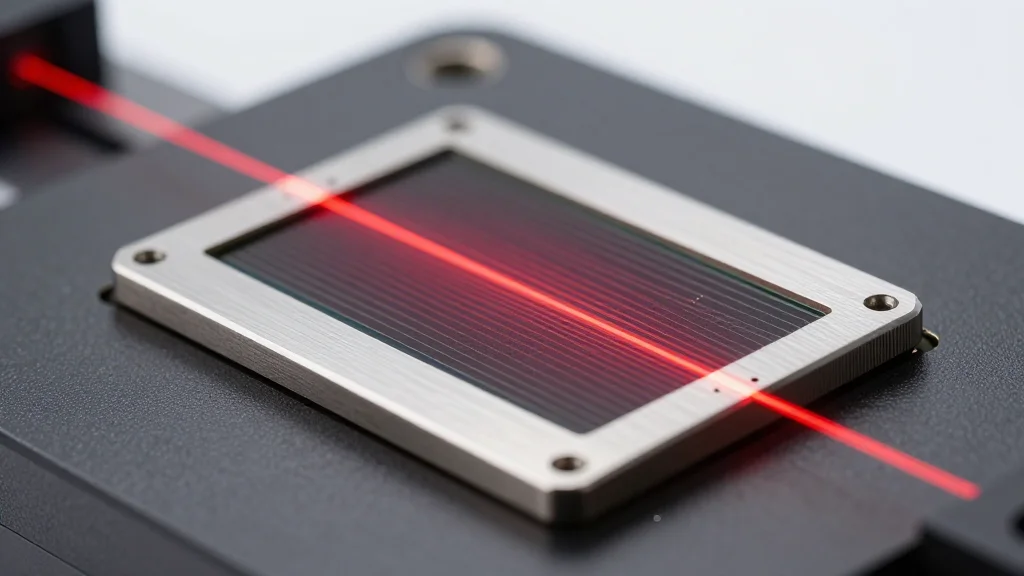
INRS Researchers Demonstrate Optical Technique to Pull Quantum Signals From Bright Noise
A team at Canada’s Institut national de la recherche scientifique (INRS) unveiled a Talbot‑array‑based method that isolates quantum photon signals from heavy optical background, raising the coincidence‑to‑accidental ratio from 2.2 to 21.3. The breakthrough promises more robust quantum communication and...

A Quantum Apocalypse Is Coming for the Internet
Google’s quantum research team released a white paper showing it can break 256‑bit elliptic‑curve cryptography using roughly 20 times fewer physical qubits than previously estimated. The breakthrough threatens the cryptographic foundations of most blockchains and many internet security protocols. The article...
US Intelligence Elevates Quantum to AI Threat Level
The U.S. Intelligence Community Just Put Quantum on Equal Footing with AI. And Expanded the Threat Definition https://t.co/BFmWJ9pOmy via @infosec

How Noise Limits Today's Quantum Circuits
A new theoretical study published in Nature Physics shows that realistic noise imposes a strict ceiling on the usable depth of quantum circuits. By modeling two‑qubit operations with per‑gate decoherence, the researchers found that noise erases the influence of early...

IBM and ETH Zurich Join Forces to Shape the Future of Algorithms for the AI and Quantum Era
IBM and ETH Zurich have launched a ten‑year partnership to develop next‑generation algorithms that blend artificial intelligence and quantum computing. The collaboration will focus on four critical domains—optimization, differential equations, linear algebra, and complex system modeling—and will fund new professorships...
IQM Raises €50M to Boost Quantum Computing Roadmap
Finnish quantum computing firm IQM has raised €50 million from BlackRock‑managed funds to speed its technology roadmap and global expansion. The financing strengthens its capital structure, supports R&D of full‑stack superconducting quantum computers, and underpins plans for a public listing via...

Google Study Shows Sub‑1,500 Qubit Quantum Attack Could Break Bitcoin, Slashing Prior Estimates
Google’s Quantum AI team published a whitepaper revealing that breaking Bitcoin’s cryptography may require only 1,200‑1,450 high‑quality qubits, a dramatic reduction from earlier estimates of millions. The finding accelerates concerns over quantum‑resistant cryptography and could reshape the crypto‑security roadmap.

World's Largest Quantum Circuit Simulation for Quantum Chemistry Achieved on 1,024 GPUs
A joint team from the University of Osaka and Fixstars Corporation used 1,024 NVIDIA H100 GPUs to run the chemqulacs‑gpu simulator, breaking the 40‑qubit barrier with a 42‑spin‑orbital water calculation and a 41‑qubit iron‑sulfur benchmark. The effort introduced a new...

Patenting the Quantum Future – Practical Tips Based on PTAB Decisions
Patent activity in quantum computing is accelerating as the sector moves toward commercial products. Recent PTAB rulings reveal that many quantum‑related applications encounter the same eligibility and claim‑drafting hurdles seen in software patents, but amplified by the field’s reliance on...

ANU Physicists Observe Atoms in Two Places at Once, Confirming Century‑Old Quantum Prediction
Physicists at the Australian National University have experimentally demonstrated that individual helium atoms can occupy two separate locations simultaneously, confirming predictions about matter’s quantum behavior made over a century ago. The result, published in Nature Communications, marks the first direct...
IonQ Forecasts $225‑$245 M 2026 Revenue, Backs It with Skywater Acquisition
IonQ announced 2026 revenue guidance of $225‑$245 million, a $370 million backlog and a cash pile of $3.3 billion. The company also disclosed a deal to acquire Skywater Technology, offering $15 in cash and $20 in IonQ stock per share, underscoring its aggressive...
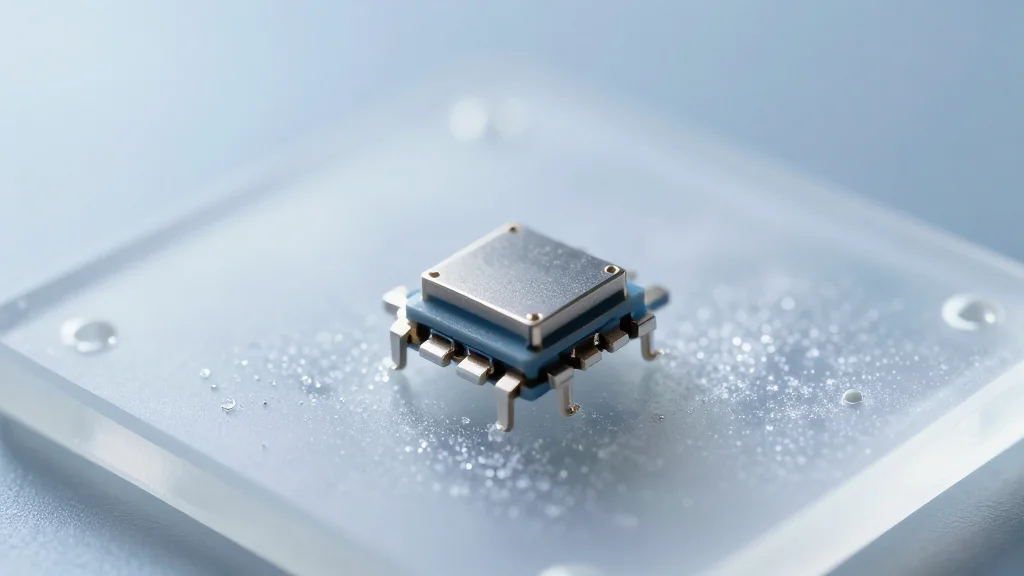
Quantum Switches Perform Best in Extreme Cold, New Research Finds
Researchers at Purdue University and Menlo Microsystems have shown that commercial RF MEMS SP4T switches can function reliably at cryogenic temperatures as low as 5.8 K. The switches exhibit sub‑0.5 dB insertion loss, over 35 dB isolation, and a 15 % reduction in on‑resistance...
Leaving Massive Thermodynamic Computing for Cozy NISQ Quantum Systems
As we enter a new month, I'm leaving thermodynamic computing and going back to quantum computing. The fact that thermo systems will reach 100M+ pbits in scale within a year is too overwhelming to think about, I miss the coziness of...

Quantum Threat to Bitcoin Imminent—Start Solving Now
Regarding the Quantum threat to Bitcoin: It's not a question of if, it's a question of when. And if when is being pulled closer by best estimates, then it's common sense to start discussing solutions. That's not FUD or hysterics,...

The First Quantum Computer to Break Encryption Is Now Shockingly Close
Two independent studies reveal that a quantum computer capable of cracking the elliptic‑curve discrete logarithm problem (ECDLP) – the backbone of most internet encryption – is nearer than previously believed. The analyses suggest the world’s largest quantum processor is already...

Quantum Optimisation Cuts Measurement Needs with New Bayesian Approach
Researchers Siran Zhang and Shuming Cheng at Tongji University introduced a resource‑efficient Quantum Approximate Optimisation Algorithm (QAOA) that targets the cut value of the most probable bitstring and incorporates Bayesian optimisation with adaptive shot allocation. Tested on 3‑regular MaxCut instances,...

Quantum Data Protection Adapts to Varied Hardware Structures
University of Illinois Chicago researchers Himanshu Dongre and Lane G. Gunderman introduce mixed‑register stabilizer codes that exploit coprime local dimensions. By leveraging qudits and heterogeneous quantum registers, the approach can theoretically slash the number of error‑correction registers by up to...

EPB Joins Southeastern Quantum Collaborative to Expand Regional Innovation
EPB has become a founding member of the Southeastern Quantum Collaborative, leveraging its 2023 launch of the nation’s first commercial quantum network and the upcoming EPB Quantum Center. The network now incorporates an IonQ Forte Enterprise computer, delivering both quantum‑secure...