Today's Quantum Pulse
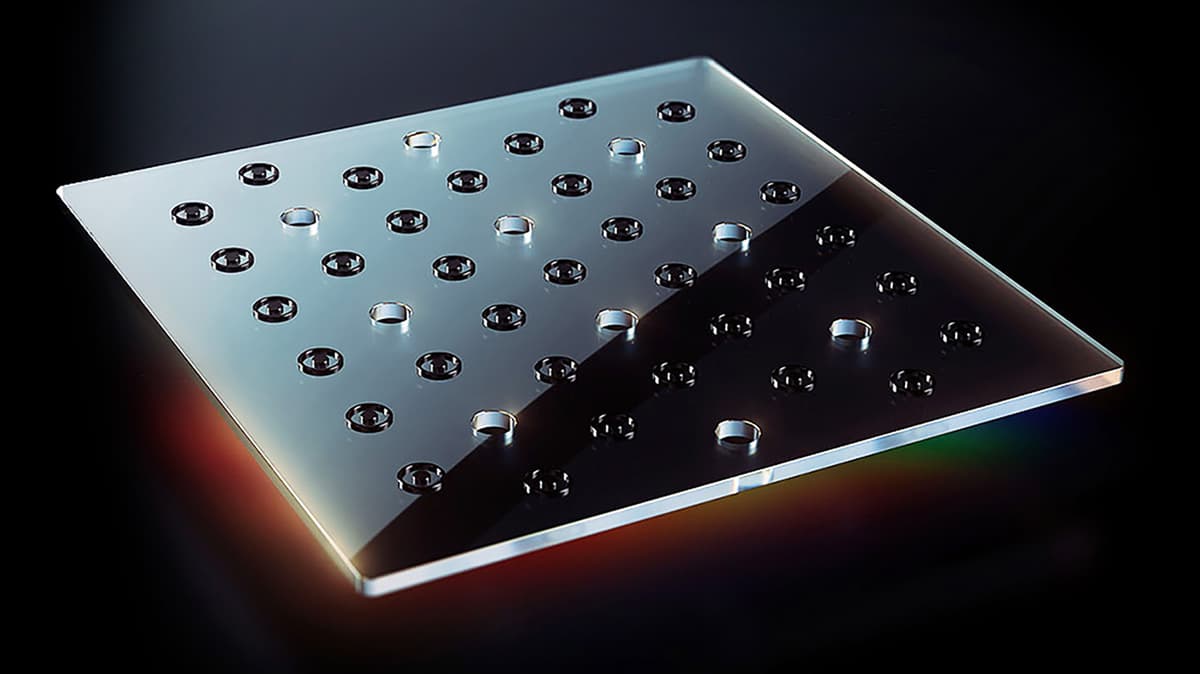
JPMorgan, OQC, and AMD team up on London quantum‑AI data center
Oxford Quantum Computing, JPMorgan Chase, and AMD announced a joint research effort to build a colocated quantum‑AI data center in London. The facility will combine OQC’s Genesis quantum processor with AMD’s AI and high‑performance computing hardware to tackle finance‑focused workloads such as portfolio optimization and quantum machine learning.

Researchers Publish Findings on Practical Blind Quantum Computation
Researchers at Xiangtan University and the University of Oxford have unveiled a new blind quantum computation (BQC) model that operates only on adjacent qubits, removing the need for complex SWAP gates. The approach, built on a parity quantum computing framework, was validated through simulations on IBM’s quantum platform, confirming both privacy preservation and server verifiability. By simplifying gate requirements, the protocol addresses the resource constraints of noisy intermediate‑scale quantum (NISQ) devices, moving BQC closer to practical deployment. The findings appear in the March 2026 issue of Quantum Science and Technology.
Quantum Computers Require Far Fewer Resources to Crack Encryption
Quantum computers need vastly fewer resources than thought to break vital encryption - Ars Technica https://t.co/pLuvHMFLOP

NIST Finalizes PQC Standards, NSA Sets 2027‑2035 Deadlines, Sparking $15B Enterprise Migration
NIST completed its first three post‑quantum cryptography standards in August 2024 and the NSA announced a phased migration deadline ending in 2035. The combined mandates are projected to drive a $15 billion market, with QSE unveiling its QPA v2 platform to...

CZ Says Crypto Can Survive Quantum Computing With Protocol Upgrades: Binance Co-Founder
Binance co‑founder Changpeng Zhao announced on X that the cryptocurrency sector can mitigate the looming threat of quantum computing by upgrading to post‑quantum cryptographic algorithms. He stressed that such protocol upgrades are theoretically straightforward, though he offered no concrete rollout...
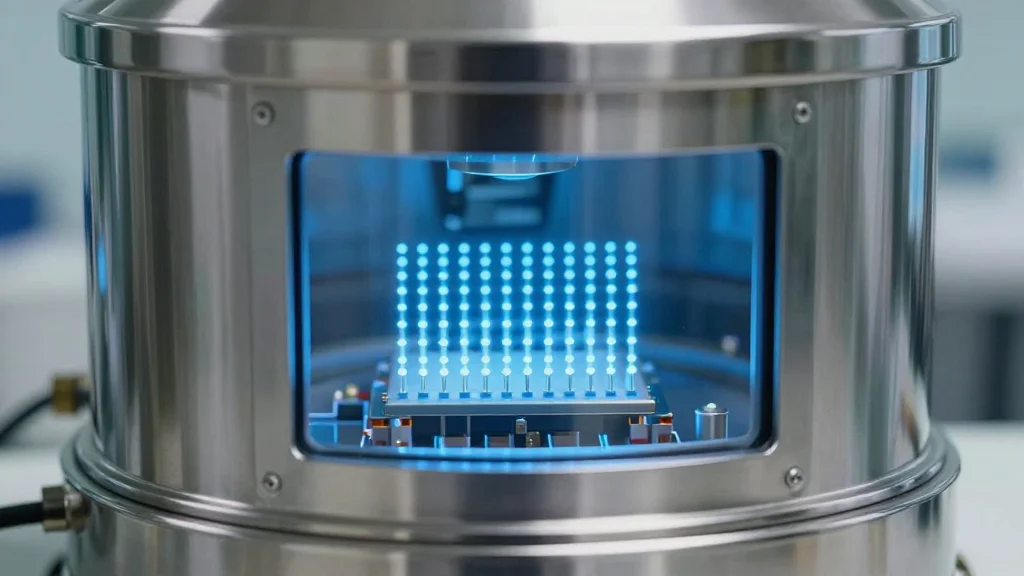
Study Shows 10,000 Qubits Could Break RSA‑2048, Threatening Global Encryption
A peer‑reviewed study posted to arXiv on March 31 claims that a fault‑tolerant quantum computer needs only about 10,000 qubits to run Shor’s algorithm against RSA‑2048, and as few as 26,000 qubits could break the standard in seven months. The paper...

The Hidden Thread Connecting Heat, Information, and Quantum Computers
Entropy, the measure of disorder in thermodynamics, also underpins quantum information theory and emerging quantum computers. At Entropy 2026 in Barcelona, leading scientists will examine how heat, information, and quantum processing intertwine. Dedicated sessions will showcase pioneering researchers presenting the latest...
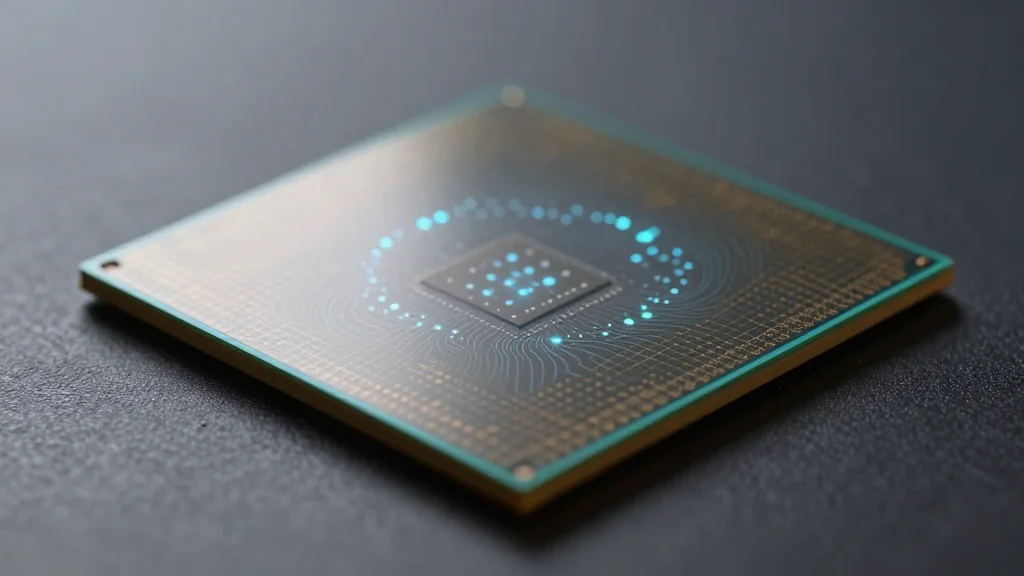
Silicon Quantum Chip Executes First Logical Gates, Boosting Scalable Quantum Computing
A team of physicists has performed logical quantum operations on a silicon‑based processor for the first time, using a five‑qubit phosphorus donor cluster and the 4‑2‑2 error‑detecting code. The breakthrough shows that existing semiconductor manufacturing can underpin fault‑tolerant quantum computers,...

Google Paper Cuts Qubit Count, Sparks Quantum‑security Scramble for Bitcoin, Ethereum
Google’s Quantum AI team published a whitepaper indicating that fewer than 500,000 physical qubits could break the elliptic‑curve cryptography securing Bitcoin and Ethereum wallets. The finding compresses the timeline for a viable quantum attack from the mid‑2030s to the end...

Canada’s First Full-Stack, University-Owned Quantum Computer Comes to USask
The University of Saskatchewan will become the first Canadian university to own a full‑stack quantum computer, backed by roughly $1.43 million USD from Prairies Economic Development Canada and $0.30 million USD from Innovation Saskatchewan. The system, built with hardware from Rigetti Computing...
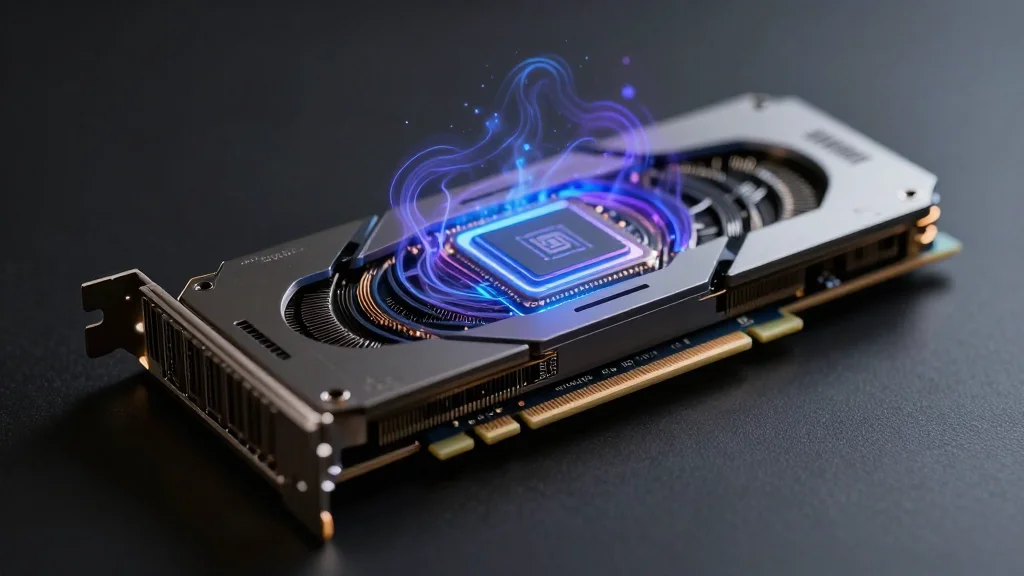
Nvidia Touts $1,000 Quantum Play as Top Stock for Retail Investors
Nvidia is being positioned as the best quantum computing stock for investors with $1,000, thanks to its GPU empire, CUDA‑based quantum simulators and a forward P/E of about 21. Analysts argue the chipmaker’s data‑center moat and software ecosystem give it...

Bitcoin's Cryptography Could Crack By 2032, New Study Claims
A new study claims the quantum computing power needed to break Bitcoin’s cryptography is up to 95% lower than earlier estimates, potentially moving the feared "Q‑Day" to as early as 2032. The research challenges the industry’s long‑standing belief that decades...

D‑Wave Beats Rigetti on Financial Health While Rigetti Leads in Superconducting Roadmap
D‑Wave Quantum secured a $20 million system sale to Florida Atlantic University and an €10 million ($11.5 million) deal in Italy, outpacing Rigetti Computing’s $8.4 million India sale. While Rigetti’s superconducting approach promises broader market potential, D‑Wave’s healthier balance sheet and manufacturing partnerships make...

QuTech Chairs Conference Focused on Scaling Spin Qubit Systems
QuTech will chair Spin Qubit 7, the seventh International Conference on Spin‑Based Quantum Information Processing, held at TU Delft from July 13‑17, 2026. The five‑day event gathers 45 leading speakers and more than 12 sponsors to showcase the latest in semiconductor spin‑qubit...
Quantum Computing Pioneer Scott Aaronson Cited in Epstein Files, Sparking Ethics Debate
Scott Aaronson, a leading quantum computing researcher, discovered his name listed 26 times in the Jeffrey Epstein donor files. The revelation has ignited a discussion about the opacity of private philanthropy in science and the ethical safeguards needed for quantum...

Viewbix’s Nuclear Quantum Progresses to Industry Engagement for Quantum Algorithms
Viewbix Inc., through its Quantum X Labs subsidiary, announced that portfolio company Nuclear Quantum is moving from pure algorithm development to active industry collaboration. The firm will embed its quantum‑based simulation engine into existing nuclear engineering platforms, tackling the long‑standing...
Energy Department Aims to Build Full-Fledged Quantum Computer Within 3 Years
The U.S. Department of Energy announced a goal to deliver a fault‑tolerant quantum computer by 2028, aiming for scientifically useful calculations. The Office of Science, with an $8.4 billion annual budget, will host the quantum user facility at a national laboratory....

Episode 137: Parallel IQCC With Scott Genin
In this episode, Patrick and Cyprian interview Scott Jenin, VP of Materials Discovery at OTI Lumionics, about their breakthrough implementation of Parallel Iterative Qubit Coupled Cluster (IQCC) on GPU hardware. Scott explains how the algorithm, a true quantum chemistry method...

Podcast with Tom Darras, CEO and Co-Founder, Welinq
Welinq, led by CEO Tom Darras, is building a full‑stack quantum networking solution that interconnects quantum processors across data centres. The offering spans qubit‑photon interfaces, optical‑network hardware, high‑efficiency quantum memories, and the AraQne compiler that partitions algorithms across heterogeneous QPUs....
Hardware Advances Slash RSA Break Time to Minutes
Still a lot to build on the hardware side, but the last state of the art papers were stating about 8 hours to crack RSA, now it's 9 minutes. Lots of gates, lots of hardware, but we are seeing quite...

Quantum Leap: 10k Atomic Qubits Threaten Crypto Security
From “millions of qubits” to ~10,000 atomic qubits. That’s a major shift. What does it mean for Bitcoin, Ethereum, and cryptography? We break it down live. https://t.co/OMA9HmxIQs
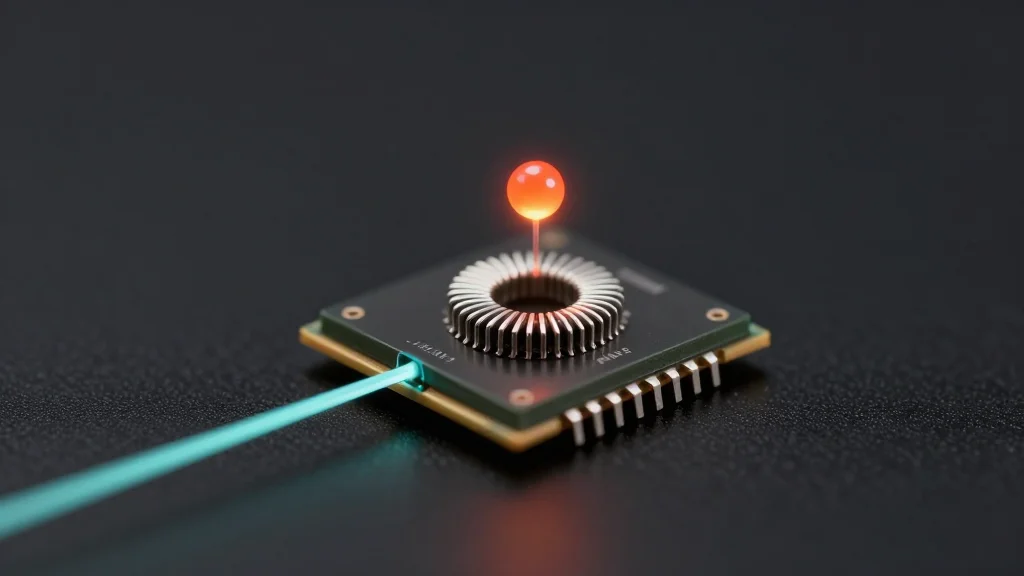
Researchers Demonstrate Laser Chips Performing Clock and Quantum Operations
Researchers at UC Santa Barbara and UMass Amherst have built a chip‑scale, visible‑light Brillouin laser that can be frequency‑stabilized to the narrow strontium optical‑clock transition and used to drive a trapped‑ion qubit. The integrated laser, paired with an on‑chip coil...
Utility‑Scale Quantum Computing Is Coming, Not Instantly
"It is becoming clear how to build a utility scale quantum computing, capable of many applications. Cryptography is just one of those. But it's highly UNLIKELY this happens overnight" - Dolev Bluvstein https://t.co/OMA9HmxIQs

Quantum Leap Brings Excitement and Cryptographic Risks
"It's clear we are crossing a moment. It's exciting. We'll be able to use quantum computers. But it's CONCERNING too, because it'll be cryptographically relevant." Dolev Bluvstein https://t.co/OMA9HmxIQs
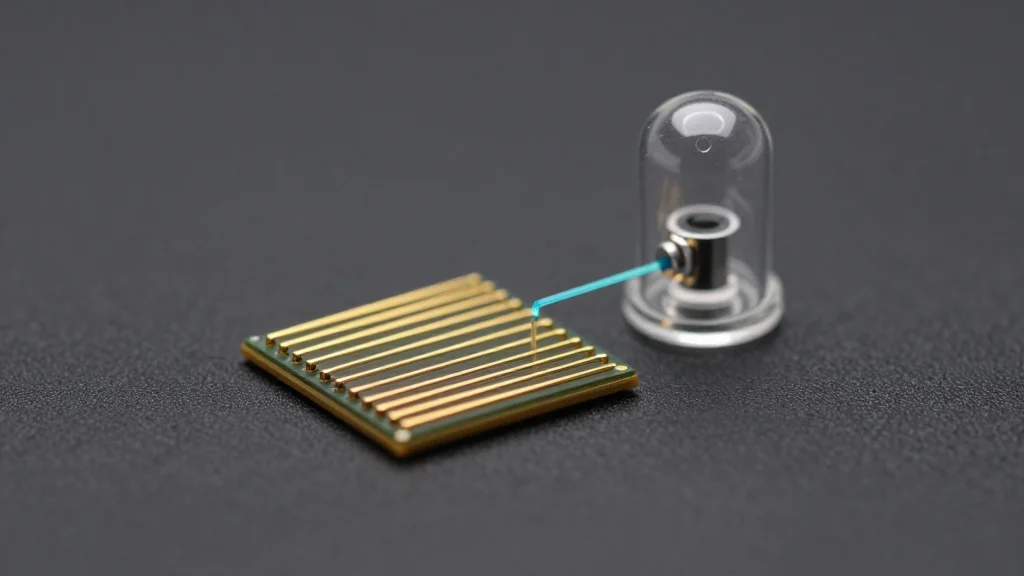
Stabilized Laser Components Could Shrink Quantum Computers From Room- to Chip-Scale
Scientists at UMass Amherst and UC Santa Barbara have demonstrated chip‑scale stabilized lasers that can control trapped‑ion qubits with high fidelity, replacing bulky optical cavities with photonic chips. Published in Nature Communications, the work shows sub‑kilohertz linewidths and active drift compensation,...

Quantum Leap Could Accelerate Crypto's Existential Threat
A new quantum breakthrough may have cut the timeline dramatically. On Unchained, Alex Pruden and Dolev Bluvstein join me to discuss: ⚛️ When quantum becomes a real threat 🔐 What breaks first in crypto ⏳ Whether we’re already behind https://t.co/OMA9HmxIQs
State Quantum Power Lies in Hidden Communications Exploitation
Ok I just want to add one thing. Folks, for state actors, the value of having a quantum computer is massively higher if you DON’T tell people you have a quantum computer. Exploiting Bitcoin is a parlor trick. Exploiting the world’s communications...
BTQ Technologies Schedules Shareholder Call to Unveil 2025 Results and Corporate Outlook
BTQ Technologies Corp. will host a live shareholder webcast on March 31, 2026, at 12:00 p.m. EST to release its 2025 financial statements and provide a corporate update. The call, led by CEO Olivier Roussy Newton, aims to outline the company’s progress...

Even Low-Probability Quantum Advances Deserve Strategic Planning
I don’t understand the knee-jerk reaction from some to act like this quantum stuff is a nothing-burger. It’s weird. Even if you think the odds of anything relevant happening with quantum computing in the next 5-10 years is <5% —...

PQC Adoption Accelerates as Qubit Requirements Shrink
More warning lights keep blinking for the urgency of PQC adoption in many fields as advances in both hardware and algorithm construction keep reducing the number of qubits and gates needed for a CRQC. https://t.co/55FxttUDdD https://t.co/nmDa4iDWbr https://t.co/MOfzj3Tl4O
Google Quantum AI Opens Willow Early Access Program for Research Proposals
Google Quantum AI has launched the Willow Early Access Program, inviting researchers to submit proposals for experiments on its cutting‑edge Willow quantum processor. The program’s submission deadline is May 15, 2026, with selection notifications by July 1, 2026. Accepted teams will gain...
Early Quantum Algorithms Underestimated; Factoring Progress Sparks Optimism
One of the reasons I am so optimistic about broad quantum advantage is how far from optimal early quantum algorithms and fault-tolerance schemes have turned out to be. The recent progress on factoring, including today's results, is astounding.

Tom Darras, CEO and Co-Founder of Welinq
In this episode, Tom Darras, CEO and co‑founder of Welinq, explains how his company is building a full quantum‑networking stack to link quantum processors across data‑center and metropolitan scales. He breaks down the three‑layer architecture—qubit‑photon interfaces, optical networking hardware (including...
Analysts Flag Two Quantum‑Computing Stocks for Five‑Year Upside
Equity analysts released research reports in the past day that single out two publicly traded quantum‑computing firms as the most promising bets for the next five years. While the analysts did not disclose specific price targets, they cited strong technology...

QCi Quantum Optimization Machine Placed on Quantum Corridor Network
Quantum Computing Inc. has installed its Dirac-3 quantum optimization machine at the Digital Crossroad Data Center in Hammond, Indiana, making it the first commercial data‑center deployment of the system. The machine connects to Quantum Corridor’s inter‑state fiber network via a...
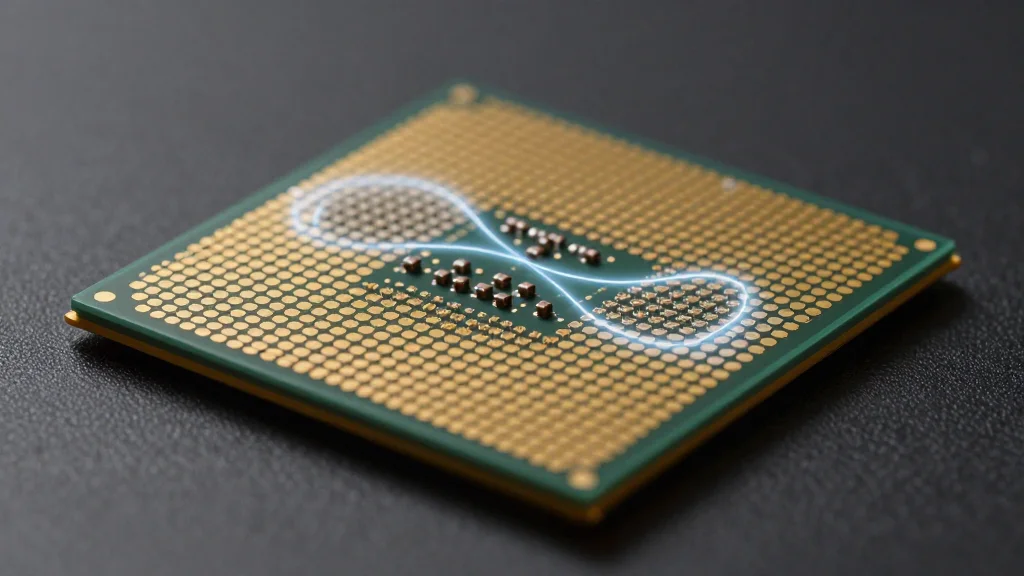
UCF Researchers Claim Scalable Entanglement for Future Quantum Processors
Researchers at the University of Central Florida announced a demonstration of scalable entanglement aimed at powering next‑generation quantum processors. The claim, reported without technical specifics, signals a potential leap in quantum hardware scalability.

IQM Secures €50M to Accelerate Global Growth
Finland‑based quantum computing startup IQM Quantum Computers has secured a €50 million financing package, roughly $55 million, from BlackRock‑managed funds. The capital will bolster IQM’s balance sheet ahead of its planned SPAC merger that would make it Europe’s first publicly listed quantum...

No Quantum Breakthrough Reported in Recent Sources
A review of the eight supplied source articles found no information on quantum experiments, including the claimed indefinite causal order superposition. Consequently, no factual quantum news can be reported at this time.
Novel Protocol Reconstructs Quantum States in Large-Scale Experiments up to 96 Qubits
Researchers from Europe introduced a protocol that learns matrix‑product operator (MPO) representations of quantum states directly from randomized measurement data. The method successfully reconstructed a 96‑qubit entangled state on IBM’s Brisbane superconducting processor, far exceeding the previous tomography ceiling of...

QuEPP: Quantum‑Enhanced Pauli Propagation Boosts Error Mitigation
Another highlight from last week, Swarnadeep Majumdar presenting work on QuEPP (Quantum Enhanced Pauli Propagation), our new take on the classical-quantum combination for error mitigation: https://t.co/v7o45niZV8 https://t.co/gb52BzVOUS

A Universal Scheme Can Verify Any Quantum State
Researchers from Université libre de Bruxelles, the University of Gdansk and the Polish Academy of Sciences have unveiled a universal, device‑independent scheme that can self‑test any quantum state or measurement. The protocol embeds the target device in a star‑shaped quantum...

VRadar Security Achieves Patent-Pending Status for Quantum-Resistant System
Vietnamese engineer Nguyen Xuan Dong has obtained patent‑pending status for VRadar, a cloud‑native Security Operations Center that incorporates NIST‑approved post‑quantum cryptography. Built alone in eight months with AI assistance, the platform processes 1.35 million alerts in 34 days and resolves 91 %...

Why Most Quantum Computers Need to Be Colder Than Space
Quantum computers require environments colder than the Boomerang Nebula, the coldest natural region in the universe, to keep qubits stable. Most systems operate at temperatures less than one degree above absolute zero, typically achieved with large dilution refrigerators. Bluefors, a...

Physicists Edge Closer to Thorium‑229 Nuclear Clock, Targeting 2026 Demonstration
Researchers at UCLA and international teams announced that a thorium‑229 nuclear clock could be operational by 2026. The breakthrough hinges on a newly measured nuclear transition and progress on an ultra‑violet laser, a component that has so far eluded scientists.
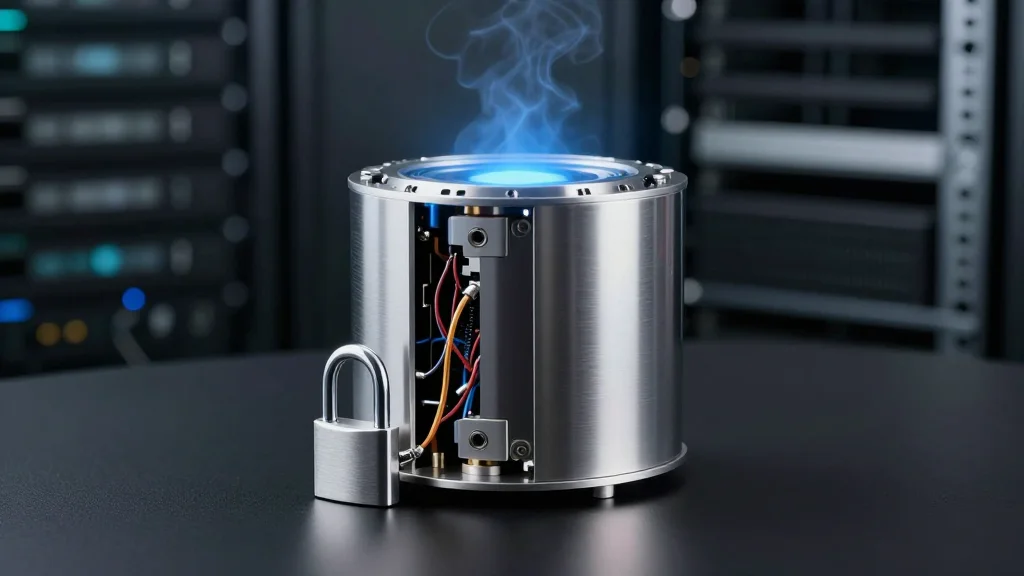
Google Pushes Back Q Day to 2029, Warns of Looming Encryption Risk
Google announced it now expects quantum computers capable of breaking today’s cryptographic algorithms by 2029, accelerating the timeline for industry‑wide security preparations. The company warned that the threat is imminent and called for rapid migration to quantum‑resistant solutions.

Quantum Simulators Harbour Hidden Bugs, New Research Confirms
An empirical study by LSU examined 394 confirmed bugs across twelve open‑source quantum simulators, revealing a far higher defect rate than previously assumed. The research shows that 60 % of failures stem from classical infrastructure such as memory management, while only...
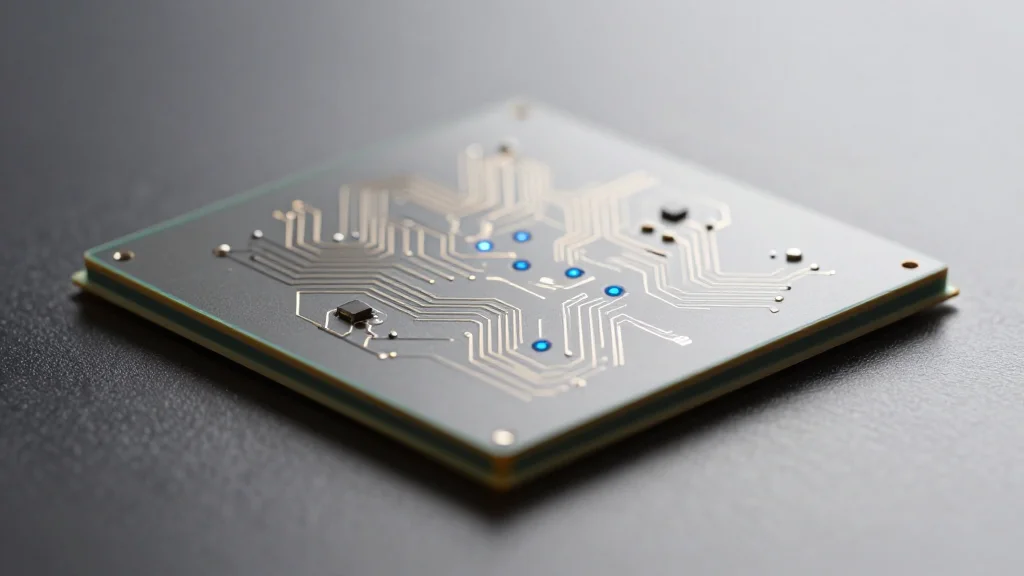
Chinese Team Demonstrates First Silicon Quantum Chip with Full Logical Operations
Researchers at Shenzhen International Quantum Academy have built a silicon quantum processor that executes a complete set of error‑detecting logical operations using four physical qubits. The chip ran a Variational Quantum Eigensolver algorithm on a water molecule, delivering results within...
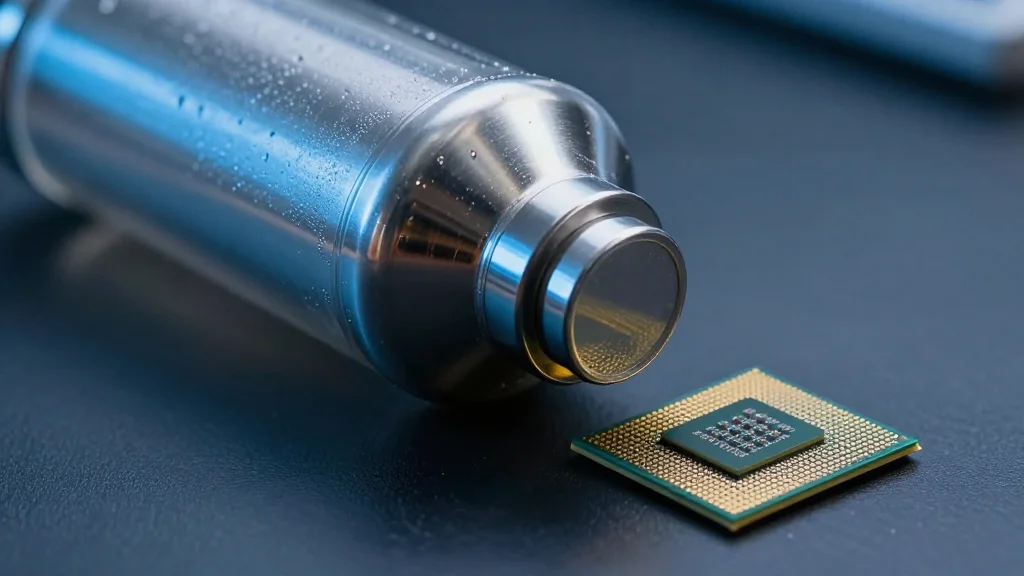
Helium Shortage Triggers $930 M Warning for IonQ, Rigetti and D‑Wave Stocks
A market alert warning of a $930 million hit to the quantum‑computing sector has pushed IonQ, Rigetti and D‑Wave shares down. The warning stems from a helium supply crunch caused by the Iran‑U.S. conflict, which threatens the low‑temperature environments needed for...
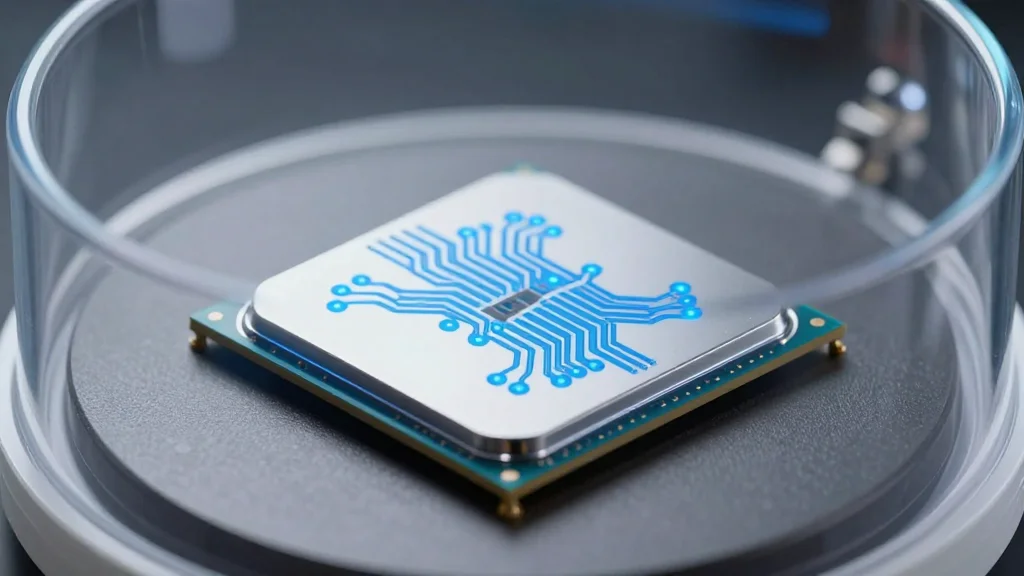
Nvidia GTC Unveils Four Divergent Quantum Computing Roadmaps
Nvidia revealed four separate quantum‑computing development tracks at its GPU Technology Conference, including the Blackwell Ultra chip, Vera Rubin platform, DGX Spark supercomputer and a new quantum‑software stack. The announcements sparked a clash of visions over open versus proprietary models...

Quantum Computing Speeds Fluid Dynamics Simulations for Industry Designs
Researchers at Germany's DLR have combined a refined quantum linear system solver—an eigenvalue‑free variant of the Harrow‑Hassidim‑Lloyd algorithm—with Newton's method to tackle nonlinear PDEs such as the Navier‑Stokes equations. The hybrid quantum‑classical approach promises exponential speedups for solving the large...

Quantum Computing Boosts Machine Learning Forecast Efficiency
Researchers at Kazan Federal University introduced a quantum algorithm that leverages Quantum Amplitude Estimation to evaluate Random Forest regression models. The method reduces query complexity from the classical O(n·h) to O(t·h·(ymax‑ymin)), dramatically lowering the number of tree evaluations needed. Initial...