Today's Quantum Pulse
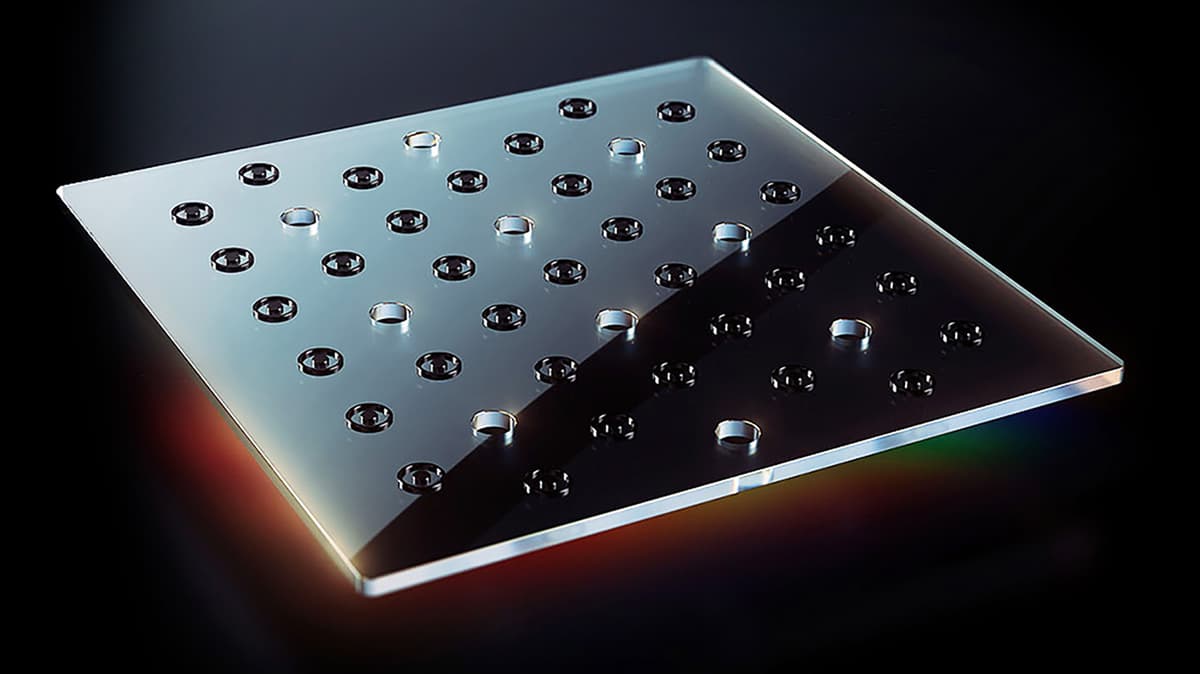
JPMorgan, OQC, and AMD team up on London quantum‑AI data center
Oxford Quantum Computing, JPMorgan Chase, and AMD announced a joint research effort to build a colocated quantum‑AI data center in London. The facility will combine OQC’s Genesis quantum processor with AMD’s AI and high‑performance computing hardware to tackle finance‑focused workloads such as portfolio optimization and quantum machine learning.

Double Markovity Advances Quantum Systems with Four-Party State Analysis
The team led by Masahito Hayashi and Jinpei Zhao introduced quantum analogues of double Markovity for both tripartite and four‑party states. They proved that simultaneous Markov conditions are equivalent to the existence of compatible projective measurements that generate a common classical label, and established a key equivalence among Markov relations in strictly positive four‑party states. This resolves a major obstacle to extending the subadditivity‑doubling‑rotation (SDR) method to quantum systems, paving the way for Gaussian optimality proofs. The results have immediate relevance for quantum cryptography, communication and algorithm design.
Learning States From Circular and Gaussian Ensembles Achieves Average-Case Hardness
Maxwell West and his team prove that learning the Born distributions of quantum states drawn from circular unitary, orthogonal, symplectic, and fermionic Gaussian ensembles is average‑case hard. The hardness result is established within the statistical query model, showing that any...

Entanglement Entropy Advances Understanding of Root-Deformed AdS/CFT in Three-Dimensional Space
Saikat Biswas and collaborators examined how both T\bar T and root‑T\bar T irrelevant deformations modify entanglement and reflected entropy in three‑dimensional AdS/CFT. Using a mixed‑boundary‑condition holographic framework they derived first‑order corrections to the entanglement wedge cross section for various interval configurations, including finite...

Nanoscale Tuning Achieves Superconductivity in YBCO Thin Films with Sub-Micrometer Precision
Researchers at Politecnico di Milano and collaborators have demonstrated mask‑less direct laser writing to locally modify oxygen stoichiometry in YBCO thin films with sub‑micrometer precision. By adjusting laser power they can either preserve superconductivity or fully suppress it, enabling continuous...
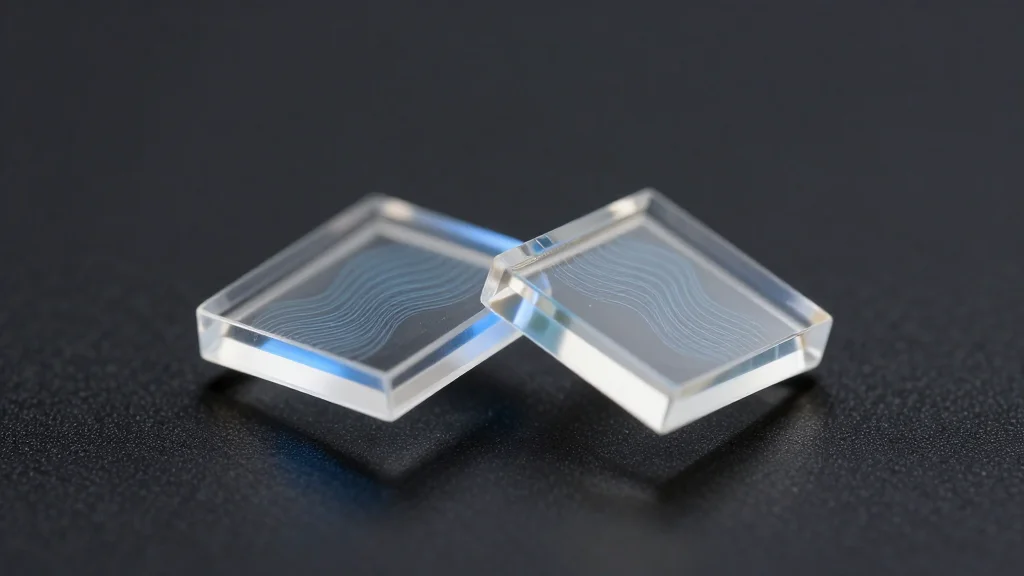
Building the World's First Open-Source Quantum Computer
Researchers at the University of Waterloo and the Institute for Quantum Computing have launched Open Quantum Design, the world’s first open‑source, full‑stack quantum computer built on ion‑trapping technology. The non‑profit OQD brings together more than 30 software contributors, dozens of...
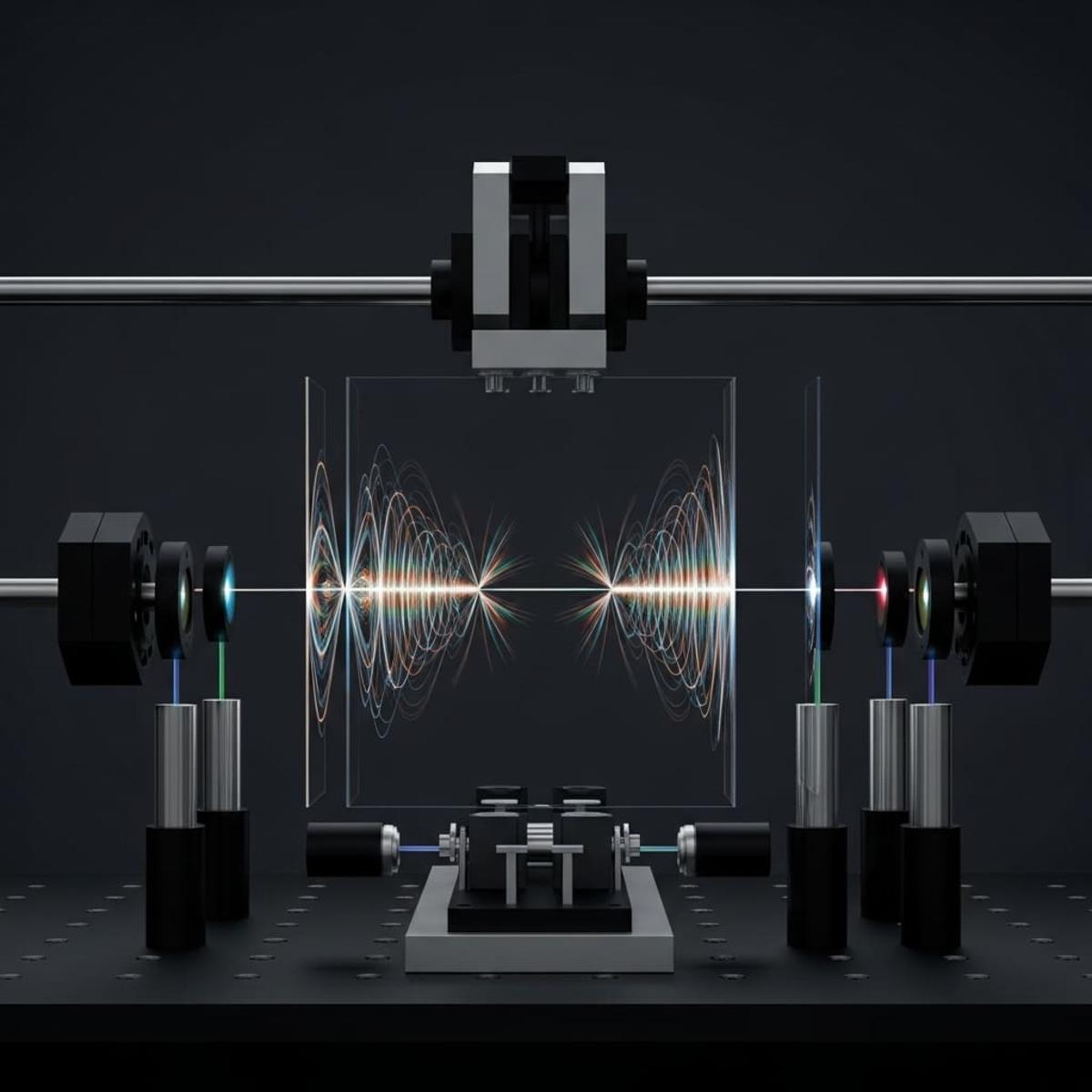
Exponentially Improved Multiphoton Interference Benchmarking Advances Quantum Technology Scalability
Researchers led by Sanz, Annoni, and Wein introduced a quantum Fourier‑transform (QFT) interferometer protocol that dramatically reduces the sample complexity of genuine n‑photon indistinguishability benchmarking. The method attains constant O(1) complexity for prime‑photon counts and sub‑polynomial scaling for other photon...
Stealth Quantum Sensors Unlock Possibilities Anywhere GPS Doesn't Work
Phantom Photonics, a Waterloo‑spun quantum‑tech startup, is commercialising ultra‑sensitive quantum sensors that can filter background noise and detect single photons. The devices exploit a robust form of quantum coherence, allowing precise measurements in GPS‑denied environments such as deep‑sea or space....

X Speedup Achieved with Parallelized Variational Quantum Eigensolver on Multi-GPU System
Researchers at Embry‑Riddle have demonstrated a 117‑fold speedup of the Variational Quantum Eigensolver (VQE) by leveraging just‑in‑time compilation, GPU acceleration and multi‑GPU scaling on an NVIDIA H100 cluster. The optimized workflow shrinks the hydrogen molecule potential‑energy‑surface calculation from roughly ten...
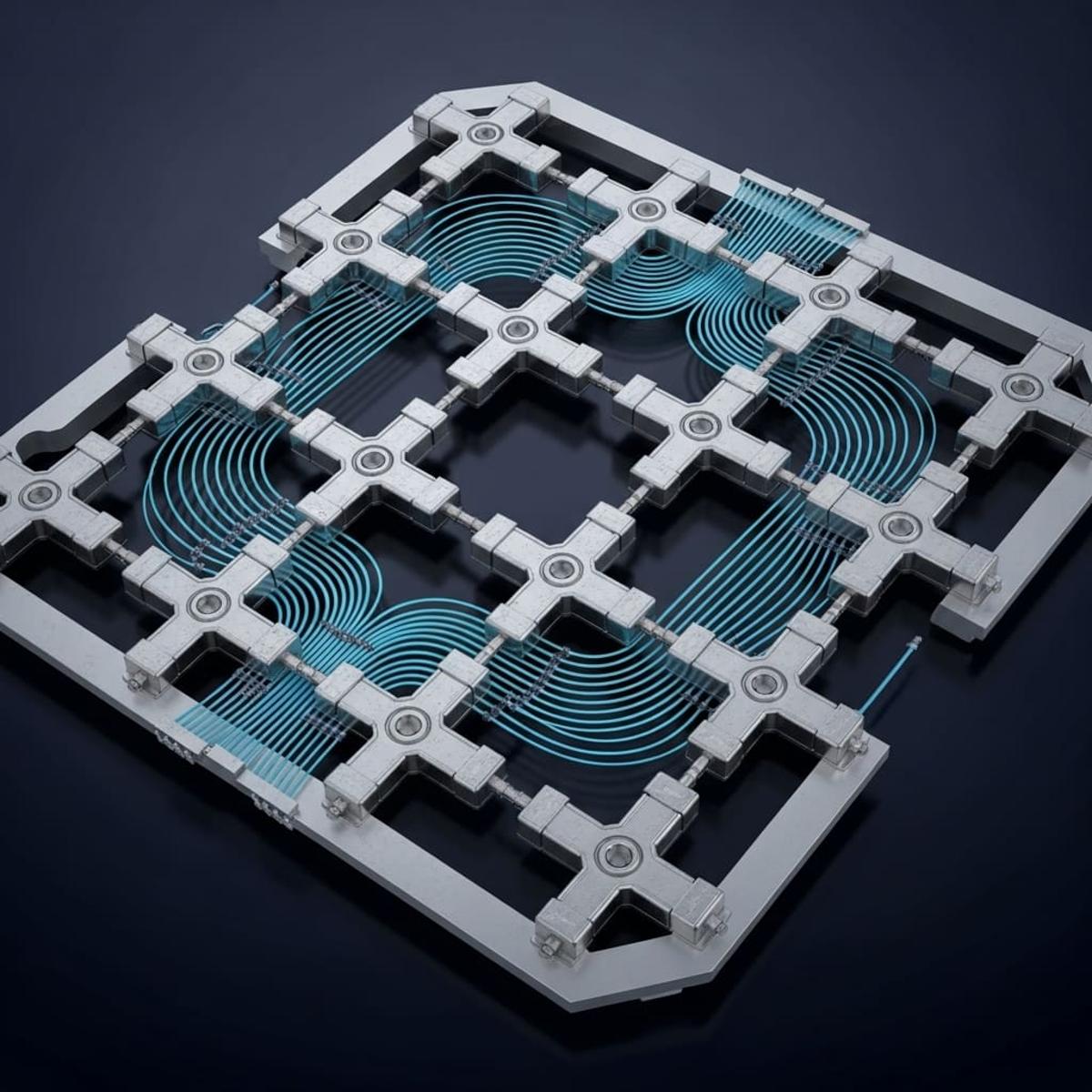
Topology-Aware Block Coordinate Descent Achieves Faster Qubit Frequency Calibration for Superconducting Quantum Processors
Researchers from Tsinghua University and the Beijing Academy of Quantum Information Sciences have shown that the popular Snake optimizer is mathematically equivalent to Block Coordinate Descent (BCD) for superconducting qubit frequency calibration. By casting the block ordering problem as a...

Heisenberg-Limited Hamiltonian Learning Achieves Optimal Scaling with Static Single-Qubit Fields
Researchers at Duke University introduced a protocol that learns unknown quantum Hamiltonians with Heisenberg‑limited precision using only static single‑qubit control fields. The method achieves O(1/ε) total evolution time while keeping field strengths constant, eliminating the need for complex multi‑qubit gates...

Constant-Depth Unitary Preparation Achieves Exact Dicke States with Polynomial Ancillae
Researchers Vasconcelos and Joshi introduced the first unitary, constant‑depth protocols that prepare exact Dicke states. By exploiting global CZ interactions in neutral‑atom and trapped‑ion platforms, they achieve preparation with only polynomially many ancilla qubits. Adding a quantum FAN‑OUT operation upgrades...
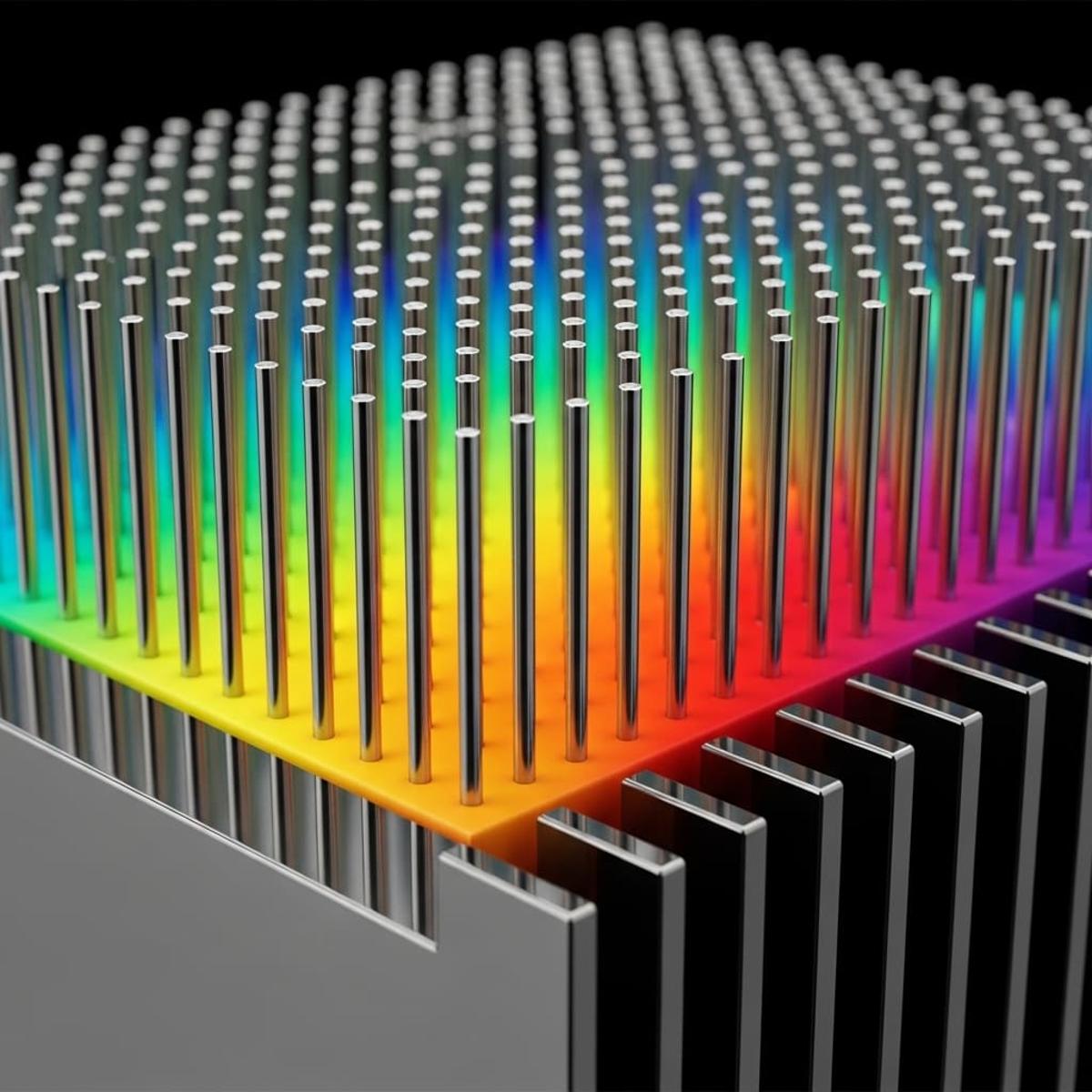
Tantalum Nitride Nanowires Achieve 100x Heat Transfer Improvement with Integrated Heatsinking
Scientists have demonstrated a CMOS‑compatible process for fabricating tantalum nitride (TaN) nanowires and TaN/copper bilayer nanowires on 300 mm silicon wafers. Integrating a copper heatsink increased the Skocpol‑Beasley‑Tinkham β parameter and effective interfacial heat‑transfer efficiency by roughly 100‑fold, yielding near‑unity critical‑to‑retrapping...
How Pointing Errors Impact Quantum Key Distribution Systems
A new IEEE study introduces an analytical framework that quantifies how pointing errors degrade quantum key distribution (QKD) performance in optical wireless links. By applying Rayleigh and Hoyt statistical models to beam misalignment, the researchers derived closed‑form expressions for error...
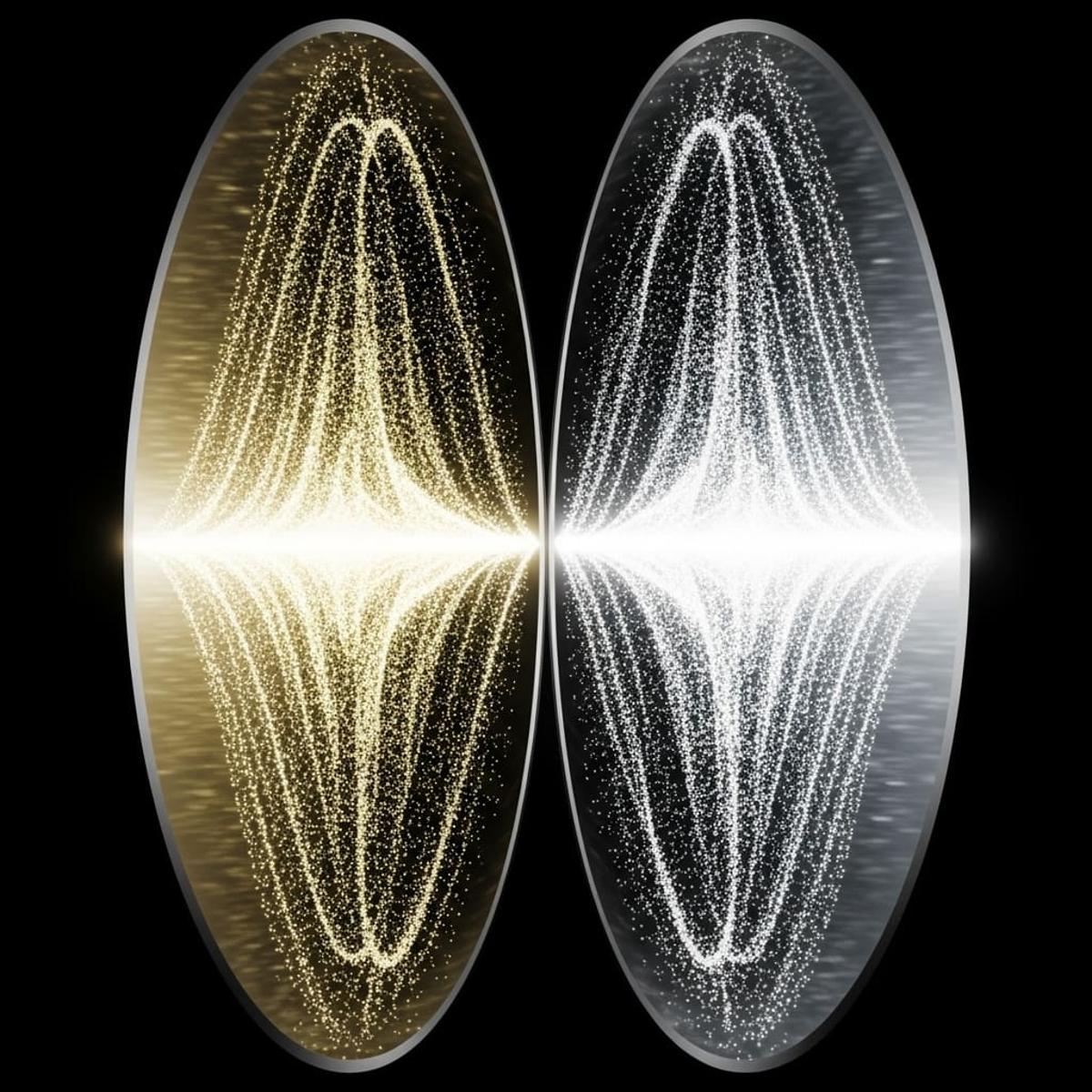
Giant Quantum States with 180 Photons Achieved Via Principles of Optics in Fock Space
Researchers at Tsinghua University introduced “Fock‑space optics,” a framework that applies classical wave‑optics principles to the photon‑number dimension of quantum states. Using a superconducting microwave resonator, they experimentally reproduced propagation, refraction, lensing and interference with up to 180 photons, establishing...

Realistic Spin Qubit Simulations Enable Hardware Benchmarking and Mitigation of Noise
SpinPulse is an open‑source Python library that simulates spin‑qubit computers at the pulse level while explicitly modelling non‑Markovian noise. The framework converts Qiskit circuits into a native gate set, then into time‑dependent pulse sequences that are numerically integrated under realistic...
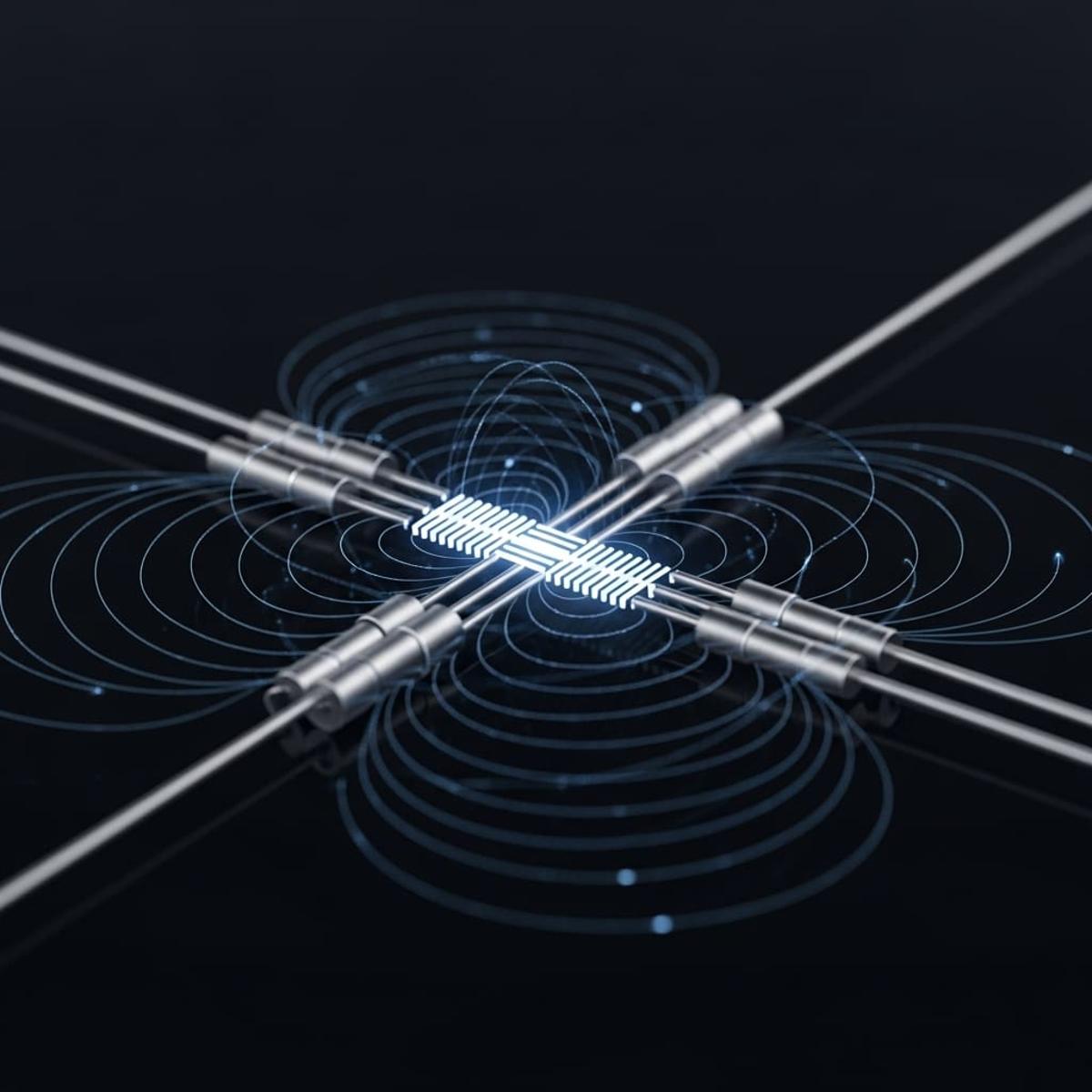
Advances Coherence in Cos(2) Qubits by Balancing Charge and Flux Noise Trade-Offs
Researchers at Grenoble Alpes and collaborators examined interference‑based cos(2) qubits, showing that flower‑mon, KITE and related designs share a common multi‑harmonic SQUID Hamiltonian. Numerical simulations revealed a fundamental trade‑off between charge and flux noise that caps dephasing times to a...
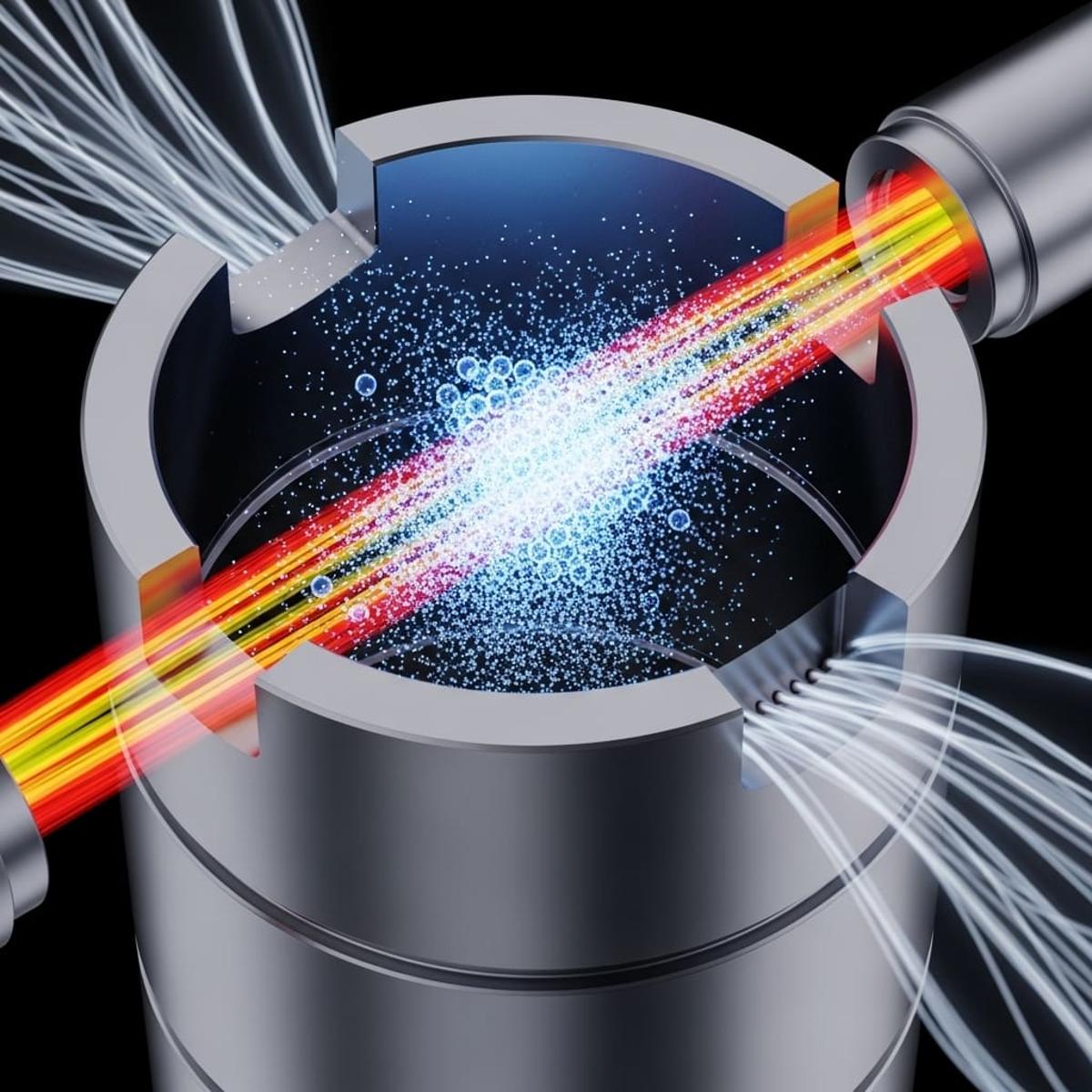
Rabi-Driven Reset Achieves Fast Cooling of High-Q Cavity for Quantum Error Correction
The Technion team introduced a hardware‑efficient Rabi‑Driven Reset (RDR) that continuously cools a high‑Q superconducting cavity without measurement. By applying a strong resonant Rabi drive to a transmon and sideband drives detuned by the Rabi frequency, they engineered an effective...

Tapp Standard Enables Performance Portability for Tensor Operations with C-Based Interface
The authors introduce Tensor Algebra Processing Primitives (TAPP), a C‑based interface that standardises 18 core tensor operations and separates application code from hardware specifics. A reference implementation supports both CPU and GPU back‑ends, emphasizing correctness and ease of integration. Demonstrations...
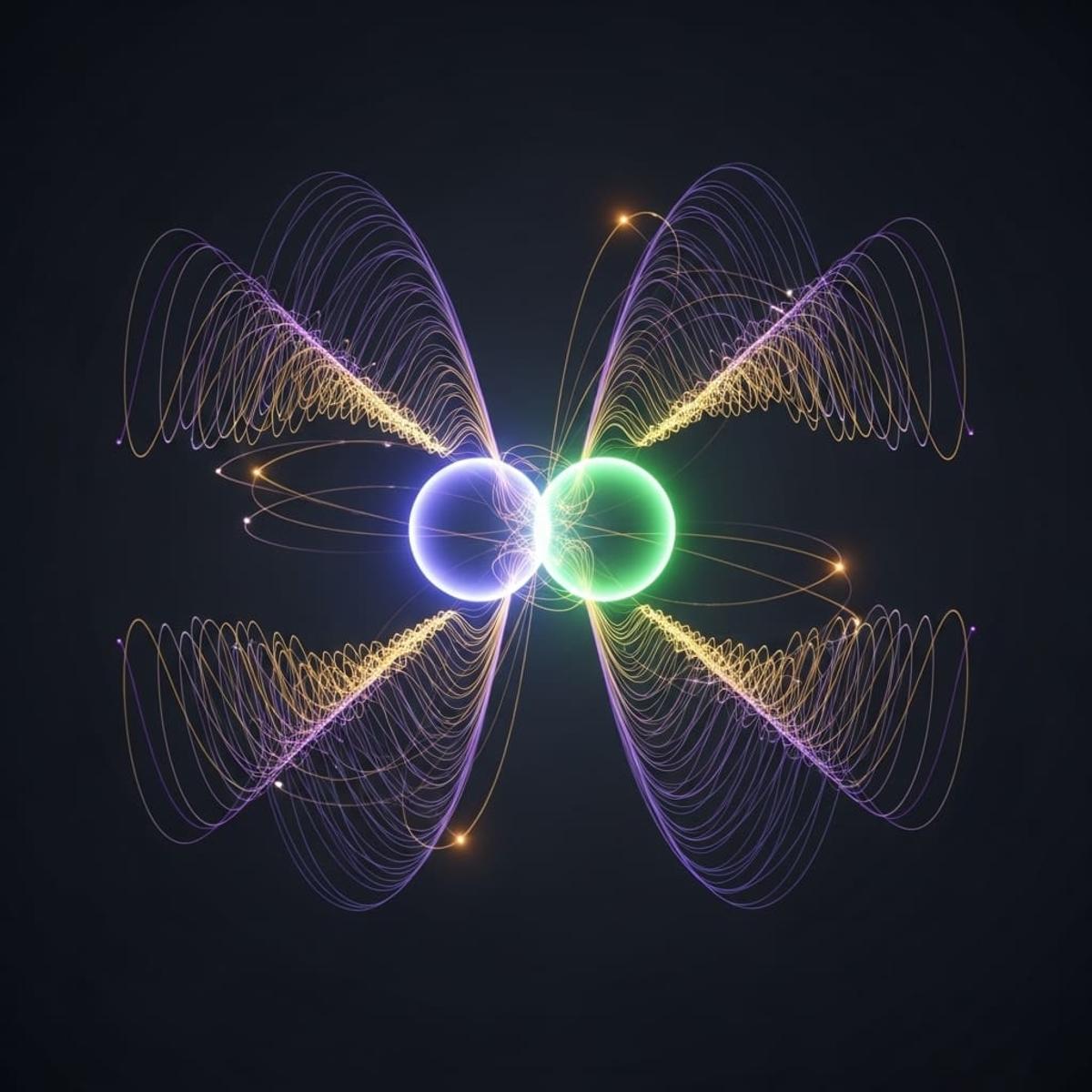
Unit Fidelity Entangling Gates Achieved Via Continuous Dynamical Decoupling and Optimal Control
Researchers at the São Carlos Institute of Physics have combined continuous dynamical decoupling (CDD) with variational minimal‑energy optimal control to create two‑qubit entangling gates with virtually unit fidelity. The unified scheme actively suppresses low‑frequency flux noise, calibration drift, and spurious...
Quantum Amplitude Amplification Achieves Optimal Solutions for Combinatorial Problems up to Size 40
Researchers from the Air Force Research Laboratory demonstrated that Quantum Amplitude Amplification (QAA) can solve combinatorial optimisation problems up to 40 qubits with near‑optimal efficiency. They derived an exact formula for oracle parameters when the cost function is linear, simplifying...
Non-Invertible Nielsen Circuits Advance 3d Ising Gravity Understanding with Fusion Graphs
Researchers extend Nielsen's circuit‑complexity framework by incorporating intrinsically non‑invertible gates derived from fusion with topological defects. These gates act as completely positive, trace‑preserving channels between superselection sectors, enabling transitions across distinct conformal families in two‑dimensional CFTs. The optimisation problem shifts...
Finite Entropy Density Matrices Advance Understanding of AdS/CFT and Causal Diamonds
Researchers Sidan A, Tom Banks and collaborators examine how finite‑entropy density matrices in causal diamonds relate to bulk field theories in AdS/CFT. They prove that a genuine bulk field algebra only emerges in a double‑scaled limit where both the boundary...
Topological Equivalence Principle Demonstrates Gravity’s Non-Perturbative Sensitivity Via Sums over Configurations
Cummings and Heckman introduce a topological equivalence principle showing that topological field theories (TFTs), previously thought to be independent of gravity, actually exhibit a non‑perturbative sensitivity to Newton’s constant via a sum over distinct spacetime configurations. By analyzing asymptotically AdS...
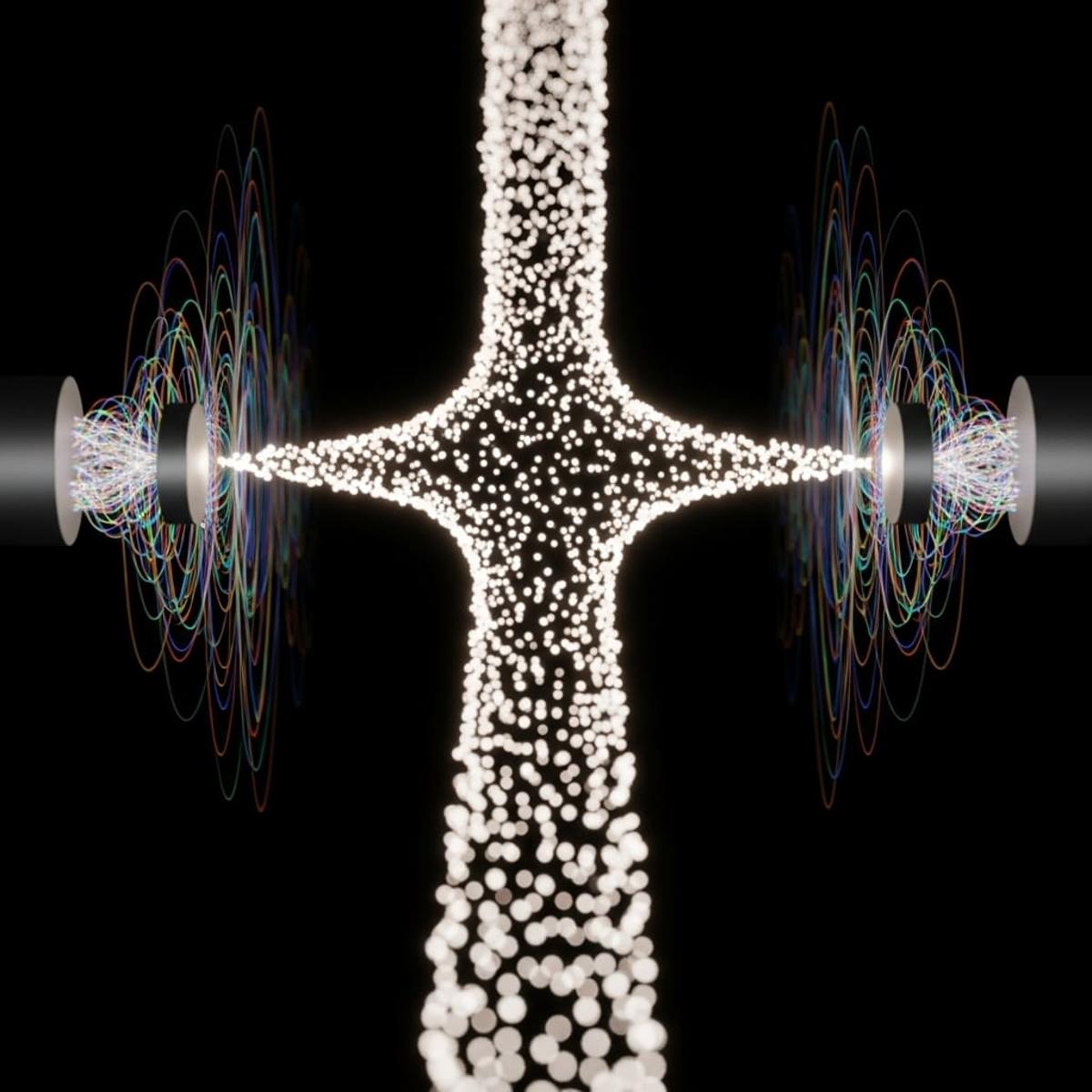
Quantum Key Distribution Security Framework Achieves Rigorous Phase-Error Estimation with Correlated Sources
A research team led by Guillermo Currás‑Lorenzo and colleagues has introduced a rigorous mathematical framework that extends phase‑error‑estimation security proofs to quantum key distribution (QKD) systems with correlated pulse sources. The new model directly incorporates encoding correlations caused by practical...

Bell-Type Test Achieves Nonclassical Latent Representation Detection in Autoencoders
Kominis, Xie, Li and colleagues introduce a model‑agnostic Bell‑type test applied to the latent space of autoencoders, aiming to detect nonclassical correlations in neural representations. Using MNIST‑trained autoencoders, they compute correlation functions across multiple decoding contexts and formulate an information‑theoretic...

Geometry-Informed Quantum Computing Achieves Real-Time Control with FPGA Prototypes and Dataflow Graphs
Researchers led by Gunhee Cho present a geometry‑ and topology‑informed framework that links quantum states, circuits, and measurements to deterministic classical pipelines implemented on FPGAs. By representing quantum circuits as data‑flow graphs and using streaming linear‑algebra updates, they achieve low‑latency...

Quantum Computing Achieves up to 10% Improvement with Novel LOTUS Optimisation Schedules
Researchers at Viettel High Technology Industries have introduced LOTUS, a Layer‑Ordered Temporally Unified Schedule framework that re‑parameterises QAOA circuits via a Hybrid Fourier‑Autoregressive mapping. By collapsing the high‑dimensional parameter space to a constant‑size representation, LOTUS delivers up to 27.2 % higher...
Quantum Error Correction Defies Classical Intuition, Misconceptions Abound
One thing I didn’t fully appreciate early on while learning quantum error correction is just how far it can deviate from classical intuition. Along the way, I’ve run into some common misconceptions (which I still see often):

What BTQ’s Bitcoin Quantum Testnet Reveals About “Old BTC” Risk
BTQ Technologies launched a Bitcoin‑Quantum testnet on Jan. 12, 2026, swapping Bitcoin’s ECDSA signatures for the post‑quantum ML‑DSA scheme. The experiment shows that ML‑DSA signatures are 38–72 times larger, prompting a block‑size increase to 64 MiB. By reproducing Bitcoin‑like transaction flow, the testnet...

Quantum Solver Achieves Efficient Solution of Single-Impurity Anderson Models with Particle-Hole Symmetry
Researchers from Middle Tennessee State University and Oak Ridge National Laboratory introduced a quantum‑classical hybrid solver that uses the variational quantum eigensolver (VQE) to tackle the Anderson impurity model (AIM) within dynamical mean‑field theory (DMFT). The solver employs a unified...

Regional Quantum Development with Alejandra Y. Castillo
In this episode, former Assistant Secretary of Commerce Alejandra Y. Castillo explains how quantum technologies—computing, sensing, and communications—are already maturing and can fuel inclusive regional economic growth. She outlines the federal role in de‑risking early research through the CHIPS and...
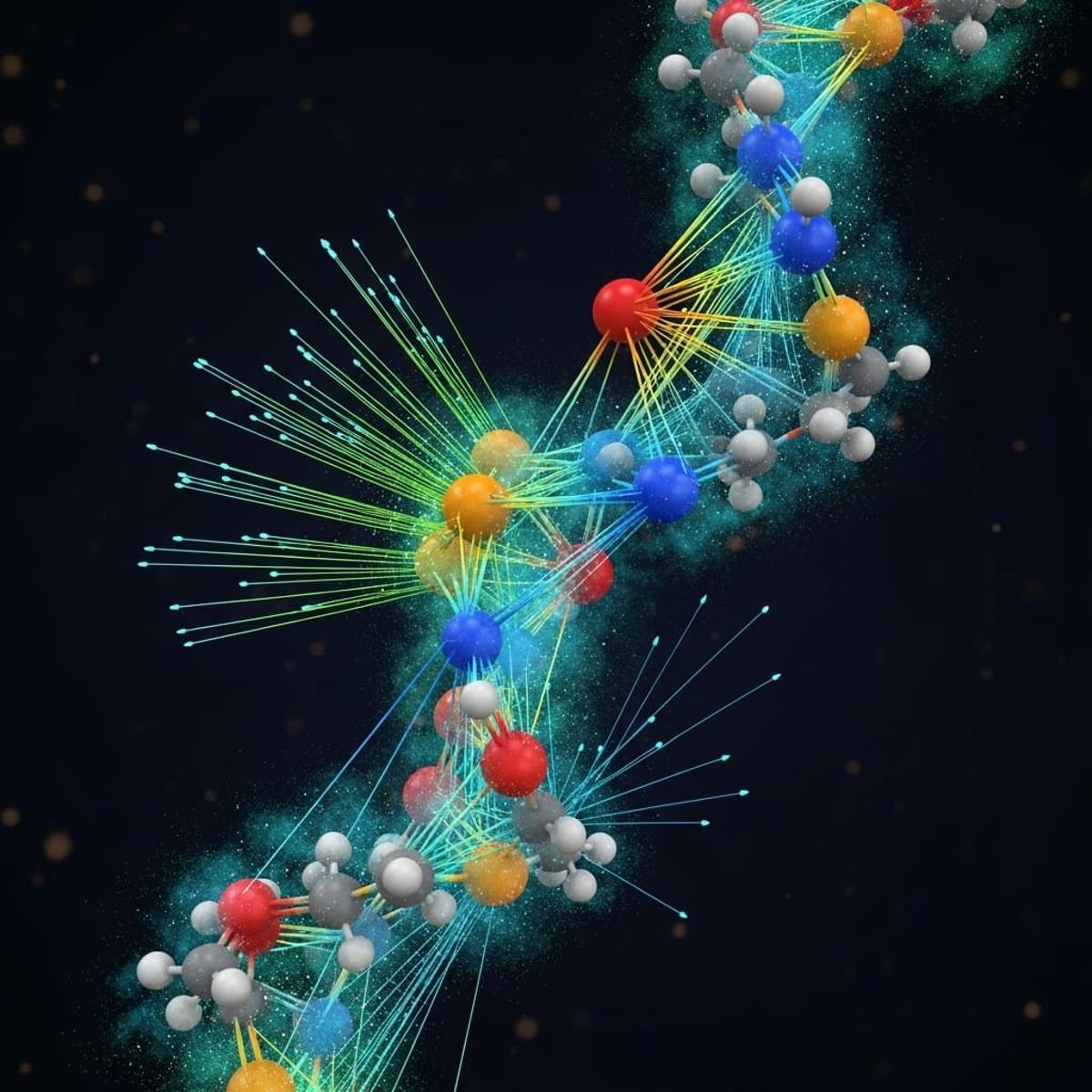
So3lr Force Field Achieves Unprecedented Accuracy Matching DFT for 23 Bio-Relevant Molecules
Researchers at the University of Luxembourg introduced SO3LR, a machine‑learned force field that reproduces PBE0+MBD density‑functional theory (DFT) results with unprecedented fidelity. Across 23 bio‑relevant small molecules, the model captures both harmonic and anharmonic vibrational frequencies, infrared spectra, and potential‑energy...

Electric Field Orientation Demonstrates Two-Photon Rydberg EIT Amplitude Variations
Researchers at William & Mary demonstrated that the amplitude of two‑photon Rydberg electromagnetically induced transparency (EIT) resonances changes with the orientation of a static dc electric field relative to laser polarization. By rotating the 780 nm probe and 480 nm coupling laser...

QuProtect R3 Delivers Rapid Crypto-Agility for Cloud and On-Prem Environments
QuSecure unveiled QuProtect R3, an end‑to‑end cryptographic platform built for the quantum era, offering rapid visibility across cloud, on‑premise, and edge environments. The solution’s crypto‑agility engine enables one‑click rotation of ciphers, keys, and algorithms without code changes or downtime. QuProtect R3 unifies...

EeroQ Solves Quantum “Wire Problem,” Enabling Control of 1M Electrons
EeroQ announced a breakthrough control chip that manipulates up to one million electrons—its qubits—using fewer than fifty physical wires. The electrons float on a superfluid‑helium layer, allowing loss‑free, long‑distance transport across the chip. This wiring reduction removes a long‑standing scalability...

WiMi’s LCQHNN Achieves High Performance with Four-Layer Quantum Circuit
WiMi Hologram Cloud Inc. unveiled a Lean Classical‑Quantum Hybrid Neural Network (LCQHNN) that leverages a four‑layer variational quantum circuit to deliver image‑classification accuracy on par with much deeper quantum models. The framework fuses classical convolutional and fully‑connected layers with quantum...

Large Language Models Achieve 90% Success in Autonomous Quantum Simulation
Researchers at Beijing Normal University and HKUST have shown that large‑language‑model (LLM) agents can autonomously perform tensor‑network quantum simulations with roughly 90% success across benchmark tasks such as phase‑transition and photochemical reaction modeling. By embedding 43,000 tokens of curated documentation...
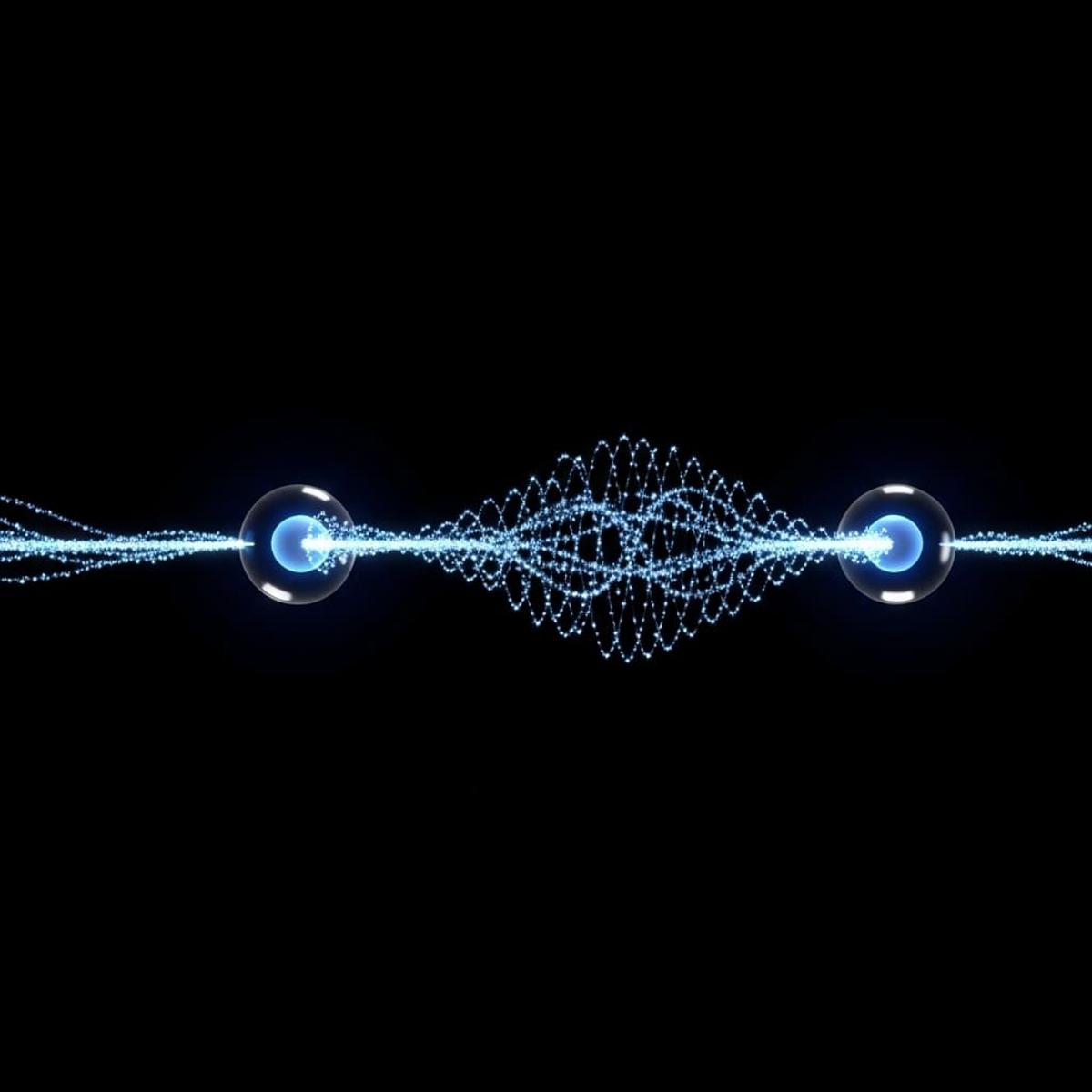
Zero Curvature Achieves Optimal Two-Qubit Entanglement Via Hamiltonian Evolution
Researchers Carlo Cafaro and James Schneeloch demonstrate that two‑qubit entanglement can be generated along geometrically optimal Hamiltonian paths. By measuring geodesic efficiency, speed efficiency and curvature, they show time‑optimal evolutions follow straight, zero‑curvature trajectories that waste minimal energy. These optimal...
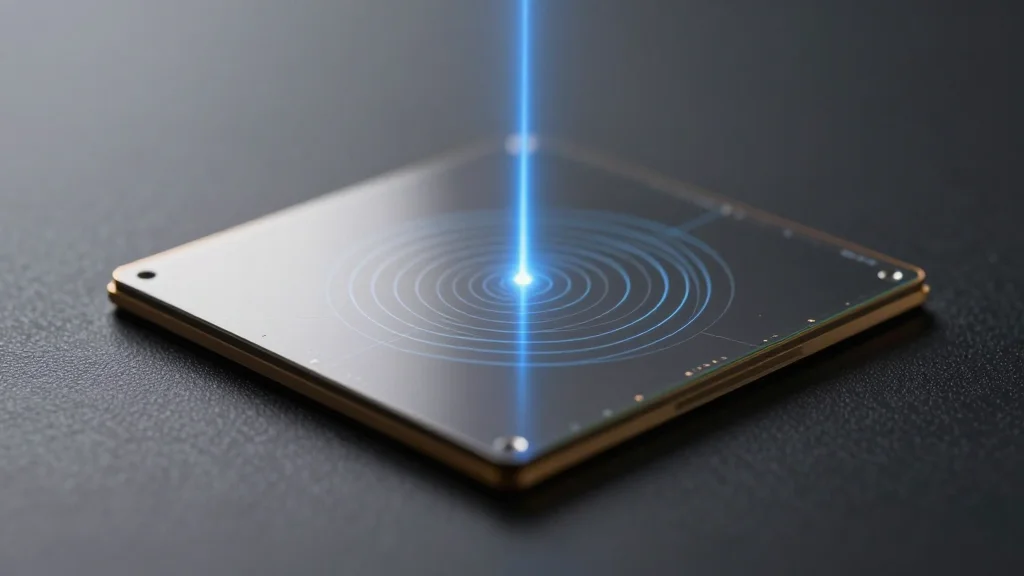
Quantum 'Alchemy' Made Feasible with Excitons
Researchers at OIST and Stanford have shown that excitons—electron‑hole pairs—can drive Floquet engineering far more efficiently than conventional laser light. By generating dense exciton populations in atomically thin semiconductors, they observed pronounced band‑structure hybridization with a Mexican‑hat dispersion using time‑...
Quantum Technology Hiring Trends - Consultants, Computing, and the Defense Connection
In this episode, hosts Frank La Vigne and Candace Gillhoolley interview James Davies, founder of Embedded Electronics Recruitment Solutions, about the rapid commercialization of quantum technology and the resulting hiring boom. Davies explains how consultants are bridging the gap between...

Podcast with Jonathan Reiner, Director of Product Solutions, Quantum Machines
Jonathan Reiner, Director of Product Solutions at Quantum Machines, explains how his team tackles the dual complexity of sophisticated quantum‑control hardware and a diverse, multi‑modality market. He describes the evolution from the OPX+ controller to a full‑stack offering that includes...

Amera IoT Unveils Quantum-Proof Encryption Backed by 14 US Patents
Amera IoT introduced AmeraKey® Encryption, a quantum‑proof solution backed by 14 U.S. patents. The system creates identical encryption keys on both ends of a link using a Picture‑and‑PIN method, eliminating the need to transmit keys or ciphertext. By leveraging transmission‑free...

Quobly and TNO Partner to Optimize Silicon Spin Qubit Manufacturing
French startup Quobly and Dutch research institute TNO have launched a joint research program to speed up industrial‑scale production of silicon spin qubits. The collaboration merges Quobly’s CMOS‑compatible qubit designs with TNO’s advanced materials characterization and cryogenic testing facilities. Their...

BTQ Technologies Added to $524.5M VanEck Quantum Computing ETF
BTQ Technologies Corp. has been added to VanEck's $524.5 million Quantum Computing UCITS ETF, which tracks the MarketVector Global Quantum Leaders Total Return Net Index. The fund, launched in May 2025, holds 30 quantum‑focused companies and rebalances quarterly, with a 0.55% expense...
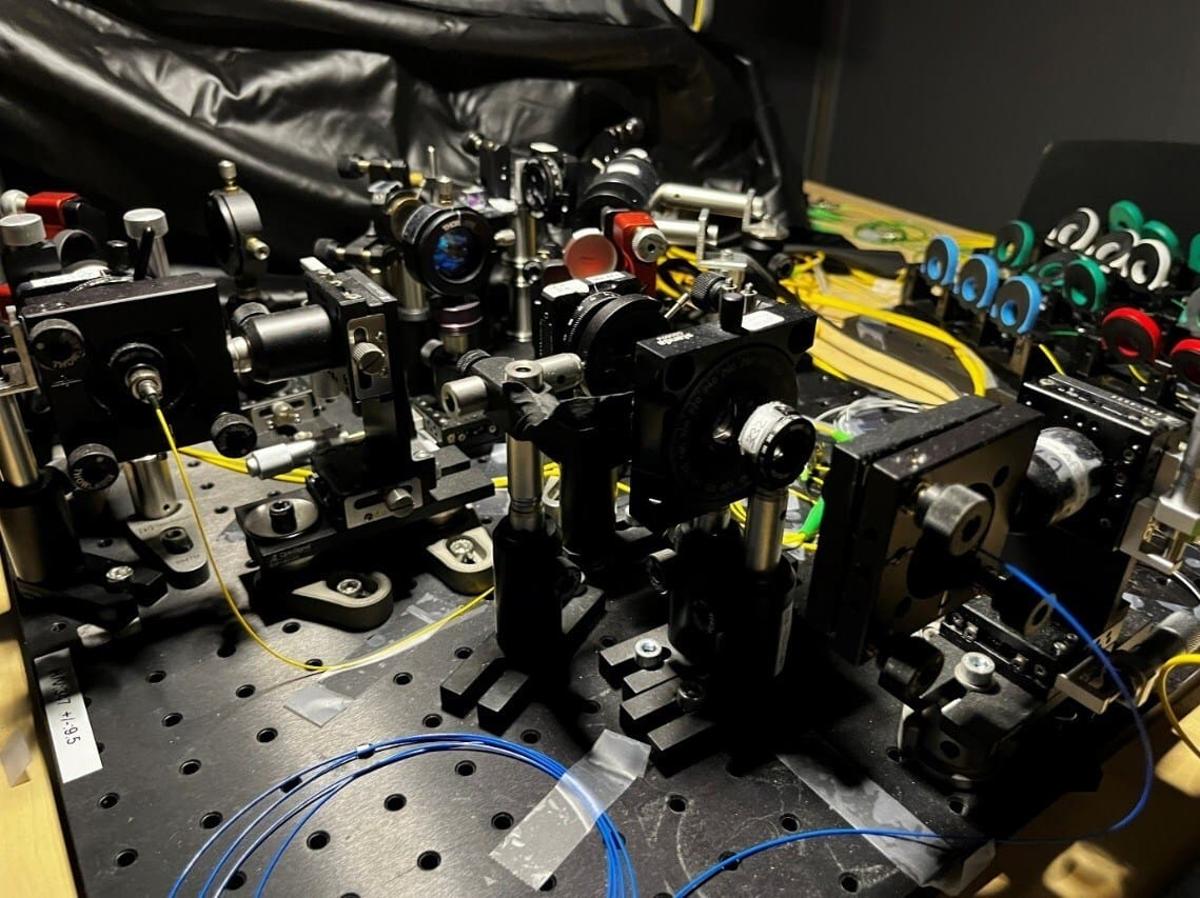
IEEE Study Unveils Robust Time-Bin Entanglement for Practical Quantum Communication
An IEEE research team demonstrated a deployment‑ready time‑bin entangled photon source using commercially available components across Vienna’s fiber network. The system achieved approximately 93 % visibility, measured with a Mach‑Zehnder delay‑line interferometer, surpassing thresholds for secure quantum‑key‑distribution. By relying on off‑the‑shelf...

NEXCOM Unveils Quantum-Resistant Platforms at MWC Barcelona 2026
NEXCOM announced at MWC Barcelona 2026 a suite of quantum‑resistant platforms that embed post‑quantum cryptography (PQC) frameworks for long‑term data protection. The rollout targets telecom, enterprise and industrial networks, emphasizing edge security and resilient networking. Alongside the PQC platforms, the...

SEEQC to Go Public via Merger with Allegro Merger Corp. At $1 Billion Valuation
SEEQC, a developer of digital quantum‑classical chips, has signed a definitive merger agreement with Allegro Merger Corp., valuing the combined entity at roughly $1 billion. The deal includes a $65 million PIPE financing that will fund scaling of its Single Flux Quantum...
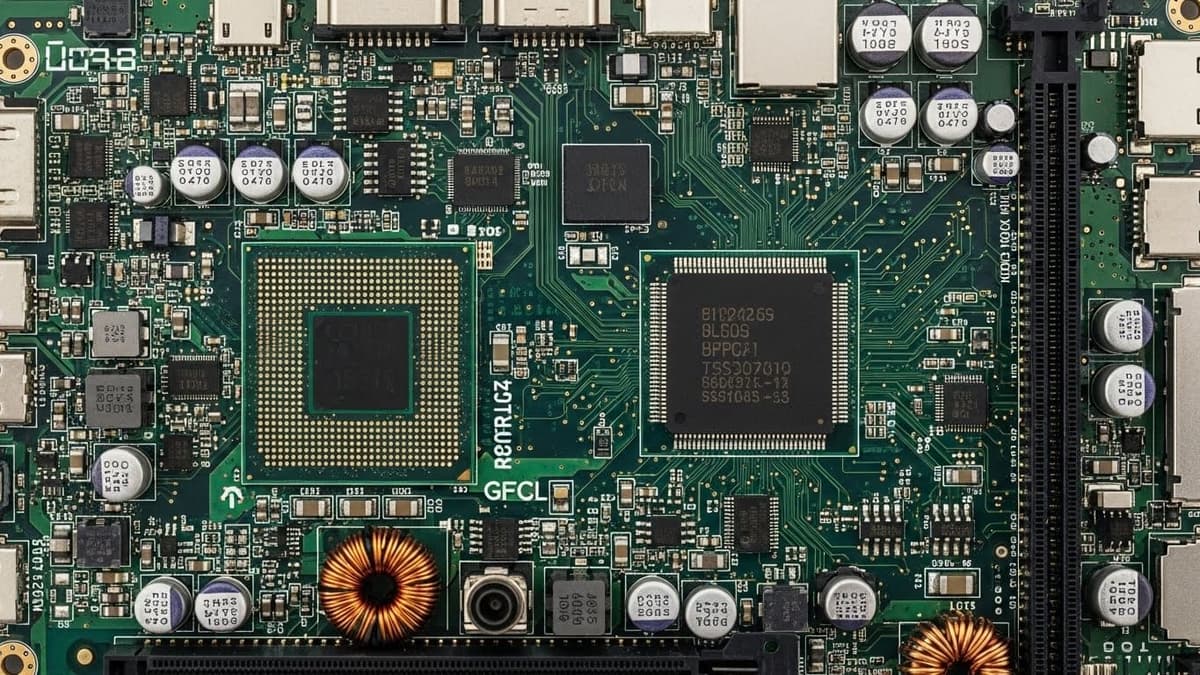
MicroCloud Hologram’s FPGA Achieves Efficient Quantum Simulation on Classical Hardware
MicroCloud Hologram Inc. unveiled an FPGA‑based hierarchical tensor‑contraction pipeline that accelerates quantum tensor‑network simulations. By mapping tensor operations onto deep‑pipelined MAC arrays, the system delivers a 1.7× speedup over traditional CPUs and more than double the energy efficiency. The architecture...

Team Develops a Better Method to Create 2D Superlattices with a Twist
Stanford chemist Fang Liu unveiled a gold‑tape technique that produces ultraclean twisted 2D moiré superlattices with near‑100% yield and centimeter‑scale dimensions. The method replaces the low‑yield Scotch‑tape approach, enabling uniform samples of graphene, MoS₂ and other semiconductors. Using SSRL’s X‑ray...

Detecting Single-Electron Qubits: Microwaves Could Probe Quantum States Above Liquid Helium
Researchers at RIKEN have demonstrated that microwave‑driven transitions of electrons floating above liquid helium can be detected through changes in quantum capacitance. By using ten million surface electrons as a macroscopic capacitor, they measured the Rydberg‑state transition via microwave frequency modulation....