Today's Quantum Pulse
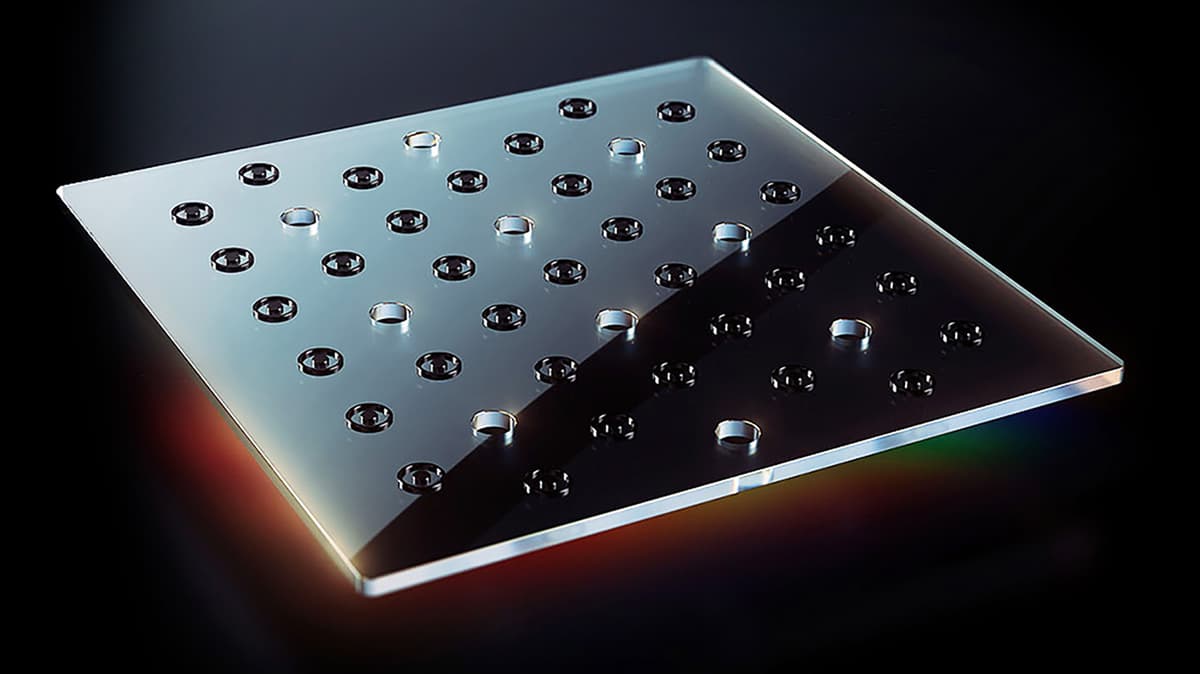
JPMorgan, OQC, and AMD team up on London quantum‑AI data center
Oxford Quantum Computing, JPMorgan Chase, and AMD announced a joint research effort to build a colocated quantum‑AI data center in London. The facility will combine OQC’s Genesis quantum processor with AMD’s AI and high‑performance computing hardware to tackle finance‑focused workloads such as portfolio optimization and quantum machine learning.
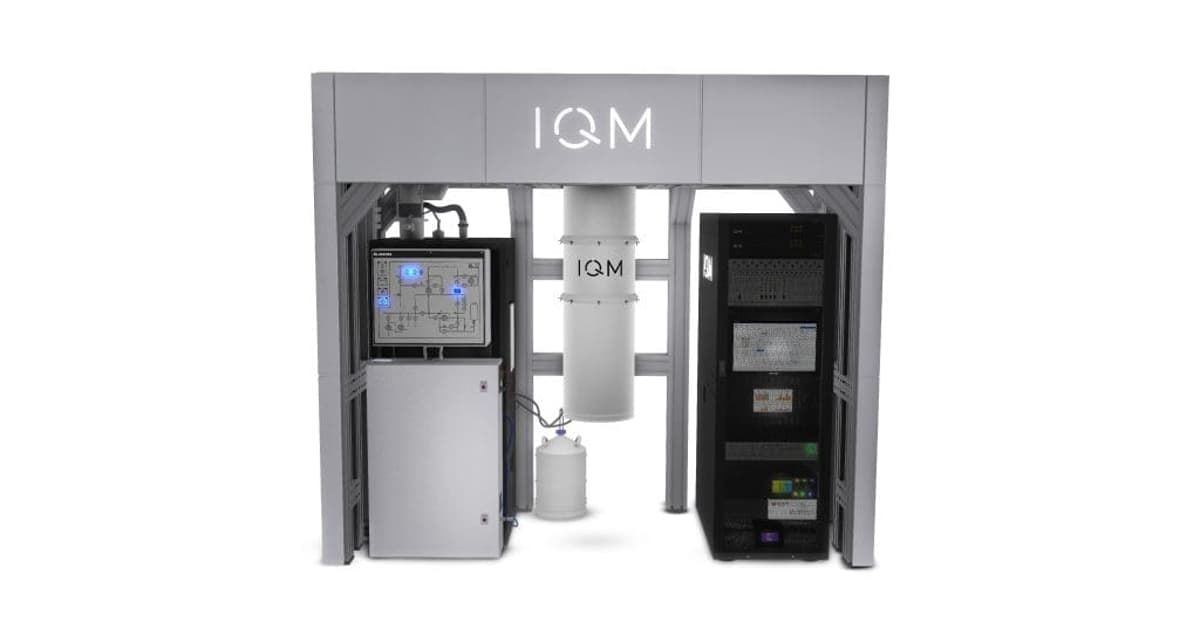
Heilbronn University Integrates 5-Qubit IQM Quantum Computer for Research & Education
Heilbronn University of Applied Sciences will install a 5‑qubit IQM Spark quantum computer, with commissioning slated for 2026. The system, delivered and supported by Bechtle, will be embedded in the university’s TechCampus laboratory and linked to existing IT infrastructure. Open software frameworks will allow students and researchers to run quantum workloads alongside AI and cloud environments. Bechtle’s three‑year multi‑tier support and training program aim to ensure high availability and curriculum integration.
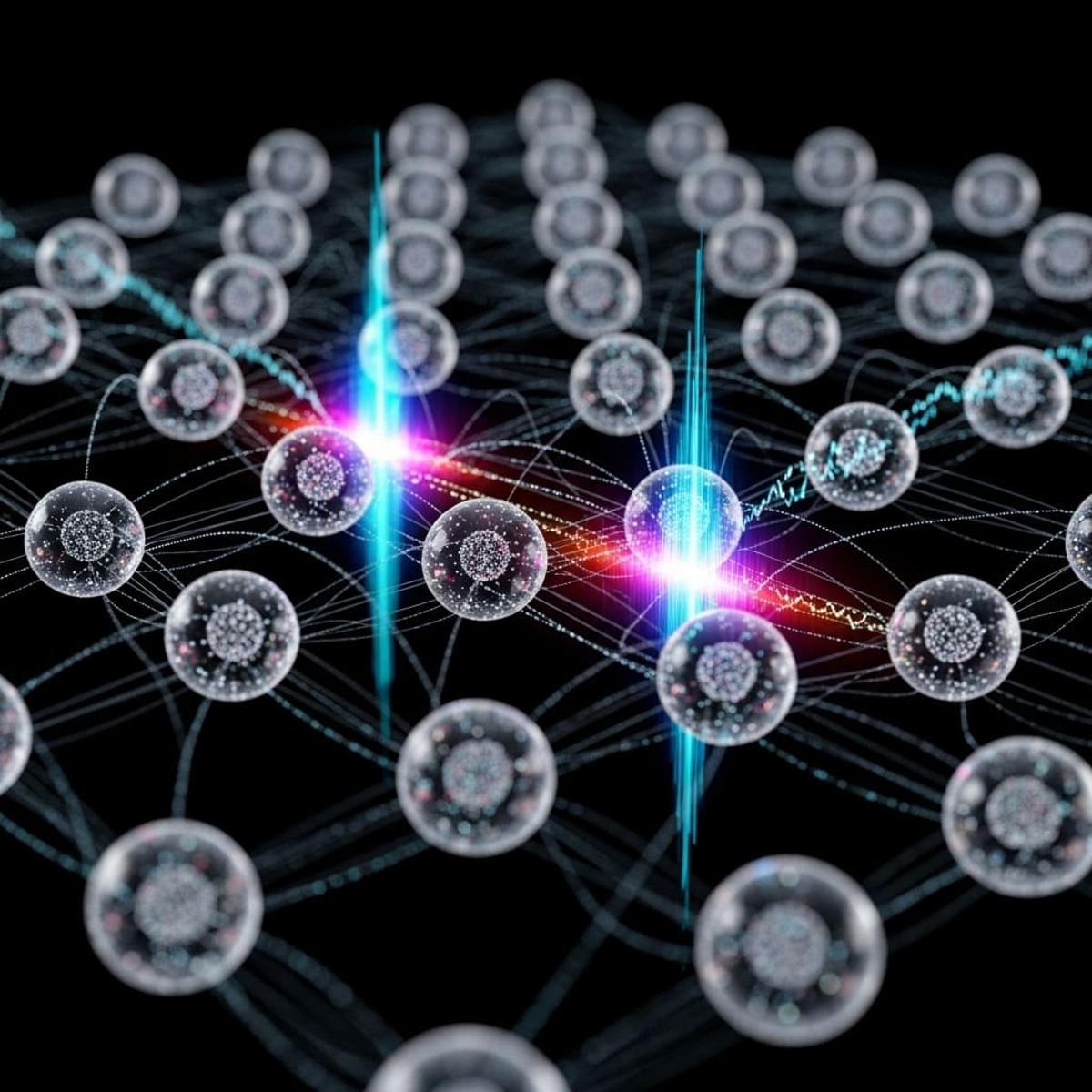
Information Transport Achieves Scale-Resolved Entanglement in Open Fermion Chains
Researchers introduced an "information lattice" framework to study information and entanglement transport in open, non‑interacting fermion chains governed by Lindblad master equations. By exploiting Gaussian state dynamics, they linked information currents to experimentally accessible noise and particle‑current measurements. The study...
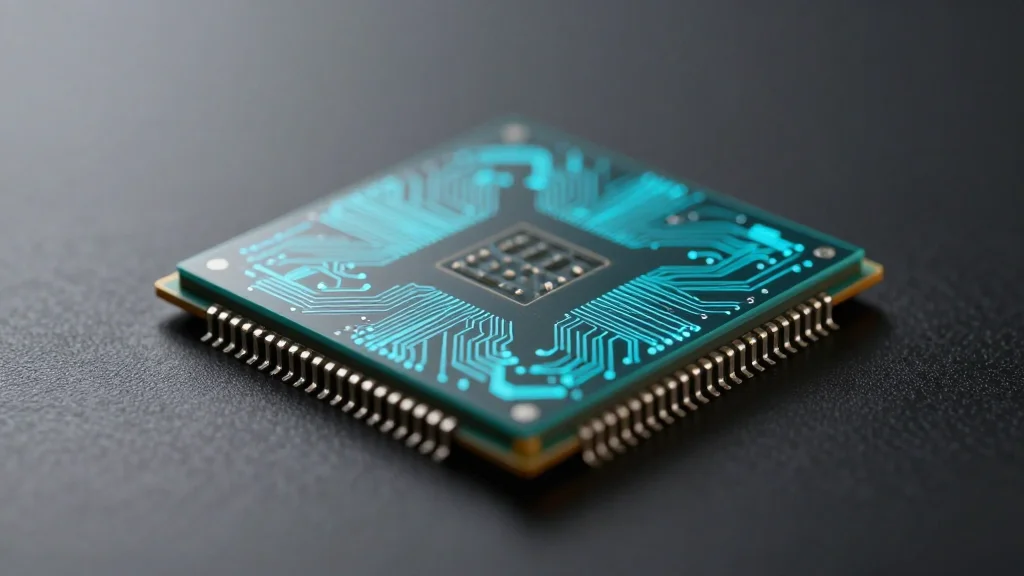
BTQ Partners ITRI for Low-Power
NEW: BTQ is partnering with ITRI to build a new chip architecture for post-quantum security. $BTQ ’s QCIM targets lower-power cryptography, and is now moving into silicon validation with ITRI, the incubator behind $TSMC.
Resonance Dynamics’ SRD/CRU System Stabilizes Quantum Entanglement Geometry
Resonance Dynamics announced its patent‑pending SRD/CRU System, a hardware‑agnostic structural‑layer solution that enhances coherence stability on existing quantum processors. The technology stabilizes quantum states and reinforces the geometry that supports entanglement without modifying qubit materials or chip architecture. By integrating...

DV Chain Launches QRL OTC Trading for Qualified Global Investors
DV Chain announced the launch of an over‑the‑counter (OTC) desk for the Quantum Resistant Ledger (QRL) token, targeting qualified global investors, including those in the United States. The service offers discreet, high‑volume trading with minimum size requirements, though exact thresholds...

Alice & Bob Introduce ‘Elevator Codes’ for Resource-Efficient Fault Tolerance
Alice & Bob unveiled “Elevator Codes,” a quantum error‑correction architecture that leverages the noise bias of cat qubits to dramatically cut hardware overhead while achieving a 10,000‑fold reduction in logical error rates. By nesting a 1D repetition code for phase‑flip protection...
Distributed Variational Quantum Algorithm Achieves 1,000-Variable Combinatorial Optimisation Solutions
The paper introduces a Distributed Variational Quantum Algorithm (DVQA) that leverages truncated higher‑order singular value decomposition (T‑HOSVD) to break down large combinatorial optimisation problems into manageable quantum subsystems. By substituting inter‑subsystem entanglement with a classical amplitude tensor, DVQA preserves global...
Quantum Collapse Models Point to Subtle Limits in Timekeeping Accuracy
An international team examined the Diósi‑Penrose and Continuous Spontaneous Localization (CSL) quantum collapse models and demonstrated that, if these models are correct, time itself carries a tiny intrinsic uncertainty. This fuzziness imposes a fundamental, though extraordinarily small, limit on the...
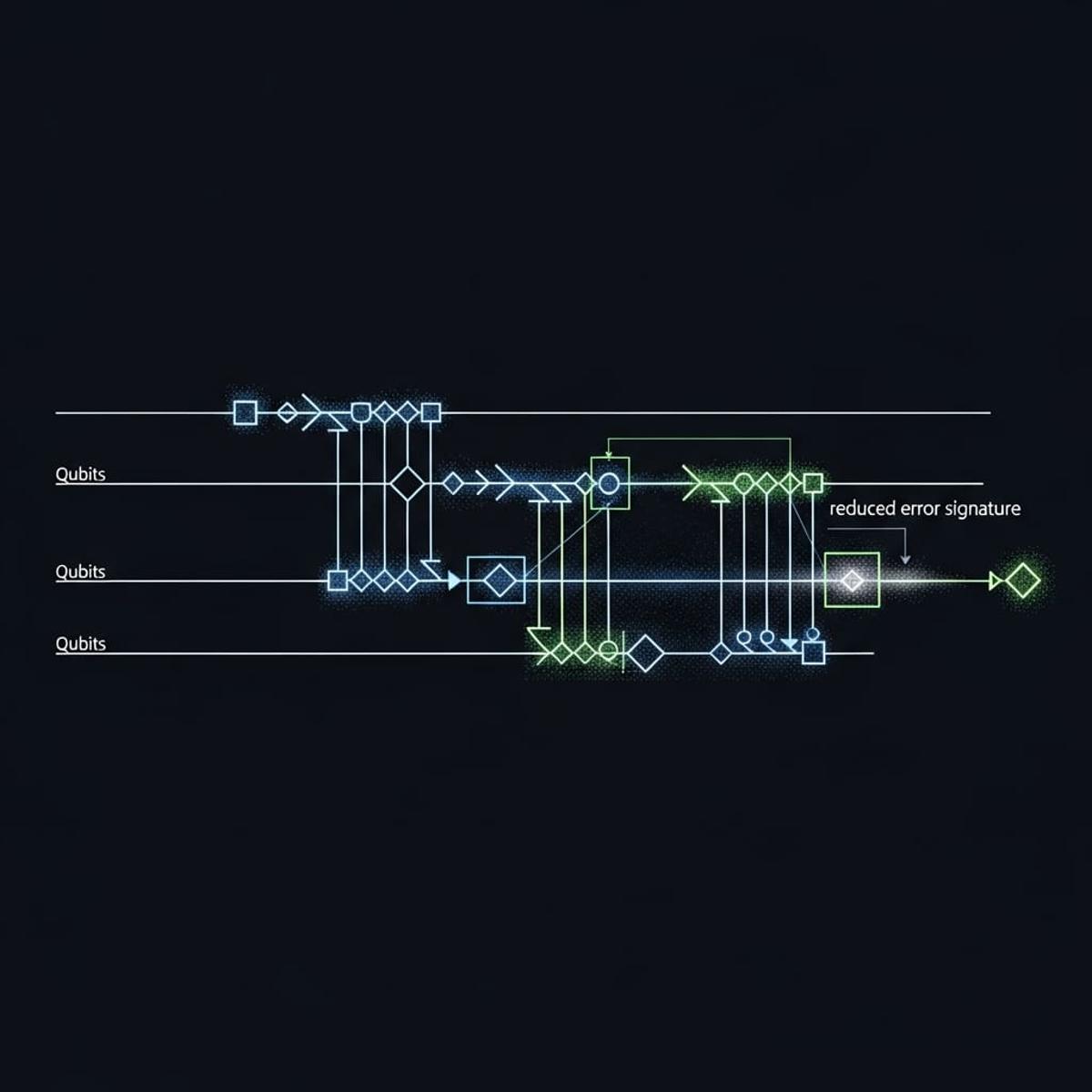
Deep Learning Achieves Superior Quantum Error Mitigation for up to Five Qubits
Researchers at Quantinuum and RIKEN applied sequence‑to‑sequence and attention‑based deep‑learning models to mitigate errors in noisy quantum circuits up to five qubits. Using a dataset of over 246,000 unique circuits from IBM Algiers and Hanoi processors, the models consistently outperformed...
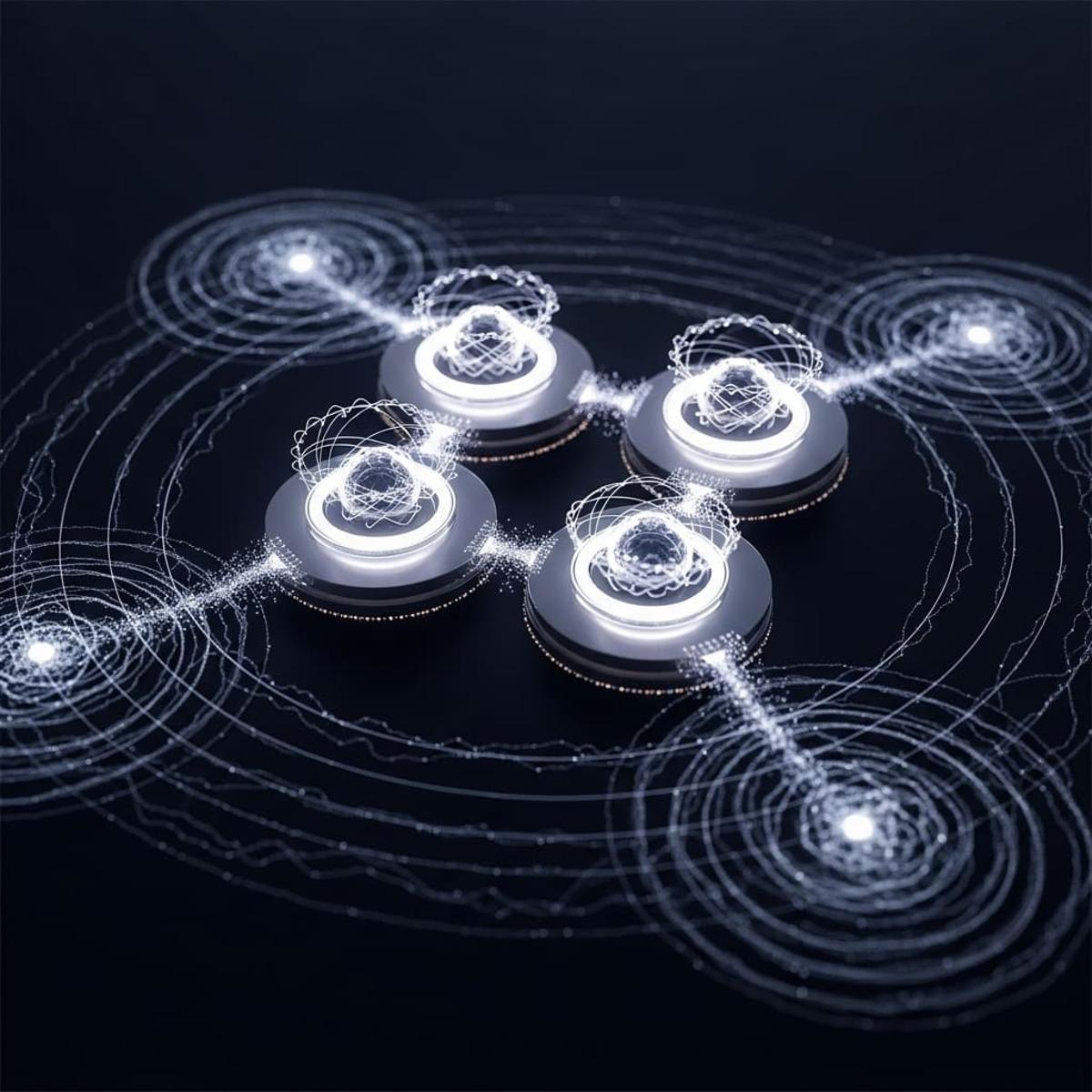
Quantum Neural Networks Achieve Faster Gravitational Wave Data Analysis with 4 Qubits
Researchers evaluated cloud‑based quantum neural networks (QNNs) for LISA’s gravitational‑wave data analysis, testing hardware from IonQ, IQM, Amazon Braket and Microsoft Azure. The QNNs demonstrated markedly faster learning than classical networks, achieving 99% fidelity on a 3‑qubit feature map and...

Qers Achieves Universal Post-Quantum Cryptography Resilience Scoring for IoT and IIoT Systems
Researchers at Luleå University of Technology introduced QERS, a Quantum Encryption Resilience Score that evaluates post‑quantum cryptography (PQC) suitability for IoT and IIoT devices. The framework aggregates six normalized metrics—latency, packet reliability, CPU load, energy use, RSSI, and key size—into...

Q/C Technologies Appoints AI Systems Leader Chelsea Voss to BOD
Q/C Technologies announced the appointment of Chelsea Voss, a senior technical staff member at OpenAI, to its Board of Directors. Voss brings extensive experience in machine‑learning infrastructure, model evaluation, and hardware reliability, complementing Q/C’s focus on quantum‑class photonic computing. The...

New Cryogenic Vacuum Chamber Cuts Noise for Quantum Ion Trapping
Georgia Tech Research Institute unveiled a cryogenic vacuum chamber that dramatically reduces vibration and magnetic‑field noise for trapped‑ion quantum experiments. The design embeds magnetic shielding inside the chamber and uses ceramic‑plastic posts for vibration isolation, while an integrated RF coil...
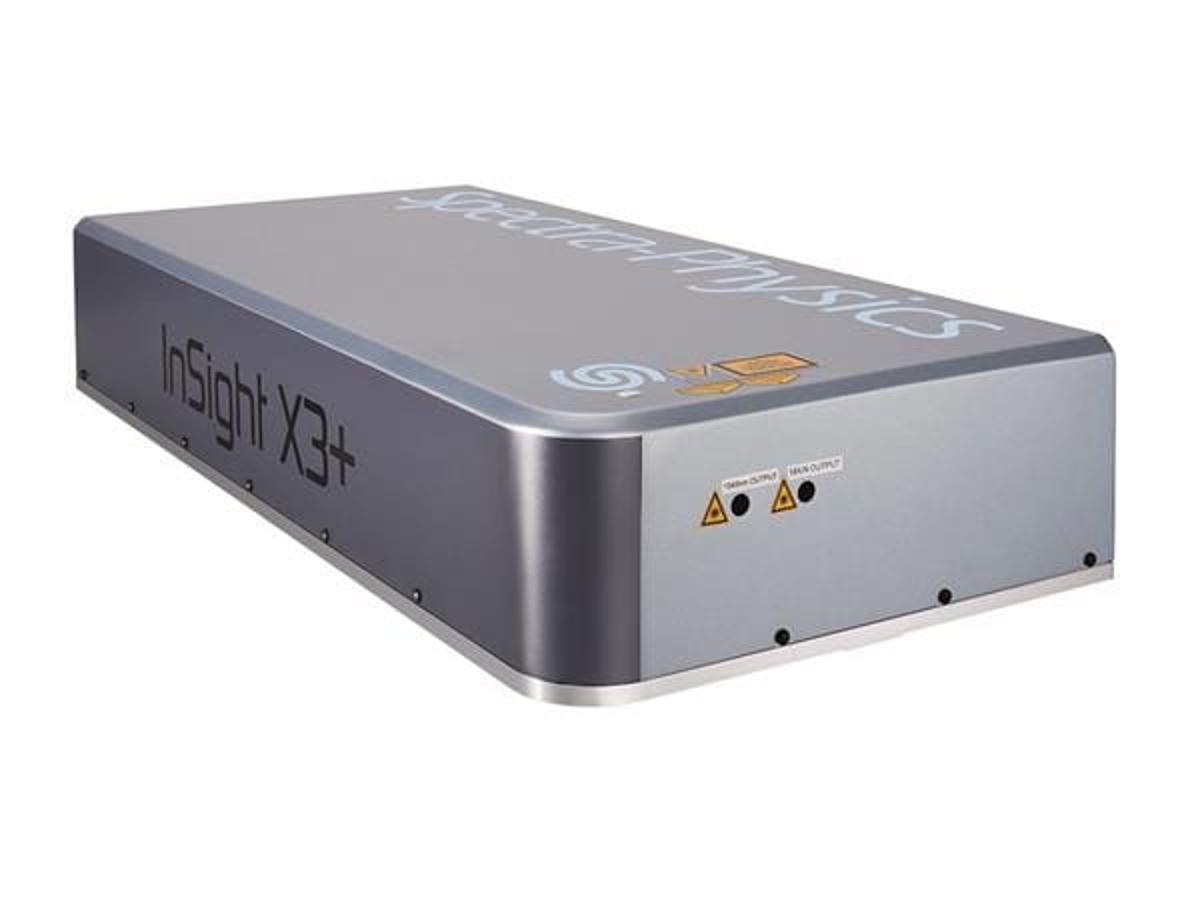
MKS Unveils Photonics Solutions Driving AI & Quantum Innovation at Photonics West
MKS Inc. announced a suite of new photonics products at Photonics West 2026, targeting AI hardware, quantum research, life‑science imaging, and long‑range surveillance. The lineup includes Newport HybrYX air‑bearing XY stages, a 100 W UV Spectra‑Physics Talon Ace laser, tunable Matisse CW...

QuTech Boosts NV Centre Photon Collection Probability to 0.5 Percent
QuTech has integrated a Fabry–Pérot microcavity with a diamond nitrogen‑vacancy (NV) centre, raising the photon‑collection probability to 0.5 percent—a ten‑fold gain over prior solid‑immersion‑lens approaches. The cavity, formed by a chip‑mounted mirror and an optical‑fiber mirror, resonantly enhances emission at the...
Materials Project Cited 32,000 Times, Accelerating Battery & Quantum Research
The Materials Project, launched in 2011, has become the most‑cited materials‑science database with over 32,000 peer‑reviewed citations. It serves more than 650,000 registered users, delivering roughly 465 TB of curated computational data through a cloud infrastructure that boasts 99.98% uptime. Leveraging...

Berkeley Lab Develops Quantum-Machine Learning Model for Electron Behavior in Water
Berkeley Lab scientists have unveiled a quantum‑machine‑learning hybrid model that simulates excess‑electron behavior in liquid water with laboratory‑level accuracy. By applying quantum mechanics to the reactive electron and a machine‑learning‑trained force field to the surrounding solvent, the method reproduces reaction...
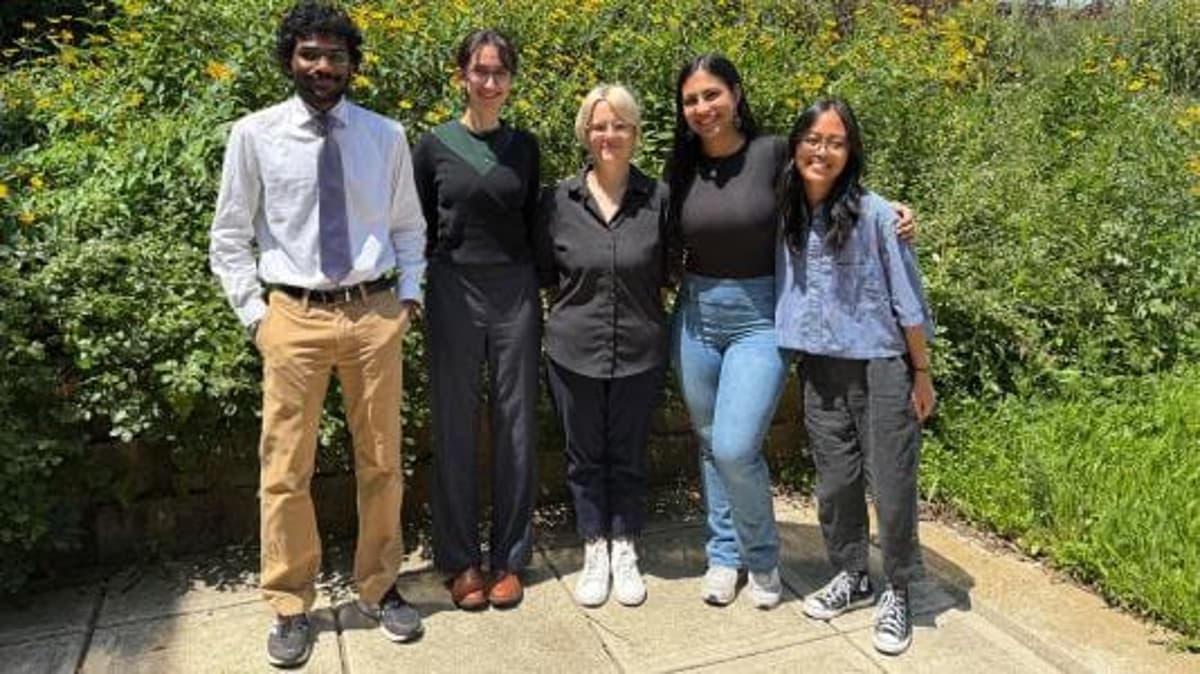
Argonne National Lab Hosts 27 Undergraduates Advancing Quantum Technologies
Argonne National Laboratory hosted 27 undergraduates in its 2025 Open Quantum Initiative (OQI) Fellowship, immersing them in quantum information science projects such as erbium‑crystal control, vacancy‑qubit microscopy, and nitrogen‑vacancy center detection. Fellows built open‑source hardware, custom microscopes, and magnetic‑field measurement...

IonQ Appoints New SVP to Lead Quantum Networking and Security Division
IonQ announced the appointment of Domenico Di Mola as Senior Vice President of Engineering for its Quantum Networking, Security, and Sensing (QNSS) division. Di Mola will steer engineering and strategy for quantum‑secure networking, distributed‑sensing architectures, and the integration of quantum processors with...
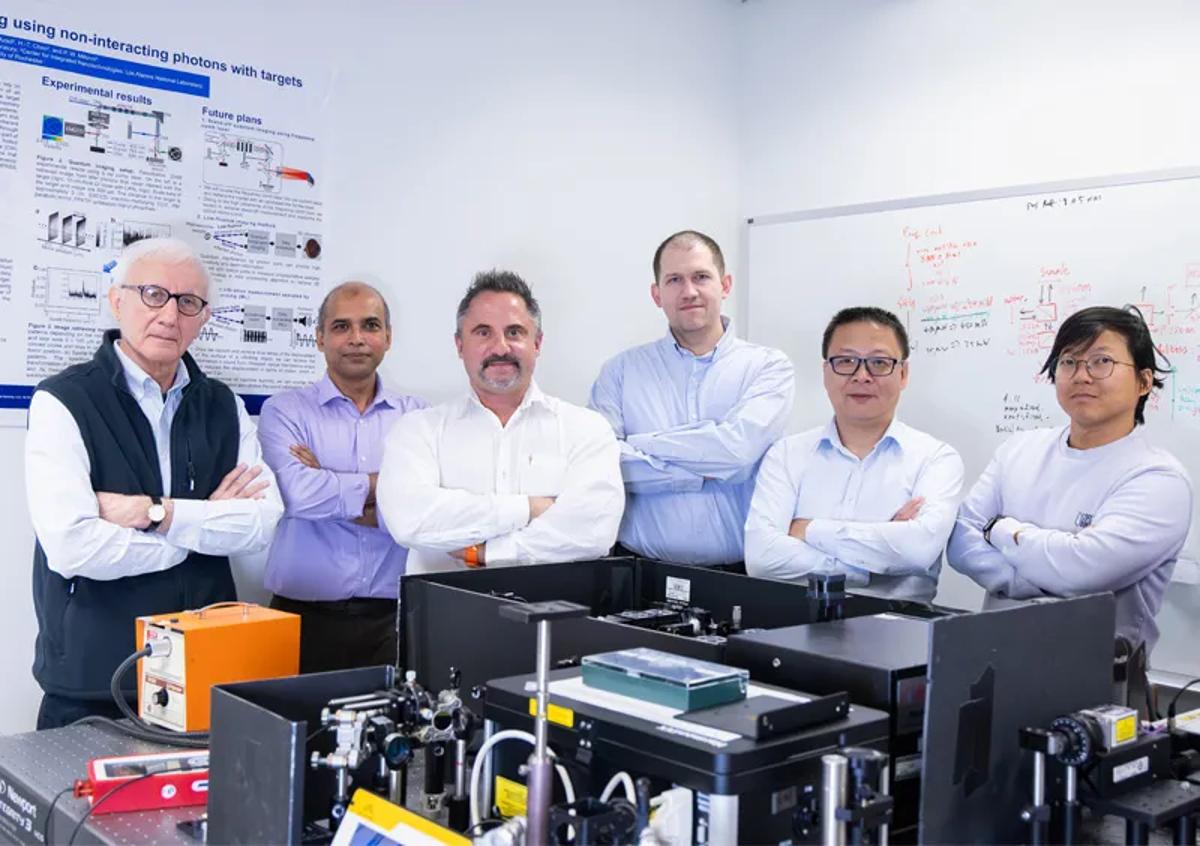
LANL’s Dalvit Unveils qCOMBPASS for Enhanced Remote Quantum Sensing
Los Alamos physicist Diego Dalvit has introduced qCOMBPASS, a quantum‑enhanced radar that leverages frequency‑comb lasers and light‑squeezing techniques to detect objects without storing photons. The system targets the memory‑storage bottleneck that has limited remote quantum sensing since 2019, aiming for...

Podcast with Alice and Bob Discussing the U.S. National Quantum Initiative Reauthorization Act
In January 2026 bipartisan Senators introduced S‑11, the National Quantum Initiative Reauthorization Act, extending the 2018 quantum program to 2034. The bill replaces the term "science" with "engineering" and "technology," signaling a shift from research to commercial quantum manufacturing and...

Coherent and Quside Demonstrate Scalable, Verifiable Quantum Entropy for Data Security
Coherent Corp. and Quside have demonstrated a mass‑manufacturable quantum entropy source using Coherent’s 6‑inch VCSEL line combined with Quside’s QRNG technology. The system generates true, verifiable randomness by measuring VCSEL phase fluctuations and includes real‑time entropy monitoring to detect tampering....

Megahertz Spatial Light Modulator Achieves Rapid, Reconfigurable Light Field Control
Researchers Wei, Li, and Karve unveiled a spatial light modulator that breaks the speed‑resolution trade‑off, delivering frame rates above 10 MHz while maintaining a high pixel count. The device encodes spatial data in the optical frequency domain and decodes it with...

Lightwave Logic and QPICs Partner to Accelerate Photonic Quantum Chip Development
Lightwave Logic and QPICs have signed an MOU to embed Lightwave Logic’s high‑stability electro‑optic polymers into photonic integrated circuits for quantum computing and sensing. The partnership will produce Process Design Kits that let customers design silicon‑based quantum chips without major...

Five-Qubit Code Achieves Noise Resilience in Quantum Evolution with Open Systems
Researchers from ISI and the Weizmann Institute present a quantitative benchmark for quantum error‑correcting codes embedded in realistic open‑system models. By deriving a second‑order master equation for multi‑qubit registers coupled to bosonic thermal baths, they compare the five‑qubit, Steane and...

Scalable Spin Squeezing Achieves Robustness in XXZ Models with Disorder, up to 646
Researchers demonstrated that spin squeezing can remain scalable in two‑dimensional XXZ lattices even when a fraction of sites are vacant, provided disorder stays below a critical threshold. Using semi‑classical discrete truncated Wigner approximation, they mapped a phase diagram that predicts...

Fact.MR Projects $1.1 Billion Horticulture Quantum Sensors Market by 2036
Fact.MR forecasts the global horticulture quantum sensors market to expand from $0.3 billion in 2026 to $1.1 billion by 2036, reflecting a 13.9% compound annual growth rate. The growth is driven by rising adoption of precision‑agriculture technologies, especially quantum photosynthetically active radiation...
It Started with a Cat: How 100 Years of Quantum Weirdness Powers Today's Tech
A new perspective piece in Science by Dr. Marlan Scully chronicles a century of quantum mechanics, tracing its evolution from Schrödinger’s cat paradox to the technologies that define modern life. He highlights how quantum coherence gave rise to lasers, entanglement...
Scalable Bounds for Many-Body Properties Achieved with Finite Measurements and Semidefinite Programming
Researchers Mortimer, Zambrano, Acín, and Farina present a scalable framework that uses moment‑matrix relaxations within semidefinite programming to bound many‑body quantum properties from finite‑shot, incomplete measurements. The method scales polynomially, enabling certification of systems as large as 50 qubits, and...

Two Copies of Extremal Non-Signaling Boxes Violate Key Principles of Bell Nonlocality
Researchers constructed and catalogued extremal non‑signaling (ENS) boxes across previously unexplored bipartite Bell scenarios, delivering a comprehensive database via the PANDA software. They proved that just two copies of any ENS box suffice to breach the exclusivity and local orthogonality...

Network-Based Quantum Computing Achieves Distributed Fault-Tolerance with Many Small Nodes
Researchers from the University of Tokyo and NTT introduced Network‑Based Quantum Computing (NBQC), a framework that distributes fault‑tolerant quantum workloads across many small‑scale nodes. By routing algorithmic qubits through a dynamic ring‑and‑switch network, NBQC hides communication latency and leverages magic‑state...
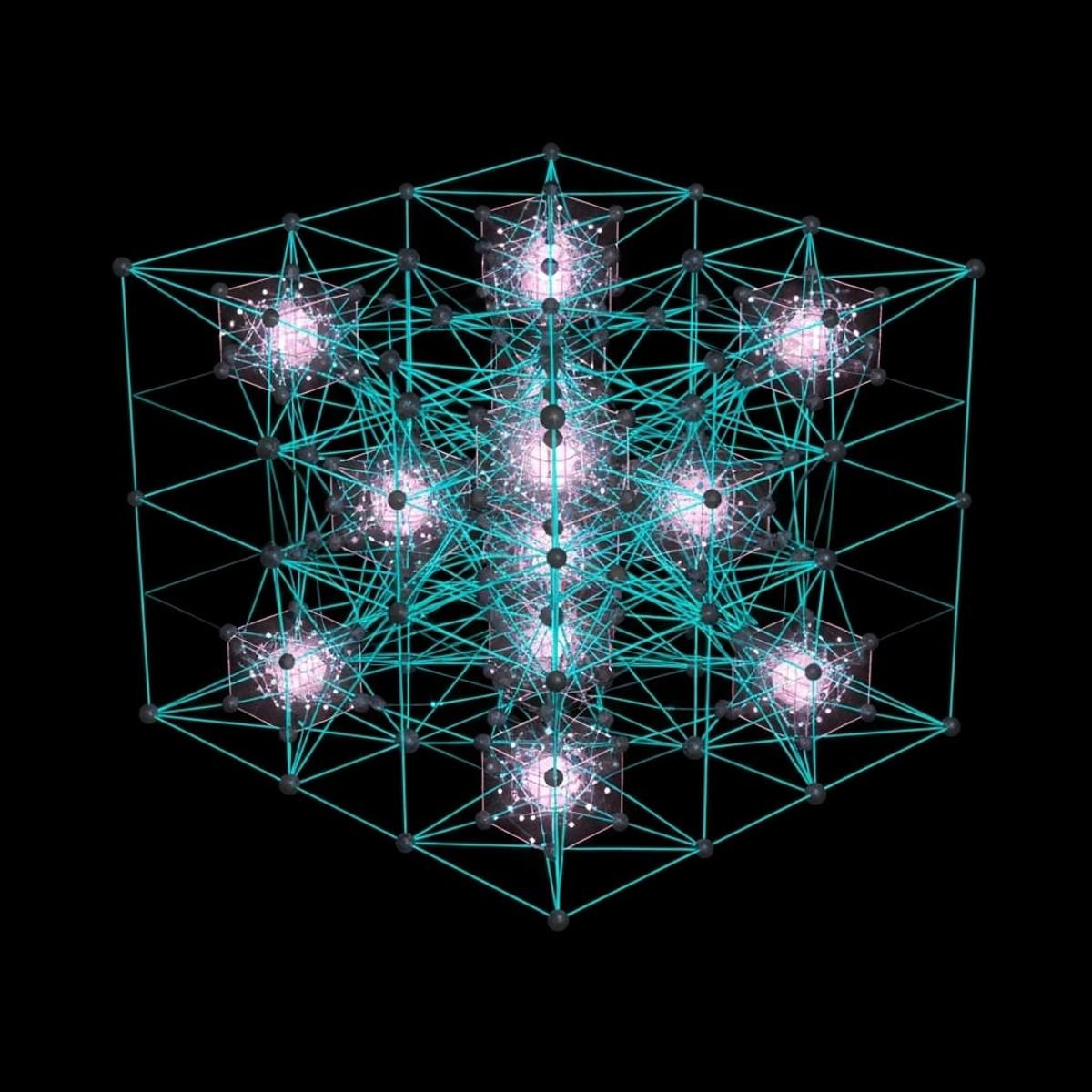
Fracton Orders Advance 3D Hypergraph Product Codes and Stabilizer Code Design
Meng‑Yuan Li and Yue Wu introduce a generalized hypergraph product (HGP) framework that produces orthoplex spin models exhibiting fracton topological order. In three dimensions the models display a non‑monotonic ground‑state degeneracy and host non‑Abelian lattice defects. Their four‑dimensional construction uncovers...
New Method Reveals Quantum States Using Indirect Measurements of Particle Flows
A University of Geneva team has introduced a quantum state tomography technique that infers the full state of an open quantum system from transport measurements of particle flows, rather than direct projective measurements. By exploiting currents and their correlations across...
Explainable AI Achieves 83.5% Accuracy with Quantized Active Ingredients and Boltzmann Machines
Researchers introduced a hybrid quantum‑classical framework that uses Quantized Boltzmann Machines (QBMs) to improve both performance and transparency in AI decision‑making. Tested on a binarized, PCA‑reduced MNIST subset, QBMs reached 83.5% classification accuracy, far surpassing the 54% of classical Boltzmann...

Robust Quantum Machine Learning Achieves Increased Accuracy on MNIST and FMNIST Datasets
Researchers at the University of Melbourne introduced a Matrix Product State (MPS) based encoding scheme that dramatically reduces quantum circuit depth while preserving classification performance. By iteratively applying singular value decomposition, the method creates low‑depth, approximate encodings that require fewer...
Quantum Random Number Generator Achieves 10σ Contextuality Violation On-Chip
Researchers have built an on‑chip semi‑device‑independent quantum random number generator that leverages a 10σ violation of the KCBS contextuality inequality. The silicon‑photonic system prepares, transforms and measures qutrit states, delivering a certified conditional min‑entropy of 0.077 ± 0.002 bits per round. This...

Rigetti Computing Receives $8.4 Million Order for 108-Qubit Quantum Computer From India’s C-DAC
Rigetti Computing India has received an $8.4 million purchase order from the Centre for Development of Advanced Computing (C‑DAC) to deliver a 108‑qubit superconducting quantum computer. The modular chiplet‑based system, built with Rigetti’s in‑house control electronics and fabricated at its Fab‑1...

Reentrant Topological Phases Achieves Universal Class Invariance in Moire-Modulated SSH Model
Researchers have demonstrated that a moiré‑modulated Su‑Schrieffer‑Heeger (SSH) chain exhibits reentrant topological phases with universal class invariance. By systematically varying the moiré pattern, they uncovered a direct, predictable relationship between the internal lattice configuration and the emergent edge‑state properties. The...
Dicke-Ising Chain Analysis Achieves Improved Accuracy in Magnetically Ordered Phases with NLCE+DMRG
Researchers combined numerical linked‑cluster expansions (NLCE) with density‑matrix renormalization‑group (DMRG) to map the Dicke‑Ising chain onto a self‑consistent effective matter Hamiltonian, eliminating photon‑spin correlation calculations. This hybrid method achieved phase‑diagram precision of 10⁻⁴ for ferromagnetic couplings and confirmed a narrow...

Long-Range Interactions in One-Dimensional Gases Achieve Crossover to Clustering with Cavity Fields
The authors used quantum Monte‑Carlo simulations with a novel non‑translational Jastrow ansatz to study one‑dimensional Bose and Fermi gases subject to cavity‑mediated infinite‑range interactions. Their results map a crossover from weakly modulated, repulsive phases to delocalized, attractive bound states that...

UPM and Q*Bird Launch Spain’s First Multi-Node MDI-QKD Network in Madrid
Universidad Politécnica de Madrid and Q*Bird have deployed Spain’s first operational multi‑node measurement‑device‑independent quantum key distribution (MDI‑QKD) network in Madrid. The hub‑and‑spoke architecture links two INTA facilities and the Ministry of the Interior’s SGSICS site, using Q*Bird’s Falqon® MQX4000 hub...
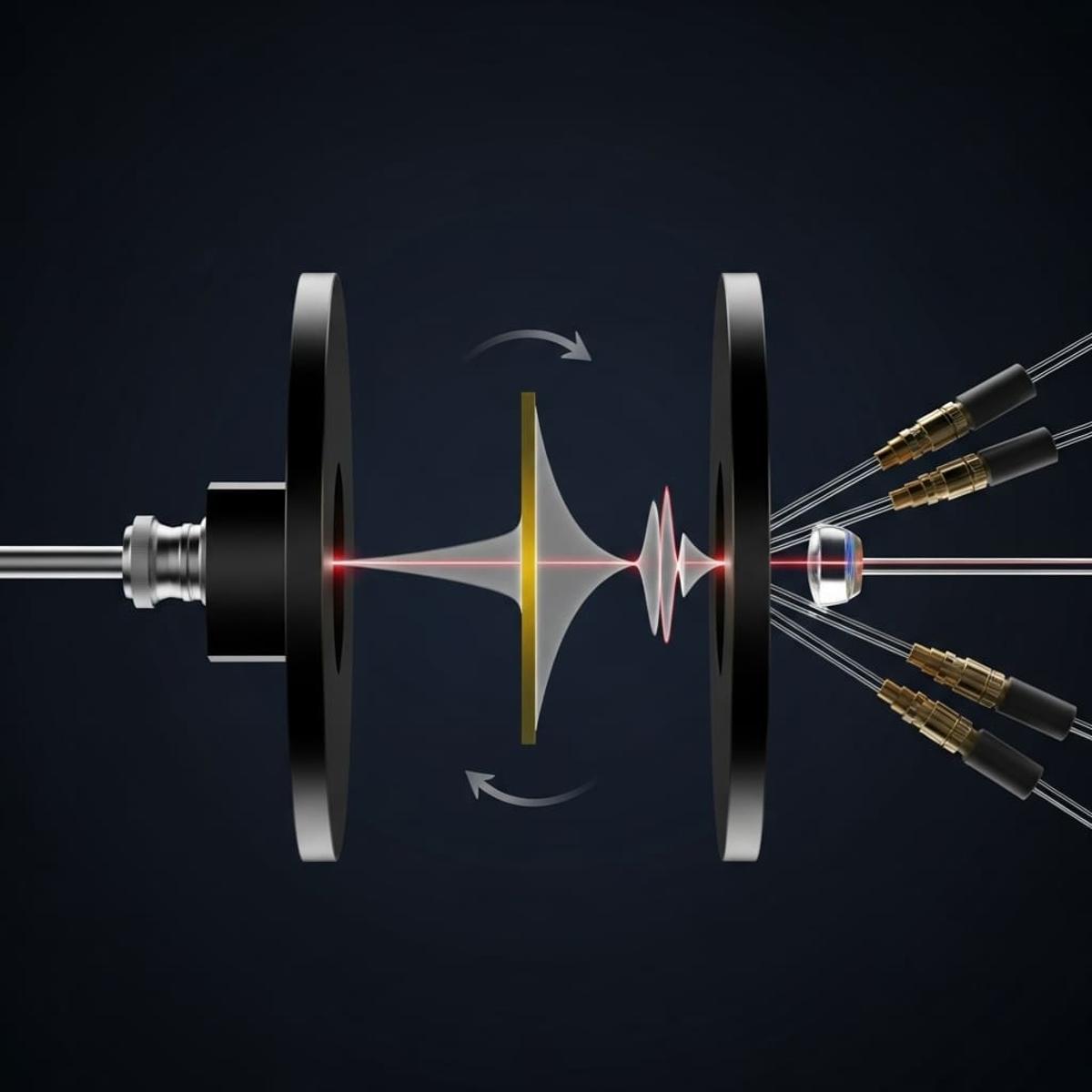
Db Signal Boost Achieved by Mitigating Nonlinear Transduction Noise in Cavity Optomechanics
Researchers at the Technical University of Denmark introduced a nonlinear transform that fully suppresses thermal intermodulation noise (TIN) in high‑cooperativity cavity optomechanics. By inverting the full cavity response, they eliminated TIN of all orders, including the first experimental detection of...

Qubit Fidelity Achieves Improvement Despite Phase Noise Via Numerical Simulations
Researchers at the University of Pisa used detailed Qiskit‑Dynamics simulations to quantify how phase noise in control signals erodes qubit fidelity. By generating realistic phase‑noise sequences from specified power spectral densities and applying them to 6 GHz carrier pulses, they measured...

Entanglement Distillation Reliability Function Achieves Exact Finite Blocklength Results
Researchers Lin, Li, and Fang have precisely characterised the reliability function of entanglement distillation, delivering exact finite‑blocklength results. By linking performance to the regularized quantum Hoeffding divergence, they provide a concrete optimal protocol when the initial state is known and...

Quantum Fear Should Spur Bitcoin Fixes, Not Complacency
Bitcoin and the Quantum Threat: Think about the Year 2000 bug. Remember Y2K? It was a great example of the positive effects of over-worrying. I'm old enough to remember how everyone was talking about how the world is going to end...

Horizon Quantum and Alice & Bob Partner to Streamline Fault-Tolerant Software Development
Horizon Quantum Computing and Alice & Bob have forged a strategic partnership to embed Alice & Bob’s cat‑qubit emulators into Horizon’s Triple Alpha development environment. The integration lets developers prototype quantum error‑correction protocols on a virtual representation of the cat‑qubit architecture, which claims...

Counterdiabatic Driving Achieves Minimal Transitions for Random-Gap Landau-Zener Systems
The authors present a counterdiabatic‑driving scheme that uses a single control field to minimise the average Landau‑Zener transition probability across ensembles with random energy gaps. By restricting the control to a σ₁‑type operator, they achieve better performance than traditional σ₂‑based...
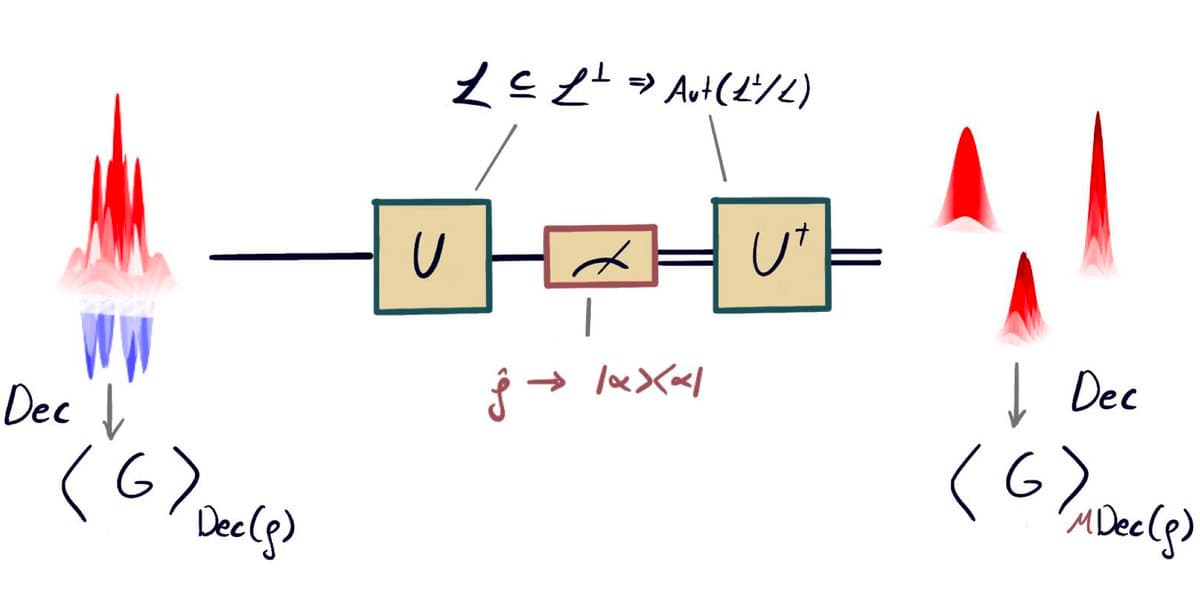
Shadow Tomography of GKP Logical Subsystems via Twirled Measurements
Chasing shadows with Gottesman-Kitaev-Preskill codes https://t.co/n2Ez7A6Ehz We explore a research question at the intersection of #quantumerrorcorrection and #quantumlearningtheory. Concretely, we consider the task of performing shadow tomography of a logical subsystem defined via the Gottesman-Kitaev-Preskill (#GKP) error correcting code. Our protocol does...
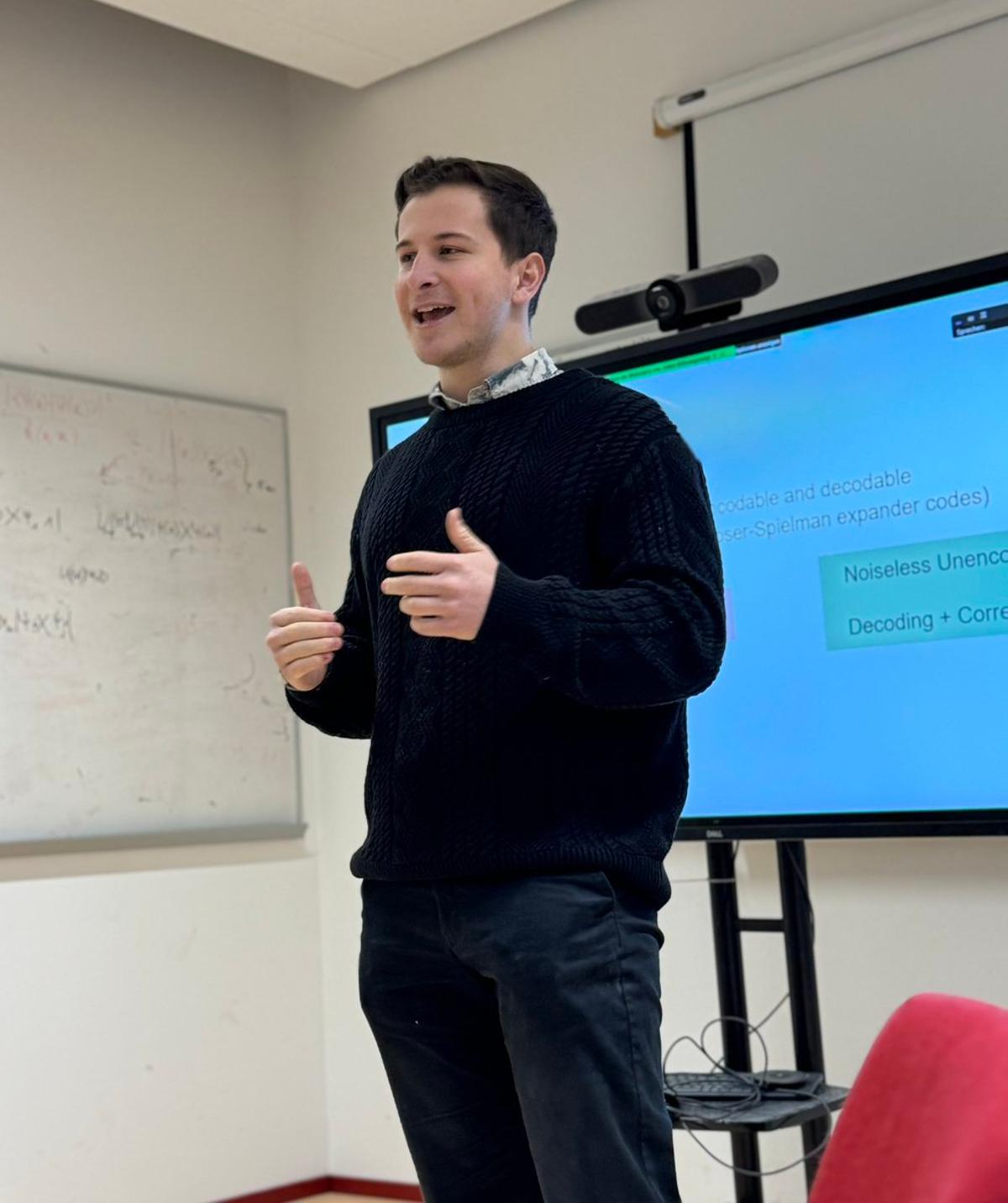
Adam Wills Joins to Explore Quantum Error Correction
What a pleasure to have @adam_wills1 visiting us for this week to discuss notions of #quantumerrorcorrection. https://t.co/07pCKcT4pv
Pauli Twirling + Probabilistic Cancellation Boost NISQ Fidelity
Back in 2023, I gave a series of lectures at the Boulder Summer School on then-recent techniques we developed for error mitigation in NISQ devices, specifically how to combine Pauli twirling with probabilistic error cancellation to improve fidelity in noisy...