Today's Quantum Pulse
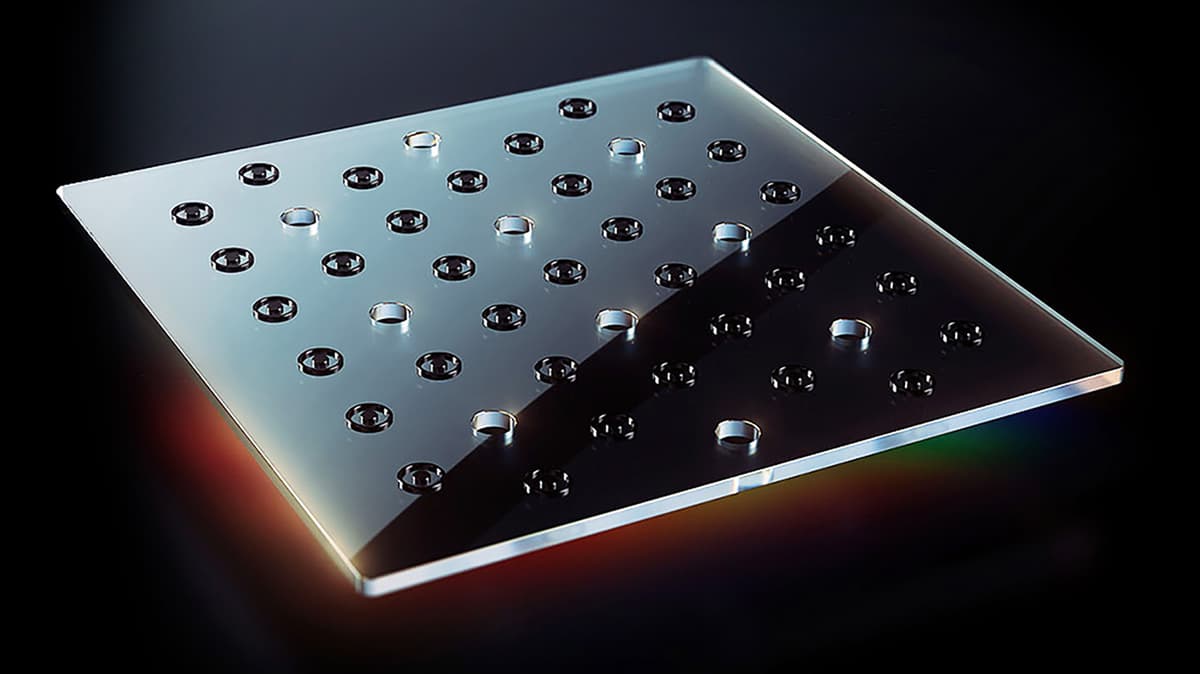
JPMorgan, OQC, and AMD team up on London quantum‑AI data center
Oxford Quantum Computing, JPMorgan Chase, and AMD announced a joint research effort to build a colocated quantum‑AI data center in London. The facility will combine OQC’s Genesis quantum processor with AMD’s AI and high‑performance computing hardware to tackle finance‑focused workloads such as portfolio optimization and quantum machine learning.

GBAC Launches Quantum Strategic Intelligence Standard at World Economic Forum
Global Board Advisors Corp and BoardroomEducation.com introduced the Quantum Strategic Intelligence (QSI) framework at the World Economic Forum in Davos, positioning it as an open Sovereignty Standard for quantum‑computing and agentic‑AI risks. QSI extends existing ERM models such as COSO, COBIT and NIST by adding a physics‑based governance layer and the Mosca Metric, which measures quantum exposure against encryption lifecycles. The framework emphasizes geopatriation of critical data and a six‑to‑nine‑month pilot to build a cross‑sector coalition. It aims to give boards a solvency‑grade tool for quantum risk management.

Ethereum Foundation Makes Post Quantum Security a Top Priority as New Team Forms
The Ethereum Foundation announced a dedicated Post‑Quantum team, elevating quantum‑resistant security to a top strategic priority. Led by Thomas Coratger and supported by Emile, the group will accelerate wallet safety upgrades, research prizes and test networks. A bi‑weekly developer session...

Bitcoin’s Weakness versus Gold and Equities Puts Quantum Computing Fears Back in Focus
Bitcoin slipped below $89,000, a 30% drop from its early‑October peak, while gold hit a record $4,930 an ounce and silver surged 3.7%. The price weakness has reignited quantum‑computing fears, highlighted by investor Nic Carter, but on‑chain analysts attribute the...

Entanglement Scaling Demonstrates Area-To-Volume Law Transition in Sauter-Schwinger Effect
The study presents the first detailed numerical analysis of entanglement entropy in the Sauter‑Schwinger effect, revealing a transition from area‑law behavior in weak electric fields to volume‑law scaling in strong‑field regimes. By employing a cylindrical mode basis and Gaussian‑state formalism,...
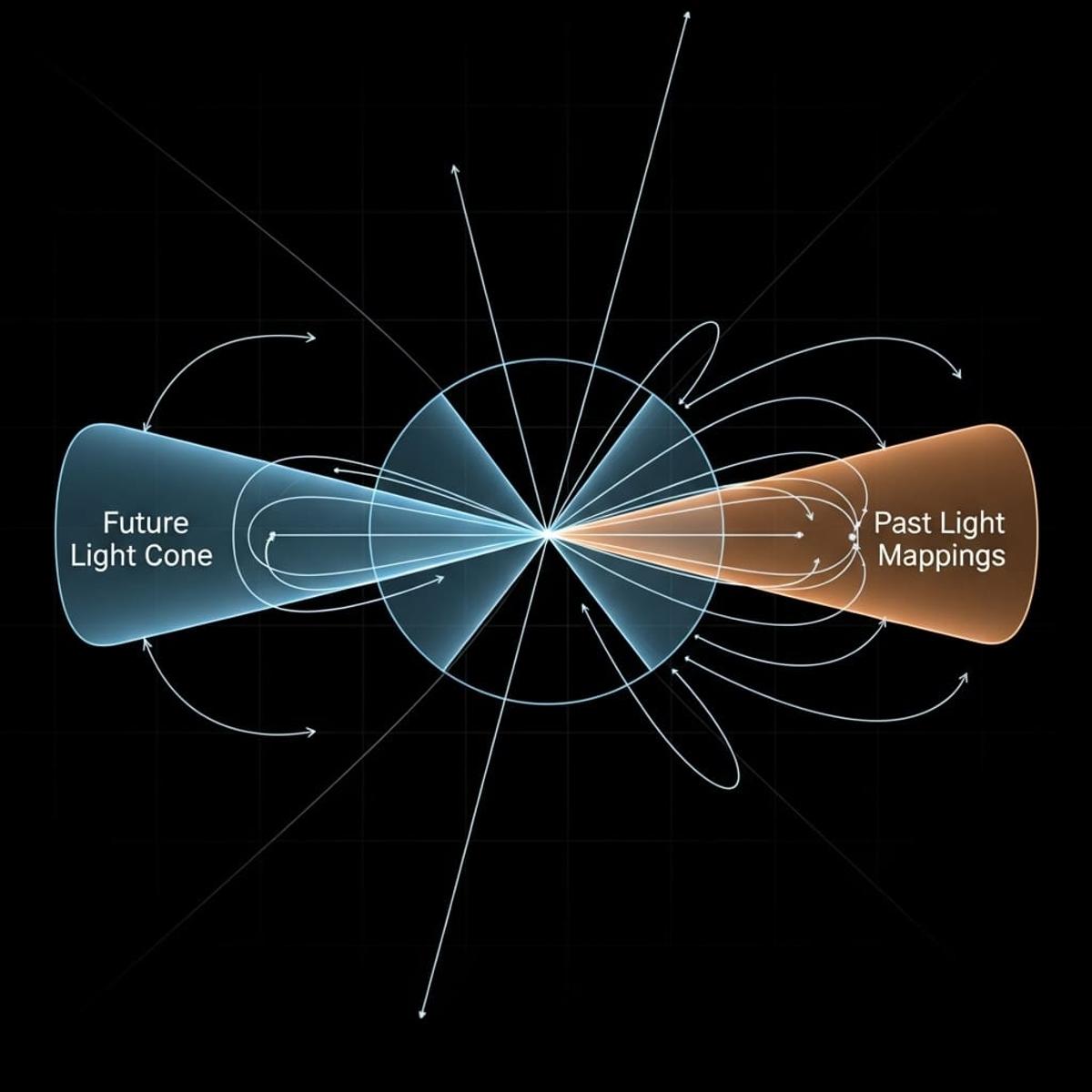
Superluminal Transformations and Finite Limits Incompatible, New No-Go Theorem Achieves Proof
Researchers led by Amrapali Sen and Flavio Del Santo have proved a new no‑go theorem showing that finite, bounded superluminal transformations cannot coexist with fundamental physical assumptions. The theorem demonstrates that any apparent indeterminacy in superluminal frameworks is epistemic, not...

High-Power 2.1-Μm Lasers Achieved Using Innovative Ho3+-Doped CALGO Crystals
Researchers have demonstrated that holmium‑doped CALGO crystals can generate ultrafast 2.1 µm laser pulses with record‑high average power of 52 W at a 52.6 kHz repetition rate. Detailed spectroscopic analysis revealed strong π‑polarized gain, long luminescence lifetimes, and large stimulated‑emission cross‑sections, positioning Ho:CALGO...

UBS Warns Quantum Computing Threatens Crypto's Future
UBS mentions quantum computing as an existential threat to crypto. Quatum computing continues its rapid rise into the mainstream conversation.

Jaxmg Enables Scalable Multi-GPU Linear Solves Beyond Single-GPU Memory Limits
JAXMg introduces a multi‑GPU linear‑algebra library that plugs cuSOLVERMg directly into the JAX ecosystem, delivering JIT‑compatible solvers for dense systems. By using a 1‑D block‑cyclic distribution and peer‑to‑peer GPU transfers, it overcomes single‑GPU memory caps and scales across up to...

Quantum Science Community: Addressing Diversity Needs After 100 Years of Progress
A new global survey of over 1,000 quantum scientists reveals stark inequities for women, LGBTQ+, BIPOC, and Global South researchers. Marginalized participants report significantly higher intentions to leave the field (mean 3.12 vs 2.05) and lower perceived career opportunities (mean...

Locc Equivalence to Thermal States Achieves Criteria for Multipartite Correlations
Researchers at the University of Tokyo have defined precise criteria for when a many‑body pure quantum state can be considered thermally equivalent under local operations and classical communication (LOCC). By analysing extractable work in the infinite‑temperature regime, they showed that...

Entanglement in Quantum Tetrahedra Achieves Distinct Distributions for Spins Between 4
Researchers at the Institute for Quantum Gravity introduced entropic fill, a novel metric that quantifies genuine multipartite entanglement in quantum tetrahedra—SU(2)-invariant four‑valent tensors known as intertwiners. Numerical analyses across spins ½ to 11 revealed that generic intertwiners exhibit the highest...

Entanglement Summoning Achieves Bidirected Causal Connections with Limited Communication Resources
Researchers from Waterloo, Perimeter Institute and collaborators have proved that entanglement summoning—a protocol for preparing quantum states across distant nodes under communication limits—is feasible exactly when the underlying bidirectional causal graph can be split into two fully‑connected cliques. This "if...

Quantum Interference Achieves Defined Overlaps Via Novel Phase Convention for 2 States
Researchers at Yonsei University and KIAS introduce the concept of overlap‑determinability, a phase‑convention resource required to create coherent superpositions of two unknown pure states. They prove that superposition is possible if and only if a physical scenario fixes a single...
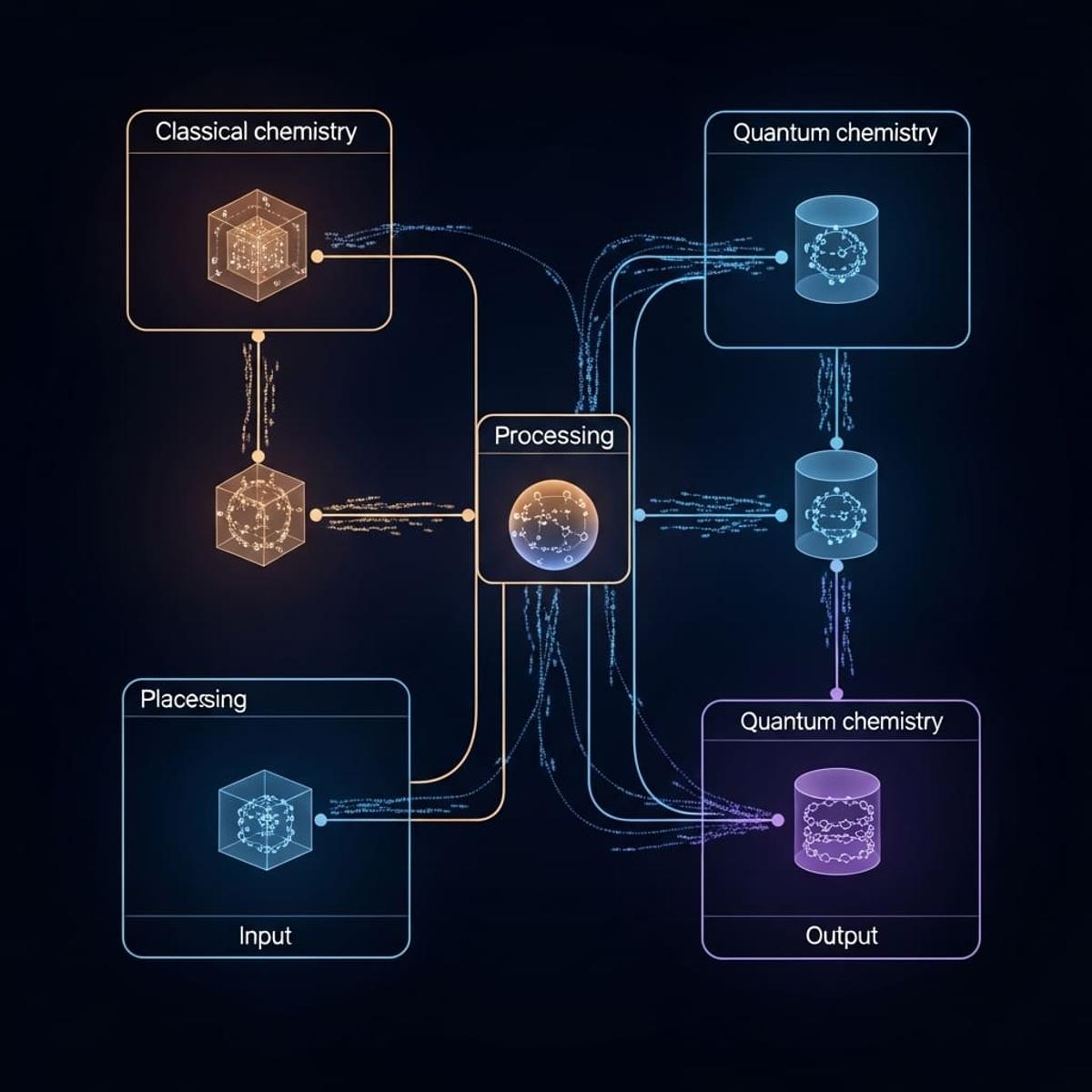
Qdk/Chemistry Advances Modular Workflows, Connecting Classical & Quantum Chemistry Calculations
Researchers introduced QDK/Chemistry, a modular toolkit that decouples data handling from algorithmic implementations to streamline quantum chemistry workflows. By offering native algorithm support and a plugin system for popular open‑source chemistry packages, the platform lets scientists swap components such as...
Quantum Super-Resolution Achieves High-Resolution Data From Low-Resolution Observations
Researchers from Seton Hall University and Brookhaven National Laboratory introduced a variational quantum circuit framework that uses Adaptive Non‑Local Observables (ANO) to perform super‑resolution imaging. By training both the circuit parameters and the measurement operators, the ANO‑VQC achieved up to...
Device-Independent QKD Achieves Key Generation with Photonic Devices, Overcoming 1 Challenge
Researchers at Université Paris‑Saclay and Université Côte d’Azur have demonstrated a device‑independent quantum key distribution (DIQKD) protocol using a photonic circuit identified through machine learning. By introducing a block‑hierarchy semidefinite programming method and a finite‑size security analysis, they show that...
Distributed Quantum Sensing Achieves 1/N^2 Precision Without Entanglement
Researchers introduced a distributed quantum sensing protocol that uses a causal‑order switch instead of entangled probes, achieving a 1/N² precision scaling. The method was experimentally validated in a free‑space optical network with up to nine sensors, delivering picoradian‑scale tilt‑angle estimation....

Quantum Networks Achieve Accurate PDE Solutions, Advancing Physics-Informed Neural Networks
Scientists from the German Aerospace Center unveiled quantum‑enhanced physics‑informed neural networks (qPINNs) that fuse variational quantum circuits with classical layers to solve nonlinear partial differential equations. In benchmark experiments qPINNs achieved comparable mean‑squared‑error to classical PINNs while requiring roughly ten‑fold...

Qufid Advances Quantum Program Fidelity Estimation with Adaptive Measurement Budgets
Researchers from Zhejiang University introduced QuFid, an adaptive framework that estimates quantum program fidelity by dynamically allocating measurement shots. By modeling circuits as directed acyclic graphs and integrating real‑time statistical feedback, QuFid quantifies structural complexity and hardware‑specific noise without pre‑calibrated...
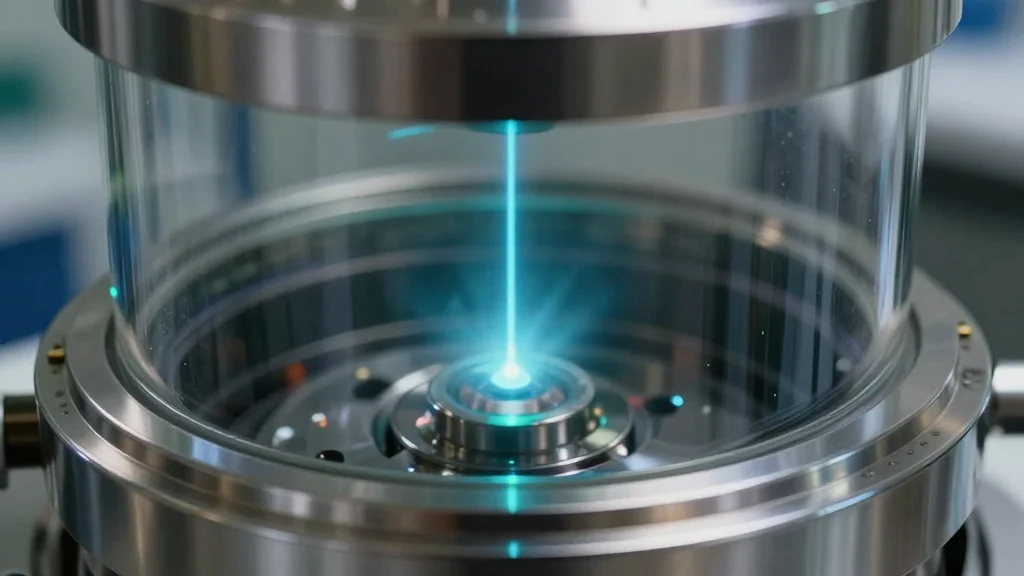
Particle Permutation Task Can Be Tackled by Quantum but Not Classical Computers, Study Finds
Researchers at the Autonomous University of Barcelona and CUNY’s Hunter College have shown that quantum computers can determine the even‑odd parity of particle permutations without labeling each particle, a task impossible for classical computers. By preparing qubits in entangled states...
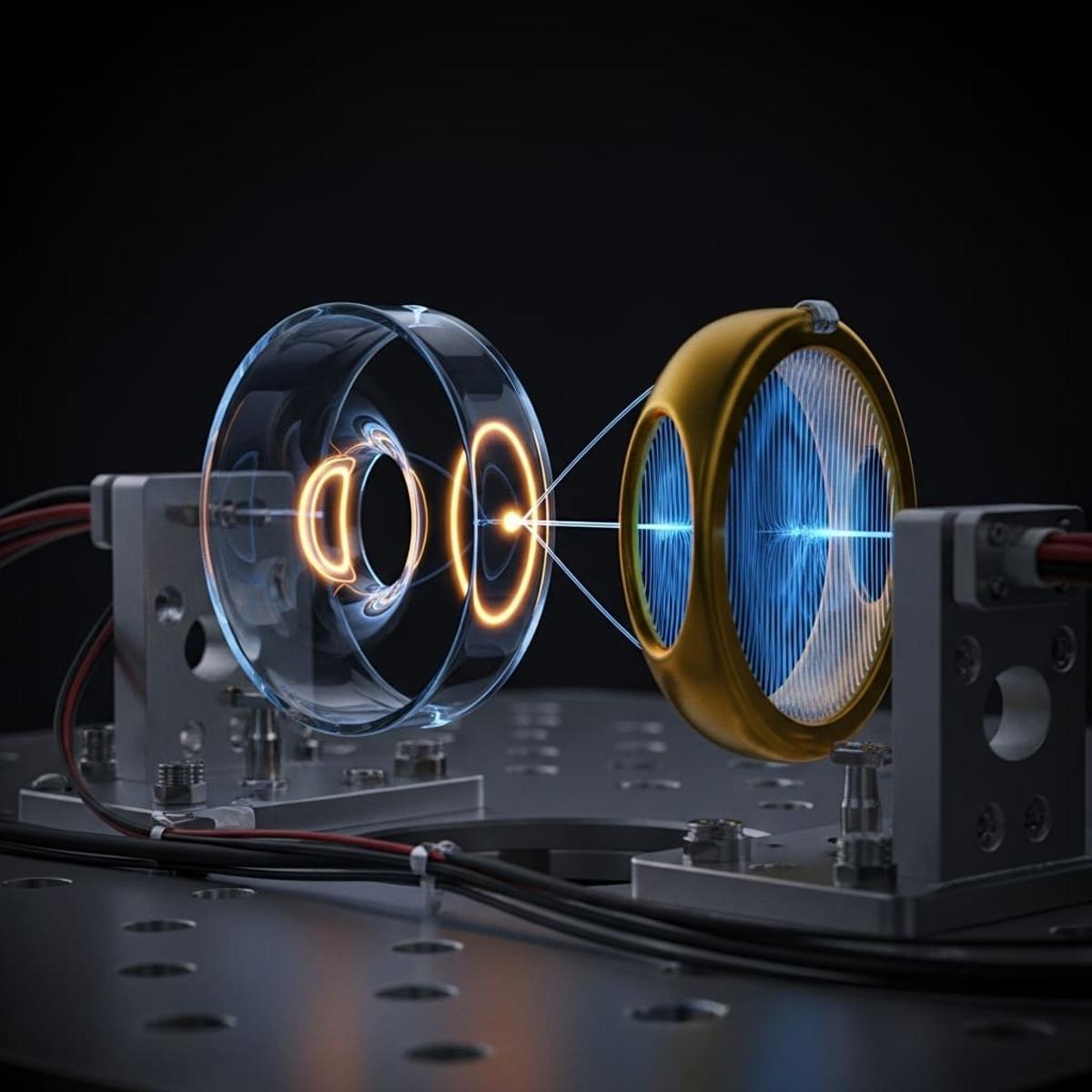
Resonant Cavity Transducer Achieves Percent-Level Microwave to Telecom Photon Conversion
Researchers at the University of Pittsburgh and Skyworks have demonstrated a bulk lithium‑niobate resonant transducer that converts microwave photons to telecom‑band optical photons with percent‑level efficiency at room temperature. The device uses an all‑dielectric design, integrating the crystal into a...
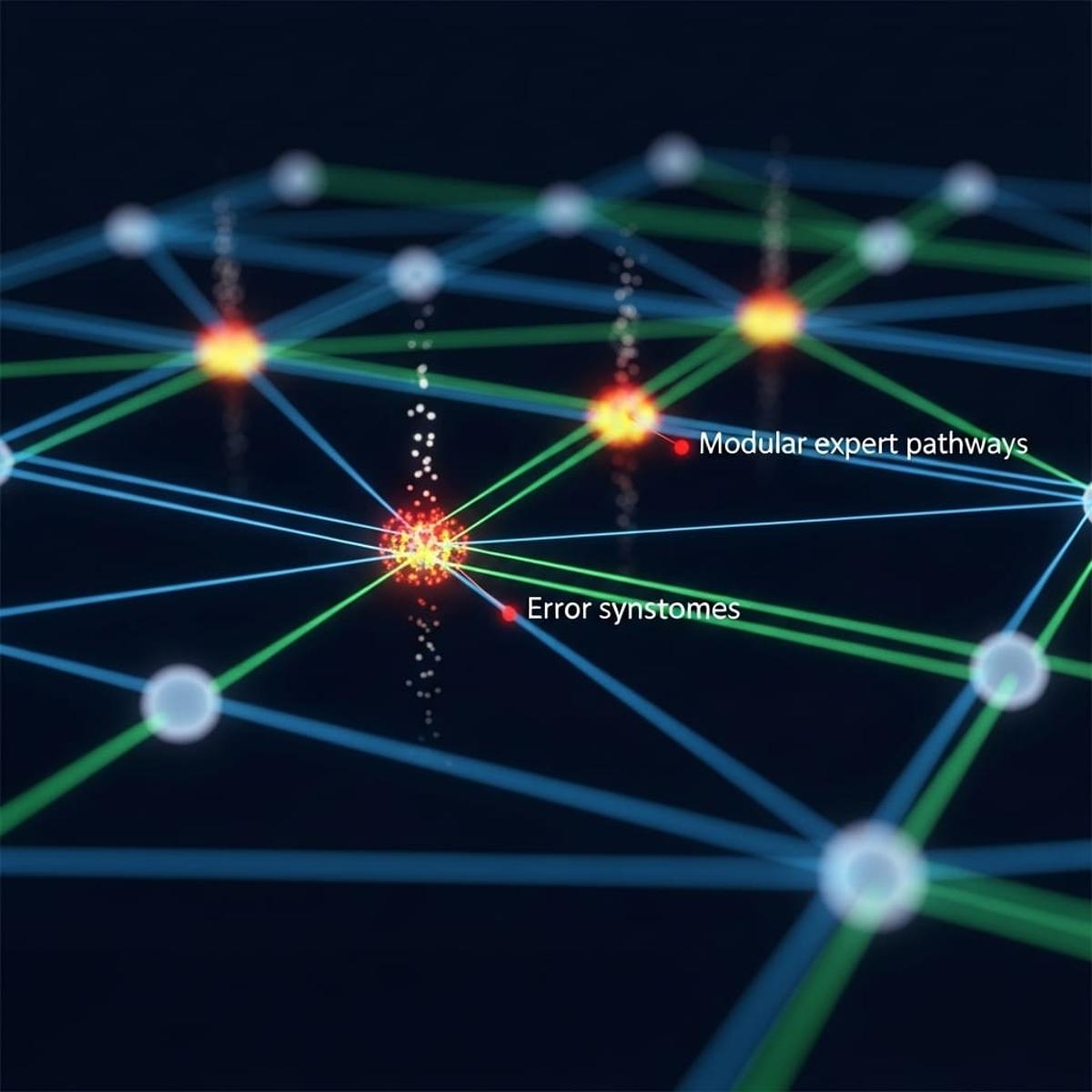
Mixture of Experts Vision Transformer Achieves High-Fidelity Surface Code Decoding
Researchers introduced QuantumSMoE, a vision‑transformer‑based decoder that integrates a mixture‑of‑experts (MoE) layer to tackle surface‑code error correction. By embedding the toric code’s geometry through plus‑shaped patches and adaptive masking, the model captures local lattice interactions while maintaining global context. Experiments...
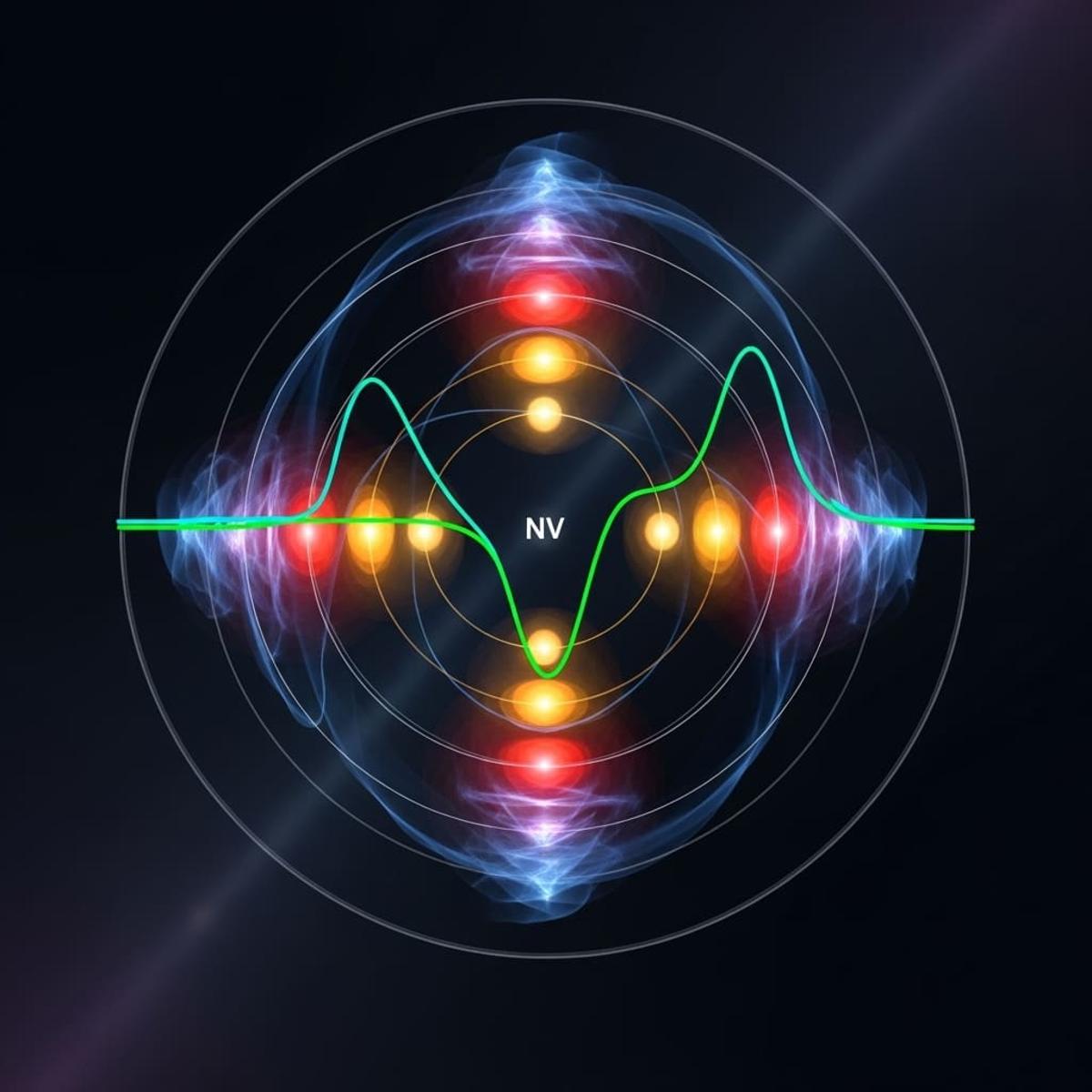
Simulation Toolkit Advances Realistic Noise Modelling for Seven-Level Nv-Center Magnetometry
Researchers from TCS and IISER Bhopal introduced QDsiM, a noise‑aware simulation toolkit that acts as a digital twin for continuous‑wave wide‑field ODMR in nitrogen‑vacancy (NV) diamond magnetometers. The seven‑level model captures laser power, microwave power, beam waist, integration time, and...

QMill: Projecting Verifiable Quantum Advantage via 48-Qubit NISQ Algorithms
QMill announced a 48‑qubit NISQ algorithm that reaches verifiable quantum advantage at 99.94% gate fidelity, far below the 200‑qubit, 99.99% benchmark traditionally required. Numerical simulations show the implementation outpaces the El Capitan exascale supercomputer, delivering a six‑fold error‑tolerance improvement. The algorithm’s...

Lumos Achieves Efficient Fluorescent Molecule Design with Data-Physics Driven Generative Frameworks
Researchers introduced LUMOS, a data‑physics driven framework that directly links molecular specifications to fluorescent structures, bypassing traditional generate‑and‑screen cycles. By coupling a generative model with fast TD‑DFT‑based predictors in a shared latent space, LUMOS can simultaneously optimise multiple optical and...

ZenaTech Advances Proprietary Quantum Hardware Platform for Defense and Government Sectors
ZenaTech announced progress on its proprietary quantum computing hardware, targeting a five‑qubit prototype for U.S. defense and government use by late 2026. The platform will process high‑volume data from ZenaDrone swarms, delivering real‑time decision support for ISR missions. Integration with...

Arqit Launches ‘Encryption Intelligence’ to Automate Discovery for Post-Quantum Migration
Arqit Quantum has launched Encryption Intelligence (EI), an automated SaaS platform that inventories an organization’s cryptographic assets across cloud, OT and legacy systems. The tool identifies obsolete algorithms and protocols, providing real‑time visibility to accelerate post‑quantum cryptography (PQC) migration and...

Chicago State University Launches Illinois’ First Public University Quantum and Semiconductor Credentials
Chicago State University has introduced Illinois’ first public‑university quantum and semiconductor credentials, offering a Minor and Certificate in Quantum Information Science & Engineering and a Certificate in Semiconductor Technology and Manufacturing. The programs, approved by the Illinois Board of Higher...
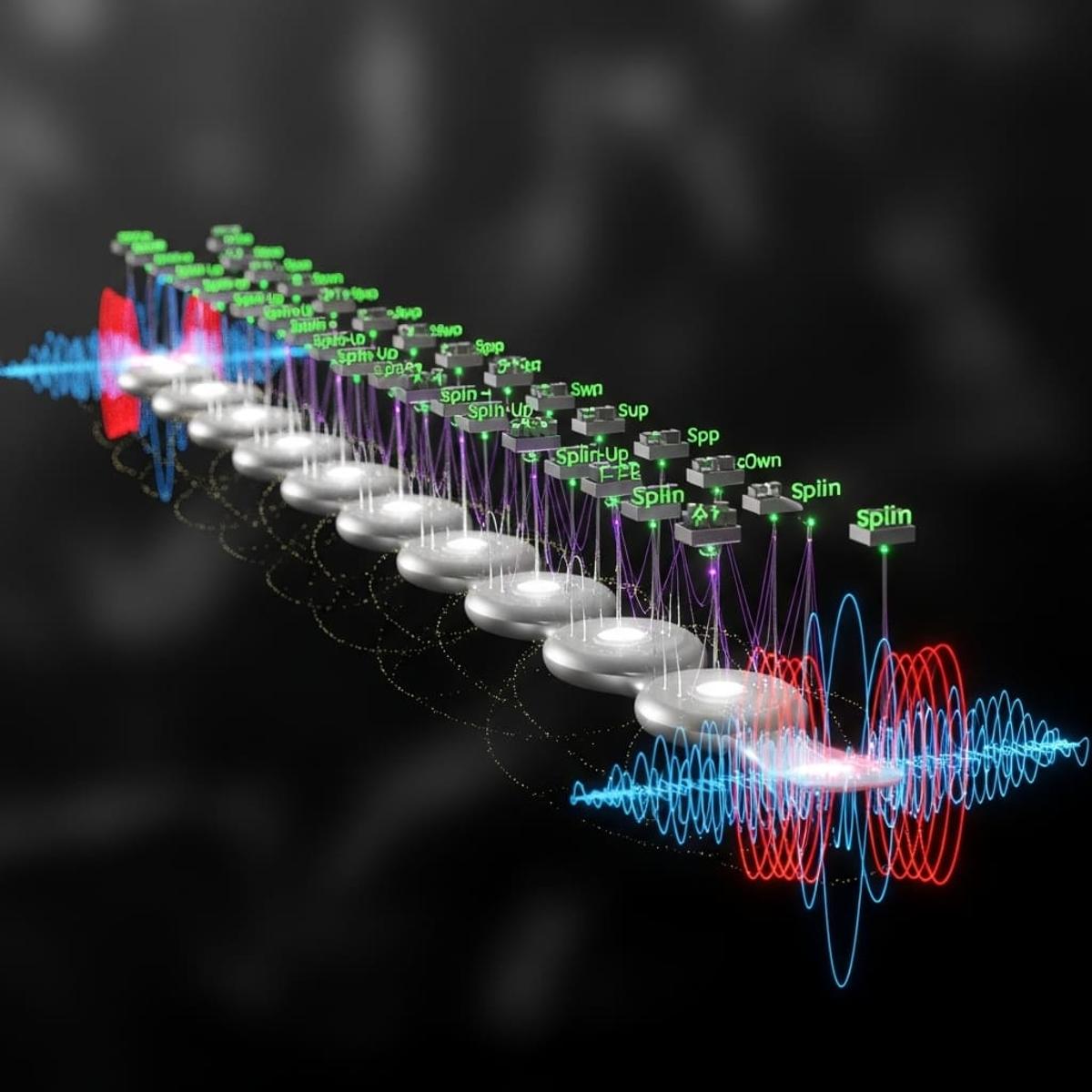
Spin Control Advances Kitaev Chain Coherence, Enabling Exponentially Scalable Qubits
Researchers at QuTech and Delft demonstrated spin‑based control of phase differences in Kitaev chains, eliminating the need for external magnetic flux. Using a three‑site InSbAs 2DEG device with quantum‑dot‑superconductor hybrids, they tuned the superconducting phase via the spin state of...
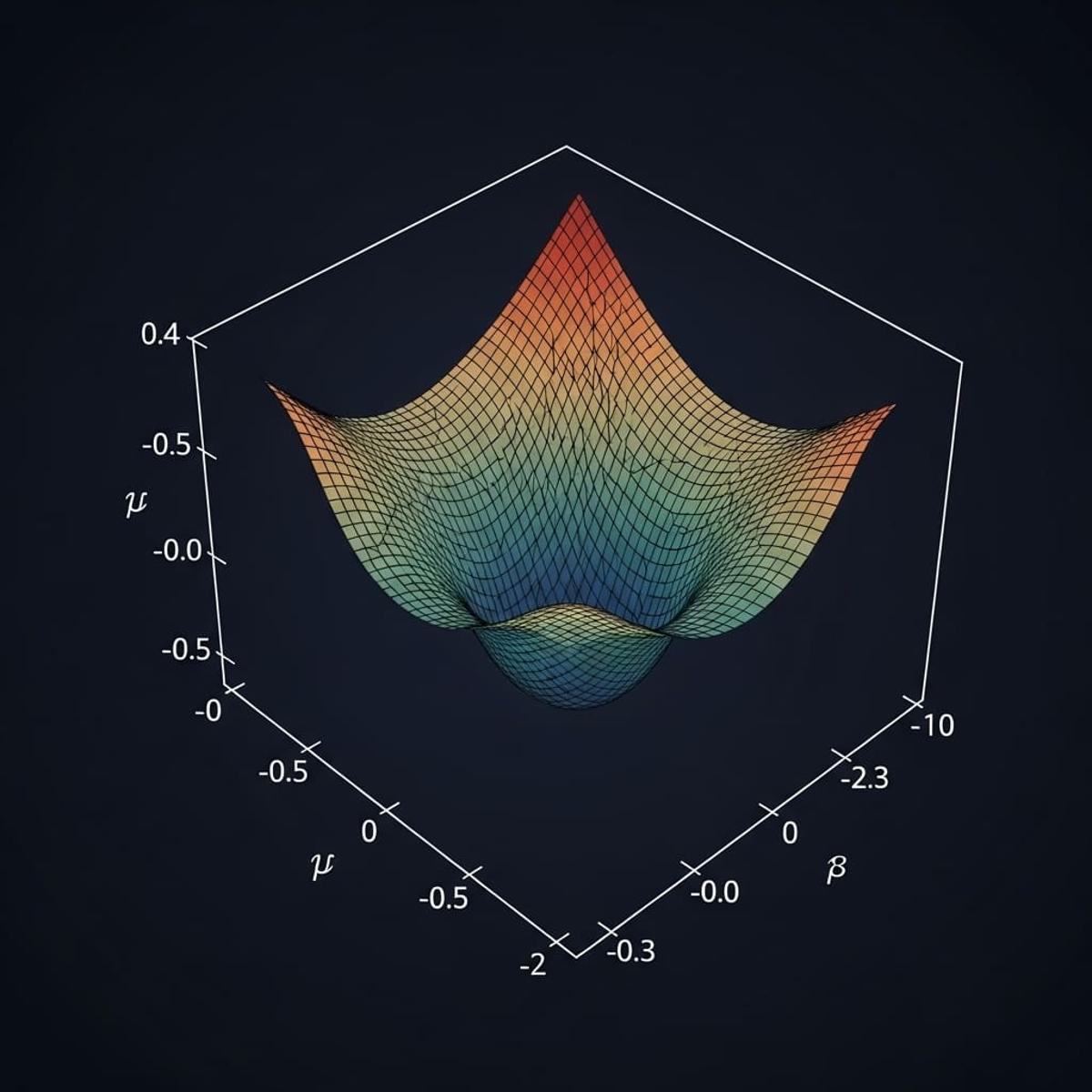
Wh Statistics Achieves Unified Framework with Λ, \K{appa} & Γ Parameters
Researchers at Harbin Institute of Technology introduced WH Statistics, a unified theoretical framework that incorporates three continuous parameters—λ for particle distinguishability, κ for exclusion weight, and γ for intrinsic symmetry. The model bridges Bose‑Einstein, Fermi‑Dirac, Maxwell‑Boltzmann and anyonic statistics, delivering...
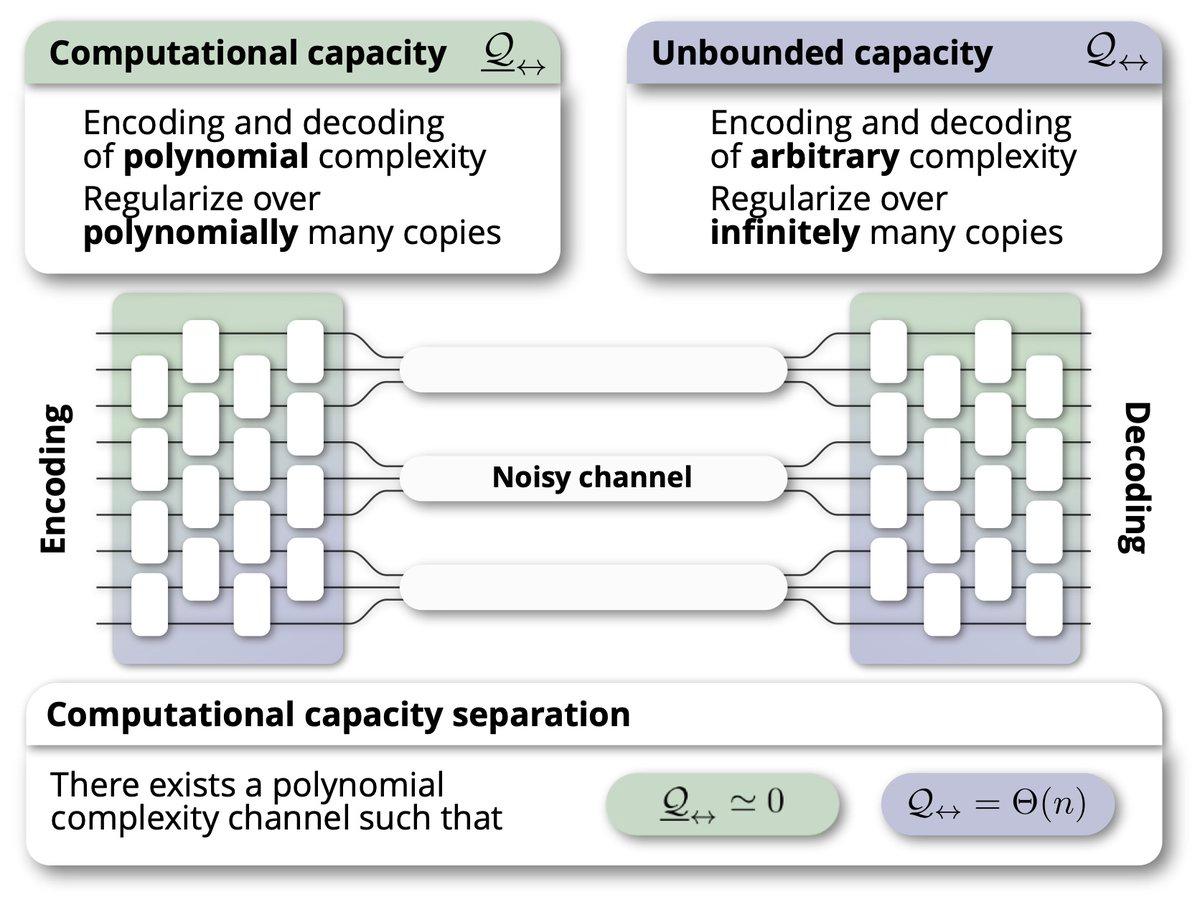
Efficient Decoding Redefines Quantum Channel Capacities, Reveals Separation
This is a paper I very much like, for its foundational and somewhat "rebellious" character: We show that notions channel capacities are strongly altered if one simply assumes that all operations one can implement are efficient. https://t.co/WAe4Et1SDy To the point, #quantumchannelcapacities are...
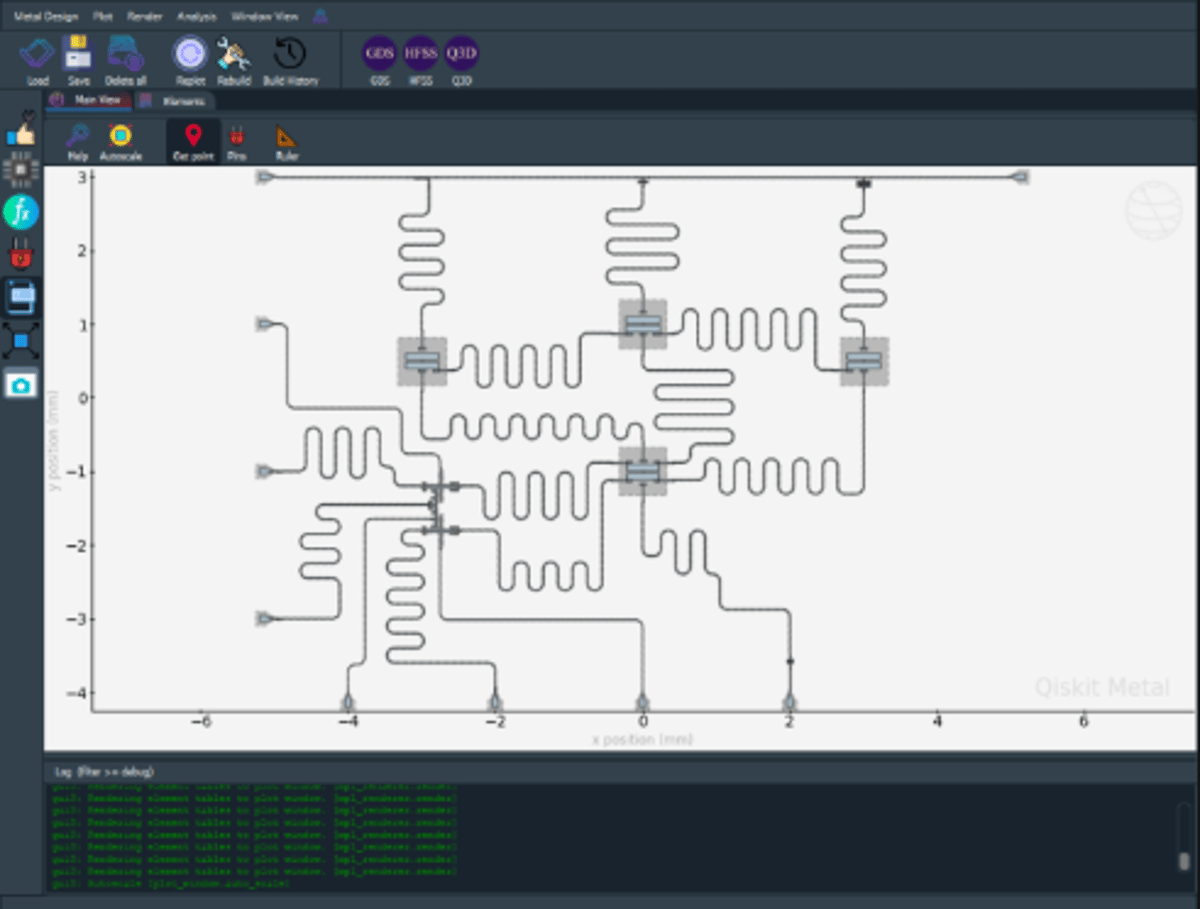
Quantum Metal Offers Designs and Tutorials for Quantum Devices
Did you know that Quantum Metal includes a repository of quantum device designs, along with tutorials on how they’re built? https://t.co/NZe3PLhXhR
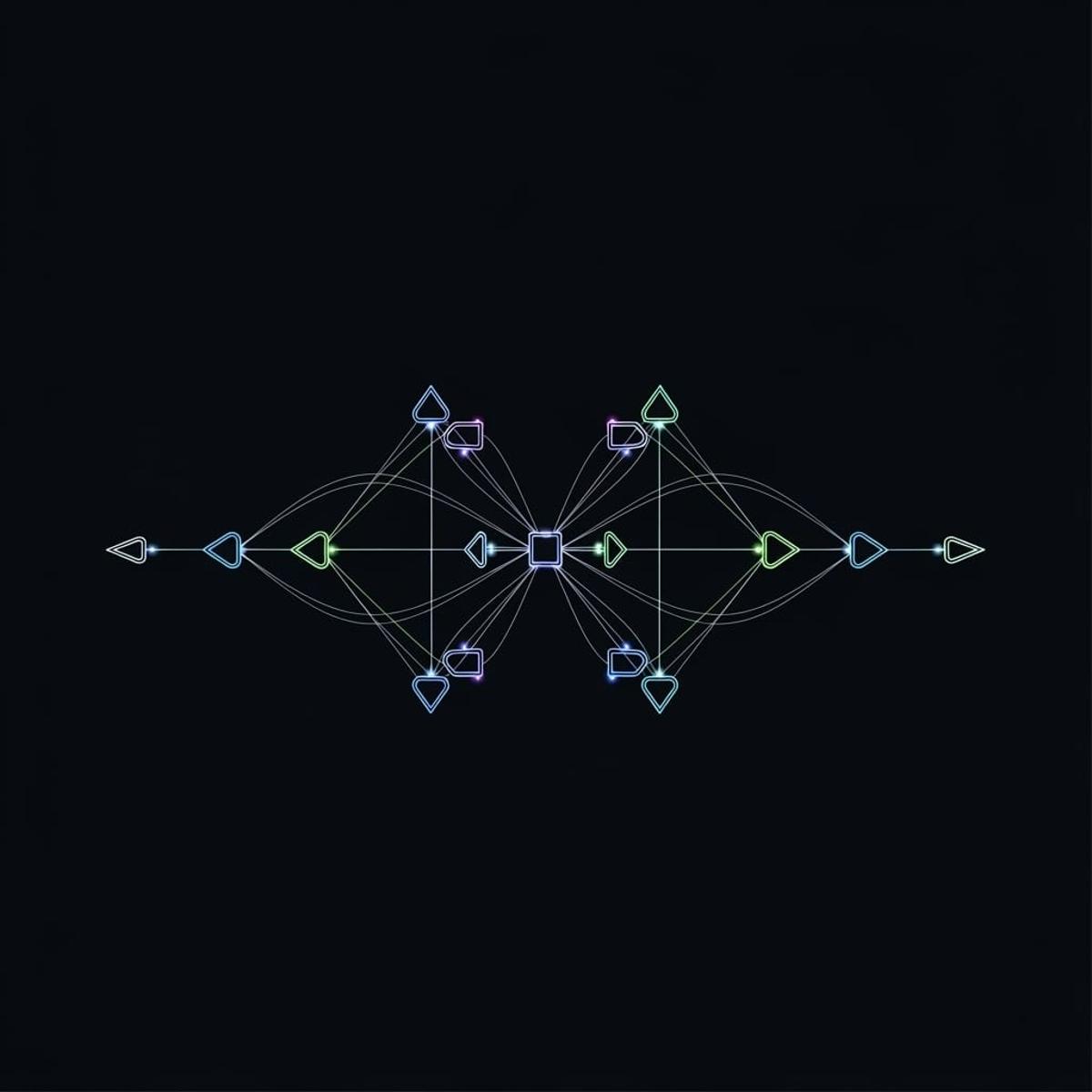
Two-Qubit Gates: Research Achieves Unique Symmetries with Just Two Applications
Researchers Selvan and Balakrishnan show that the B‑gate equivalence class, uniquely symmetric under mirror, inverse, and combined operations, can construct universal two‑qubit circuits with just two non‑local gates. Their geometric analysis identifies one‑parameter families on reflecting planes (e.g., c₁=π/2, c₂=π/4)...

Marqov Testbed Launches with 10 QPUs,
Marqov TESTBED is up and running with Quantinuum. That’s now 10 QPUs, 9 simulators, and 14 foundation models available 🙌 https://t.co/tdrFC03uGJ

Uav-Deployed QKD Achieves Finite-Key Security with AI-Assisted Calibration
Researchers have introduced a unified channel model for orbital angular momentum (OAM) encoded BB84 quantum key distribution on unmanned aerial vehicles, accounting for Kolmogorov turbulence, pointing misalignment, and aperture clipping. By integrating weak‑plus‑vacuum decoy‑state techniques with a physics‑informed AI module...

Microsoft Opens Applications for 2026 Quantum Pioneers Program Targeting Measurement-Based Computing
Microsoft announced the 2026 Quantum Pioneers Program, a competitive research grant aimed at advancing measurement‑based quantum computing (MBQC). Up to five academic proposals will receive up to $200,000 each for a 12‑month project starting August 2026. The program focuses on...

Advances Post-Quantum Aggregation with Code-Based Homomorphic Encryption and LPN
Researchers at the Technical University of Munich present a post‑quantum secure aggregation protocol built on code‑based homomorphic encryption under the Learning Parity with Noise (LPN) assumption. The design features a key‑ and message‑additive homomorphic scheme, a committee‑based decryptor realized via...

IBM Releases Qiskit v2.3 with Expanded C API and Fault-Tolerant Primitives
IBM has launched Qiskit SDK version 2.3, emphasizing tighter integration with high‑performance computing and fault‑tolerant compilation pipelines. The update expands the C API with new QkDag and QkTarget objects, allowing custom transpiler passes in C, and introduces Rust‑driven performance gains...

Quantum Circuit Pruning Achieves 47.7% Fidelity Gain Via Smart Approximation
Researchers at Universitat Politècnica have introduced a routing‑aware pruning technique that removes small‑angle controlled rotations when the SWAP overhead outweighs their benefit. By evaluating fidelity loss from both the gate and the required routing, the method trims up to 48.6%...

The Quantum Leap: How Quantum Computing Will Revolutionize Energy Grids by 2035
Futurist Ian Khan explains how quantum computing will transform energy grids by 2035, enabling real‑time optimization, predictive maintenance, and seamless renewable integration through quantum‑level problem solving. He outlines a phased roadmap—from hybrid quantum‑classical pilots (2025‑2030) to continent‑wide quantum‑enabled grids (2030‑2035)...
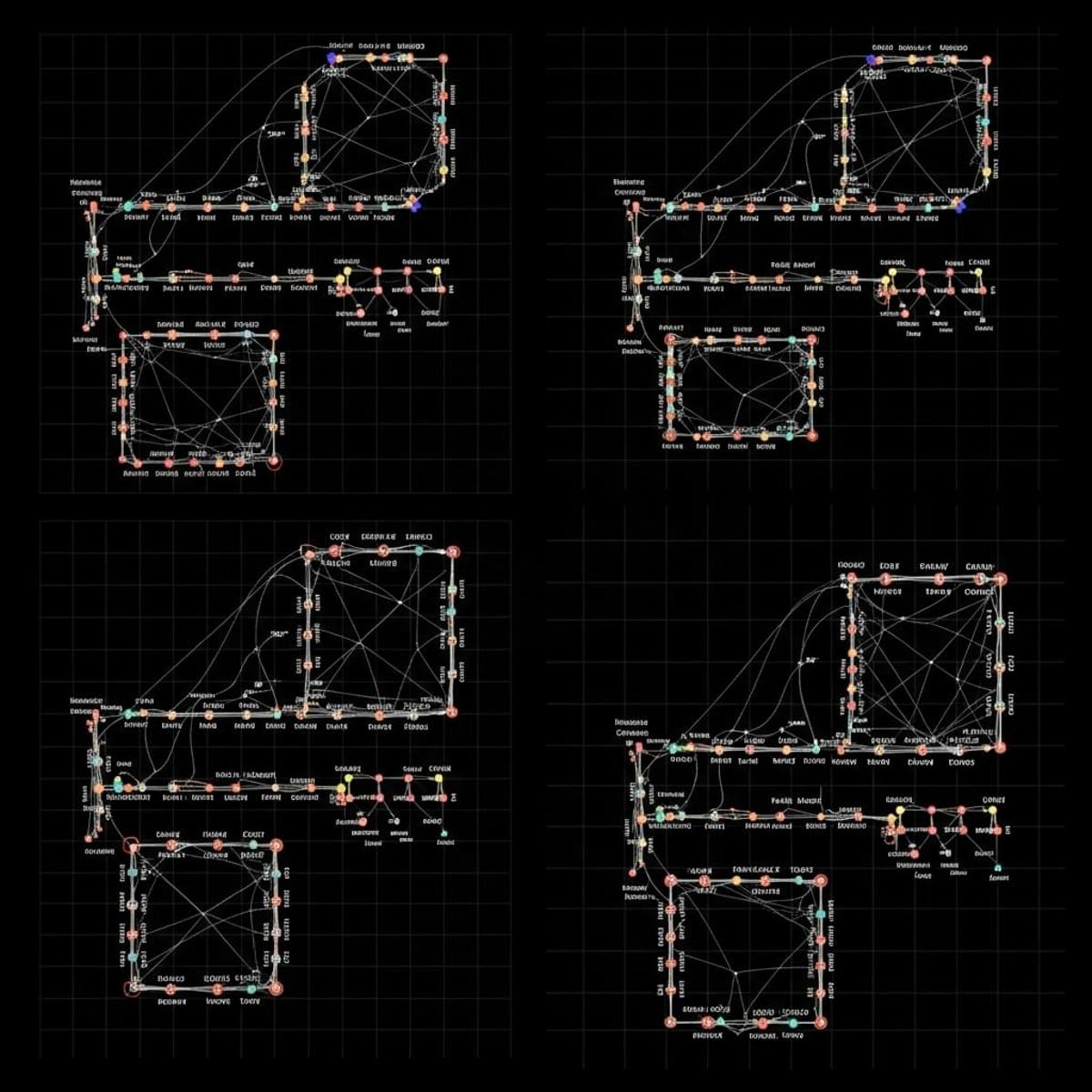
Noise-Aware Quantum Architecture Search Achieves Robust Circuits with Nsga-Ii Algorithm
Researchers at Nanjing University of Science and Technology introduced Noise‑Aware Quantum Architecture Search (NA‑QAS), a framework that embeds a realistic noise model into the training of parameterized quantum circuits. By coupling a hybrid Hamiltonian ε‑greedy evaluation strategy with an enhanced...

SkyWater Technology Warns Quantum Manufacturing Must Stay Onshore for US Leadership
SkyWater Technology warns that without focused U.S. investment, quantum manufacturing could follow the semiconductor industry's offshoring trend. The company emphasizes that scaling quantum devices—through superconducting electronics, cryogenic CMOS, photonics, and advanced packaging—requires domestic fab capacity. SkyWater’s Technology-as-a-Service model offers collaborative...

Colorado School of Mines Launches Quantum Engineering Program with UK’s Universal Quantum Company
The Colorado School of Mines will launch the United States’ first undergraduate Quantum Systems Engineering degree in 2026, with financial and strategic backing from Universal Quantum. The curriculum blends physics, engineering, and computer science to teach systems‑level design, integration, and...
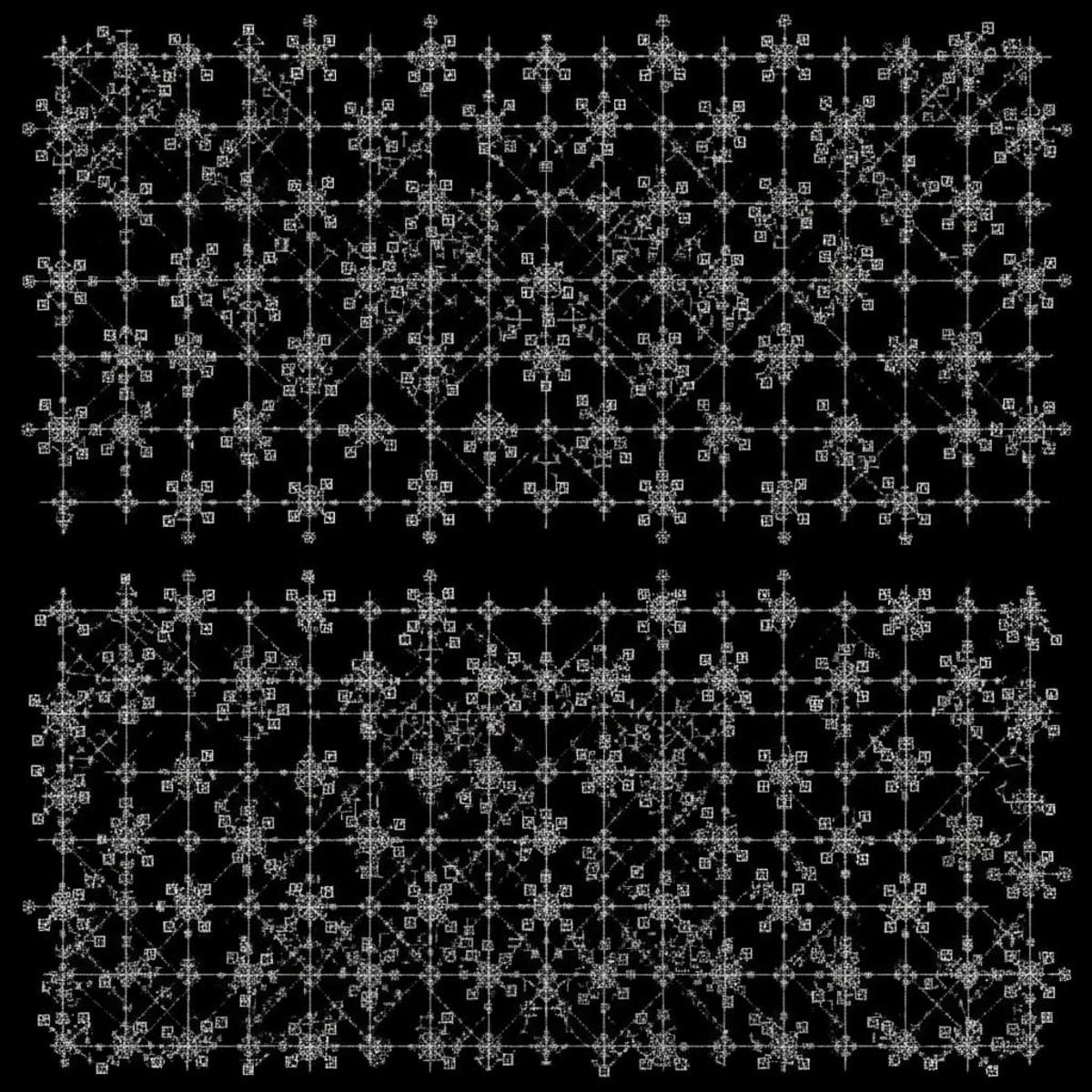
Dmrg Achieves Lowest Energy & Error with Optimal 2D Lattice Layouts
Researchers led by A. Scardicchio have identified a geometric cost function, LA₁⁄₂, that tightly predicts Density Matrix Renormalization Group (DMRG) efficiency on two‑dimensional lattices. By arranging lattice sites along optimal Hamiltonian paths—often derived from Hilbert‑curve heuristics—they cut the required bond dimension...

Entangled Atomic Clouds Enable More Precise Quantum Measurements
Researchers at the University of Basel and France's Laboratoire Kastler Brossel have demonstrated that three spatially separated atomic clouds can be entangled to perform multiparameter quantum measurements with unprecedented precision. By first creating a collective spin‑squeezed state and then dividing...

DOE Awards $875K to Dien Nguyen for Neutron Spin Research
Assistant Professor Dien Nguyen received a $875,000 Early Career Award from the U.S. Department of Energy to probe neutron spin, a notoriously difficult aspect of nuclear physics. The project, conducted with Thomas Jefferson National Accelerator Facility and MIT, will use...

Quantum Trading Achieves 34% Accuracy Increase, Applications Expand Says WEF
Quantum‑enabled algorithmic trading debuted at the World Economic Forum, delivering a 34% boost in forecasting accuracy. The breakthrough marks the first practical quantum deployment in finance, moving the technology from theory to market. Organizers highlighted the potential to overhaul risk...

University at Buffalo Study Reveals Delayed Thermalization for Quantum Computing
A University at Buffalo team discovered that photons and atoms can remain at different temperatures for extended periods, creating a pre‑thermal state that delays thermalization. Their simulations of neutral‑atom arrays inside optical cavities show that this non‑equilibrium condition can persist...

Integrated Quantum Technologies’ AIQu VEIL™ Redefines Scalable, Privacy-Preserving AI
Integrated Quantum Technologies launched AIQu VEIL™, a quantum‑resilient AI platform that processes only anonymized, compressed data via its proprietary Informationally Compressive Anonymization (ICA) technology. The solution promises enterprise‑scale AI performance without exposing raw data, sidestepping the computational penalties of homomorphic encryption...
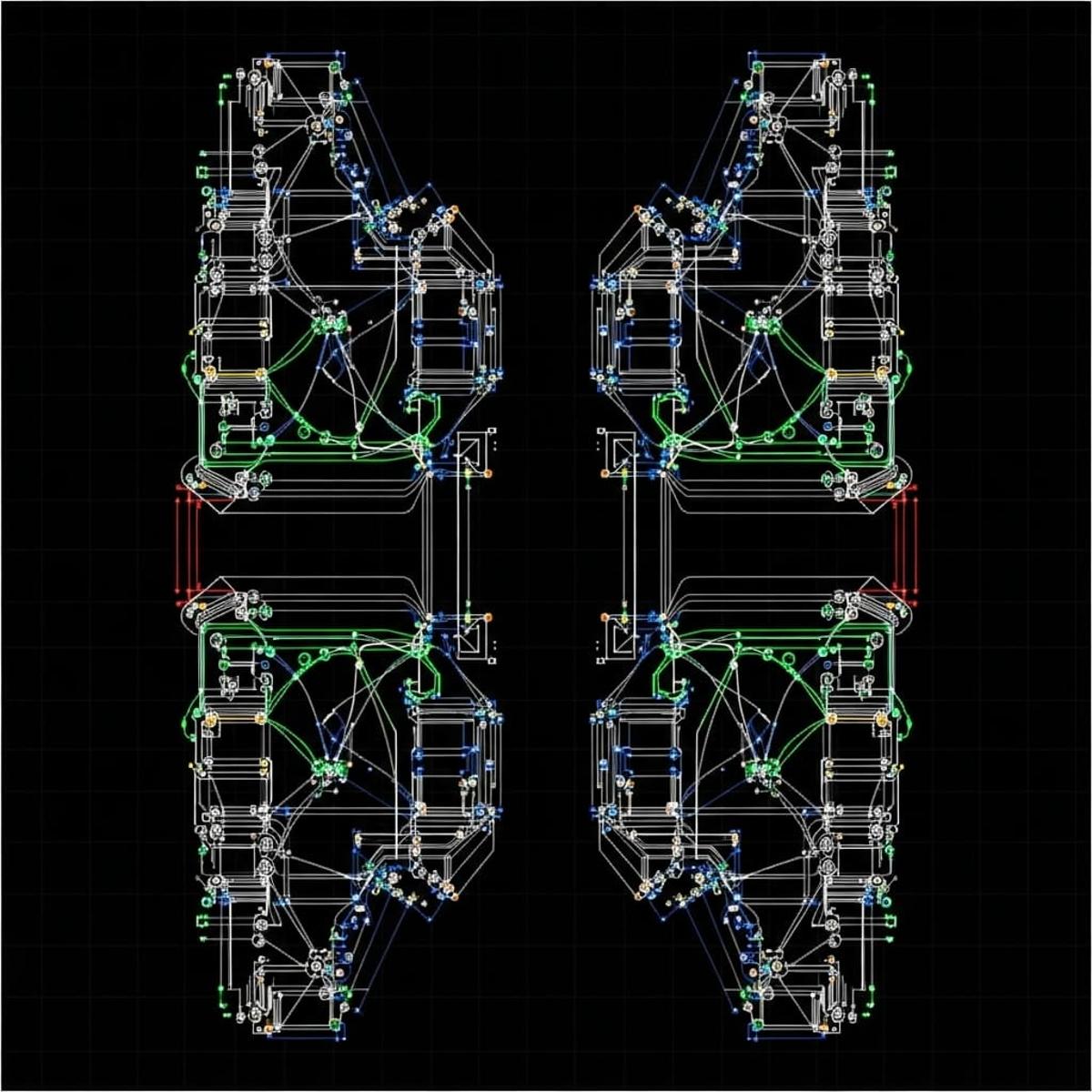
Achieves Four-State Fault-Tolerant Preparation for Steane-Type Quantum Circuits
Researchers at TUM and Munich Quantum Software have introduced an automated method to synthesize fault‑tolerant state‑preparation circuits for any Calderbank‑Shor‑Steane (CSS) code. The approach eliminates the need for large code symmetry groups, enabling constant ancilla overhead—potentially as few as four...