Today's Quantum Pulse
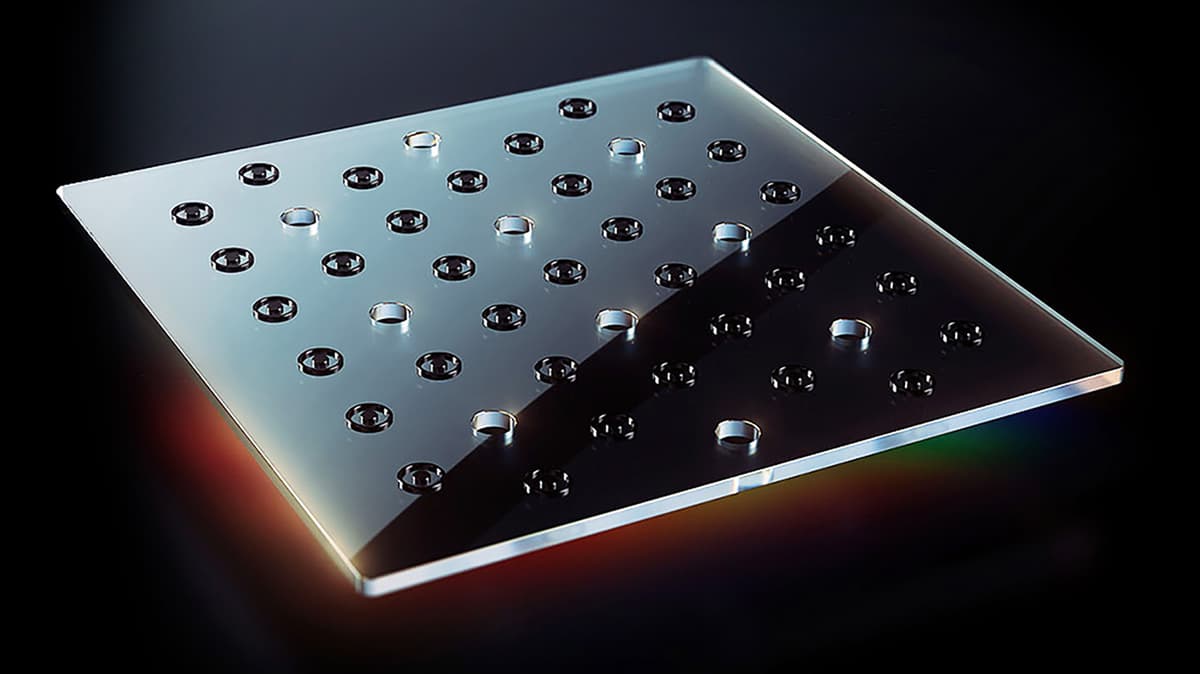
JPMorgan, OQC and AMD launch a hybrid quantum‑AI data centre in London
Oxford Quantum Computing, JPMorgan Chase and AMD announced a joint research effort to build a colocated quantum‑AI data centre in London. The facility will combine OQC’s Genesis quantum processor with AMD’s AI and high‑performance computing hardware to create a hybrid platform for finance‑focused workloads such as portfolio optimisation and quantum machine learning.
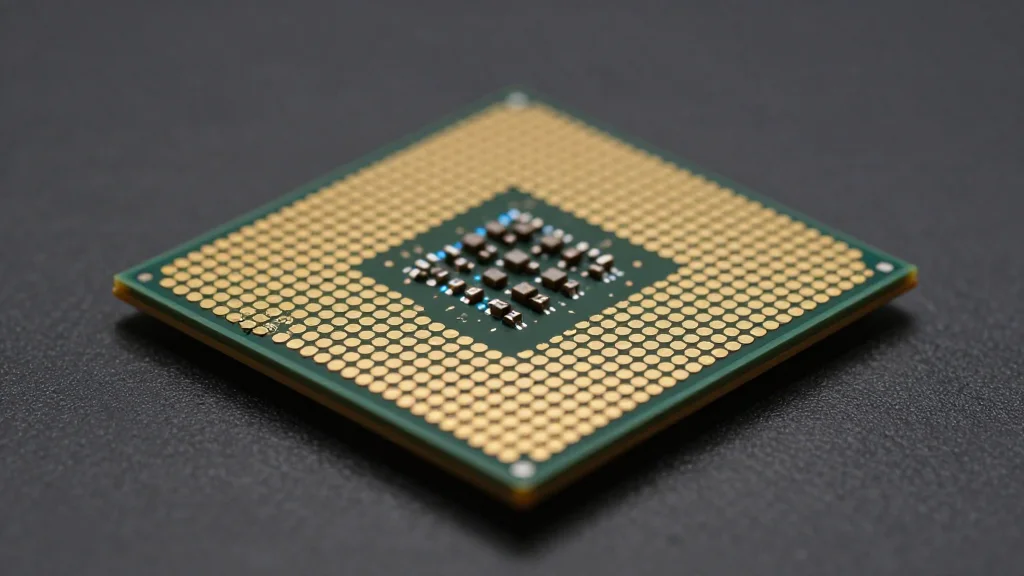
Google's Willow Chip Achieves Scalable Quantum Error Correction, Cutting Errors to 2.1%
Google announced that its Willow quantum processor achieved scalable error correction, lowering error rates as qubit count grew. The 105‑qubit chip reduced errors from 3% to 2.1% across increasingly larger qubit lattices, a breakthrough that could accelerate practical quantum applications.
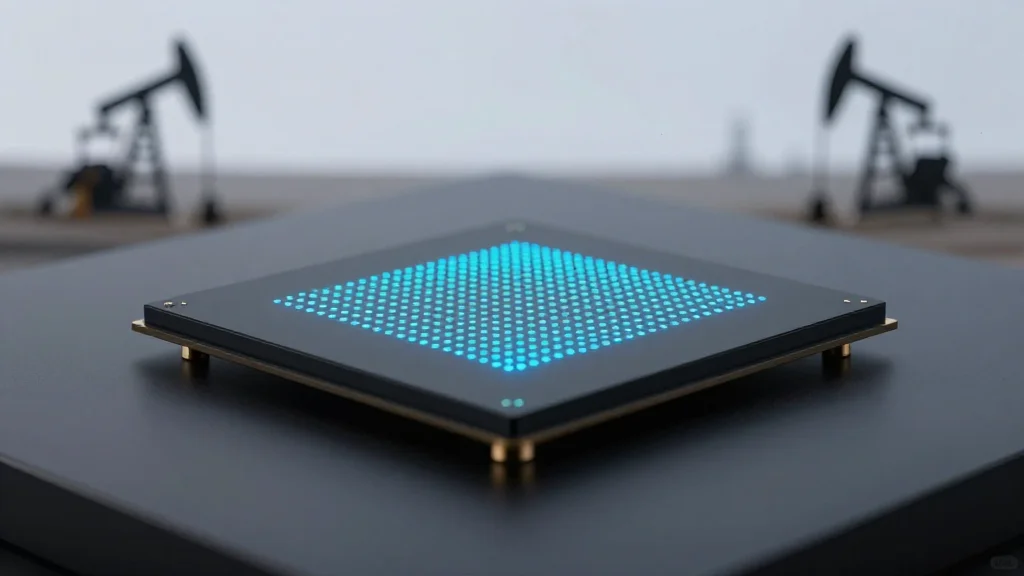
Aramco, Pasqal Deploy Saudi Arabia’s First Quantum Computer and QCaaS Platform
Aramco and French quantum‑computing firm Pasqal inaugurated a 200‑qubit neutral‑atom quantum processor at Aramco’s Dhahran data centre, simultaneously launching the Middle East’s first Quantum Computing as a Service (QCaaS) platform. The partnership aims to accelerate quantum‑enhanced solutions across energy, materials...
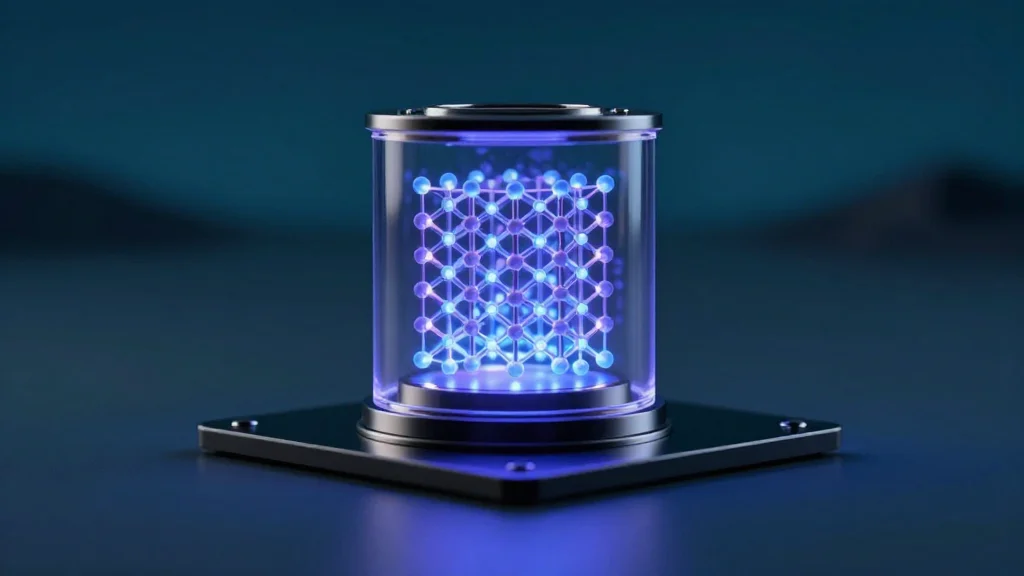
Pasqal and Aramco Launch QCaaS Platform for Saudi Quantum Computer
Aramco and French quantum‑computing firm Pasqal have inaugurated Saudi Arabia’s first quantum computer, a neutral‑atom processor with 200 qubits housed in Aramco’s Dhahran data center. The launch also introduces the Middle East’s first commercial Quantum Computing as a Service (QCaaS)...
Aires Applied Quantum Technology Pushes Quantum-Ready Infrastructure Into the Enterprise Mainstream
Aires Applied Quantum Technology (AAT) is using the Echelon 2026 conference to demonstrate that quantum‑ready infrastructure is a present‑day necessity, not a future concept. The Singapore‑based firm showcased practical, deployable quantum‑safe security solutions aimed at enterprise ecosystems. AAT emphasized both...

Juliang Guangqi Raises $28M+ USD Angel Round to Industrialize Superconducting Quantum in China
Shanghai‑based Juliang Guangqi announced the close of a $28 million‑plus angel round, one of the biggest early‑stage quantum hardware financings in China. Backers include Heli Capital, Junshan Capital and SMIC’s private‑equity arm, underscoring strong investor confidence. The startup is developing silicon‑substrate...

Analysts See D‑Wave Quantum Stock Leaping by 2026 on Quantum Annealing Hype
Analysts covering quantum‑computing equities have raised their 2026 outlook for D‑Wave Quantum, citing a record $33.4 million Q1 booking surge and a new $20 million university contract. The firm’s market cap sits near $8 billion, but its revenue slipped 81% YoY and operating...
Quantinuum Targets $20 B Valuation in 2026 Quantum Computing IPO
Quantinuum has filed an S‑1 seeking a Nasdaq listing in 2026 that could price the company near $20 billion, twice its September 2025 private‑round valuation. The move puts a rare pure‑play quantum computing firm under the spotlight as investors weigh sky‑high...
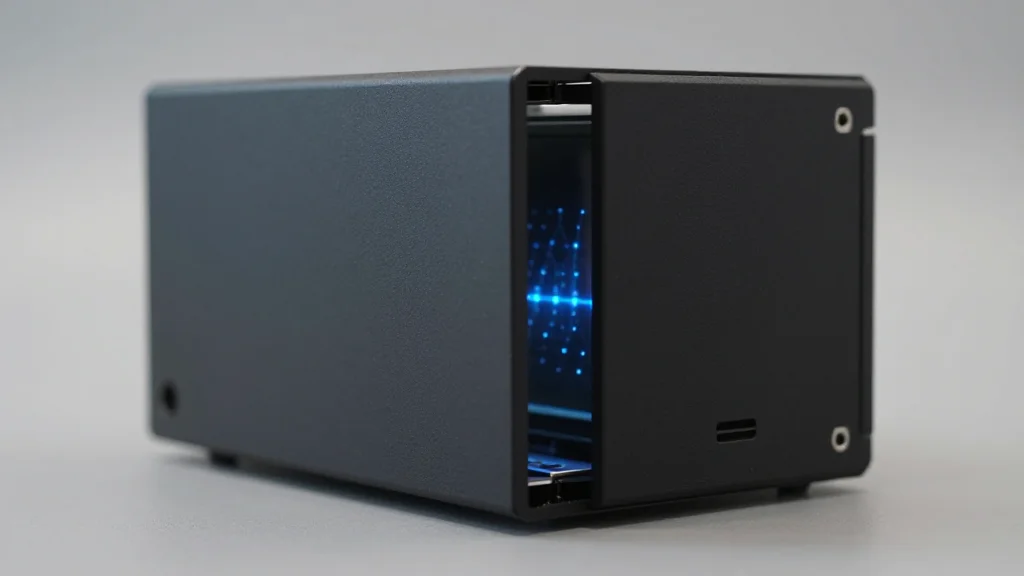
China's CAS Cold Atom Unveils Hanyuan-2, First Dual‑Core Neutral‑Atom Quantum Computer
CAS Cold Atom Technology of Wuhan introduced Hanyuan-2, the world’s first dual‑core neutral‑atom quantum computer with 200 qubits. The system runs at room temperature, consumes under 7 kW and fits in a standard closet, sidestepping the massive cryogenic infrastructure used by...
Sygaldry Technologies Raises $139 Million to Build Quantum‑Accelerated AI Servers
Sygaldry Technologies closed a $139 million financing round—$105 million Series A led by Breakthrough Energy Ventures and $34 million seed from Initialized Capital—to build quantum‑accelerated AI servers. The capital will fund hardware that integrates quantum processors with classical data‑center infrastructure, targeting the soaring...
NSF Deploys $1.5 B X‑Labs Program to Fast‑Track Quantum and Sensing Technologies
The National Science Foundation announced a $1.5 billion, ten‑year X‑Labs initiative that will fund independent, interdisciplinary teams working on quantum interconnects, integrated photonics and quantum‑enhanced sensing. The program uses milestone‑based Other Transactions Agreements to move prototypes toward commercial platforms, signaling a...
Nvidia Launches Open‑source Ising Toolkit to Boost Quantum Error Correction
Nvidia released the open‑source Ising toolkit, a suite of AI models that run on its GPUs to automate quantum processor calibration and accelerate error correction. The toolkit claims up to 2.5× faster correction and three‑fold accuracy gains, positioning Nvidia’s hardware...
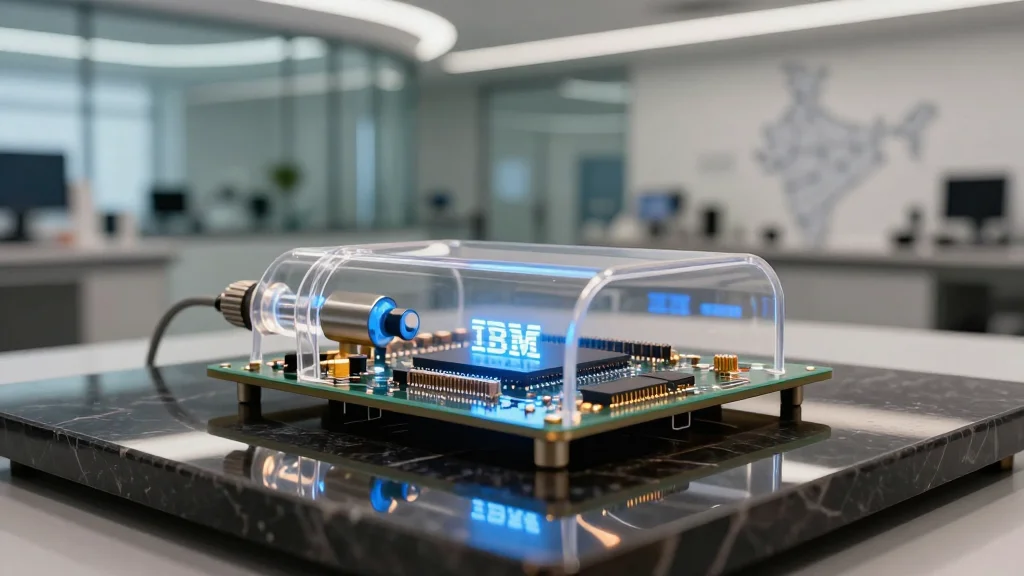
Emerging Quantum Valley Startups Attract IBM and Boost India’s Deep‑tech Push
India’s under‑construction Amaravati Quantum Valley is hosting the country’s first IBM quantum computer and a wave of homegrown startups such as Qbit Force and Qubitech, drawing major tech interest and government backing. The hub aims to shift India from a...
OCaml Runtime Goes to Orbit, Demonstrates First In‑Space Post‑Quantum Key Rotation
On 23 April, the Borealis daemon—built on a pure‑OCaml CCSDS protocol stack—booted aboard DPhi Space’s ClusterGate‑2 payload, delivering end‑to‑end encrypted command and control with post‑quantum key rotation. The demonstration marks the first public in‑orbit use of ML‑DSA‑65 signing keys, showing that...
Analysts See Software‑Driven ‘ChatGPT Moment’ for Quantum Computing
Analysts argue that quantum computing is on the cusp of a transformative “ChatGPT moment,” driven by emerging software tools and developer ecosystems rather than raw hardware advances. The shift could unlock new applications in pharma, finance and creative industries.
Rigetti and IonQ Clash Over Revenue Momentum in Quantum Computing
Rigetti Computing reported Q1 revenue of $4.4 million, beating estimates, as it pushes its 108‑qubit Cepheus system. IonQ, meanwhile, is forecast to grow revenue from $130 million in 2025 to $638 million by 2028, driven by government contracts. The divergent trajectories set the...
D‑Wave Quantum Stock Soars 4,500% as Enterprise Deployments Accelerate
D‑Wave Quantum's stock surged more than 4,500% to around $20 per share after reporting a 179% revenue jump in 2025 and announcing new Advantage2 system deliveries. The rally reflects growing enterprise adoption of its quantum‑annealing platform, even as analysts warn...
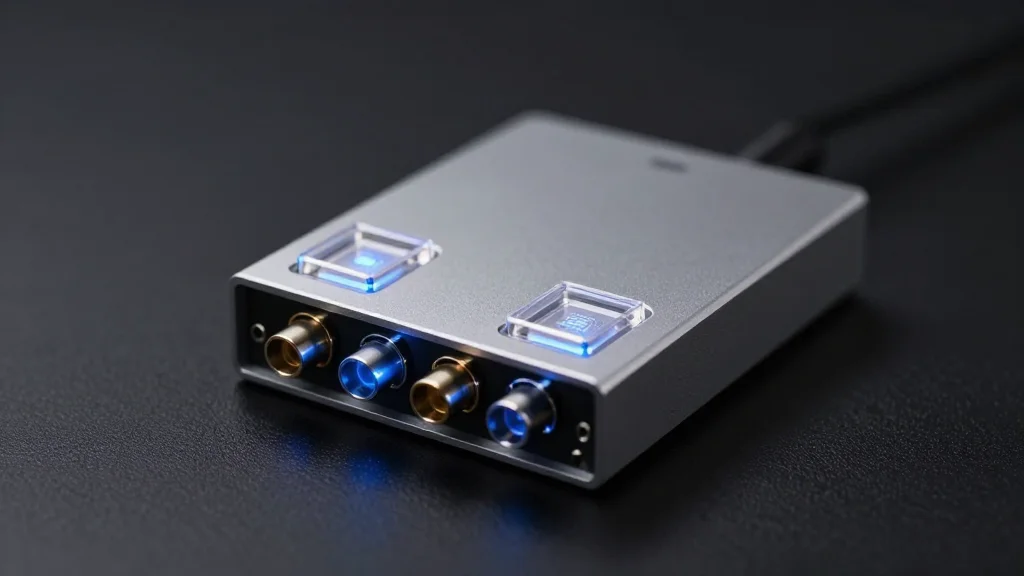
Cisco Unveils Universal Quantum Switch Prototype to Bridge Heterogeneous Quantum Systems
Cisco introduced a research prototype called the Universal Quantum Switch that can translate quantum information between disparate encoding formats without destroying entanglement. The device aims to enable distributed quantum computing and heterogeneous quantum networks built on existing telecom infrastructure.
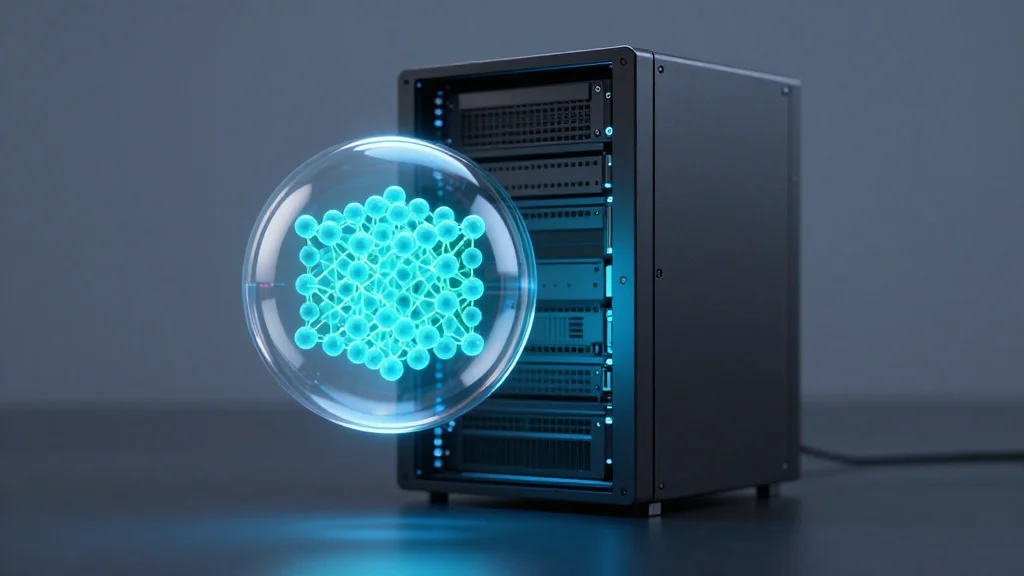
Jülich and NVIDIA Simulate 50‑Qubit Quantum Computer on Europe’s First Exascale Machine
Scientists at Germany’s Jülich Supercomputing Center, in partnership with NVIDIA, used the JUPITER exascale supercomputer to fully simulate a 50‑qubit universal quantum computer—surpassing the previous 48‑qubit record. The achievement, enabled by NVIDIA’s GH200 Superchips and novel compression techniques, creates a...
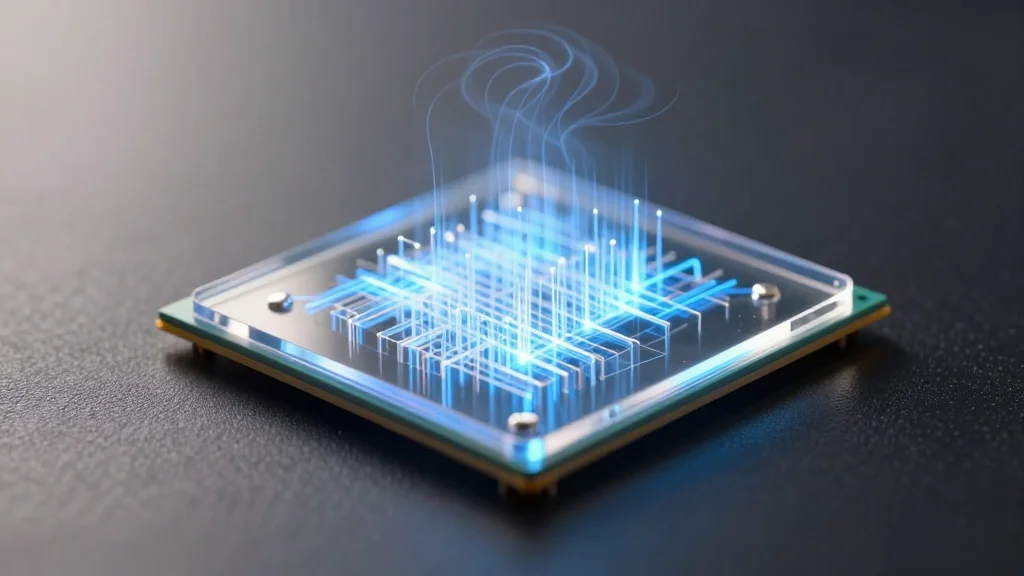
China’s Jiuzhang 4.0 Beats Supercomputers, Solving Task 10⁵⁴× Faster
Chinese researchers at the University of Science and Technology of China unveiled Jiuzhang 4.0, a programmable photonic processor that solved a Gaussian boson sampling task in 25 microseconds – a speed more than 10^54 times faster than the world’s most powerful...
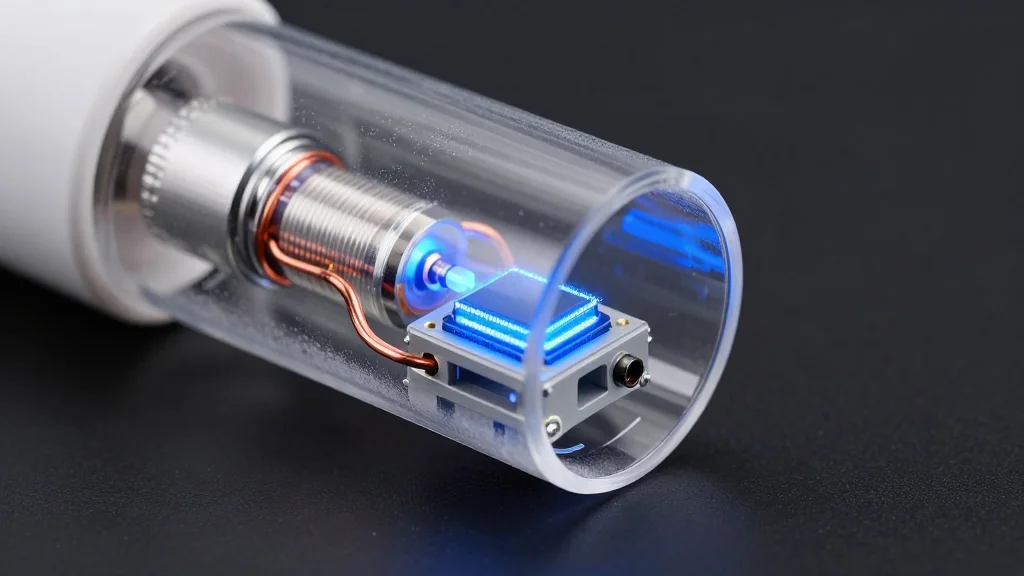
Fujitsu and Science Tokyo Launch Research Hub for Quantum Hardware Advancement and Talent Development
Fujitsu Limited and the Institute of Science Tokyo have inaugurated the Fujitsu Quantum and HPC Infrastructure Collaborative Research Cluster, a joint research hub that blends quantum hardware development with high‑performance computing. The cluster, operating from April 2026 to March 2027,...
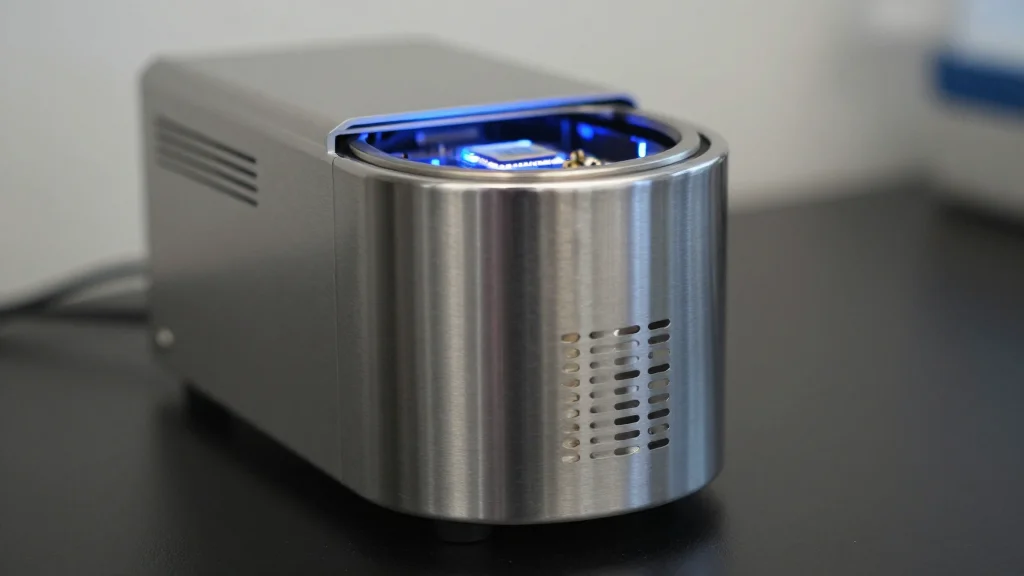
IQM’s $1.8 B SPAC Deal Highlights Quantum’s Long Road to Commercial Scale
Finland‑based IQM Quantum Computers filed a Form F‑4 to merge with SPAC Real Asset Acquisition Corp., valuing the firm at roughly $1.8 billion and promising $465 million in cash. The move, alongside QSE’s launch of an enterprise post‑quantum migration platform, illustrates both the...
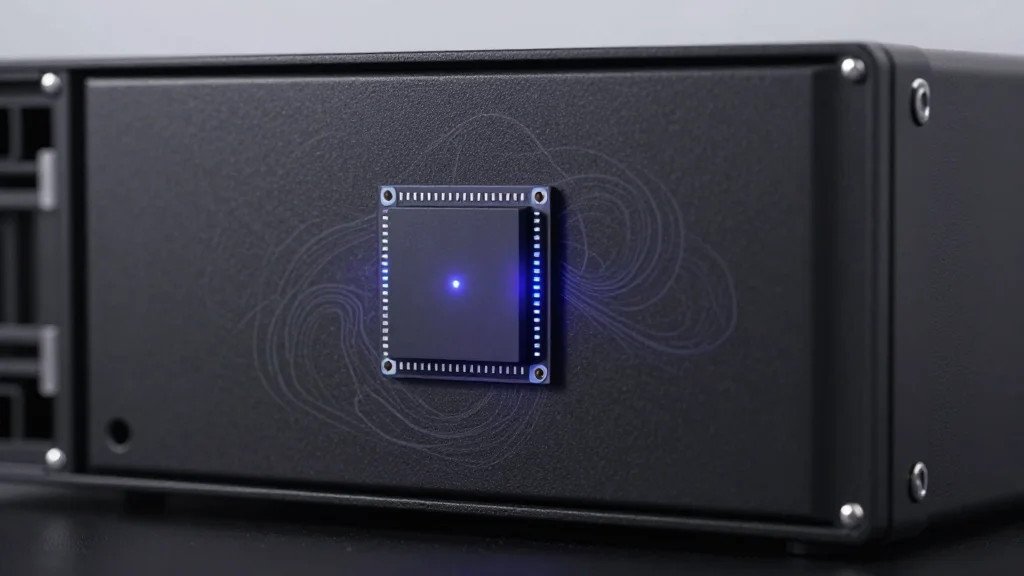
Irish Quantum Start-Up Equal1 Unveils RacQ Data Centre Computer
Irish quantum start‑up Equal1 has unveiled RacQ, a rack‑mounted silicon‑spin quantum computer built for standard 19‑inch data‑centre racks. The system combines a UnityQ quantum‑on‑chip with classical processors to deliver hybrid quantum‑classical workloads for use cases such as risk analysis, materials...
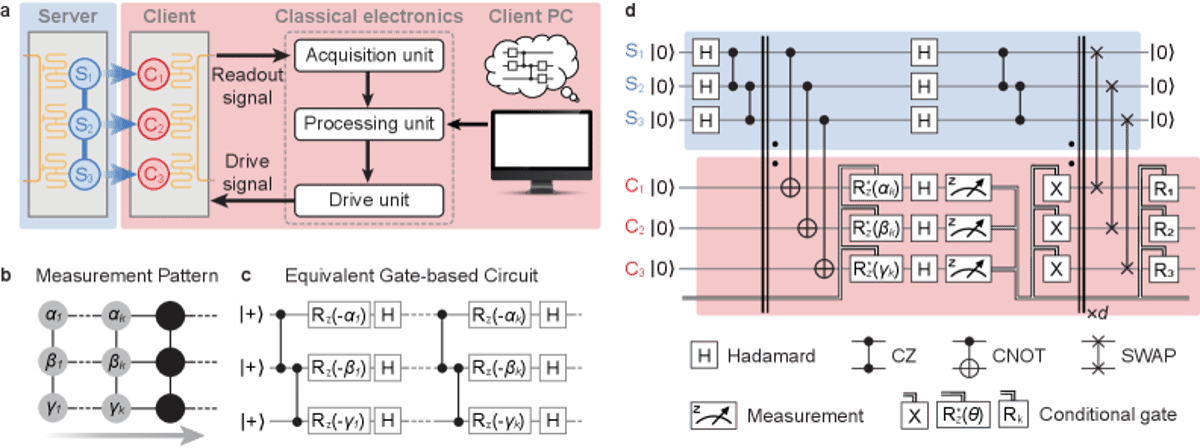
Blind Quantum Computing Achieved on Modular Superconducting Processor
Do you wonder how you can execute a #quantum algorithm on a quantum server in a way that the operator of the server does know neither the task nor the result? Here we conceptually demonstrate blind quantum computing using ...
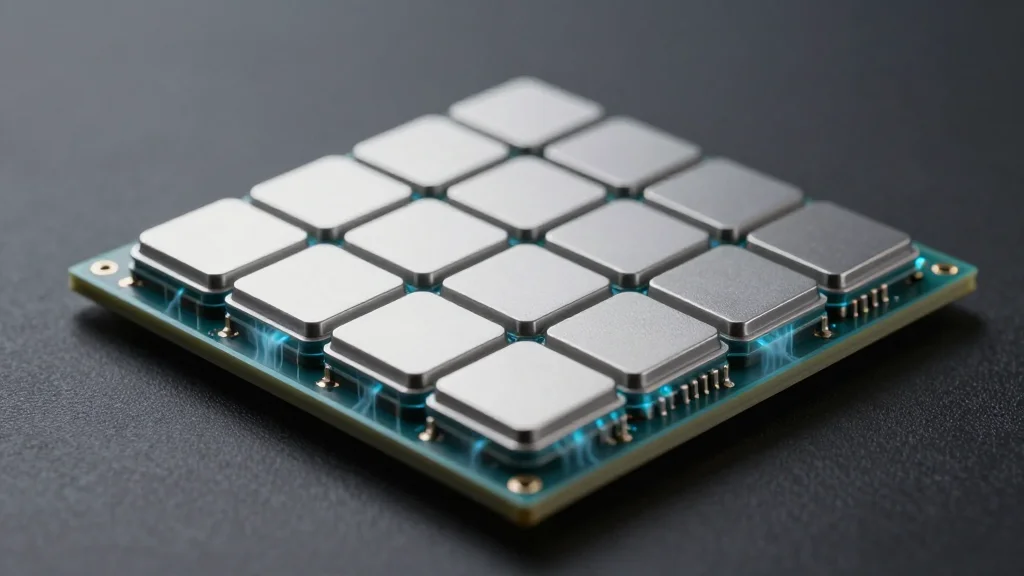
Rigetti Launches 108‑qubit Modular Quantum Computer at 99.1% Fidelity, Sparking Scaling Debate
Rigetti Computing announced the general availability of its 108‑qubit modular quantum computer, Cepheus‑1‑108Q, achieving a median two‑qubit gate fidelity of 99.1%. The figure falls short of the 99.5% benchmark the company set for fault‑tolerant scaling, igniting debate over the viability...
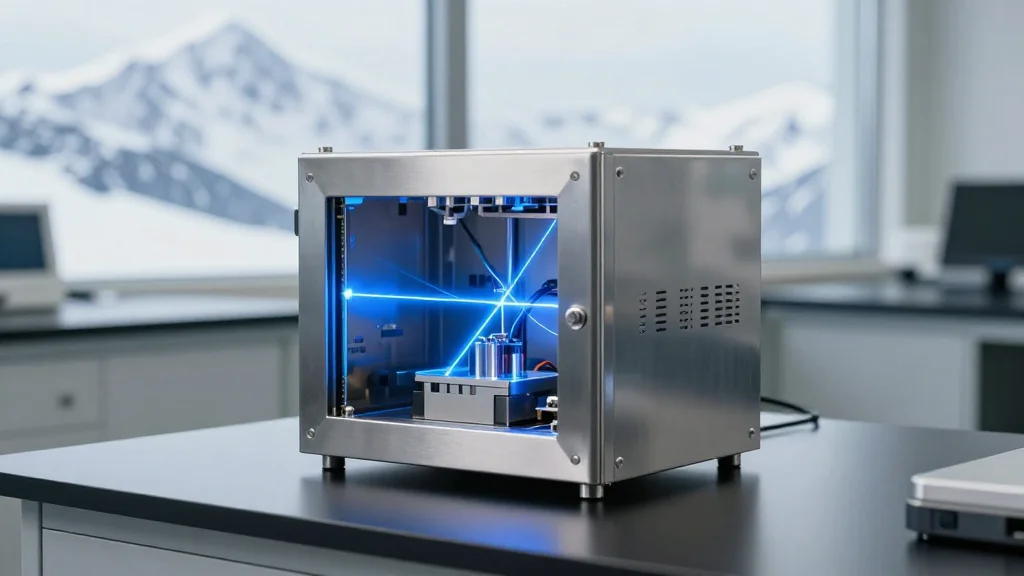
IonQ Launches 22,000‑sq‑ft Quantum R&D and Chip‑testing Hub in Boulder
IonQ (NYSE: IONQ) opened a 22,000‑square‑foot quantum computing research and semiconductor testing laboratory in Boulder, Colorado, with the first trapped‑ion quantum computer slated for installation in the third quarter of 2026. The expansion, backed by state incentives, adds dozens of...
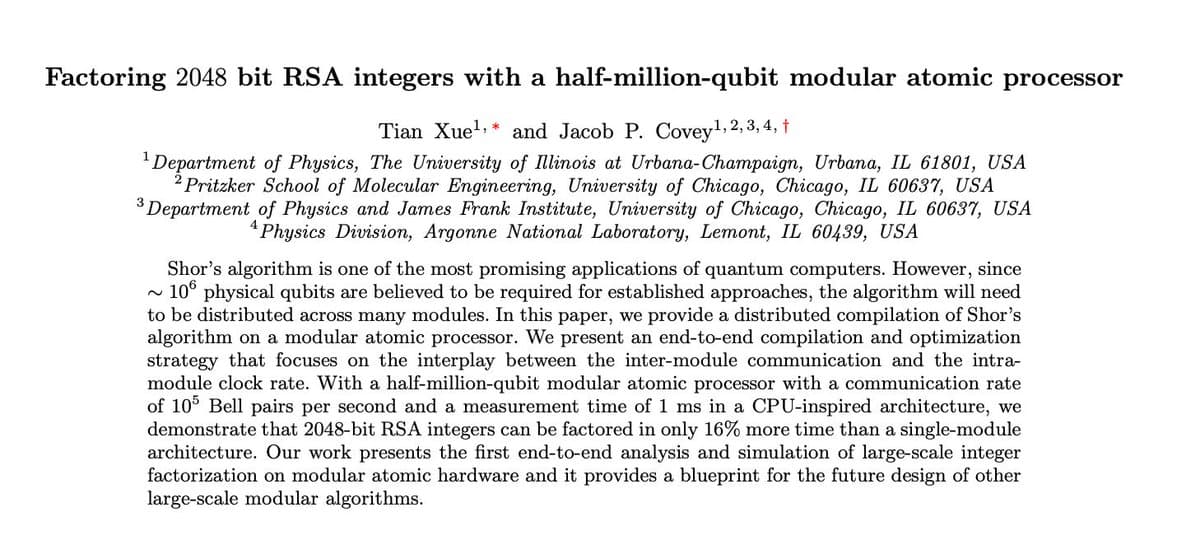
Modular Quantum Processor Simulated to Factor 2048‑bit RSA
A little behind on this, but an arxiv paper came out last week on factoring 2048-bit RSA integers with a modular atomic processor. It's an end-to-end analysis of distributing Shor's algorithm, which is needed for the modular roadmaps. Key point: •...
KLA Corp Announces 10‑for‑1 Stock Split as AI and Quantum Computing Hype Fuels Demand
KLA Corp disclosed a 10‑for‑1 forward stock split effective after the close of trading on June 11, aiming to make its $1,900‑priced shares more accessible. The move comes as investors pour capital into AI and quantum‑computing technologies, which KLA says...
What a Quantum Computer Actually Does Inside a Data Center
Quantum computers in data centers rely largely on classical hardware. The qubit chip sits in a soda‑can‑sized dilution refrigerator at 10 mK, while surrounding control electronics, cryocoolers and high‑speed interconnects draw about 30 kW, most of which powers cooling. Companies such as...
Santander Launches €120k Quantum‑AI Challenge with IBM
Santander is putting capital into quantum and AI. Their 'Quantum AI leap' global challenge, backed by IBM, offers €120k in prizes for startups and scaleups building solutions in quantum hardware, software, and PQC. Applications close June 30! (but quantum has...
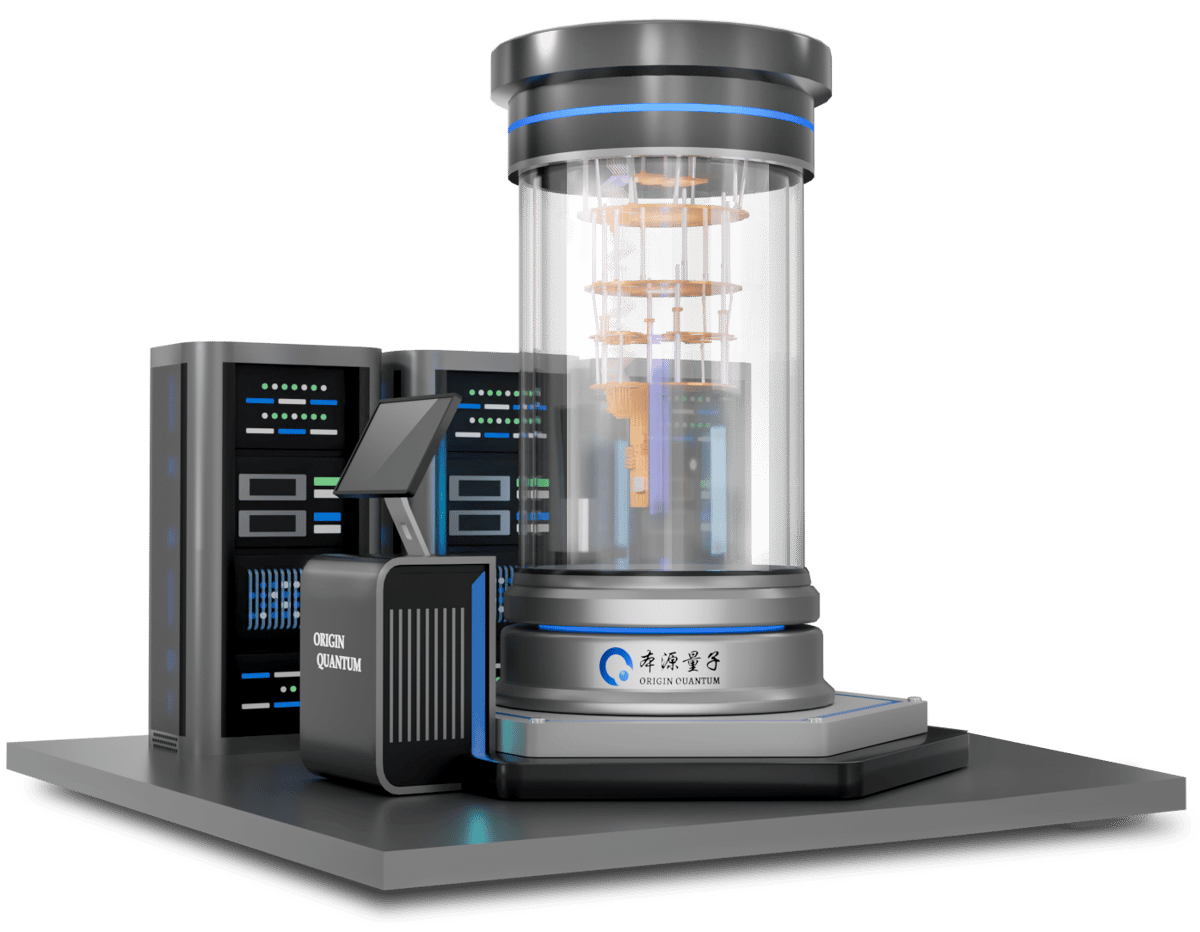
Origin Quantum Unveils Origin Wukong-180 Fourth-Generation Quantum Computer
Origin Quantum launched the fourth‑generation Origin Wukong‑180, a superconducting quantum computer with 180 computational qubits and 251 coupling qubits. The system boasts 99.90% gate and readout fidelities and coherence times of 40 µs (T₁) and 20 µs (T₂), positioning it for deeper circuit...
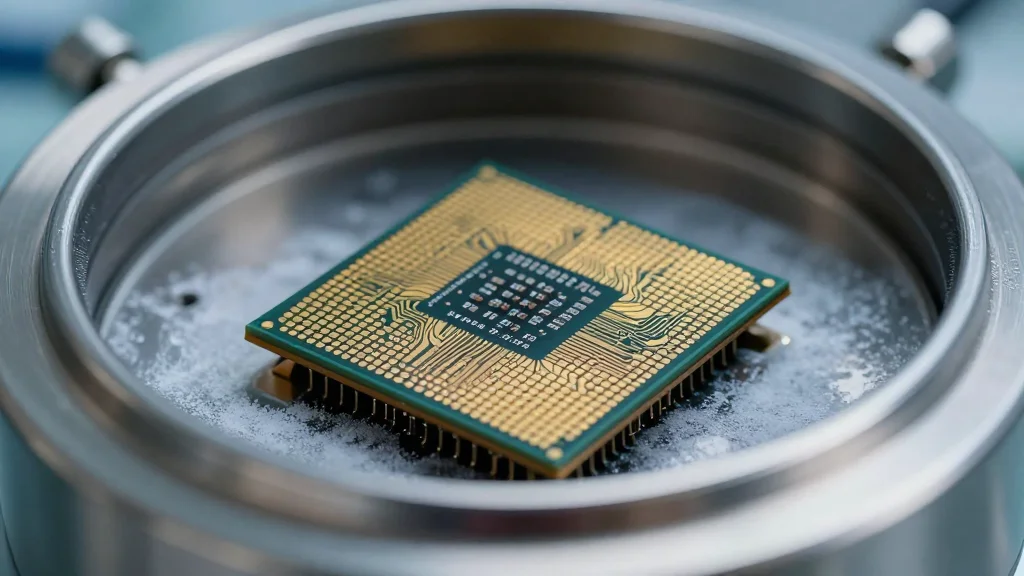
D‑Wave Q1 2026 Revenue Plummets 81% as Flagship System Sale Missed
D‑Wave Systems posted Q1 2026 revenue of $2.9 million, down 81% year over year after a $12.6 million system sale failed to recur. Meanwhile, bookings surged 1,994% to $33.4 million, driven by a $20 million university system deal and a $10 million enterprise license, underscoring...
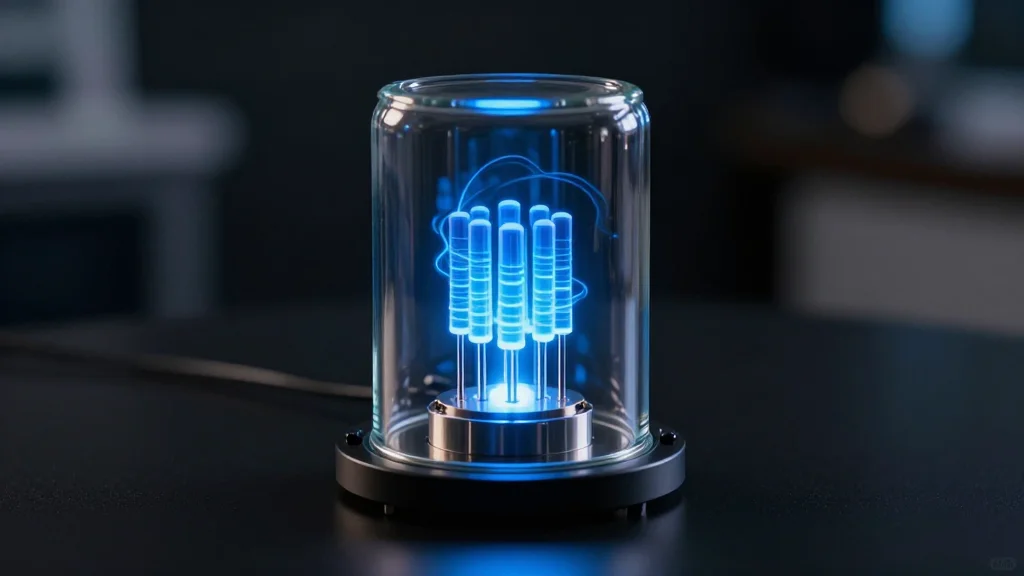
IonQ Could Deliver 10× Return by 2035 If It Secures Dominant Share of $72B Quantum Market
A new analysis projects that IonQ's stock could multiply tenfold by 2035 if the trapped‑ion specialist captures roughly 30% of the $72 billion quantum‑computing market. The firm would need $21.4 billion in revenue to justify a $193 billion market cap, a target that...
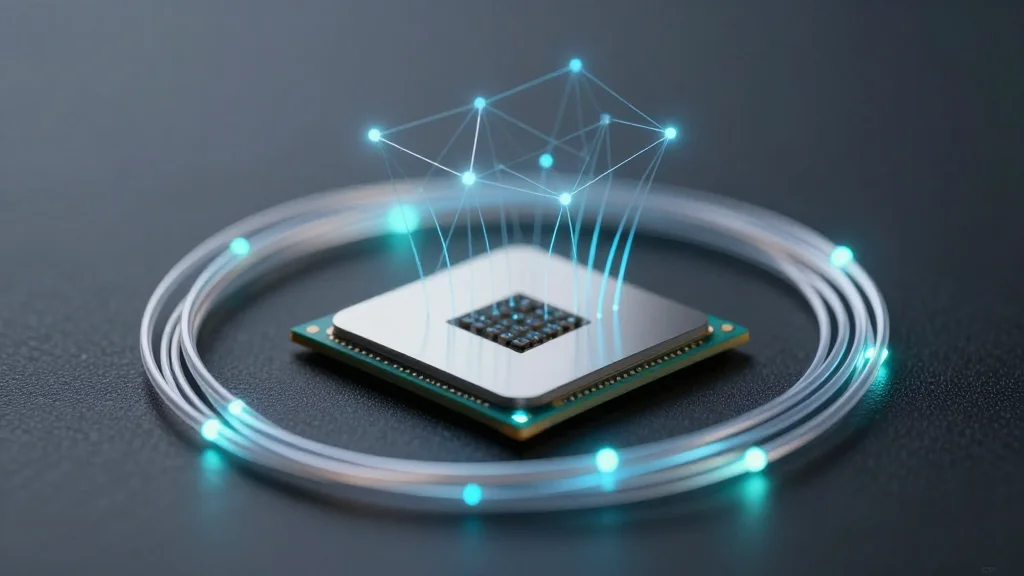
Photonic Secures $200 Million Series B, Valuing Firm at $2 Billion
Photonic Inc. closed a $200 million Series B financing round, pushing its post‑money valuation to $2 billion. Led by UK‑based Planet First Partners, the round adds a slate of Canadian and international investors and underpins the company’s push to commercial‑scale distributed quantum...
South Korea Passes Quantum Tech Lifecycle Support Bill, Boosting AI and HPC Convergence
South Korea’s cabinet approved a partial amendment to the Act on the Promotion of Quantum Science and Technology, establishing a lifecycle support framework that spans research, industrialisation, security and public use. The measure, championed by lawmaker Min Hee‑choi, adds legal...
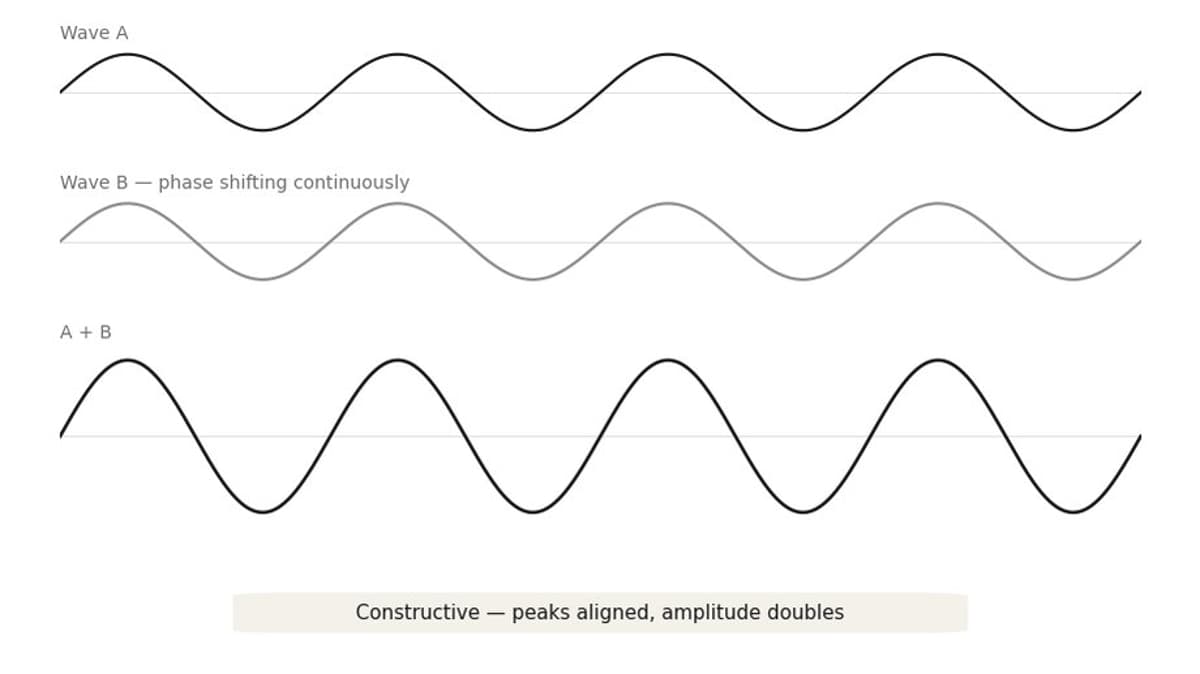
Quantum Computing Leverages Interference, Not Parallel Evaluation
It's the line you'll see in nearly every popular explainer: "a quantum computer evaluates all possibilities in parallel." It's wrong. Qubits, superposition, measurement, entanglement. We have quantum systems, ok. They can hold many states at once and link those...
EU Launches €50 Million SUPREME Quantum Manufacturing Project in Helsinki
The European Union has inaugurated the SUPREME quantum manufacturing project in Helsinki, allocating €50 million ($56 million) to expand high‑quality superconducting cat‑qubit chip production. The effort aims to shore up Europe’s quantum hardware supply chain and give emerging firms like Alice & Bob...
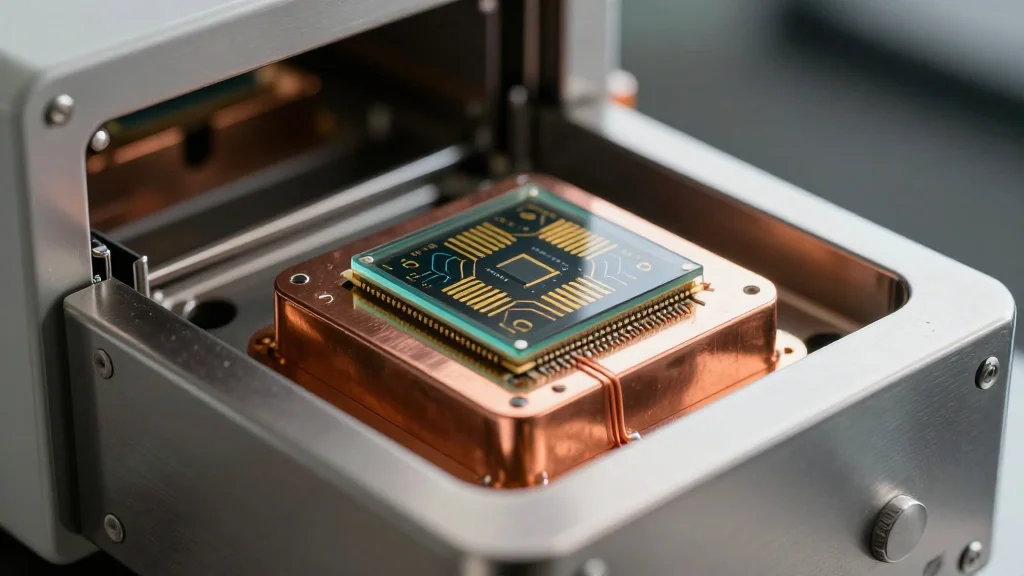
From LC Oscillator to Transmon: Building Superconducting Qubits
How do you actually make a qubit from a superconducting circuit? Superconducting qubits are one of the leading platforms for quantum computing, but the path from an LC oscillator to a functioning transmon qubit involves some complex (and fascinating) physics.
Casimir Secures $12 Million Seed Round to Launch Quantum Vacuum Energy Chip
Casimir, Inc. announced a $12 million seed round led by Scout Ventures to bring its quantum vacuum‑powered MicroSparc chip to market. The funding targets a 2028 launch of a battery‑free solution for ultra‑low‑power devices, opening a new hardware frontier beyond traditional...
IonQ Opens New Quantum Computing R&D Lab in Colorado
IonQ announced a 22,000‑square‑foot research facility in Boulder, Colorado, dedicated to quantum‑computing R&D and semiconductor ion‑trap chip testing. The lab, part of the Boulder 38 campus, will house the company’s next‑generation trapped‑ion systems and aims to install its first quantum computer...
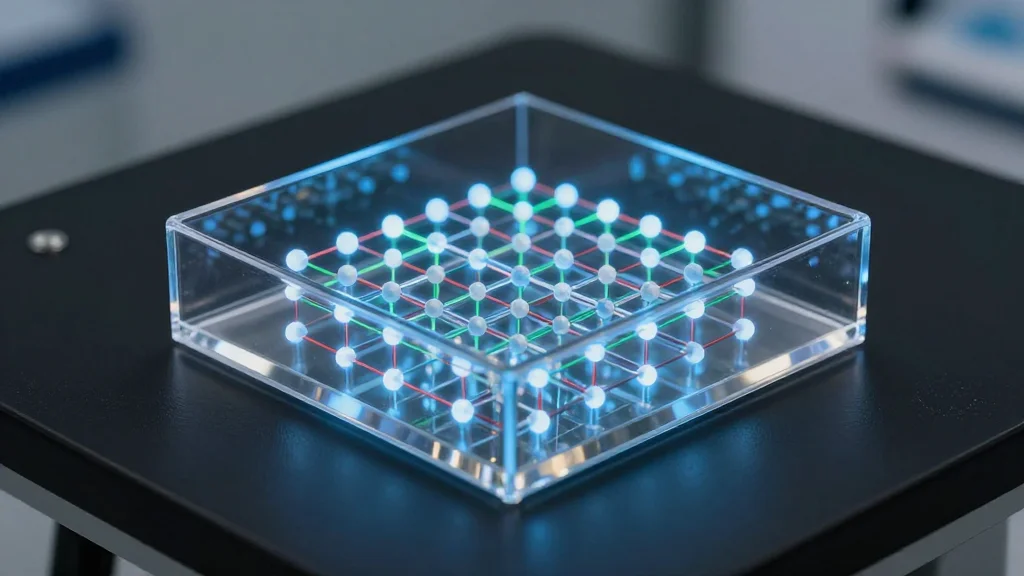
ETH Zurich Demonstrates 99.1% Precision Swap Gates on 17,000 Neutral‑Atom Qubits
Researchers at ETH Zurich reported a 99.1% precision rate for swap‑gate operations on a neutral‑atom platform involving 17,000 qubit pairs. The breakthrough, built on a geometric‑phase technique, promises to cut error rates and accelerate the path to practical quantum supercomputers.
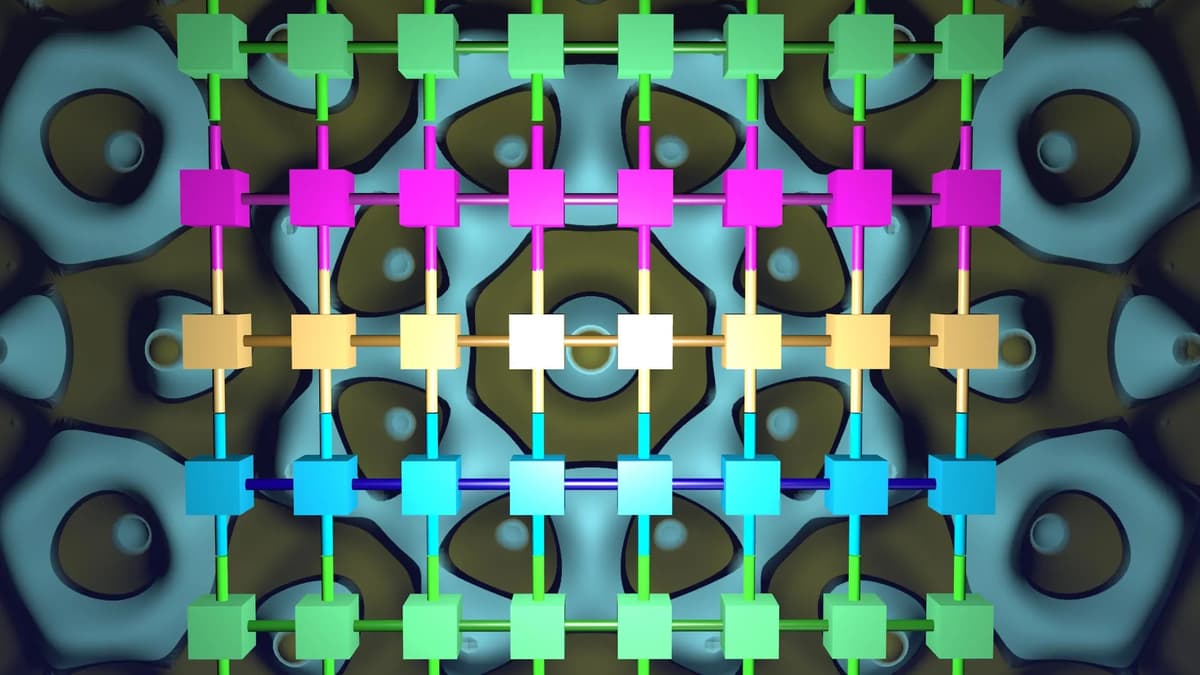
New Quantum Algorithm Solves “Impossible” Materials Problem in Seconds
Researchers at Aalto University unveiled a quantum‑inspired algorithm that can simulate a topological quasicrystal with over 268 million sites in seconds, a task that would overwhelm today’s supercomputers. By encoding the problem with tensor‑network techniques, the method achieves exponential speed‑up comparable...
Pasqal Joins Five Finalists in $5 Million XPRIZE Quantum Applications Competition
Pasqal was selected as one of five finalists out of 62 wildcard entries in the XPRIZE Quantum Applications competition, which offers a $5 million grand prize. The French neutral‑atom quantum computing firm sees the accolade as validation of its technology and...
Quantinuum Files for $1.5 Billion IPO, Targeting $20 B Valuation
Quantinuum, the Honeywell‑backed quantum hardware firm, has filed for an IPO that could raise more than $1.5 bn and value the company at up to $20 bn. The filing follows a $600 m funding round that pegged the firm at $10 bn and comes...

IQM Launches HPC Integration Service to Accelerate Hybrid Quantum-HPC Adoption
IQM Quantum Computers has introduced an HPC Integration Service that embeds its Radiance superconducting quantum computers as native Slurm nodes within high‑performance computing clusters. The offering leverages the open‑source Quantum Device Management Interface (QDMI) to eliminate vendor‑specific integration hurdles, allowing...
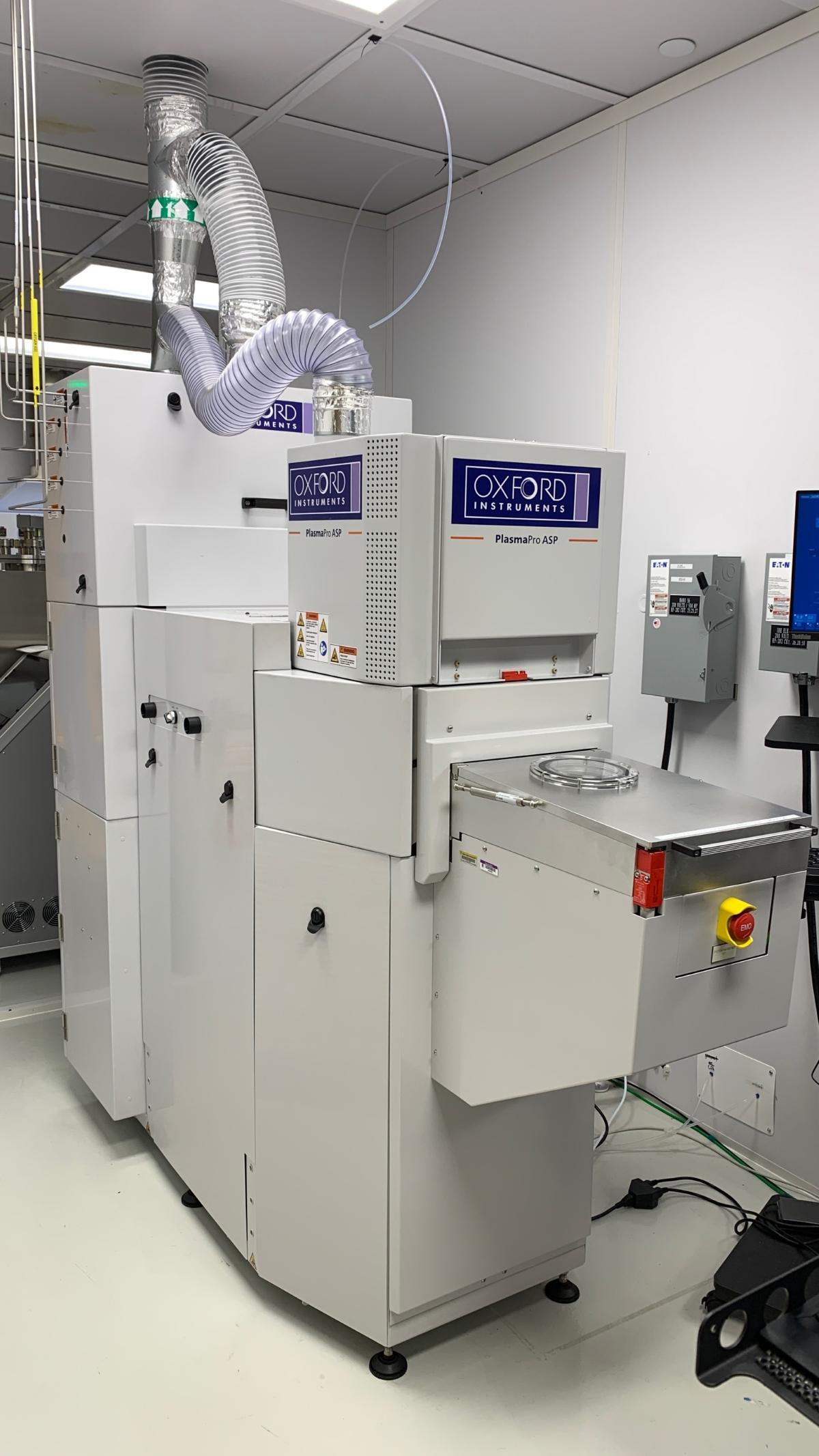
Oxford Instruments and NYU Nanofab Partner to Advance Atomic-Scale Quantum Fabrication
Oxford Instruments and NYU’s Nanofabrication Cleanroom have partnered to install the United States' first PlasmaPro ASP atomic layer deposition system, dedicated to superconducting quantum applications. Funded by the U.S. Microelectronics Commons through the NORDTECH hub, the tool supports the CHIPS...
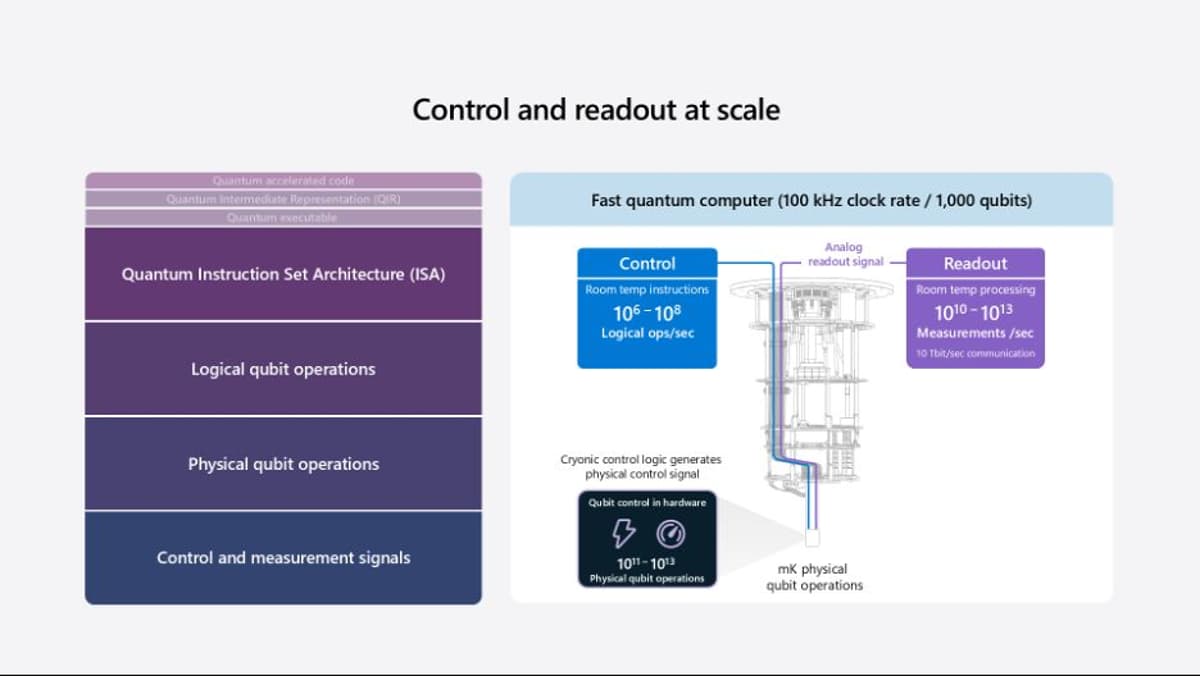
Scaling Quantum Computers Requires Modular Cryogenic Architecture
Really liking Matthias Troyer's (Microsoft) posts on new engineering challenges in quantum computing architectures. The qubit isn't the only problem (we all know that). Why are we going to modular systems? Lecture 5 walks through why utility-scale quantum hits a...

Quantum Computation Gains Flexibility with New Three-Dimensional Entanglement Design
Researchers at the University of Science and Technology of China have demonstrated a fault‑tolerant quantum computing architecture that embeds Gottesman‑Kitaev‑Preskill (GKP) states in three‑dimensional photonic cluster states. By leveraging photon polarisation, frequency and orbital angular momentum, the design reaches a...
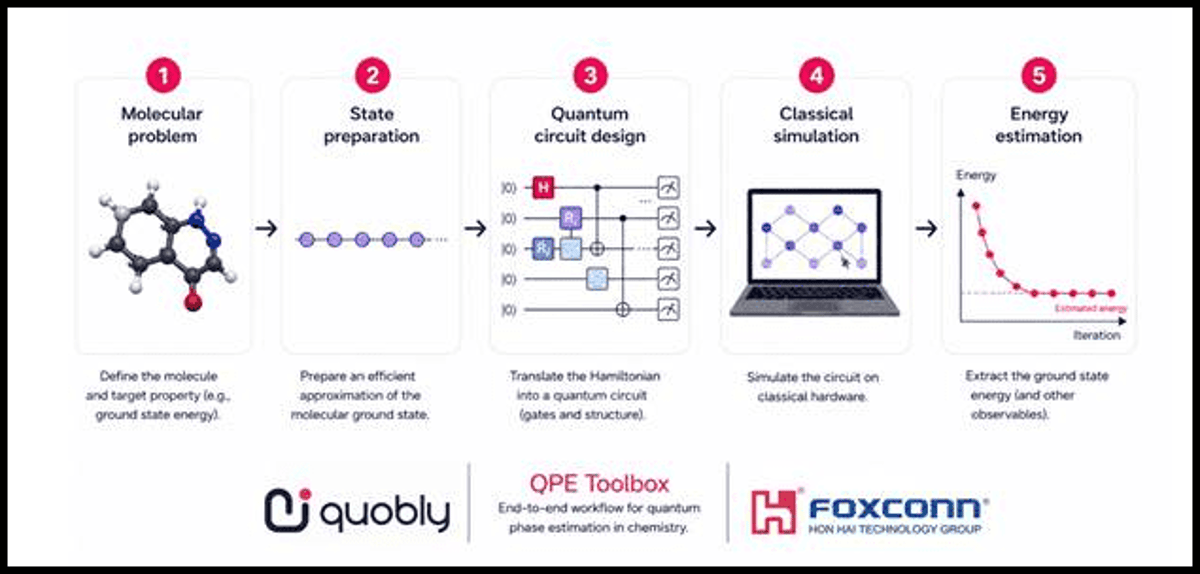
Quobly Toolbox Explores Quantum Phase Estimation Pipeline With Tensor Networks
French startup Quobly and Foxconn’s Hon Hai Research Institute have released an open‑source toolbox for Quantum Phase Estimation (QPE) aimed at molecular systems. Built on tensor‑network methods and the quimb library, the tool can simulate full QPE circuits up to...
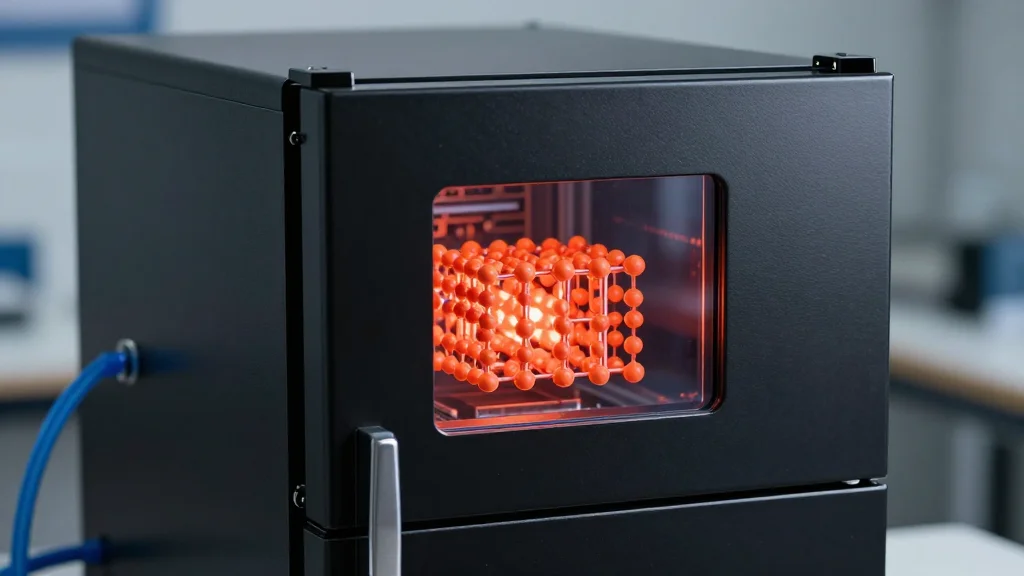
China Launches Hanyuan‑2, First Dual‑Core Neutral‑Atom Quantum Processor
CAS Cold Atom Technology in Wuhan announced Hanyuan‑2, the world’s first dual‑core neutral‑atom quantum computer. The cabinet‑sized system packs 200 qubits—100 rubidium‑85 and 100 rubidium‑87 atoms—and consumes under 7 kW. The launch signals China’s push to commercial‑grade quantum hardware using a...
IonQ and D-Wave Quantum Shares Near Double in Five Weeks, Outpacing AI Rally
IonQ (IONQ) and D-Wave Quantum (QBTS) posted gains of 98% and 84% respectively between March 30 and May 6, eclipsing the broader AI rally. The rally follows IonQ’s 755% YoY revenue jump to $64.7 million and a $3.1 billion cash pile, while D-Wave sits...