Today's Quantum Pulse
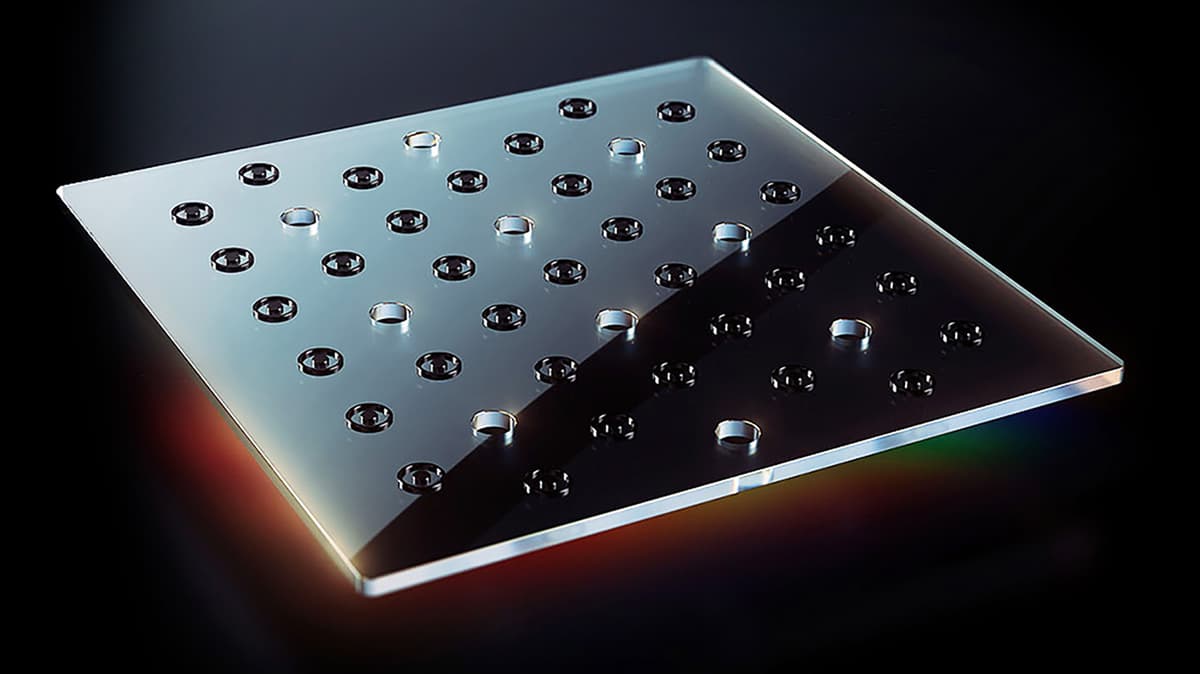
JPMorgan, OQC and AMD launch a hybrid quantum‑AI data centre in London
Oxford Quantum Computing, JPMorgan Chase and AMD announced a joint research effort to build a colocated quantum‑AI data centre in London. The facility will combine OQC’s Genesis quantum processor with AMD’s AI and high‑performance computing hardware to create a hybrid platform for finance‑focused workloads such as portfolio optimisation and quantum machine learning.
Rigetti Computing Secures Up to $100 Million U.S. Government Funding for Quantum R&D
Rigetti Computing has signed a letter of intent with the U.S. Department of Commerce for up to $100 million over three years to accelerate superconducting quantum computing research. The award, part of the CHIPS Act, includes an equity stake for the government and targets scaling challenges in utility‑scale quantum systems. The deal underscores Washington’s confidence in Rigetti’s chiplet‑based architecture and its on‑premise quantum hardware line.
Researchers Propose Quantum Jamming to Test Causality in Quantum Systems
A study led by Michał Eckstein and Ravishankar Ramanathan introduces quantum jamming as a tool to probe causality in quantum mechanics, raising fresh questions about the security of quantum cryptographic protocols and the foundations of physics.
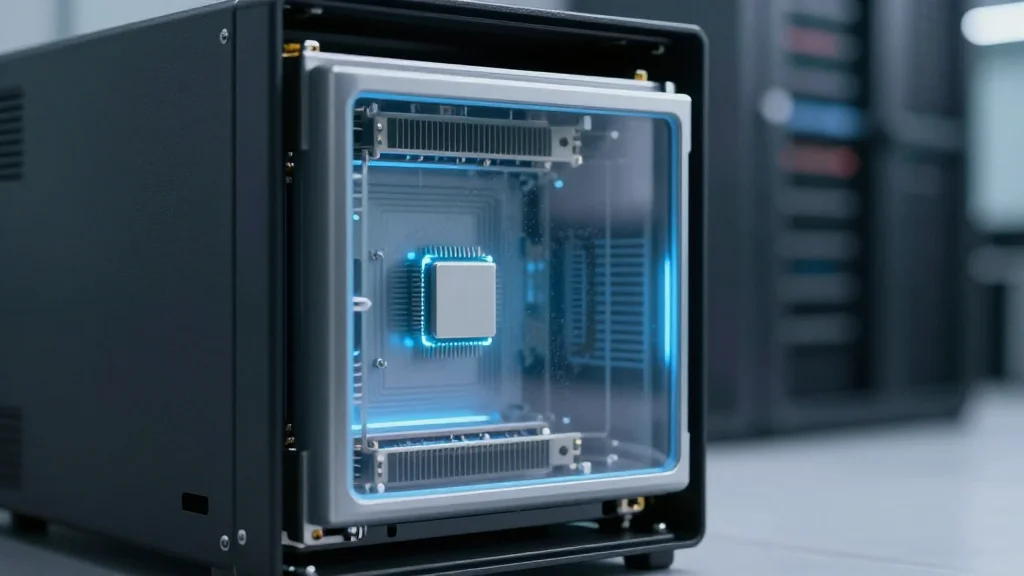
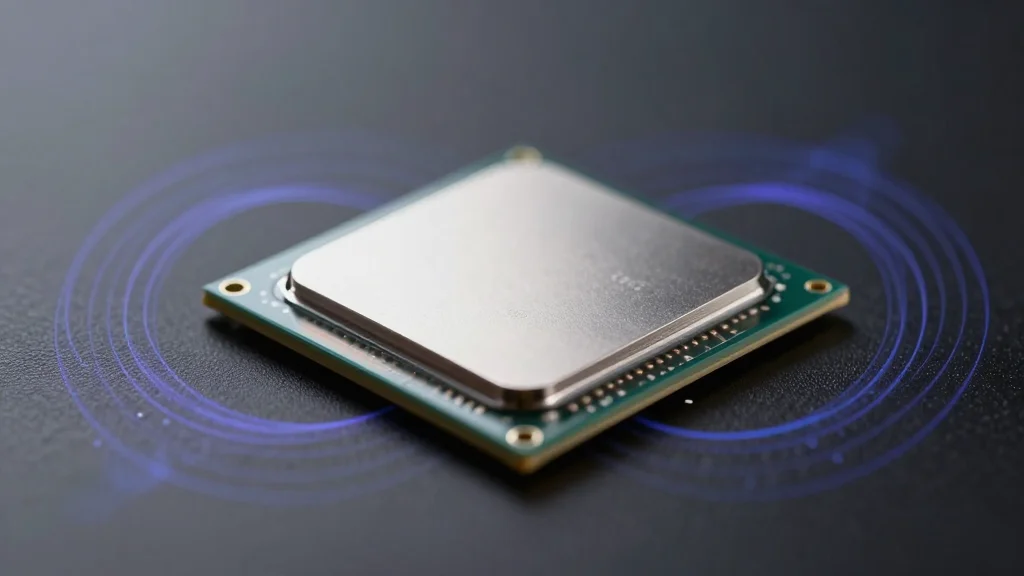
Equal1 and Dell Unveil First Rack‑Mounted Quantum Computer for Data Centers
Equal1 and Dell announced the RacQ, the world’s first rack‑mounted quantum computer, at Dell Technologies World 2026. The prototype fits a 19‑inch rack, draws 1.6 kW from a standard wall socket and operates at 0.3 K, positioning quantum hardware for enterprise data...
Quantum Bridge Secures $8 Million Series A to Deploy Quantum‑Resistant Network Security
Quantum Bridge Technologies announced an $8 million Series A round led by Primo Capital SGR, bringing its total funding to $16 million. The capital will accelerate deployment of its patented Distributed Symmetric Key Establishment protocol across financial, telecom, and government networks to...

Simons Foundation Simulates 100‑Qubit Dynamics on a Laptop, Challenging Quantum Supremacy Claims
Researchers from the Simons Foundation’s Center for Computational Quantum (CCQ) at the Flatiron Institute demonstrated a classical simulation of a 100‑qubit quantum system on a personal laptop, using revived belief‑propagation algorithms and tensor‑network compression. The result directly challenges a recent...
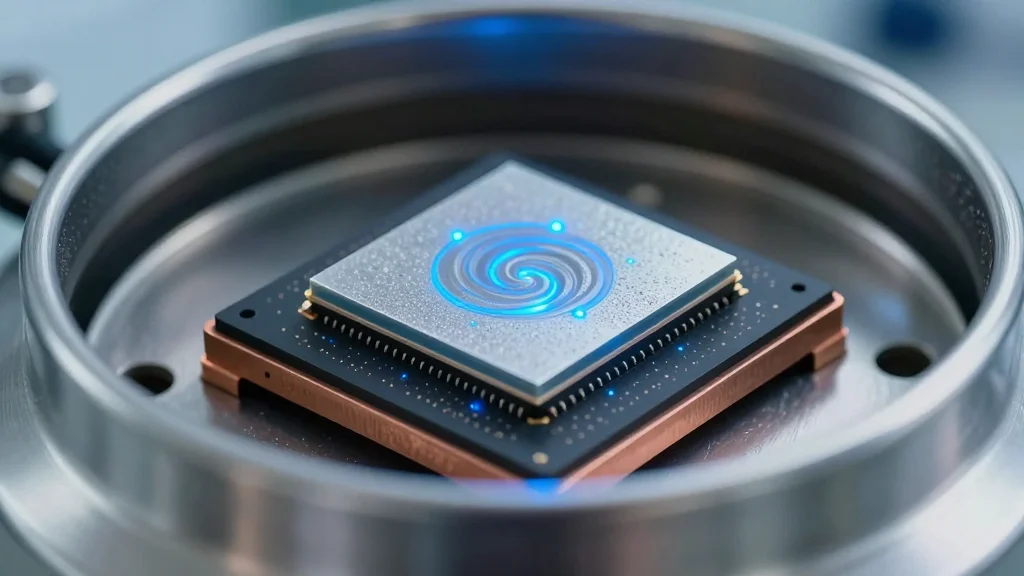
KIT Researchers Turn Superconducting Vortices Into Controllable Qubits
A team at Germany's Karlsruhe Institute of Technology has shown that magnetic vortices in granular‑aluminum thin films can be harnessed as controllable qubits, achieving microsecond‑scale coherence comparable to existing superconducting qubits. The breakthrough, published in Nature, reframes a long‑standing material...

U.S. Grants Spark 60%+ Rallies in Quantum‑Computing Stocks
The U.S. Commerce Department confirmed a $2 billion grant program under the CHIPS and Science Act, allocating $100 million each to seven quantum‑computing companies—including Infleqtion, Rigetti and D‑Wave—plus larger contracts for IBM and Globalfoundries. The announcements triggered a three‑day rally of 60%‑plus...

SBQuantum Wins CAD 3 Million Canadian Defence Contract for Quantum Magnetometers
SBQuantum has been awarded two contracts worth CAD 3 million ($2.2 million USD) to deploy its nitrogen‑vacancy diamond magnetometers for the Department of National Defence and the Canadian Armed Forces. The deal moves the company’s quantum‑sensing hardware from research labs into operational military...
Xanadu Cuts Quantum Read‑Only Memory Cost by Half, Ending Seven‑Year Stall
Xanadu Quantum Technologies announced a new Quantum Read‑Only Memory (QROM) implementation that reduces the number of Toffoli gates by 50%, effectively halving the operating cost of loading classical data into quantum processors. The advance, disclosed on May 21, 2026, promises...

Quantum ‘Jamming’ Could Help Unlock the Mysteries of Causality
Researchers are probing "quantum jamming," a theoretical process that could silently alter entangled particles and undermine the monogamy of entanglement that underpins device‑independent quantum key distribution. The idea, first explored in the mid‑1990s, resurfaced as quantum computers near practical deployment,...
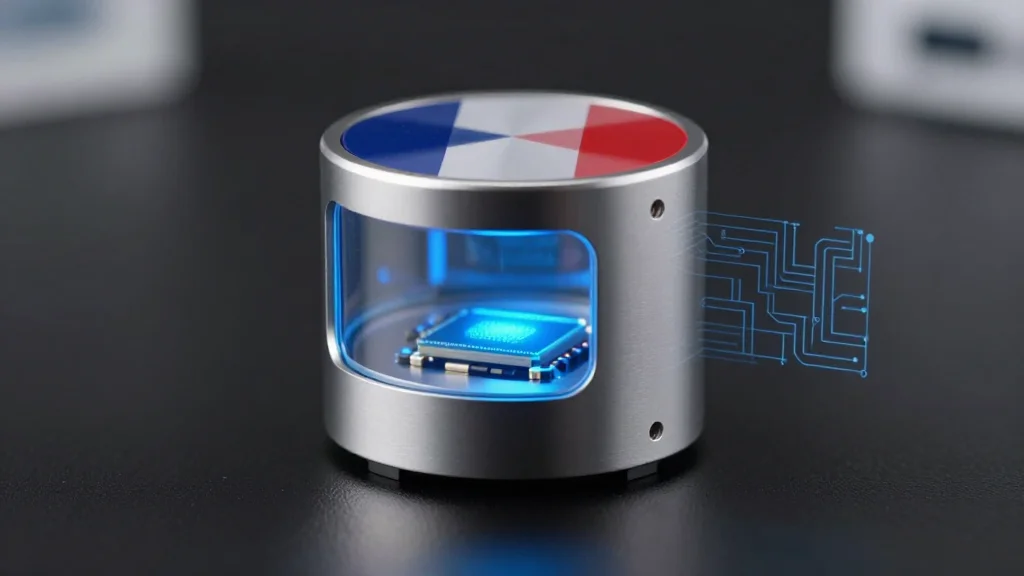
Macron Unveils €1 Billion Quantum Funding Push to Rival US and China
French President Emmanuel Macron announced a €1 billion ($1.08 bn) national quantum computing fund, supplementing existing €2.3 billion investments and pairing it with €550 million for semiconductors. The move is framed as a response to the United States’ $2 billion quantum push and a bid...

Emmanuel Macron Announces an Additional €1 Billion ($1.16B USD) in Funding for France’s Quantum Plan
French President Emmanuel Macron announced an extra €1 billion (approximately $1.16 billion) for France’s Quantum Plan, bringing total quantum funding to over €3.3 billion ($3.8 billion) through 2025. The boost follows earlier allocations of €1.8 billion (about $2.09 billion) for 2021‑2025 and a €500 million (≈$580 million) defense‑procurement...
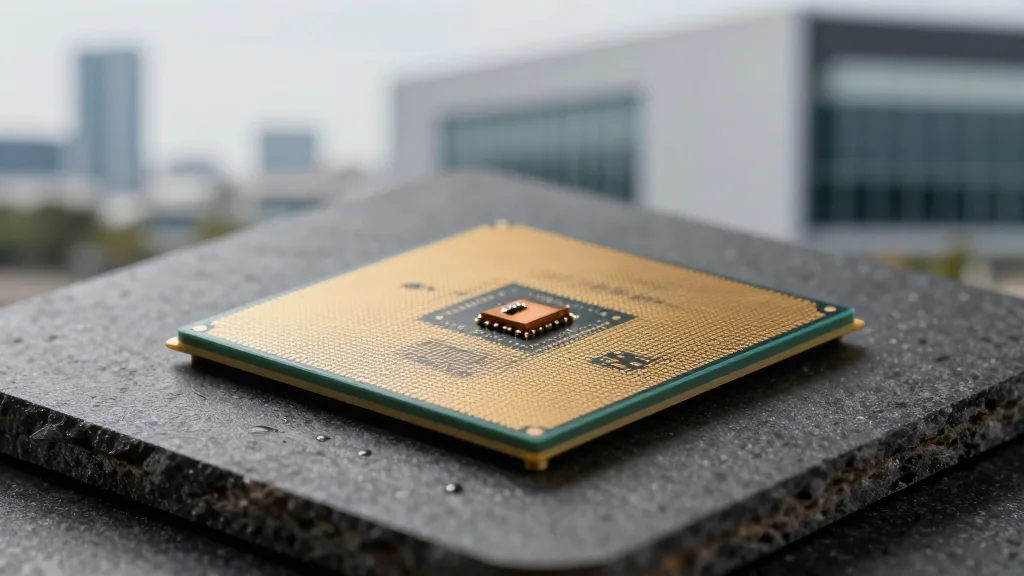
PsiQuantum Moves $620 M Quantum Computer Project to Moreton Bay, Delaying Launch to 2029
Silicon Valley‑based PsiQuantum has moved its $620 million Australian quantum‑computer build from Brisbane Airport to the Moreton Bay Central precinct. Early site work is under way, a groundbreaking is set for June 2026 and the target for a fault‑tolerant machine has slipped...
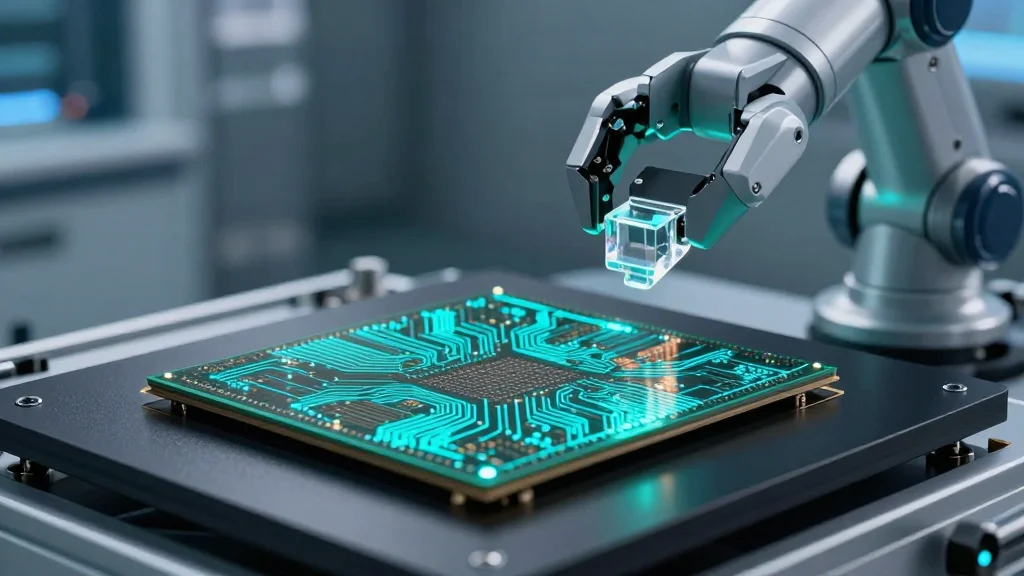
IBM to Build U.S. First Quantum Wafer Fab with $1 B Federal Grant
IBM and the U.S. Commerce Department announced a $1 billion federal incentive to create America’s first purpose‑built quantum semiconductor foundry. The award is part of a $2.013 billion CHIPS and Science Act package aimed at accelerating domestic quantum computing manufacturing.

Quantum Computing Weekly Round-Up: Week Ending May 23, 2026
The week saw a wave of quantum‑computing activity, highlighted by IBM’s partnership with the U.S. Department of Commerce to launch a quantum foundry. France and the United States announced sizable funding programs, while Pasqal and Saudi Aramco deployed a 200‑qubit...

Pasqal Shows Logical Qubits Beat Physical Counterparts by 50% in Differential Equation Solving
Pasqal Holding SAS demonstrated that logical qubits outperform physical qubits by more than 50% on average—and up to ten‑fold on select differential equations—using its neutral‑atom processor. The breakthrough, detailed in an arXiv paper, provides the first full‑application evidence that error‑corrected...
U.S. $2 B Quantum Computing Funding Spurs Double-Digit Stock Gains
The U.S. Department of Commerce announced $2.013 billion in incentives to nine quantum‑computing firms, sending IBM up 12.4%, GlobalFoundries up 14.9% and Infleqtion soaring 30% in a single trading day. The funding, part of the CHIPS and Science Act, is reshaping...
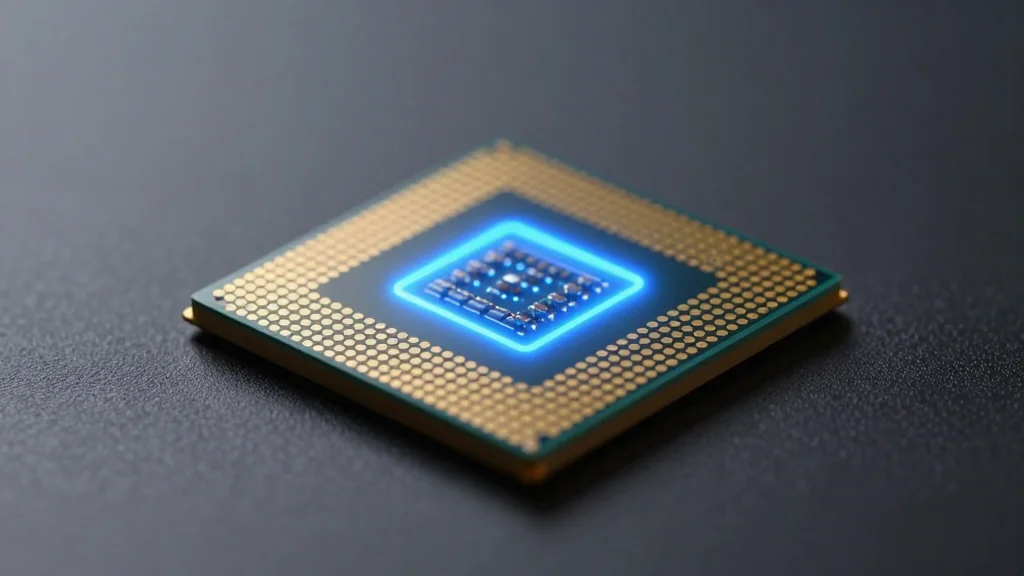
ParityQC Executes Record 52‑Qubit Quantum Fourier Transform on IBM Heron
ParityQC demonstrated a 52‑qubit Quantum Fourier Transform on IBM's Heron r3 processor, the largest QFT circuit reported to date. The team’s Parity Twine technique cut routing overhead and error rates, nearly doubling the previous best benchmark on trapped‑ion hardware.

Flatiron Institute Tensor Network Algorithm Overturns Historical D-Wave Quantum Supremacy Claim
Physicists at the Flatiron Institute’s Center for Computational Quantum Physics, in partnership with Boston University, have unveiled a classical three‑dimensional tensor‑network algorithm that accurately simulates the transverse‑field Ising model dynamics previously claimed to require a quantum annealer. The method, published...

Pasqal Benchmarks Error-Detected Logical Qubits Against Physical Counterparts Using Quantum Kernels
Pasqal Holding SAS demonstrated that error‑detected logical qubits outperform their physical counterparts when running a quantum‑kernel differential‑equation solver. Using a continuous [[4,2,2]] error‑detecting code on its neutral‑atom processor, the team mapped 1,000 equations and achieved more than a 50% reduction...

IBM and U.S. Commerce Dept. Launch $1 B Quantum Foundry, Part of $2 B CHIPS Initiative
IBM and the U.S. Department of Commerce announced a $1 billion grant to create America’s first purpose‑built quantum foundry for superconducting wafers. The award is part of a $2.013 billion CHIPS and Science Act package that also funds GlobalFoundries and other firms,...
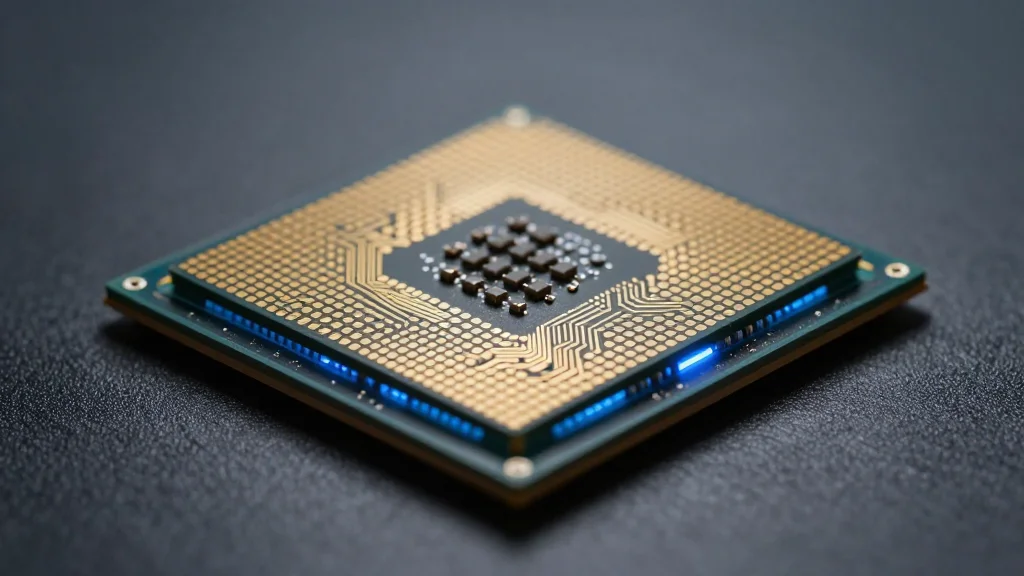
Rigetti Secures Up to $100 Million From U.S. Commerce Dept for Quantum R&D
Rigetti Computing has signed a letter of intent with the U.S. Department of Commerce for up to $100 million in funding over three years to accelerate superconducting quantum computing R&D. The deal, part of the CHIPS Act, includes an equity stake...
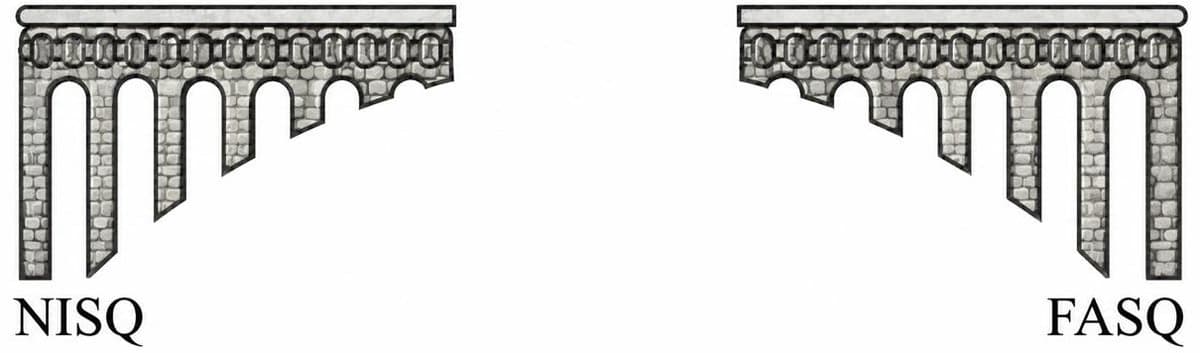
Bridging Four Key Gaps Toward Quantum Advantage
Mind the gaps: The fraught road to quantum advantage Quantum computing is advancing rapidly, yet substantial gaps separate today's noisy intermediate-scale quantum (#NISQ) devices from tomorrow's fault-tolerant application-scale quantum (#FASQ) machines. https://t.co/aSWIa4Z6CA In this perspectives article, @preskill and I identify four related hurdles...

$38M CHIPS Act Award to Scale Diraq Silicon Quantum Processors
Diraq has secured a Letter of Intent for $38 million from the U.S. Department of Commerce’s CHIPS Research and Development Office to scale its silicon‑spin quantum processors. The funding builds on more than 25 years of Army and DARPA support and targets...

XRP Ledger Teams with Project Eleven to Guard Against Quantum Attacks
The XRP Ledger announced a partnership with post‑quantum security firm Project Eleven to audit its validator, wallet and custody layers and develop hybrid signature schemes. The move positions the blockchain to transition to quantum‑resistant cryptography before quantum computers become capable...
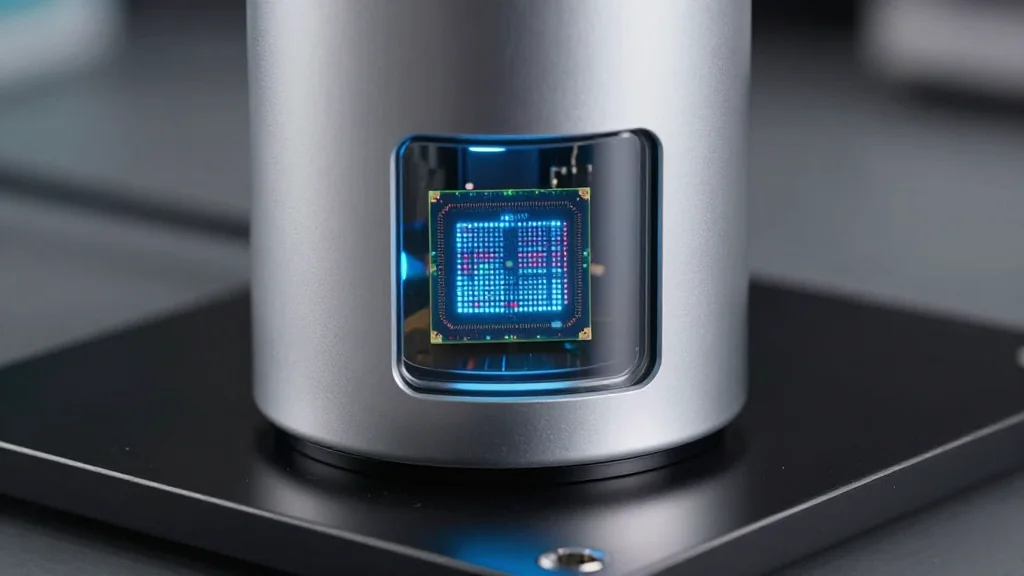
GlobalFoundries Launches Specialized Business Unit to Expand Onshore Quantum Hardware Manufacturing
GlobalFoundries has created a new division, Quantum Technology Solutions, to commercialize on‑shore quantum hardware manufacturing. The U.S. Department of Commerce will provide $375 million under the CHIPS and Science Act and take a roughly 1% equity stake in the company. The...
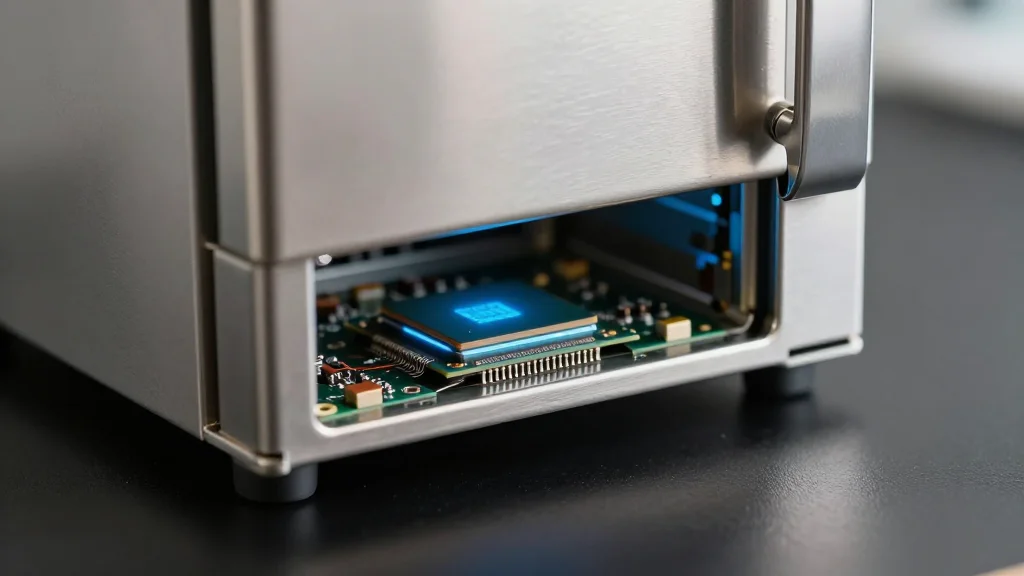
US To Award $2 Billion To Quantum Companies, Take Equity Stakes
The U.S. Department of Commerce is set to award roughly $2 billion in grants to nine quantum‑computing firms, with the federal government taking equity stakes in each recipient. IBM will receive the largest portion—about $1 billion—and will pair it with an equal...
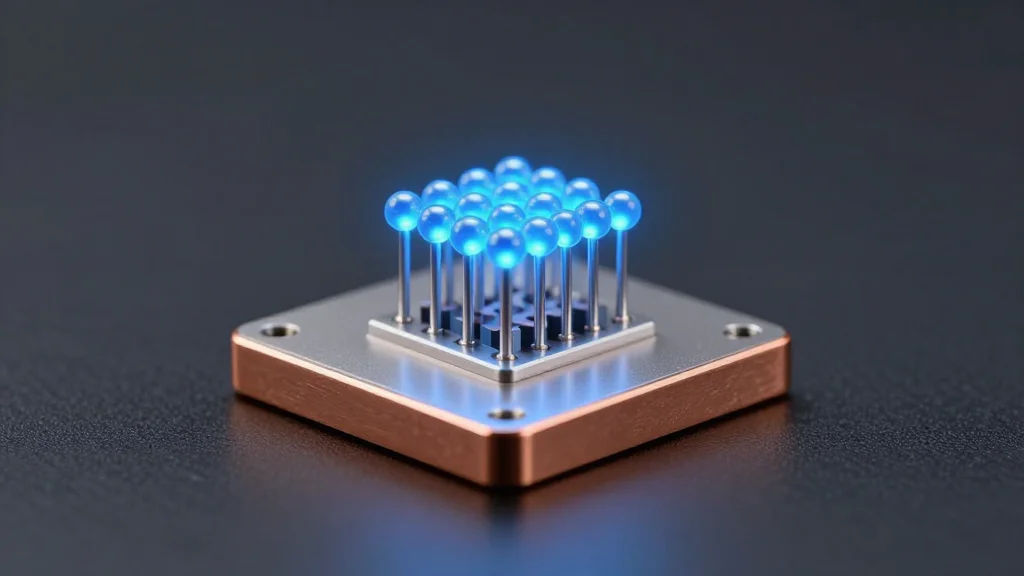
Motley Fool Analysts Flag IonQ's $130M Revenue and $510M Loss in New Stock Assessment
Motley Fool analysts released a fresh stock analysis of IonQ, noting its $130 million revenue in 2025 and a $510.4 million net loss. The report weighs the company's valuation against its growth trajectory and the competitive pressure from rivals like D‑Wave, whose...
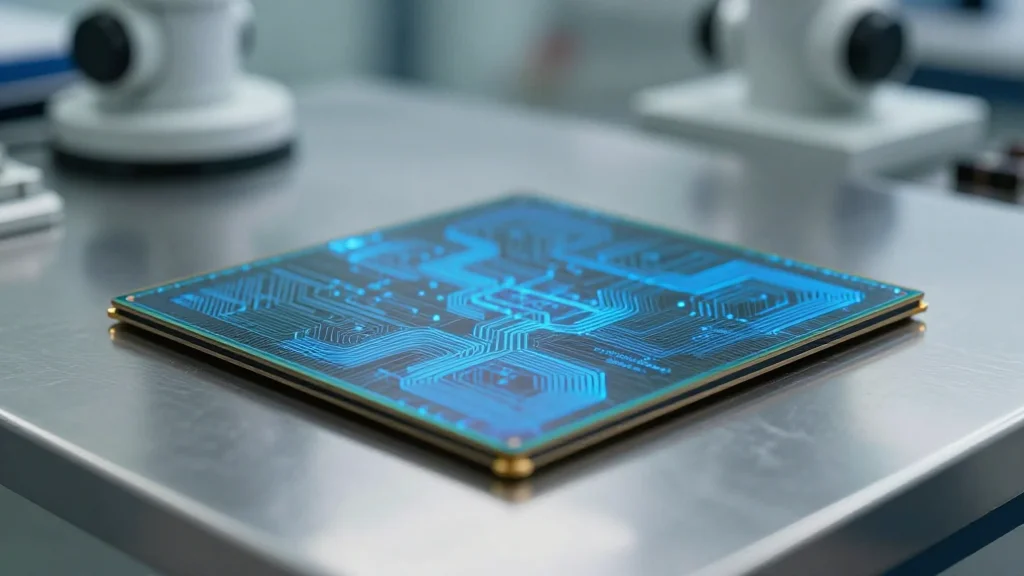
IBM Spins Out First U.S. Quantum Manufacturing Foundry
IBM wants to turn its captive quantum fab into an industry fab. A proposed $1B CHIPS award + $1B @IBM cash plus IP and workforce spins out "Anderon", what could be America's first foundry purpose-built solely for quantum manufacturing. Not greenfield....
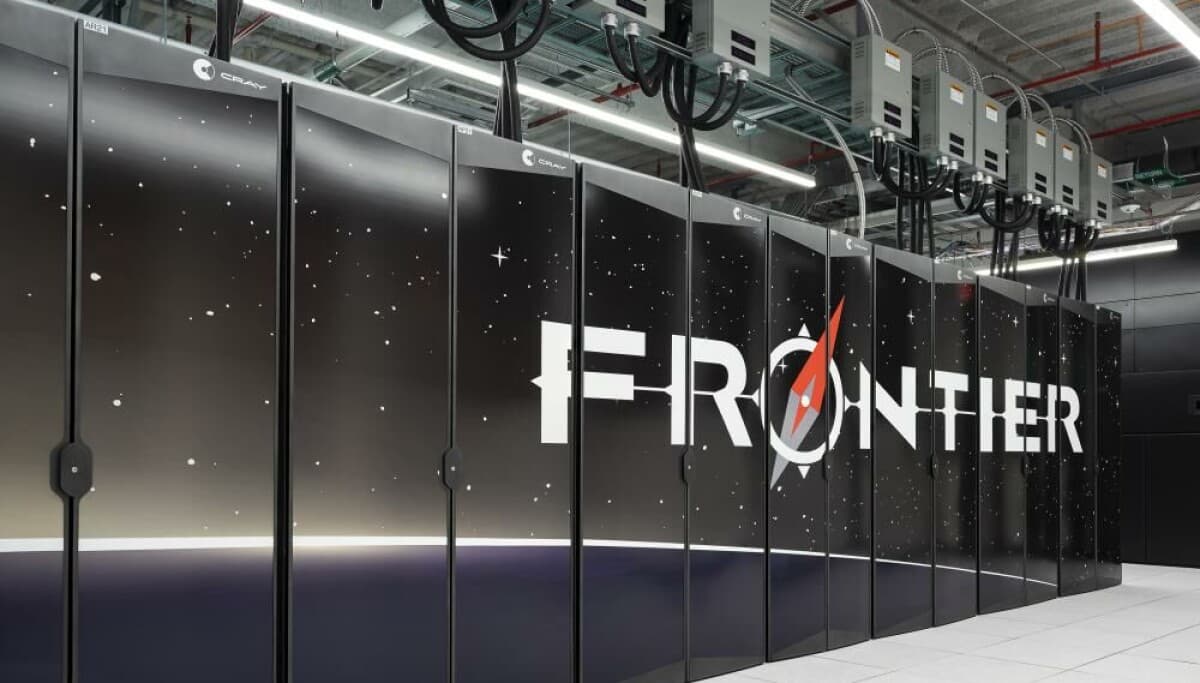
Oak Ridge Starts Weaving Together A Quantum, Classical HPC, And AI System Stack
Oak Ridge National Laboratory is building a hybrid stack that fuses quantum processors, classical exascale supercomputers and AI tools to create a "quantum‑centric" computing platform. The effort leverages Frontier, the United States’ first exascale system, and the DOE’s $293 million Genesis...

Crypto Influencer Dismisses Quantum Apocalypse Warnings as Fearmongering
Miss Teen Crypto, a prominent crypto influencer, labeled recent warnings that quantum computers could break Bitcoin's encryption as "fearmongering." The comment came during a FOX Business panel on May 20, 2026, intensifying the debate over how quickly the blockchain industry...

Imperagen Secures £5 Million Seed Round to Fuse Quantum Physics, AI for Enzyme Engineering
Biotech startup Imperagen closed a £5 million ($6.7 million) seed round led by PXN Ventures, adding investors IQ Capital and Northern Gritstone. The funding will accelerate its quantum‑physics‑based simulation platform and AI‑driven enzyme design, while the firm appoints AI veteran Guy Levy‑Yurista...

MicroAlgo Develops Quantum Image Edge Extraction Algorithm for Noisy Images
MicroAlgo Inc. announced a quantum image edge extraction algorithm that encodes grayscale and pixel position into quantum superposition states, enabling parallel processing of noisy images. The method uses a dual quantum space filter to suppress statistical and impulse noise, and...
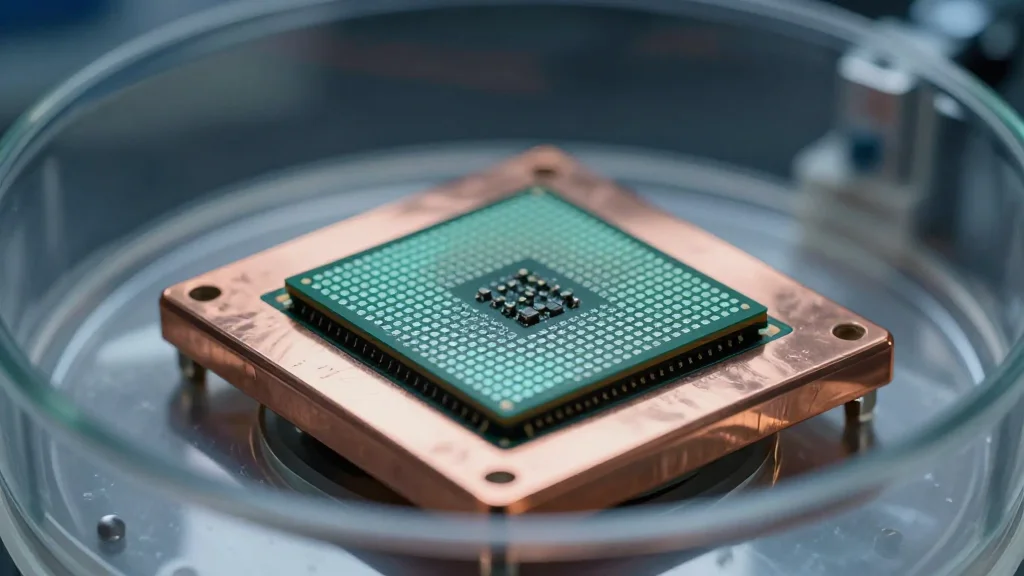
Arizona State University Accelerates Quantum Research and Workforce Development
Arizona State University unveiled a campus‑wide push to advance quantum computing, linking students to national labs, industry partners and remote quantum hardware. The effort targets a $72 billion market by 2035 and addresses a critical talent shortage.

Quantum Industry Flags Security Threats and Talent Shortage as Adoption Accelerates
At Fiber Connect 2026 in Orlando, quantum investors and hardware firms warned that the approaching "Q‑Day"—when quantum computers could break RSA encryption—poses a systemic security risk. They also highlighted a deep talent shortage that could curb market growth unless addressed...

Imec Unveils First Quantum‑Dot Qubit Fabricated with High‑NA EUV Lithography
At ITF World, imec demonstrated a silicon quantum‑dot qubit device fabricated with high‑NA EUV lithography, achieving 6‑nm gate gaps and proving the method’s suitability for fab‑scale quantum hardware. The breakthrough links semiconductor manufacturing to quantum‑computing scaling.
Experts Map Realistic Quantum Computing Applications and Timelines
Physicists including John Martinis and Peter Zoller say quantum computers with hundreds to thousands of qubits are now a reality, but useful, large‑scale applications remain years away. They point to IBM and Atom Computing’s >1,000‑qubit machines and Caltech’s 6,000‑qubit array as milestones,...

Kipu Quantum Makes Quantum-Enhanced AI Deployable in Production – Without a Quantum Computer in the Inference Loop
Kipu Quantum unveiled a hybrid quantum‑classical framework that trains quantum‑enhanced models on IBM quantum processors but runs inference entirely on classical hardware. The approach uses quantum feature extraction on a small subset of data, then transfers the learned representations to...
Rigetti Computing Revenue Triples to $4.4M, Analysts See Upside in Stock
Rigetti Computing reported $4.4 million in first‑quarter revenue, up 198% from a year earlier, and posted a $33 million profit after a warrant‑revaluation. Analysts argue the earnings jump and new Cepheus‑1‑108Q orders could turn the stock around after a 25% YTD decline.

Quantum Gathering Momentum Amid Concerns for the Grid
Neutral‑atom quantum computers are gaining traction thanks to their ability to move qubits and perform direct entanglement, cutting error rates and shrinking the logical‑to‑physical qubit ratio. Recent research suggests that as few as 1,500 logical qubits could break the ECC‑256...

Quantum Computing’s Double-Edged Sword Could Threaten Cybersecurity: Report
Kaspersky warns that Asia Pacific’s rapid quantum‑computing expansion could undermine existing cybersecurity defenses. The region’s market is projected to surge from $392.1 million in 2024 to $1.78 billion by 2032, driven by heavy investment from China, Japan, India and others. Quantum machines could...
UPenn Team Sets Record with 4‑Femtjoule All‑Optical Switch Using Exciton‑Polaritons
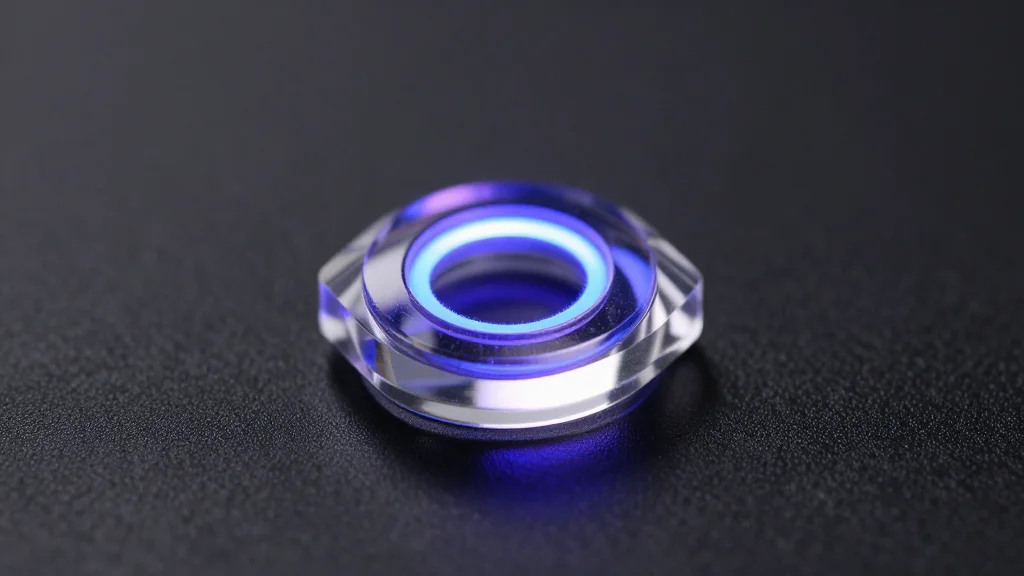
University of Pennsylvania researchers demonstrated an all‑optical switch that operates at just 4 femtjoules using exciton‑polariton quasiparticles. The breakthrough, published in Physical Review Letters, could slash energy consumption in AI hardware by eliminating electronic‑optical conversions.
A Quantum Simulator with Circular States
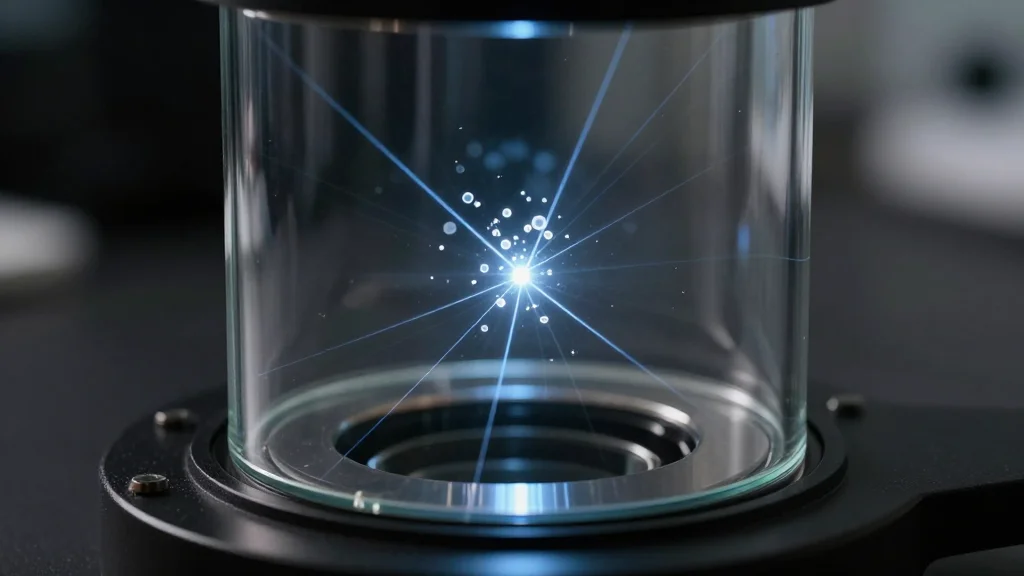
Physicists at France's Kastler Brossel Laboratory have built a quantum simulator that merges two types of Rydberg atoms—circular and non‑circular—to deliver both long‑lived coherence and optical addressability. Eight rubidium atoms were trapped, with four circular atoms serving as data qubits...

California Industry, Academia and Government Leaders Weigh in on Quantum Scaling and Statewide Strategy
The Quantum San Diego convening at UC San Diego’s Qualcomm Institute brought together roughly 200 leaders from industry, academia, national labs and state government to advance California’s Quantum California initiative. Sponsored by GO‑Biz and organized with HPE Quantum and Quantum...
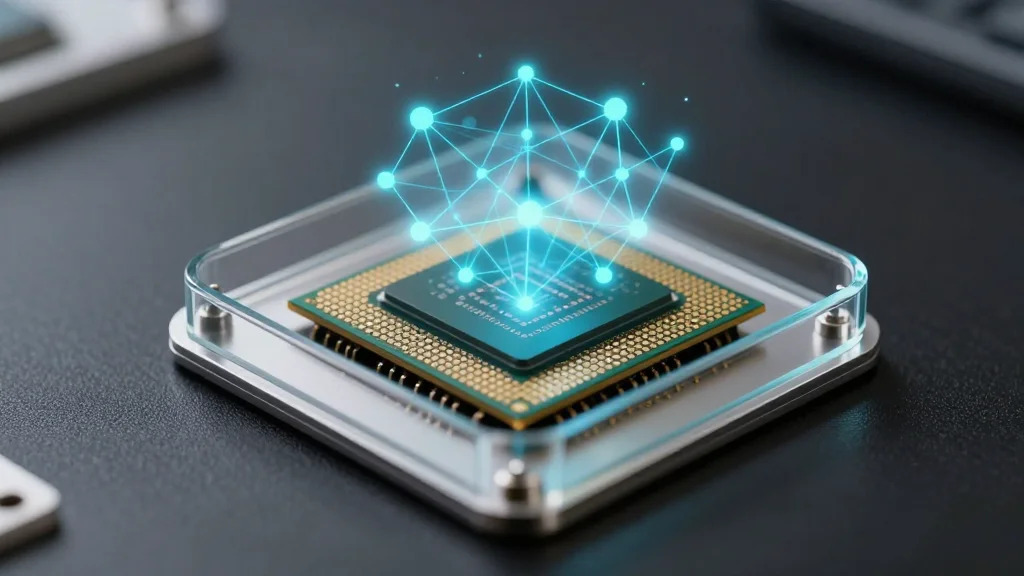
IBM Quantum Team Demonstrates Algorithmic Speedup for Hidden Graph Detection
IBM Quantum researchers, led by Pawel Wocjan, announced a new continuous‑time quantum walk algorithm that uncovers hidden base graphs using roughly O(n²/ log n) measurements on networks up to 10,242 vertices. The breakthrough suggests an exponential speedup versus classical graph‑traversal techniques, marking a...
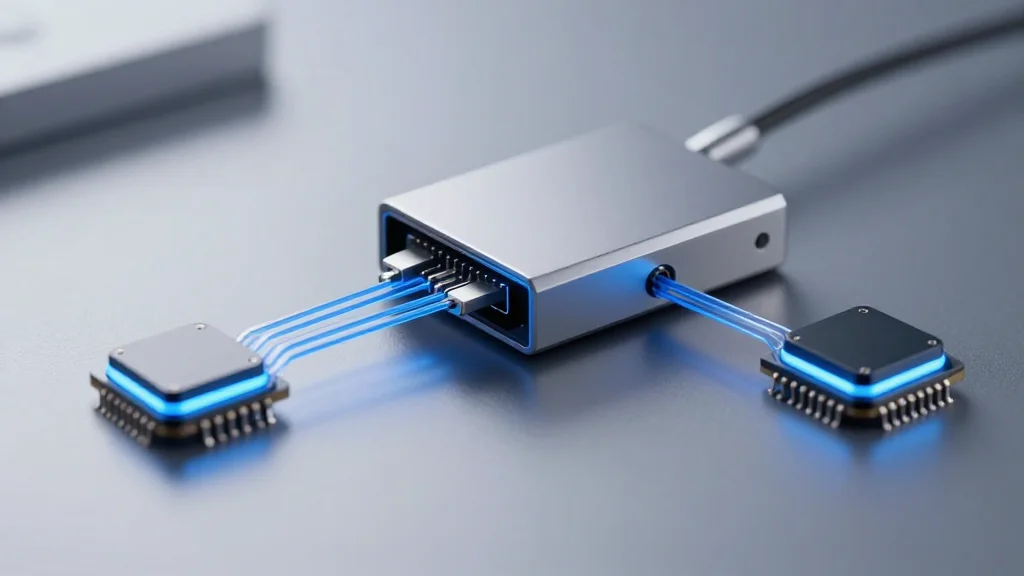
Cisco Launches Universal Quantum Switch to Enable Scalable Quantum Networks
Cisco announced the Universal Quantum Switch, a research prototype that can route quantum information across different encoding modalities without loss, using standard telecom fiber at room temperature. The breakthrough aims to lay the hardware foundation for a scalable quantum internet...
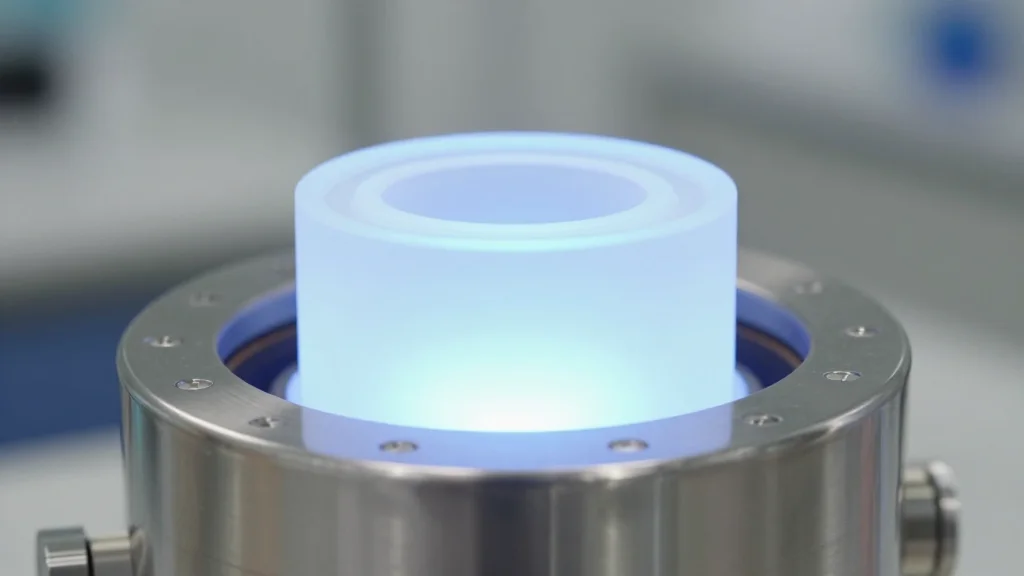
Clemson University Wins $650,000 Grant to Boost Quantum Software on Real Hardware
Clemson University has been awarded a $650,000 grant to expand its Scalable High‑Performance and Quantum Computing Systems Lab (ScaLab). The funding will accelerate research on software that adapts quantum programs to the constraints of physical hardware, a critical step toward...

KT Leads South Korea's First Quantum-Resistant Defense Encryption Pilot
South Korean telecom giant KT announced it will deploy post‑quantum cryptography to the Ministry of National Defense’s smart‑unit, CCTV and drone systems. The pilot, part of a 2026 government‑backed project, aims to prove quantum‑resistant security for battlefield communications and could...
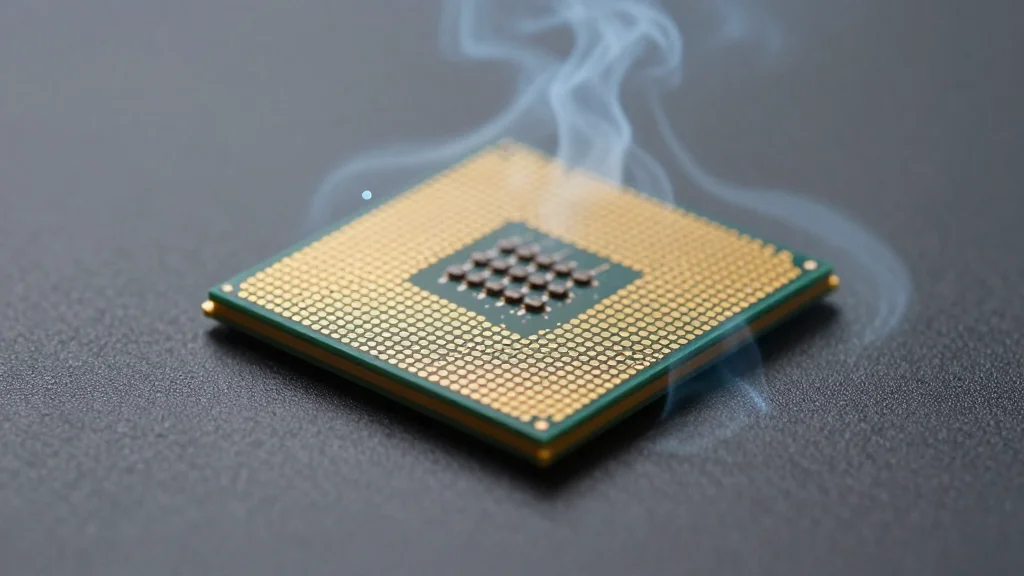
What Can You Do with Quantum Computing Today?
Quantum computing remains a hype‑driven frontier, yet enterprises can already experiment with noisy intermediate‑scale quantum (NISQ) hardware via cloud‑based QCaaS platforms. Bain projects a market worth $100‑$250 billion, driven by machine‑learning, logistics, and drug‑discovery use cases, while the largest machine today...

Quantum IPO Wave Is a Milestone. It Should Also Come with a Warning
Quantum computing firms are launching a wave of public offerings, with Infleqtion, Xanadu, Horizon Quantum and others listing on U.S. exchanges in 2024. The pipeline includes Quantinuum’s planned $10 billion IPO by late 2026‑27 and a growing Defiance Quantum ETF that...