Today's Quantum Pulse
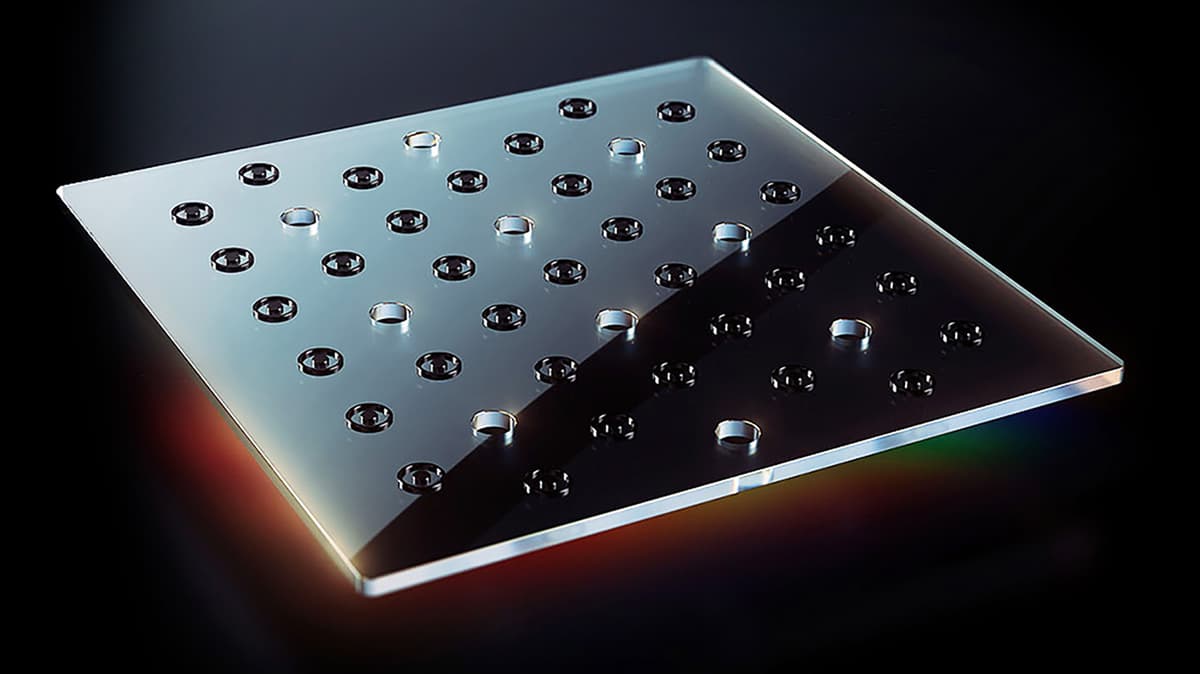
JPMorgan, OQC, and AMD team up on London quantum‑AI data center
Oxford Quantum Computing, JPMorgan Chase, and AMD announced a joint research effort to build a colocated quantum‑AI data center in London. The facility will combine OQC’s Genesis quantum processor with AMD’s AI and high‑performance computing hardware to tackle finance‑focused workloads such as portfolio optimization and quantum machine learning.
IonQ and D-Wave Quantum Shares Near Double in Five Weeks, Outpacing AI Rally
IonQ (IONQ) and D-Wave Quantum (QBTS) posted gains of 98% and 84% respectively between March 30 and May 6, eclipsing the broader AI rally. The rally follows IonQ’s 755% YoY revenue jump to $64.7 million and a $3.1 billion cash pile, while D-Wave sits on $884.5 million and a $550 million acquisition of Quantum Circuits. Analysts warn that sky‑high price‑to‑sales ratios could trigger a pull‑back.

MIT and IBM Launch Joint Lab to Fuse AI with Quantum Computing
MIT and IBM have unveiled the MIT‑IBM Computing Research Lab, a decade‑long partnership that now adds quantum computing to its AI portfolio. The lab will serve as a hub for hybrid‑system research, targeting breakthroughs that blend quantum hardware with advanced...

Improving the Reliability of Circuits for Quantum Computers
MIT and Lincoln Laboratory have unveiled a new method to detect and quantify second-order harmonic corrections that cause two‑Cooper‑pair tunneling in superconducting quantum circuits. By fabricating a test device that suppresses single‑pair tunneling while allowing the double‑pair process, the team...
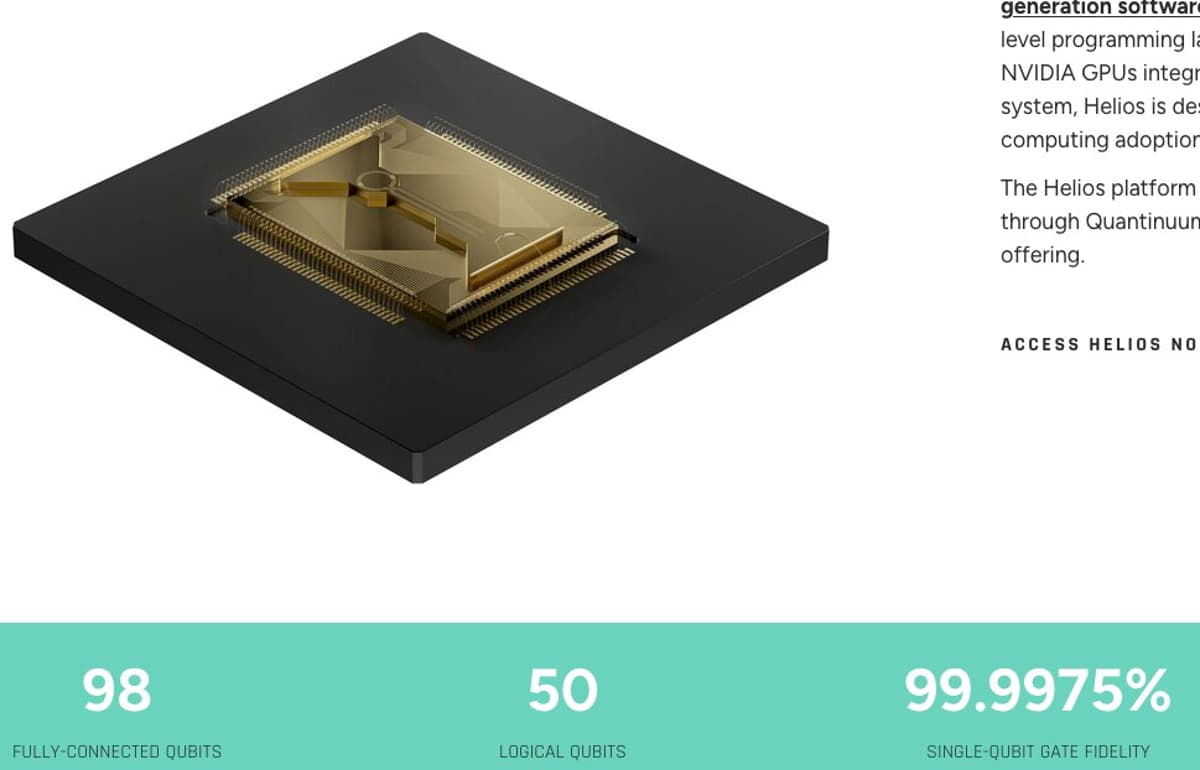
Quantinuum Helios With 98 Physical Qubits and 50 Logical Qubits
Quantinuum has launched the Helios quantum processor, now available through its cloud platform and on‑premises solutions. The system houses 98 trapped‑ion physical qubits and delivers 50 fully error‑corrected logical qubits, achieving a ~2:1 physical‑to‑logical encoding ratio with the Iceberg error‑correction...
The AI Energy Crisis Is Bad. Wait Until Quantum Arrives
Europe is set to launch Magne, a quantum computer built by Microsoft and Atom Computing in Denmark, backed by €80 million (≈$87 million) from the Novo Nordisk Foundation and EIFO. The article warns that as quantum computers become commercially viable, their energy...

Algorithmiq Shifts HQ to Milan, Secures $19.4M in Italy's Largest Quantum VC Deal
Quantum software firm Algorithmiq announced the relocation of its global headquarters from Finland to Milan and closed an €18 million ($19.4 million) funding round led by United Ventures and CDP Venture Capital. The round, Italy's largest ever for a quantum startup, underlines...
Quantum Machines Acquires QHarbor, Opens Delft Office to Boost European Quantum Software
Israeli quantum‑control firm Quantum Machines has acquired Dutch startup QHarbor and opened a research office in Delft, expanding its software capabilities and European footprint. The move integrates QHarbor’s automation tools into Quantum Machines’ orchestration platform, signaling deeper consolidation in the...

Archer Materials Strengthens Pathway to Wafer-Scale Quantum Device Manufacturing
Archer Materials (ASX: AXE) is shifting its graphene‑based quantum device program from laboratory prototypes to wafer‑scale production using standard semiconductor processes. The company remains on track to showcase a functional qubit before year‑end, marking a critical milestone in its development...
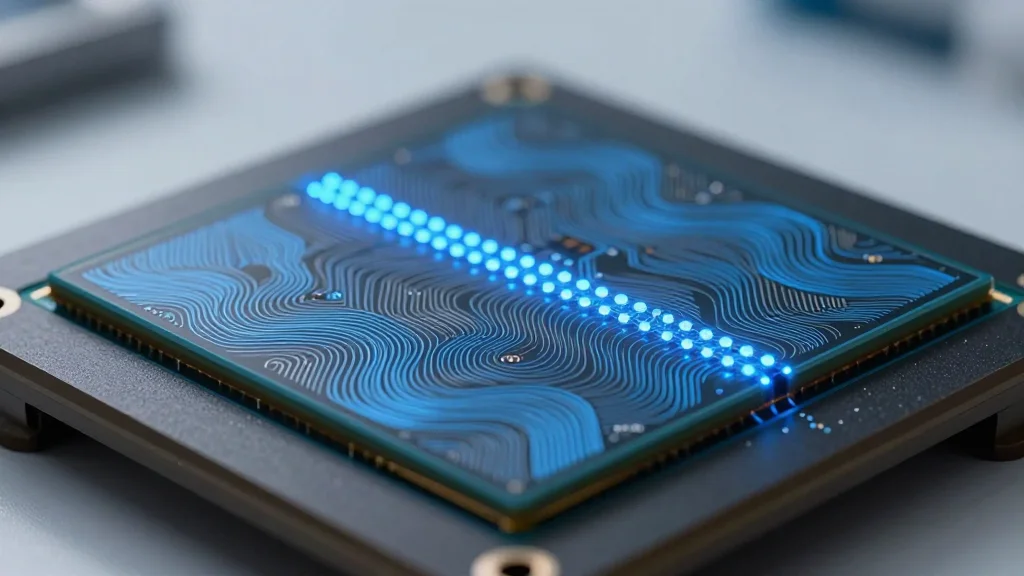
QuTech Demonstrates 99% Fidelity Logic and Qubit Teleportation on Silicon Conveyor‑Belt Chip
Researchers at QuTech have shown high‑fidelity two‑qubit gates (98.86% average) and quantum state teleportation across 320 nm on a silicon chip that moves electron‑spin qubits via a travelling‑wave “conveyor belt.” The breakthrough tackles the static‑qubit nearest‑neighbour limitation and could accelerate scalable...
Quantum Adapters Cut Llama 3.1 Perplexity 1.4%
Quantum circuits are boosting Llama 3.1 LLM performance. Llama 3.1 with Cayley Unitary Adapters improves WikiText perplexity by 1.4% with only 6,000 additional parameters, running end-to-end on 156 qubit Heron r2. An early, tangible quantum assist for frontier...

USTC Unveils First 14.5‑km Bell‑Verified Quantum Repeater in Hefei
University of Science and Technology of China (USTC) researchers demonstrated a 14.5‑kilometer quantum repeater in Hefei that satisfies Bell‑nonlocality criteria, the first of its kind at city scale. The experiment, named XingHan 2.0, linked three nodes using commercial fiber and rare‑earth‑ion...
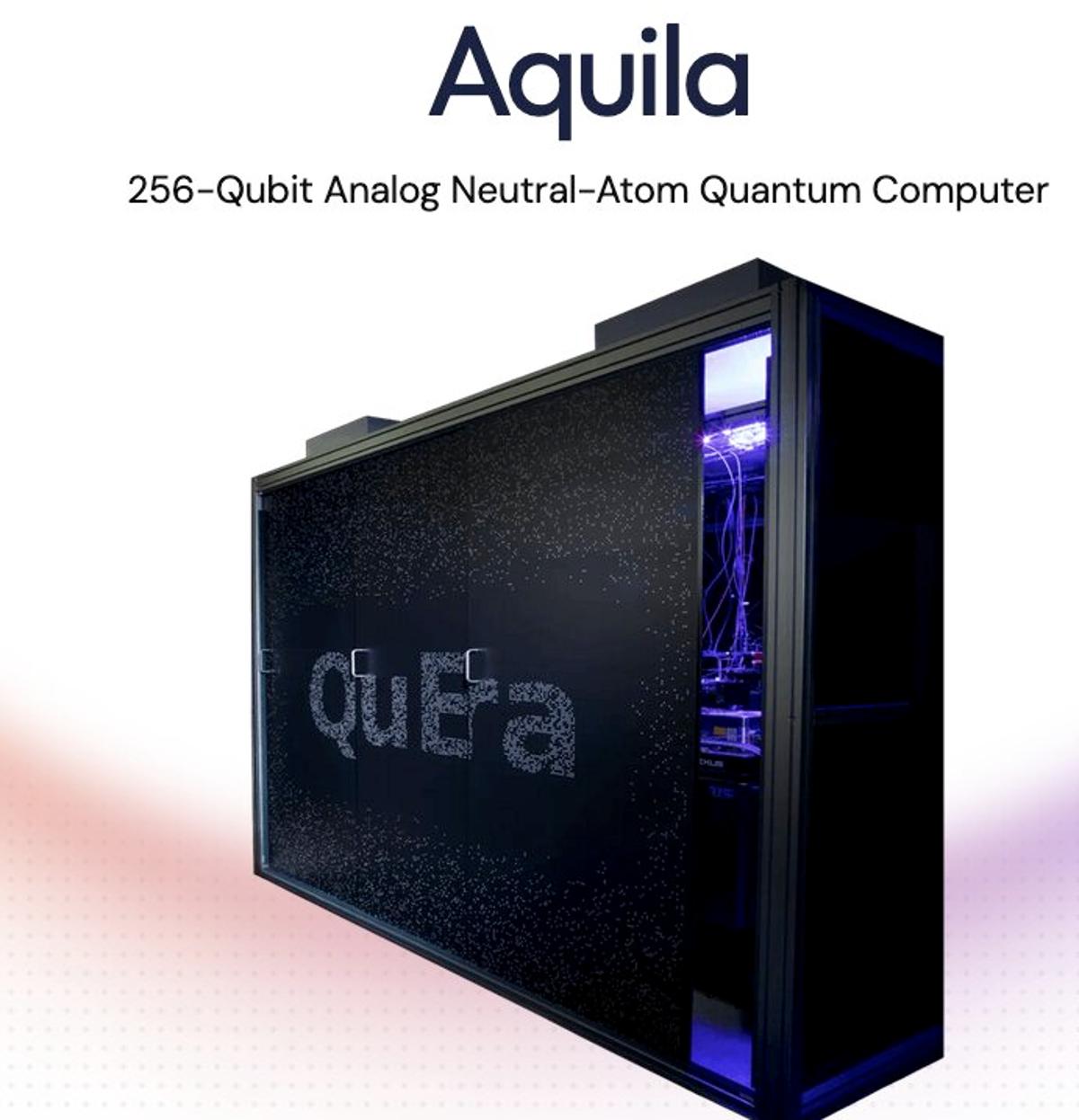
QuEra Paper Simulates Only Two Physical Qubits Are Needed Per Logical Qubit
QuEra, together with Harvard and MIT, simulated quantum error‑correcting codes that use roughly two physical qubits for each logical qubit and achieve an encoding rate above 50%. The simulations produced 580 logical qubits from 1,152 physical qubits and 1,156 logical...
Two Decades, Twenty Papers: ETH Quantum Device Lab Milestone
20 Papers from 20 Years of the Quantum Device Lab (@qudev ) at @ETH_en #Zurich. https://t.co/HbtxwXWtcF
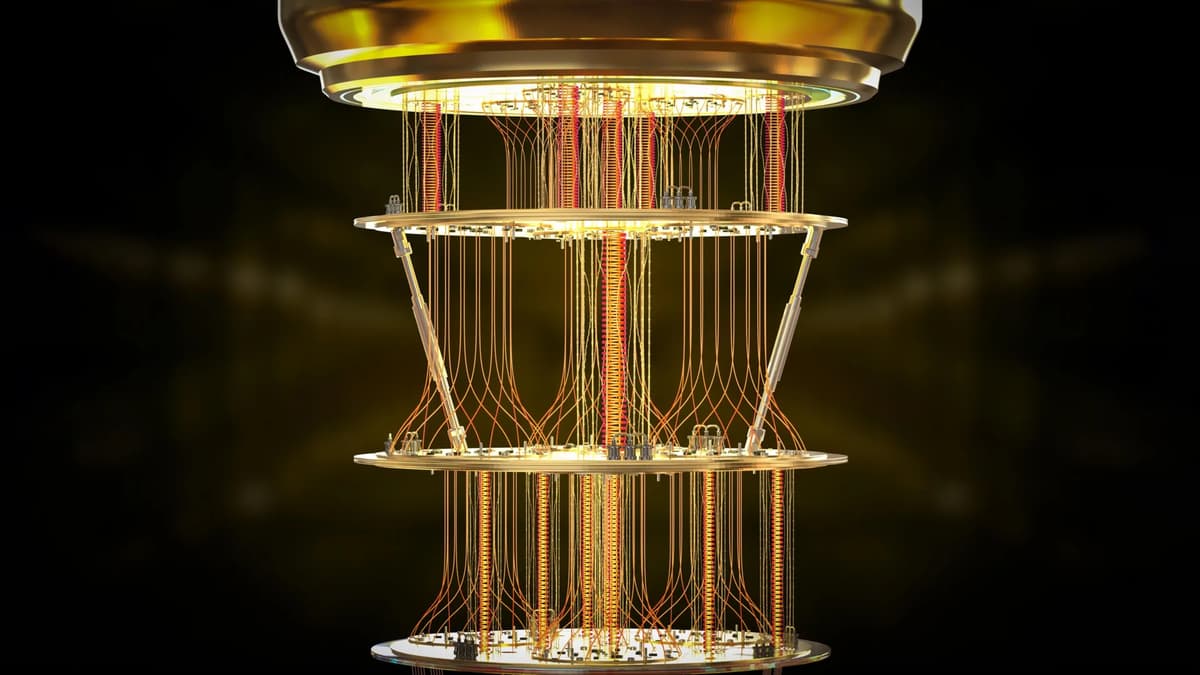
JUPITER Supercomputer Breaks World Record with 50-Qubit Quantum Simulation
Researchers at Germany's Jülich Supercomputing Centre, in partnership with NVIDIA, used the exascale JUPITER supercomputer to fully simulate a universal quantum computer with 50 qubits, breaking the previous 48‑qubit record. The simulation required roughly 2 petabytes of memory and leveraged NVIDIA's...

Honeywell‑Backed Quantinuum Files for $20 B+ IPO as Fault‑Tolerant Quantum Machine Targets 2029
Quantinuum, the Honeywell‑owned quantum computing company, filed Thursday for a Nasdaq listing that could value it at more than $20 billion. The filing shows $30.9 million in 2025 revenue, a $192.6 million loss, and a roadmap to a fault‑tolerant quantum computer named Apollo...
A Decade of IBM Quantum Progress, Seen Through My
MyPOV - Nicely done video of 10 years of @IBM Quantum history. Grateful to have been there for 7-8 of them. https://t.co/VTcOKmYlAm
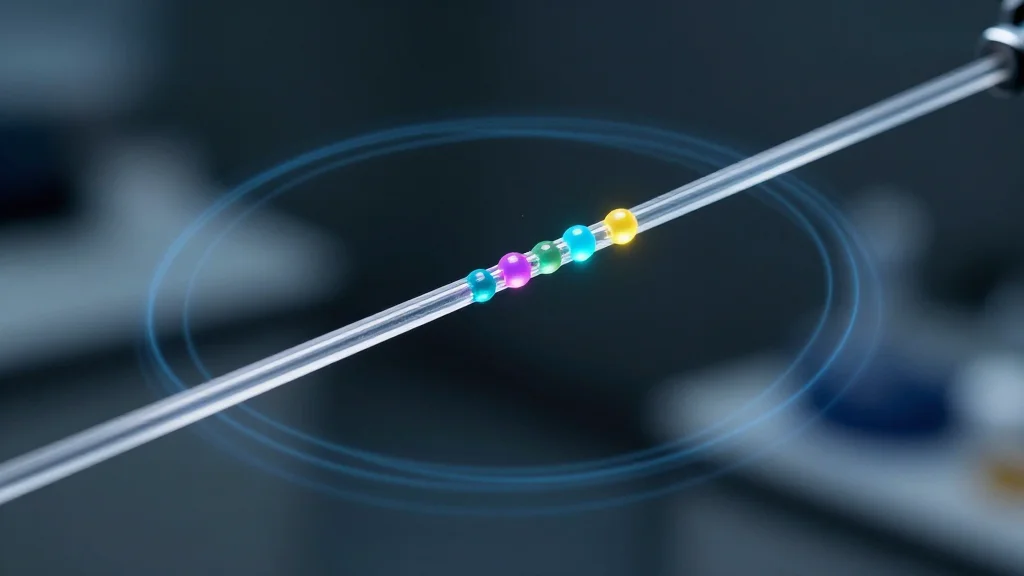
OIST and Oklahoma Physicists Reveal Tunable Anyons in One‑Dimensional Quantum Systems
Researchers at the Okinawa Institute of Science and Technology and the University of Oklahoma have demonstrated that anyons—particles that defy the traditional boson‑fermion split—can exist and be tuned in a one‑dimensional system. The findings, published in Physical Review A, could...
SkyWater Shareholders Approve IonQ Merger, Linking US Foundry to Quantum Leader
SkyWater Technology shareholders approved the merger with IonQ, the leading quantum‑computing company, at a special meeting. The transaction, pending regulatory clearance, is slated to close in the second or third quarter of 2026 and will combine the largest U.S. pure‑play...
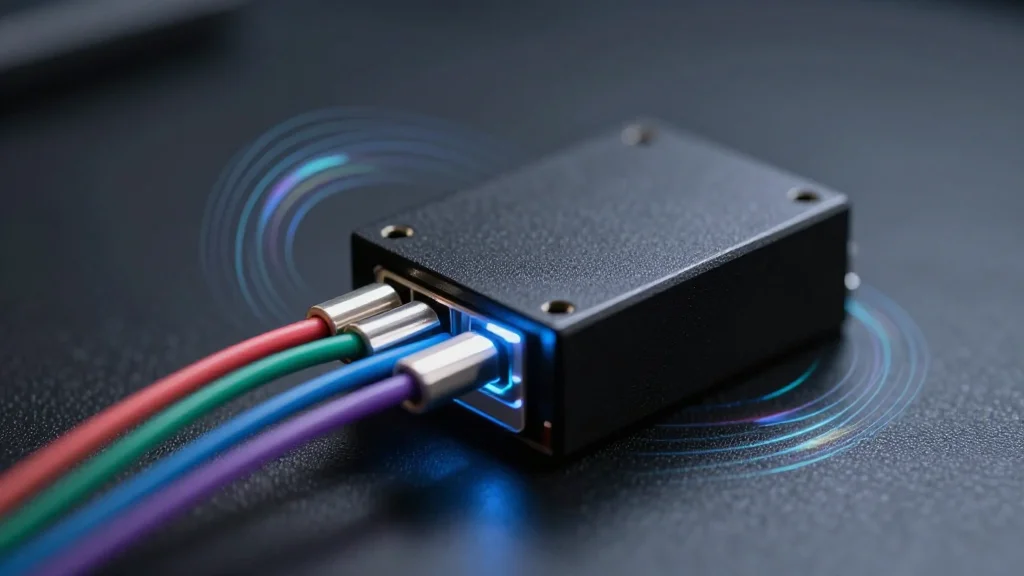
Cisco Unveils Room‑Temperature Quantum Switch That Routes Qubits Across Vendors
Cisco announced a working prototype of its Universal Quantum Switch, a room‑temperature device that can route and convert quantum information across four major photon‑encoding modalities with less than 4% fidelity degradation and sub‑milliwatt power draw. The breakthrough removes the need...
Universal Analytic Quantum Algorithm Optimizes Any Diagonal Matrix
This paper constructs a universal shortest analytic quantum algorithm for arbitrary diagonal matrices of any size, derived via interpretable ML. Crucial for quantum circuit optimization. https://t.co/BIdf9skZ16
Zcash Sets 2027 Target for Quantum‑Proof Network, Launches Wallets Next Month
Zcash unveiled a roadmap to become fully quantum‑resistant by 2027, with its first quantum‑recoverable wallets slated for release within a month. The move has already driven a 38% weekly surge in ZEC and attracted fresh institutional capital.

India Completes 1,000 Km Quantum‑Secure Link in Three Years, Accelerating National Network
Union Minister Jitendra Singh announced that India has built a 1,000 km secure quantum‑communication link in just three years, slashing the projected timeline by more than half. The milestone underpins the government's eight‑year quantum mission and signals rapid progress toward a...
Illinois University and IBM Expand Quantum Computing Facilities Backed by $500M State Investment
The University of Illinois has renewed its partnership with IBM to broaden on‑campus quantum‑computing facilities. The effort taps more than $500 million in Illinois state funding and anticipates $19 million in tax credits, positioning the campus as a new hub for quantum...

Quantum Earnings Season Is Ramping Up—What to Watch From 2 Major Players
Quantum computing’s earnings season kicked off with IonQ reporting a staggering 755% year‑over‑year revenue surge, yet its adjusted loss per share widened, highlighting profitability challenges. D‑Wave and Rigetti are slated to report in mid‑May, with D‑Wave aiming to leverage a...
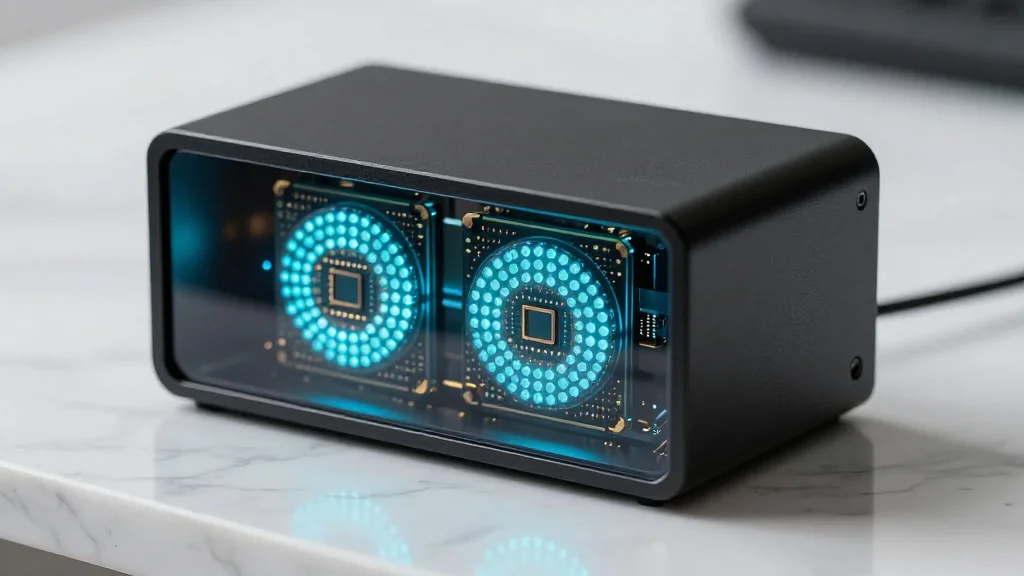
China’s CAS Cold Atom Technology Launches Hanyuan‑2, First Dual‑Core Neutral‑Atom Quantum Computer
CAS Cold Atom Technology, a Wuhan‑based subsidiary of the Chinese Academy of Sciences, unveiled Hanyuan‑2 on May 9, 2026. The system is a 200‑qubit dual‑core neutral‑atom processor that operates at room temperature, a departure from the ultra‑cold environments required by...

Berkeley Lab Cuts Quantum Sensor Interference 1,000‑Fold, Eliminating Need for Shielding
Berkeley Lab researchers have demonstrated a self‑referencing quantum sensor that suppresses environmental interference by a factor of 1,000, removing the need for external shielding. The technique, validated at TRL‑4, enables broadband magnetic field detection up to 1.25 kHz and promises applications...
Quantum Motion Secures $160 Million Series C to Scale Silicon Spin Qubits
Quantum Motion announced a $160 million Series C round, co‑led by DCVC and Mundi Ventures, to accelerate its silicon spin‑qubit chips and expand its team in Spain. The funding marks one of Europe’s biggest quantum‑computing raises this year, underscoring the race...

AI Poised to Revolutionize Quantum Computing Labs
Dr. @BrandonSeverin on how AI can change the future of quantum computing labs forever, based on a proof of concept from @conductorquant, EeroQ, and NVIDIA. Link in the following tweet...
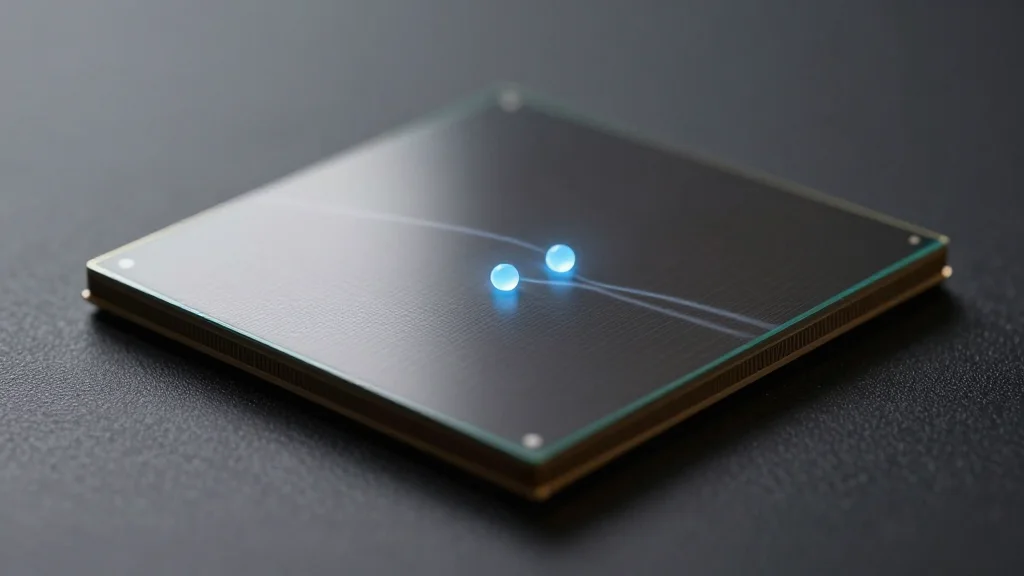
Quantum‑dot Spin Qubits Move without Loss, Boosting Scalable Error‑corrected Designs
A research team demonstrated that spin qubits hosted in quantum‑dot structures can be transferred between dots without degrading their quantum state. The breakthrough promises to combine the mass‑manufacturability of semiconductor chips with the flexible connectivity traditionally reserved for atom‑based systems,...
It Might Be Too Late for Bitcoin’s Quantum Migration, Project Eleven Report Argues
Project Eleven’s 110‑page report warns that quantum computers could render elliptic‑curve cryptography obsolete as early as 2030, jeopardizing more than $3 trillion in digital assets and critical infrastructure. The analysis predicts a "Q‑Day" window between 2030 and 2033, after which attackers...
Quantum Computing Weekly Round-Up: Week Ending May 9, 2026
China’s Origin Quantum unveiled the fourth‑generation Origin Wukong‑180, a superconducting quantum computer equipped with 180 qubits and a fully domestic hardware stack. In parallel, Haiqu introduced HaiquOS, an agentic quantum operating system that blends AI‑driven agents with proprietary middleware to speed...
IonQ Touted as Top Long‑Term Quantum Computing Stock Amid 755% Revenue Surge
IonQ was highlighted as the premier quantum‑computing stock for patient investors after reporting a 755% year‑over‑year revenue increase to nearly $65 million and raising its full‑year revenue outlook to $260‑$270 million. Analysts point to the company’s accuracy lead and its first 256‑qubit...

Honeywell's Quantinuum Files S‑1 for Nasdaq IPO, Ticker QNT
Honeywell (NASDAQ: HON) disclosed that its quantum‑computing subsidiary Quantinuum has filed a Form S‑1 with the SEC to launch an initial public offering. The company plans to list on the Nasdaq Global Select Market under the ticker QNT, with J.P....

StarkWare Unveils Quantum‑Safe Bitcoin Scheme, Costs $75‑$150 per Transaction
StarkWare’s chief product officer Avihu Levy released a Quantum Safe Bitcoin (QSB) proposal that lets users make quantum‑resistant transactions without altering the Bitcoin protocol. The method relies on a hash‑based signature puzzle and costs roughly $75‑$150 in GPU compute per...
Q‑CTRL Announces 3,000‑Fold Quantum Speedup on Real‑World Task
Australian quantum‑control specialist Q‑CTRL reported a 3,000‑fold speedup versus classical computing on a real‑world workload, offering concrete evidence of quantum advantage in an industry‑relevant scenario. The claim, released today, could reshape expectations for near‑term quantum applications.
IBM Quantum Simulates 12,635‑Atom Protein Complex, Claiming 210‑Fold Accuracy Boost
IBM Research announced at the 2026 Think conference that its quantum hardware, together with classical supercomputers, simulated a 12,635‑atom protein complex, delivering a 210‑fold accuracy improvement over prior quantum‑centric methods. The breakthrough, demonstrated with partners Cleveland Clinic, RIKEN and Oak...
QuantWare Secures $178 Million Series B to Build 10,000‑Qubit Processors
Netherlands‑based QuantWare closed a $178 million Series B round, led by Intel Capital with participation from In‑Q‑Tel, to mass‑produce its VIO‑40K 10,000‑qubit processor and construct the KiloFab quantum chip fab. The funding marks the largest private investment in a quantum‑processor company and...
Infleqtion Releases "The Business of Quantum" Report on Deep‑Tech Startup Strategies
Infleqtion has published a new whitepaper, "The Business of Quantum: Lessons from the Front Lines of Deep Tech," outlining commercial tactics, financing patterns, and operational hurdles faced by quantum‑focused startups. The report aims to guide entrepreneurs and investors navigating the...

Recorded Future Report Flags Quantum Risks to Encryption, Highlights $1.3T Market
Recorded Future has released a report that maps four emerging security risks posed by quantum computing, with a focus on the imminent threat to public‑key encryption and the growing “harvest now, decrypt later” (HNDL) activity. The paper also cites an...

Bow Down to the King.
Monarch Quantum announced a strategic partnership with Oratomic, bringing renowned physicist Prof. John Preskill onto the collaboration. The deal highlights Oratomic’s leadership team, which includes Caltech researchers Dolev Bluvstein and Manuel Endres, and signals a push toward fault‑tolerant, utility‑scale quantum...
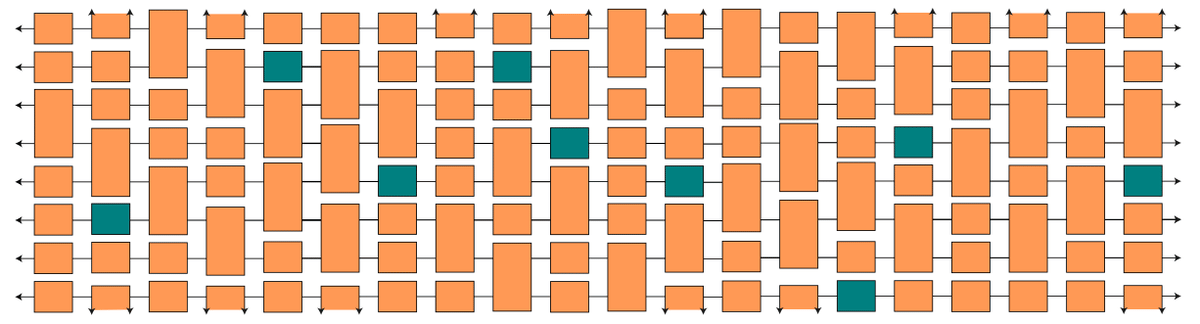
T‑Doped Clifford Circuits Efficiently Approximate Unitary K‑Designs
Recent years have enjoyed a strong interest in exploring properties and applications of random quantum circuits. In this work, we explore the ensemble of 𝑡-doped Clifford circuits on 𝑛 qubits, consisting of Clifford circuits interspersed with 𝑡 single-qubit non-Clifford gates. We establish rigorous convergence bounds...

Delft-Based FrostByte Secures a Cool €1.3 Million to Scale Cryogenic Electronics for Quantum Computing
Delft‑based FrostByte, a spin‑off from TU Delft and QuTech, announced a €1.3 million (≈$1.4 million) funding round led by InnovationQuarter Capital, Graduate Ventures, Paeonia Group, UNIIQ and an angel investor. The capital will fund team expansion, scale production of cryogenic switches, and...

How BSC Contributes to Europe’s Hybrid Quantum Strategy
Global quantum spending has topped $66 billion, and Europe is answering with a €808 million (~$875 million) public pledge and up to €1.5 billion (~$1.62 billion) overall for its 2025‑2030 Quantum Technologies Strategy. At the core is Spain’s Barcelona Supercomputing Center, where the MareNostrum 5 exascale...
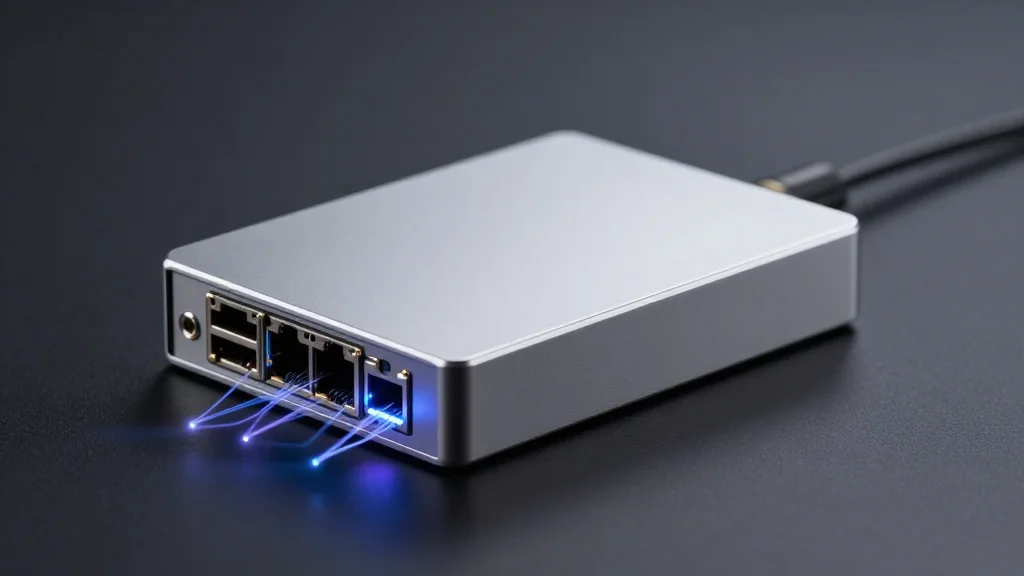
Cisco Launches Universal Quantum Switch to Scale Quantum Networks
Cisco introduced a universal quantum switch on Jan. 25, 2026, positioning the networking giant to drive scalable quantum networking infrastructure. The move marks the first major entry of a traditional networking vendor into the quantum networking arena, underscoring the sector’s shift from...
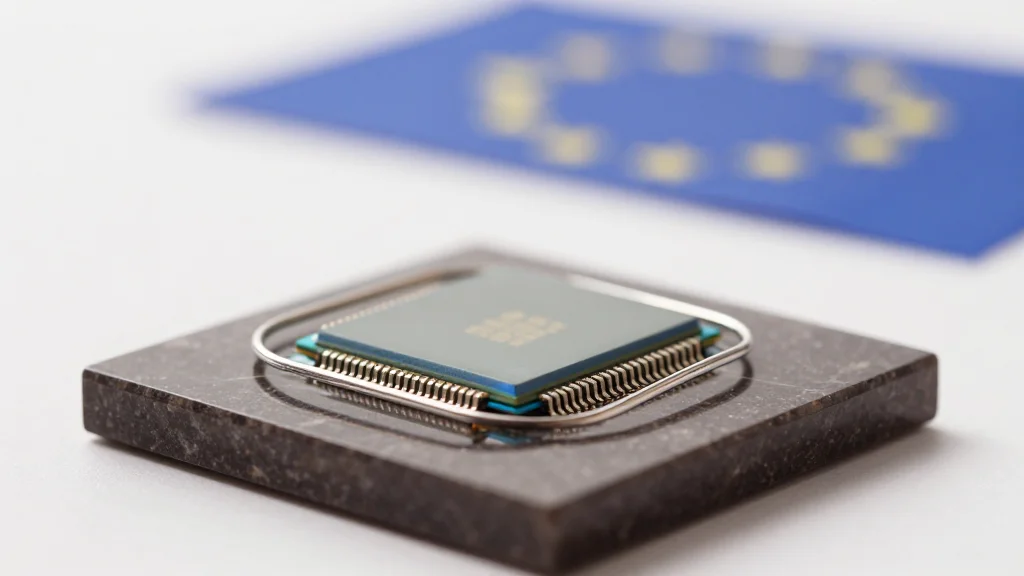
EU‑Backed Kembara Leads $160 Million Series C in UK Quantum Motion
Kembara, the EU‑backed technology growth fund, closed a $160 million Series C round for British quantum‑computing startup Quantum Motion, marking the fund’s inaugural deployment. The round was co‑led by venture firm DCVC and included the British Business Bank and Firgun Ventures,...

Quantum’s Bold Promise: What Business Leaders Need to Know
Quantum computing is moving from a perceived security threat to a strategic opportunity for enterprises. McKinsey estimates multibillion‑dollar enterprise value creation over the next decade, with early pilots already showing speedups in finance, drug discovery, and supply‑chain optimization. While hardware...
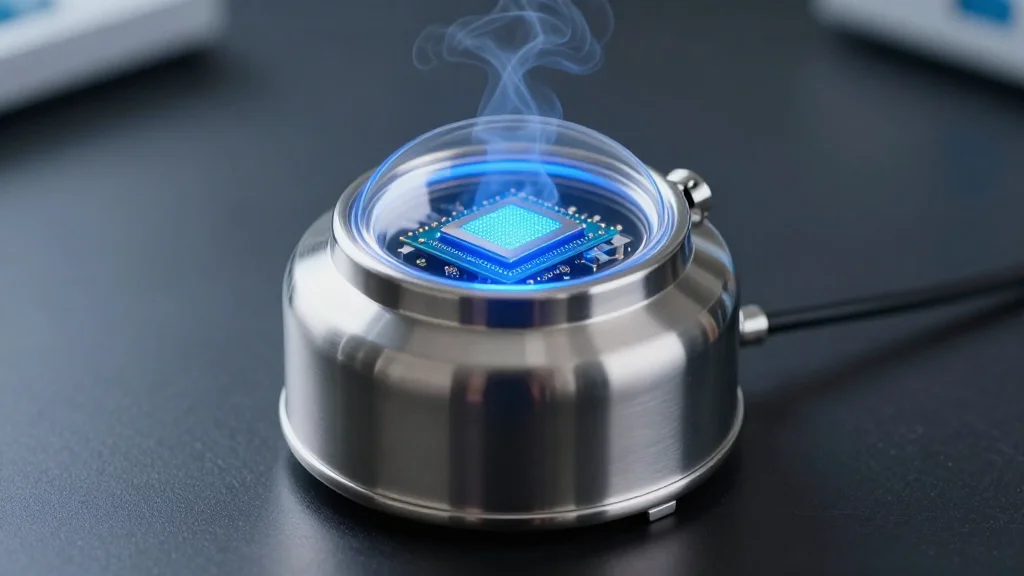
Bluefors Joins Chicago Quantum Exchange to Support Quantum Infrastructure and Workforce Development
Bluefors, a Helsinki‑based leader in cryogenic cooling, has joined the Chicago Quantum Exchange (CQE) and opened a second U.S. lab in Chicago’s Hyde Park Labs. The new 580‑square‑foot facility, equipped with an LD400He measurement system, expands Bluefors’ hands‑on support for startups,...
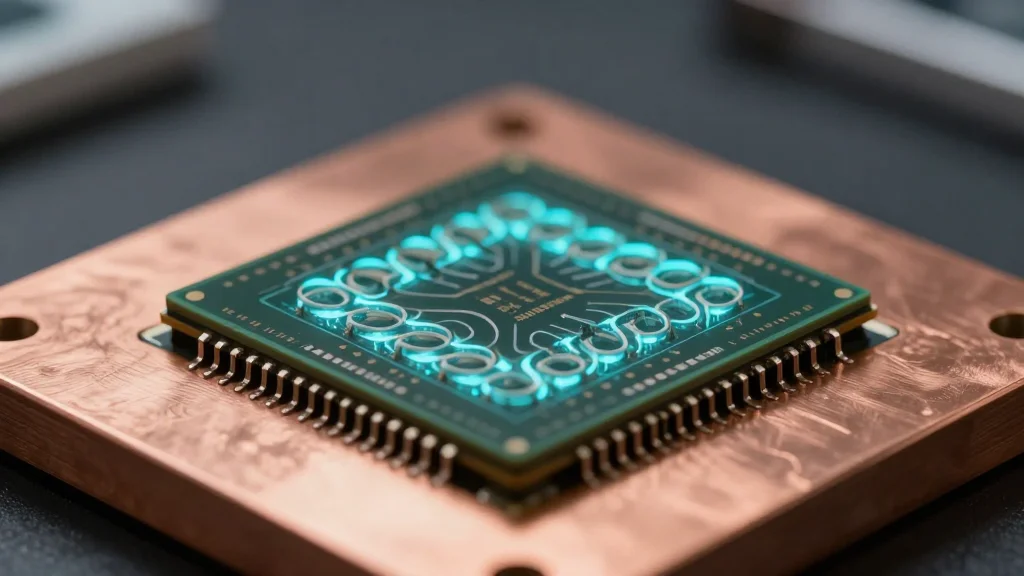
Q‑CTRL Claims 3,000‑Fold Speedup on IBM Quantum, Touting Practical Advantage
Q‑CTRL, using IBM’s Quantum Platform, demonstrated a 3,000‑fold reduction in wall‑clock time for a 120‑qubit materials‑discovery simulation, completing the task in two minutes versus over 100 hours on optimized classical software. The company says the result marks the first evidence...
Performance Comparison of QAOA Mixers for Ternary Portfolio Optimization
The study applies the Quantum Approximate Optimization Algorithm (QAOA) to a ternary portfolio optimization problem that includes holding, not holding, and short‑selling states. Researchers compare the standard QAOA mixer with several XY‑based mixers—XY Ring, XY Parity Ring, XY Full, and...
Chattanooga Establishes Nation’s First Quantum Pre-Apprenticeship Program
Chattanooga Quantum Collaborative and BuildWithin have launched the United States' first quantum pre‑apprenticeship, a 12‑week, federally aligned program beginning June 29, 2026. Funded by an NSF grant to the University of Tennessee at Chattanooga, the inaugural cohort will consist of ten...