Today's Quantum Pulse
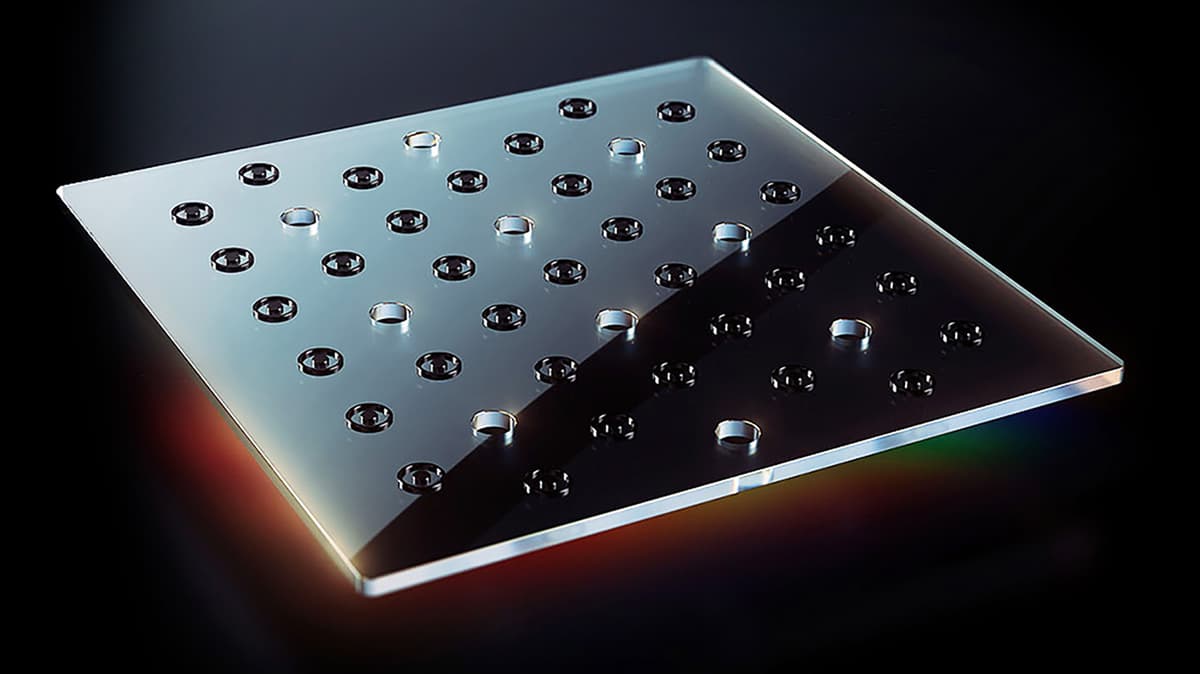
JPMorgan, OQC and AMD launch a hybrid quantum‑AI data centre in London
Oxford Quantum Computing, JPMorgan Chase and AMD announced a joint research effort to build a colocated quantum‑AI data centre in London. The facility will combine OQC’s Genesis quantum processor with AMD’s AI and high‑performance computing hardware to create a hybrid platform for finance‑focused workloads such as portfolio optimisation and quantum machine learning.

VCU Researchers Unveil Virus‑Sized Nanomagnets to Enable Scalable Quantum Qubits
Virginia Commonwealth University engineers, led by Professor Jayasimha Atulasimha, have demonstrated 200‑nanometer virus‑sized nanomagnets that can be driven by acoustic waves to control qubit spin states. The breakthrough promises to overcome the spacing and noise limits of conventional antenna‑based control, paving the way for densely packed quantum processors.

D‑Wave Lands $10 M Fortune 100 Contract and $100 M Federal Investment, Stock Jumps 49%
D‑Wave Quantum announced a two‑year, $10 million quantum‑compute‑as‑a‑service contract with an unnamed Fortune 100 company and a $100 million federal investment under the CHIPS and Science Act. The twin milestones lifted the stock nearly 49% in May and underscored the firm’s shift from...
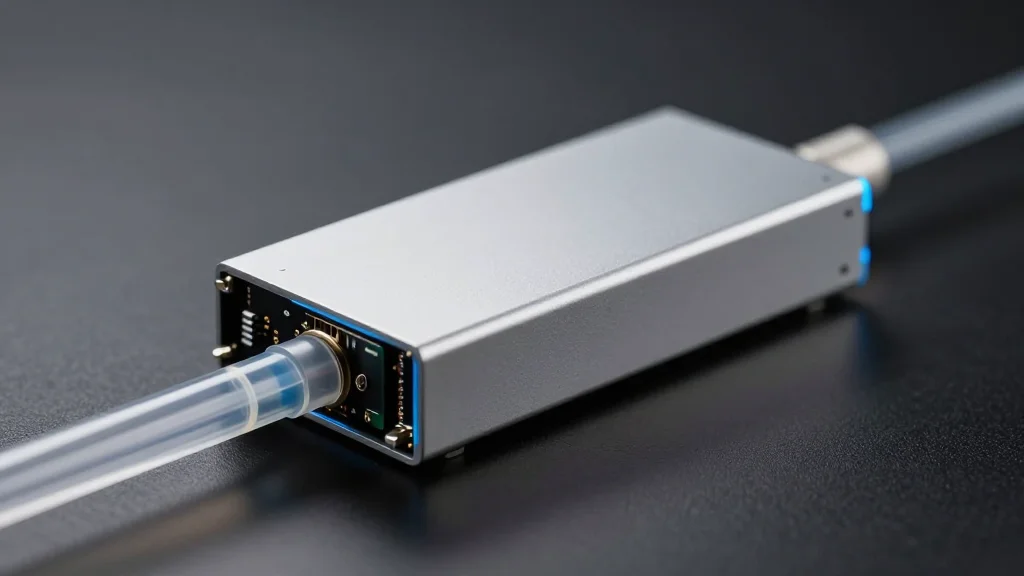
OQC Lands $350 M Series C, Europe's Biggest Private Quantum Funding
British quantum hardware firm OQC closed a £260 million ($350 million) Series C round, the largest private investment in European quantum computing. The money will fund expansion of its rack‑mounted systems in the United States, Japan and Spain and deepen contracts with Mastercard...
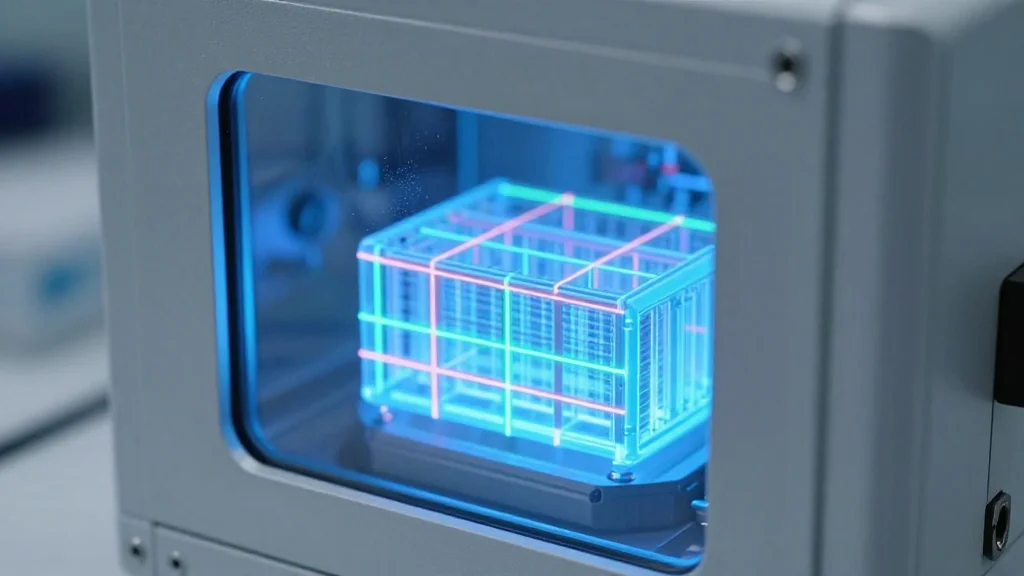
China Unveils First Superfast Quantum Memory, Tackling Data Bottleneck
Chinese scientists led by Zhejiang University announced the creation of the world’s first superfast quantum random access memory (QRAM), addressing a critical data‑reading bottleneck in quantum computing and opening pathways for drug discovery and fraud detection.
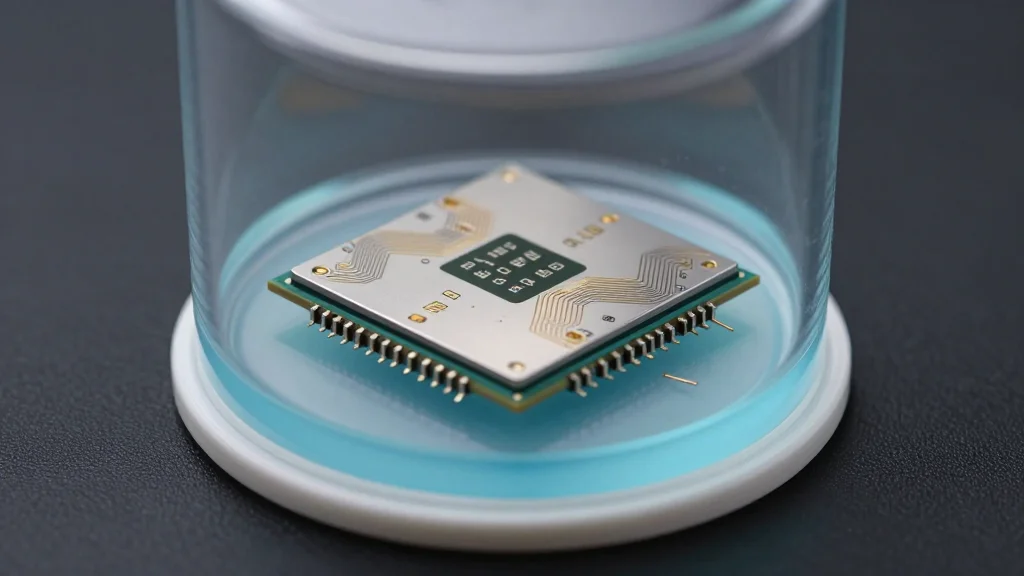
Microsoft's 1,000‑Fold Qubit Leap and Quantinuum IPO Signal Quantum Surge
Microsoft announced a new quantum processor, Majorana 2, that extends qubit coherence by a factor of 1,000, and Quantinuum raised a larger-than‑expected share offering on the NYSE, underscoring accelerating market demand for quantum computing. The developments highlight both technical optimism and...
Johns Hopkins Team Models Quantum Noise on Superconducting Processors
Researchers at Johns Hopkins Applied Physics Laboratory and Johns Hopkins University have unveiled a practical noise‑modeling framework for superconducting quantum processors. The model, published in PRX Quantum, delivers a sevenfold improvement in predictive accuracy compared to existing techniques. Using cloud...
IonQ Becomes First Pure‑Play Quantum Firm to Top $100 Million Revenue
IonQ reported $130 million in revenue for 2025, the first pure‑play quantum computing company to surpass the $100 million threshold. The milestone highlights accelerating customer adoption and puts pressure on peers like Quantinuum and Infleqtion as investors weigh growth against lofty valuations.
D‑Wave Quantum Shares Surge 49% on $100M Federal Funding Deal Amid Market Rally
D‑Wave Quantum (QBTS) saw its shares climb almost 49% in May after the U.S. Department of Commerce pledged a $100 million equity investment under a $2 billion quantum program. The rally coincided with a strong performance in the S&P 500 and Nasdaq, lifting...
Rigetti Computing Shares Jump 46% on Q1 Earnings Beat and $100M Federal Grant
Rigetti Computing’s shares surged 46% after the company posted a Q1 revenue of $4.4 million—nearly triple year‑over‑year—and announced a $100 million federal grant under the CHIPS Act. The rally reflects both strong earnings and a broader government push to accelerate utility‑scale quantum...
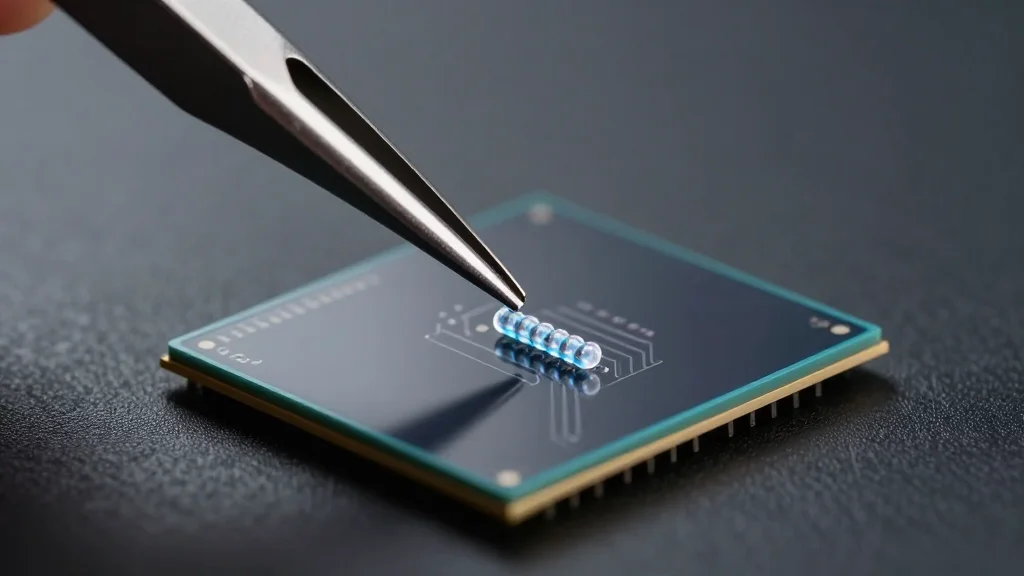
C12 Automates Pick & Place Nanoassembly to Standardize Carbon Nanotube Qubit Fabrication
C12 unveiled Pick & Place, a patented nano‑assembly process that precisely positions single‑walled carbon nanotubes onto pre‑fabricated quantum circuits. By separating high‑temperature nanotube growth from delicate chip lithography and adding real‑time electrical prescreening, the method eliminates substrate‑induced qubit variability. In a four‑week...
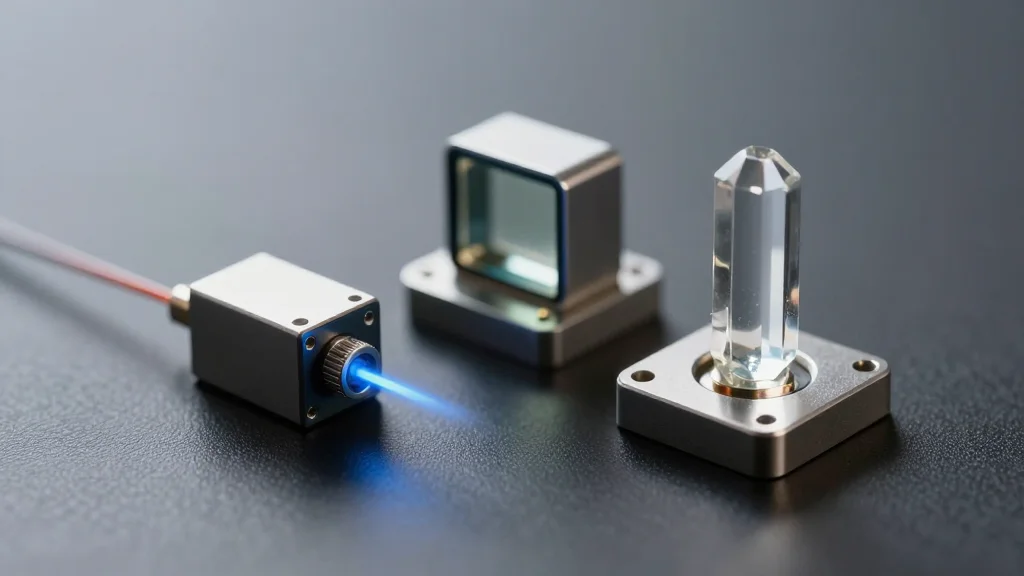
Hamamatsu Photonics, NKT Photonics, and Yaqumo Form Alliance to Industrialize Cold-Atom Quantum Core Components
Hamamatsu Photonics, NKT Photonics, and Yaqumo have signed a trilateral MoU to co‑develop and industrialize photonic modules for cold‑atom quantum computers. The partnership aims to convert laboratory‑grade optical subsystems into standardized, multi‑functional components that can be mass‑produced. By pooling Hamamatsu’s...
Quantinuum Raises $1.68 Billion in US IPO, the Largest Quantum‑Computing Listing to Date
Quantinuum, the Honeywell‑Cambridge Quantum spin‑off, completed a $1.68 billion U.S. IPO by selling 28 million shares at $60 each. The offering, led by J.P. Morgan and Morgan Stanley, makes Quantinuum the biggest quantum‑computing debut and positions it for rapid scaling amid growing market enthusiasm.
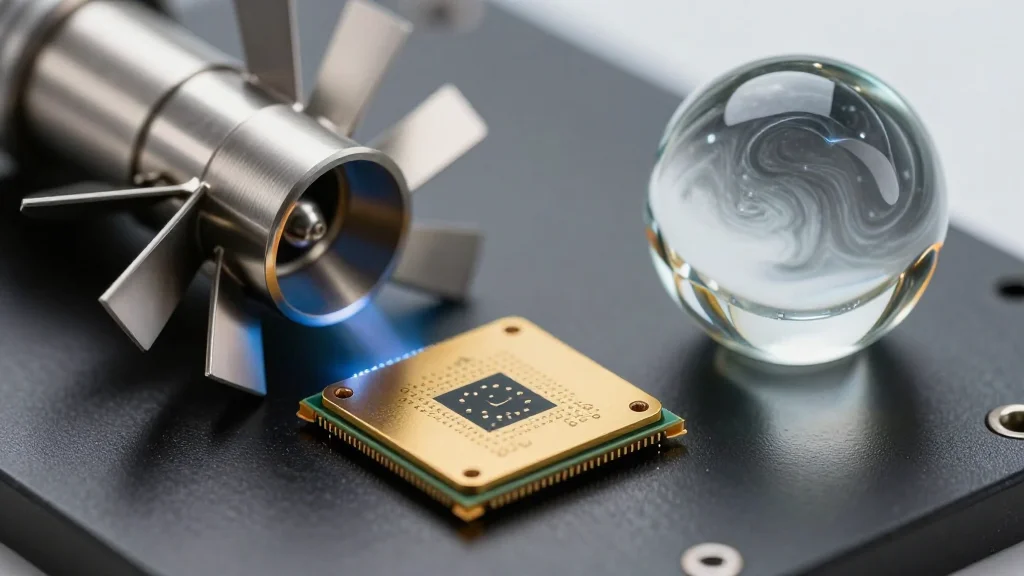
Quantinuum and Mitsubishi Electric Sign Agreement to Integrate Trapped-Ion Hardware Into Industrial Design Lifecycles
Quantinuum and Mitsubishi Electric have signed a non‑binding MOU to fuse Quantinuum’s high‑fidelity trapped‑ion quantum processors with Mitsubishi’s industrial simulation libraries. The collaboration will embed quantum algorithms into computer‑aided engineering tools, targeting fluid dynamics, electromagnetic and structural analyses. It creates...
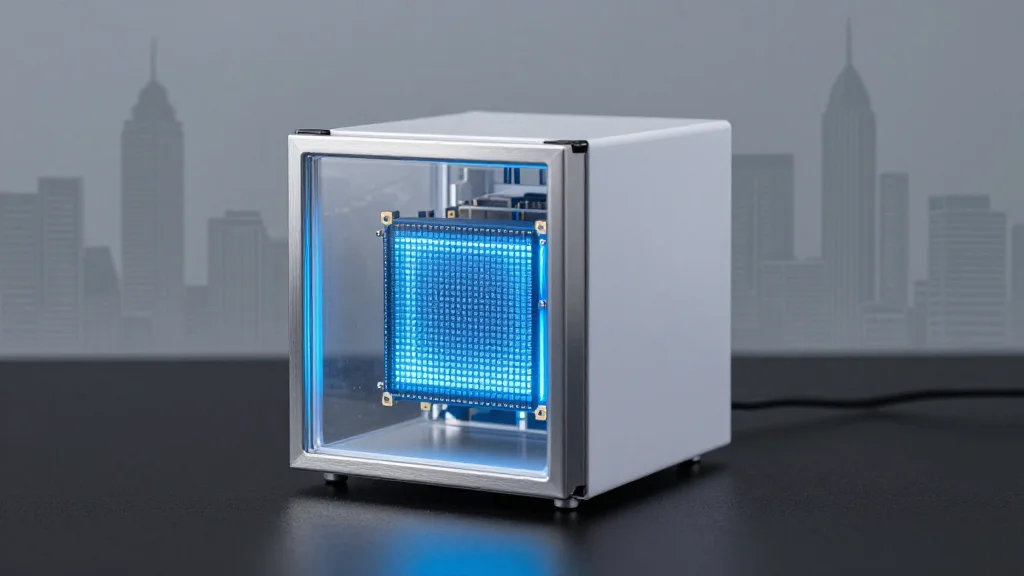
Quantinuum Raises $1.68 B in US IPO, Launches on Nasdaq at $60 Share
Quantinuum completed a $1.68 billion U.S. IPO, pricing 28 million shares at $60 each and beginning Nasdaq trading under the ticker QNT. The offering, led by J.P. Morgan and Morgan Stanley, underscores growing market appetite for quantum‑computing firms despite technical and commercial hurdles.
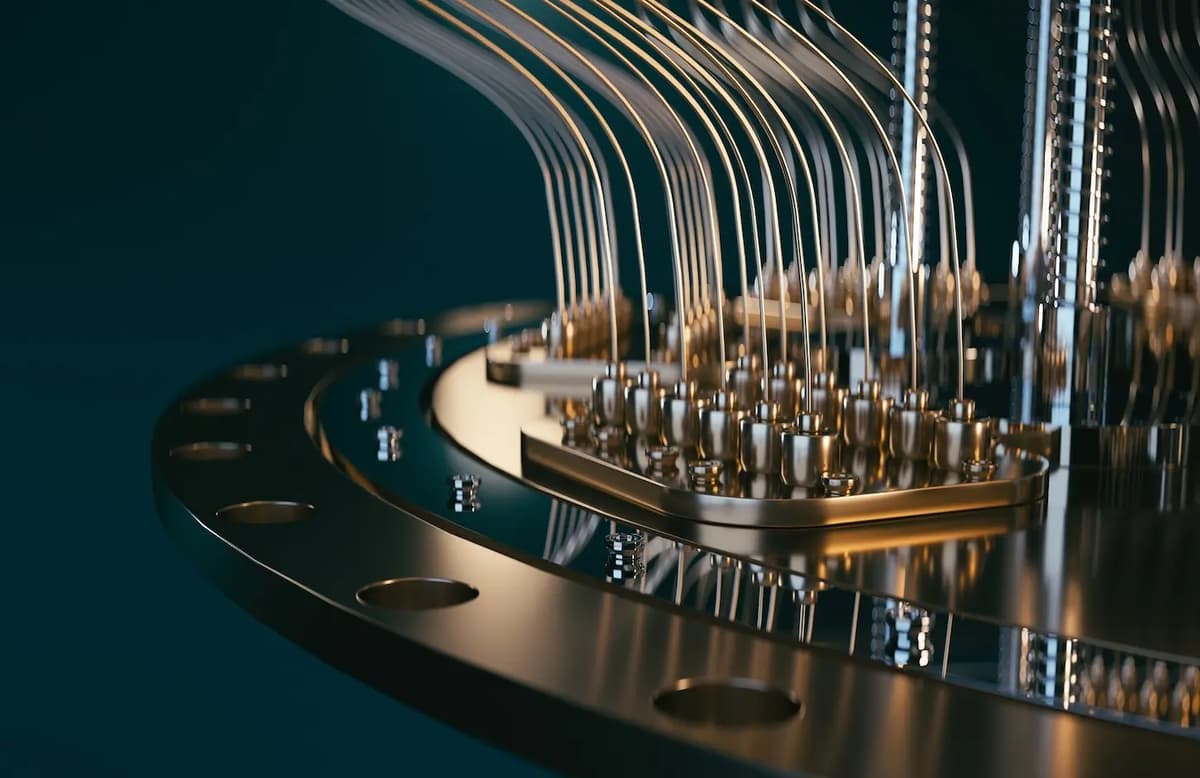
Firms Are Already Benefitting From Quantum, Here’s How
Quantum computing has moved from speculative research to revenue‑generating products, with D‑Wave’s UK‑focused study showing rapid uptake among British firms. Around 65% of UK companies have either piloted or adopted the technology, and 26% are actively using it. Large enterprises,...
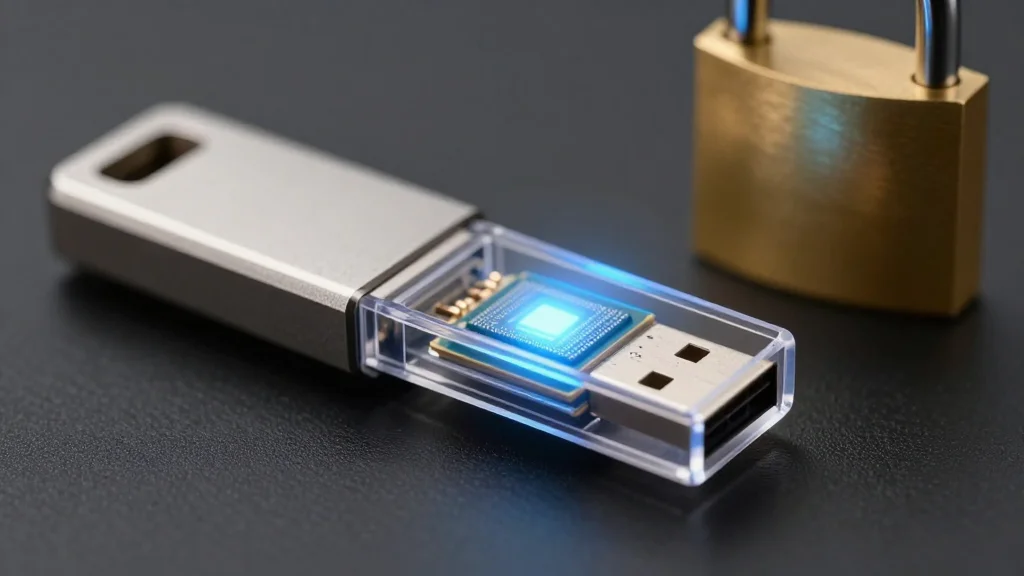
NymVPN Deploys Default Post‑Quantum Encryption in v2026.9 Update
NymVPN released version 2026.9, automatically enabling post‑quantum cryptographic keys for every Fast Mode connection and introducing a beta ad blocker that blocked 92% of ads in tests. The overhaul, which also adds a Windows‑ARM client and F‑Droid support, underscores growing...
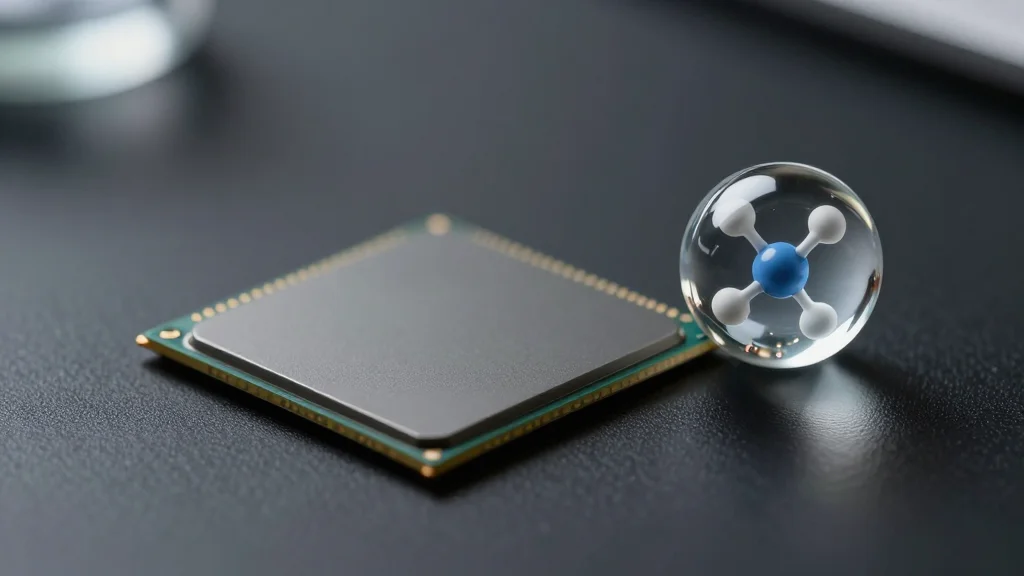
Berkeley Lab’s MODMD Approach Advances Quantum Simulations Beyond Ground States
Berkeley Lab researchers unveiled a hybrid framework called multi‑observable dynamic mode decomposition (MODMD) that pairs rapid quantum “snapshots” with classical dynamic mode decomposition to compute both ground‑state and excited‑state energies of molecules. By limiting quantum circuit depth and offloading heavy...

Quobly Closes €115 Million ($133.5 Million USD) Series A to Industrialize Silicon-Spin Qubit Processors
Grenoble‑based Quobly closed a €115 million ($133.5 million) Series A round led by Bpifrance, SEALSQ and STMicroelectronics to industrialize its silicon‑spin‑qubit processors. The financing builds on a €19 million ($22 million) seed phase and will fund FD‑SOI wafer fabrication, packaging and commercial delivery. Quobly’s architecture...
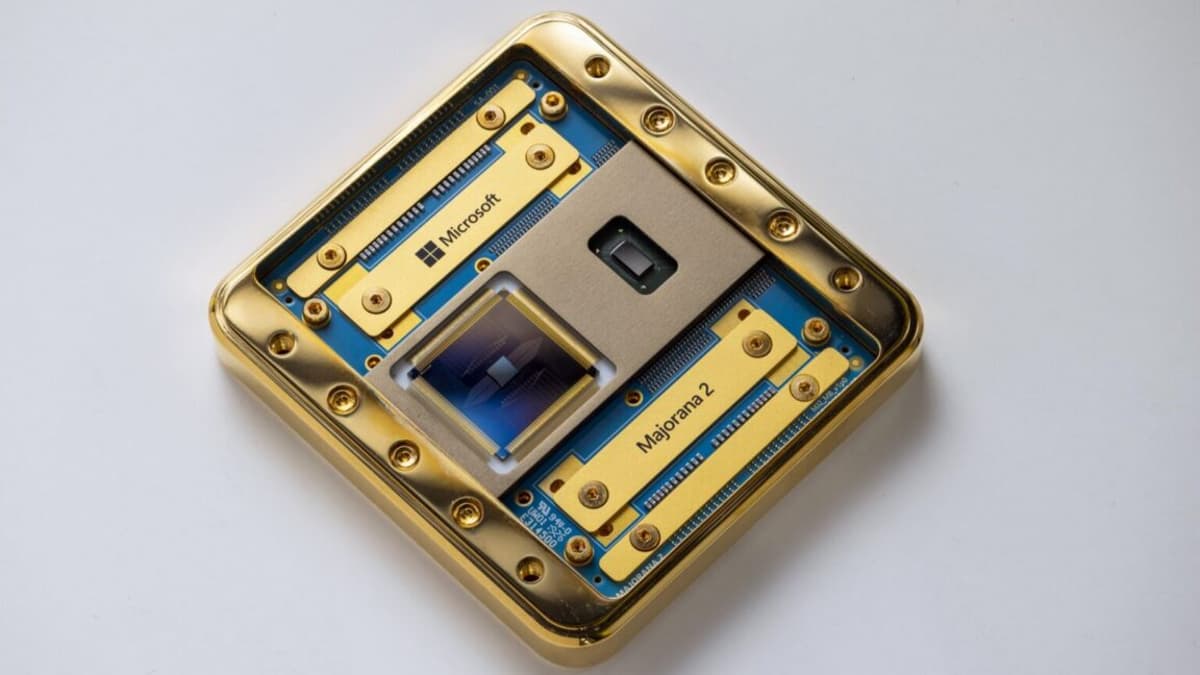
Microsoft, Atom Computing, EeroQ Update Their Quantum Computing Progress
Microsoft reported a material switch from aluminum to lead that pushed parity‑state lifetimes from milliseconds to over 20 seconds in its topological qubit platform. Atom Computing showed that swapping in pre‑cooled spare atoms during error‑correction keeps logical‑qubit error rates flat,...
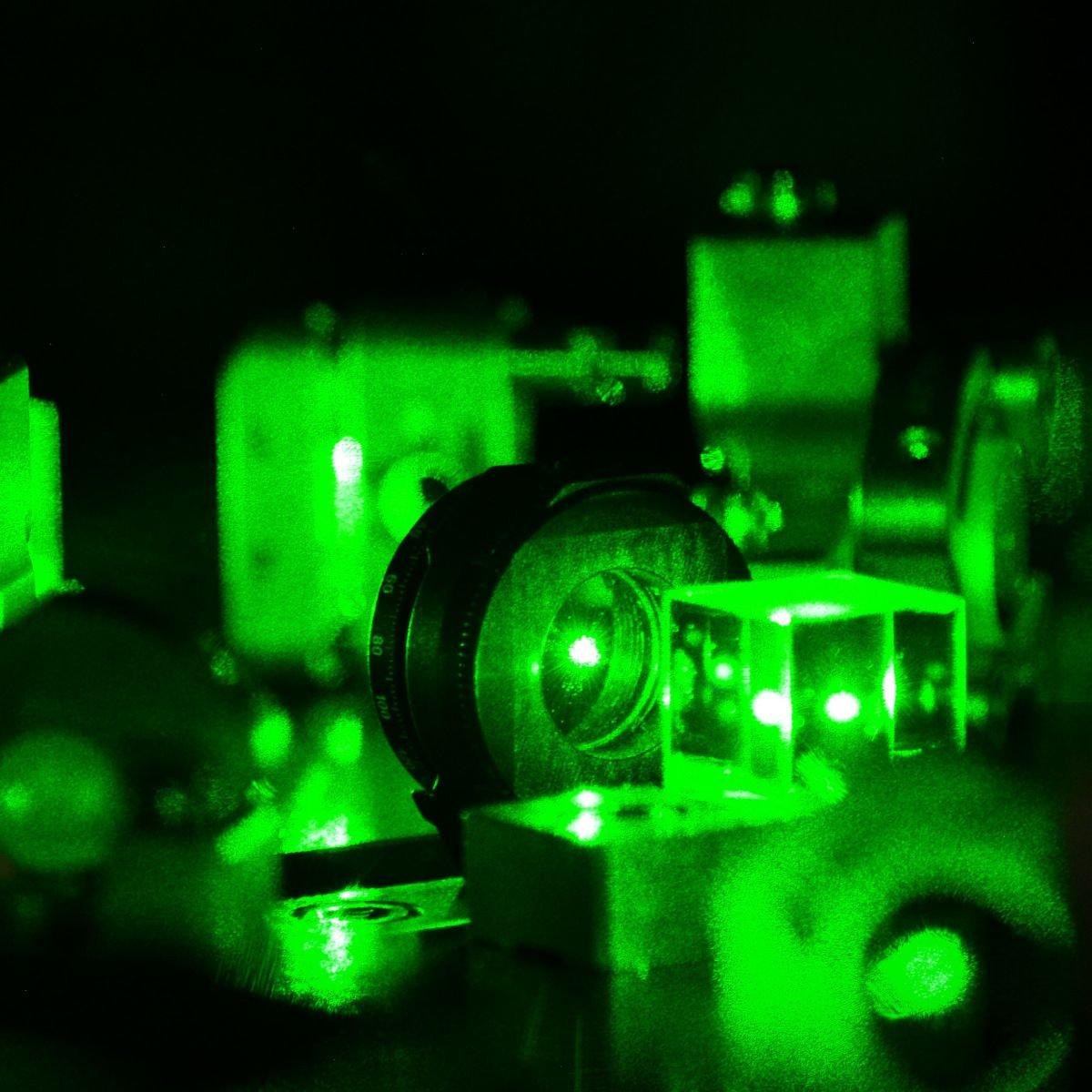
Atom Computing Achieves Fault‑tolerant Quantum Breakthrough, Gets $100M Support
Massive step closer to fault tolerant #quantum computing by @DCVC-backed @Atom_Computing—a world first on a neutral atom system at this scale. This proof, on commercially viable Atom systems capable of over 1000 qubits (with a clear, near-term roadmap to orders of...
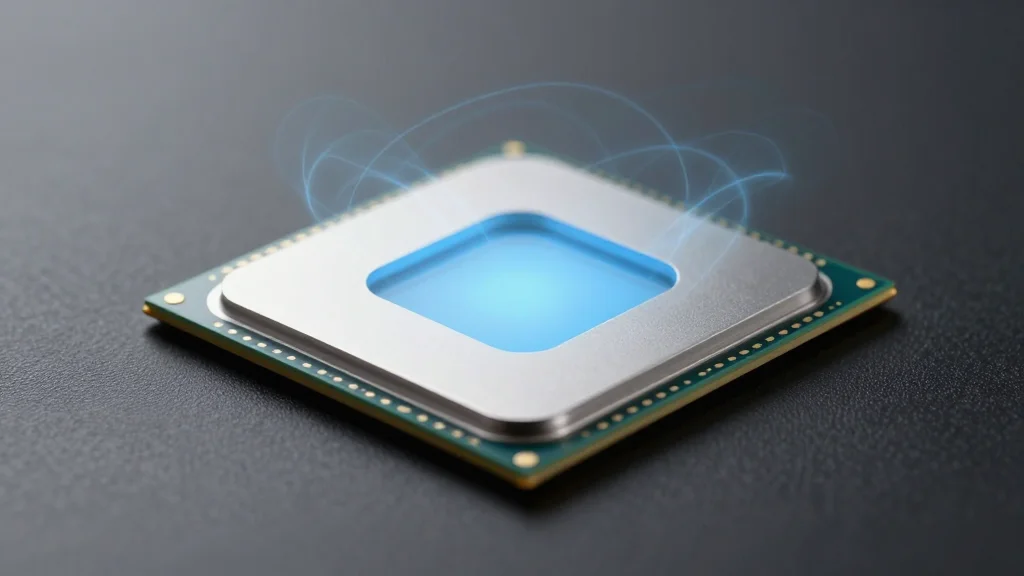
Microsoft Unveils Majorana 2 Chip, Claims 1,000‑Fold Qubit Reliability Boost
Microsoft announced the Majorana 2 topological quantum chip, saying its new materials stack delivers a 1,000‑fold increase in qubit reliability and average lifetimes of 20 seconds. The company says the breakthrough puts a scalable quantum computer on track for 2029, half...

Quantum Startup Quobly Secures €130 Million to Advance Silicon Spin‑Qubit Chips
French quantum‑hardware venture Quobly SAS announced a €130 million (≈$150 million) Series A round led by STMicroelectronics, Bpifrance, SEALSQ and Isalt. The funding will accelerate the company’s silicon spin‑qubit chip program and target a first commercial quantum computer shipment by the end of...

Quantum Sensors Proposed to Detect Elusive Altermagnets
Physicists have outlined a quantum‑sensing technique that uses nitrogen‑vacancy defects in diamond to spot altermagnets, a third class of magnetism. The method could streamline the search among 200+ candidate materials and accelerate spintronic applications.
PsiQuantum Opens Public Access to Construct Fault-Tolerant Algorithm Design Software
PsiQuantum has released Construct, its fault‑tolerant quantum computing software suite, as a free, open‑access platform. The toolkit lets researchers compile and optimize algorithms with billions of gate operations for utility‑scale quantum hardware. Construct’s modular pipeline—comprising a Python development kit, a...
Anyon and Q-CTRL Bring Self-Calibrating Quantum Systems to Enterprise Data Centers
Anyon Technologies and quantum‑software leader Q‑CTRL announced a strategic partnership that embeds Q‑CTRL’s Boulder Opal autonomous‑calibration platform into Anyon's modular, GPU‑coupled superconducting quantum supercomputers. The integration enables the systems to boot, self‑calibrate, and maintain peak performance without specialist intervention, making...
Atom Computing Reaches Quantum Error Correction Milestone with Toric Code Demonstration
Atom Computing demonstrated quantum error correction on its neutral‑atom platform using a toric‑code configuration, achieving sub‑threshold scaling and 90 successive stabilizer measurement cycles. This marks the first sustained multi‑round QEC on a neutral‑atom system, joining Google’s superconducting achievements. The milestone...
Saudi Researcher Publishes HCSP Theorem Claiming Deterministic Quantum Mechanics
Independent Saudi researcher Abdulrahman Al‑Alawi announced the final form of the HCSP Theorem and the Universal Structural Determinism Law (USDL), arguing that quantum indeterminacy is a residual measurement gap. The release, issued June 3, 2026, presents a mathematical condition for...
'Don't Scare the Cat!' Engineers Find Smarter Way to Measure Quantum Systems
Engineers at the University of New South Wales have devised an adaptive measurement protocol that dramatically improves readout fidelity for antimony‑nuclear qubits. By probing the quantum system only until the first detection event and then interrogating only the remaining states,...
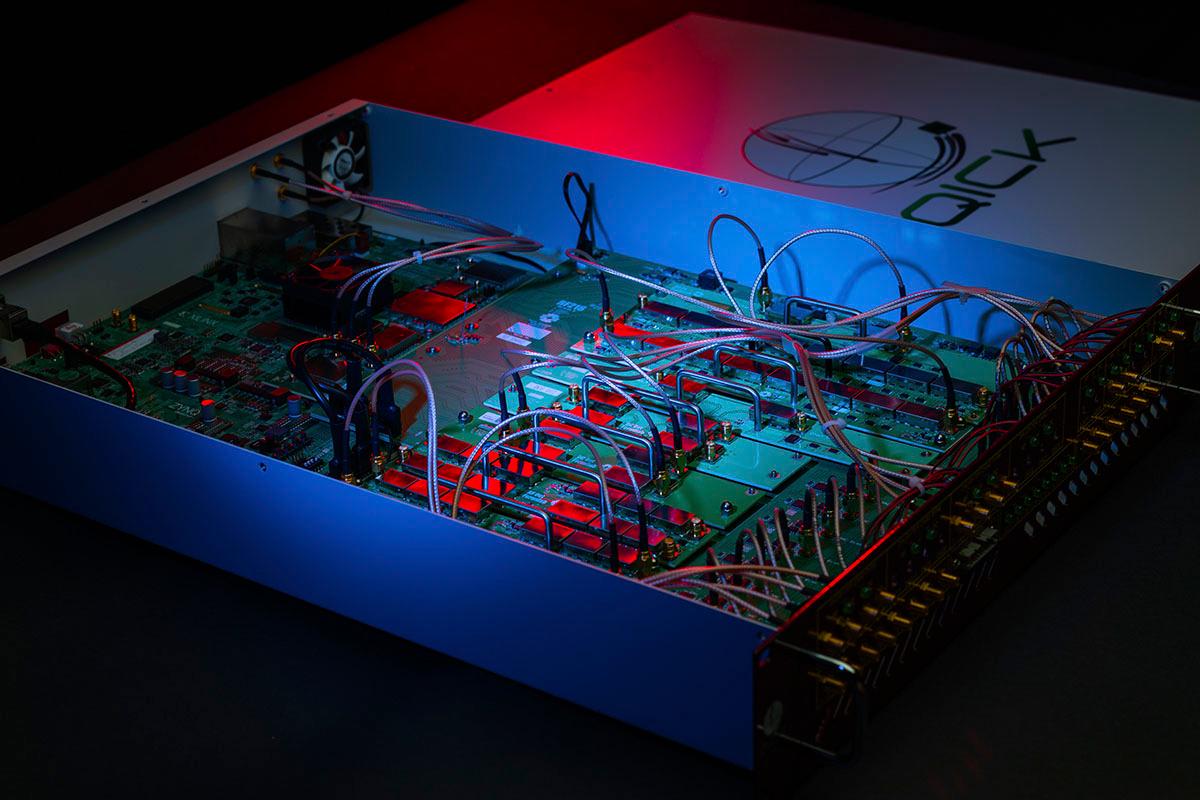
Fermilab and Harmoniqs Integrate Open-Source Tools to Advance Qubit Control Optimization
Fermilab’s Quantum Instrumentation Control Kit (QICK) is now integrated with Harmoniqs’ open‑source pulse‑optimization software Piccolo.jl. The partnership lets users automatically fine‑tune control pulses for larger numbers of qubits, leveraging algorithms from robotics and aerospace. More than 500 scientists already rely...
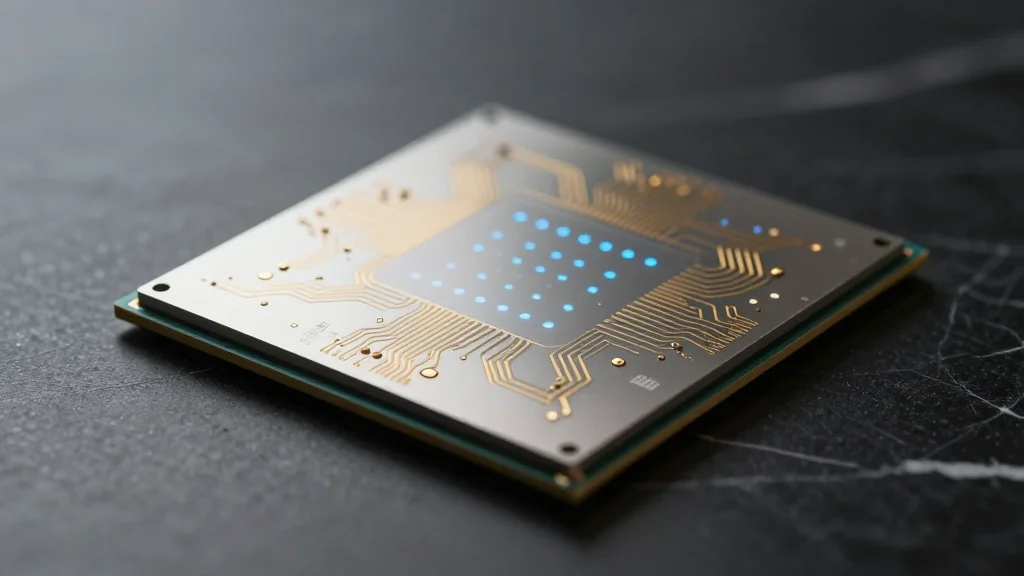
IBM CEO Arvind Krishna Commits $10 B Quantum Push to Deliver Error‑Free Computer by 2029
IBM Chairman and CEO Arvind Krishna unveiled a $10 billion, five‑year quantum computing plan that targets a reliable, large‑scale quantum computer by 2029. The initiative includes a $1 billion cash investment in the new Anderon chip foundry and a $1 billion federal CHIPS...
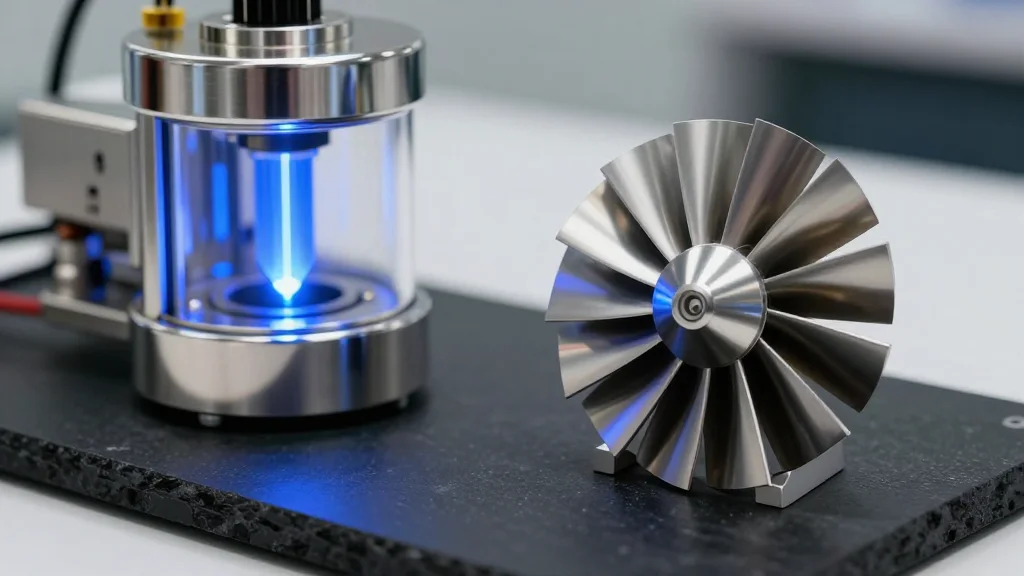
Quantinuum and Mitsubishi Electric Ink MOU to Push Quantum Computing Into Industrial Design
Quantinuum announced a non‑binding memorandum of understanding with Mitsubishi Electric to develop quantum‑computing applications for industrial engineering and design. The collaboration will focus on computer‑aided engineering, computational fluid dynamics and hybrid quantum‑classical workflows, leveraging Quantinuum's trapped‑ion platform and Mitsubishi's domain...
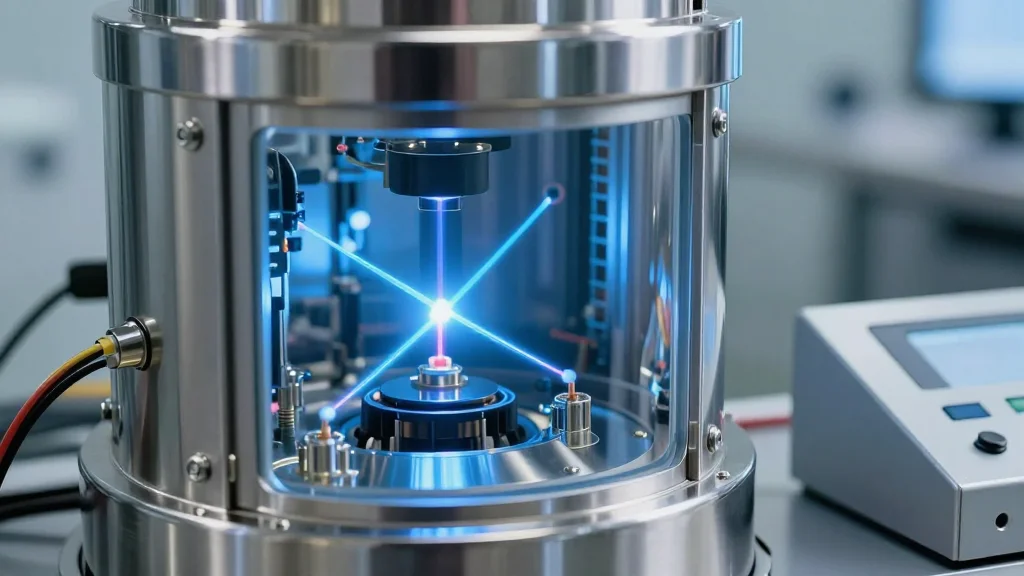
More Than Meets the Eye
Infleqtion announced the delivery of its Sqale neutral‑atom quantum computer in digital mode, providing a 100‑qubit system to the UK’s National Quantum Computing Centre (NQCC). The hardware reuses the 256‑atom analog array delivered in 2024, now operating with up to...
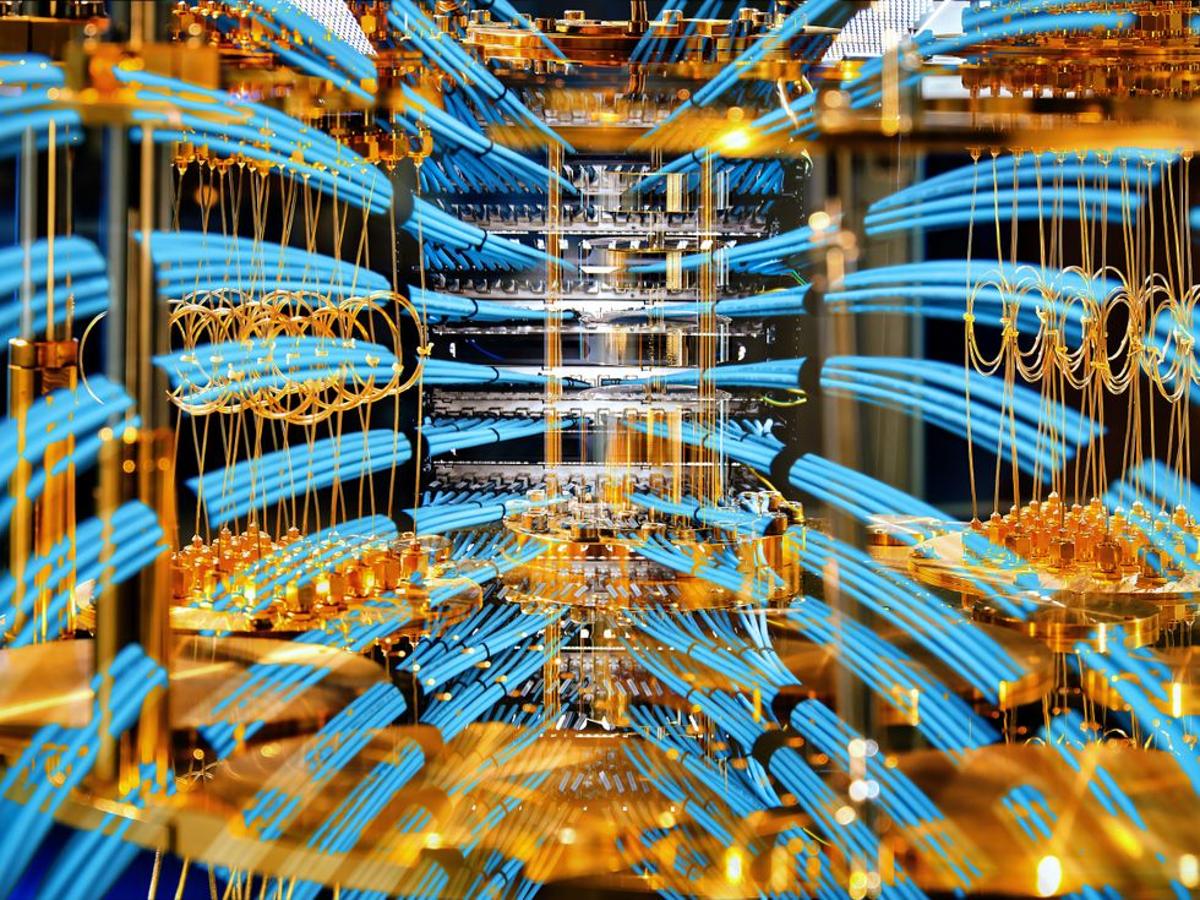
The Classical Advances Needed to Make Quantum Computers Tick
Quantum computers rely heavily on classical hardware for calibration, error correction and real‑time decoding. Companies such as Nvidia, Q‑CTRL, IBM, Riverlane and Google are rolling out AI‑driven software, FPGA/ASIC decoders and autonomous calibration tools to meet the growing classical workload....
Microsoft Unveils Majorana 2 Chip, Claims 1,000‑Fold Qubit Reliability Amid Skepticism
Microsoft introduced the Majorana 2 topological quantum processor, saying its qubits are 1,000 times more reliable and can live up to 20 seconds, positioning a scalable quantum computer by 2029. Physicists and former critics, however, warn that the claims lack peer‑reviewed...
Microsoft’s Majorana 2 Quantum Chip Is Also a Case Study for Agentic AI in R&D
Microsoft unveiled its Majorana 2 quantum chip, boasting qubits that are 1,000 times more reliable than the first‑generation version and a mean qubit lifetime of 20 seconds—roughly a minute compared with industry microsecond standards. The breakthrough was enabled by Microsoft Discovery, the...
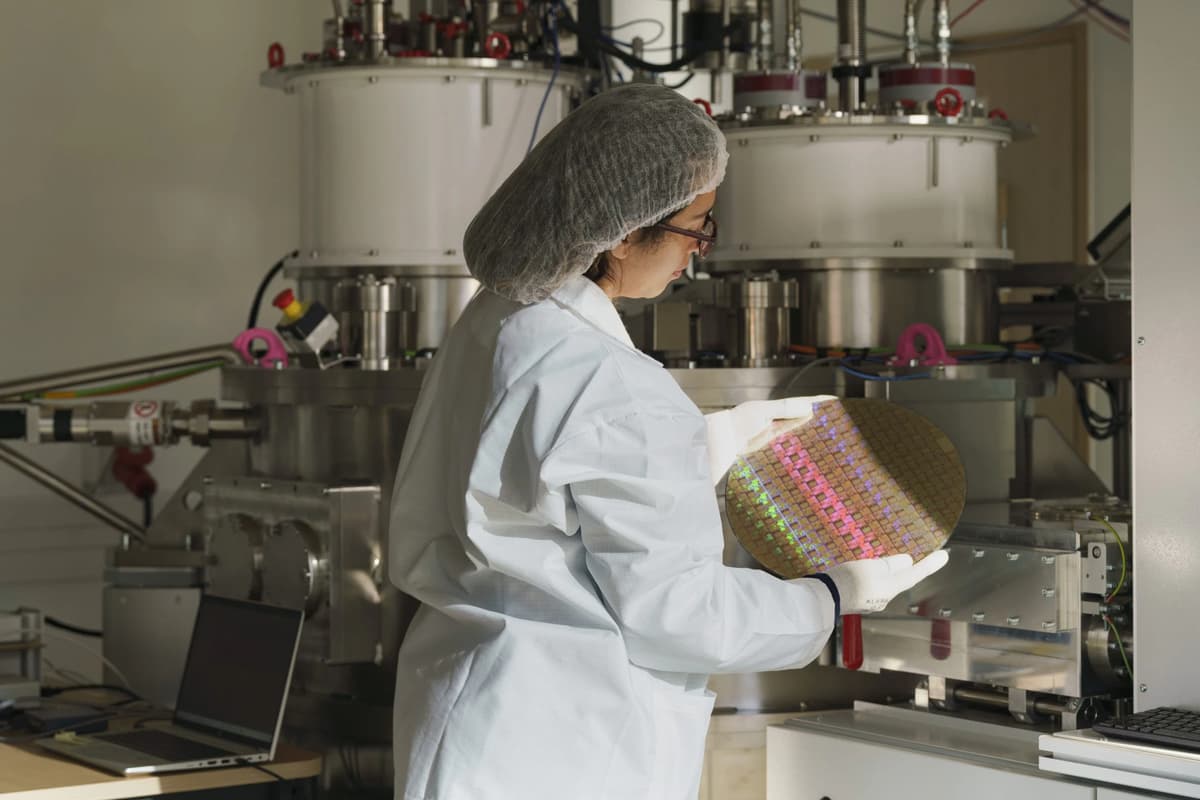
Quantum Startup Quobly Raises €115m Backed by STMicroelectronics
French quantum‑computing startup Quobly announced a €115 million (≈$124 million) Series A round led by Bpifrance, Sealsq and STMicroelectronics, with participation from the European Innovation Council and Air Liquide’s venture arm. The funding will shift Quobly’s silicon‑based qubit production from a pilot line...
Xanadu Launches Public Cloud Access to Borealis Photonic Processor to Demonstrate Quantum Computational Advantage
Xanadu Quantum Technologies has placed its 216‑qubit photonic processor, Borealis, on public cloud platforms Xanadu Cloud and Amazon Braket, marking the first programmable photonic system to demonstrate quantum computational advantage. The device performs Gaussian Boson Sampling in 36 µs, a task...
Physicists Prove Noisy Backward‑Time Messaging Possible Without Paradox
Kaiyuan Ji of Cornell University and collaborators at MIT have demonstrated that short messages can be sent backward in time through a noisy retrocausal channel without violating physical laws. Their paper in Physical Review Letters provides an exact capacity formula...
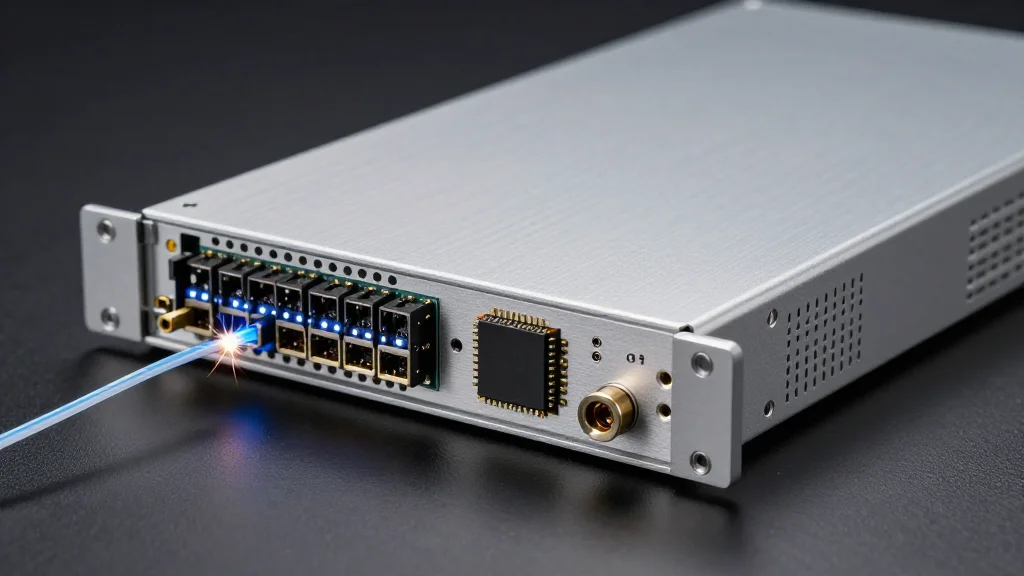
QuiX Quantum Installs Real-Time Feed-Forward Control Unit for Photonic Computing Architecture
QuiX Quantum announced the first installation of its Feed‑Forward Control Unit (FFCU) within its universal photonic quantum computing stack. The rack‑mounted module combines dual FPGA processors with a 32‑by‑32 I/O matrix to deliver a deterministic 150‑nanosecond latency from photon detection...
Microsoft's Majorana 2 Chip Accelerates Quantum Computing Timeline
Microsoft’s next-gen quantum chip cuts timeline to useful quantum computing. Microsoft’s Majorana 2 chip uses a new material stack that promises quantum computing much sooner. Details 👇https://t.co/dGw8Yj2Hcx
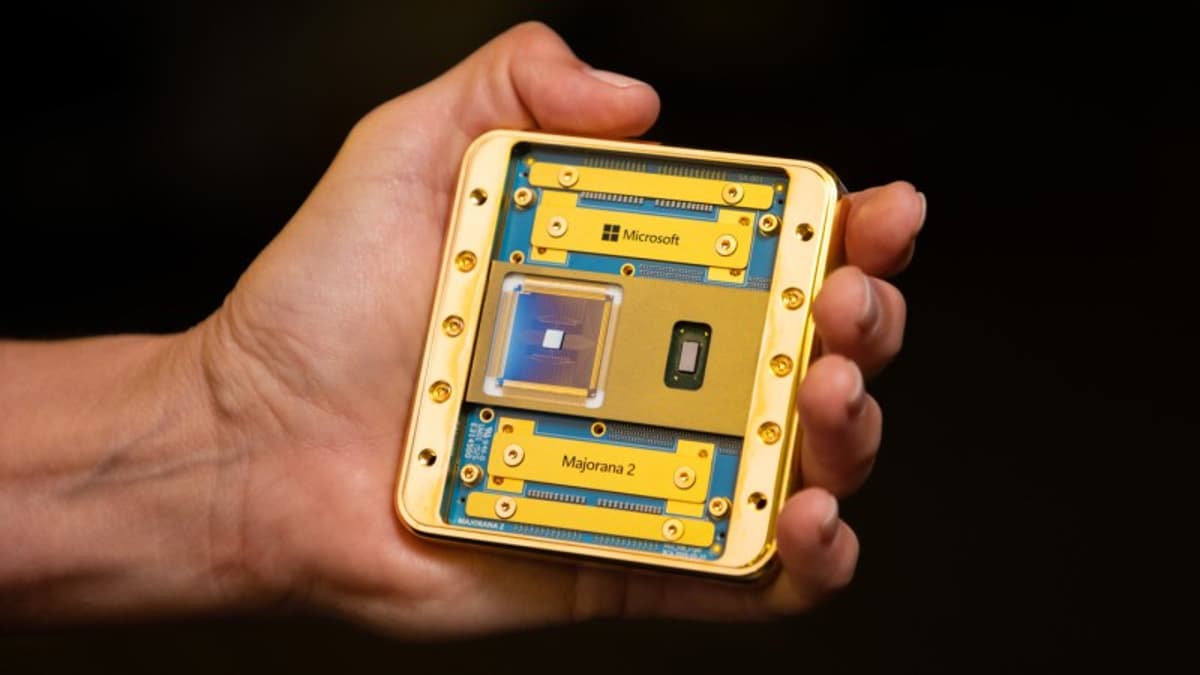
Microsoft’s Quantum Chip Got an Upgrade. Critics Are Still Skeptical
Microsoft unveiled an upgraded quantum chip at its Build conference, swapping aluminum for lead superconductors to boost qubit parity lifetime from milliseconds to about 20 seconds—a 1,000‑fold increase. The improvement targets topological qubits that store information in Majorana modes, promising...
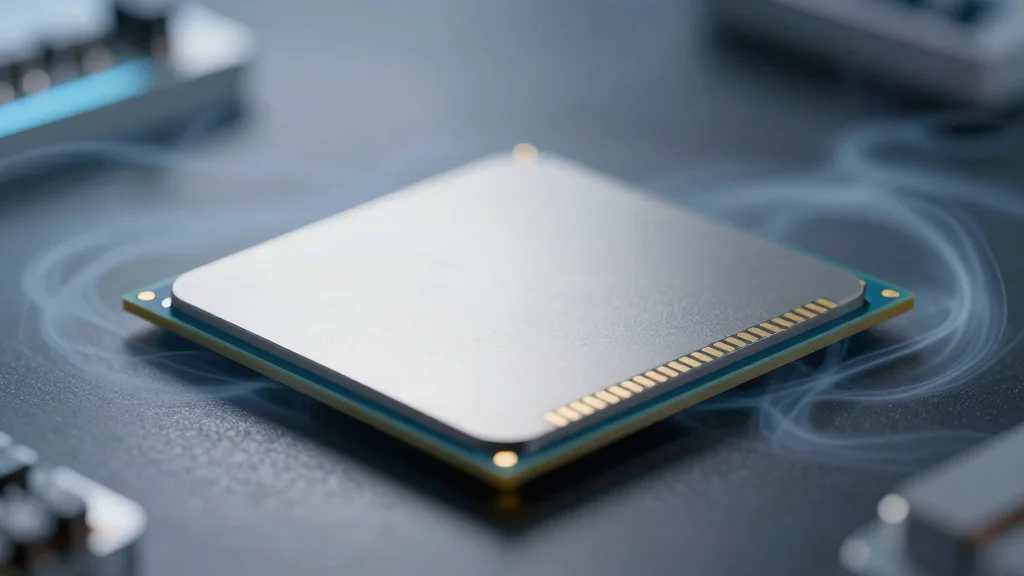
MIcrosoft Announces an Improved Majorana Qubit Design
Microsoft unveiled its next‑generation Majorana 2 chip at the Build conference, featuring a Majorana qubit design that delivers a 20‑second parity lifetime and a 1,000‑fold faster parity‑measurement switching time. The redesign more than doubles the topological gap by employing a novel...
Analysts Name IonQ Top Pure‑Play Quantum Stock as Revenue Jumps 750%
Analysts have elevated IonQ to the premier pure‑play quantum computing stock after its shares rose 71% in the past month and first‑quarter revenue exploded 750% year‑over‑year to $68 million. The endorsement comes amid a $2 billion cash reserve, a $1.8 billion acquisition of...
Rigetti Computing Stock Surges on $100 Million U.S. Grant and New 108‑Qubit Chip
Rigetti Computing received a $100 million grant from the U.S. Commerce Department, part of a $2 billion federal quantum initiative, and unveiled its 108‑qubit Cepheus‑1 system. The combined news lifted the stock 5.5% and sparked debate over the company’s sky‑high valuation versus...

The Quantum Valley Bet: Inside Amaravati’s Race Against FOMO
Andhra Pradesh’s chief minister N. Chandrababu Naidu is spearheading an indigenous “Quantum Valley” in Amaravati, aiming to sidestep global hardware restrictions and draw researchers, firms, and capital. The push began after Naidu asked IBM Quantum India’s head to bring an...
Mitsubishi Electric and Quantinuum Ink MOU to Push Quantum Computing Into Industrial Engineering
Mitsubishi Electric Corp. and quantum‑computing firm Quantinuum announced a non‑binding memorandum of understanding to investigate quantum and hybrid quantum‑classical approaches for industrial engineering. The partnership will focus on computer‑aided engineering, computational fluid dynamics and other high‑complexity simulations, leveraging Quantinuum’s trapped‑ion...
Doubling Down on Controversial Claims, Microsoft Accelerates Quantum Computing Plans
Microsoft announced an accelerated roadmap to a practical quantum computer by 2029, cutting its previous timeline in half. The company claims its new Majorana 2 chip, using lead‑based topological qubits, achieves a 20‑second coherence time—far longer than earlier prototypes. Researchers say...
NSF Halts New Grants to Elite Universities, Threatening U.S. Quantum Research
The National Science Foundation has placed a “Future Awards on Hold” notice on Duke, Harvard, Princeton and Yale, stalling 33 new research proposals and extending processing times to an average of 91 days. The move jeopardizes ongoing quantum science programs...
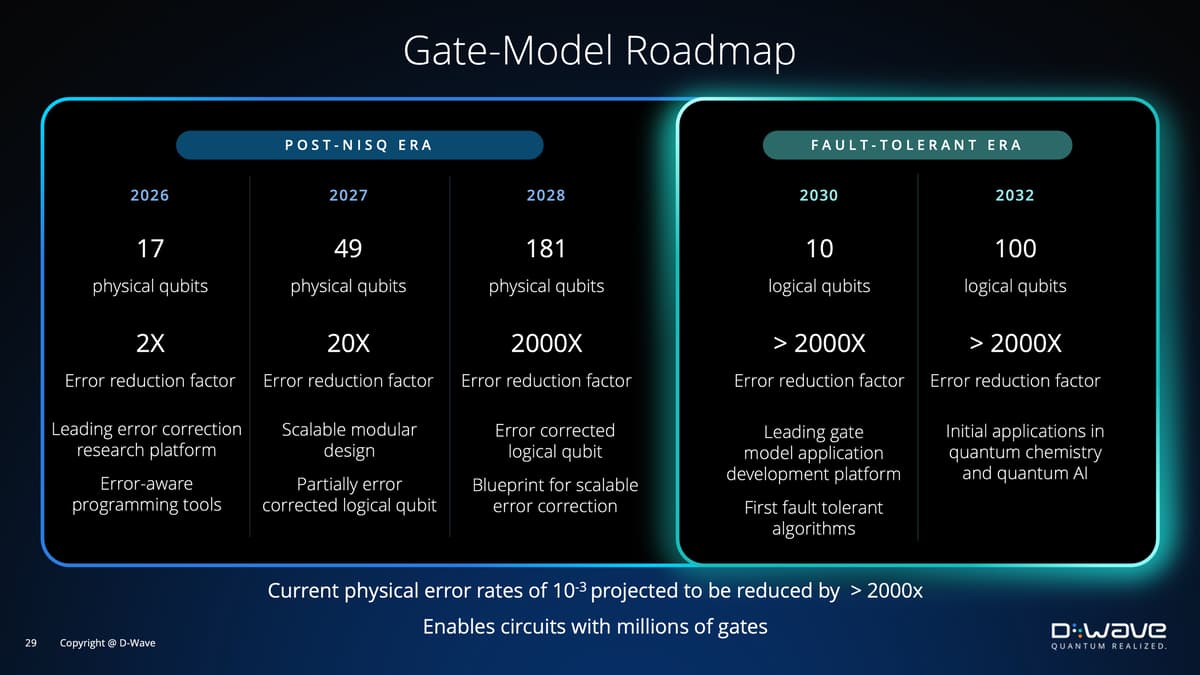
D-Wave Outlines Superconducting Gate-Model Roadmap Targeting 100 Logical Qubits
D‑Wave Quantum announced a gate‑model roadmap aiming for a 100‑logical‑qubit, fault‑tolerant system by 2032. The plan leverages its recent Quantum Circuits acquisition and a superconducting dual‑rail qubit design that can detect roughly 90% of physical errors. Early milestones include a...

Sebastian Hassinger, Host of The New Quantum Era Podcast and Author of a New Book by the Same Name
In this crossover episode of Superposition Guys, host Yuval Boguer chats with Sebastian Hassinger, the independent quantum consultant behind the New Quantum Era podcast and author of the eponymous book. They discuss the motivation behind creating accessible quantum content, the...