Today's Quantum Pulse
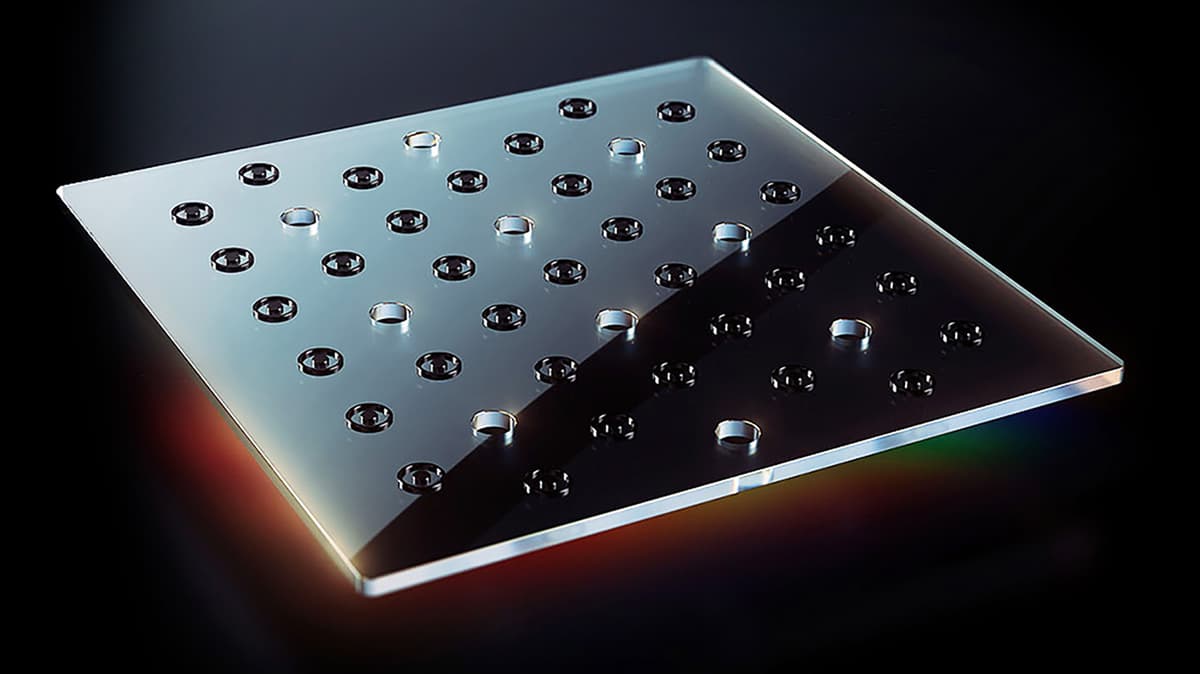
JPMorgan, OQC and AMD launch a hybrid quantum‑AI data centre in London
Oxford Quantum Computing, JPMorgan Chase and AMD announced a joint research effort to build a colocated quantum‑AI data centre in London. The facility will combine OQC’s Genesis quantum processor with AMD’s AI and high‑performance computing hardware to create a hybrid platform for finance‑focused workloads such as portfolio optimisation and quantum machine learning.

Quantum Bits Maintain Stable Response Even with Multiple Drives Applied
A UCLA‑Princeton team demonstrated that Loss‑DiVincenzo single‑spin qubits in a three‑qubit processor exhibit a strictly linear relationship between microwave drive amplitude and Rabi frequency, even when all qubits are driven simultaneously. The study resolved earlier reports of non‑linearities, showing frequency shifts under unwanted drives stay below 100 kHz. Using electric‑dipole spin resonance and a micromagnet gradient, the researchers achieved negligible crosstalk and stable resonance frequencies. These results confirm that the observed non‑linear behavior was device‑specific, not intrinsic to the qubit design.
IBM, Signal, and Threema Partner to Fortify Messaging Against Quantum Threats
IBM researchers have teamed up with Signal and Threema to embed post‑quantum cryptography into their messaging platforms. The partnership pivots from classical elliptic‑curve schemes to NIST‑2024 PQC standards, tackling both content and metadata protection. IBM proposes a decentralized gatekeeper model...
RIKEN and IBM Demonstrate Quantum-Centric Supercomputing at Scale
RIKEN and IBM have executed a closed‑loop hybrid workflow that couples the full capacity of Japan’s Fugaku supercomputer with an on‑premises IBM Quantum Heron processor. The integration enabled the largest and most accurate quantum chemistry simulation to date, targeting a...

JIJ Europe Collaborates with ORCA Computing, Bp, and NQCC on Energy Optimization
JIJ Europe Ltd., together with ORCA Computing, bp and the National Quantum Computing Centre, has launched a SparQ‑funded project to validate a quantum‑classical hybrid workflow for the Unit Commitment problem in power generation scheduling. The approach decomposes large mixed‑integer linear...

Quantum-Resistant Cryptography: The Silent Revolution Redefining Digital Security
NIST has finalized the first quantum‑safe encryption standards, adopting CRYSTALS‑Kyber for encryption and CRYSTALS‑Dilithium for digital signatures. The decision ends a six‑year global competition and sets a unified baseline for post‑quantum security. Major tech companies are already testing the algorithms,...

Xanadu Announces Negotiations Toward Up to CAD $390 Million in Support From the Governments of Canada and Ontario to Advance...
Xanadu Quantum Technologies has entered negotiations with the Canadian and Ontario governments for up to CAD 390 million to fund Project OPTIMISM, a plan to build domestic photonic and semiconductor manufacturing infrastructure. The initiative targets heterogeneous integration, PIC packaging, wafer‑level testing and quantum...

IQM Deploys 20-Qubit Quantum Computer at Aalto University
IQM Quantum Computers has installed its fourth 20‑qubit superconducting system, named Aalto Q20, at Aalto University in Finland. The on‑premises machine follows IQM’s full‑stack model, giving researchers direct control over data and hardware. Aalto University is linking the quantum processor...

Cambridge to House World-Leading IonQ Quantum Computer
The University of Cambridge will host the IonQ Quantum Innovation Centre, featuring a 2560‑qubit quantum computer—the most powerful in the UK. The deal, the university's largest corporate research partnership, links Cambridge’s Cavendish Laboratory with US‑based IonQ and includes three years...

New Federal Funding Set to Reinforce Canadian Quantum Tech and Innovation
The National Research Council of Canada (NRC) announced a $161 million investment over five years to boost quantum‑related defence and security research at the Institute for Quantum Computing (IQC) in Waterloo. This funding is part of a broader $900 million federal commitment...
DARPA Expands Quantum Benchmarking Initiative with New Stage A Call for Participants
DARPA’s Quantum Benchmarking Initiative (QBI) has launched a new Stage A Quantum Benchmarking Initiative Topic (QBIT), inviting organizations not yet funded to submit system concepts for utility‑scale quantum computing. The solicitation targets distinct, untested architectures and offers a six‑month evaluation period,...
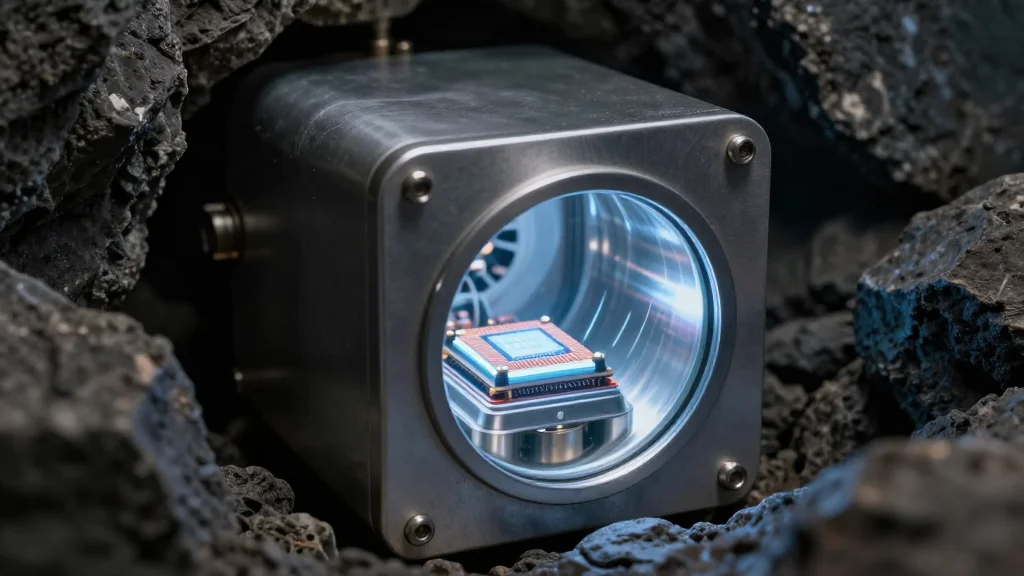
Scientists Head Underground to Measure Effects of Gamma Rays on Superconducting Qubits
Scientists placed a four‑qubit superconducting chip 350 feet underground at Fermilab’s NEXUS lab to study how gamma rays generate correlated charge noise. By toggling a lead shield around the dilution refrigerator, they isolated gamma‑induced charge bursts from cosmic‑ray background, marking the...

Xanadu and AMD Accelerate Quantum Computing for Aerospace and Engineering
Xanadu Quantum Technologies and AMD announced a hybrid quantum‑classical demonstration that runs a 256×256 computational fluid dynamics (CFD) model on AMD DevCloud using Xanadu’s PennyLane software. The workflow employed 20 qubits and roughly 35 million quantum gates, while a single AMD...
IonQ and ARLIS Partner to Establish Zero Trust Security Framework for Mission-Critical Quantum Architectures
IonQ announced a partnership with the Air Force‑sponsored ARLIS laboratory to launch SEQCURE, a program that will design a Zero Trust Architecture (ZTA) for mission‑critical quantum systems. The effort will map current commercial quantum security practices to NIST SP800‑207 standards,...

Quantum MCMC Achieved on NISQ Hardware with Accurate Results
#quantumcomputing New group preprint: "Experimental Realization of the Markov Chain Monte Carlo Algorithm on a Quantum Computer". https://t.co/NSGNw3gTin In this work, we experimentally use encodings of Markov chains to prepare quantum states and run a quantum Markov Chain Monte Carlo...
Nation‑states Already Using Store‑now, Decrypt‑later; Adopt PQC Now
"Store now, decrypt later" isn't a theory; it’s a nation-state strategy. If your 2026 roadmap doesn't include Post-Quantum Cryptography (PQC), you’re already behind. The 9 realities CIOs can't ignore: 🔗 https://t.co/l36K8t0jnp #RSAC2026 #PQC #QuantumComputing #CIO
Eros Innovation and enQase Launch Sovereign Quantum-Safe Trust Layer
Eros Innovation and enQase have launched a strategic joint venture to build the Eros Sovereign Trust Layer, a quantum‑safe security architecture for cultural data, digital identity, and AI assets. The platform merges enQase’s full‑stack quantum‑resilient hardware and software with Eros’s...

Exploring Quantum Resources: Mid‑Circuit Measurements and Non‑Stabilizerness
A talk to be given next week on "magic, muggles, measurement, a meditation on quantum resources in five readings", about computational resources of mid-circuit measurements, non-stabilizerness and other resources in notions of quantum computing. https://t.co/WIU3zwN6fc

Quantum Engineering with David Reilly and Tom Ohki
In this episode, host Sebastian Hassinger talks with David Reilly and Tom Ohki, co‑founders of Emergence Quantum, about their unconventional focus on the "connective tissue" of quantum computers—cryogenic control electronics, high‑performance amplifiers, scalable packaging, and integrated systems that operate at...
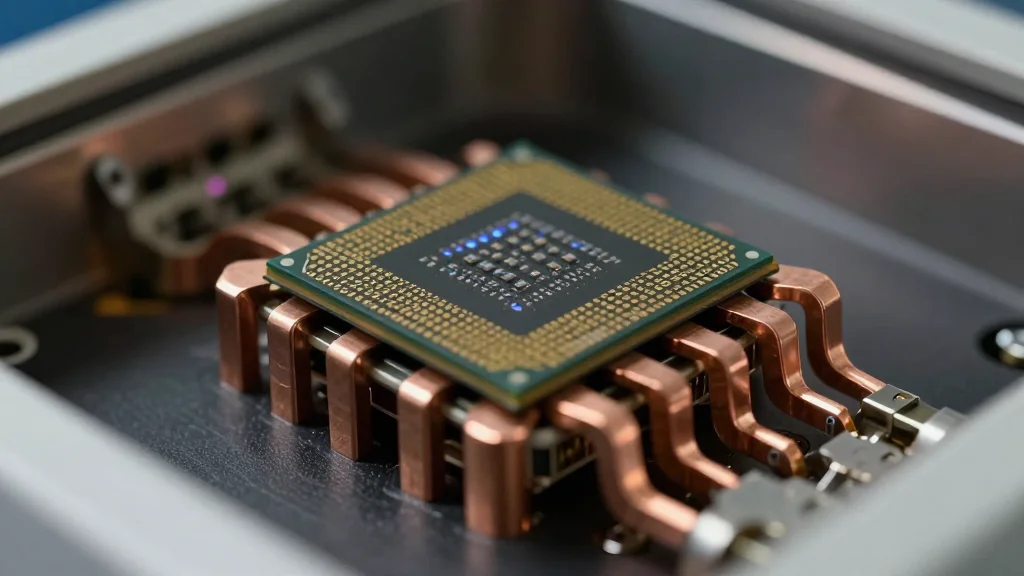
Zurich Instruments Launches ZQCS Platform for Large-Scale Quantum Computer Control
Zurich Instruments unveiled the ZQCS Quantum Control System, a next‑generation platform built on a modular AdvancedTCA architecture that delivers more than a thousand channels per 19‑inch rack. The system combines a first‑Nyquist‑zone direct‑RF front end, deterministic real‑time networking, and programmable...

Quantum Threat Drives Enterprise Shift to Post‑Quantum Crypto
Great conversation with enQase We discussed why #Quantum Threat & Post-Quantum Cryptography is becoming a top priority for enterprise #CISOs & #CTOs 📍FULL episode👇 https://t.co/QSA6g4byhP 📍Sched your mtg at #RSAC 👇 https://t.co/qQiSVb0J91 #PQC #cybersecurity #CEO https://t.co/FORk5259Nc

China Embraces Open‑source Quantum; US May Retreat to Closed Systems
China going open source with Quantum computing in the same way they have with AI. It will be interesting to see how this plays out as once again it seems likely the big US players will build fortress closed systems...

University of Twente Researchers Reduce Photonic Qubit Costs with Photon Filtering
University of Twente researchers, led by PhD candidate Frank Somhorst, have devised a photon‑filtering technique that merges multiple imperfect photons into a single, higher‑quality photon. The method promises up to a four‑fold reduction in the number of photons required for each...
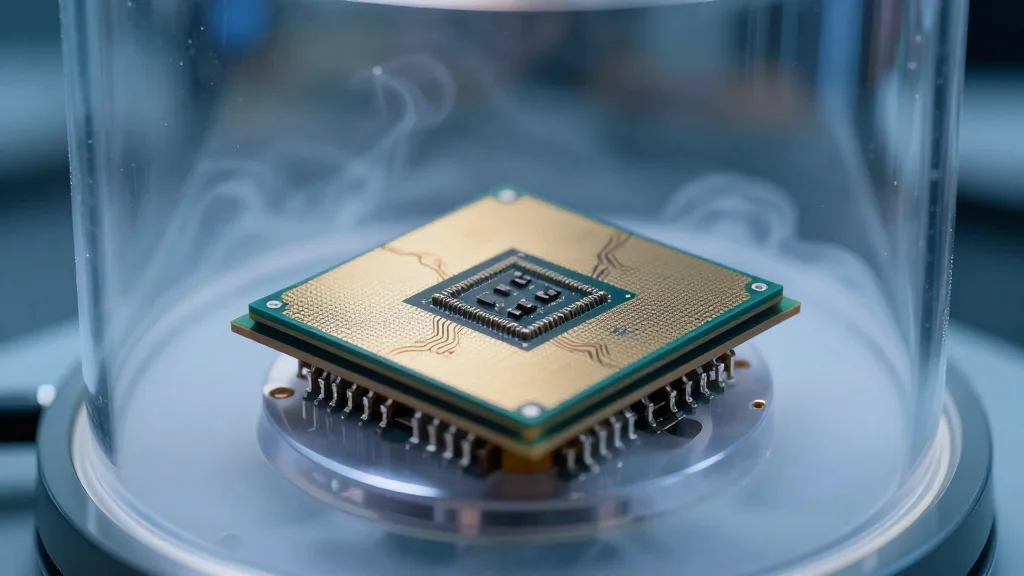
China Open-Sources “Origin Pilot”: The First Domestically Developed Quantum OS
China’s Origin Quantum Computing Technology Co. has open‑sourced Origin Pilot, the nation’s first domestically developed quantum operating system, making it publicly downloadable. The OS runs on the third‑generation OriginQ Wukong superconducting quantum computer, which boasts 72 functional qubits and has...

QVLS-iLabs Secures €15M ($17.4M USD) Second Phase Funding for German Quantum Transfer
QVLS‑iLabs has secured €15 million in second‑phase funding from Germany’s Federal Ministry for Research, Technology and Space Travel, covering a three‑year program to move trapped‑ion quantum computing and quantum metrology from labs to industry. The first phase delivered QUDORA Technologies’ NFQC‑based...

The Quantum Curtain
A billionaire philanthropist, David Kilmer, has launched Harpocrates, a globally accessible quantum key distribution (QKD) satellite network comprising 210 CubeSats and open‑source ground stations. The system promises virtually unbreakable encryption, and its technical specifications were released publicly, spurring rapid adoption...

Canada Quantum Computing Companies 2026
Canada’s quantum sector reaches a pivotal moment in 2026 as Xanadu clears its final SEC filing, paving the way for a $3.6 billion SPAC merger that would make it the world’s first publicly traded pure‑play photonic quantum computer. The company joins...

Rigetti Computing Reports 2025 Financial Results and Technical Progress
Rigetti Computing announced that its prototype platform achieved 99.9% two‑qubit gate fidelity at a 28 ns gate speed, marking a key technical milestone. For 2025 the company generated $7.1 million in revenue but posted a GAAP net loss of $216.2 million, while holding...

MAHE Advances India’s National Quantum Mission with New Hub
Manipal Academy of Higher Education has launched Quantum‑Hub@MAHE at its Manipal Institute of Technology in Bengaluru, creating a university‑led ecosystem to support India’s National Quantum Mission. The hub opens with a 25‑qubit dilution refrigeration system and an open‑architecture approach that...

Shor, QLDPC Codes, and the Compression of RSA-2048 Resource Estimates (Part I)
The new Pinnacle Architecture employing Quantum Low‑Density Parity‑Check (QLDPC) codes slashes the physical‑qubit requirement for Shor’s RSA‑2048 factorisation from under one million to roughly 100,000, an order‑of‑magnitude reduction. This efficiency hinges on non‑local qubit connectivity and ultra‑fast classical decoding, which...
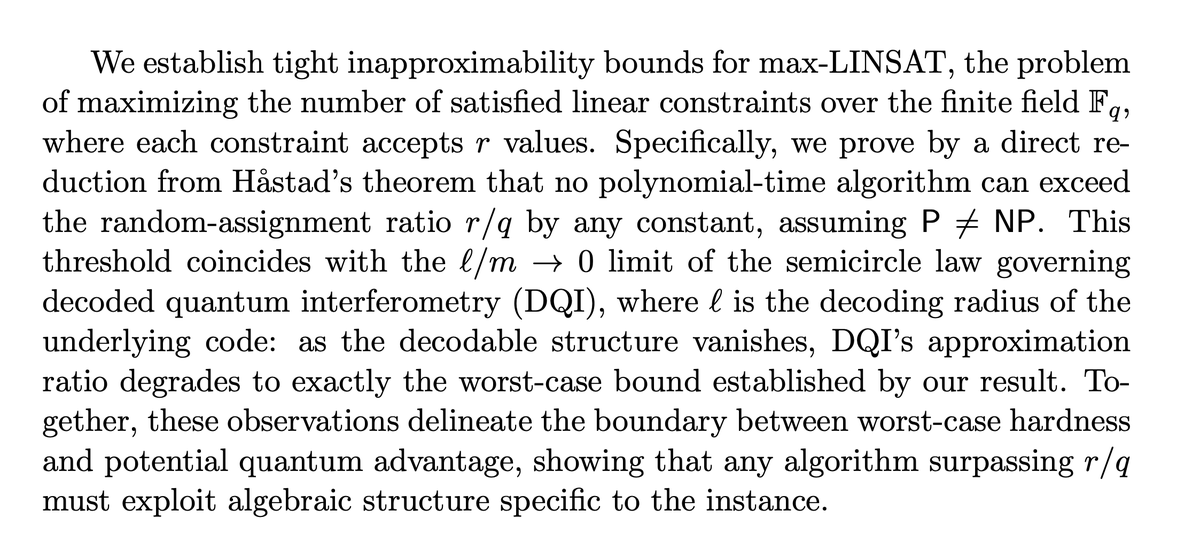
Tight Inapproximability Bounds for Max‑LINSAT Impact Quantum Interferometry
Tight inapproximability of max-LINSAT and implications for decoded quantum interferometry https://t.co/RzBXqS1r1k We establish tight inapproximability bounds for max-LINSAT, the problem of maximizing the number of satisfied linear constraints over the finite field 𝔽_q, where each constraint accepts r values...
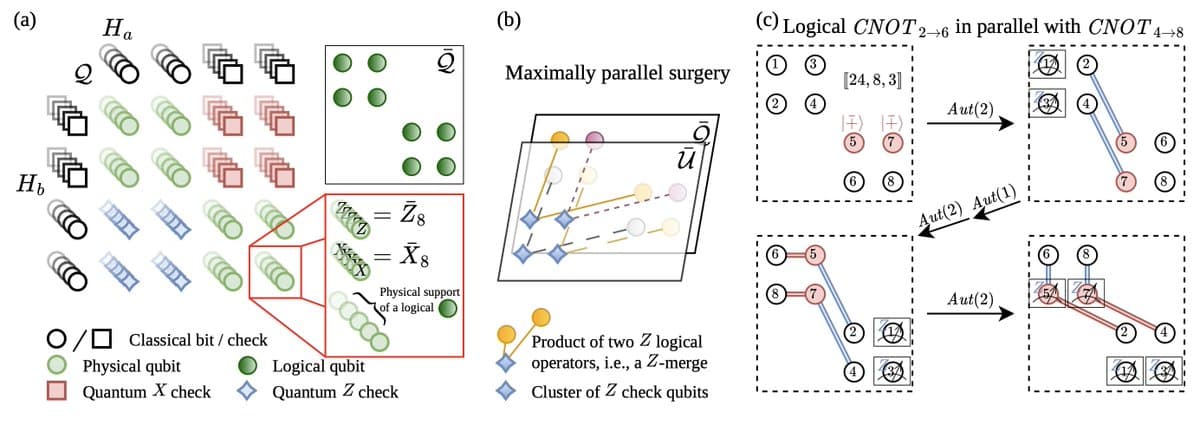
Clustered‑Cyclic Codes Enable Parallel Quantum Logic
QGPU: Parallel logic in quantum LDPC codes We introduce #clusteredcycliccodes and show how to pursue highly parallelized surface-code style quantum logic with quantum low density parity check codes featuring simple logicals. https://t.co/RMIt29In5N In detail, #quantumerrorcorrection is critical in the design and manufacture of...

Quantum Ambitions Go Global, and Southeast Asia Wants In
Quantum computing has become a strategic priority worldwide, with the Tracxn Quantum Computing Report 2026 highlighting multi‑billion‑dollar government programmes across the US, China, Europe and Asia. In Southeast Asia, Singapore is positioning itself as a regional hub, while Malaysia, Thailand,...
Quantikz: Essential Tool Elevating Quantum Circuit Visualization
Helpful tools lift the entire field. I’ve relied heavily on Quantikz by Alastair Kay to draw hundreds of quantum circuit diagrams over the years. It’s been my go-to for clean, publication-quality circuits in papers and lectures.
Apply Now: $200K NM Quantum Tech Award Open
PSA for my friends in quantum 👋 New Mexico Quantum Technologies Award is open—rolling apps thru April. Up to $200K for NM-based companies or folks expanding into NM. Apply: NM Quantum Technologies Award – New Mexico EDD https://t.co/bKsz4tGjlD

Kvantify and Danish Universities Launch DKK 17.4M ($2.7M USD) Quantum Software Project
Denmark’s Innovation Fund has granted DKK 17.4 million to the Optimal Design Automation towards a Performant Quantum Software Stack (ODAQS) project, uniting Kvantify with Aarhus and Aalborg universities. Running from 2026 to 2029, the consortium will build a hardware‑agnostic quantum software stack...

Researchers Create a Never-Before-Seen Molecule and Prove Its Exotic Nature with Quantum Computing
An international team led by IBM and top universities synthesized the first half‑Möbius molecule, C₁₃Cl₂, whose electrons follow a corkscrew‑like path. The exotic electronic topology was confirmed experimentally with scanning tunneling microscopy and validated using a high‑fidelity IBM quantum computer...

CyberPeace Foundation and Synergy Quantum Launch the Global Quantum Threat Alliance
CyberPeace Foundation and Synergy Quantum announced the Global Quantum Threat Alliance (GQTA) at the CyberPeace Summit 2.0 in New Delhi on February 10, 2026. The alliance brings together governments, industry players, and academic researchers to confront the emerging risk that...

Quantum-Safe Security: What CISOs Need to Know Now (Before It’s Too Late)
Quantum computing threatens to break today’s asymmetric encryption, making current data protection obsolete. The most immediate risk is a “harvest now, decrypt later” attack, where adversaries steal data today and decrypt it once quantum capabilities mature. Experts estimate viable quantum...
Pasqal‑Bleichroeder Deal Targets $2B Valuation by 2026
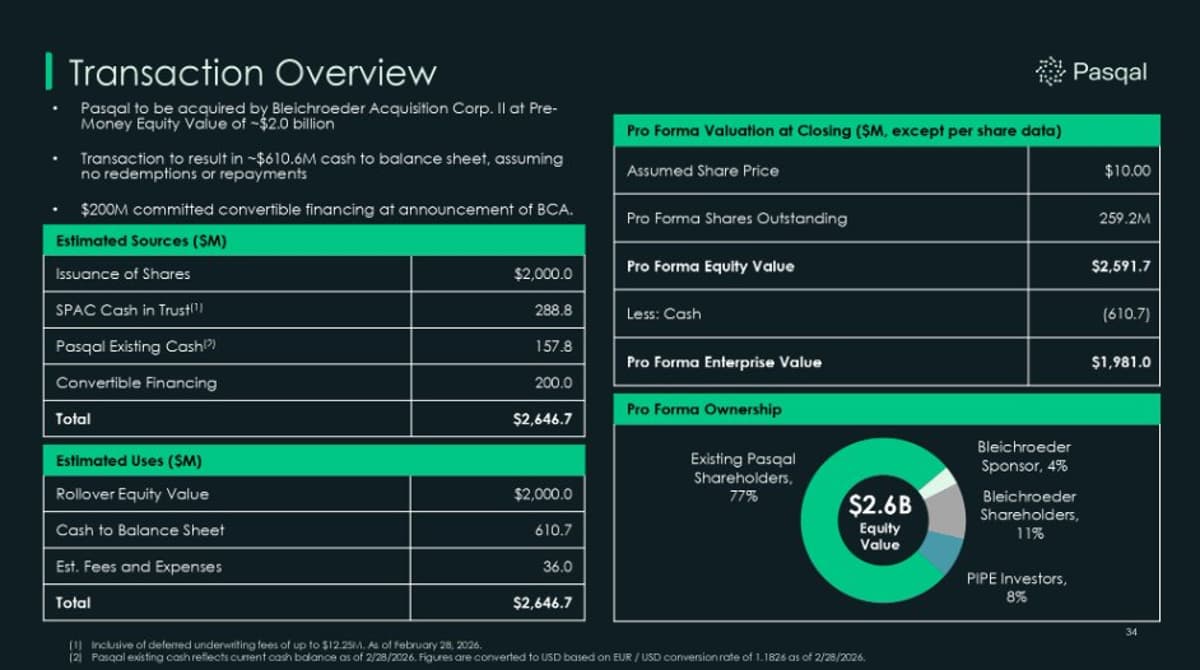
Pasqal / Bleichroeder Acquisition II deal overview Quantum computing company $2.0 billion enterprise value Closing H2 2026 PR: https://t.co/Y8kjd8LJdO IR deck: https://t.co/27uxUkWA9t Disclosure: Long $BBCQ shares + warrants in $ARB.to https://t.co/EfgkoWpFiI

Next Gen Spotlights: Preparing for a Post-Quantum World – Q&A with Cavero Quantum
Cavero Quantum, a University of Leeds spin‑out, has developed post‑quantum cryptography and password‑less authentication that can run on ultra‑constrained devices such as SIM cards. Backed by the UK government’s CyberASAP programme, the startup moved from a funded demo to real‑world...

Xanadu Highlights Path to Public Listing, Scalable Quantum Computing
Xanadu Quantum Technologies announced its plan to go public via a business combination with Crane Harbor Acquisition Corp, valuing the company at roughly $3.1 billion and leaving it with about $455 million in net cash. The firm showcased Aurora, its first networked,...

MicroCloud Hologram Advances Deployable Quantum Recurrent Neural Network Technology
MicroCloud Hologram Inc. (HOLO) announced a Quantum Recurrent Neural Network (QRNN) built around a novel Quantum Recurrent Block (QRB) architecture designed for noisy intermediate‑scale quantum (NISQ) devices. The QRB acts as a modular, repeatable subcircuit that drastically reduces coherent‑time consumption,...
What's Going on Inside Quantum Computers? New Method Simplifies Process Tomography
Researchers from Tohoku University, NAIST and Vietnam National University have introduced compilation‑based quantum process tomography (CQPT), a new framework that streamlines the characterization of quantum operations. CQPT trains a reversible compiler to force the output state back to the known...
DOE Advances Domestic Capabilities for Producing Quantum Materials
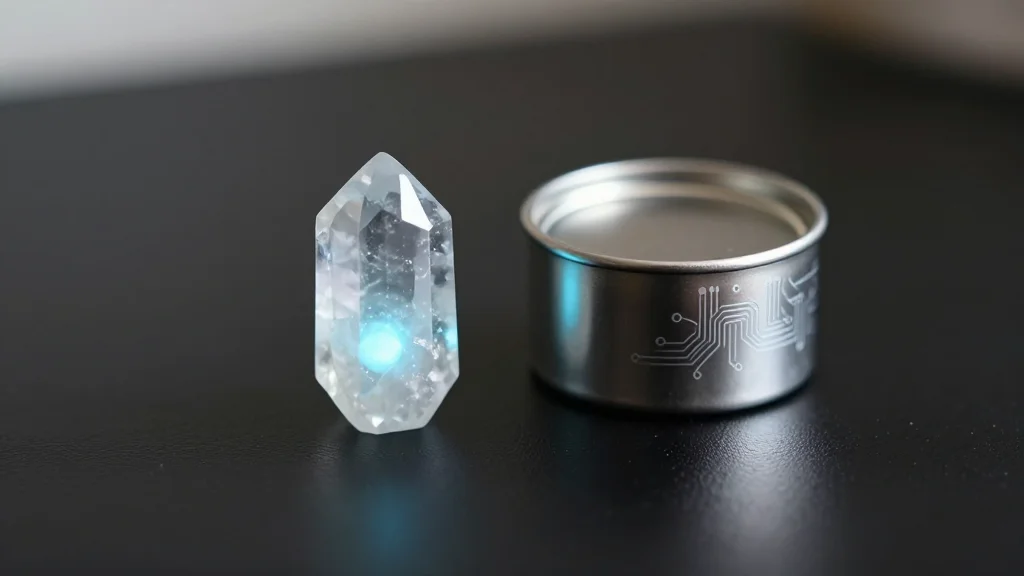
The Department of Energy announced that Pacific Northwest National Laboratory has built systems to turn commercially sourced isotopically enriched silicon and germanium into high‑purity silane (SiH₄) and germane (GeH₄) gases. These precursor gases are essential for quantum information science and...
Quantum Elements Reports Record Logical Qubit Fidelity in Nature Communications Study
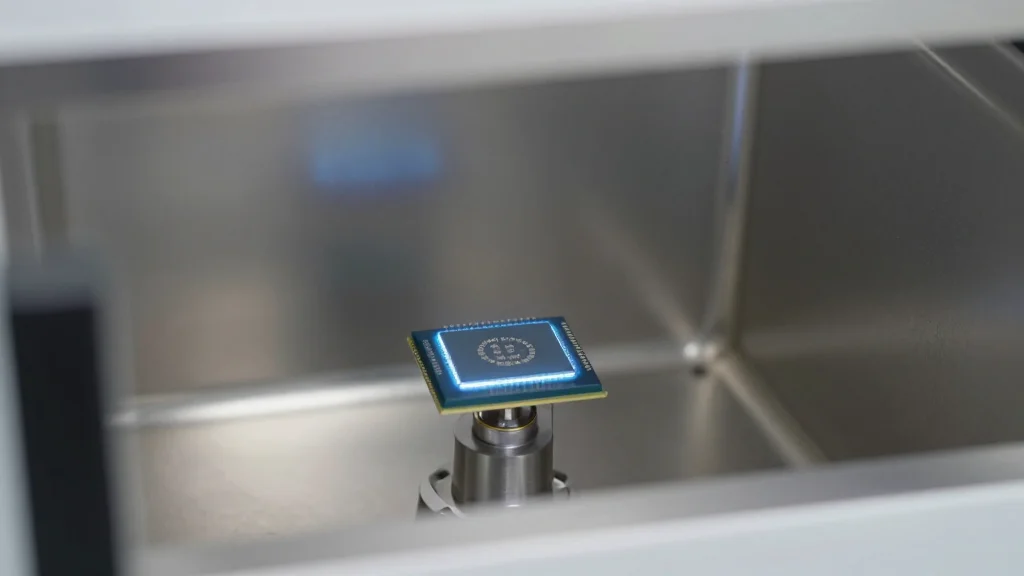
Quantum Elements, together with USC, IBM and RWTH Aachen, published a Nature Communications paper showing the highest‑fidelity entangled logical qubits on a 127‑qubit superconducting processor. By merging quantum error detection with a novel logical dynamical decoupling (LDD) technique, the team...

Keyfactor Advances Automation for Modern Digital Trust Environments
Keyfactor unveiled a suite of automation tools that modernize public key infrastructure, certificate lifecycle management, and digital signing. The enhancements address shrinking TLS certificate lifespans, tighter compliance mandates, and the emerging threat of quantum‑computing attacks. New hybrid cryptographic models let...
Origin Quantum Computing Achieves High-Accuracy Flux Crosstalk Compensation in Superconducting Qubits
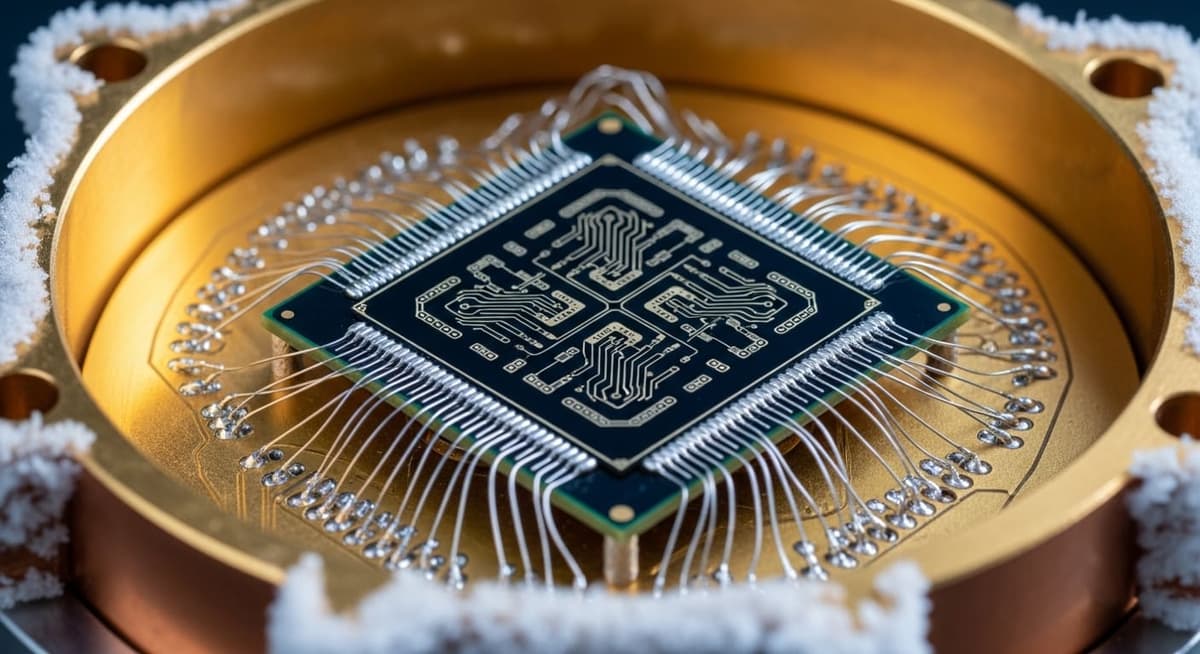
Origin Quantum Computing, in partnership with USTC, unveiled a spin‑echo‑based method that separates quantum and magnetic flux crosstalk in superconducting qubits. The technique, combined with a learning‑driven high‑parallelism measurement scheme, stabilizes frequency‑shift fluctuations to a 20 kHz noise floor. After compensation,...

Quantum Computing Redefines Problem Solving with Qubits
🚨 Quantum Computers Don’t Think Like Normal Computers 🚨 Quantum Computers Don’t Think Like Normal Computers Your laptop solves problems step by step using bits: 0 or 1. Quantum computers change the rules. Instead of bits, they use qubits — which can be 0 and...
Fireside Chat with dMY Squared Technology Chairman, Horizon Quantum CEO & CFO, Mar 9 at 1:15PM ET
IPO Edge will host a 45‑minute fireside chat on March 9 featuring dMY Squared Technology Chairman Harry You and Horizon Quantum CEO Dr. Joe Fitzsimons. The session will detail the recently completed business combination that makes Horizon Quantum the first publicly...
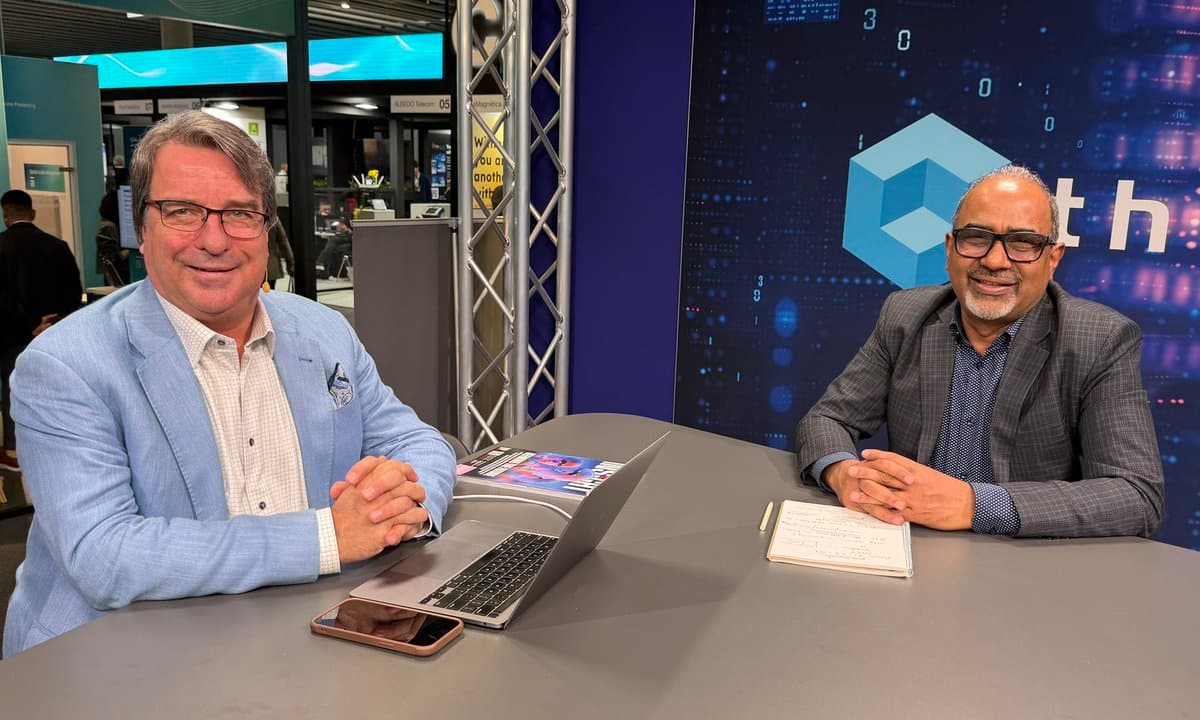
Telcos Must Fuse AI, 6G, Quantum to Win
Just finished my segment on @theCUBE from #MWC26, 5th year in a row. @furrier and I had a great discussion on what it takes for telcos to win this time, where AI, #6G and #QuantumComputing are going to converge in...