Today's Quantum Pulse
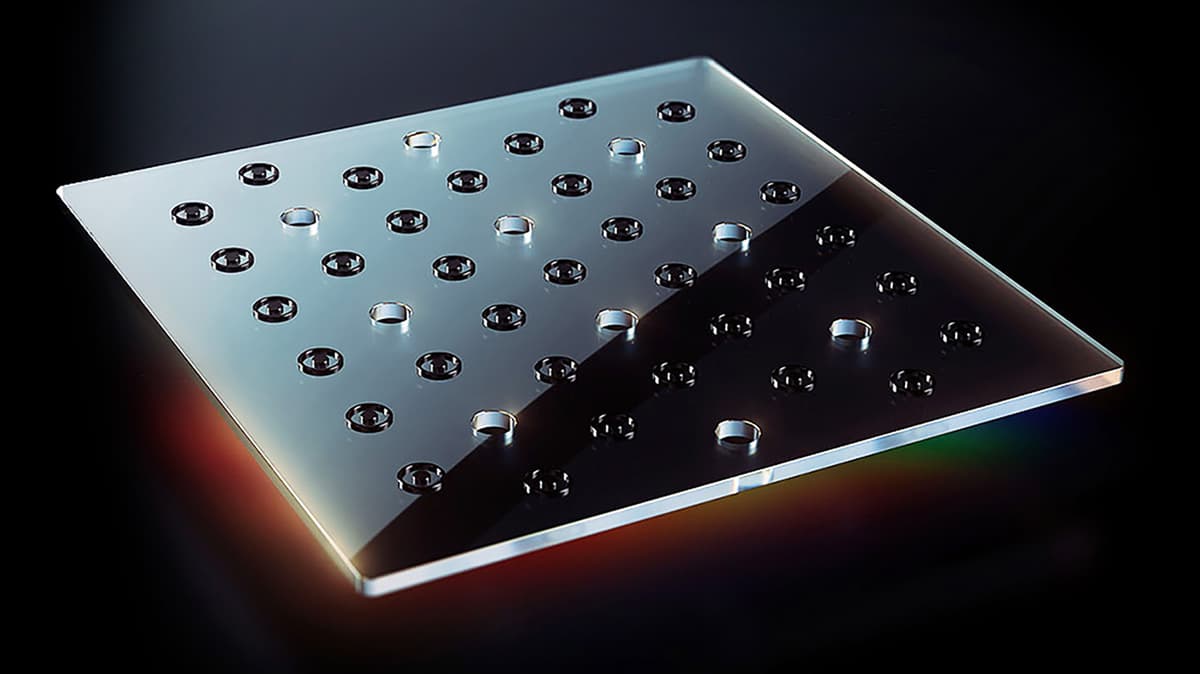
JPMorgan, OQC, and AMD team up on London quantum‑AI data center
Oxford Quantum Computing, JPMorgan Chase, and AMD announced a joint research effort to build a colocated quantum‑AI data center in London. The facility will combine OQC’s Genesis quantum processor with AMD’s AI and high‑performance computing hardware to tackle finance‑focused workloads such as portfolio optimization and quantum machine learning.
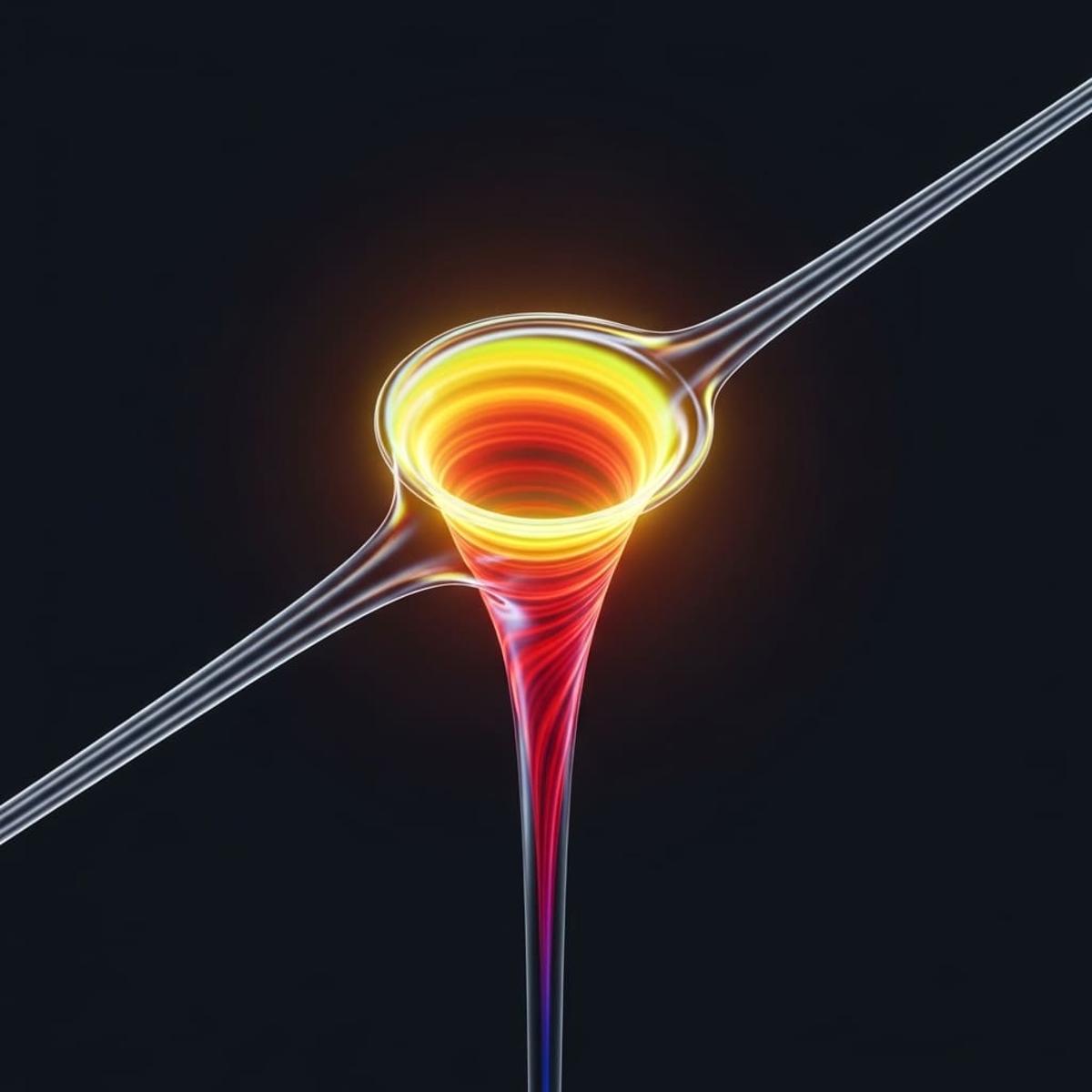
High-Q Resonators Achieve 10^7 Quality Factor with Optical Nanofiber Fabrication
Researchers at Waseda University and collaborators have demonstrated a single‑shot femtosecond laser ablation method that fabricates defect‑free optical nanofiber photonic crystal resonators with intrinsic quality factors exceeding 2.9 × 10⁷. The process uses a flame‑brush tapered nanofiber (500 nm diameter, 13 mm waist) and a frequency‑doubled 400 nm femtosecond laser to create precise Bragg gratings, minimizing refractive‑index discontinuities and optical loss. Measurements reveal thermo‑optic effects dominate the nonlinear response across pulse widths down to 147 ns, with a thermo‑optic cutoff frequency of 24 kHz, enabling rapid thermal tuning and low‑power optical switching. The high Q combined with a mode volume of ~10³ µm³ positions these resonators for quantum cavity QED nodes and integrated photonic networks.

Quobly Establishes Canadian Subsidiary to Accelerate Silicon Spin Qubit Industrialization
Quobly, the Grenoble‑based silicon quantum processor developer, has launched a subsidiary in Sherbrooke, Quebec to embed itself in the North American quantum ecosystem. The new hub will collaborate with DistriQ, C2MI and the Université de Sherbrooke to accelerate cryogenic electronics,...
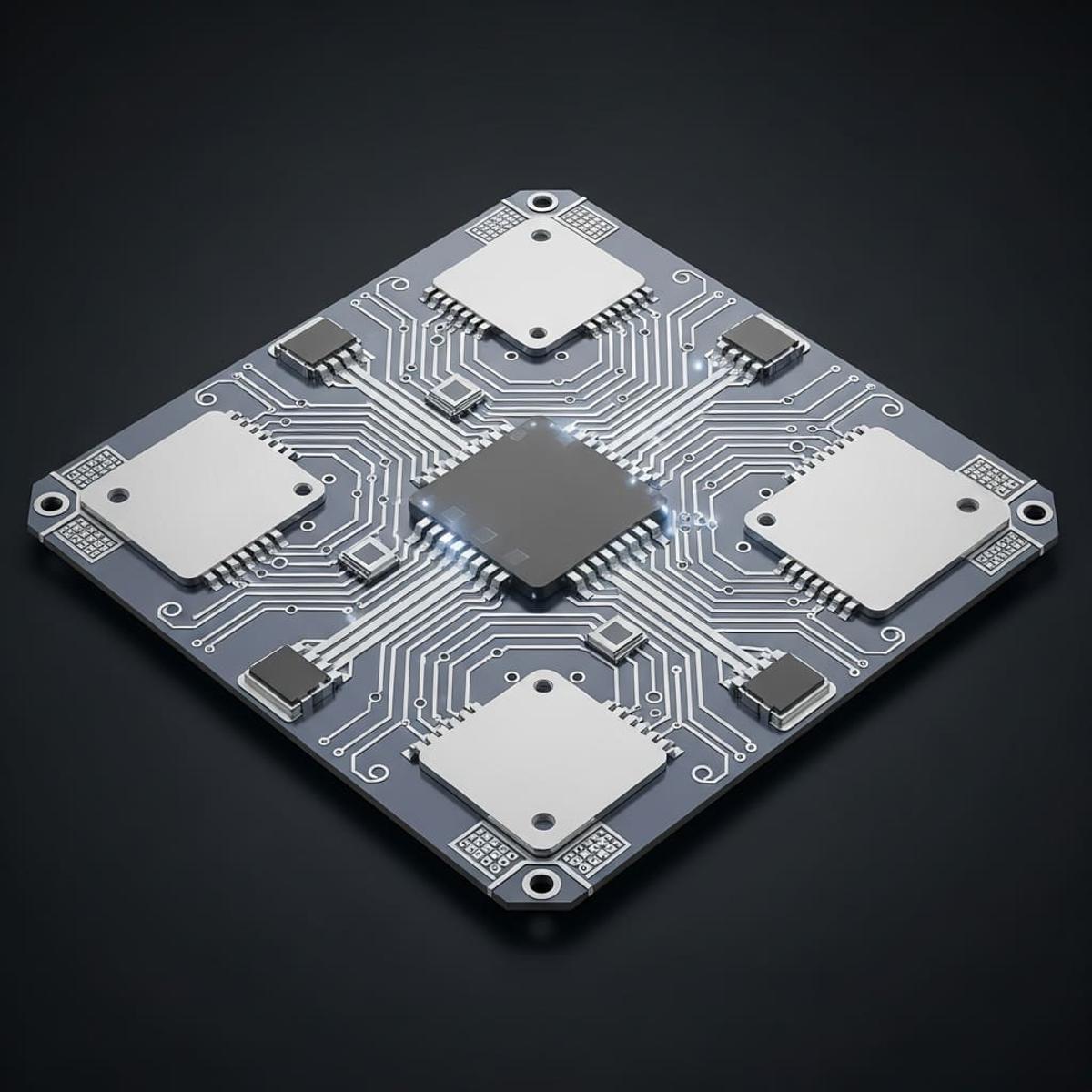
Flux-Tunable Transmon Achieves Robust Performance with 4hb-Tas Josephson Junctions
Researchers at Technion have demonstrated a flux‑tunable transmon qubit that incorporates a van‑der‑Waals 4Hb‑TaS₂ crystal via an Al/AlOₓ/4Hb‑TaS₂ Josephson junction. The hybrid fabrication process is fully compatible with conventional transmon manufacturing and yields coherent qubit operation inside a 3D cavity....
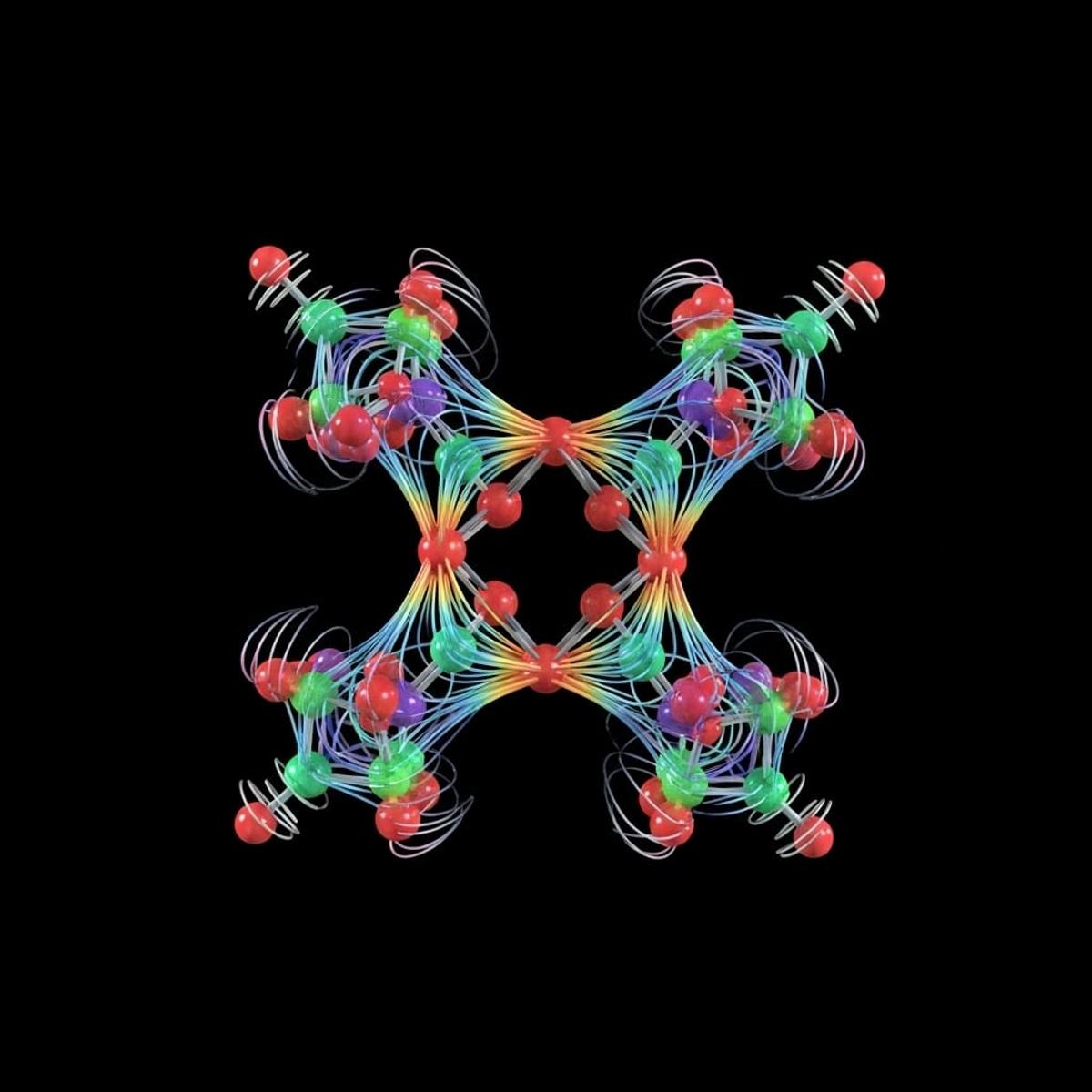
Heom-2dvs Achieves Accurate Simulation of Molecular Vibrations Beyond Thermal Excitation
Scientists at Kyoto University introduced HEOM‑2DVS, a computational framework that couples hierarchical equations of motion with two‑dimensional vibrational spectroscopy. The method rigorously treats non‑Markovian dynamics, energy relaxation, dephasing and quantum effects when vibrational energies exceed thermal levels. Implemented in C++,...

Hardy Paradox Advances Quantum Parameter Estimation with Post-Selection Efficiency Insights
A team of quantum physicists has leveraged Hardy’s paradox to create a post‑selected phase‑estimation protocol that dramatically improves measurement sensitivity. By engineering a contextuality‑violating state, they achieved a quantum Fisher information gain up to four times the standard limit. The...

WISeKey Advances Post-Quantum Space Security with 2026 Satellite PoCs
WISeKey International announced proof‑of‑concept testing of post‑quantum cryptography on satellites in late 2025, with a fully operational quantum‑resistant satellite slated for launch in the second quarter of 2026. The initiative combines hybrid Triple Key Encapsulation Mechanisms that blend PQC algorithms with...
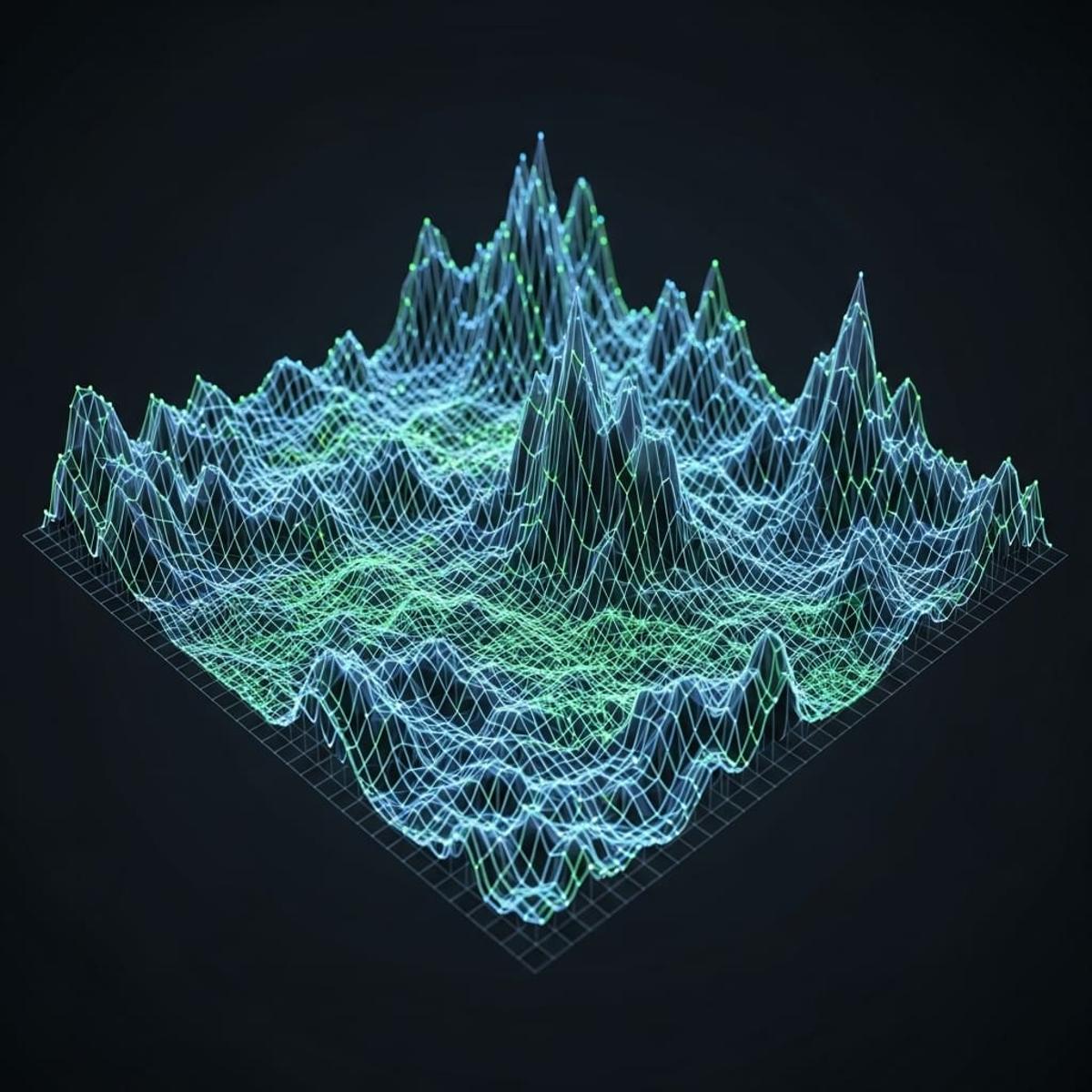
Mc+qubo Achieves Improved Reinforcement Learning with Quadratic Unconstrained Binary Optimisation
Researchers introduced MC+QUBO, a method that recasts Monte Carlo episode selection as a Quadratic Unconstrained Binary Optimisation problem and solves it with quantum‑inspired samplers. By using Simulated Quantum Annealing and Simulated Bifurcation, the approach filters trajectories to maximise reward and promote...
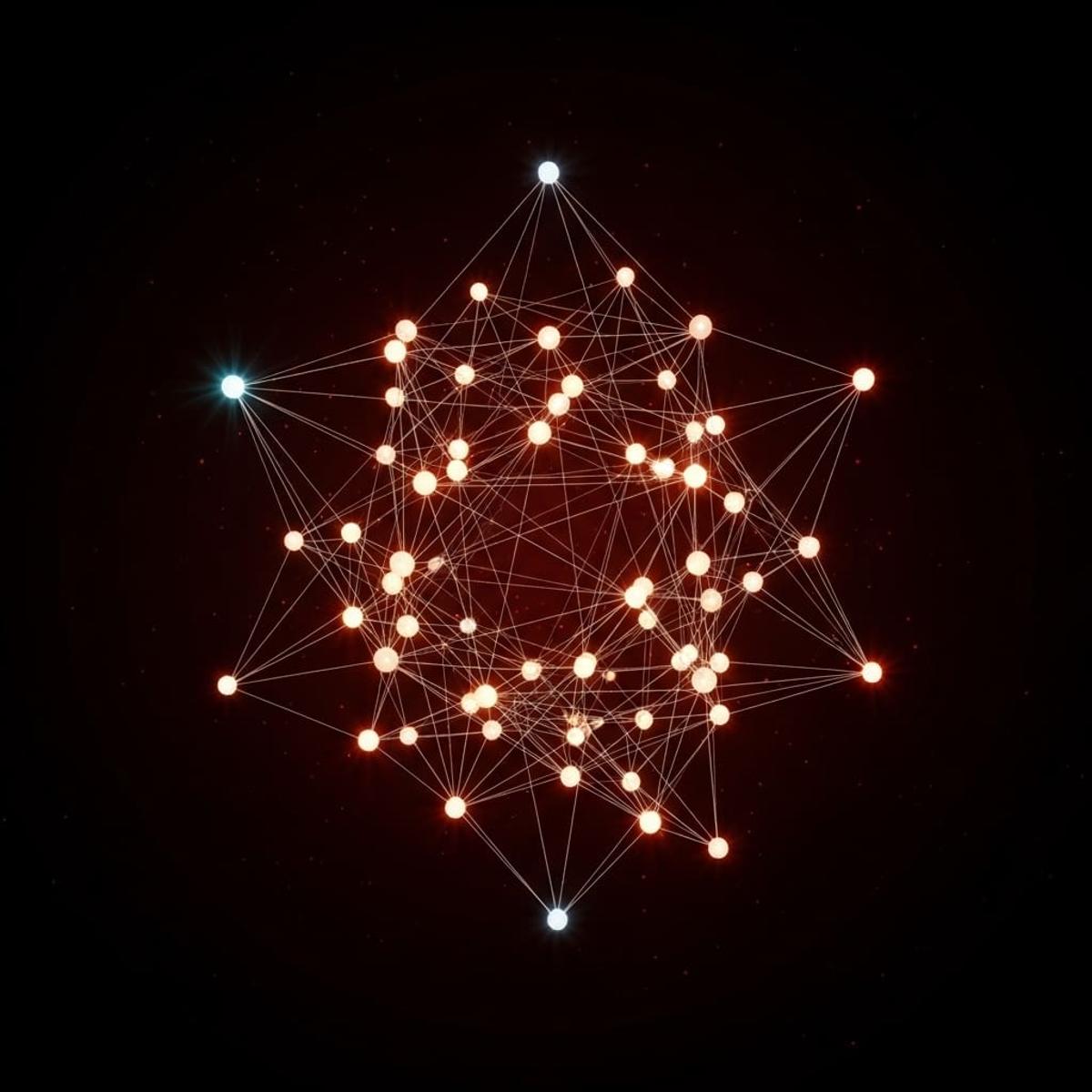
Exponential Speedup Achieved for Maximum Independent Set on Hard Instances
Researchers led by Vicky Choi introduced the Dic‑Dac‑Doa adiabatic quantum algorithm that solves maximum independent set (MIS) problems on specially crafted GIC graphs with exponential speedup over classical and existing quantum methods. The algorithm leverages a non‑stoquastic XX driver to...
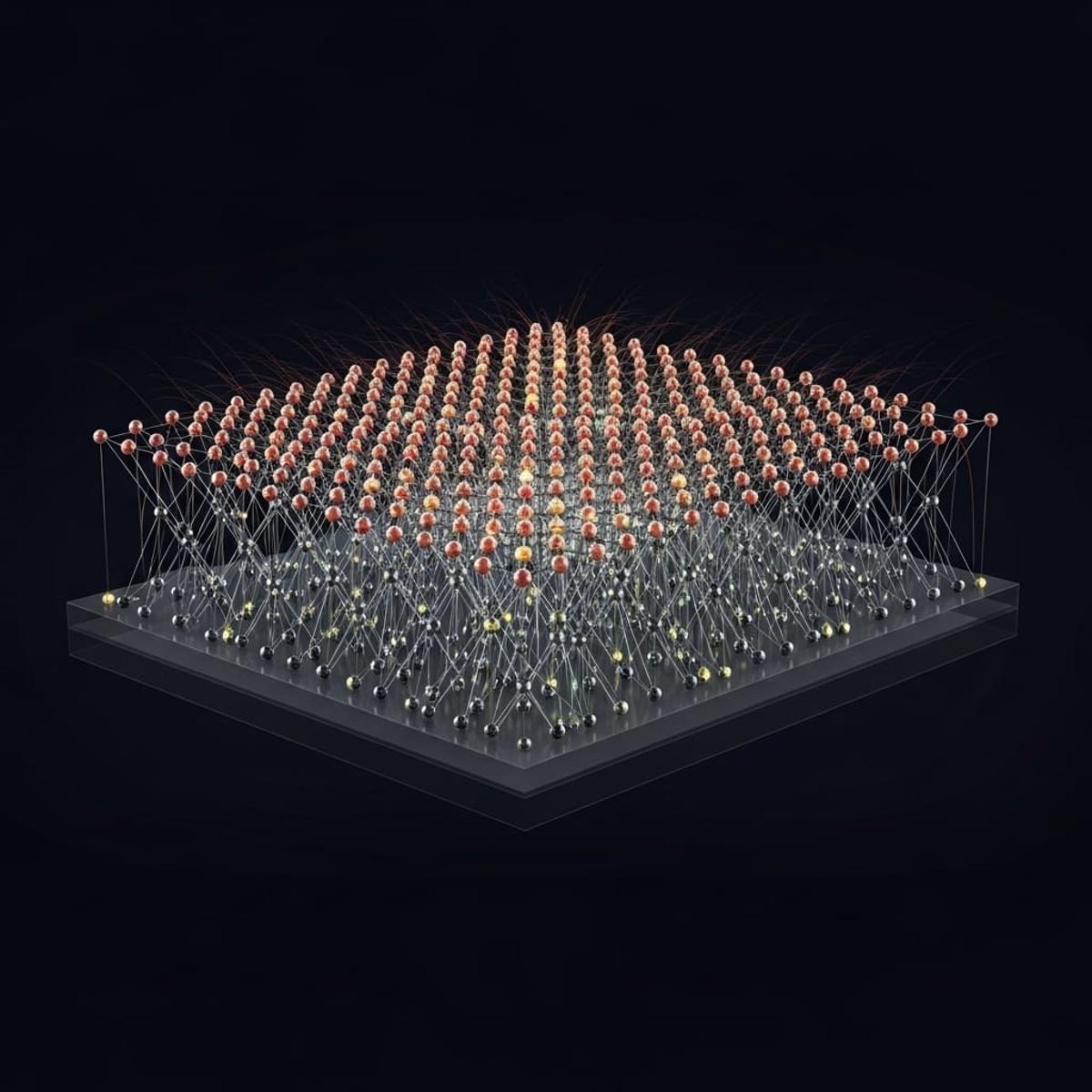
Silicon-On-Insulator Achieves Coupled Colour Centre Formation for Photon Sources
Researchers have demonstrated controlled formation of multiple colour centres—including T, W, G, and the newly observed CN—in silicon‑on‑insulator (SOI) platforms. By systematically varying carbon and hydrogen ion implantation, annealing temperature (200‑600 °C) and duration (30‑600 s), they identified optimal conditions such as...
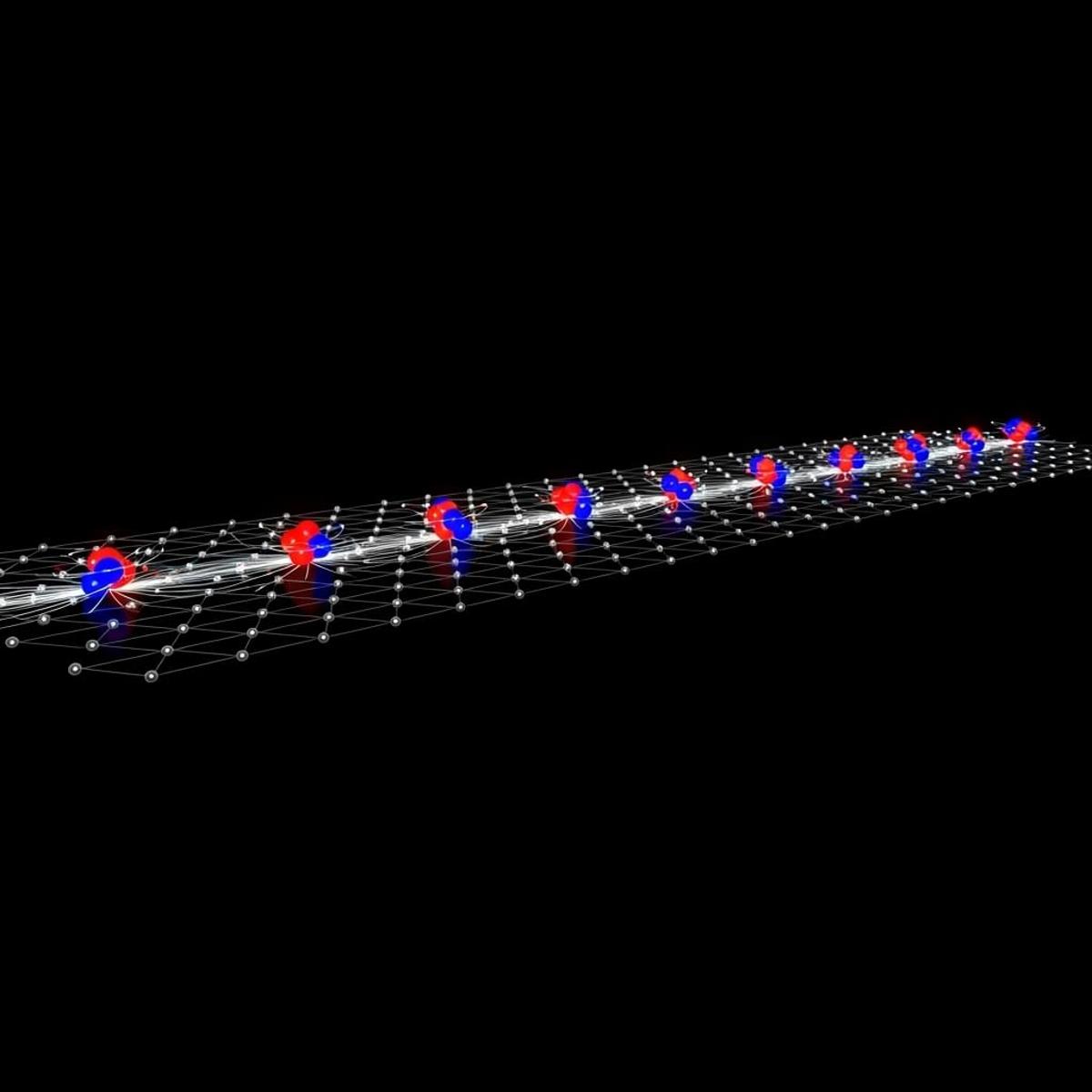
Floquet Engineering Achieves Control of Hubbard Excitons in Sr CuO
Scientists have used Floquet engineering with intense mid‑infrared pulses to coherently rotate the wavefunction of a Hubbard exciton in the one‑dimensional Mott insulator Sr₂CuO₃. Resonant third‑harmonic generation measurements show arbitrary rotation angles up to π/2 and the emergence of Floquet...
Nitral Superconducting Density of States Advances Cosmic Radiation Device Quality
Researchers used scanning tunneling microscopy to map the superconducting density of states in nitridized‑aluminum (NitrAl) thin films. The study found a clean, near‑zero in‑gap density, a gap centered at ~360 µeV—larger than pure Al—and only ~10 % nanometer‑scale variation across the film....

ML-Kem-Based IPsec Advances 5G O-Ran Security Via E2 Interface Evaluation
Researchers experimentally validated post‑quantum cryptography on the 5G O‑RAN E2 interface using ML‑KEM (CRYSTALS‑Kyber) within IPsec. Their open‑source testbed compared baseline, traditional ECDH, and ML‑KEM IPsec configurations, measuring tunnel‑setup latency and xApp behavior. Results show only a 3–5 ms overhead for...
Vmc with PEPS Advances 2D System Ground State Calculations
A team led by Tao Chen introduced a Variational Monte Carlo method that integrates row‑update Projected Entangled‑Pair States (PEPS) with autoregressive row‑wise sampling. The technique replaces local Metropolis moves with collective row updates, dramatically cutting autocorrelation times and mitigating critical...

Atomic Layer Processing for Silicon Carbide-Based Quantum Photonic Circuits
Atomic‑layer etching (ALE) is being applied to silicon carbide (SiC) photonic components, dramatically reducing surface roughness and optical losses in waveguides and ring resonators. The ALP‑4‑SiC project, a collaboration between the Max Planck Institute for the Science of Light and Fraunhofer...

Quantum Software Alliance Highlights Software’s Role in Computing
At the rump session of #QIP2026, @ElhamKashefi announced the #QuantumSoftwareAlliance, stressing the importance of research and development of quantum algorithms and software, concomitant with quantum hardware development. A quantum computer needs both hardware and software. This is just a cute...

Access Small-Scale Quantum Tanner Codes with Good Parameters
if you want to play with smallist quantum Tanner codes, here is a bunch of codes with fairly good parameters.

Mixed Precision Advances Variational Monte Carlo with 64-Bit Error Bounds
A new study demonstrates that mixed‑precision arithmetic can be safely applied to neural‑network Variational Monte Carlo (VMC), establishing analytical error bounds for reduced‑precision Metropolis‑Hastings sampling. The authors show that the sampling step can often run in half precision without degrading...
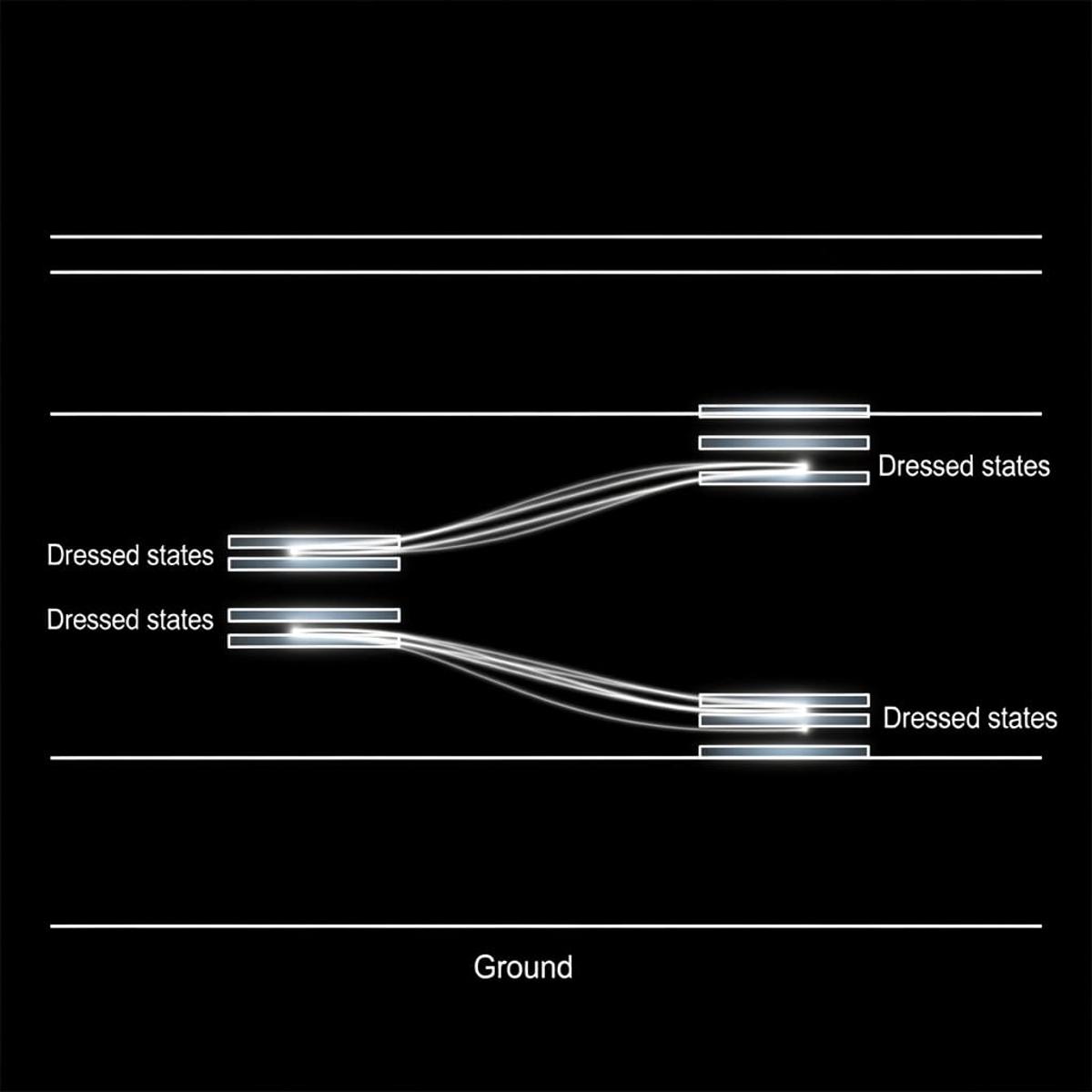
Secondary Autler-Townes Splitting Achieved Via Four-Level Quantum Frequency Mixing
Researchers at Chongqing University demonstrated secondary Autler‑Townes splitting in a ladder four‑level atomic system using quantum frequency mixing and dual‑Floquet driving. By introducing a strong local‑oscillator field they created dressed states whose interference can be controlled via Floquet‑channel and loop...
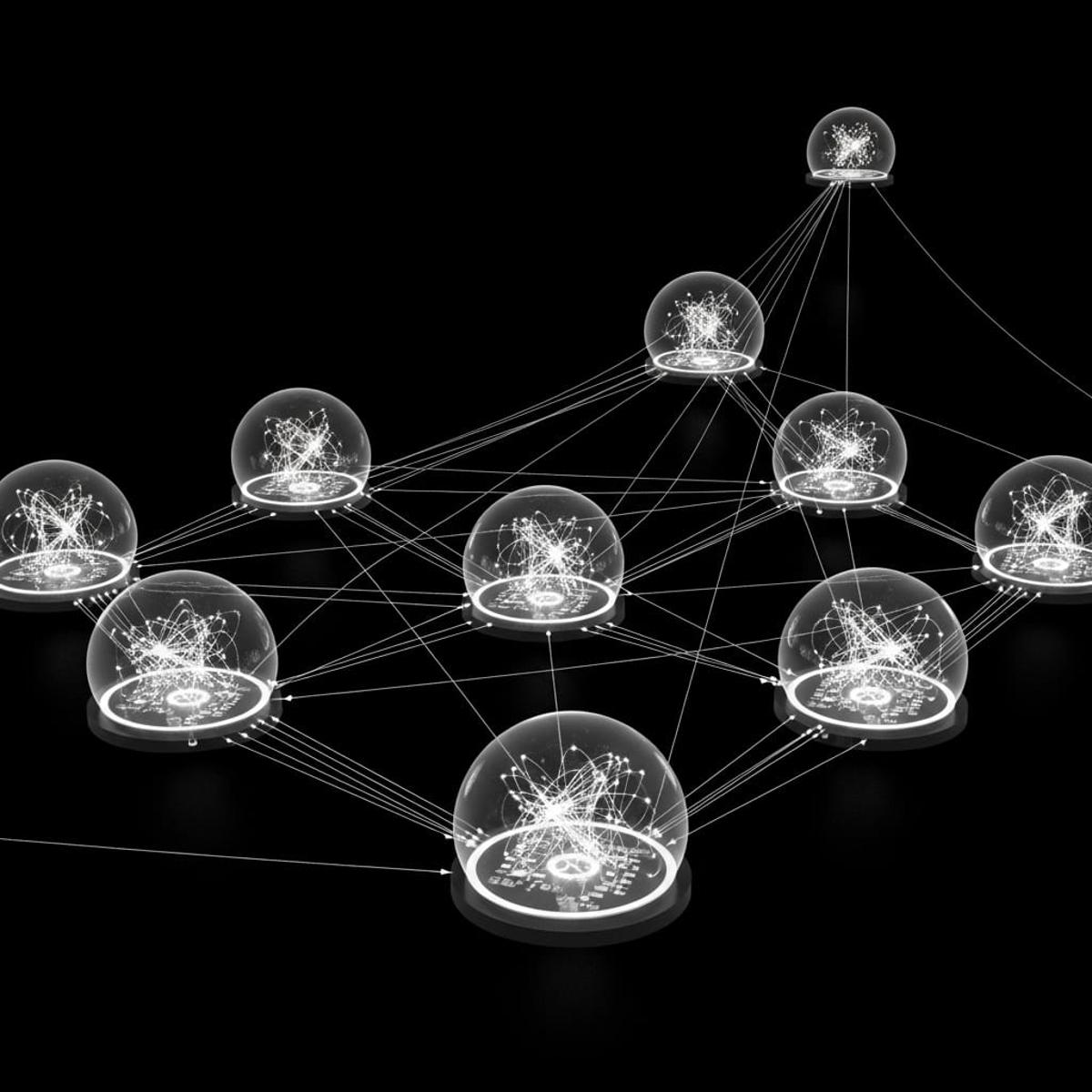
Scalable Multi-Qpu Design Achieves Logarithmic Communication for Dicke State Preparation
Researchers introduced a scalable multi‑QPU circuit that prepares Dicke states with logarithmic communication complexity. The construction prepares a 16‑qubit, 4‑excitation Dicke state while keeping circuit size O(nk) and depth O(p²k + logk log(n/k)). For two QPUs the method meets a proven...

Quantum Optics Advances Nonclassical States & Correlations for Information Technology
Researchers from Universidad de Antioquia and TU Wien released comprehensive lecture notes on quantum optics, focusing on nonclassical states of light and their quantum correlations. The material systematically derives the quantisation of the electromagnetic field and examines thermal, coherent, and...
Advances to Gilbert-Varshamov Bound Enable Improved Linear and Quantum Codes
Researchers Chen Yuan and Ruiqi Zhu at Shanghai Jiao Tong University introduced a concise probabilistic technique that tightens the classical Gilbert‑Varshamov bound for q‑ary linear codes. Their analysis yields a multiplicative Ω(√n) improvement over the standard bound and simplifies earlier,...

Contextuality Achieves Irreducible Cost in Classical Representations of Information-Theoretic Systems
Researchers led by Song‑Ju Kim have shown that contextuality creates an unavoidable information cost for any classical probabilistic model trying to reproduce quantum‑like statistics. By enforcing a single‑state semantic constraint (I(S;C)=0), they prove that classical simulations must either embed contextual...

Stanford Researchers Develop Cavity-Array Microscope for Parallel Atom-Array Interfacing
Stanford physicists Jon Simon and Adam Shaw unveiled a cavity‑array microscope that reads out individual neutral‑atom qubits in parallel. The macro‑scale resonator, equipped with a microlens array, creates over 40 tightly focused optical modes, each strongly coupled to a single...

Numana Commissions Kirq Quantum Communication Testbed in Quebec City
Numana has commissioned the third Kirq quantum communication testbed site in Quebec City, completing a regional loop that also includes Montreal and Sherbrooke. The facility, hosted at the Centre for Optics, Photonics and Lasers (COPL‑ULaval) and the National Optics Institute...

Nanosculpting Quantum Materials
Researchers at TU Wien have unveiled a refined focused ion milling method that can sculpt three‑dimensional chiral nanostructures directly from single‑crystal quantum materials. The technique achieves sub‑10 nm feature sizes while preserving the crystal lattice and intrinsic quantum properties. Results, published...
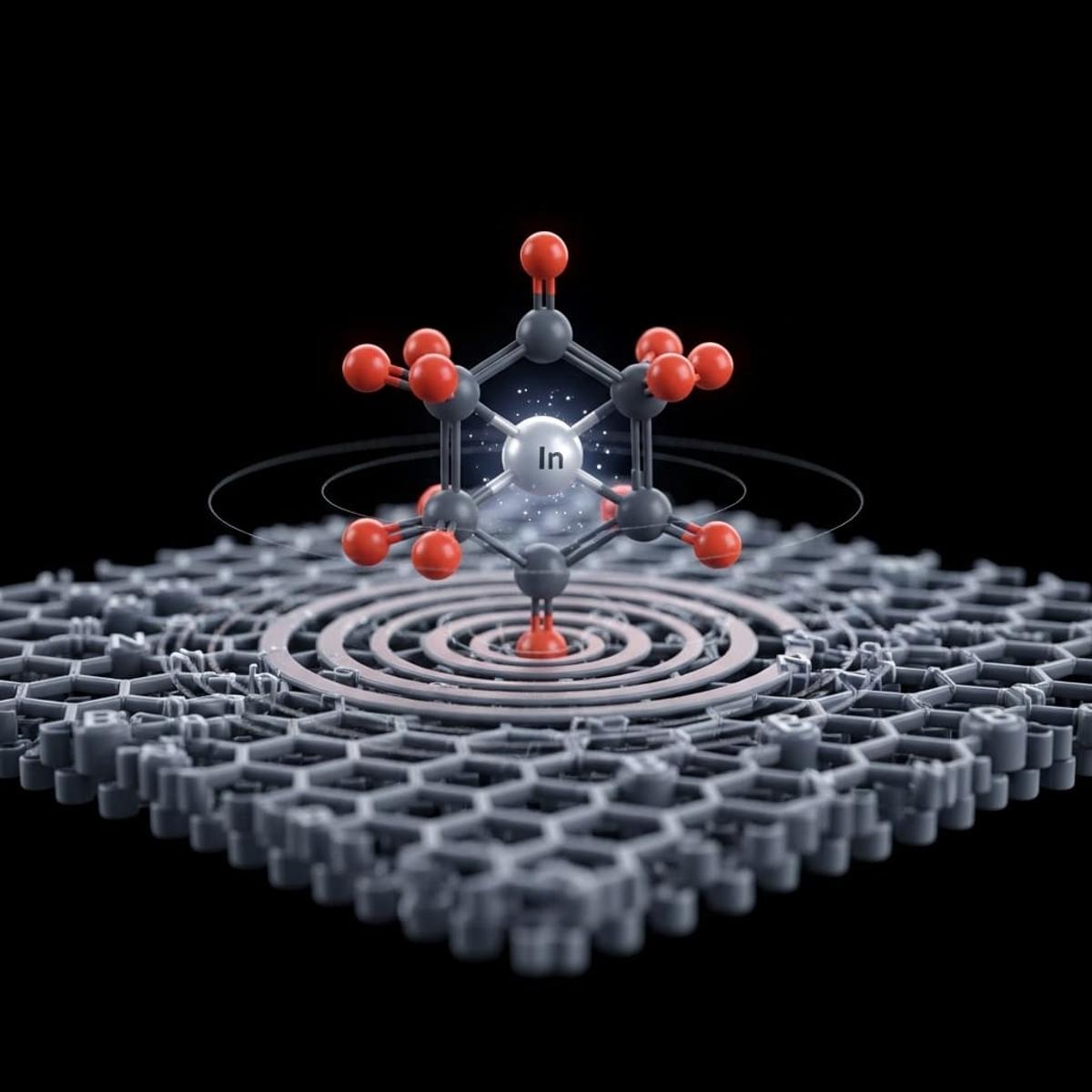
S Coherence Achieved in Surface-Scaffolded Molecular Qubit Via hBN Stabilisation
Scientists at the University of Chicago and Northwestern University have created a surface‑scaffolded molecular qubit by placing deuterated pentacene molecules on hexagonal boron nitride (hBN). The platform achieves a record‑breaking 214 µs coherence time under dynamical decoupling, surpassing shallow nitrogen‑vacancy (NV)...

Echo Cross Resonance Gate Error Budgeting Achieves 3.7x Performance Improvement
Researchers at OQC introduced an error‑budgeting procedure for the native echo cross‑resonance (ECR) two‑qubit gate on the Toshiko gen‑1 superconducting processor. By pinpointing incoherent decay, control‑qubit leakage, and coherent ZZ interactions, they applied pulse‑shaping and compensating rotations that require no...

Quantum Machine Learning Achieves 86.4% Accuracy Detecting Leukemia with 50 Samples
Researchers applied quantum machine‑learning techniques to detect acute myeloid leukemia from microscopic blood‑cell images. Using a reduced 20‑dimensional feature set and only 50 training samples per class, the equilibrium propagation (EP) model achieved 86.4% accuracy, while a 4‑qubit variational quantum...

China’s Micius Satellite Operational Status: What Have You Done Lately?
The Chinese Micius satellite, launched in 2016 for the QUESS quantum‑experiments program, was designed for a two‑year mission but remains operational in 2025. It continues to host quantum key distribution and entanglement experiments, proving the durability of space‑based quantum hardware....

Quantum-Ready Security Drives Keyfactor to 2025 Inc. 5000 List
Keyfactor earned a spot on the 2025 Inc. 5000 list for the sixth year in a row, driven by surging demand for quantum‑ready security solutions. The Cleveland‑based firm launched the AI‑powered Keyfactor Command MCP Server to streamline PKI and certificate...

Quantum Cybersecurity Policy: ITI’s Guide for Secure Innovation
On World Quantum Day 2025 the Information Technology Industry Council (ITI) published a Quantum Technology Policy Guide that frames quantum cybersecurity as a dual‑track challenge. The guide urges immediate deployment of post‑quantum cryptography (PQC) while promoting quantum communications such as...
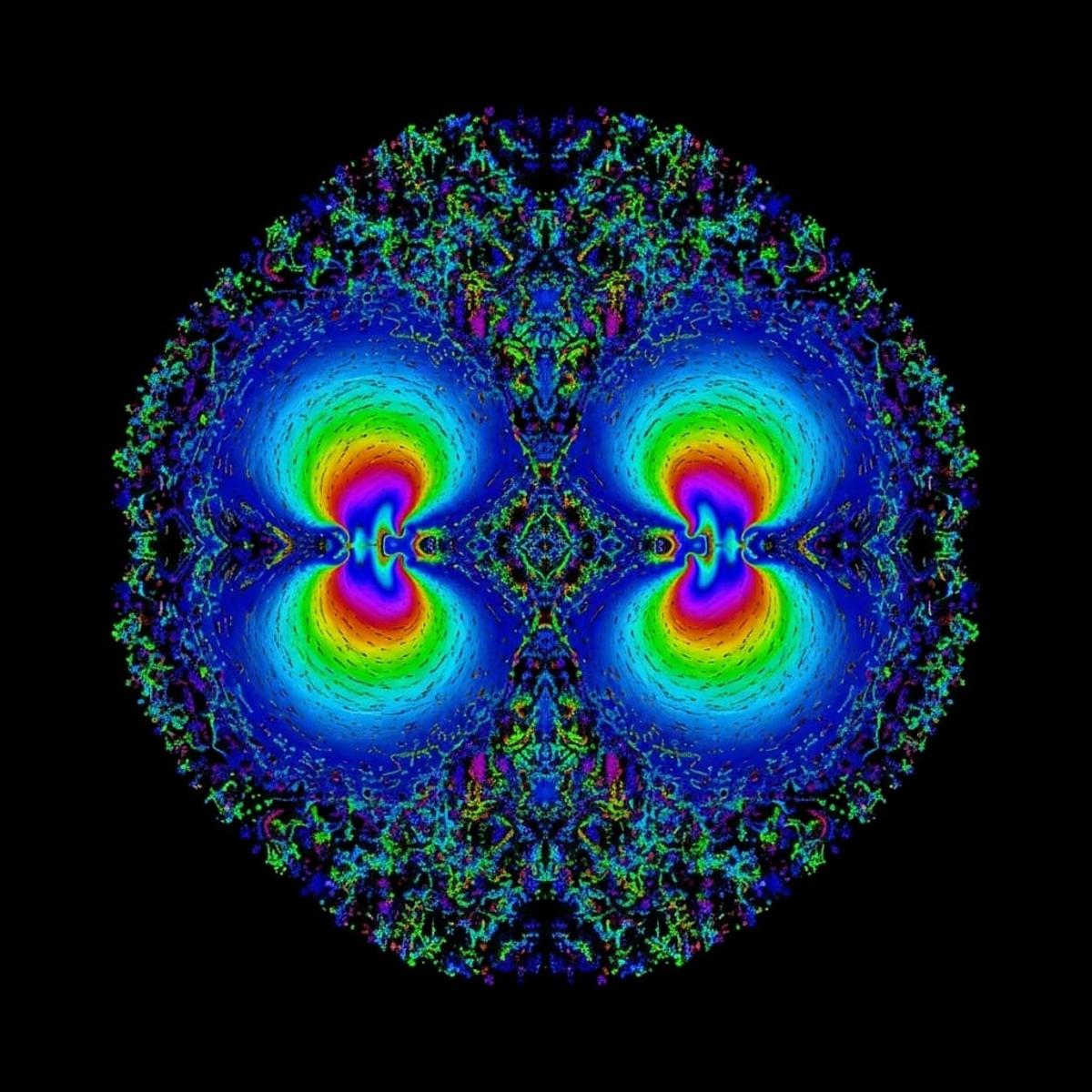
Two-Particle Reduced Density Matrix Achieves Unbiased Superconducting State Identification
Scientists at the Max Planck Institute introduced an unbiased framework using the two‑particle reduced density matrix (2RDM) to identify superconducting states. By projecting the 2RDM onto symmetry irreducible representations, the method applies the Penrose‑Onsager criterion to determine condensate fraction and...
Dynamical Sweet Spots Achieve 3-5x Coherence Enhancement in Superconducting Qubits
Scientists at the University of Electronic Science and Technology of China introduced a fully parameterized, multi‑objective periodic‑flux‑modulation framework that creates dynamical sweet spots (DSS) for superconducting fluxonium qubits. The approach simultaneously optimizes energy‑relaxation (T₁) and pure‑dephasing (T_φ), delivering a 3‑5×...

Dqas Achieves Robust Quantum Computer Vision Against Adversarial Attacks and Noise
Researchers from Fordham and Zhejiang Universities introduced a Differentiable Architecture Search framework that couples a lightweight Classical Noise Layer with quantum circuit design. The hybrid approach jointly optimizes gate selection and noise parameters using gradient descent, delivering higher clean and...
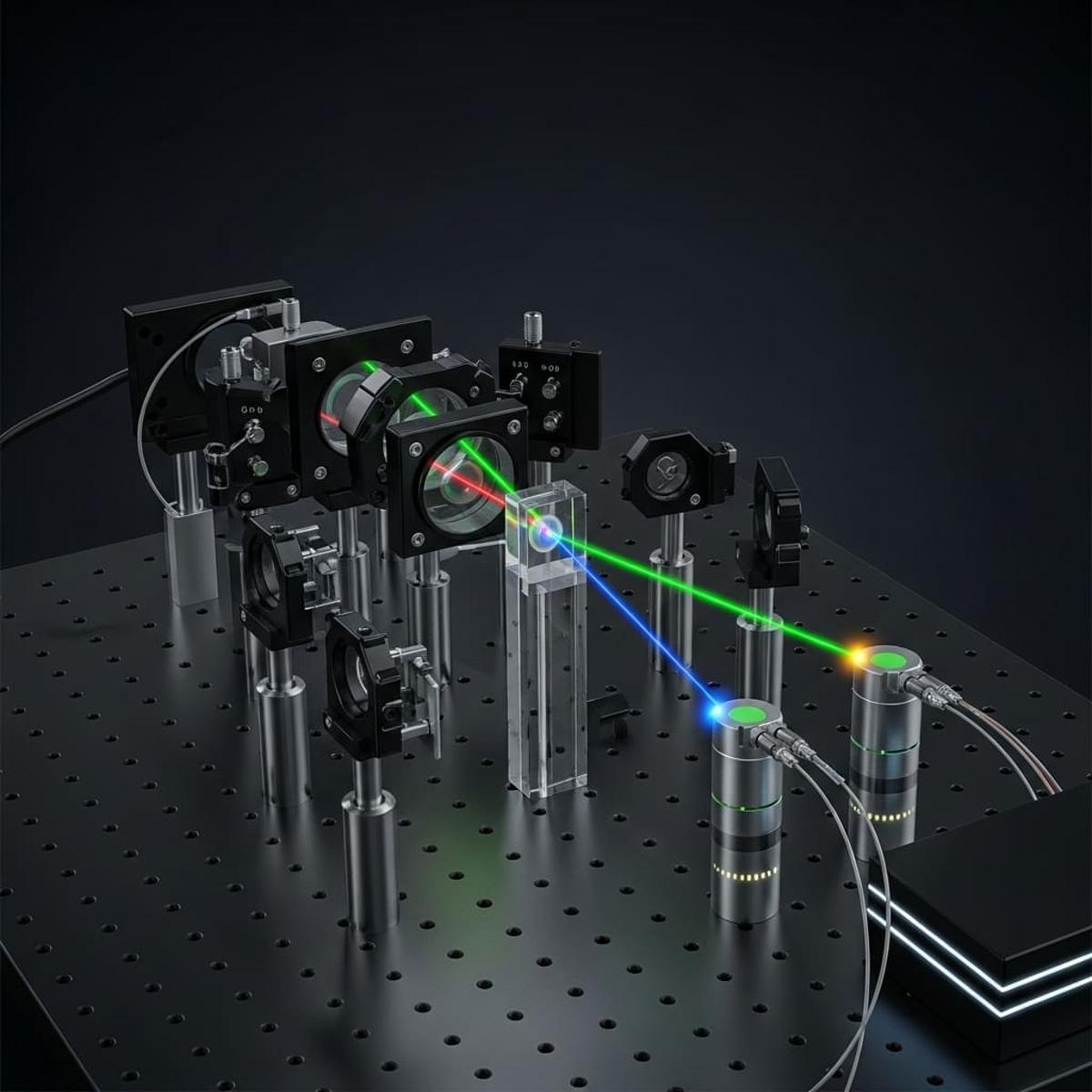
Advances Quantum State Discrimination, Beating Helstrom Limit with Novel Measurements
Researchers at Harish‑Chandra Research Institute have shown that quantum state discrimination can surpass the Helstrom limit by employing non‑positive operator‑valued measurements (non‑POVMs). Their method does not require pre‑shared entanglement between the system and an auxiliary, overturning a long‑standing assumption in...
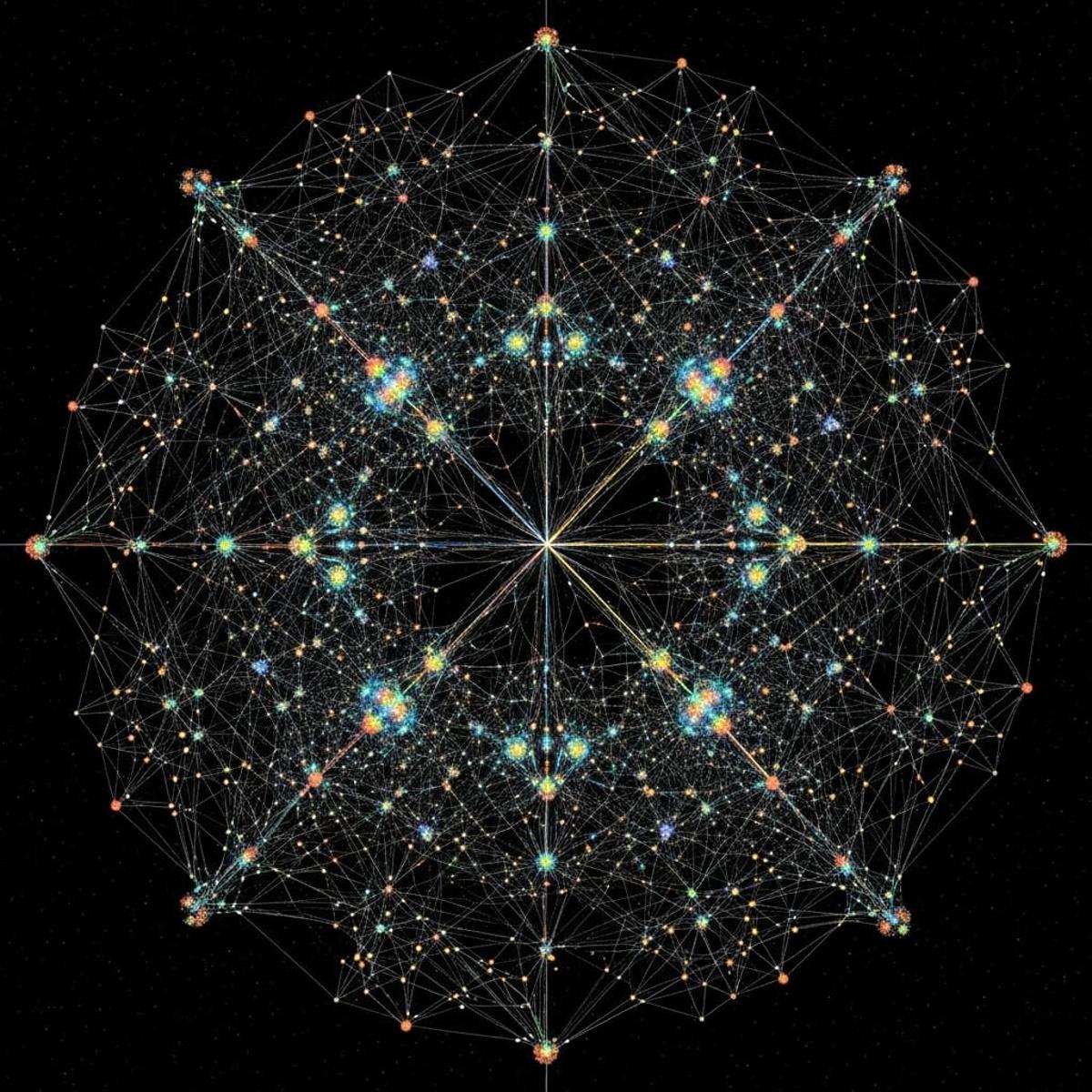
Symmetric Quantum States Achieved Via Complete Graphs and Odd 3-Qudit Systems
Researchers have proved that a graph state is fully symmetric under particle permutations if and only if the underlying graph is complete. They also show that standard undirected graph‑state constructions cannot produce fully antisymmetric states. By replacing the CZ gate...

SpinQ Highlights Quantum Computing as Key to Future STEM Education
SpinQ is launching affordable, portable quantum computers for STEM classrooms, aiming to embed hands‑on quantum learning by 2026. Its Gemini series, built on miniaturized NMR technology, offers 2‑plus qubits at a fraction of traditional system costs, accompanied by the SpinQit...

Unisys 2026 Study: Quantum Annealing Tackles Complex Vehicle Routing Problems
Unisys published a peer‑reviewed study in AIP Advances showing that quantum annealing can effectively address the Capacitated Vehicle Routing Problem (CVRP), a core logistics challenge. The research evaluates commercial quantum annealers across varying problem sizes and constraint densities, demonstrating cost‑reducing...

National Quantum Initiative Crucial for R&D Leadership
NVIDIA is lobbying Congress to reauthorize the 2018 National Quantum Initiative (NQI) to keep the United States at the forefront of quantum research. The company highlights the emerging convergence of AI, high‑performance computing, and quantum processors as a catalyst for...

Physics-Informed Hybrid Dispatching Achieves Scalable Renewable Power System Optimisation
Scientists introduced Physics‑Informed Hybrid Quantum‑Classical Dispatching (PI‑HQCD), a framework that embeds power‑flow equations, storage dynamics, and network topology directly into a quantum optimisation routine. By integrating these physical constraints, the method avoids barren‑plateau issues and scales to larger grid models....

Security Proofs Advance Quantum Key Distribution with Asymmetric Failure Detection
Researchers from the University of Waterloo and NUS uncovered a critical flaw in existing Quantum Key Distribution (QKD) security proofs: they assume perfectly reliable authentication. They introduced a reduction theorem that shows protocols proven secure under ideal authentication remain secure...

Improved Two-Way Cv-Qkd Achieves Secure Key Generation with Continuous-Mode Analysis
Researchers present an improved two‑way continuous‑variable quantum key distribution (CV‑QKD) protocol that explicitly models continuous‑mode optical fields and incorporates finite‑size security analysis. By decomposing signals into temporal modes and applying adaptive shot‑noise normalization, the scheme achieves tighter secret‑key rate estimates....

Quantum Key Exchange Achieves Security Via Unsolvable Mihailova Subgroup Problem
Researchers at Shenzhen University have unveiled a quantum‑safe key‑exchange protocol that modifies the Anshel‑Anshel‑Goldfeld (AAG) scheme by drawing private keys from Mihailova subgroups of braid groups. The security hinges on the unsolvable membership problem for these subgroups, making the protocol...

Blockchain Prototype Achieves Quantum-Secure Signatures with Crystals-Dilithium, Falcon and Hawk
Researchers unveiled a functional blockchain prototype that can interchangeably employ three lattice‑based post‑quantum signature schemes—CRYSTALS‑Dilithium, Falcon and Hawk. The single‑node system decouples application logic from the cryptographic layer, allowing seamless algorithm swaps without altering core code. Comprehensive testing measured key...

Quantum Computing Advances Cryptographic Algorithms for Data Security , a Doctoral Guide
The new doctoral guide by Darlan Noetzold, Valderi Reis Quietinho Leithardt and co‑authors delivers a comprehensive overview of post‑quantum cryptography, mapping lattice, code, hash‑based, multivariate and isogeny schemes while dissecting the NIST standardisation process. It details the practical hurdles of...

Autonomous Quantum Error Correction Achieves Passive Stability in Two Dimensions
Researchers at the Max Planck Institute have demonstrated autonomous quantum error correction in two spatial dimensions using a quantum cellular automaton. The scheme operates via a time‑independent, translation‑invariant Lindbladian, establishing a noise threshold below which logical errors decay as the...
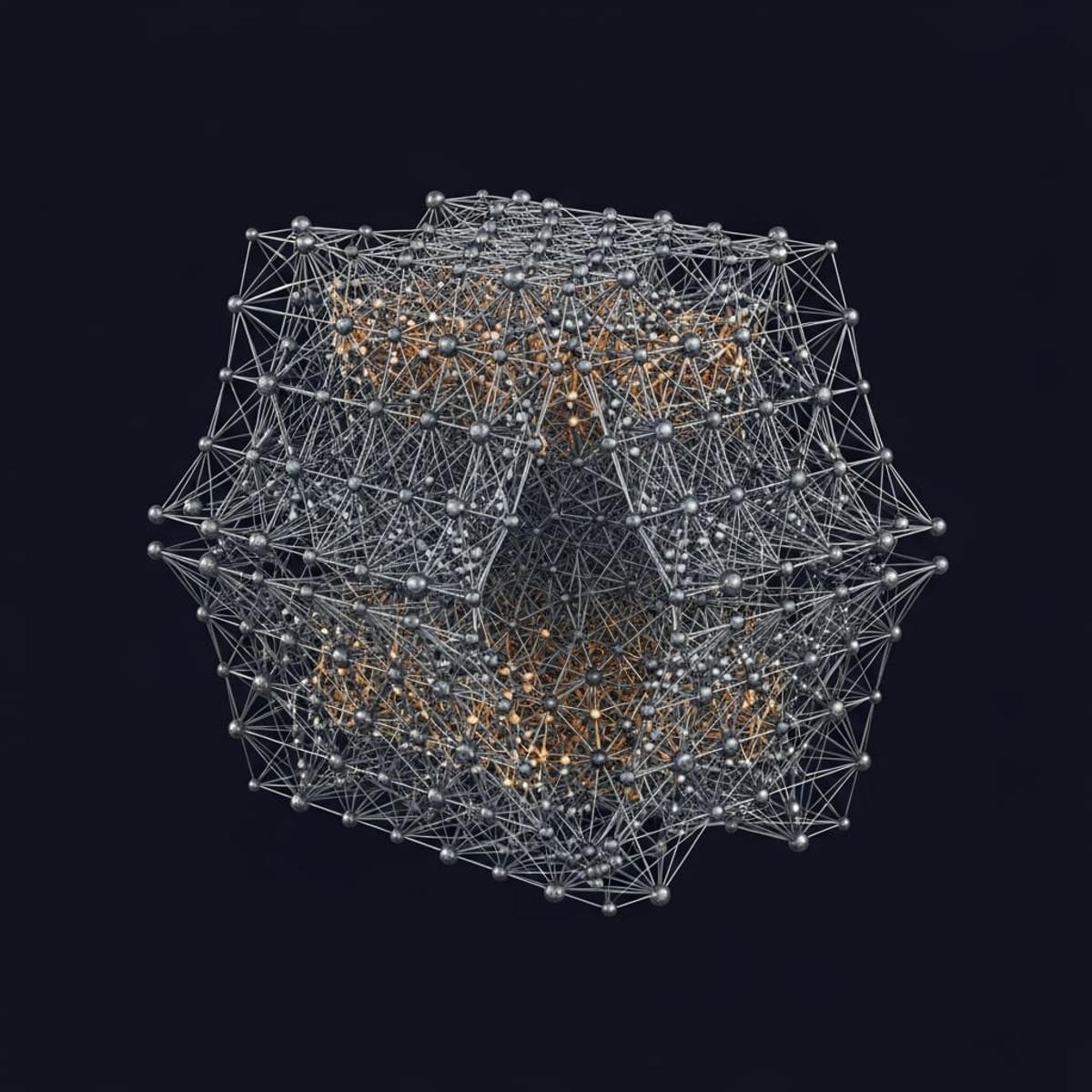
Folded Surface Code Architecture Achieves Constant Time Logical CNOT Gates
Oxford researchers Zhu Sun and Zhenyu Cai unveil a folded surface‑code architecture that uses short‑range qubit shuttling to create effective three‑dimensional connectivity on conventional two‑dimensional hardware. The design implements logical Clifford gates and CNOT operations in constant time, eliminating the...
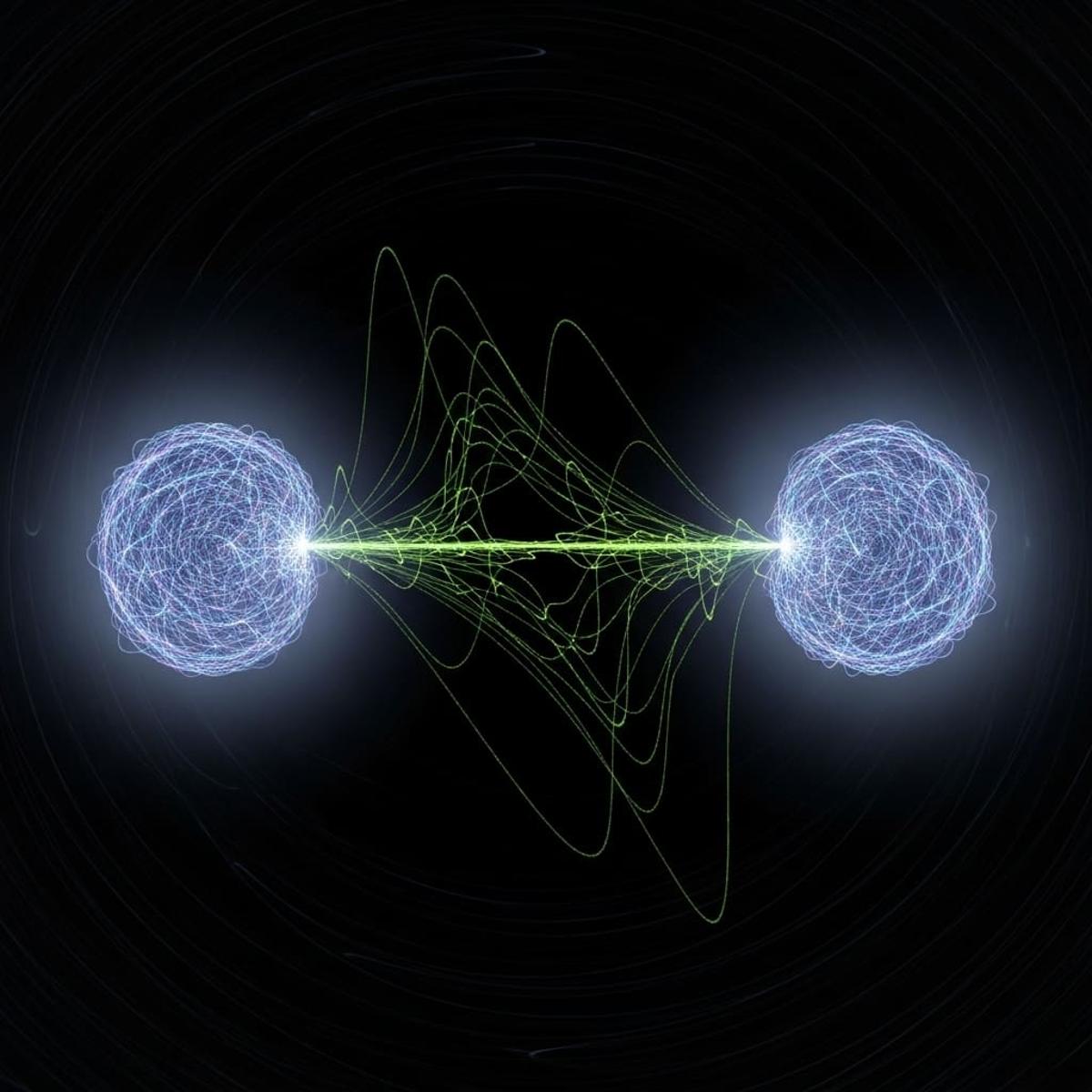
Quantum Energy Teleportation Achieves Scalable, Long-Range Transfer in Gapped Systems
A team of researchers has demonstrated a scalable quantum energy teleportation (QET) protocol that activates local vacuum energy over arbitrary distances. By introducing a hierarchical repeater architecture in the one‑dimensional anisotropic XY model, they shift resource scaling from exponential to...
Quantum Phase Transitions in 4-Spin Systems Achieved Via Variational and Hardware Approaches
Researchers led by Rudraksh Sharma present a comparative study of quantum phase transitions in a four‑spin transverse‑field Ising model, using exact diagonalisation, a shallow variational quantum eigensolver (VQE), and execution on real noisy‑intermediate‑scale quantum (NISQ) hardware. The VQE reproduces ground‑state...
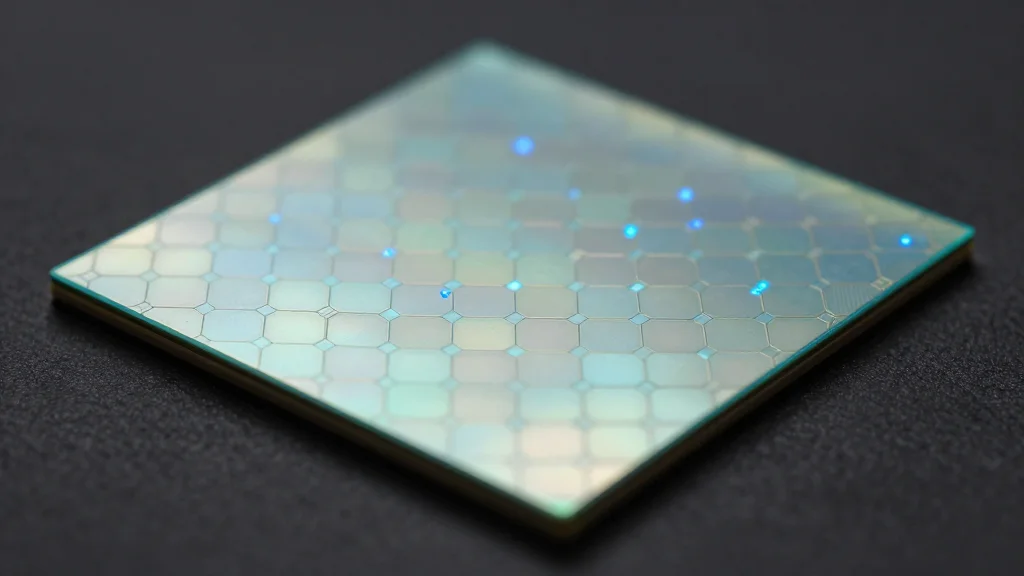
Archer Materials Advances Graphene and Carbon Quantum Technologies
Archer Materials announced significant progress in its graphene‑based quantum computing program during the December 2025 quarter, including on‑chip electrical detection of spin states and precise gating of carbon films. The company recorded room‑temperature electron spin lifetimes exceeding 0.4 µs and demonstrated wafer‑scale...