Today's Quantum Pulse
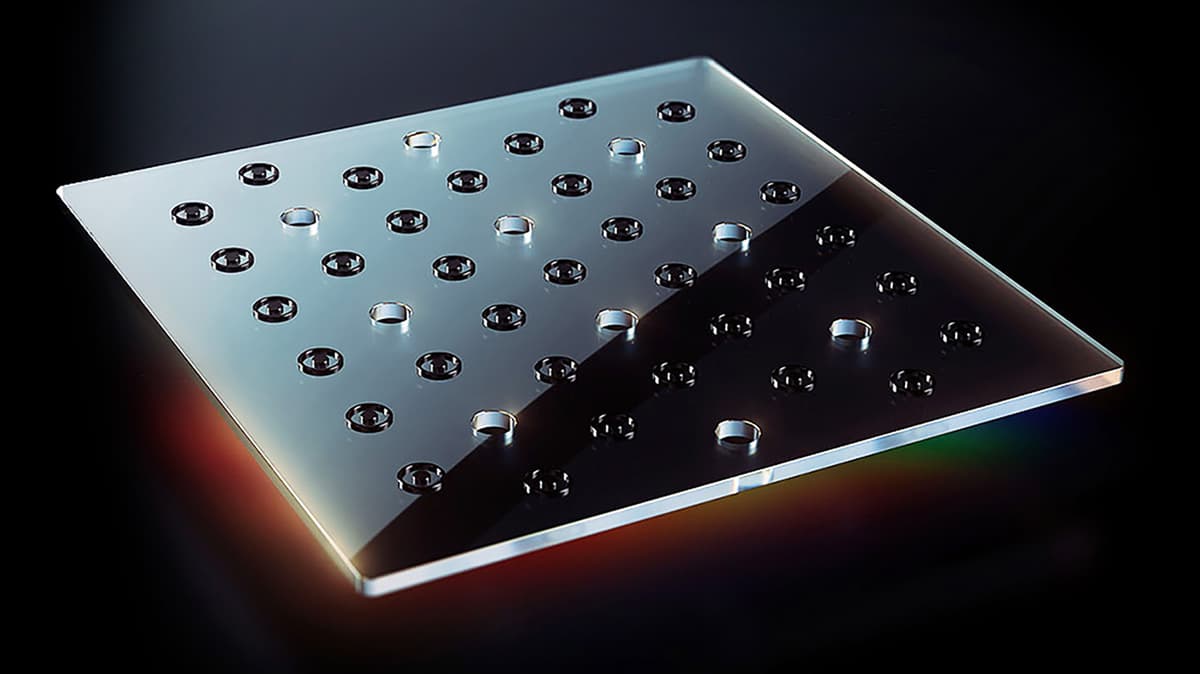
JPMorgan, OQC and AMD launch a hybrid quantum‑AI data centre in London
Oxford Quantum Computing, JPMorgan Chase and AMD announced a joint research effort to build a colocated quantum‑AI data centre in London. The facility will combine OQC’s Genesis quantum processor with AMD’s AI and high‑performance computing hardware to create a hybrid platform for finance‑focused workloads such as portfolio optimisation and quantum machine learning.

Hyperrbm Achieves High-Fidelity Quantum State Tomography on 1D and 2D Lattices
Researchers at Johannes Kepler University introduced HyperRBM, a hypernetwork‑conditioned Restricted Boltzmann Machine that can reconstruct entire families of quantum ground states. The model achieves high‑fidelity tomography on both one‑ and two‑dimensional lattices, accurately mapping phase transitions and pinpointing the critical point without prior knowledge. By learning across Hamiltonian parameters, HyperRBM eliminates the need for separate training runs for each state. Experiments on the transverse‑field Ising model demonstrate precise recovery of fidelity susceptibility and second Rényi entropy, suggesting a scalable path to full phase‑diagram tomography.

Szegedy Quantum Walk Achieves -Partition Graph Community Detection with High Accuracy
Researchers at NIT Agartala introduced a Szegedy quantum‑walk algorithm for graph community detection, converting classical transition matrices into unitary operators. The method generates a limiting probability distribution that isolates inter‑community edges, enabling accurate partitioning of benchmark networks such as Zachary’s...
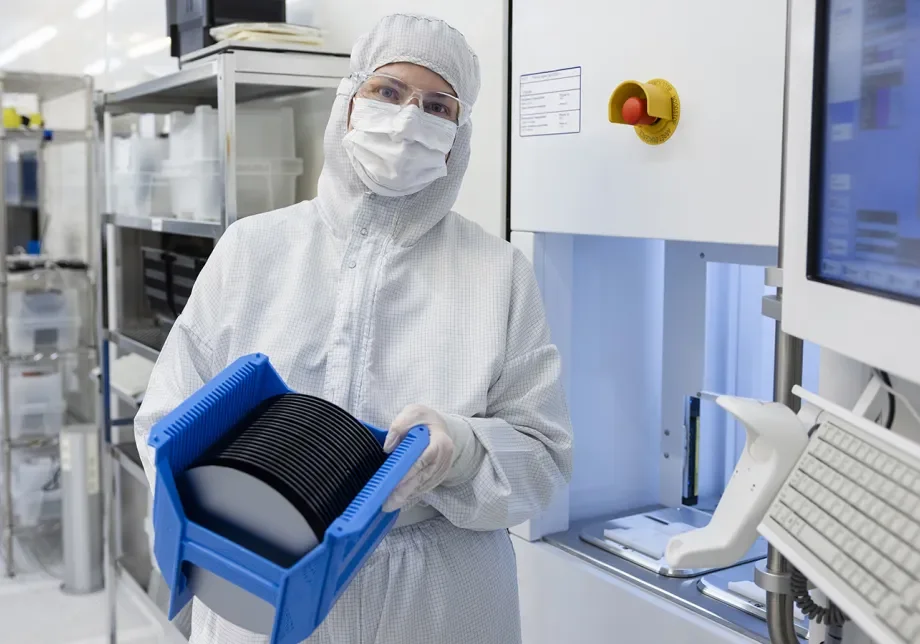
EU Allocates €50M ($59M USD) to SUPREME Consortium for Superconducting Quantum Industrialization
The European Union has committed €50 million—half from EU funds and half from national agencies—to the SUPREME consortium, led by Finland's VTT, to industrialize superconducting quantum technologies. The three‑and‑a‑half‑year program targets Technology Readiness Level 6 and Manufacturing Readiness Level 6, culminating...

Researchers Achieve 3D Imaging of Biphoton Spatiotemporal Wave Packets Directly
Researchers at the University of Science and Technology of China have unveiled an all‑optical 3D imaging technique that fully characterises the spatial, spectral and temporal correlations of biphoton wave packets. By applying cross‑phase modulation in a photonic crystal fiber and...
Boundary Effects Achieve Coherence Amplification with Three Unruh-Dewitt Detectors
Researchers Wu, Jiang, Yu, Liu and colleagues examined how a perfectly reflecting boundary influences quantum coherence harvesting using three Unruh‑DeWitt detectors. Their model shows that while proximity to the boundary can suppress coherence, orthogonal detector alignments and identical energy gaps...

EPB Launches Quantum Computing Fellowship Supported by $4 Million NIST Grant
EPB in Chattanooga has launched a Quantum Computing Fellowship backed by a $4 million grant from NIST. The eight‑person inaugural cohort will train on IonQ’s Forte Enterprise system, a 36‑qubit trapped‑ion quantum computer installed at EPB’s downtown Quantum Center. Developed with...
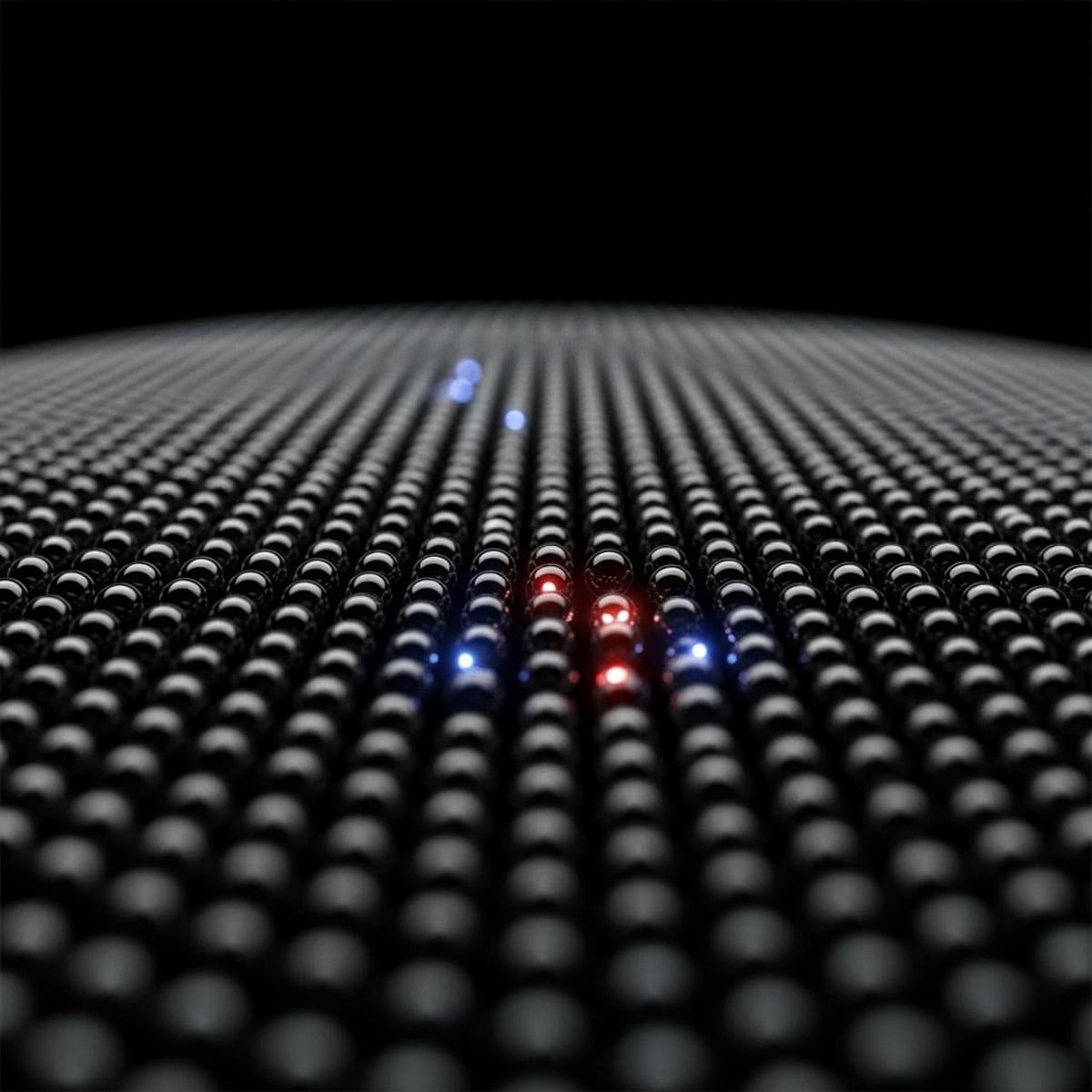
Researchers Identify Sp Dangling Bonds on H-C(100) Surfaces for Diamond Technologies
Researchers from the Australian National University and La Trobe University introduced a scanning tunnelling spectroscopy (STS) protocol that reliably identifies sp³ dangling bonds on hydrogen‑terminated diamond (H‑C(100)). By pairing high‑resolution STS measurements with density‑functional theory calculations, they mapped defect‑related electronic...
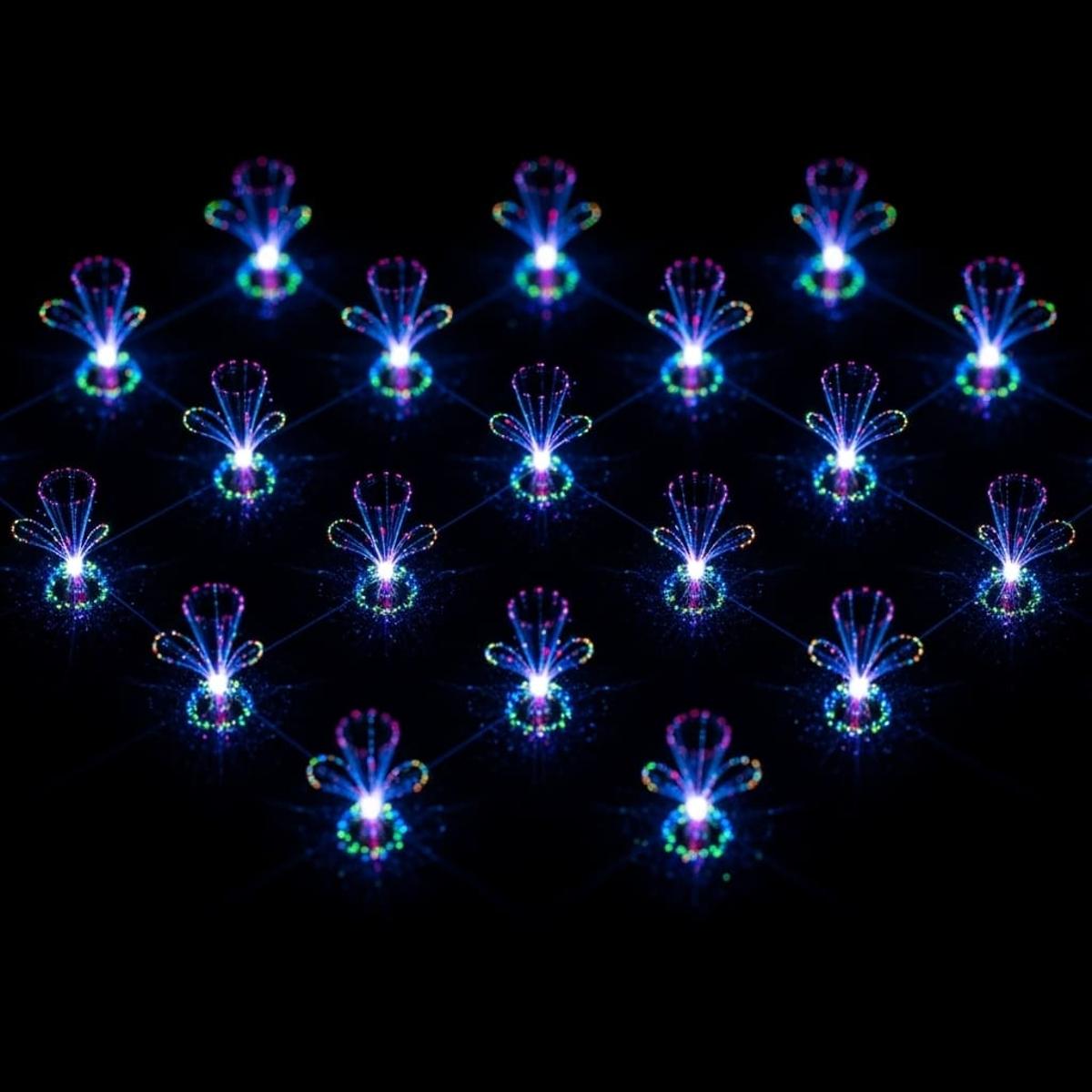
Researchers Demonstrate Collective Emission From Hexagonal Boron Nitride Emitter Ensembles
Researchers have demonstrated superradiant, cooperative light emission from quantum emitters embedded in hexagonal boron nitride (hBN) layers at room temperature. By using localized electron‑beam irradiation to form tightly spaced B‑center defect ensembles, they observed a super‑linear increase in photoluminescence intensity...
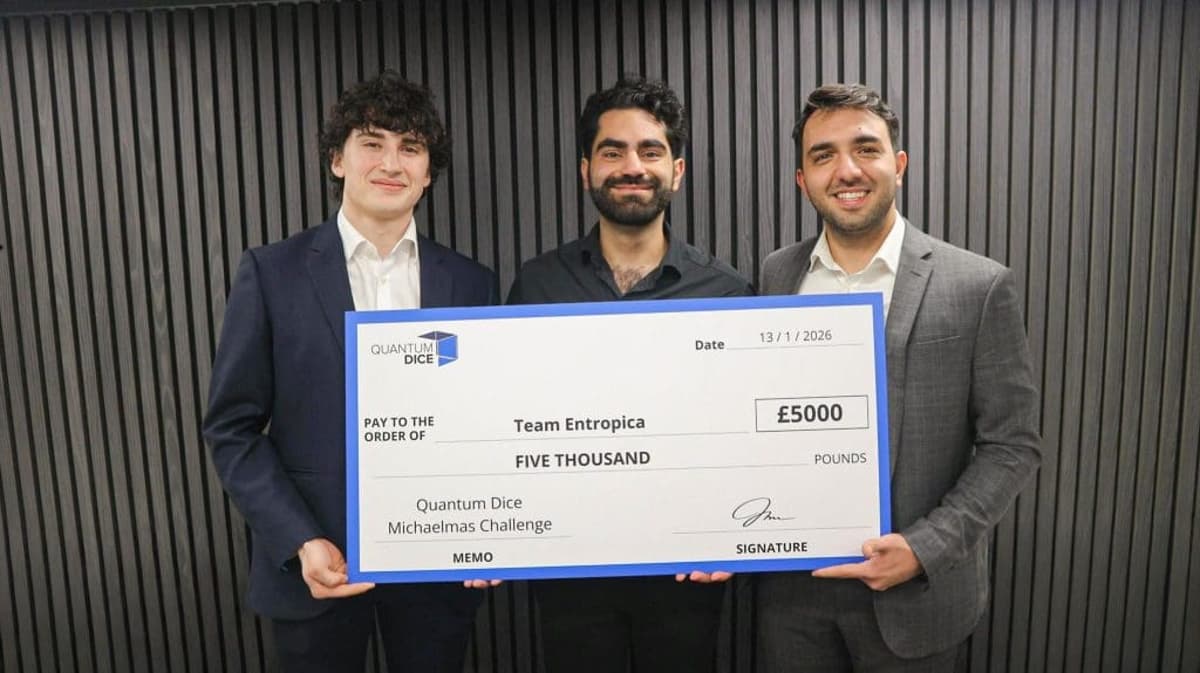
Quantum Dice Michaelmas Challenge: Students Tackle Risk, Energy & AI
Quantum Dice wrapped up its first Michaelmas Challenge, drawing 29 student and researcher teams to explore probabilistic computing over eight weeks. The competition awarded £8,000 in cash prizes, with Team Entropica winning for a novel sports‑betting risk‑management model, The Committed...

Grover’s Search Advances Massive MIMO User Scheduling for 5G and B5G
Researchers introduced a Grover‑based quantum reinforcement learning (QRL) framework to tackle user scheduling in massive MIMO downlink systems. The quantum‑gate circuit mimics reinforcement‑learning layers, using Grover’s amplitude amplification to locate high‑reward scheduling policies faster than classical methods. Simulations show a...

Lam Research & CEA-Leti Partner to Accelerate Next-Gen Specialty Tech Fabrication
Lam Research and France’s CEA‑Leti have signed a multi‑year agreement to speed development of next‑generation specialty‑technology devices. The partnership combines Lam’s etch, deposition and its Prestis™ pulsed laser deposition system with CEA‑Leti’s advanced device‑characterization platform to tackle material and integration...
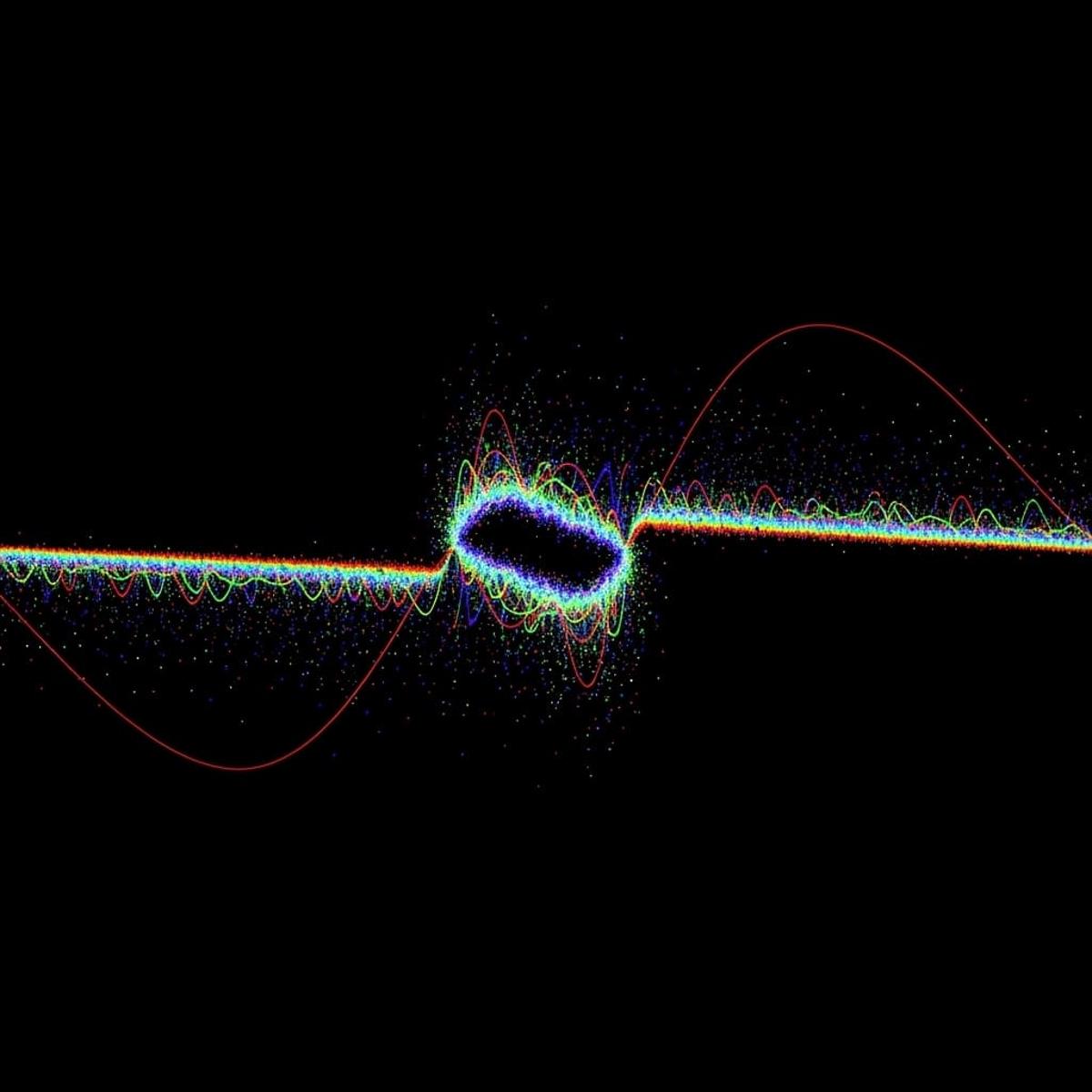
Thermodynamics of Linear Open Walks Achieves Population Inversion Near Critical Value
Researchers at Universidade Federal de Pernambuco introduced a thermodynamic framework for linear open quantum walks (OQWs), defining an equilibrium temperature and characterising entropy, Helmholtz free energy, and thermalisation dynamics. They identified a critical environmental parameter that triggers population inversion, where...
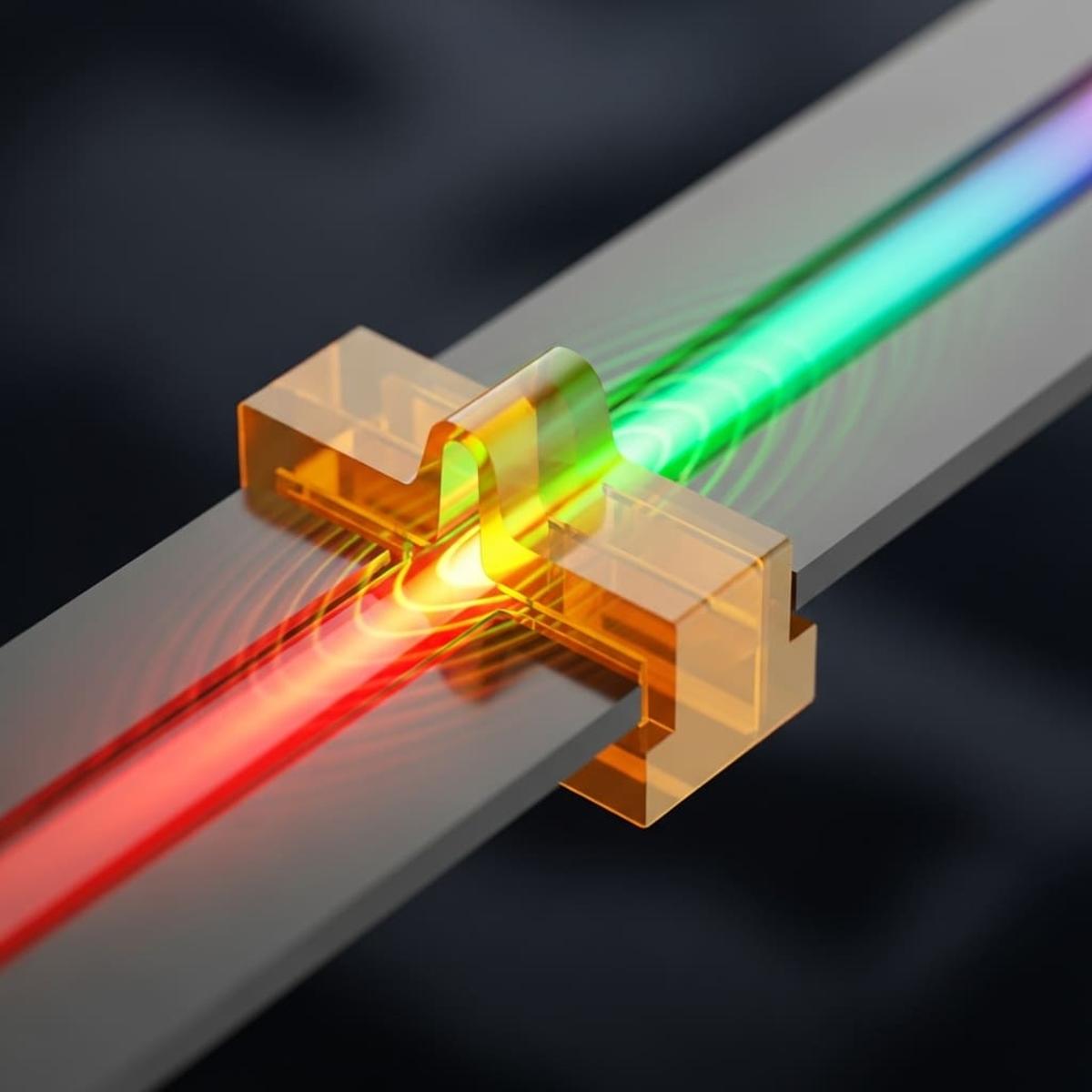
Batio Waveguides Achieve 2.75x Enhanced Nonlinear Frequency Conversion Efficiency
Researchers at the Fraunhofer Institute have introduced hybrid barium titanate‑titanium dioxide (BaTiO₃‑TiO₂) ridge waveguides that achieve a 2.75‑fold increase in normalized second‑harmonic generation (SHG) efficiency compared with monolithic BaTiO₃ devices. The design embeds a thin TiO₂ layer to reshape modal...

Quantum Insights Sparked at Q2B Conference Conversation
While attending the Q2B Silicon Valley conference in December, I had this enjoyable conversation with Antonella Navarro, host of The Quantum Revolution podcast. https://t.co/RtAHIRh8ns

Fluxonium Qutrit Arrays Achieve Tunable Interactions for Exotic Matter Simulation
Researchers have demonstrated that fluxonium superconducting circuits can be re‑engineered into tunable qutrits, expanding the toolbox beyond conventional qubits. By applying an external magnetic flux, they identified four distinct operational regimes—plasmon‑plasmon, fluxon‑fluxon, and mixed configurations—each supporting unique interaction patterns. The...

Quantum Random Features Achieve 89.3% Accuracy on Fashion-Mnist with Scalable Qubits
Researchers introduced Quantum Random Features (QRF) and Dynamical Random Features (QDRF), lightweight quantum models that mimic classical random Fourier features without deep circuits. Experiments on the Fashion‑MNIST benchmark showed QRF reaching 86 % accuracy with 11 qubits and QDRF achieving 89 %...

Researchers Achieve Ns-Scale Quantum Dynamics with Novel Computer-Aided Design Framework
Researchers from LG Electronics Toronto AI Lab introduced a computer‑aided design framework that uses quantum computers to simulate nanosecond‑scale dynamics of solid‑state spin systems. The platform models electronic and nuclear spins together with spin‑phonon interactions, employing the sQKFF algorithm and...

Entanglement Via Classical Mediators Achieved Using Hybrid Van Hove Theory
Scientists Ulbricht, Bermúdez Manjarres and Reginatto show that two quantum spins become entangled when their interaction is mediated solely by a classical harmonic oscillator, using a hybrid van Hove theory. The framework combines Schrödinger operators for quantum parts with van Hove operators...

91-Qubit Processor Accurately Simulates Many-Body Quantum Chaos
A team using a 91‑qubit superconducting quantum processor has accurately simulated many‑body quantum chaos. They employed dual‑unitary circuits to model a kicked Ising system and applied tensor‑network error mitigation (TEM) to correct noise in post‑processing. The error‑mitigated results closely follow...

Discover the Quantum Error Correction Zoo Resource
If you work on quantum error correction, be sure to check out The Error Correction Zoo: https://t.co/nLv7pmTq3A The Error Correction Zoo is an open, community-driven resource dedicated to compiling, organizing, and explaining known quantum error correction codes.

QuEra and Roadrunner Venture Studios Establish $4M Quantum Testbed in New Mexico
QuEra Computing and Roadrunner Venture Studios have signed a $4 million partnership to build a neutral‑atom quantum testbed in Albuquerque, New Mexico. The effort, part of the state’s $300 million quantum‑economy investment, will create a Photonics and Optics Testing Center and a...
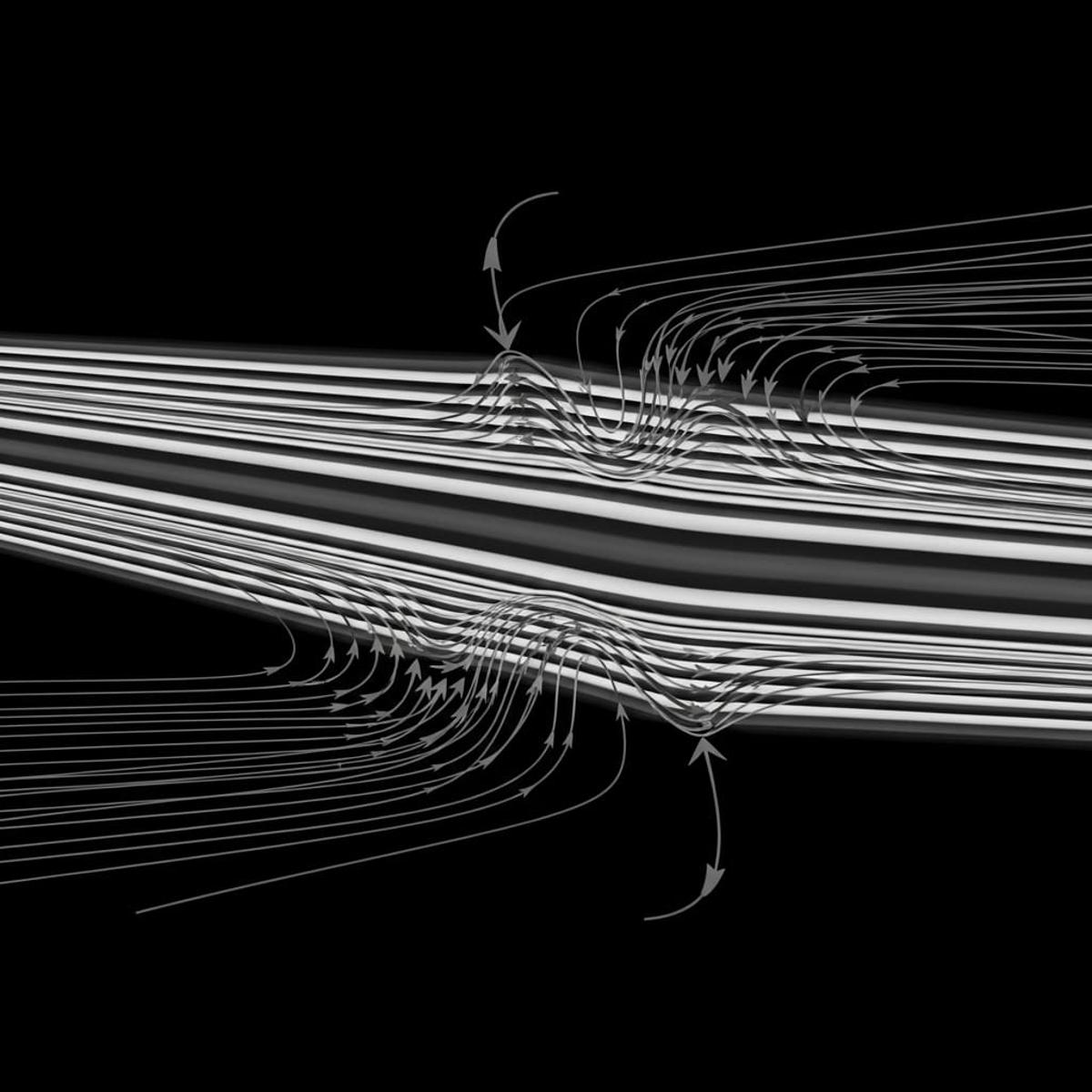
Stripe Antiferromagnetism and Chiral Superconductivity Achieved in tWSe at -Point Van Hove Singularity
Researchers reported that antiferromagnetic interactions in twisted bilayer tungsten diselenide (tWSe₂) can induce a chiral superconducting state when the Fermi level sits near the M‑point van Hove singularity. By constructing a moiré model directly from density‑functional theory and applying a t‑J‑U...
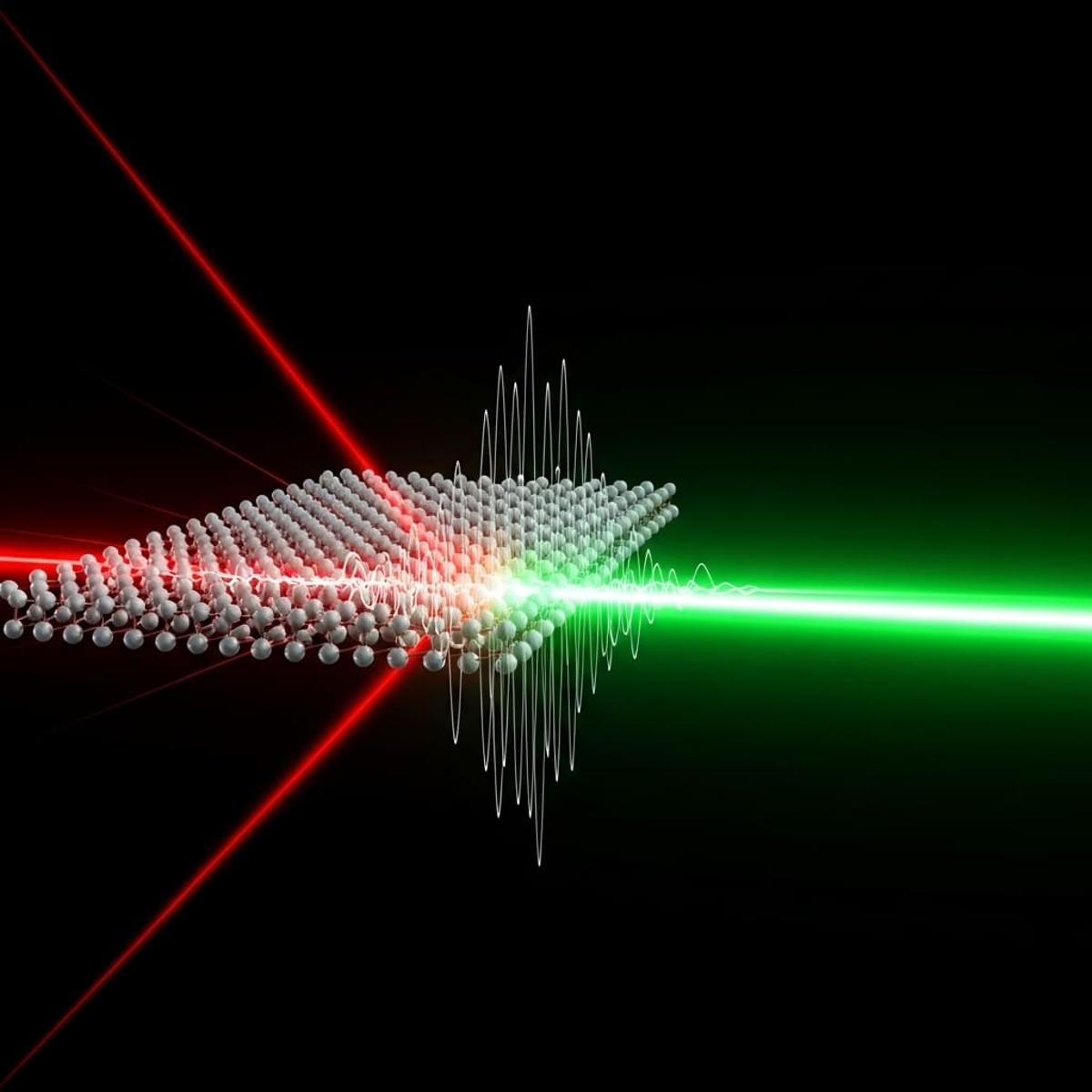
Giant Second-Harmonic Generation Achieves 104 Susceptibility in Bismuth Monolayer
Researchers at Fudan and Sun Yat‑Sen Universities demonstrated that buckling a bismuth monolayer triggers a topological transition, dramatically boosting its second‑harmonic generation (SHG) response. First‑principles calculations show a static susceptibility exceeding that of MoS₂ by two orders of magnitude, with...

Quantum Approach Achieves Competitive Graph Coloring Solutions Using Gaussian Boson Sampling
A recent study demonstrates that Gaussian Boson Sampling (GBS), a photonic quantum technique, can be used to solve graph‑coloring problems by reformulating them as independent‑set integer programs. By encoding graph adjacency into a Gaussian boson distribution, the method samples dense...

2025 - The Year of Quantum
Quantum computing is moving from theoretical research to commercial opportunity, with startups already delivering products in cybersecurity, networking, middleware, and sensing. Andy Leaver of Notion Capital argues that waiting for fault‑tolerant, cryptography‑breaking machines is unnecessary; viable markets exist today. He...

Vishal Chatrath, CEO and Co-Founder of QuantrolOx
In this episode, Vishal Chatrath, CEO and co‑founder of QuantrolOx, explains how their quantum‑control software automates qubit tuning and calibration, dramatically speeding up chip characterization and enabling scalable manufacturing. He discusses the role of real‑time calibration and error‑correction loops, the...

IRID + AIMING: The Pure-Play Quantum Computing Stocks vs Tech Giants Defining the Next Computing Era
Quantum computing investment is split between pure‑play hardware builders (IRID) and diversified tech giants (AIMING). The IRID group includes IonQ, Rigetti, Infleqtion and D‑Wave, each dedicated to manufacturing gate‑based or annealing machines, while AIMING comprises Amazon, IBM, Microsoft, Intel, Nvidia...

Quantum Leadership with Nadya Mason
In this episode, Prof. Nadya Mason discusses the transition from "quantum 1.0" to "quantum 2.0," emphasizing the pivotal role of quantum materials and superconducting devices as the bottleneck for scalable quantum technologies. She explains how the Pritzker School of Molecular...
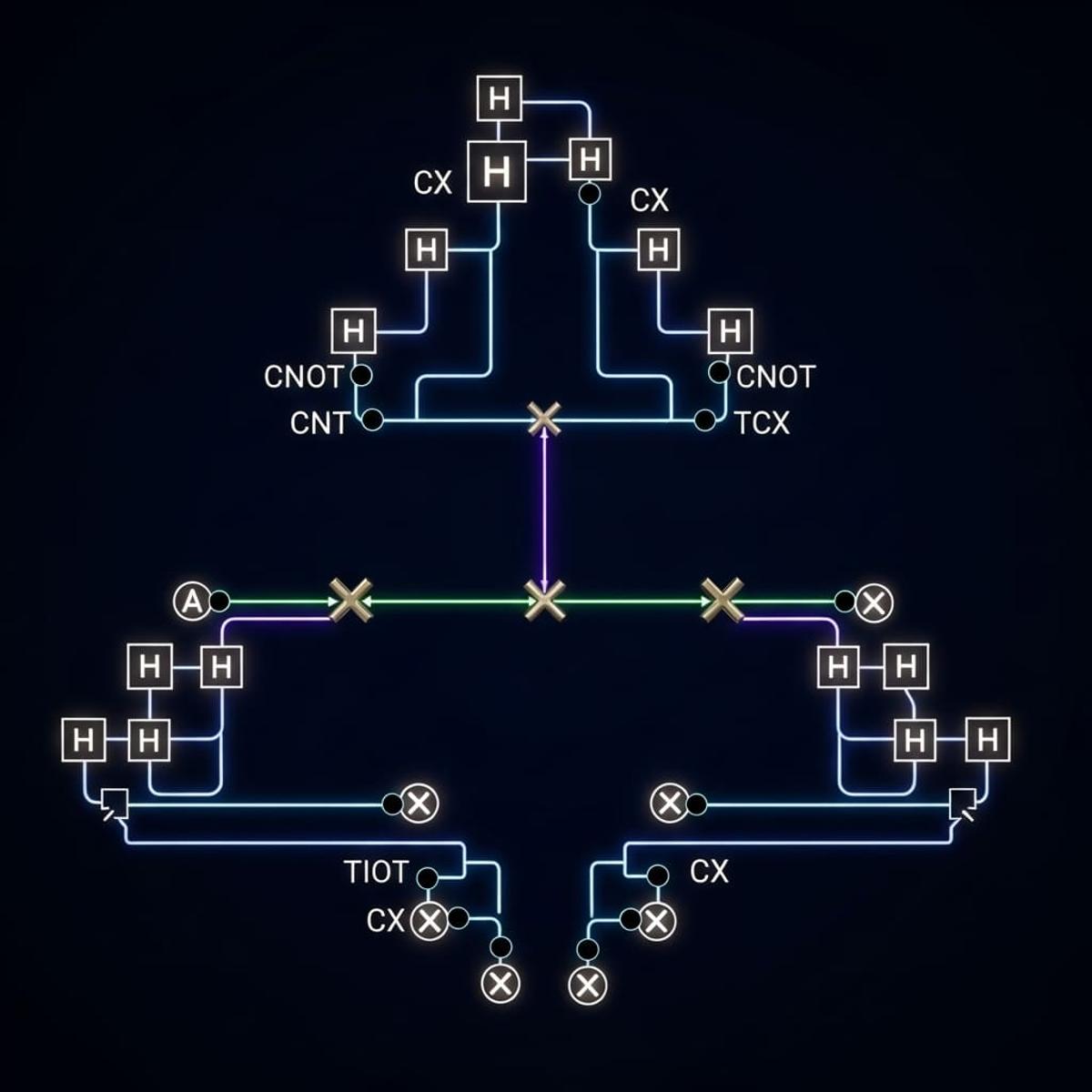
Quantum State Preparation Achieves 97% CNOT Reduction for 14 Qubit Systems
Researchers from Virginia Tech and IANL introduced Co‑ADAPT‑VQE, a hardware‑aware variant of the ADAPT‑VQE algorithm that embeds device constraints directly into ansatz construction. By penalising circuit components unsuitable for linear nearest‑neighbor (LNN) architectures, the method trims two‑qubit gate counts dramatically....
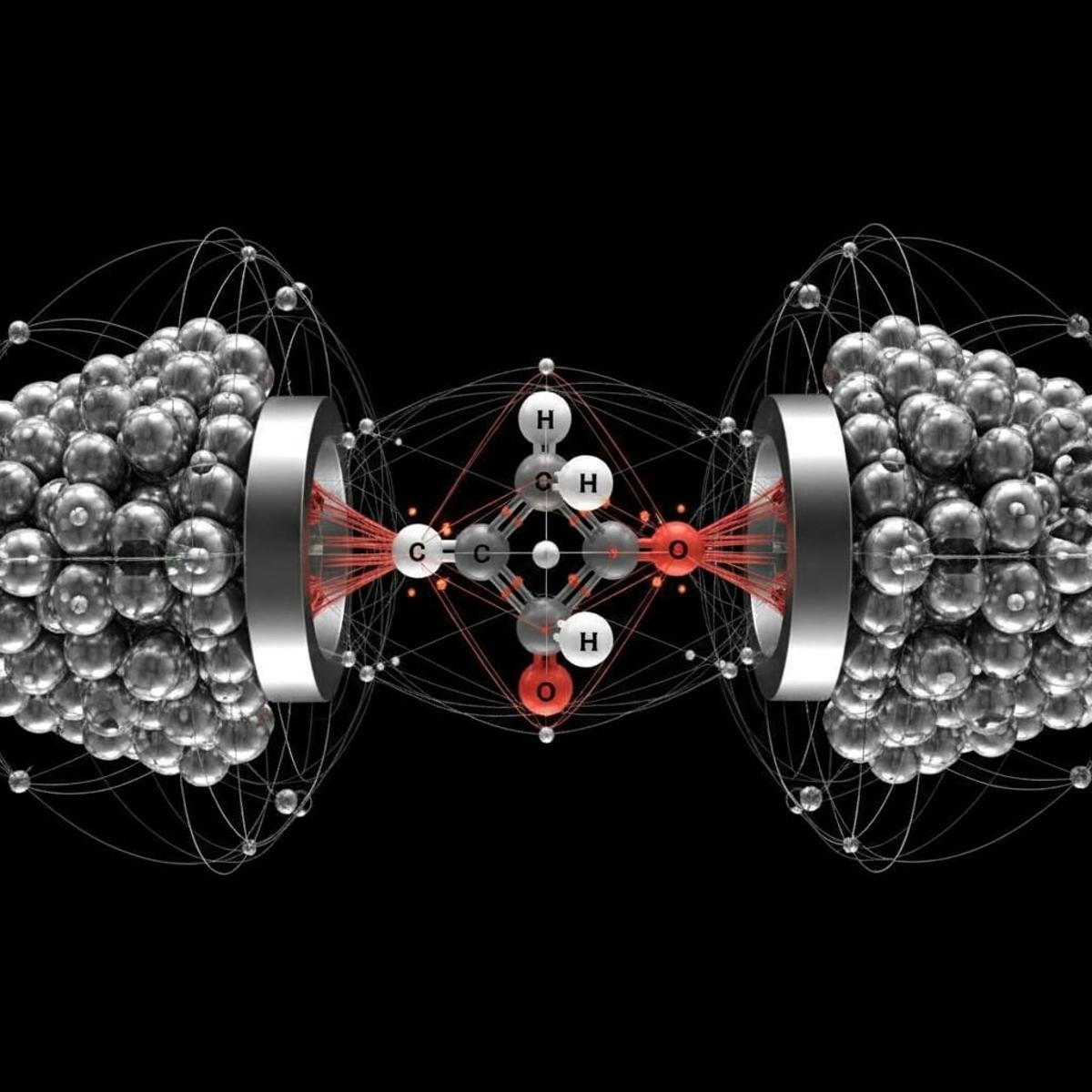
Molecular Hamiltonian Learning Extracts Parameters From Stm-Iets Data for Single Molecules
Researchers at Aalto University introduced "molecular Hamiltonian learning," a machine‑learning framework that infers the full Hamiltonian of single‑molecule magnets directly from set‑point‑dependent scanning tunneling spectroscopy (STM‑IETS) data. By training on a library of theoretical spectra that include crystal‑field, Coulomb and...

Two-Stage Dc-Squid Amplifier Achieves Low Noise with 100 SQUID Cells
Researchers led by Nan Li have demonstrated a low‑noise two‑stage dc‑SQUID amplifier tailored for TES detector readout. The device combines a four‑cell input SQUID with a 100‑cell series SQUID array, delivering a magnetic flux noise of about 1 µΦ₀/√Hz and a...

Holographic Entanglement Achieves Pure States Via Measurement and Minimal Surfaces
Stanford and Brandeis researchers have demonstrated a practical method to engineer quantum states with holographic entanglement using only Gaussian operations and measurements on a discretized bulk geometry. Their constant‑time quench‑and‑measure protocol produces boundary states whose entanglement entropies closely follow the...
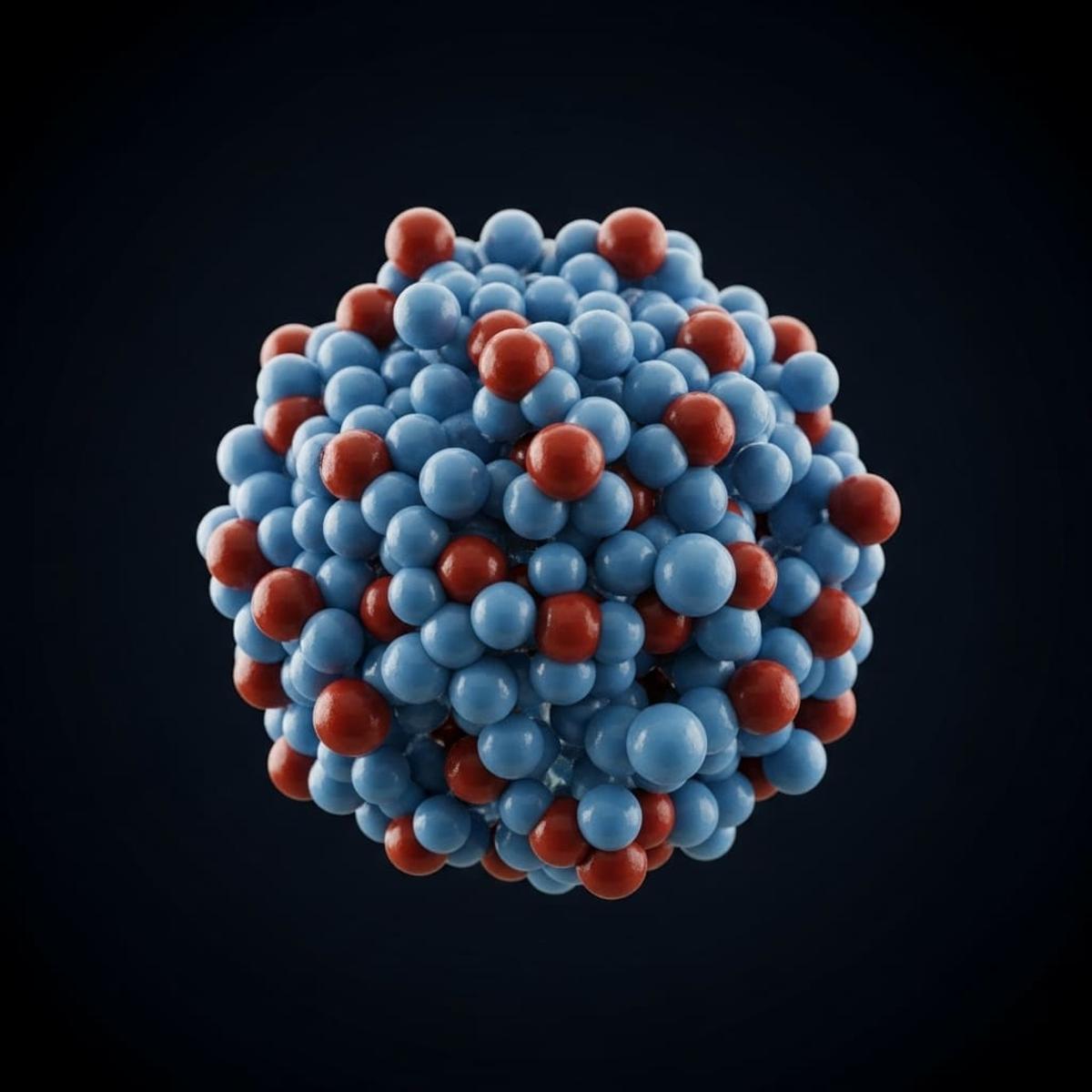
High-Fidelity Superpositions Advance Bose-Einstein Condensate Quantum Computation Techniques
Researchers at the University of St Andrews have introduced a dynamic‑optical‑potential technique to engineer high‑fidelity superpositions of persistent currents in toroidal Bose‑Einstein condensates. By independently shaping the condensate’s amplitude and phase, they can program arbitrary motional states, achieving stable superpositions even...

Quantum Annealing Achieves Efficient Micro-Mobility Dispatch Via Historical Data Incorporation
Researchers have reformulated micro‑mobility vehicle dispatch as a QUBO problem and solved it on D‑Wave’s quantum annealer, integrating Bayesian‑derived historical demand data. The quantum approach, especially with reverse annealing, outperforms classical solvers like Gurobi in both dynamic (real‑time positions) and...

Hardware Investment Surge Revives QC Prospects
hidden in this is the best news for QC: hardware will be (already is) in vogue again for investment
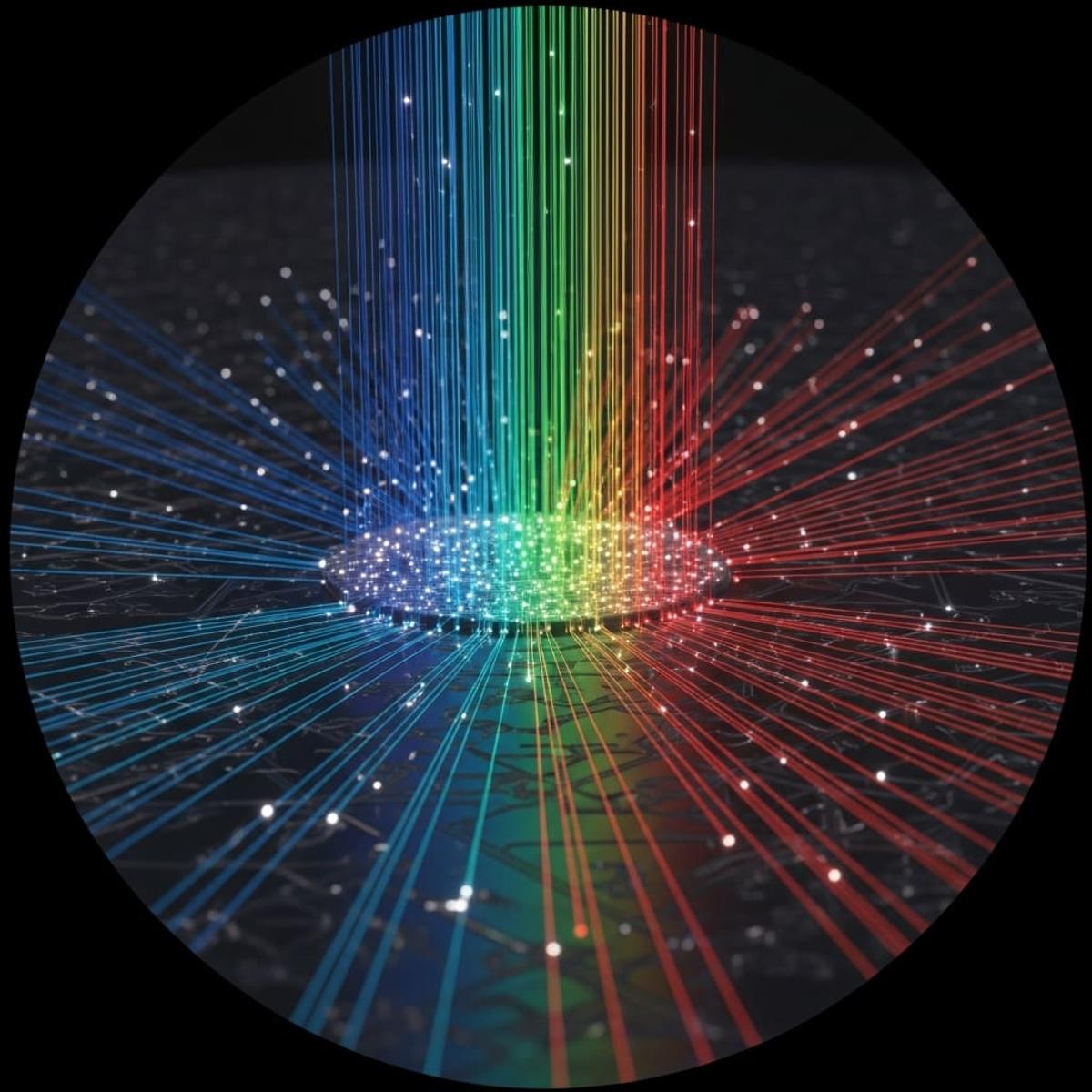
Stimulated Magnonic Frequency Combs Achieve Efficient Control over Spectral Line Number
Researchers led by Xueyu Guo demonstrated a stimulated three‑magnon generation scheme that creates magnonic frequency combs (MFCs) with precise control over spectral line number and spacing. By applying a low‑power modulation signal (~0.5 GHz) alongside a primary microwave drive, they produced...
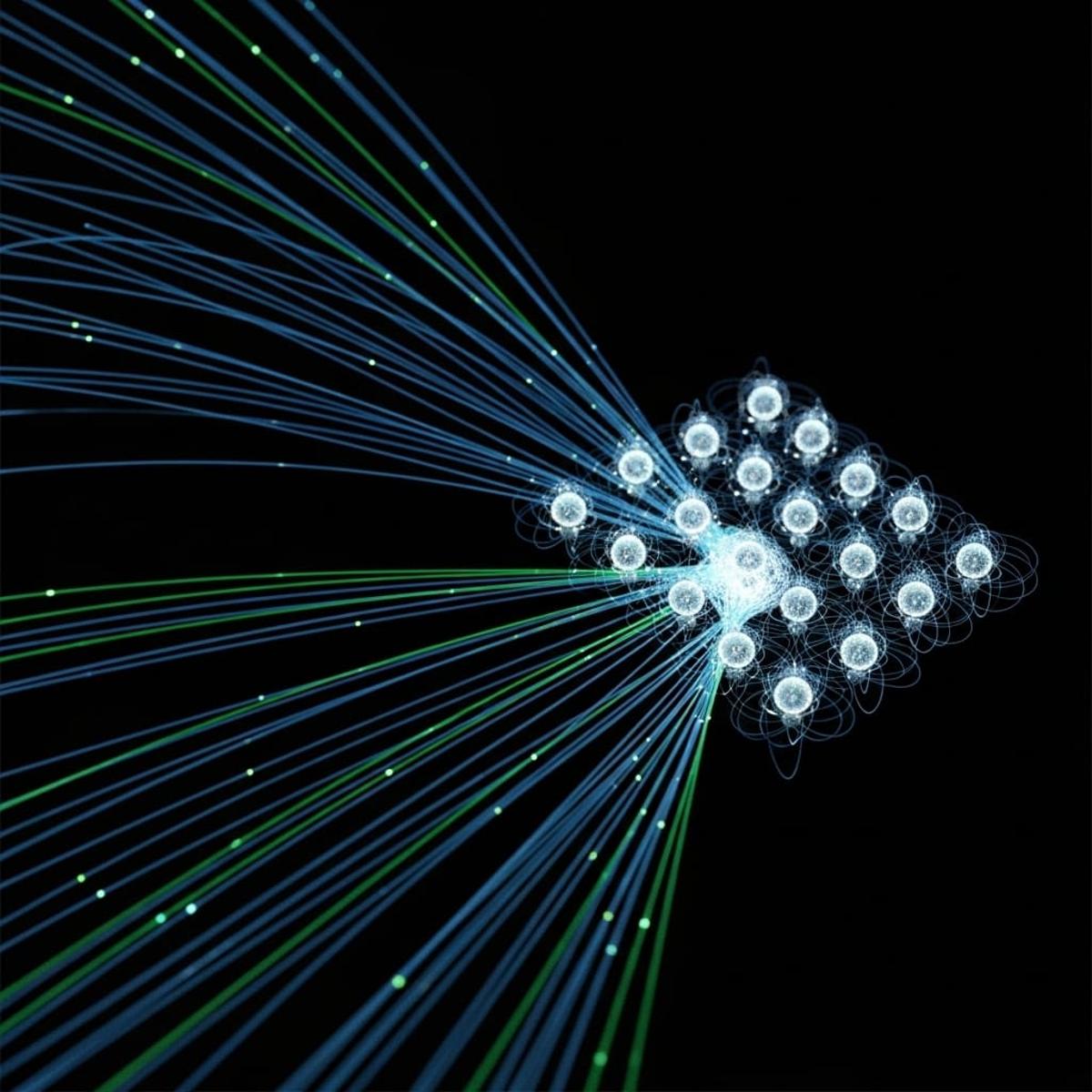
RF-Over-Fiber Achieves Scalable Control of Spin Qubits Via ODMR Spectroscopy
Researchers have demonstrated remote radio‑frequency control of nitrogen‑vacancy spin qubits using an optical‑fiber link, a technique dubbed RF‑over‑fiber (RFoF). The photonic system converts optical signals to microwave tones that drive NV centers in a 2.8‑3.0 GHz band, delivering about 0.7 dBm of...
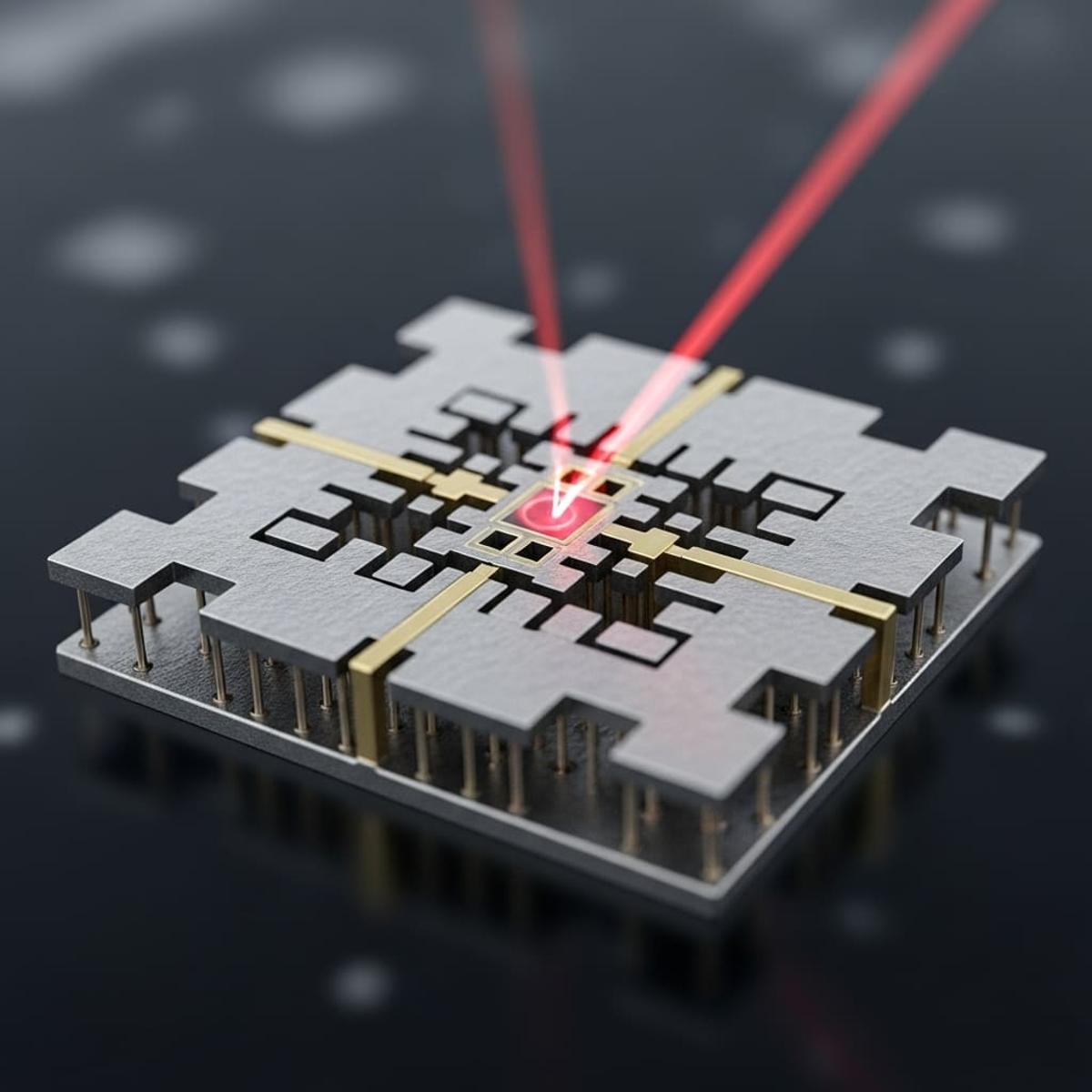
Silicon Quantum Computing Achieves 99% Spin Initialisation with 10THz Photons
Scientists have demonstrated a new method to initialise and read the spin of boron‑doped silicon qubits using ~10 THz photons from a free‑electron laser. The optical‑pumping technique achieves 99 % spin polarisation within 250 ps at temperatures above 3 K, a thousand‑fold speedup over...

Machine Learning Achieves Advantages with Minimal Quantum Computer Use in LUQPI
Researchers from Leiden University and collaborators introduced Learning Under Quantum Privileged Information (LUQPI), proving that a quantum computer used solely as a feature extractor during training can deliver exponential advantages over classical machine learning. The quantum features are generated without...

Advances Quantum-Memory-Free QSDC with Privacy Amplification of Coded Sequences
Researchers from Georgia Tech and collaborators introduced a quantum‑memory‑free Quantum Secure Direct Communication (QSDC) protocol that relies on universal hashing and privacy amplification of coded sequences. The information‑theoretic analysis proves security against collective attacks without requiring quantum storage or complex...

Advances Quantum Computing: Broadcasting Nonlinearity with Quadratic Potential Systems
Researchers at Palacký University have devised a hybrid quantum protocol that broadcasts nonlinearity from a strongly nonlinear optomechanical oscillator to a linear bosonic system such as an atomic ensemble. Using a sequence of light‑mediated quantum non‑demolition (QND) gates, the method...
Spin-Qubit Relaxometry Detects Half-Vortex Magnetic Fluxes of ½ in Superconductors
Researchers at Oak Ridge National Lab demonstrated spin‑qubit relaxometry to directly detect half‑quantum vortices carrying Φ0/2 magnetic flux in spin‑triplet superconductors. By correlating qubit relaxation rates with vortex crossing frequencies, they resolved relaxation times below 1 ms, providing a clear experimental...

Quantum Capacitance Advances Kitaev Chain Identification with Minimal 1-Dot Coupling
Researchers led by Chun‑Xiao Liu demonstrate that quantum capacitance can precisely locate the optimal operating regime of a quantum‑dot‑based Kitaev chain. Their theoretical framework couples a normal‑metal lead to the chain and uses semiclassical rate equations to model parity switching...

Advances Chiral-Induced Spin Selectivity Understanding Via Enhanced Spin-Orbit Coupling Models
Researchers led by Ruggero Sala and colleagues present a comprehensive mini‑review that re‑examines the microscopic origins of Chiral‑Induced Spin Selectivity (CISS) in light‑element materials. By integrating molecular chirality, electric fields, and structural distortions, they demonstrate how effective spin‑orbit coupling (SOC)...

Advances Open Quantum Systems Theory with Unified Operator Algebra Treatment
A team of mathematicians led by Jan Derezinski, Vojkan Jaksic and Claude‑Alain Pillet has released a unified operator‑algebra treatment of open quantum systems, merging decades of fragmented research into a single reference. The work develops a C*‑algebra framework that accommodates...
Quantum Teleportation Fidelity Assessed in Expanding Friedmann-Robertson-Walker Universes with Scalar Fields
Physicists Babak Vakili and co‑authors analyze quantum‑teleportation fidelity in a spatially flat Friedmann‑Robertson‑Walker universe, using Bogoliubov transformations and a covariance‑matrix approach. They find that cosmic expansion degrades fidelity for super‑horizon modes, while sub‑horizon modes retain near‑perfect performance. The study quantifies...
Many-Body Projected Ensemble Achieves Universal Quantum Data Approximation with 1-Wasserstein Distance
Researchers from Fujitsu and collaborators prove that the Many‑body Projected Ensemble (MPE) framework can universally approximate any distribution of pure‑state quantum data, with error bounded by the 1‑Wasserstein distance. They introduce an incrementally trainable variant that eases optimization on noisy...
Atomic Coherence Achieved in Twisted NaNbO3 Membranes Via Controlled Oxygen Treatment
Researchers have demonstrated atomic‑scale coherence in twisted NaNbO₃ oxide membranes by applying a controlled oxygen annealing process. The treatment chemically reconstructs the interface, eliminating amorphous carbon layers and establishing a perovskite registry with measurable lattice contraction. Strain mapping shows a...
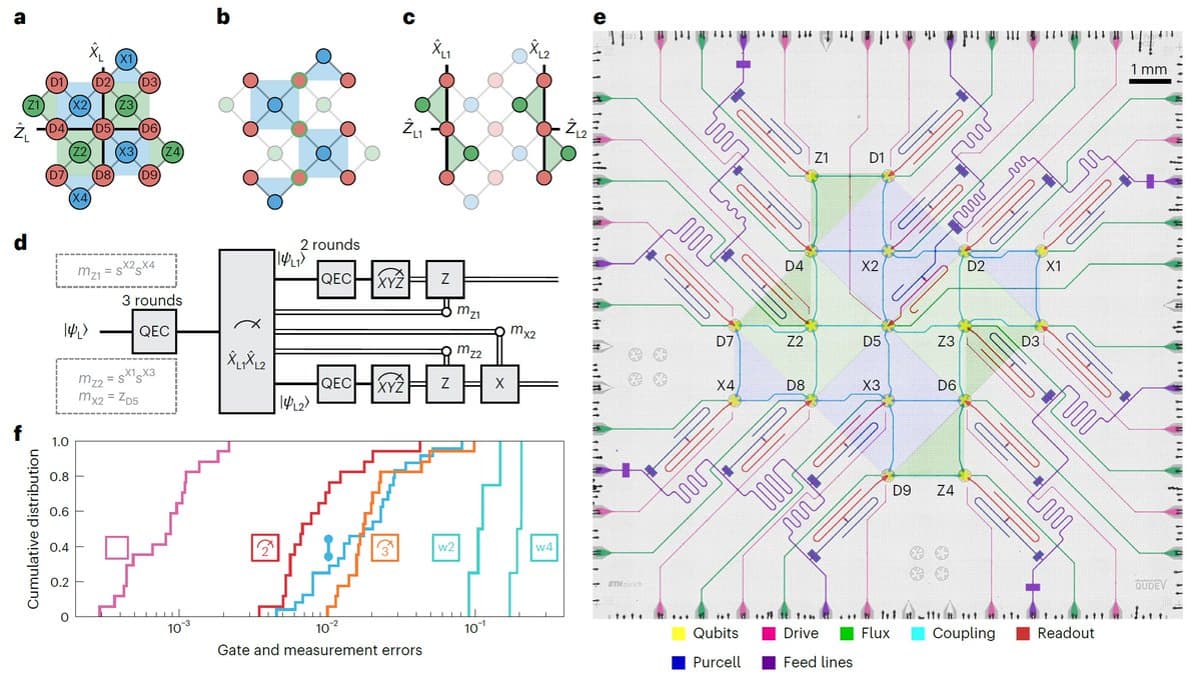
Lattice Surgery Achieved on Superconducting Repetition Codes
Need to perform surgery on your logical #qubits? Here is how to do it with #superconducting #circuits. With lattice surgery you can entangle logical qubits, which is a step required for realizing two-qubit gates between logical qubits. This is particularly useful...
High-Q Resonators Achieve 10^7 Quality Factor with Optical Nanofiber Fabrication
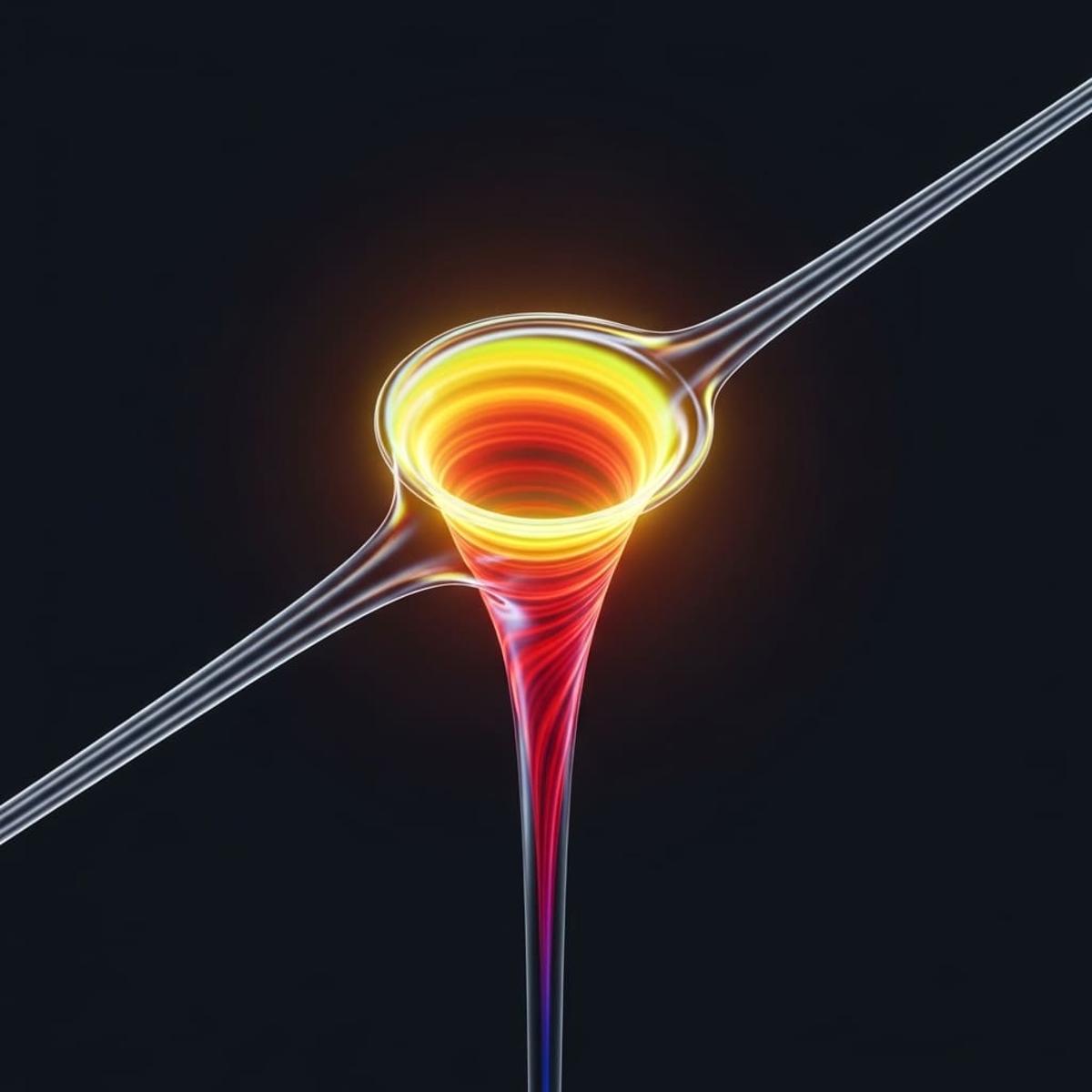
Researchers at Waseda University and collaborators have demonstrated a single‑shot femtosecond laser ablation method that fabricates defect‑free optical nanofiber photonic crystal resonators with intrinsic quality factors exceeding 2.9 × 10⁷. The process uses a flame‑brush tapered nanofiber (500 nm diameter, 13 mm waist) and...