Today's Quantum Pulse
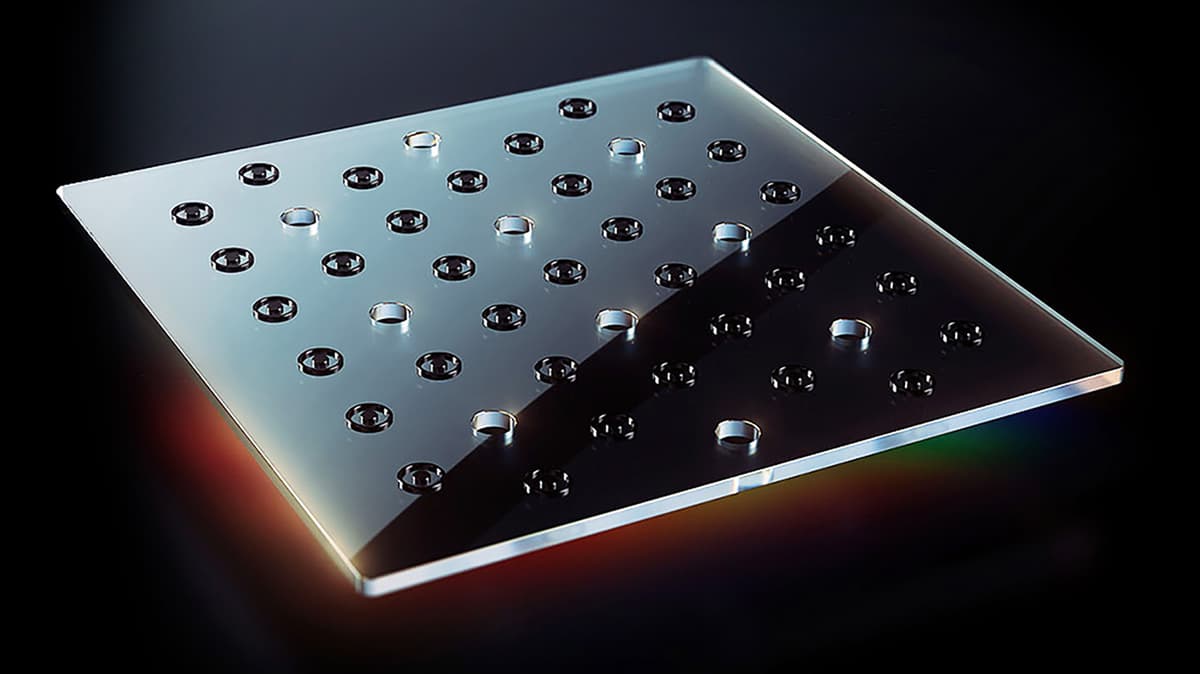
JPMorgan, OQC and AMD launch a hybrid quantum‑AI data centre in London
Oxford Quantum Computing, JPMorgan Chase and AMD announced a joint research effort to build a colocated quantum‑AI data centre in London. The facility will combine OQC’s Genesis quantum processor with AMD’s AI and high‑performance computing hardware to create a hybrid platform for finance‑focused workloads such as portfolio optimisation and quantum machine learning.
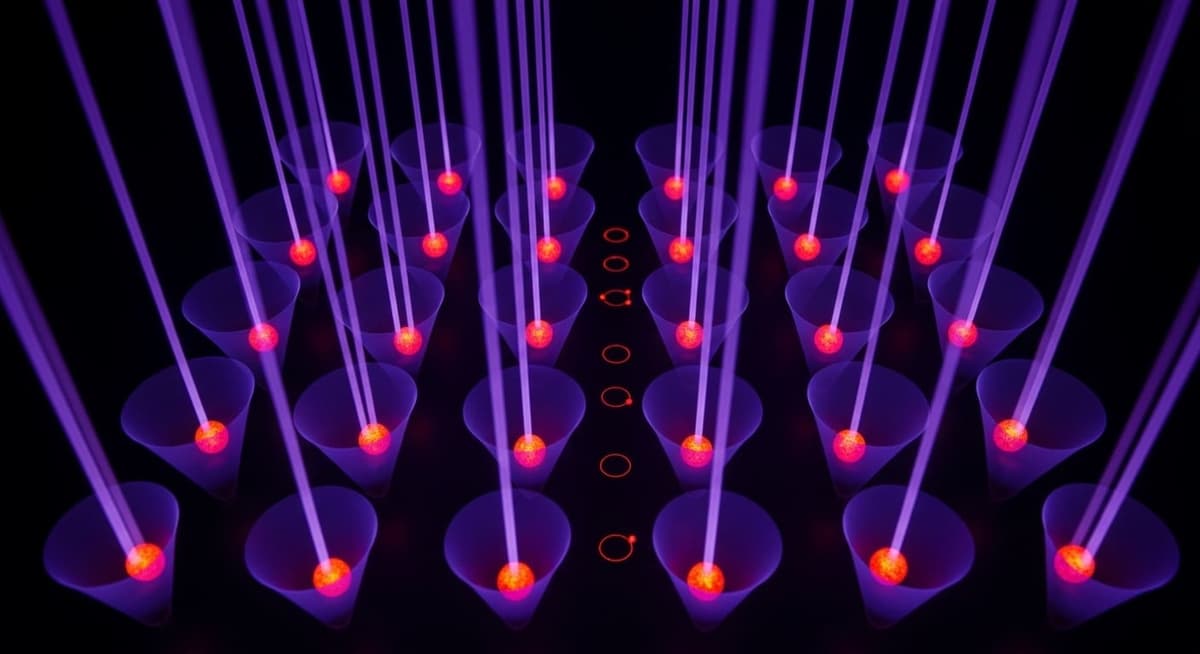
University of Toronto Centre Awards Bell Prize for Neutral Atom Research
The University of Toronto’s Centre for Quantum Information and Quantum Control awarded the ninth John Stewart Bell Prize to Mikhail D. Lukin, Antoine Browaeys, and Mark Saffman for pioneering neutral‑atom quantum computing. Their work demonstrated reconfigurable optical‑tweezer arrays that can trap and control hundreds of individual atoms, while using Rydberg‑mediated interactions to execute coherent multi‑qubit operations. The prize also recognized their advances in transporting entangled atomic registers without loss of coherence. These breakthroughs address the long‑standing hurdle of scaling quantum processors while preserving experimental control.
Thales Validates Post-Quantum Cryptography on Live Networks, Enabling Ongoing Protection
Thales demonstrated live‑network post‑quantum cryptography for 5G, remotely updating SIM and eSIM cards with quantum‑safe algorithms. The "crypto agility" approach eliminates the need for massive hardware swaps, enabling instant security upgrades across existing devices. The trial underscores Thales’ role in...

NQCC SparQ Access Programme Supports Academic Research with Quantum Resources
The National Quantum Computing Centre (NQCC) has launched the SparQ Access programme, granting UK academia access to more than 20 quantum computing platforms, including Azure Quantum, Rigetti, IonQ, IBM Quantum and various simulators. Applications for the May‑July 2026 window are...
Three or More Parties Now Securely Share Encryption Keys Via Quantum Links
Researchers from the University of York propose a holistic framework for multiparty quantum key agreement (MQKA) that classifies protocols along three axes—network architecture, quantum resources, and security model. By mapping existing schemes onto this design space, they demonstrate error‑rate reductions...
Tech Life
Quantum computing is poised to transform discovery, yet ethical frameworks lag behind. The article highlights the urgency for guidelines to govern quantum machine usage. It also introduces glass‑based data storage capable of preserving information for thousands of years, and explores...
Hardware Upgrades Reshape Logical Error Scaling in Quantum Correction
One subtle aspect of quantum error correction, which personally intrigues me, is how hardware improvements can influence logical error scaling.
Does IonQ's Standout Earnings Give It an Advantage Over D-Wave?
IonQ reported a standout earnings quarter, posting $62 million in revenue—55% above its guidance midpoint and a 429% year‑over‑year increase—while raising its full‑year 2026 revenue outlook to $225‑$245 million. The company also ended 2025 with $3.3 billion in cash, dwarfing D‑Wave’s roughly $900 million,...
Bluefors Introduces Expandable Platform Supporting High Qubit Count Quantum Hardware
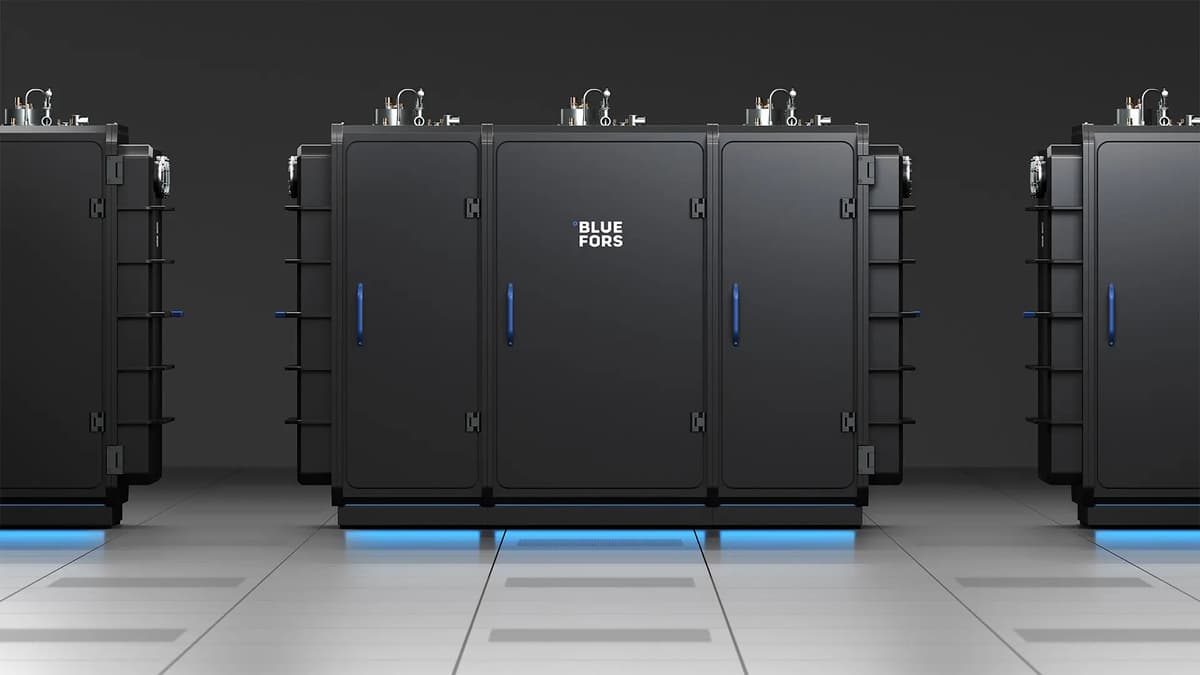
Bluefors unveiled its Modular Cryogenic Platform, an expandable vacuum‑chamber system designed to meet the scaling demands of quantum computers. The architecture lets users add modules incrementally, increasing cooling capacity and qubit density without replacing the entire infrastructure. Each module supports...
University of Turku Researchers Detail Multiple Forms of Quantum Memory
University of Turku researchers have shown that quantum memory depends on whether one examines the system’s state evolution (Schrödinger picture) or its observable dynamics (Heisenberg picture). Their experiments reveal that some memory effects are detectable only in one framework, making...

Illinois Quantum and Microelectronics Park Facilitates Immediate Ecosystem Entry for Future Tenants
The Illinois Quantum and Microelectronics Park (IQMP) launched an On‑Ramp program that places temporary, fully equipped labs in partner facilities to let future tenants start work immediately. Partner sites—mHUB, the UChicago Science Incubator at Hyde Park Labs, and the Discovery Partners Institute—provide...
IQT The Quantum Dragon Podcast Episode 81 – I Need a Lawyer.
In this episode, Brian Siegelwax interviews a partner from Holland & Knight who also leads the Quantum Industry Coalition, discussing the risks of overstating quantum technology to the U.S. government and the importance of realistic roadmaps. They explore how export...

BTQ Technologies Added to WisdomTree Quantum Computing Fund
BTQ Technologies Corp. has been added to the WisdomTree Quantum Computing Fund (WQTM), a U.S.-listed ETF that targets pure‑play quantum hardware, software and infrastructure firms. The fund, launched in October 2025, manages roughly $26.4 million as of February 27 2026. BTQ’s inclusion highlights its...

FIU Develops Encryption to Thwart Future Quantum Computer Hacks
Florida International University researchers unveiled a quantum‑safe encryption system that merges quantum cryptography with secure internet transmission, creating a digital lockbox that only authorized users can unlock. Laboratory tests show the FIU method outperforms comparable advanced encryption techniques by 10‑15...

Huawei Launches Xinghe Solution for Cost-Effective, Quantum-Secure WANs
Huawei unveiled the Xinghe Intelligent Traffic‑Encryption Integration Solution at MWC Barcelona 2026, embedding a built‑in Quantum Key Distribution (QKD) board into its NetEngine 8000E router series. The technology uses a high‑precision noise‑reduction algorithm to allow quantum, negotiation and data channels to...
UK Quantum Group Tapped to Join DARPA Project
British quantum algorithms firm Phasecraft has secured a contract with the US Defense Advanced Research Projects Agency (DARPA) to contribute to its Quantum Benchmarking Initiative (QBI). Working alongside the University of Maryland’s Applied Research Laboratory for Intelligence and Security (ARLIS),...
Quantum-Si Inc (QSI) Q4 2025 Earnings Call Transcript
Quantum‑Si reported Q4 2025 revenue of $0.5 million and full‑year revenue of $2.4 million, while cutting GAAP operating expenses to $21.2 million and adjusted expenses to $18.3 million. The company ended 2025 with $215.8 million in cash, supporting operations through 2028. Management announced a $425,000...
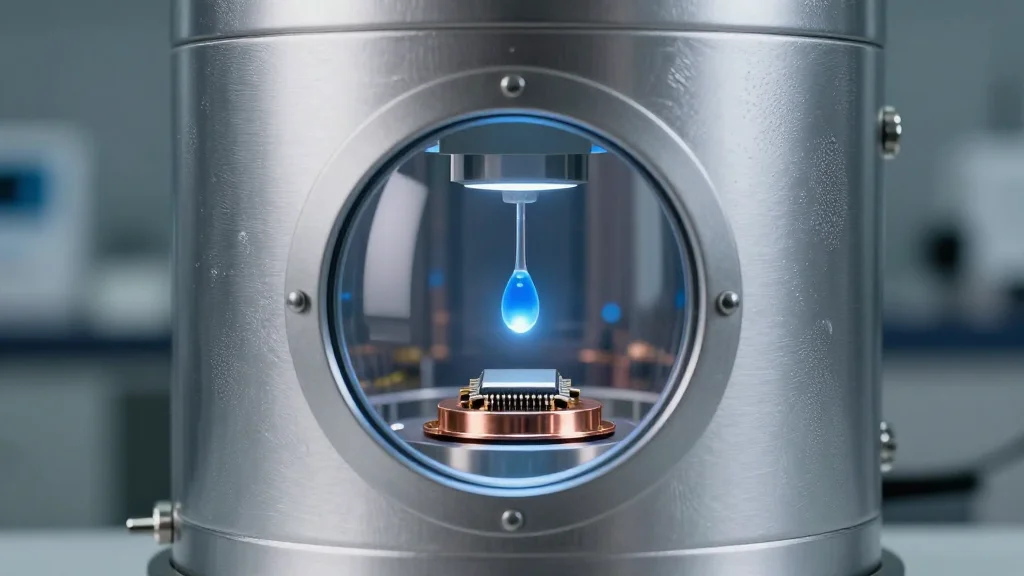
Fermilab and MIT Lincoln Laboratory Demonstrate Cryoelectronic Control of Ion-Trap Qubits
Researchers at Fermilab and MIT Lincoln Laboratory successfully trapped and manipulated ions using in‑vacuum cryoelectronic ASICs, demonstrating low‑power control with reduced thermal noise. The proof‑of‑principle experiment moved and held individual ions, proving that cryogenic electronics can replace some room‑temperature wiring....
With Quantum Transformation Looming, No Time to Waste in Maturing Cryptography Management
Quantum computers can break RSA and ECC encryption in seconds, prompting urgent action for healthcare data security. At HIMSS26, DigiCert’s Mike Nelson and other experts will outline practical steps for post‑quantum cryptography (PQC) migration, emphasizing crypto agility and automated management....
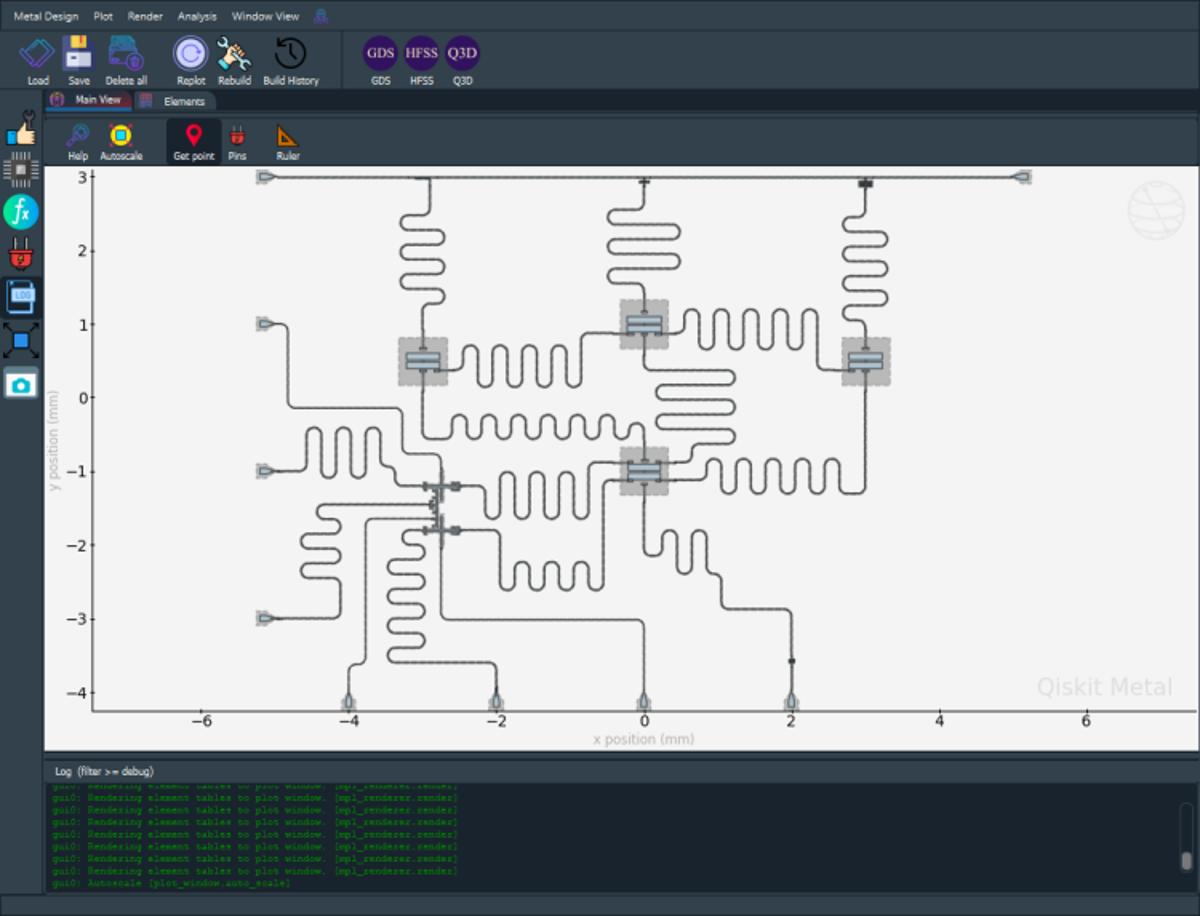
Quantum Metal Powers End-to-End Full-Chip Design
One of the most powerful aspects of Quantum Metal is that it goes beyond individual components. It enables full-chip design, from layout to analysis to fabrication-ready GDS export: https://t.co/Tf2kzgwgON https://t.co/J6dk4NjFKK

The Illinois Quantum Ecosystem with Harley Johnson
In this episode, host Sebastian Hassinger talks with Harley Johnson, a UIUC professor and CEO of the Illinois Quantum and Microelectronics Park (IQMP), about how Illinois has built a world‑leading quantum ecosystem. Johnson traces his own journey from a 1994...

Prof. Scott Aaronson, UT Austin
In this episode, Professor Scott Aaronson, a leading quantum computing theorist at UT Austin, discusses how long‑standing fault‑tolerance theories are finally being validated in modern labs, bringing large‑scale quantum computers within reach. He contrasts the empirical success of error‑corrected gates...
_jvphoto_Alamy.jpg?width=1280&auto=webp&quality=80&disable=upscale)
Quantum-Resistant Data Diode Secures Sensitive Data on Edge Devices, Critical Systems
Forward Edge‑AI unveiled Isidore Quantum, a palm‑sized data diode that enforces one‑way data flow while encrypting traffic with post‑quantum algorithms such as ML‑KEM and ML‑DSA. The device, co‑developed with the U.S. government and Microsoft, delivers sub‑0.5 ms latency and up to...

Nuclear Spins Controlled for Better Quantum Error Correction
Researchers at Kyoto University and partners demonstrated spin‑cat qubits encoded in ¹⁷³Yb atoms within an optical tweezer array, achieving a single‑qubit Clifford gate fidelity of 0.961 ± 0.005. The study revealed a predictable bias toward dephasing errors that grows with the encoded...
Junction Ageing Affects Superconducting Processor
Researchers at NUS and NTU have mapped the aging of Josephson junctions over three months, showing a logarithmic degradation curve that varies with storage environment. Ambient air storage accelerates aging, while nitrogen or vacuum storage slows it. Thermal annealing behaves...

Models Represent XOR with 100% Accuracy
Researchers Miras Seilkhan and Adilbek Taizhanov compared a two‑qubit variational quantum classifier (VQC) against logistic regression and a multilayer perceptron on synthetic XOR data. A depth‑2 quantum circuit achieved perfect test accuracy, matching the classical neural network, while a depth‑1...
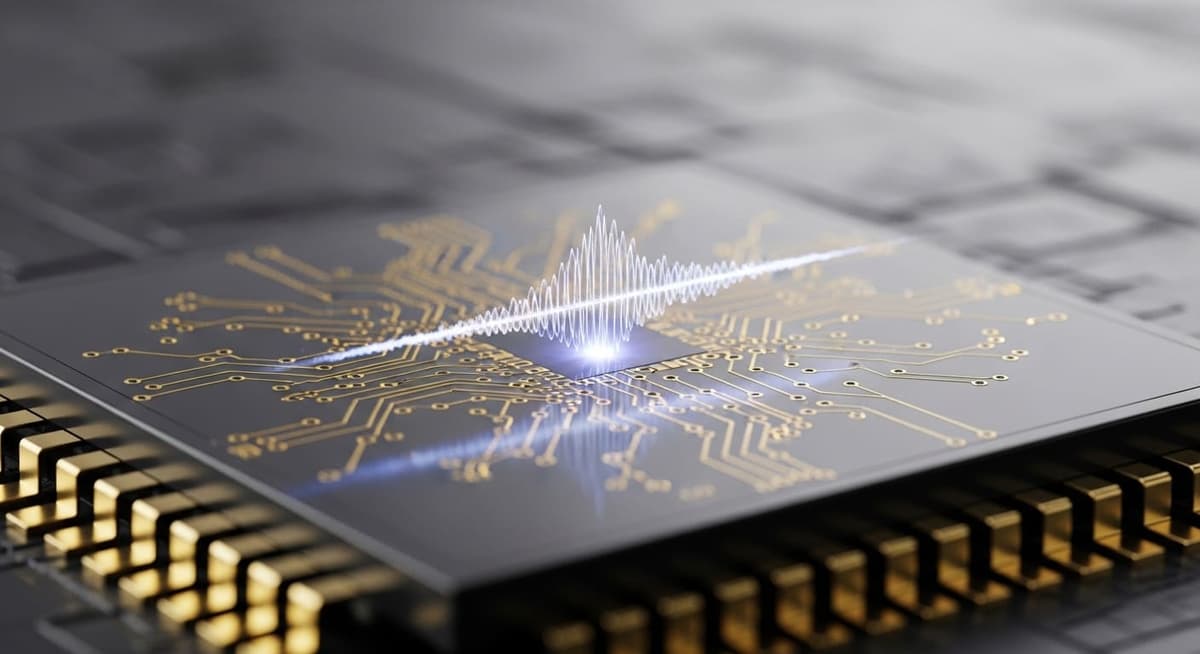
Nanophotonics Boost Quantum Emitter Links on a Chip
Researchers at the University of Southern Denmark and collaborators have unveiled an integrated nanophotonic platform that uses surface‑plasmon‑polariton (SPP) interference to mediate long‑range interactions between solid‑state quantum emitters on a chip. The design achieves a peak concurrence of 0.493, approaching...
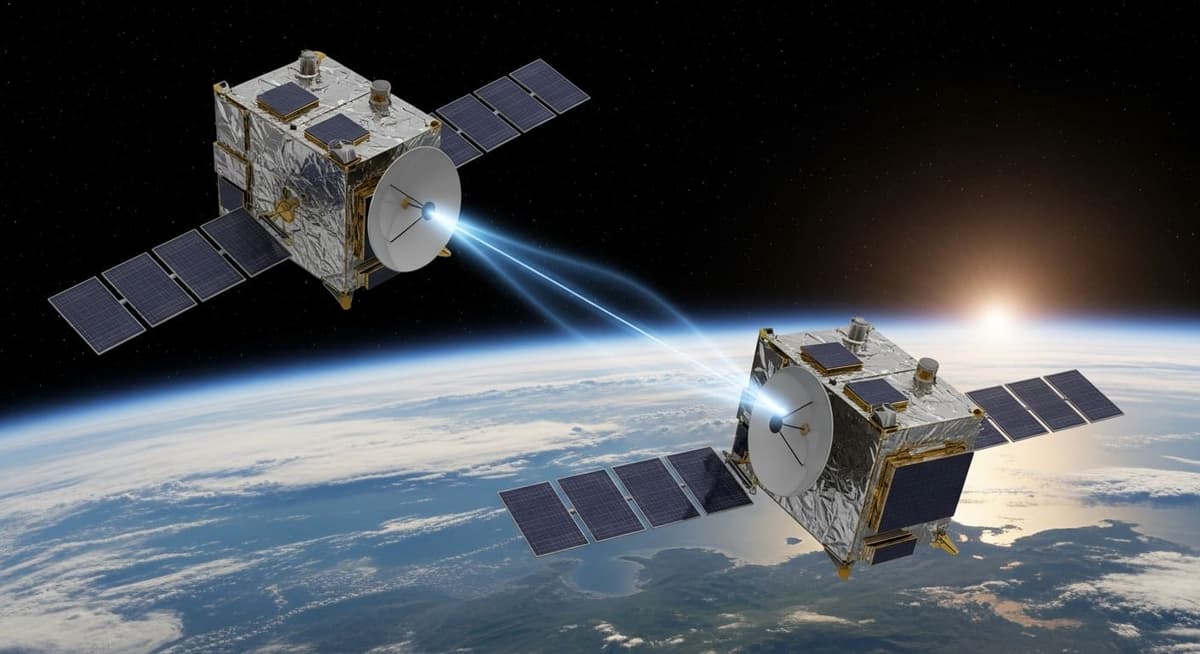
Satellite Networks Minimise Data ‘Freshness’ Delay in Age of Entanglement
Researchers introduced the Age of Entanglement (AoE) metric to quantify the freshness of bipartite entanglement in satellite‑assisted quantum repeater chains. They modeled intermittent satellite‑ground links as a two‑state Markov chain and cast AoE minimisation as an infinite‑horizon Markov decision process,...
Telefonica Unveils ‘Quantum Telco’ at MWC 2026 to Drive Real-World Quantum Security and Innovation
Telefonica unveiled its Quantum Telco portfolio at Mobile World Congress 2026, positioning itself as the first telco to launch commercial quantum‑safe communication services. The offering spans post‑quantum cryptography for data‑center interconnects, office communications, and quantum key distribution, built with partners...
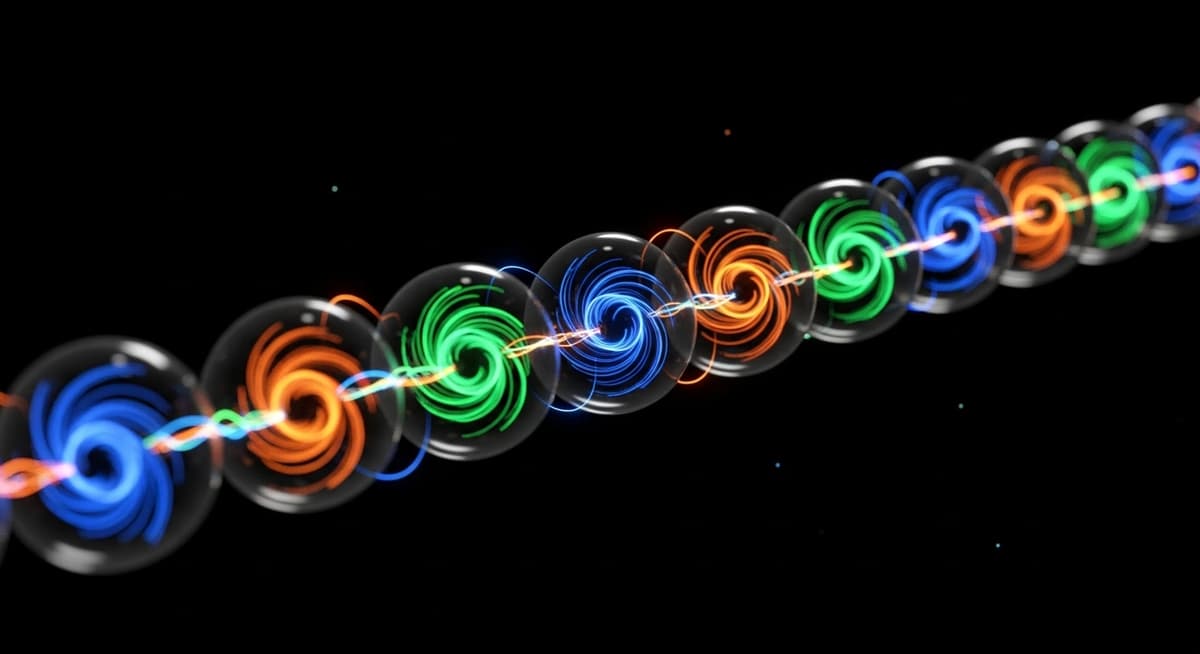
Solid-State Qubits Share States Via Spin Chains
Researchers from Russia propose a photon‑free quantum teleportation protocol using a spin‑1/2 chain governed by an engineered XX‑Hamiltonian. By imposing symmetric coupling constants, the chain can generate a maximally entangled Bell state between its end qubits with a 50 % probability...

Quantum Networks Boost Job Handling with New Scheduling Strategy
Researchers at Tyndall National Institute and University of Parma have introduced a suite of scheduling strategies for distributed quantum computing, evaluated through an integrated quantum‑network simulation framework. Their simulations show that an “EPR scheduler with node selection” consistently delivers the...

Quantum-Secure Cloud Computing: The Next Frontier in Enterprise Data Protection
A consortium of leading tech firms and universities launched a quantum‑secure cloud computing framework that embeds post‑quantum cryptography into existing cloud stacks. The hybrid model delivers lattice‑based encryption and dynamic key management while adding less than 5% latency. Early pilots...
Quantum Computing Breakthrough: First Scalable Error-Corrected Qubits Announced by IBM
IBM announced the first scalable error‑corrected qubits, overcoming decoherence with a topological design and dynamic correction algorithm. The new system reduces error rates by over 50% and achieves a quantum volume ten times greater than existing machines, while adding qubits...

Quantum Computing Inc (QUBT) Q4 2025 Earnings Call Transcript
Quantum Computing Inc. posted Q4 2025 revenue of $190,000, up from $62,000, while narrowing its net loss to $1.6 million versus a $51.2 million loss a year earlier. The company raised $1.55 billion in 2025, ending the year with $1.52 billion in cash and...
The Energy Singularity: How AI, Quantum Computing, and Decentralized Grids Will Redefine Sustainability by 2035
The article outlines an emerging "Energy Singularity" where AI, quantum computing, and decentralized grids converge to reshape global energy by 2035. AI-driven predictive management promises up to 40% consumption cuts and real‑time outage prevention. Quantum computers are expected to unlock...
Efficient Verification Key to Near‑term Quantum Advantage
In the last post of a 3-part series, Dominik Hangleiter highlights the importance of efficient verification of quantum advantage, and assesses the prospects for achieving it soon. https://t.co/diAapqei12

Quantum Computing Weekly Round-Up: Week Ending February 28, 2026
Quantum activity surged across markets, security, networking, and infrastructure this week. Cloudflare, Keeper and Arqit announced integration of post‑quantum cryptography into their production stacks, while IonQ landed defense procurement contracts and joined European quantum‑key‑distribution initiatives. Laboratory upgrades and new tooling...
Classiq and SKKU’s QCenter Launch Quantum Software Education Initiative in Korea
Classiq and Sungkyunkwan University’s Quantum Information Research Support Center (QCenter) signed an MOU to launch a quantum software education program in South Korea. The partnership hosted Korea’s first public training on Classiq’s Qmod platform, drawing 50 participants from industry, academia,...

Dynamical Freezing Can Protect Quantum Information for Near-Cosmic Timescales
Cornell physicists have quantified how long dynamical freezing can protect quantum information, showing it can persist for timescales approaching the age of the universe. Using a new Floquet flow‑renormalization framework, they demonstrated that a precisely tuned periodic drive cancels chaotic...

Sophus Technology to Showcase Quantum Solver Delivering Faster Optimization
Sophus Technology will unveil its Quantum Solver in a March 10 webinar, promising optimization speeds 50‑to‑100 times faster than current solvers. The quantum‑inspired platform enables full‑fidelity supply‑chain models, eliminating the need for simplifications that compromise accuracy. By handling daily production planning and...

SEALSQ Expands Japan Presence to Support 2035 Quantum Security Mandate
SEALSQ Corp is expanding its footprint in Japan by showcasing its production‑ready QS7001 secure System‑on‑Chip and QVault Trusted Platform Module at two March 2026 industry events. The move backs Japan’s National Cyber Command Office mandate to transition all government and critical‑infrastructure...

QuTech Aims to Overcome Entanglement Decay with New Solid-State Quantum Devices
QuTech researcher Tim Taminiau secured an NWO Vici grant to develop solid‑state quantum network devices that keep entanglement continuously available. The project will use silicon‑vacancy (VSi) spin qubits in silicon carbide (SiC) to build multi‑node nodes that combine a fast...

Quantum Team Reads Information From Robust Majorana Qubits Using Quantum Capacitance
Researchers demonstrated a quantum‑capacitance technique that reads the parity of Majorana‑based qubits in a minimal Kitaev chain, achieving single‑shot, real‑time detection. The modular device—two semiconductor quantum dots linked by a superconducting segment—revealed parity coherence times exceeding one millisecond. This global...
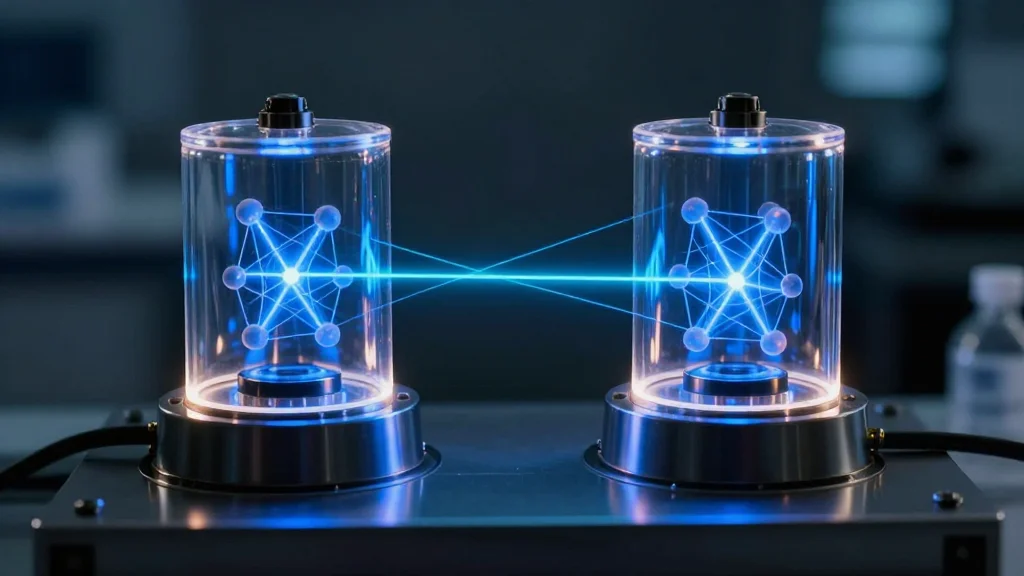
Welinq and Pasqal Accelerate Networked Quantum Computing with Neutral-Atom Tech
Welinq and Pasqal have deepened their partnership to accelerate networked quantum computing using neutral‑atom processors. Backed by a €4 million InterQo grant from Île‑de‑France Region and BPI France, the two firms will integrate photonic interconnects into Pasqal’s QPUs and deploy Welinq’s...
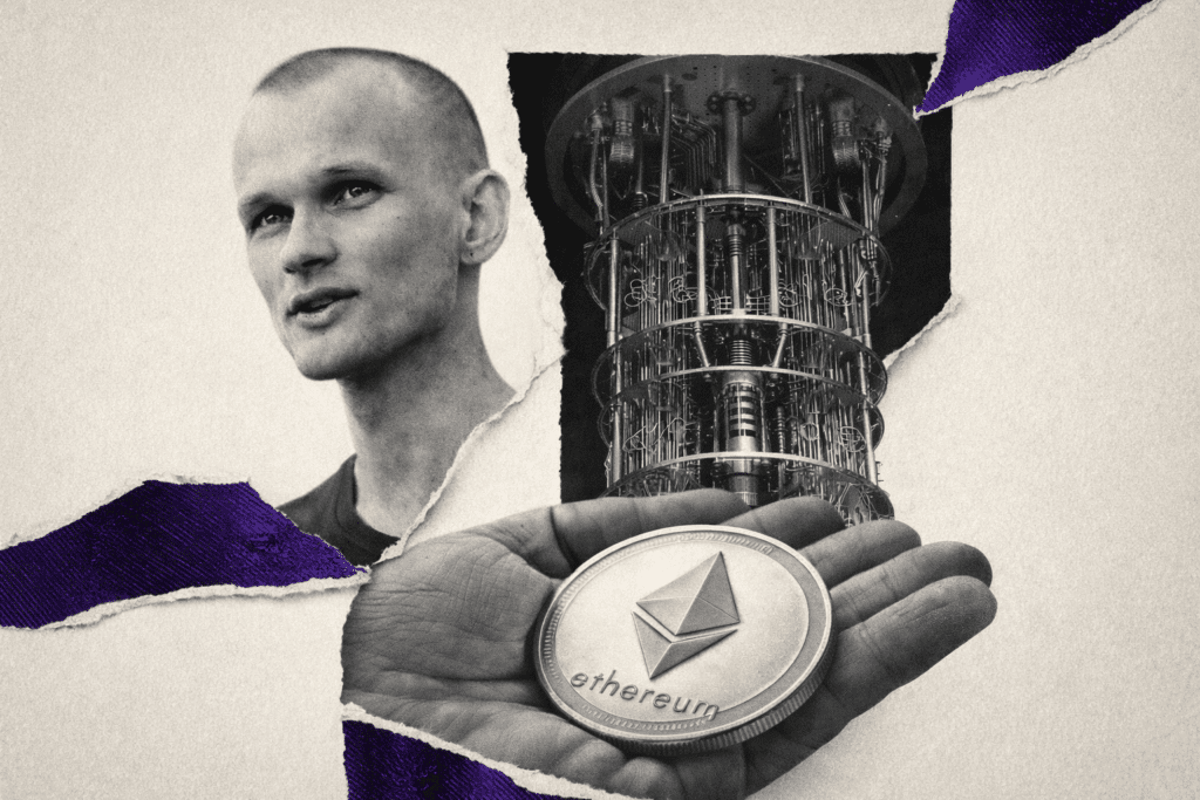
Vitalik Buterin Lays Out Quantum Defense Plan for Ethereum
Ethereum co‑founder Vitalik Buterin announced a comprehensive “quantum roadmap” to protect the network from future quantum‑computing attacks. He identified vulnerabilities in validator and wallet signatures, data availability, and certain zero‑knowledge proofs. The plan recommends swapping current signature schemes for hash‑based, quantum‑resistant...

Planqc Recognized as Key Player in Europe’s Quantum Computing Ecosystem
A new BCG and UnternehmerTUM report crowns planqc as a leading European player in neutral‑atom quantum computing. The analysis projects quantum technologies could generate $450‑850 billion in global economic value by 2040, underscoring Europe’s need for industrial‑scale, sovereign solutions. It stresses...
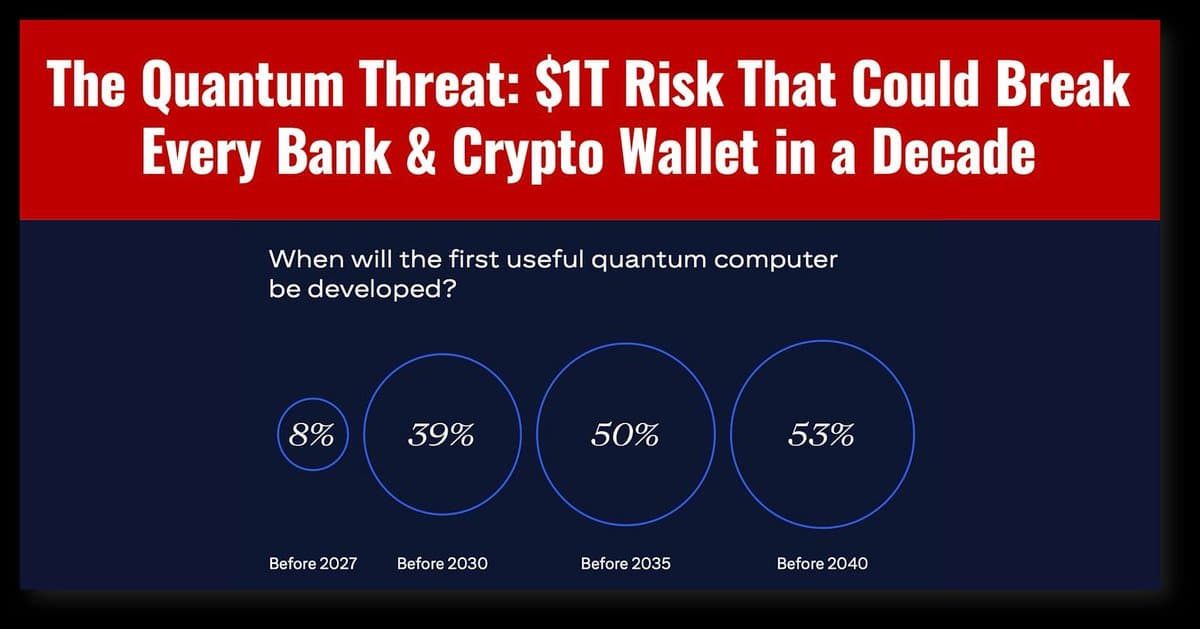
Quantum Threat: Q-Day Could Cripple Global Financial Security
Quantum computers are coming — and in the next decade, could break widely used public-key encryption (RSA, ECC) that secures everything from bank transactions to crypto. Citigroup’s latest report on quantum calls it a trillion-dollar security threat, and they are not...
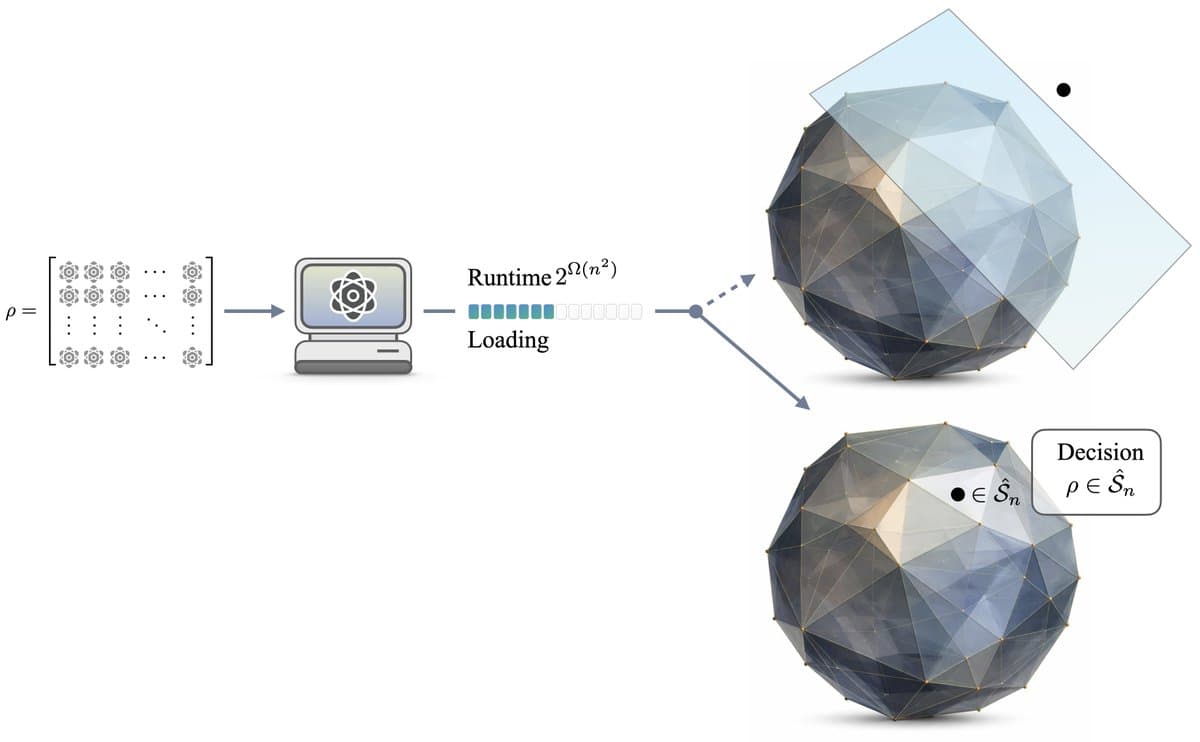
Certifying Quantum Magic Proven Super‑Exponential Hard
The unbearable hardness of deciding about magic Identifying the boundary between classical and quantum computation is a central challenge in quantum information. In multi-qubit systems, entanglement and magic are the key resources underlying genuinely quantum behaviour. While entanglement is well understood,...
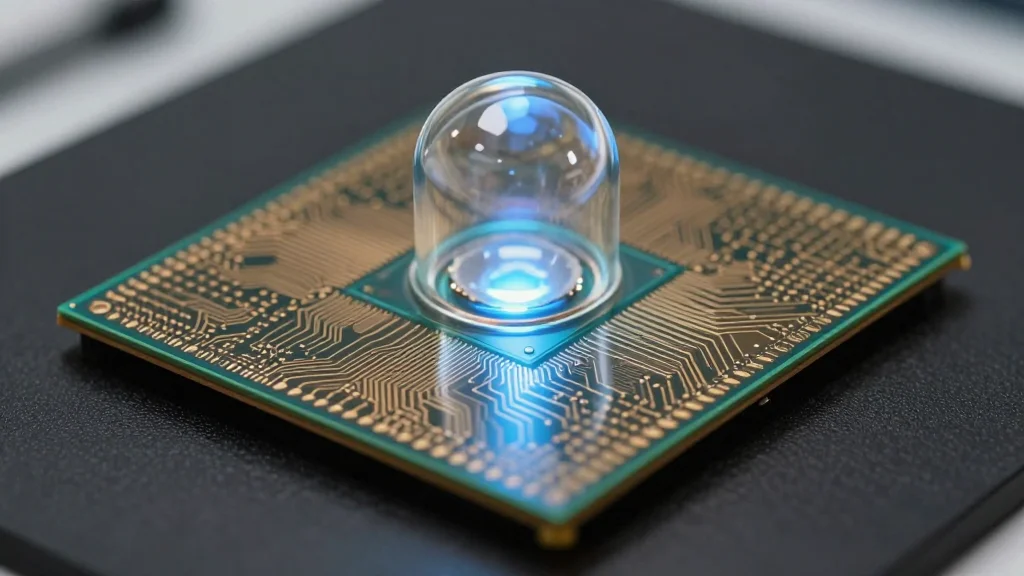
Xanadu and Mitsubishi Chemical Detail Quantum Algorithms for EUV Semiconductor Research
Xanadu Quantum Technologies and Mitsubishi Chemical have published a pre‑print detailing quantum simulation algorithms aimed at improving extreme ultraviolet (EUV) lithography, a key step in advanced semiconductor manufacturing. The approach models the quantum‑driven radiation‑induced blur that limits pattern fidelity, using...
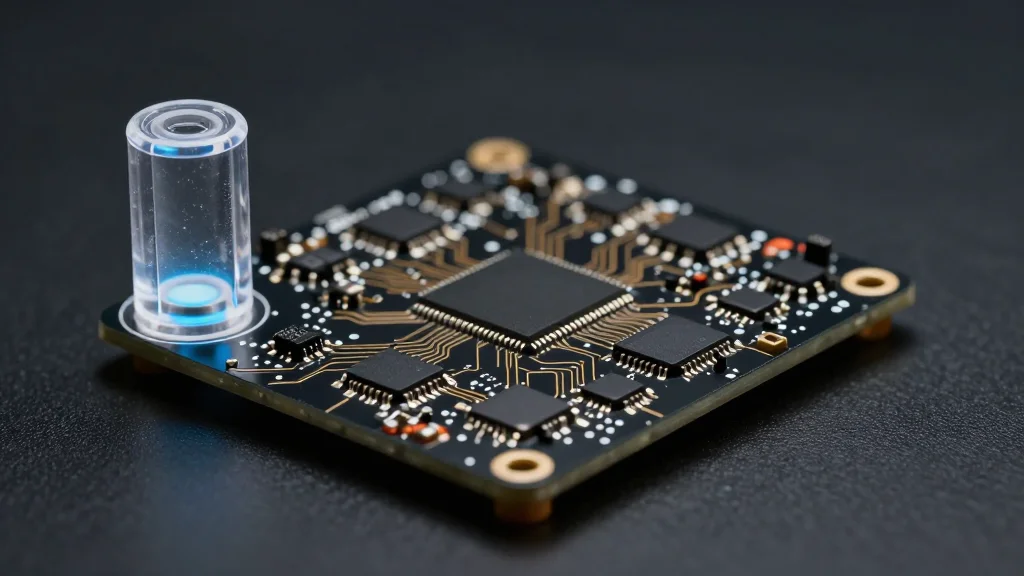
QED-C and NIST Finalize Research to Compact and Optimize Quantum Control Electronics
The Quantum Economic Development Consortium (QED‑C) and NIST have completed a $1.4 million government‑matched research program to shrink and improve the efficiency of quantum control and readout electronics. Partner firms Amphenol RF, Maybell Quantum Industries, Rigetti Computing and XMA delivered hardware that reduces the physical...

QUDORA and ParityQC Partner to Optimize Trapped-Ion Quantum Algorithms
QUDORA and ParityQC have formed a strategic partnership to boost the performance of trapped‑ion quantum computers. The collaboration combines QUDORA’s Near‑Field Quantum Control hardware with ParityQC’s Parity Twine software, a topology‑aware method that reshapes algorithms for ion‑trap constraints. By cutting gate...